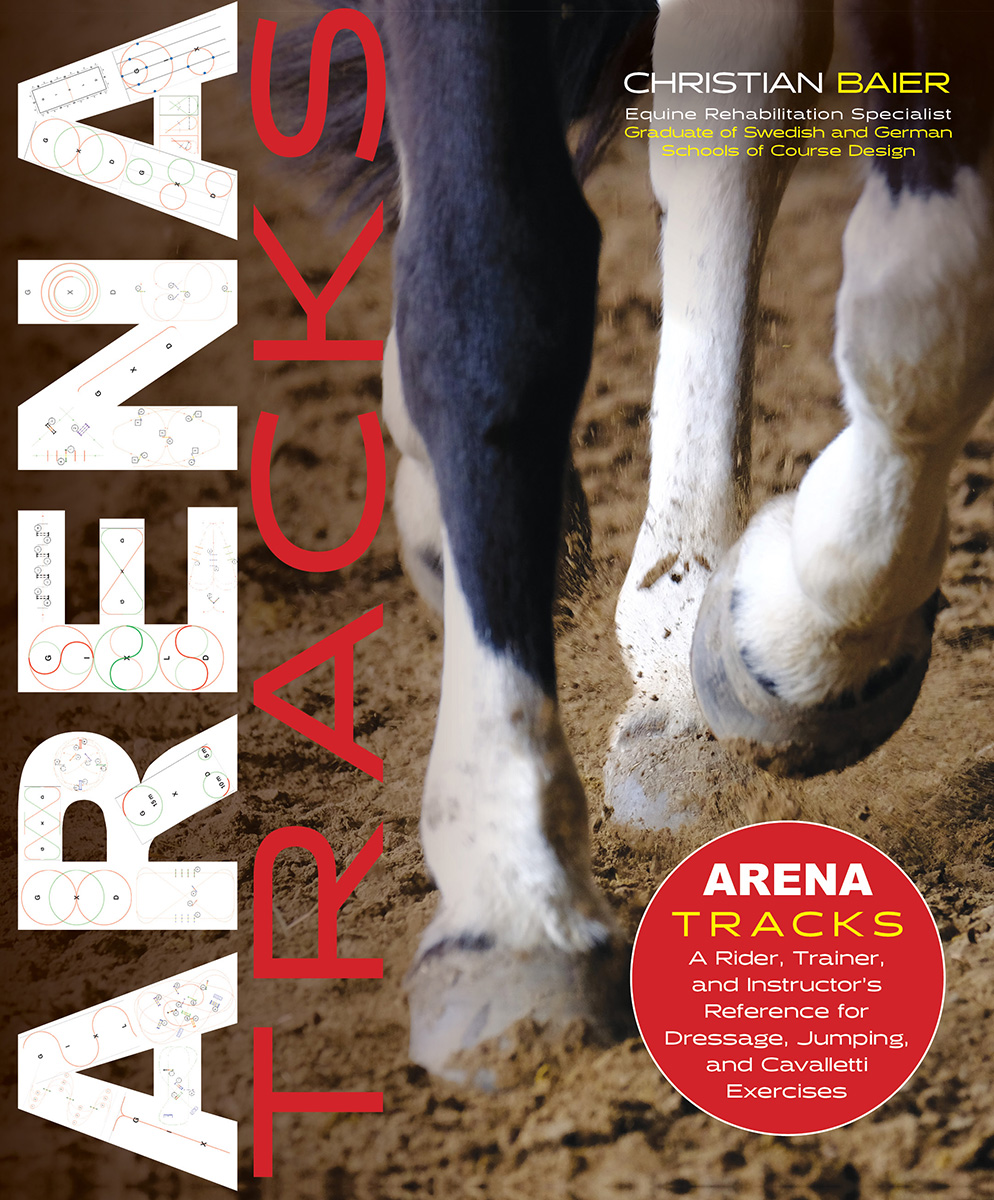
An excerpt from Arena Tracks by Christian Baier.
These classical tracks are ultimately at the foundation of everything we are doing in the arena with the horse. It starts with the beginner rider just off the longe line learning the most basic tracks all the way to the most experienced rider working a horse at the highest level of equestrianism. Jumping courses even consist of a combination (or variation) of classical arena tracks strung together from start to finish marker!
The classical arena tracks that I outline here are just a few of the tracks that guide the rider in how to safely navigate the arena in an organized way, in addition to being a useful tool in the physical development of the horse. For the instructor, they are an important tool for communicating with the student.
So, why do we have tracks?
◆ To ride in an organized and safe way in an arena.
◆ To change direction with many options from basic to more advanced.
◆ To make it easier to deal with other horses in the arena.
◆ Basic tracks are of great help to the novice rider and inexperienced horse.
◆ They are excellent help in training accuracy.
◆ Riding tracks support and demonstrate the suppleness of the horse.
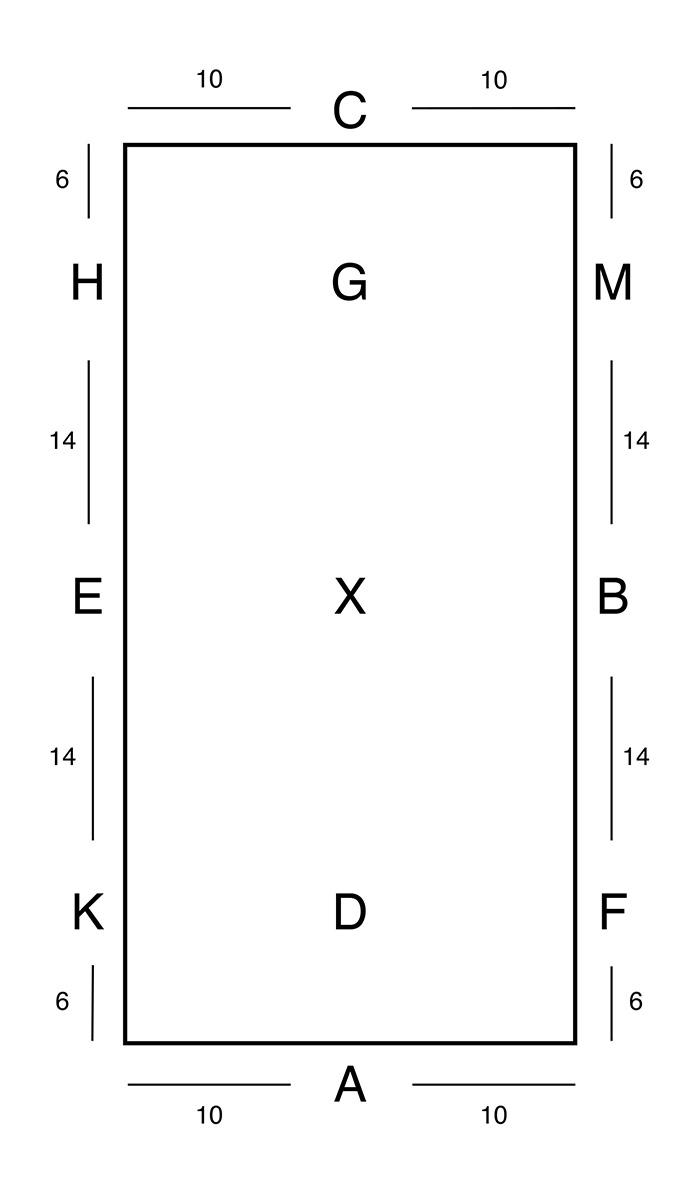
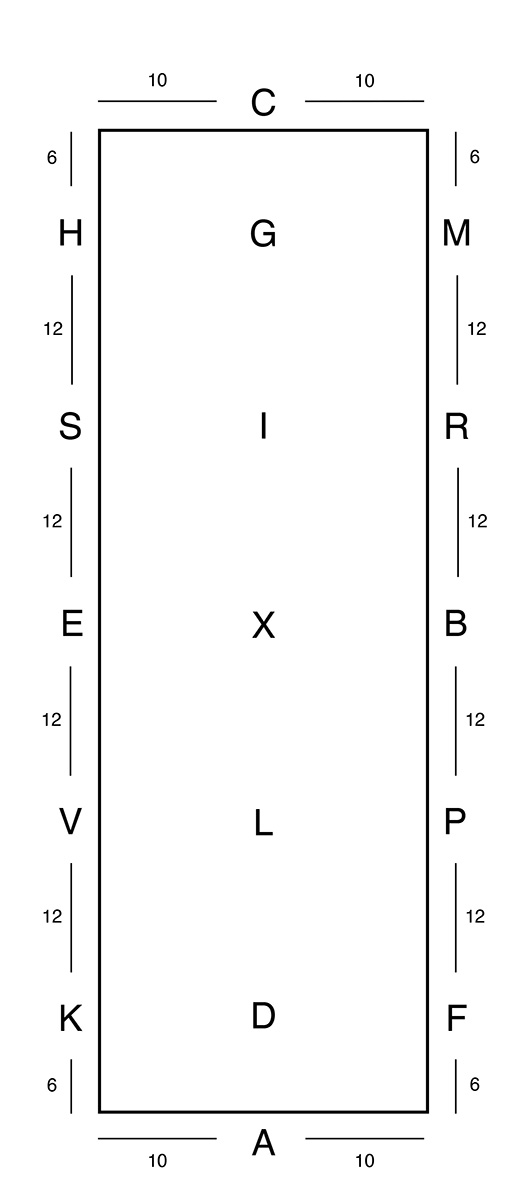
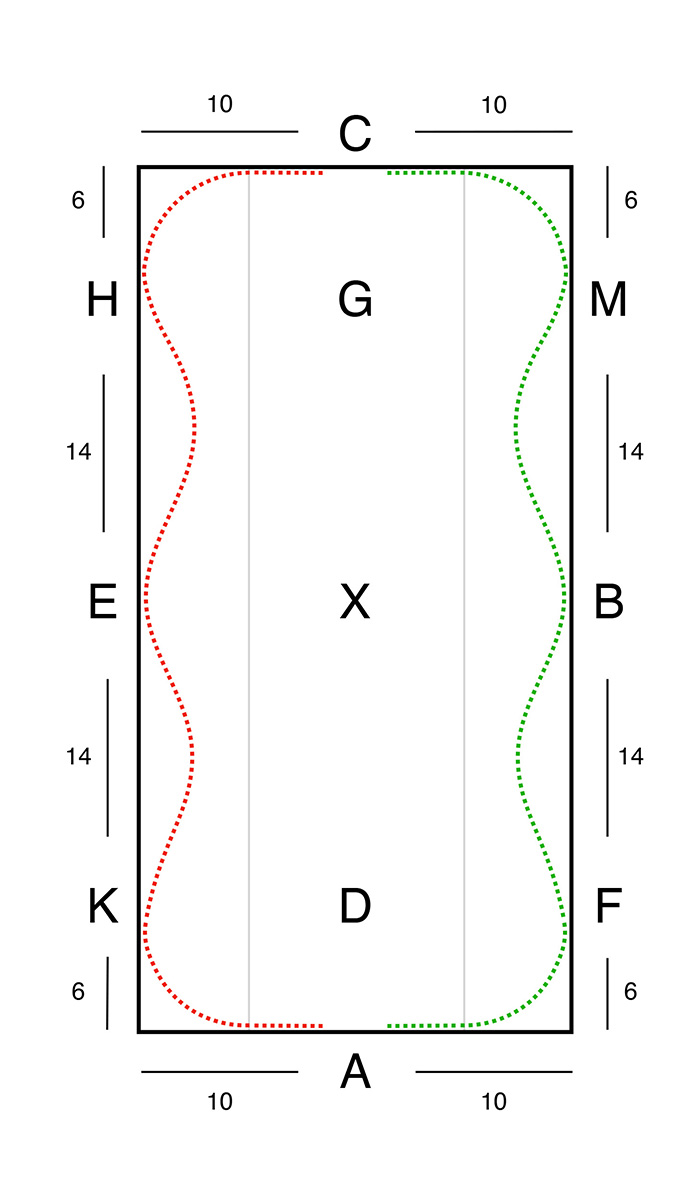
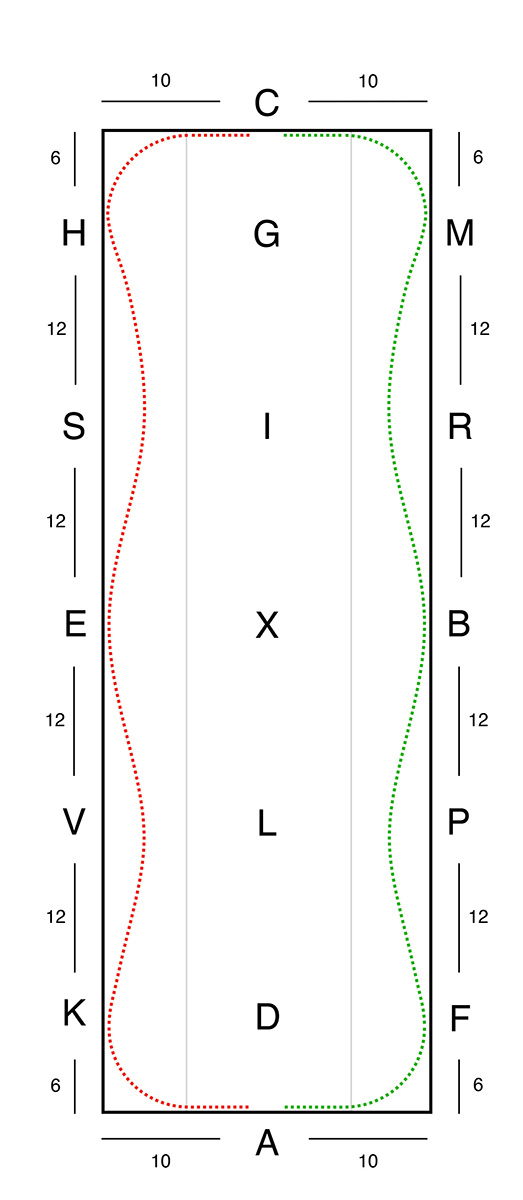
The eight tracks described in this excerpt are in reference to the standard dressage arenas, which come in two sizes: 20 x 40 meters and 20 x 60 meters.
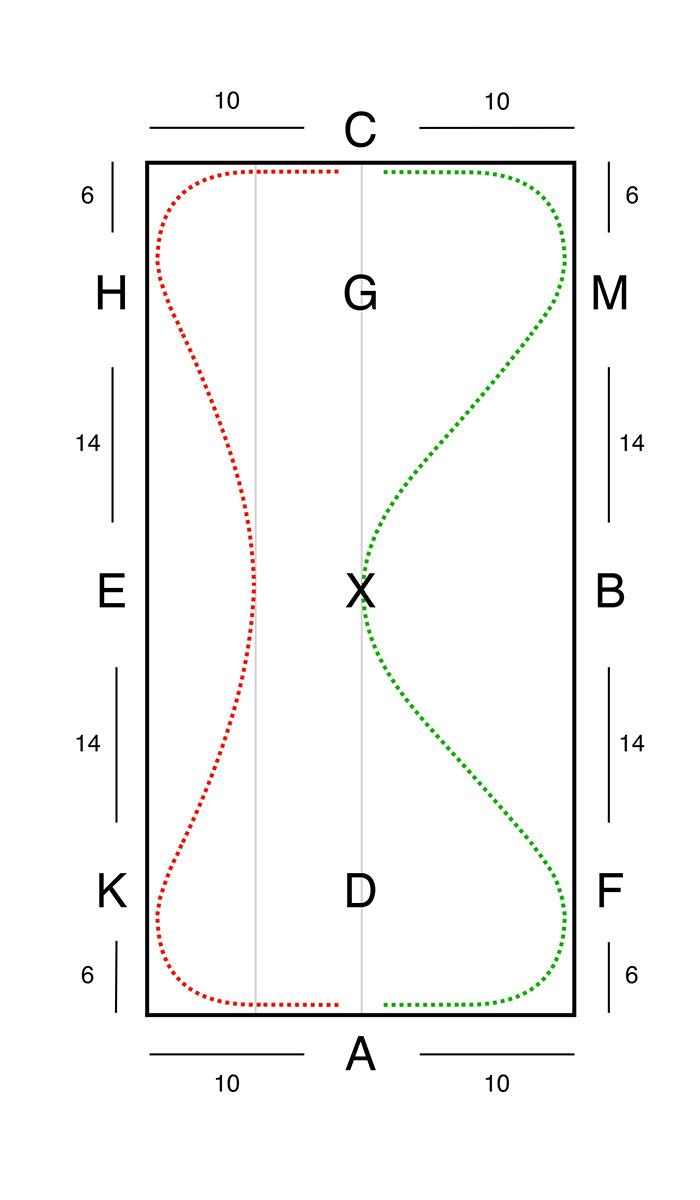
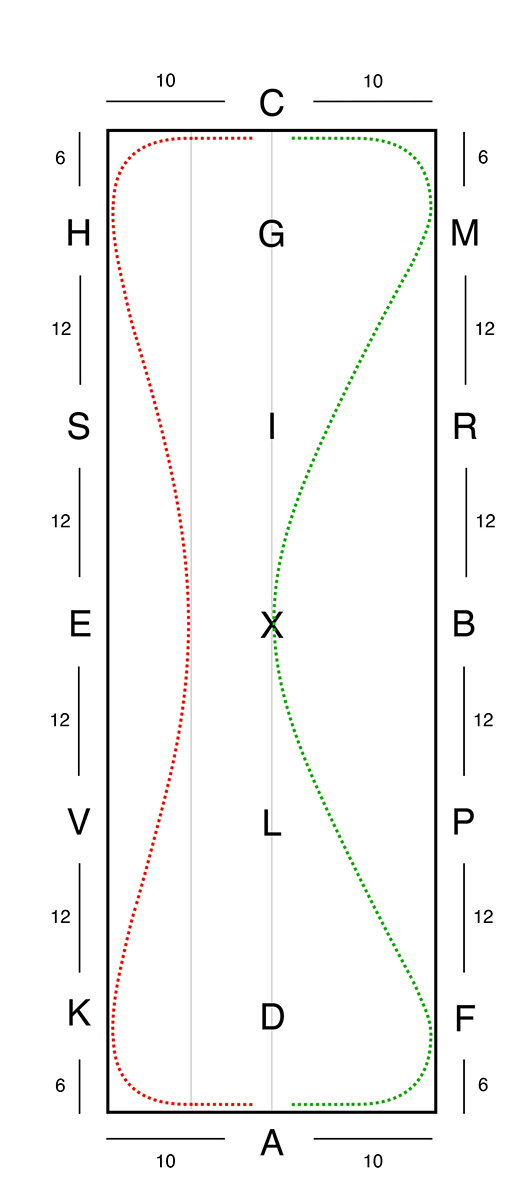
Single-Loop Serpentine
◆ Purpose: Suppling through the bending line and change of flexion to the turning side.
◆ Possible tracks: From left and right using the quarterline for orientation. If stated in instructions, it can be ridden into X.
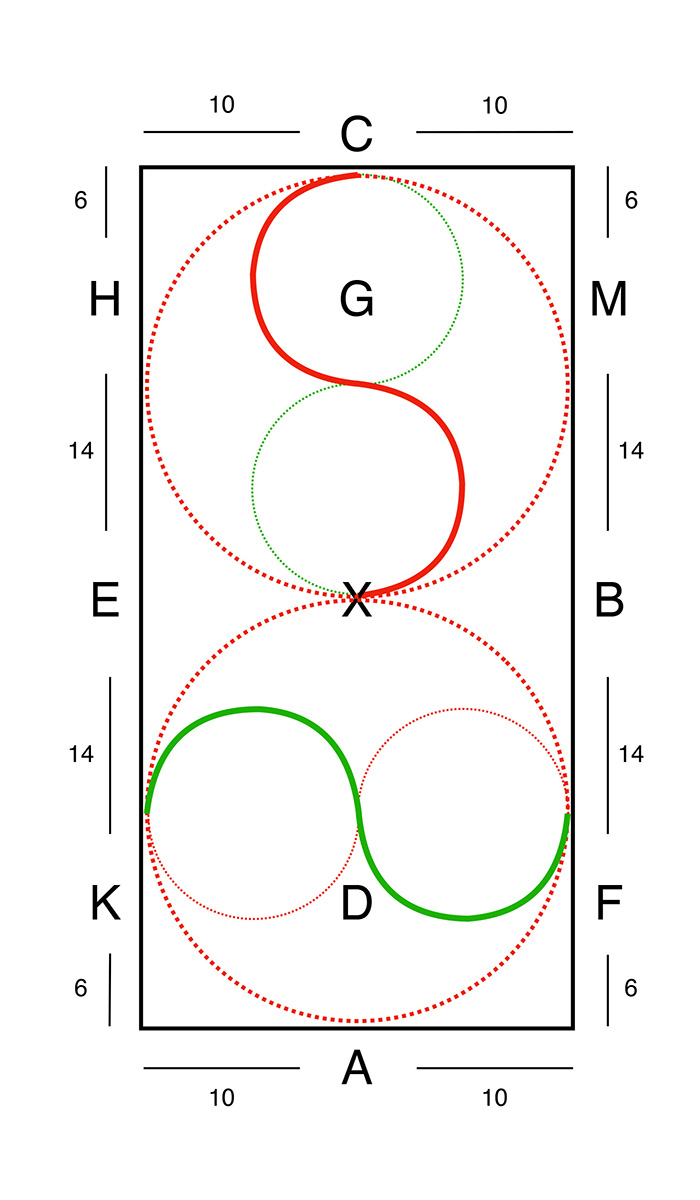
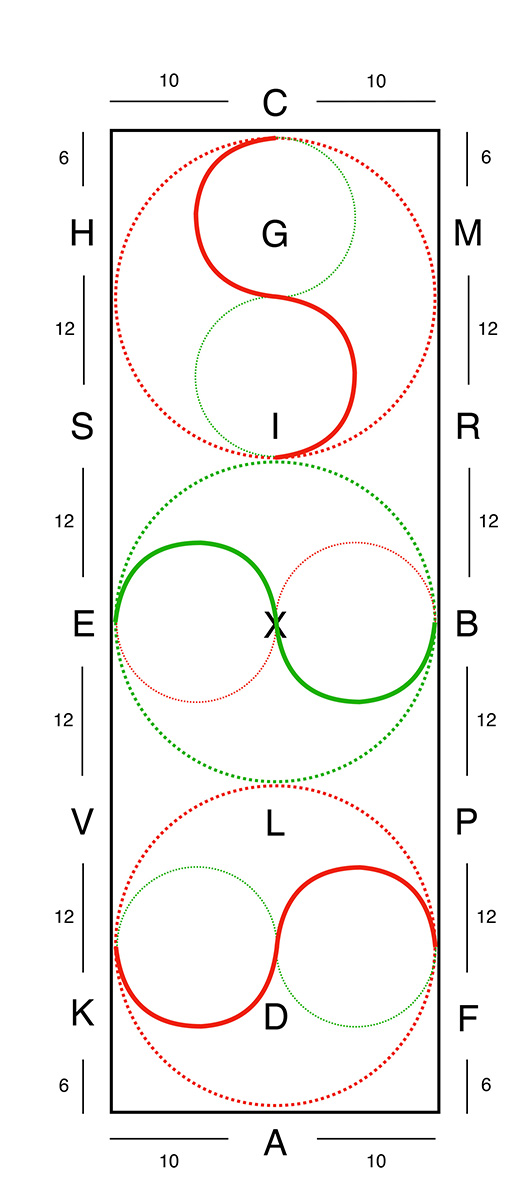
Change Direction Through the Circle
◆ Purpose: To change direction within the circle.
◆ Possible tracks: From left and right; from short and long sides.
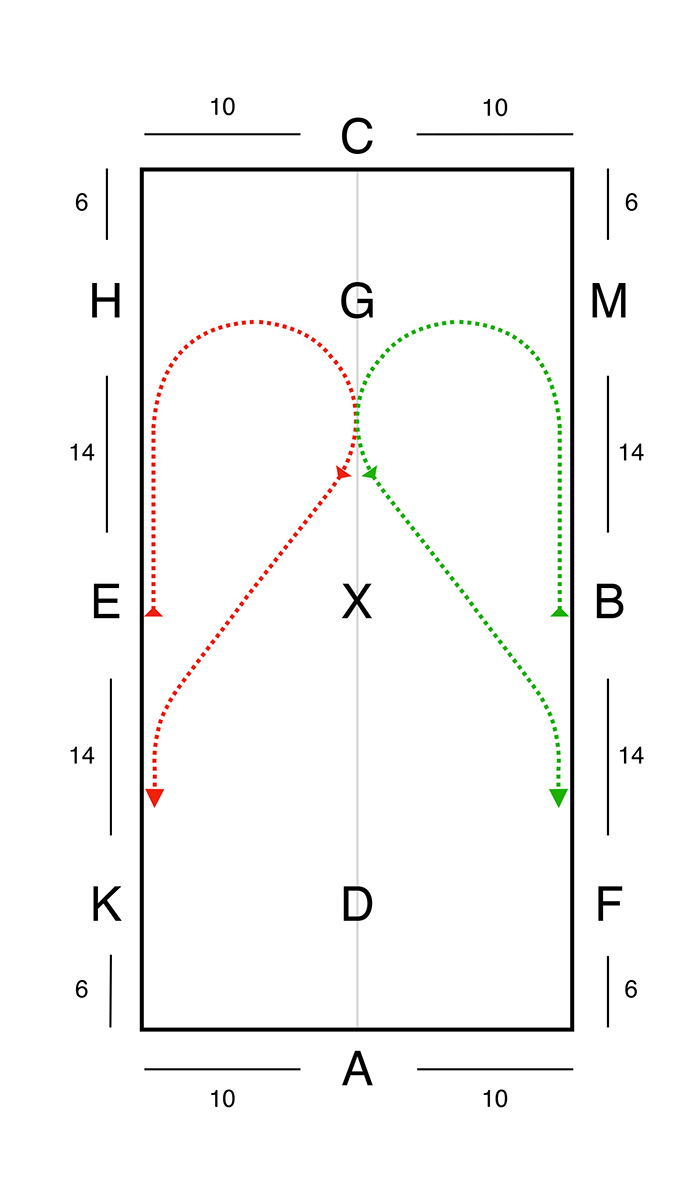
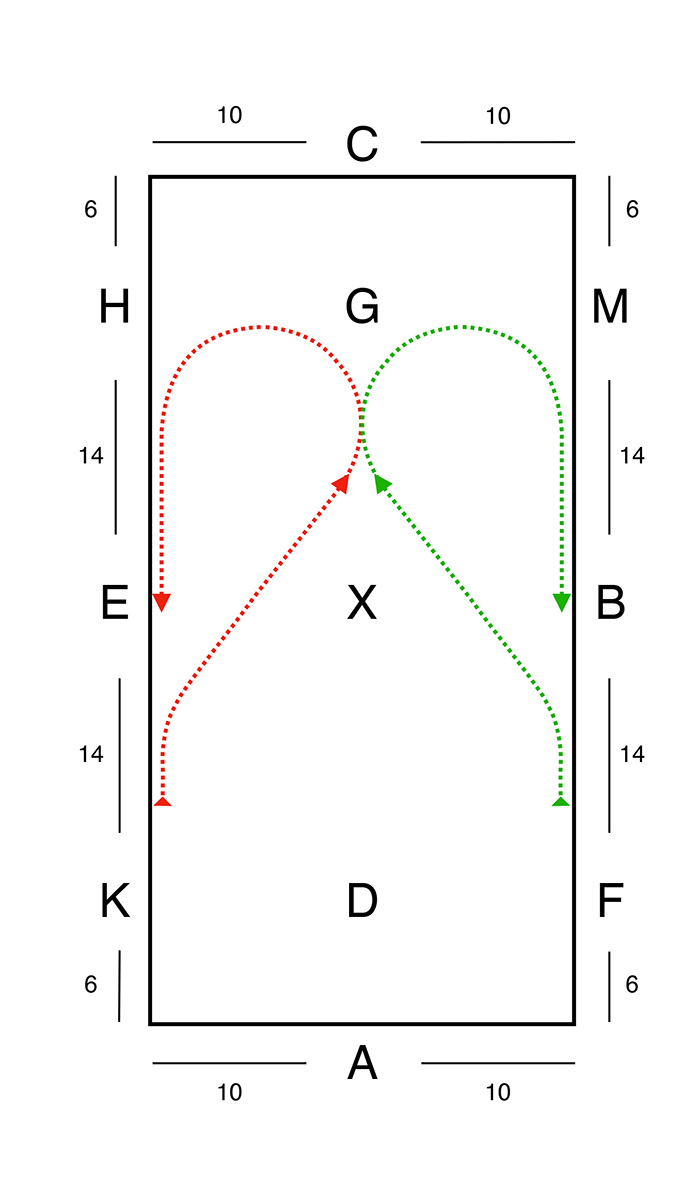
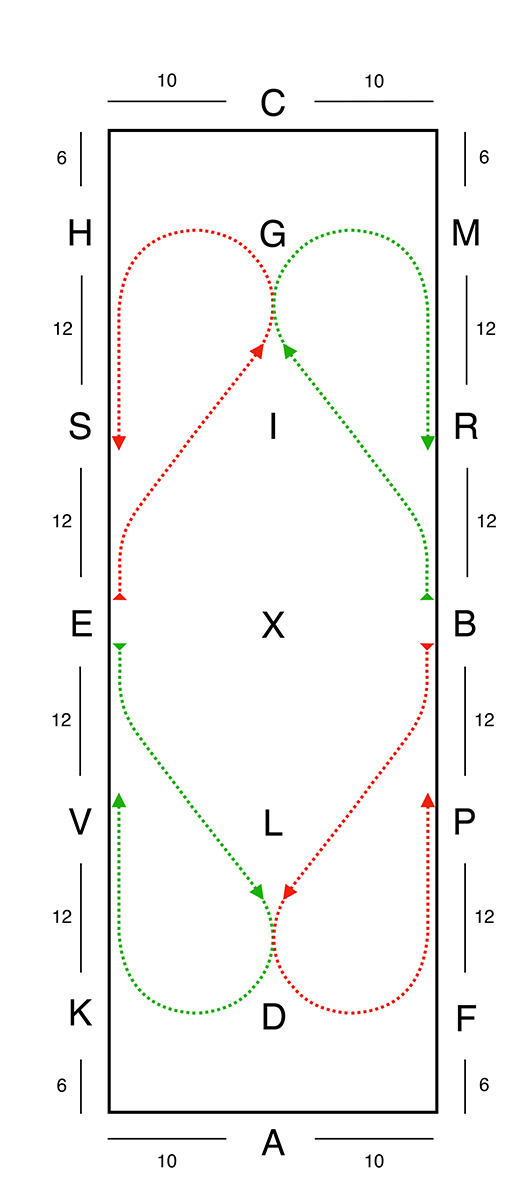
Half-Circle Back
◆Purpose: Used to change direction.
◆ Possible tracks: Usually ridden from middle to end of long sides.
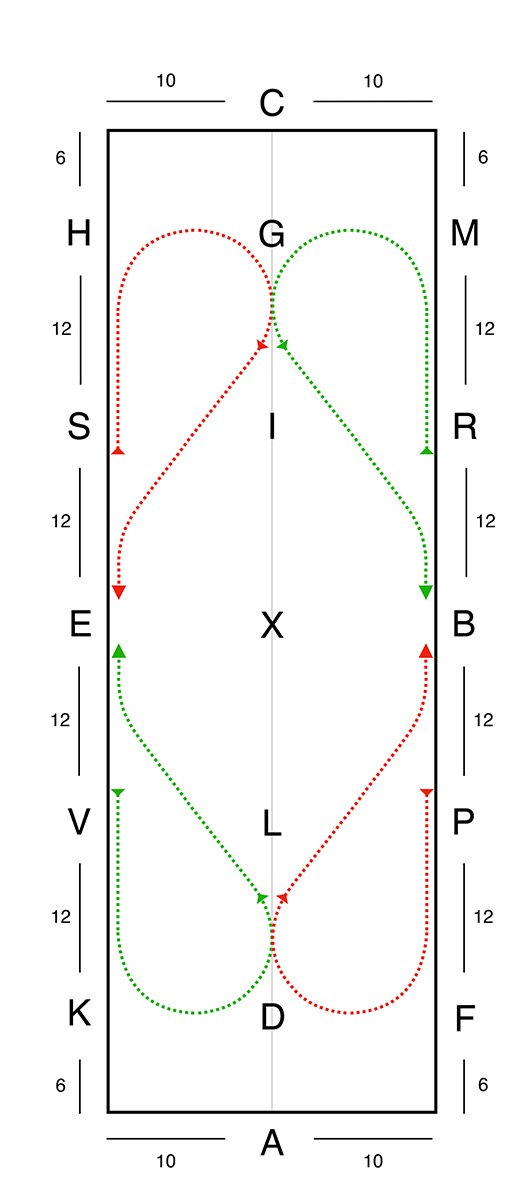
Half-Circle Back in Reverse
◆ Purpose: Used to change direction.
◆ Possible tracks: Usually ridden from the middle to the end of long sides.
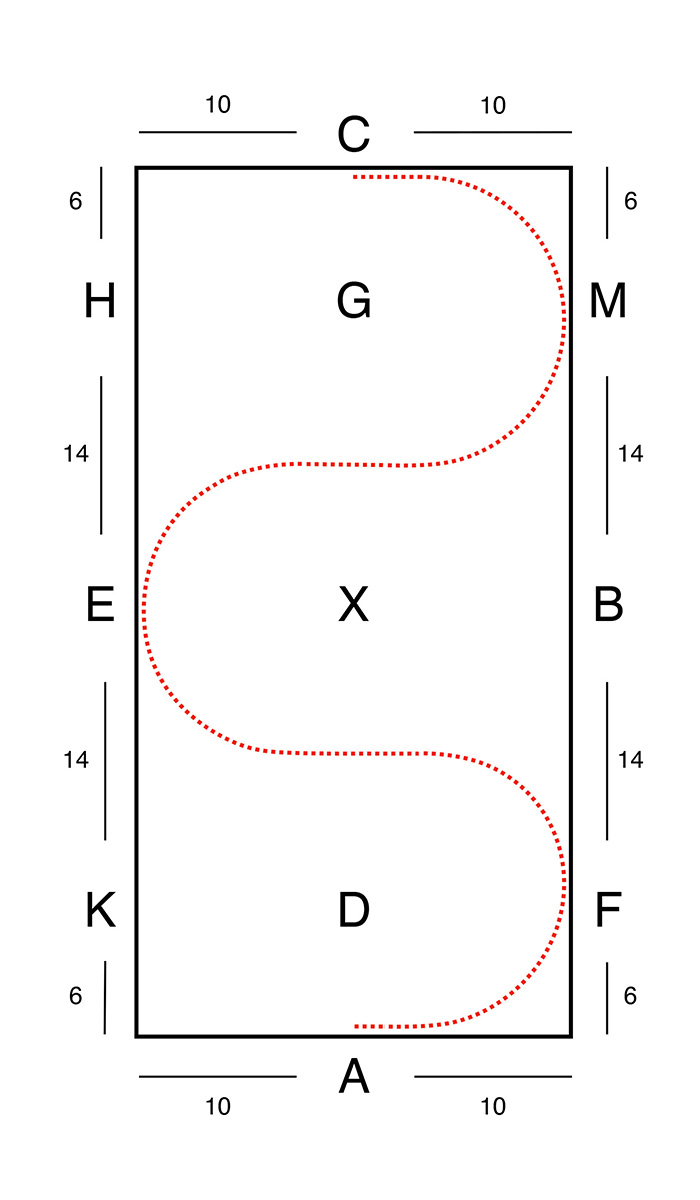
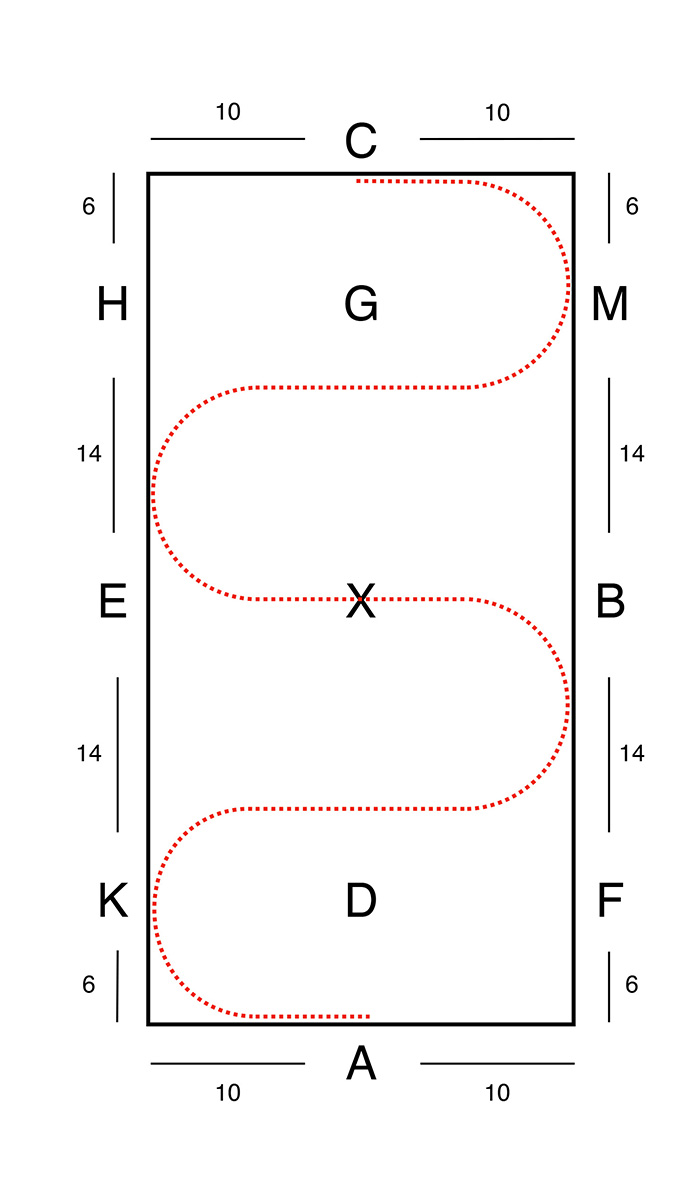
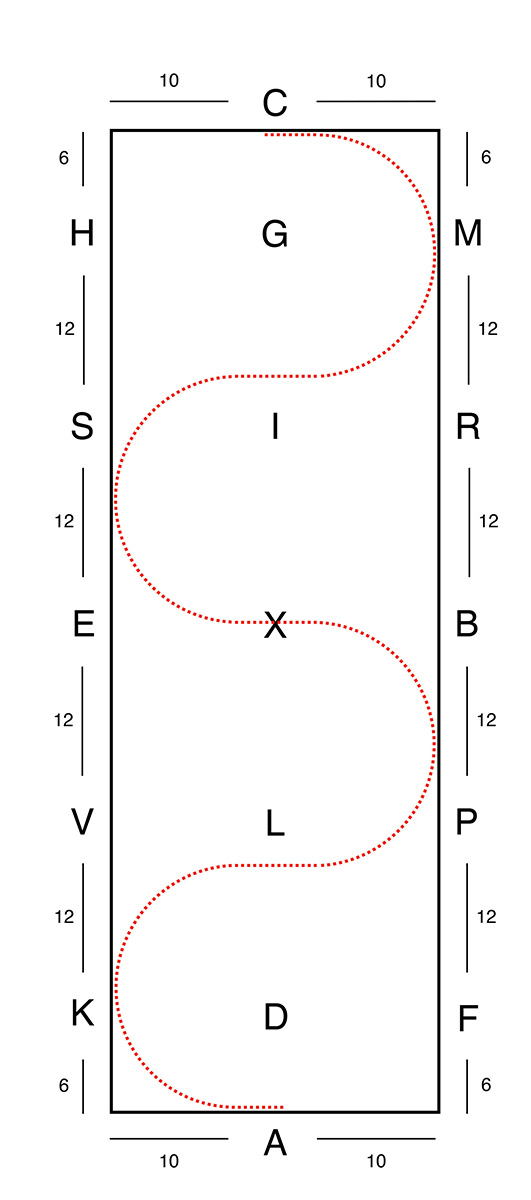
Three-Loop Serpentine
◆ Purpose: Trains turning, accuracy, and frequent change of bending flexion. It is an excellent suppling exercise.
◆ Possible tracks: Can be ridden from left or right. Serpentines with an even number of loops create a change of direction. Serpentines with an odd number of loops maintain the same direction.
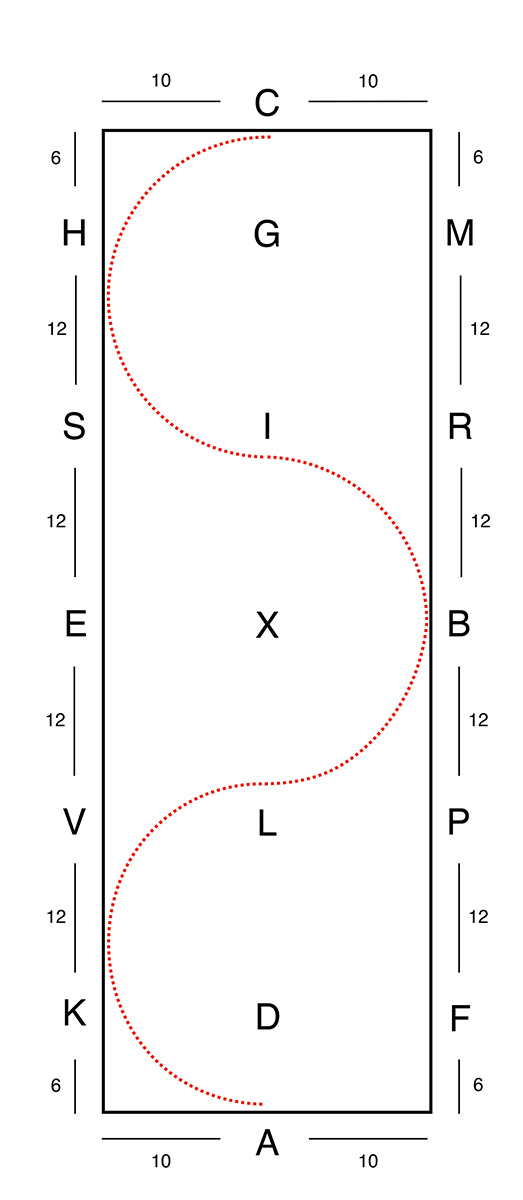
Four-Loop Serpentine
◆ Purpose: Trains turning, accuracy, and frequent change of bending flexion. It is an excellent suppling exercise.
◆ Possible tracks: Can be ridden from left or right. Serpentines with an even number of loops create a change of direction. Serpentines with an odd number of loops maintain the same direction.
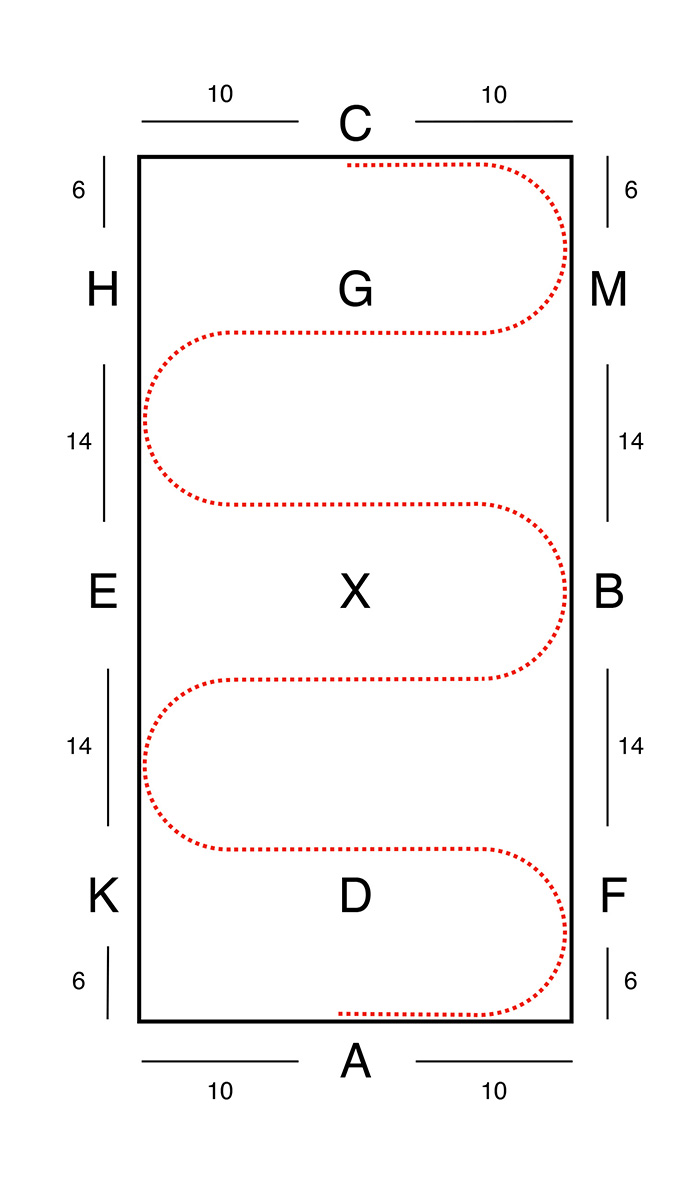
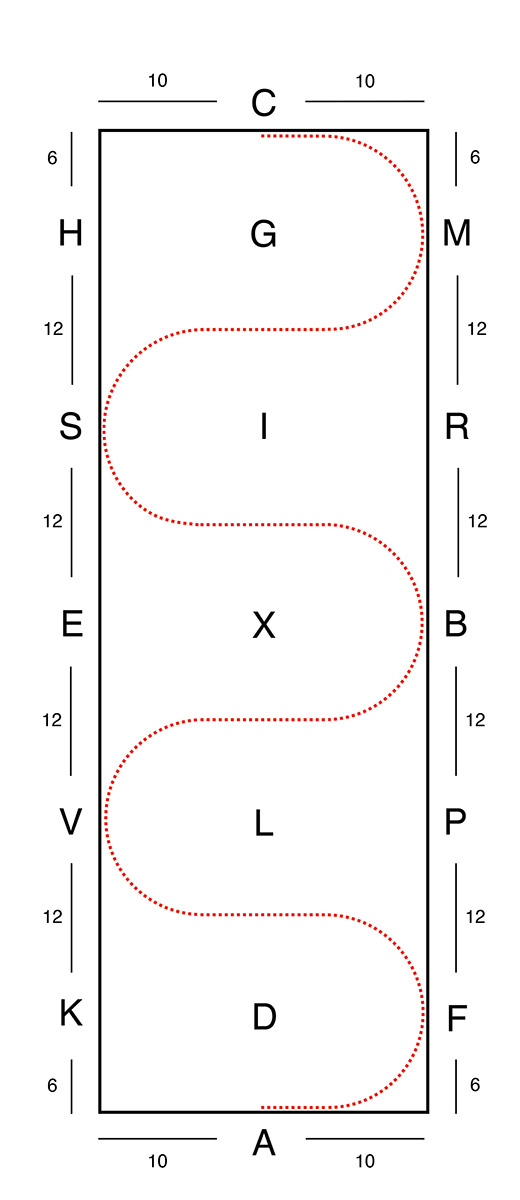
Five-Loop Serpentine
◆ Purpose: Trains turning, accuracy, and frequent change of bending flexion. It is an excellent suppling exercise.
◆ Possible tracks: Can be ridden from left or right. Serpentines with an even number of loops create a change of direction. Serpentines with an odd number of loops maintain the same direction.
Double-Loop Serpentine
◆ Purpose: Suppling through bending lines and changes of flexion to the turning side when ridden in walk and trot.
◆ Possible tracks: From left and right, using half the distance to the quarterline for orientation (2.5 meters inside the track).
This excerpt from Arena Tracks by Christian Baier is reprinted with permission from Trafalgar Square Books (www.HorseandRiderBooks.com). This is a web exclusive for Horse Illustrated magazine.