Horses are an integral part of human history, and the origins of most breeds go back centuries. But some breeds have more modern origins, designed to fit contemporary needs. One of those breeds is the Zangersheide.
A warmblood developed in Belgium in the 1960s, the Zangersheide exists for one purpose: to dominate the world of international show jumping.
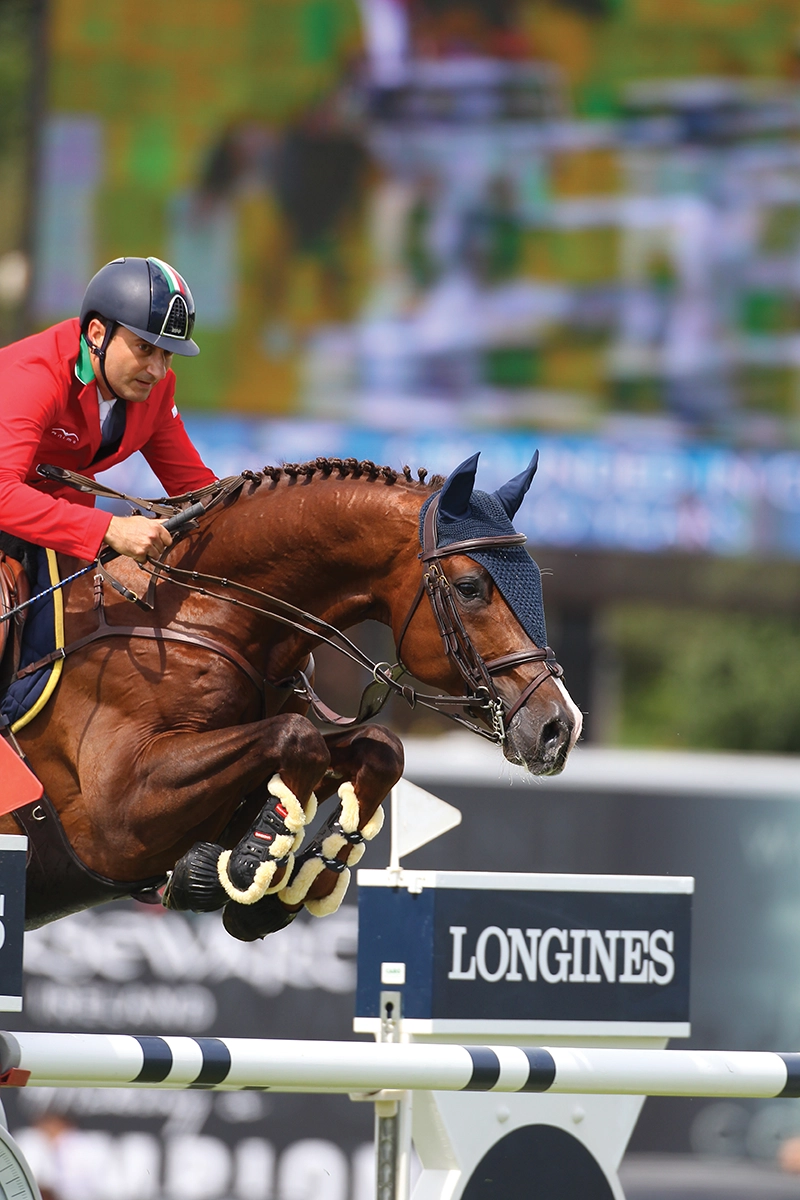
The Zangersheide is purpose-bred to excel at the highest levels of equestrian sport. (Shown: Piergiorgio Bucci of Italy riding Casallo Z in the NationsCup at Hickstead in 2016.) Photo by Bob Langrish
The breed started at the Studfarm Zangersheide, founded in Lanaken, Belgium, by European businessman and equestrian Léon Melchior. Melchior’s goal was to outcross various breeds to create the most competitive jumpers the world had ever seen. Using mostly Hanoverians and French horses, likely of Selle Français breeding, Melchior bred for athleticism and talent as he searched for the ultimate jumping horses.
Today, the Zangersheide Studbook, created in 1992, includes horses of Dutch Warmblood, Thoroughbred, Holsteiner, and Belgian Warmbood breeding. Many top-level show jumpers have come out of the Studfarm Zangersheide, including horses that have been competitive in World and European Championships, and even the Olympics.
Uniquely Bred
The Zangersheide is not a breed in the traditional sense, like the American Quarter Horse or the Arabian, because it has not been developed over a period of time for specific characteristics by breeding horses of similar lineage.
Instead, to be registered as a Zangersheide, a foal and must be sired by a stallion approved by a studbook recognized by the World Breeding Federation for Sport Horses (WBFSH). The WBFSH is an international federation for sport horses around the world, connecting sporthorse breeding and international equestrian sport.
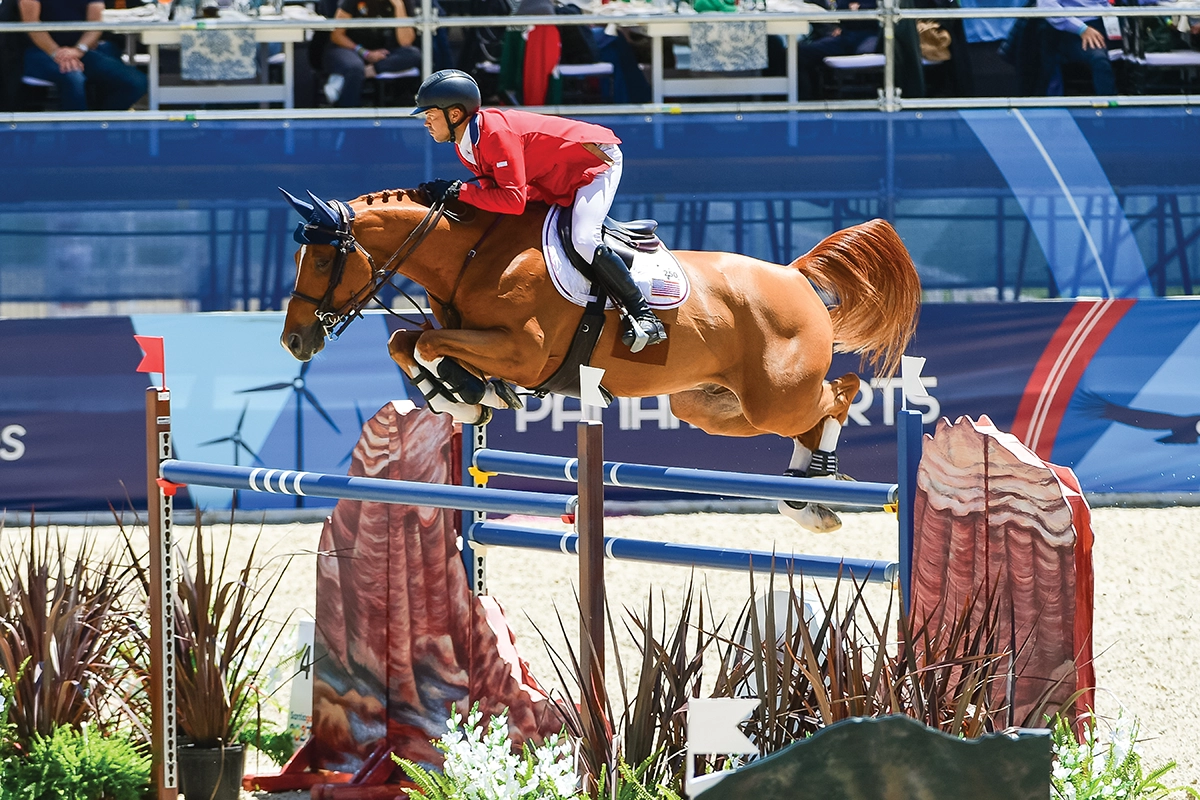
Kent Farrington (USA) rode Zangersheide gelding Landon at the Pan American Games in 2023, where they won team gold and individual silver. Photo by Allen MacMillan/MacMillan Photography
The WBFSH recognizes studbooks for Trakenhers, Dutch Warmbloods, Westfalians, Swedish Warmbloods, Oldenbergs, Zangersheides, and other European warmbloods.
Because Zangersheides include different types of warmbloods in their lineage, their height and conformation varies between individuals. Zangersheides are typically 16 to 17 hands in height, and have a solid build. They usually come in black, bay, gray, and chestnut, and are athletic and trainable.
Famous Zangersheides
Studfarm Zangersheide founder Léon Melchior’s goal was to create a warmblood that could compete and win at the highest levels of international show jumping. He succeeded in this quest, with his daughter Judy Ann Melchior following in his footsteps as the current manager of the Zangersheide breed.
Zangersheides are among the top horses competing in international show jumping. The Zangersheide studbook is currently ranked No. 2 by the WBFSH, a ranking that is calculated using the points of the top six performing horses in a studbook, for each discipline.
A top contender right now is a black 10-year-old Zangersheide gelding named Dexter Fontenis Z, who is described by Studfarm Zangersheide as the leading show jumping horse in the world. Close behind is another 10-year-old gelding named Landon, who won two medals at the Pan American Games in 2023.
Viewers of the equestrian sports at the 2024 Paris Olympics saw another Zangersheide in action when 14-year-old gelding Beauville Z took home an individual bronze medal in show jumping, with Dutch rider Maikel van der Vleuten aboard. The pair also won a bronze at the 2021 Olympics in Tokyo.
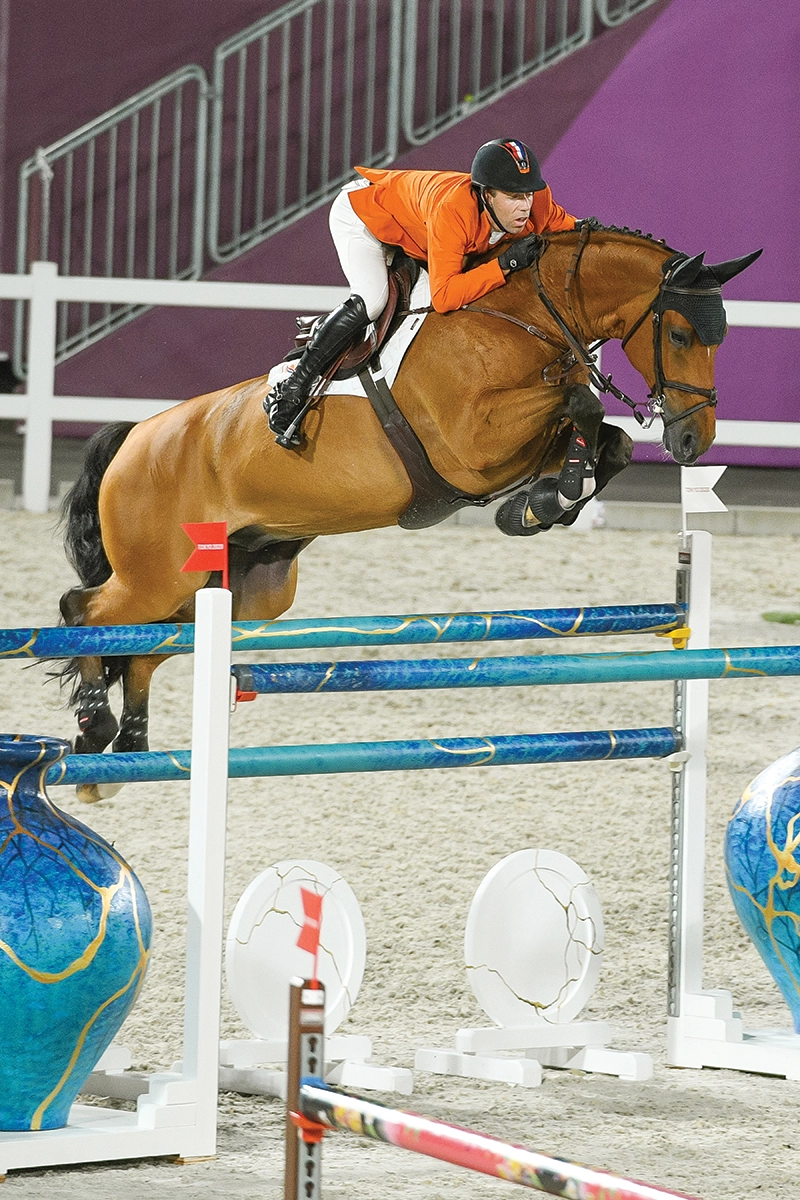
Zangersheide gelding Beauville Z took home an individual bronze medal in show jumping at the Paris 2024 Olympics with Dutch rider Maikel van der Vleuten aboard. Photo by Allen MacMillan/MacMillan Photography
Gem Twist ClonesA French genetic laboratory specializing in cloning made the news in 2012 when it helped produce the first clone of the famous show jumping gelding, Gem Twist. A gray Thoroughbred who is the only horse to win the American Grand Prix Association Horse of the Year Award three times, as well as three Olympic silver medals, Gem Twist died in 2006. In an attempt to preserve his incredible talents, three Gem Twist clones were produced: Gem Twist Alpha XX Z, Gemini CL and Murka’s Gem. 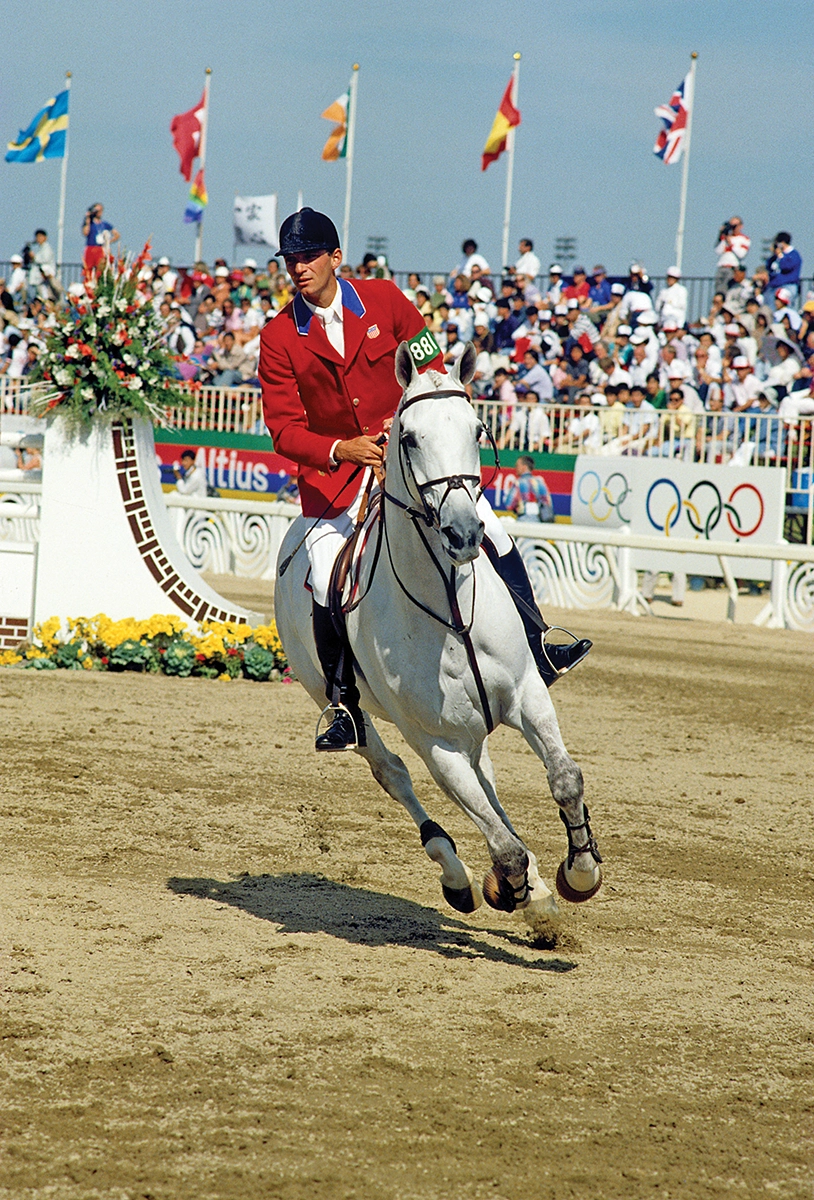 Then 24-year-old Greg Best and 9-year-old American Thoroughbred Gem Twist won team and individual silver medals in jumping for the U.S. at the Seoul Olympics in 1988. Photo by Bob Langrish Two of these clones, Gem Twist Alpha XXZ and Gemini CL, have been bred to Zangersheide mares at Studfarm Zangersheide, as well as other mares around the world, in the hopes of producing superior show jumping horses. These stallions have produced numerous foals that are being used in competition throughout North America and Europe. |
The next time you’re watching international show jumping at the highest levels, keep an eye out for a Zangersheide. It’s likely one of these athletic and forward-moving horses will land at the top of the scorecard.
This article about the Zangersheide appeared in the March/April 2025 issue of Horse Illustrated magazine. Click here to subscribe!