A rich, glowing coat and flowing mane and tail testify to a horse’s overall health. But balanced nutrition and thorough grooming sessions aren’t enough when serious skin allergies strike. Insect bite hypersensitivity (IBH) is the most common allergic skin disease in horses. Traditionally, IBH is associated with insects of the genus Culicoides, including biting midges (“no-see-ums”), sand flies, black flies, horn flies, stable flies, and mosquitoes. Hypersensitivity to Culicoides is also referred to as “sweet itch.”
“These insects make their appearance in the spring and become sparse in the cold winter months, but generally they remain active year-round, especially in places like Florida, contributing to the chronic causes of allergic skin disease in some horses,” says Caitlyn Henderson, DVM, of Peterson Smith Equine Hospital in Ocala, one of Florida’s largest equine clinics.
The condition is often seasonal with chronic relapses, but horses in warmer climates may be affected year-round.
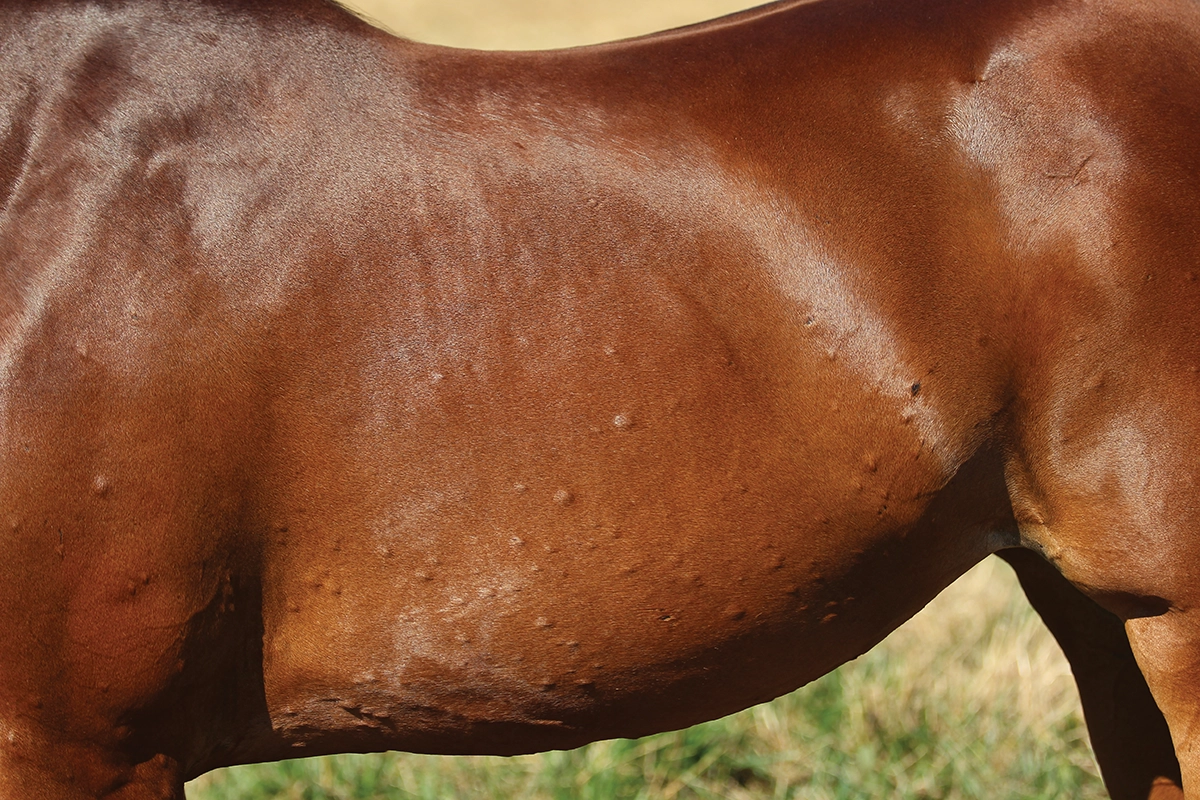
Photo by Bob Langrish
Clinical Signs of Insect Bite Hypersensitivity in Horses
Horses suffering from IBH often present with recurrent hives and/or chronic itching (pruritus). Clinical signs of IBH can include:
◆ Circular areas of crusting caused by inflammation (bacterial folliculitis)
◆ Blisters (papules)
◆ Hair loss (alopecia)
◆ Raised, hard, thickened areas of skin
◆ Broken hairs with sores in mane and tail head
◆ Self-trauma from rubbing
◆ Pigmentary alterations
◆ Behavioral changes due to discomfort
“Signs can often start as very subtle, especially when under the mane or at the tail head,” says Henderson. “Broken hairs are easy to miss in the beginning.”
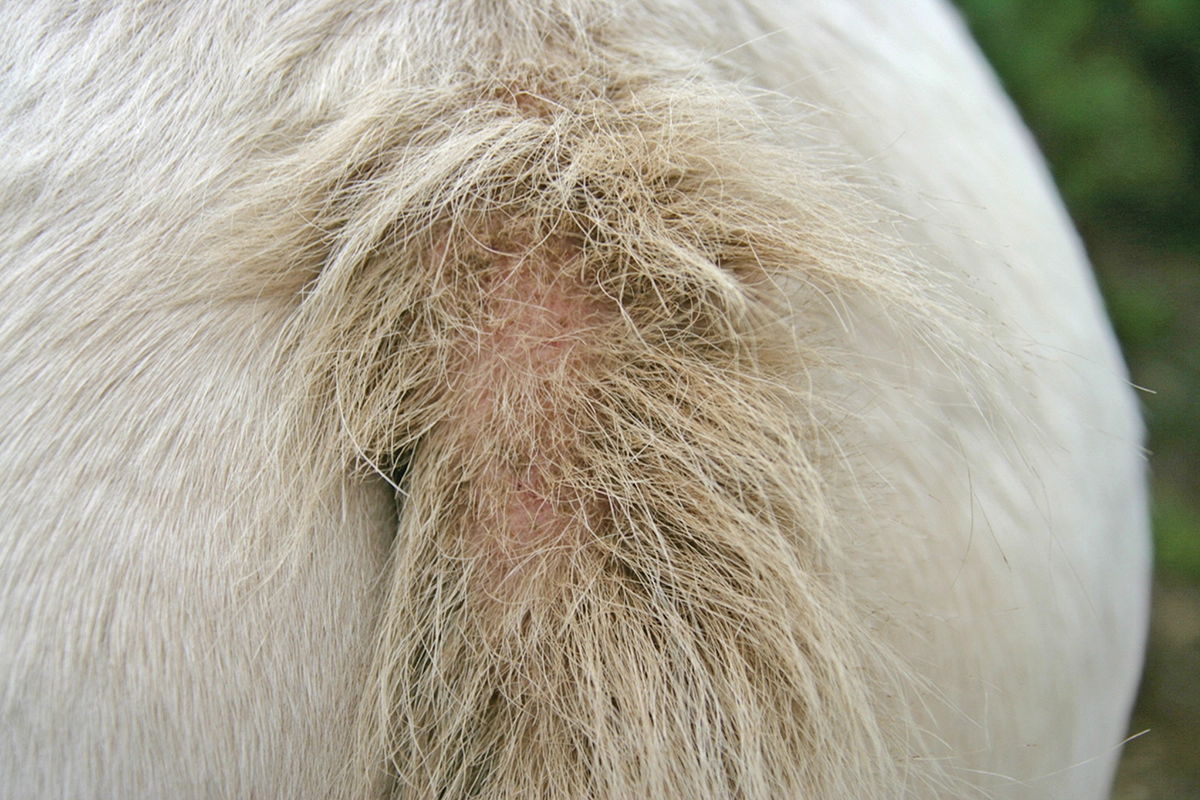
Intense itching can cause allergic horses to rub bald spots and sores into their manes and tails. Photo by Christiane Slawik
Skin lesions develop where insects feed. This is typically along the horse’s ventral chest and abdomen, under the mane, along the withers and back (dorsum), tail base, and inguinal areas (between the hind legs), as well as on the face and ears.
“These lesions all come with a degree of itching, which feeds the cycle of lesion development, eventually causing severe scarring, permanent hair loss, and depigmentation,” says Henderson.
Why It Happens
With IBH, a half-ton horse can’t hold his own against tiny insects.
The horse’s immune system is triggered by proteins and enzymes in the insects’ saliva as they feed. The horse’s body identifies those salivary enzymes and proteins as foreign, which causes the allergic response.
“The immune system releases antibodies, specific immune cells, and inflammatory mediators that drive inflammation and cell migration to peripheral tissues near the bite site, which then drives itching and swelling,” says Henderson. “Histamine is also released from mast cells sent by the immune system at the bite site, and they release more enzymes that irritate nerves nearby, further driving the urge to itch.”
It’s a nasty cycle that will only continue unless the horse is treated and the cause addressed.
Diagnosing Insect Bite Hypersensitivity
Because IBH is often bundled with other environmental allergies, there isn’t a single test to definitively diagnose the condition.
Veterinarians base their diagnosis on the horse’s history (including travel, exposure, housing, and environment), clinical signs, duration, severity, and frequency of those signs, previous treatment, and diagnostics. The goal is to rule out other skin diseases and determine the best response to treatment.
“Many practitioners will still reach for intradermal allergen testing to support their diagnosis, which is helpful if clients are looking for a more direct approach,” says Henderson. “Serum allergy testing has proven to be of little benefit for horses with their broad range of allergen exposure. It’s like sending your kiddo to daycare for the first time and then testing them to see what germs they picked up while they were there.”
Treatment Protocol
There is no one-size-fits-all protocol. Medical treatment can soothe the irritated skin and provide relief, but fly control or insect avoidance is considered the mainstay of both treatment and prevention.
“No amount of bathing, fish oil, and cetirizine in the world will help a horse with IBH if we aren’t trying everything we can to reduce the insect population in their environment,” says Henderson. “It doesn’t matter how much Benadryl you give your child after playing in an ant pile if you don’t get them out of the ant pile first.”
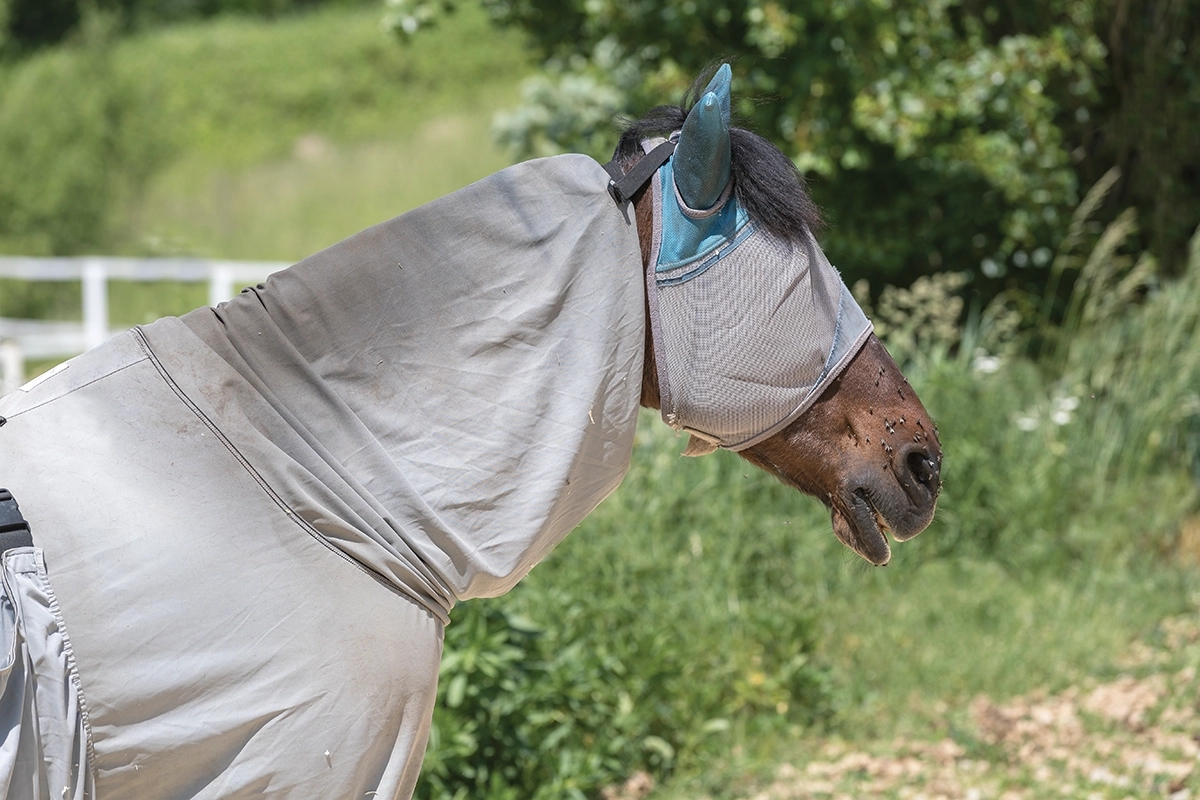
Limiting places where flies can make contact with a horse through use of fly sheets, masks, and boots helps sensitive horses enjoy outdoor time. Photo by Christiane Slawik
She advises horse owners to prioritize reducing the insect population and limiting insect-horse contact. This includes:
◆ On-horse insect repellent containing 2% permethrin
◆ Fly masks with ear covers
◆ Fly sheet
◆ Fly boots
◆ Automatic fly spray systems in barns
◆ Fly traps (including sticky traps)
◆ Bug zappers
◆ Strong indoor fans
◆ Keeping horses stabled during peak insect feeding times
◆ Eliminating standing water in paddocks and barn area
◆ Diligent manure management and removal
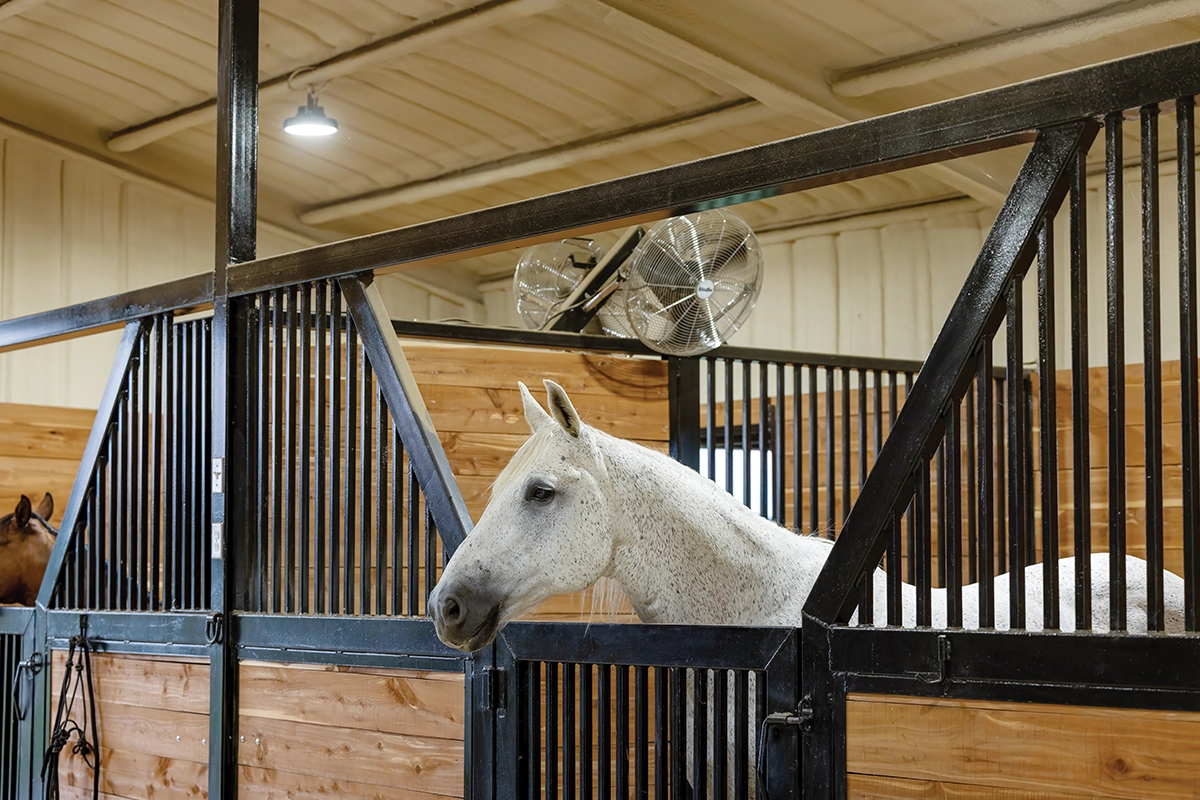
Strong indoor fans discourage flies from landing on horses. Photo by Terri Cage/Adobe Stock
Bathing the horse with medicated shampoo is recommended. Look for products that contain ingredients that support healthy coats and reduce dryness, as well as ketoconazole and chlorhexidine to reduce bacterial and fungal growth in the skin that can contribute to itching.
“Many veterinarians want to reach for systemic glucocorticoids, such as dexamethasone or prednisolone, and antihistamines,” says Henderson. “There is little research that supports the efficacy of these drugs for horses with IBH, but anecdotally they show promise in limiting the itch-inflammation cycle. Cetirizine (Zyrtec), another antihistamine, also has little research supporting efficacy against itching and clinical signs associated with IBH, but it is considered safer for horses than systemic glucocorticoids. Regardless, your veterinarian should consider your horse’s general health, risk factors, and clinical signs when starting therapy.”
If you want to try an oral supplement, omega-3 fatty acid supplements have been shown to improve skin lesions, but don’t help with itching.
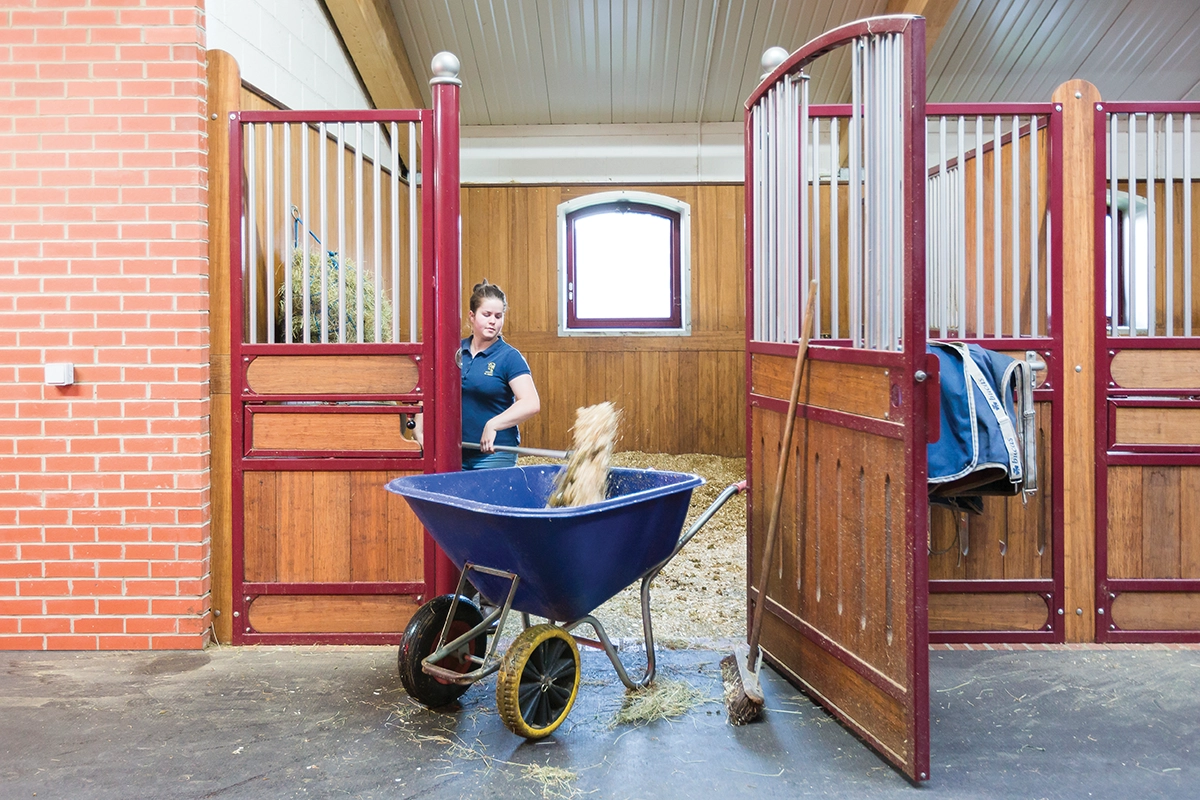
Diligent manure removal takes away fly breeding grounds. Photo by Christiane Slawik
Secondary Infections
IBH lesions disrupt the skin’s protective barrier and the population of healthy microbiota. When this happens, opportunistic bacteria and pathogens sometimes infect deeper tissues, causing secondary infections.
“Now, instead of just controlling the itch and giving the skin time to heal, you have to eliminate the bacterial infection before the itching resolves and the healing can finally begin,” says Henderson.
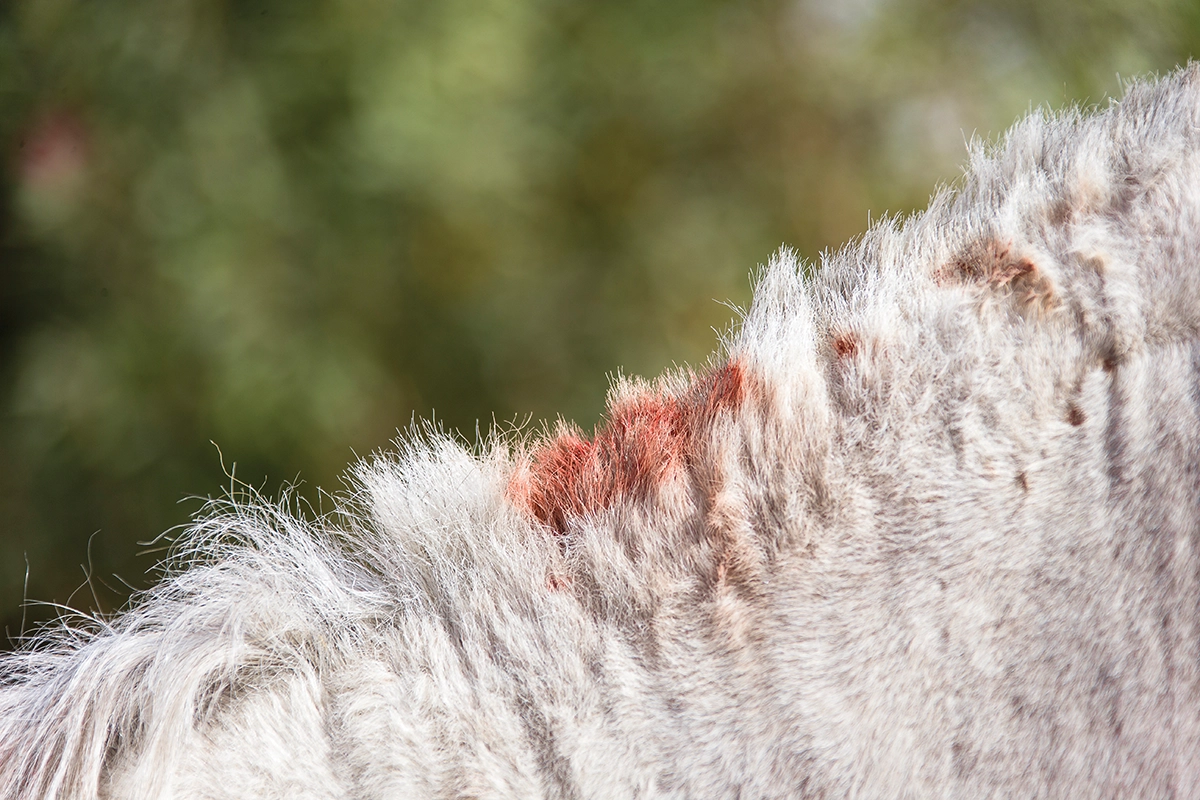
Skin lesions develop where insects feed, such as under the mane, and may not be noticed until the hair is rubbed out. Photo by Christiane Slawik
Immunotherapy
People get allergy shots, but do they work on horses?
Henderson says allergen-specific immunotherapy (ASIT) has shown promise in horses when administered over a period of two years, but so far treatment protocols have not been standardized, so results vary.
“ASIT is especially beneficial for horses who cannot avoid their allergens or who are exposed to their allergens for extended periods, often resulting in further hypersensitization of the allergic response,” says Henderson. “Horses in Florida, for example, are exposed to mosquitoes and biting insects nearly year-round, so those horses that have moderate to severe IBH even in our peak ‘winter’ are good candidates for ASIT.”
It typically takes three to six months to see if the horse will have a positive response to treatment. In some cases, immunotherapy has resulted in remission of the allergy. Your veterinarian can determine if your horse is a good candidate for immunotherapy.
“Immune-modulating therapies, such as Cytopoint (lokivetmab), Apoquel (oclacitnib), and allergy shots are still undergoing safety and efficacy studies in horses,” says Henderson.
Finally, don’t subject your horse to the questionable suggestions you may find when searching for home remedies for IBH. Applying used motor oil, bacon grease, or similar concoctions to your horse’s mane, tail, or coat won’t cure the condition, and can end up increasing skin irritation.
This article about insect bite hypersensitivity in horses appeared in the May/June 2025 issue of Horse Illustrated magazine. Click here to subscribe!