Many people aren’t prepared to make a lifetime commitment to a new horse, but still want to play a role in facilitating adoption efforts. If you find yourself in this situation, fostering a horse may be perfect for you! While choosing to foster a horse is a welcome act any time of the year, the ASPCA kicked off ASPCA National Animal Foster Appreciation Week in 2021, which now takes place the third week of August every year.
“At the ASPCA, and for many of our partners across the country, collaborating with foster volunteers who help us support animals along their journey is a vital part of the work we do, and we couldn’t be more thankful for foster caregivers nationwide,” says Calin Caldwell, director of the ASPCA Right Horse Program.
How Fostering Helps
More than a way to say thank you, Animal Foster Appreciation Week is also a time to illuminate how the fostering process works and how fostering aids adoption efforts overall.
“Like dog and cat fosters, fostering a horse is similar in that equine foster caregivers get to be a temporary part of a horse’s life by housing and caring for them while they await their new adoptive home,” says Caldwell.
She says that by fostering, you allow your local shelter or rescue to keep an open stall for the next horse needing help. Further, she says that by fostering just one horse, you are helping multiple horses safely transition to new homes and receive needed care.
“It’s a fulfilling experience and further expands a system of support for horses in your community,” says Caldwell.
Nicky Walters, director of the West Virginia Horse Network (WVHN) in Elkview, W. Va., elaborates.
“The West Virginia Horse Network has a small barn and a small team of volunteers, most of whom work full-time or have family obligations,” she says. “Because of this, and because our facility is fairly small, fosters are a vital part of the work we do. Through working with fosters, we can house up to 20 or so horses at any given time. Without fosters, our capacity would be half that.”
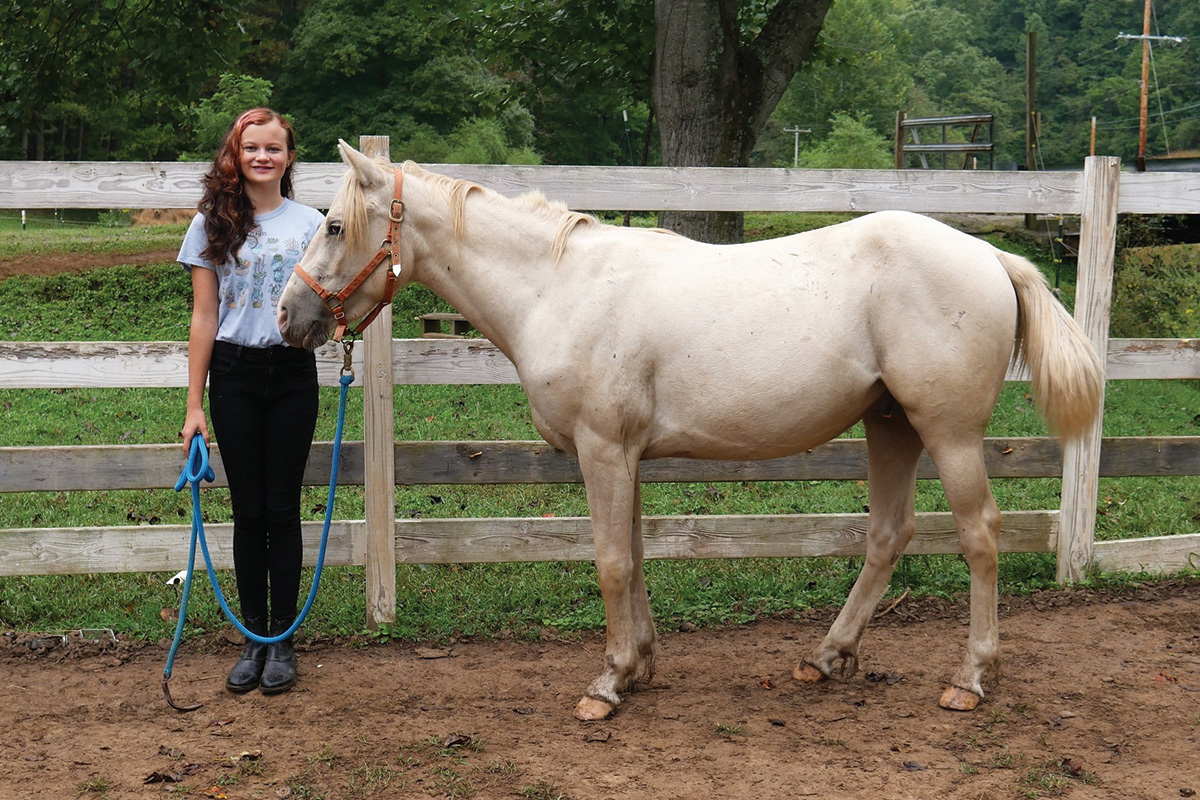
Kenzie Lockard is a former member of West Virginia Horse Network’s Barn Buddy program for kids. She has fostered, trained, and rehomed numerous ponies and Minis for the WVHN, taking them to shows and helping market them to potential adopters. Photo courtesy Nicky Walters, West Virginia Horse Network
Walters explains that beyond space, fosters help the organization by providing one-on-one attention and training to individual horses.
“I cannot overstate the value of having fosters who can work with, observe, and get to know one or two horses very well,” she says. “They catch things that may not be seen in an environment where there are multiple horses. They can get to know horses intimately, which helps us market the horses with more accuracy. We can connect potential adopters with a horse’s foster to get to know that horse with more detail than we could provide otherwise.”
Walters shares that fostering not only increases the quantity of horses her organization can help, but also the quality of care and training the horse receives. She says that building the group’s team of fosters has further allowed the organization to grow over the last decade.
Fostering Options
If you’re considering taking part, Caldwell says that both short and long-term fostering options are available. Commitment requirements will vary by adoption organization, so the ASPCA encourages individuals considering fostering to visit myrighthorse.org to find local shelters and rescues.
The fostering program at the WVHN is a robust one and provides some good examples of available options. In their organization, fosters are categorized into different groups based on the individual foster home’s strengths, how much time they have available, what kind of facility they have, et cetera.
“We have ‘training fosters’ who we know have the skills and willingness to actively work with their foster horses,” says Walters. The WVHN tends to focus on senior horses, companion horses, ponies, and Minis.
“The ‘training’ that we are asking for is fine-tuning basic handling skills, getting a horse better socialized, or a riding refresher,” she adds. “Training fosters typically need to have an arena or similar space to work.”
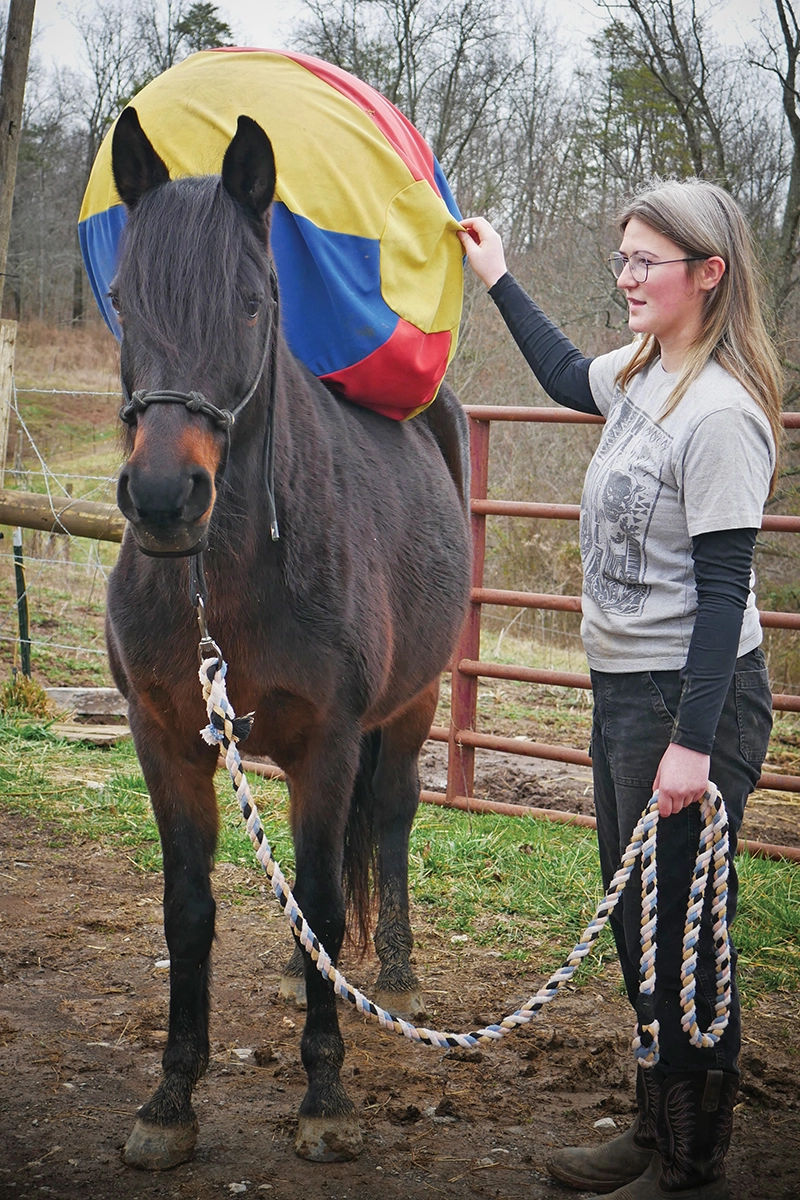
Kadence Young is another former member of the Barn Buddy kids’ program at WVHN turned foster. Young has become a stellar and patient trainer and foster. Photo courtesy Nicky Walters, West Virginia Horse Network
A second category is “rehabbing fosters.” These fosters, Walters says, are those interested in working with medical challenges or horses who may need extra support to gain weight.
“This can be rewarding for those fosters who enjoy playing a hands-on role in the most critical aspects of a horse’s journey to better health,” explains Walters. “These fosters need to have time to monitor the horse closely and a willingness to work closely with us to discuss feed and medication adjustments.” She says they also typically need to have the ability to stall a horse as needed.
Finally, the organization has a group of fosters who can just allow a horse to “hang out” until he or she finds the right home.
“They still handle the horse for routine things like farrier care, grooming, and other maintenance,” says Walters. “For the most part, they provide basic care, help us with marketing, and talk to potential adopters until the horse is either placed or needs to be moved to another foster to fill a training gap we may have missed initially.”
She says that these spots are usually for the horses that are already “adoptable” who are simply waiting for their perfect person. The WVHN strives not to keep horses in the same foster home for an extended time.
“The goal is always to find the horses a home,” says Walters.
If you choose to foster, regardless of which organization you work with, Caldwell advises you to carefully assess them for trustworthiness.
“If you look outside myrighthorse.org, be sure the shelter or rescue is a non-profit or municipal organization and is transparent and supportive throughout the foster process,” she says.
“Trustworthy organizations will have guidelines on what fosters are expected to provide versus what the shelter covers, such as veterinary and farrier care, hay, grain, and other supplies, and will answer questions related to behavioral or medical needs.”
The Ideal Candidate
If these options sound like something you may be able to provide, Caldwell says that those with extra land or the ability to secure a stall can be great candidates to foster a horse.
“Adoption organizations are experts in matching the appropriate horse for your skill level, whether beginner or expert, and at providing education and guidance during the process.”
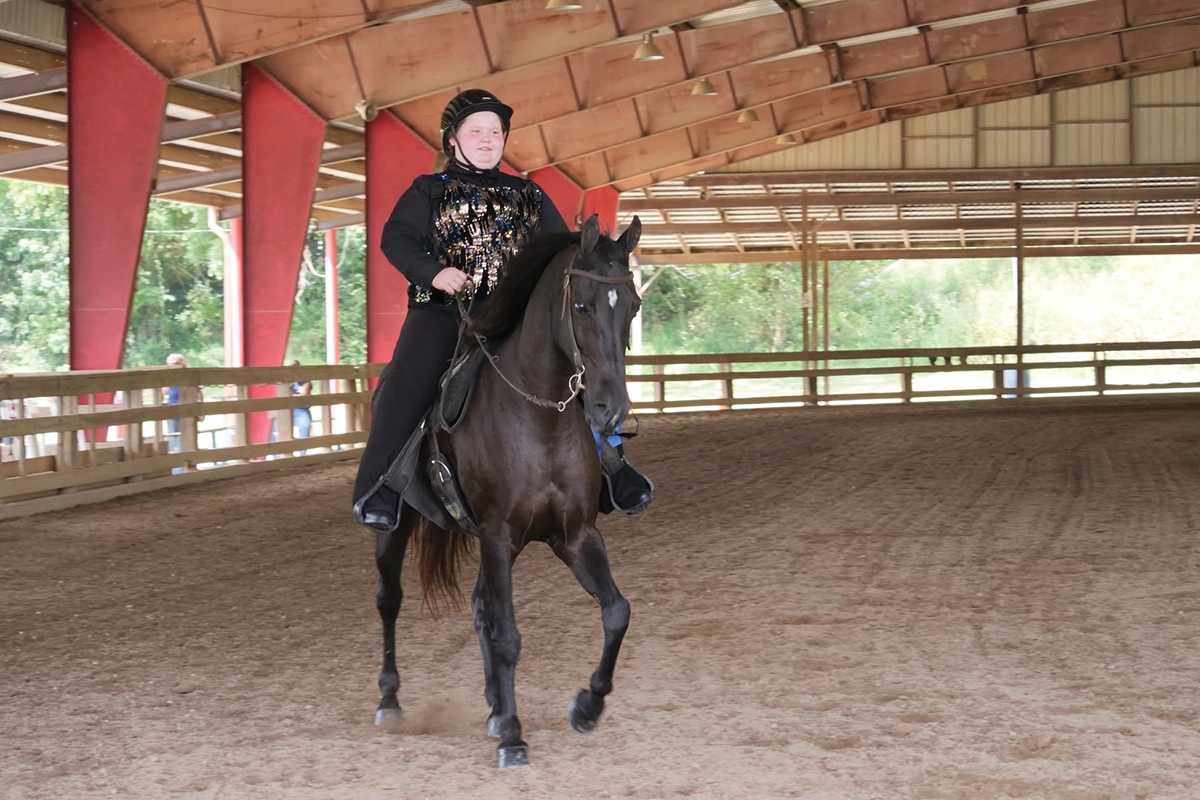
Cariana Christen joined the WVHN’s Barn Buddies program at the age of 5. She has fostered and even shown several horses to help them get adopted. Photo courtesy Nicky Walters, West Virginia Horse Network
Walters further explains that the ideal foster either has horse experience or is very willing to learn and absorb the direction and information her team is willing to share.
“We don’t expect every foster to be an expert,” she says. “We go out of our way to provide continuing education to our fosters to help them learn. We believe this will ultimately help educate the horse community, while also helping us grow our foster base.”
Other key characteristics, she adds, are cooperation and collaboration—needed for scheduling and executing farrier and veterinary appointments—and good communication, needed to help fosters find their perfect adoptable home.
Taking the Plunge
If you have a willingness to help and these options describe and fit you, Caldwell says that the first step is to find an organization in your community that is looking for equine foster homes.
“One of the easiest ways to become a foster is through the ASPCA’s website, myrighthorse.org,” she says. “When you look at available horses, you’ll notice some have an ‘inquire about fostering’ button on their profile. That indicates their organization is looking for foster homes and you should reach out if you are interested.”
Walters says although her organization is open to meeting new, potential fosters outside of their immediate area, fosters usually come to the WVHN through word of mouth. New this March, the organization will host a foster continuing education and recruitment event.
She says that those interested in fostering should be prepared to send pictures of their facility and allow their vet and farrier to chat with a representative of the organization. Fostering candidates should email the WVHN and include as many details about themselves and their situation as possible. You should also include the type of foster—training, rehab, or “hanging out”—that you would like to be.
Caldwell explains that all ASPCA Right Horse Adoption Partners want to ensure the foster experience is a good one for everyone involved.
“After you reach out, they’ll likely start a conservation to learn more about your facility, interest, and training experience,” she says. “Similar to the adoption process, they’ll use that information to find a good equine match for you. If you have extensive training experience, they may match you with a foster horse who needs a more experienced handler. Or, if you’re still learning the ropes of horse care, they may find you a more experienced equine. Once you’re settled and have your new foster horse, they’ll be in close contact to provide support and guidance as the horse settles in.”
Many times, she says, you’ll also be able to help find your foster horse his next home. This is a special and rewarding part of being a foster home.
If you’re still on the fence about fostering, Caldwell says that it can be a great way to bring a new equine into your life without the long-term commitment of horse ownership.
“It’s a fun and rewarding way to spend time with horses and make a lifesaving difference for at-risk horses in your community,” she says.
A Foster Success Story
Walters says that fosters aren’t the icing on the cake: they are the eggs, flour, and sugar.
“In other words, without them, what we do simply doesn’t work with the limited resources that we have available,” she says. While she has many foster success stories to choose from, Stewart’s story is one from her organization’s current group of horses.
“Stewart has been with the rescue off and on for close to three years,” Walters says. “He is a 20-year-old Paso Fino. We tried him at various foster homes. He struggled to find a place where he really thrived. He’s the horse version of an introvert being forced to socialize for the benefit of extroverted friends.”
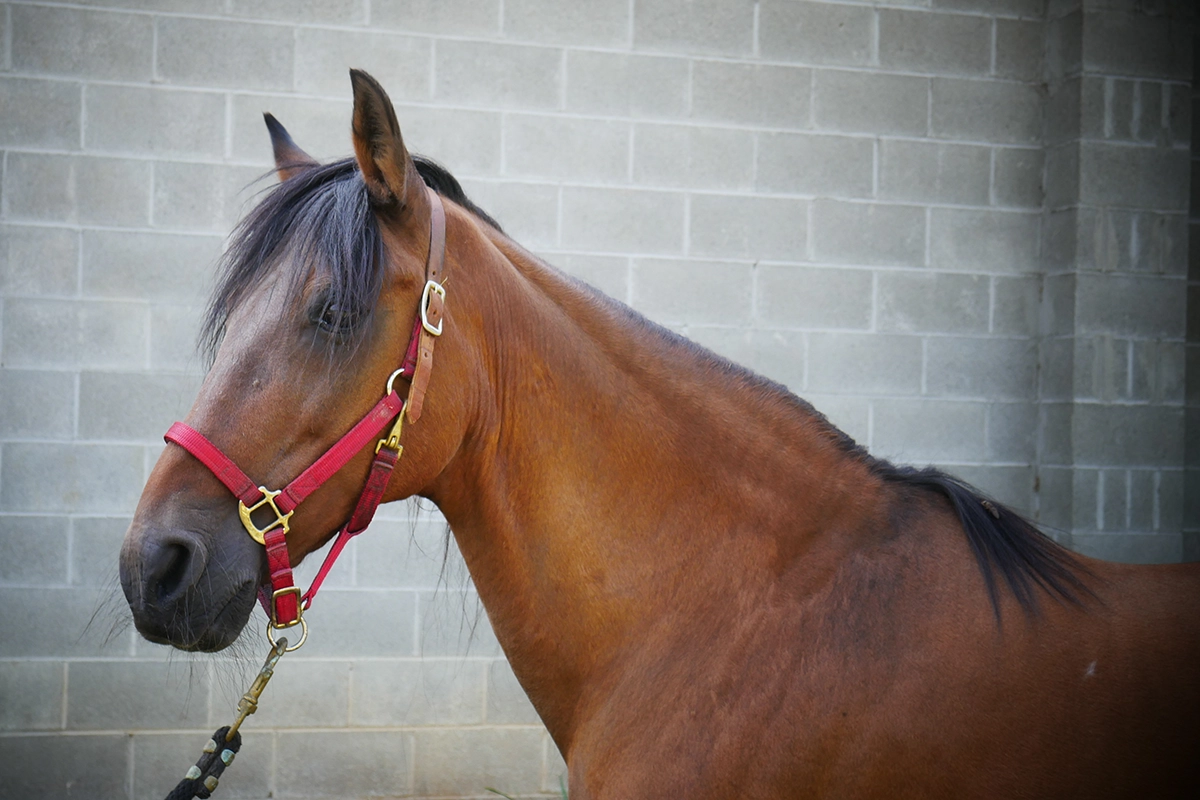
Stewart, a 20-year-old Paso Fino, is living his best life with a “hang-out” foster, where he can have the 24/7 turnout he needs. Photo courtesy Nicky Walters, West Virginia Horse Network
She says that Stewart was adopted once around a year into his time at the rescue. Through no fault of Stewart’s, that adoption didn’t work out. He ended up coming back to the main facility, where they couldn’t offer him the 24/7 turnout he needed.
After some starts and stops, Stewart was able to find his perfect situation with one of the organization’s hang-out fosters, Ariel Kessler.
“Stewart is living in bliss, his very best life,” Walters says. “I frequently receive silly videos of Stewart running and playing with his much larger horse friend. He’s the happiest he’s ever been. Our fosters are willing to love these horses as their own, and we couldn’t ask for anything more.”
As for promoting Animal Foster Appreciation Week, Caldwell says that the ASPCA always likes celebrating the incredible work foster homes are doing on social media. She encourages joining the celebration by using the hashtag #RightHorse to join the conversation and share your foster story.
This article about ASPCA National Animal Foster Appreciation Week appeared in the July/August 2025 issue of Horse Illustrated magazine. Click here to subscribe!