Guilt is a heavy emotion that manifests easily among many equestrians. We feel we need to be at work or home instead of the barn. We feel we need to be at the barn instead of work or home. Guilt can be perceived from others or put on us by ourselves and should not be minimized.
Here, we chat with amateur riders and a professional to discuss how they experience and cope with guilt. You may not realize how common guilt is, and perhaps knowing how normal it is can help you release and reframe it.
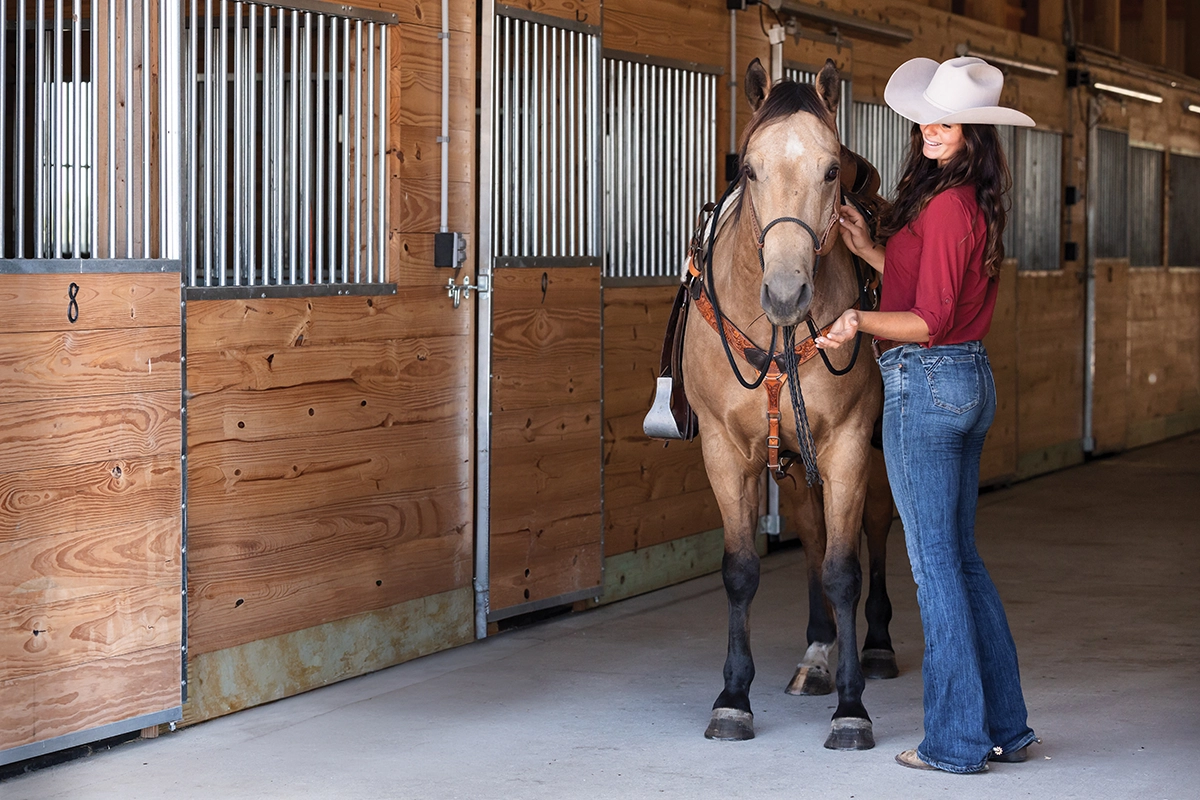
Photo by Shelley Paulson
Riding is something you do for yourself and your love of horses, and you might feel guilty about spending time away from other responsibilities. You might feel guilty for taking care of yourself even though it gives you hope, exercise, and connection with horses while you’re not focusing on work or others.
Whether or not that guilt is perceived or expressed by others is not what matters; what matters is that riders feel this heavy emotion, and we need to acknowledge the feeling before releasing it.
Barn vs. Office
Working amateurs feel guilty for leaving work early to get to their horse before sunset or for watching a child’s game rather than being present for veterinary appointments.
“You feel like you should always be somewhere else,” says Jackie Montero-Sharpe, an amateur rider from Virginia. “I feel like I’m not at the barn enough and not getting enough saddle time or time with my horse. There’s also guilt at work. I have a pile of things to do and feel guilty leaving early.”
Her mind is with her horse when she is at work. Knowing he is cared for by a great team at her barn is comforting, but she feels guilty not being there with him, while also knowing that her work colleagues require her attention.
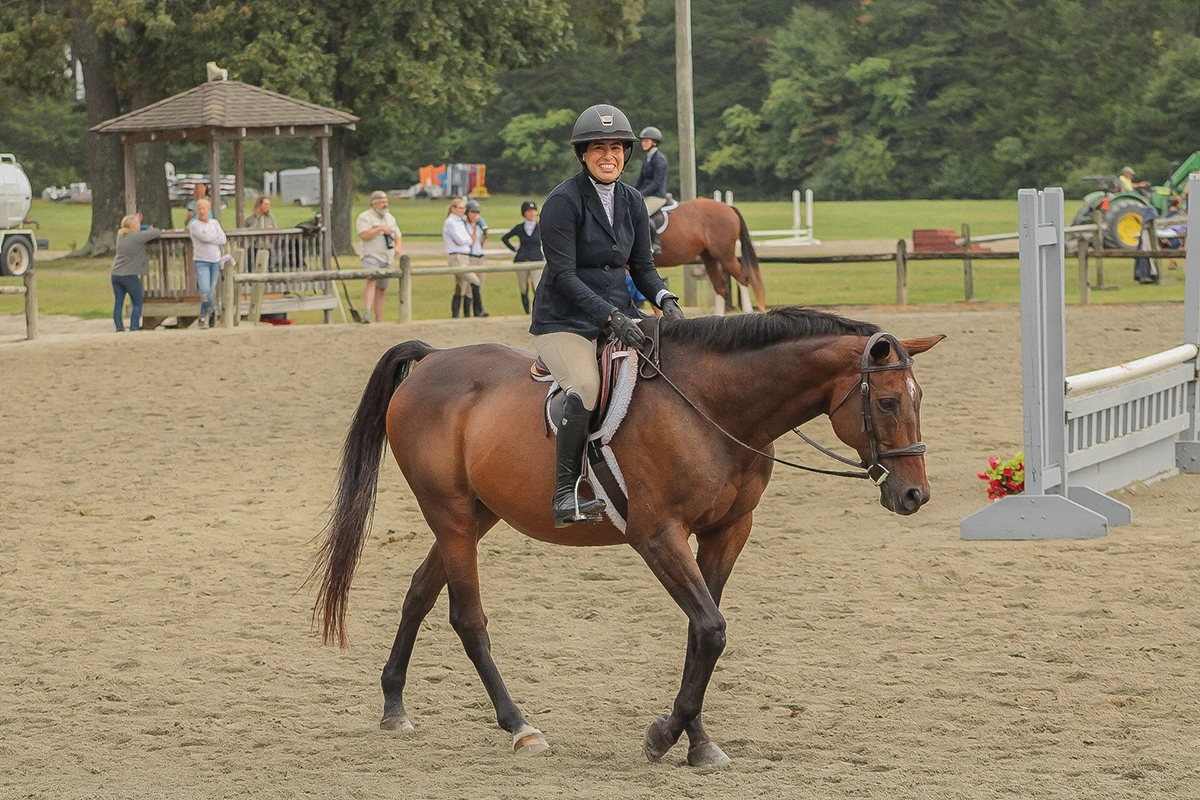
Jackie Montero-Sharpe finds herself thinking of her horse while she’s at work, feeling guilty that she can’t be at the barn with him. Photo by Yeager S. Photography
Barn vs. Kids
Amateur rider, realtor, and mom of three Kendall Thomas keeps her show horse an hour and a half away from her home in Montana. She, her husband, and her children live on 40 acres where she has some horses, but harsh winters require her to board at a barn with an indoor arena.
“The barn is actually the one place in my life where I feel fully present,” she says. For Thomas, her guilt goes into overdrive the moment she leaves her barn’s property. On the drive home, her guilt rises as she thinks about how much horse time she enjoyed.
“I am rushing to get home before the [school] bus so I don’t catch any grief from my family for not being home,” says Thomas. She is not alone in worrying about taking time for herself. She misses her sweet gelding when she is away but then feels guilty spending hours with him. The barn is therapeutic, but the ride home is filled with panic and guilt for those hours of happiness.
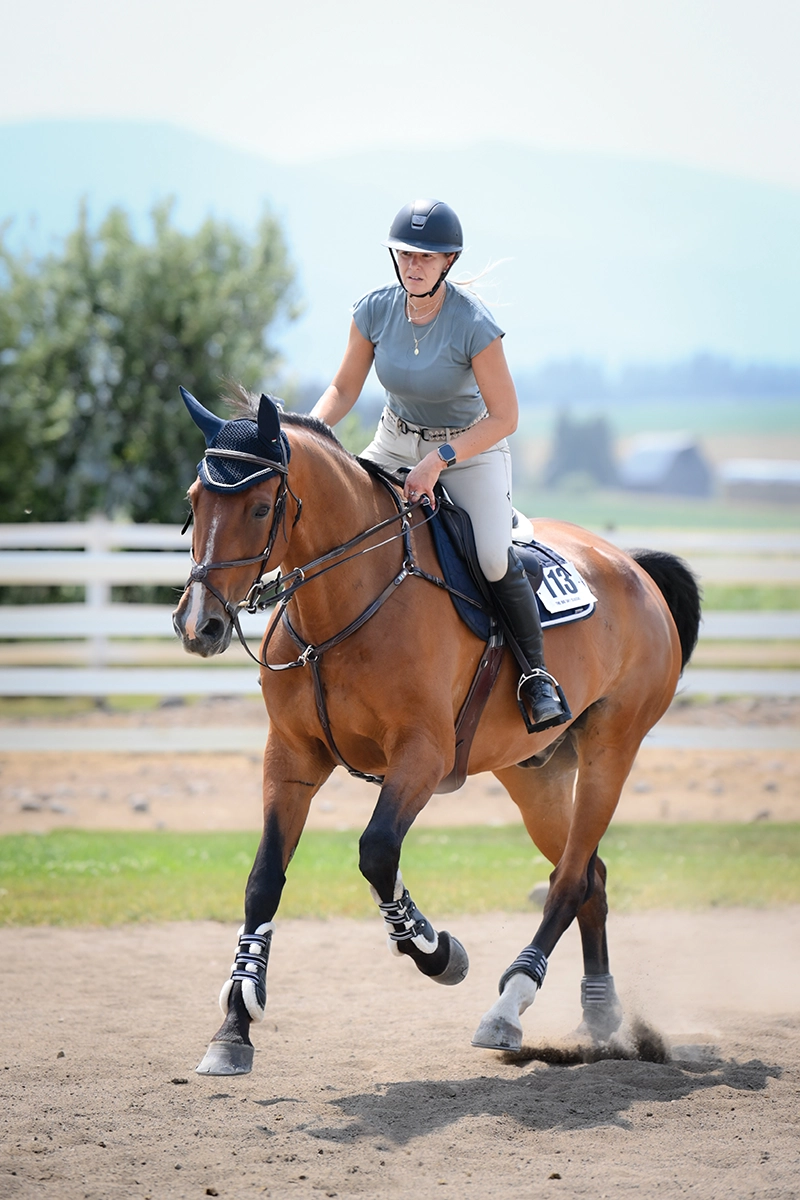
Kendall Thomas boards her horse an hour and a half from her home in order to have an indoor arena for the harsh Montana winters, putting her in a rush to be home before her children’s school bus. Photo by Emma Lynne
Training vs. Family
Mom and trainer Elizabeth Cella felt torn between family and the barn as she ran her first business. Some of her guilt remained and some shifted with her new stable in North Carolina.
Cella returned to her home state in 2018 after living, training, and managing out of a 30-acre farm in Virginia with her husband and sons. A life on the road for horse shows led to her wanting to hang up her trainer helmet.
“I had a hard time saying ‘no’ and putting my family first,” says Cella. “I put the barn first and the people first.” Her husband’s retirement from the Coast Guard gave her the opportunity to make changes.
Her new barn began with a couple of horses, and it grew gradually. She is busy with clients, kids, and young investment horses, and Cella’s two boys play travel soccer. Her guilt resurfaces when she misses soccer games and has to put her own horse on the backburner. Like many children of horse trainers, this is the only life her kids know.
“I aim to be as present as I can when I’m home,” she says. “I often feel like I’m failing as both a mom and a wife.”
That is a hard sentence to utter, and it can be incredibly defeating to feel as though we are failing.
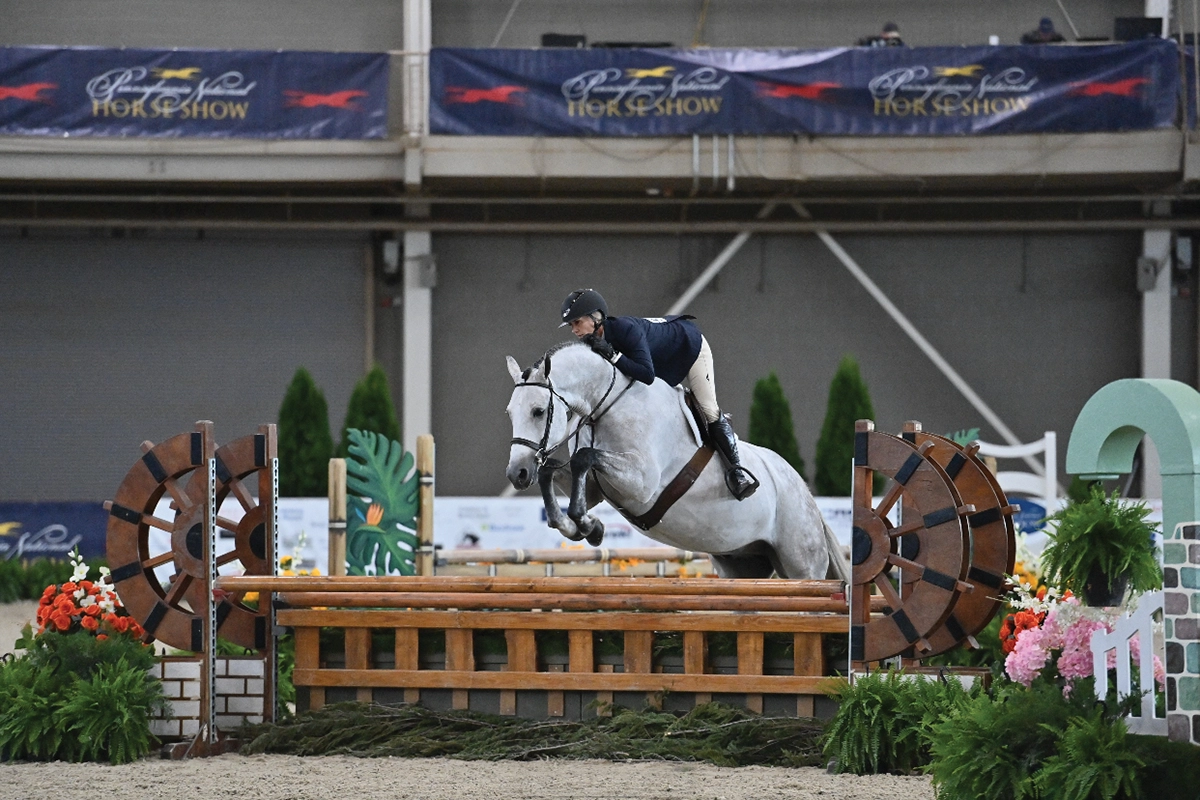
Elizabeth Cella has two sons in travel soccer and her own training business, which keeps her on the road a lot. Photo by Andrew Ryback
Guilt Over an Untimely Passing
Zara Morgan, an amateur rider in Ohio, feels heavy guilt from grief and replaying the last time she spent with her heart horse.
When an animal or person we love dies, we often wonder if we did all we could for them or gave them all the love they gave us.
“I will forever feel guilty regardless if I spend time at the barn or away from the barn,” says Morgan. “I always used to feel guilty leaving my horses, and it’s something I hate myself for every day. Because the last time I saw him I could’ve spent a bit more time with him.”
She turned him out and gave him a kiss, and promised they’d go on his favorite ride again the next day. She received a call later that he died from an aneurysm. That guilt will sit with her for a while, and it is a familiar grief-related guilt many know.
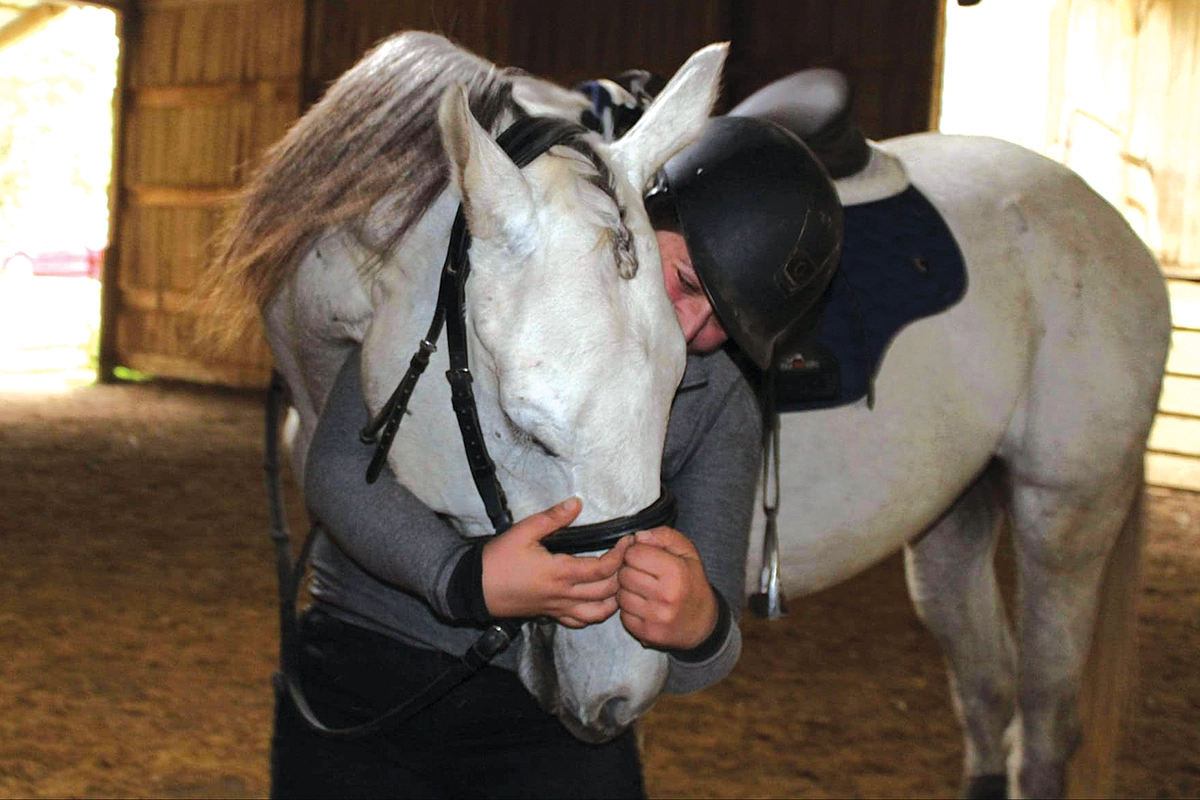
Zara Morgan’s heart horse unexpectedly passed while she wasn’t there, leaving her with lingering feelings of guilt. Photo courtesy Zara Morgan
Guilt from Others
Riders experience guilt if others point out our barn time or expenses. Sometimes guilt is a perceived fear that people may be irritated with our hobby.
To find peace, it’s helpful to reflect on whether the guilt from others is perceived or direct. If it’s the former, then releasing the guilt will come easier. If it’s direct, then honest conversations are necessary.
Supportive family and colleagues who encourage us in our special hobby helps release guilt. Whether we put the guilt on ourselves, feel it from others, or begin to wonder if we are failing because we cannot be everything to everyone, we may need to remind ourselves that we are better partners, parents, and employees when we ride.
Release & Reframe
Reflecting on the root cause of guilt is part of healing. We can then process it, work through it, and reframe the guilt to release it.
Amateurs and professionals alike have found ways to reframe and release their guilt. Living an hour away from the barn rather than on the property has allowed Cella to create boundaries. She is able to take non-horse show weekends off, and having a local barn owner and onsite help gives her more time with family.
Montero-Sharpe’s husband actively supports her riding, and she finds comfort knowing he has his own time-consuming hobby, golf, to do while she rides.
Thomas releases guilt knowing that poor cell service at the barn creates a distinct boundary. Morgan will take time to find hope in the barn with a heavy loss. We can all find a way to release the guilt.
Many people work through guilt using techniques such as journaling, reflection, and therapy. We can learn to say “yes” to things that fill us and to say “no” to things that add guilt.
This article about the guilt that equestrians face appeared in the July/August 2025 issue of Horse Illustrated magazine. Click here to subscribe!