The peaceful scenario of grazing on pasture is a healthy and normal lifestyle for many horses, but not all. For some horses, the risk of laminitis is a concern—and not just during spring. Fall months can also pose a danger. The culprit is the simple sugars that grasses and legumes make and store, as well as small amounts of more complex carbohydrates, such as starch and fructans. All together, they are referred to as non-structural carbohydrates (NSC).
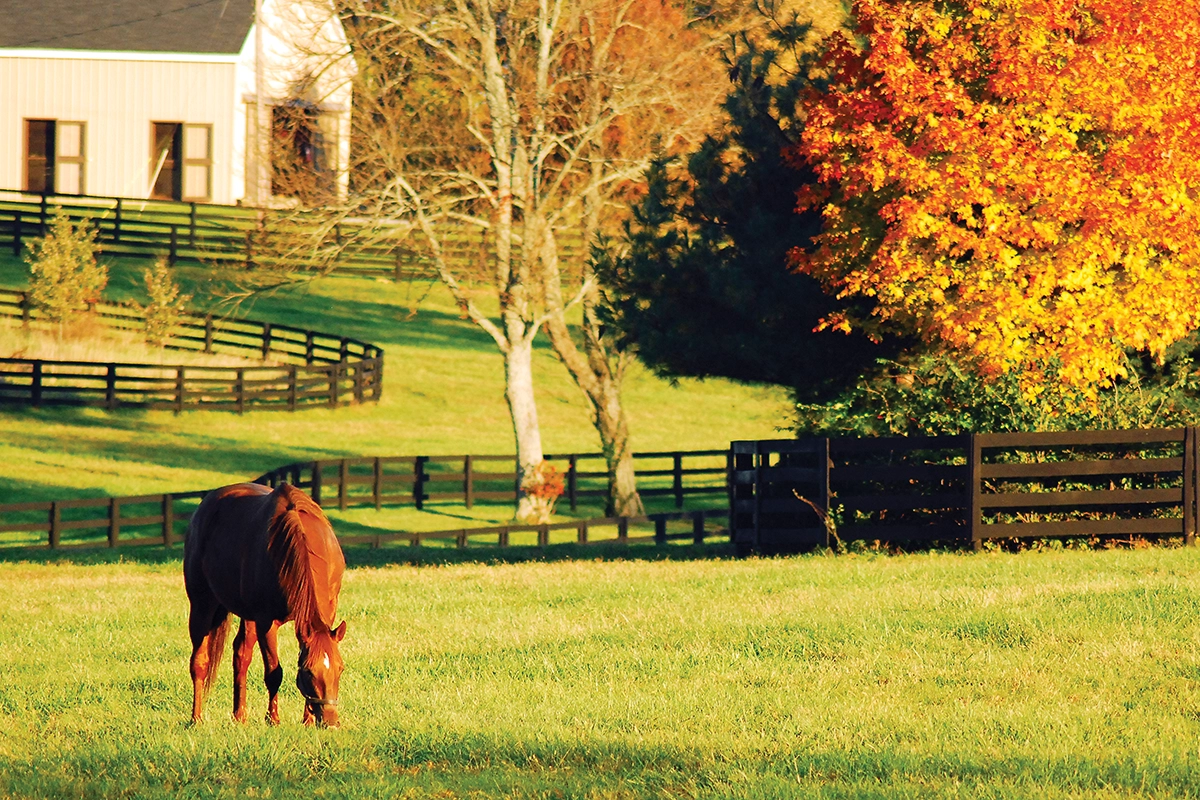
Photo by Kirkikis/Adobe Stock
Laminitis Risks in the Fall
Many horse owners are aware that spring’s lush new grass has higher NSC content due to rapid growth, but changing temperatures in the fall also increase the amount of sugar, upping the risk of laminitis for some horses.
After the first killing frost in the fall, NSC levels in grass will be higher than normal, with levels remaining elevated for up to a week.
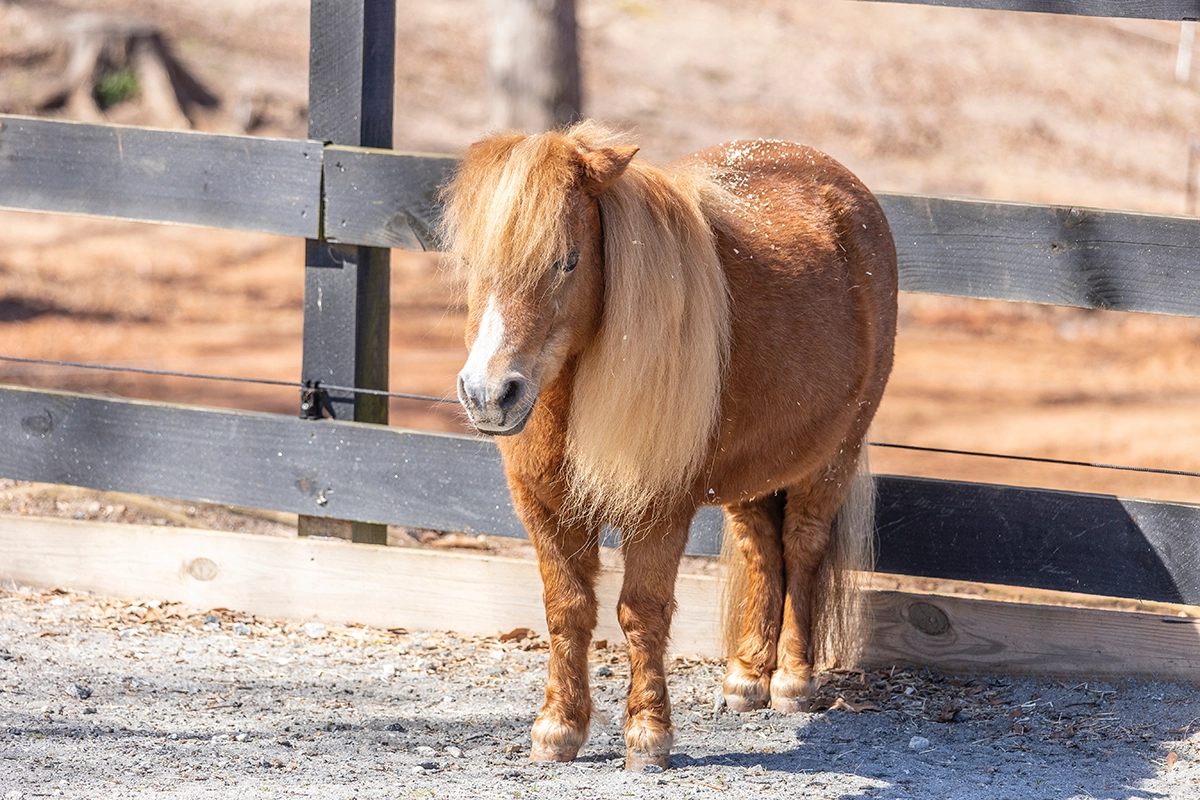
Unfortunately, some breeds are more predisposed to laminitis than others, including equines that are genetically more likely to have metabolic issues. Andalusians, pony breeds, Miniature Horses, and donkeys fall into this category.
“Not every horse will develop laminitis on high NSC pastures,” says Kathleen Crandell, Ph.D., an equine nutritionist who works with Kentucky Equine Research (KER). “Certain breeds, like the ‘easy keeper’ types and ponies, are more likely to be sensitive to the sugar content of the grass. Particularly if a horse is already overweight, the high sugar content could push him over the edge into full-blown laminitis.
“If a horse has not been turned out on grass and then is suddenly allowed unlimited access, the drastic change can provoke an episode of laminitis,” she continues. “In cases like this, it’s best to offer pasture access for 15 minutes the first few days and increase the time out on grass gradually in 15-minute increments.”
Inflammatory Condition
In the most basic definition, laminitis is inflammation of the sensitive laminae of the hoof.
The horse’s hoof is comprised of both sensitive (living) and insensitive (non-living) laminae that are closely interwoven to form the lamellar bond, which attaches the coffin bone to the hoof wall.
If inflammation occurs in the sensitive laminae, the blood supply in the hoof is disrupted. Without treatment, the lamellar bond can become compromised. Should this bond fail, the coffin bone loses support and can rotate, permanently altering connections within the hoof. When that happens, the horse is said to have “foundered.”
Many horses can suffer a bout of laminitis but not founder, provided they receive timely, proper treatment.
Immediate treatment involves relieving inflammation and pain. This typically includes icing the feet, a course of nonsteroidal anti-inflammatory drugs (NSAIDs), and complete stall rest during the initial period. Support with hoof boots or special shoeing may also be indicated.
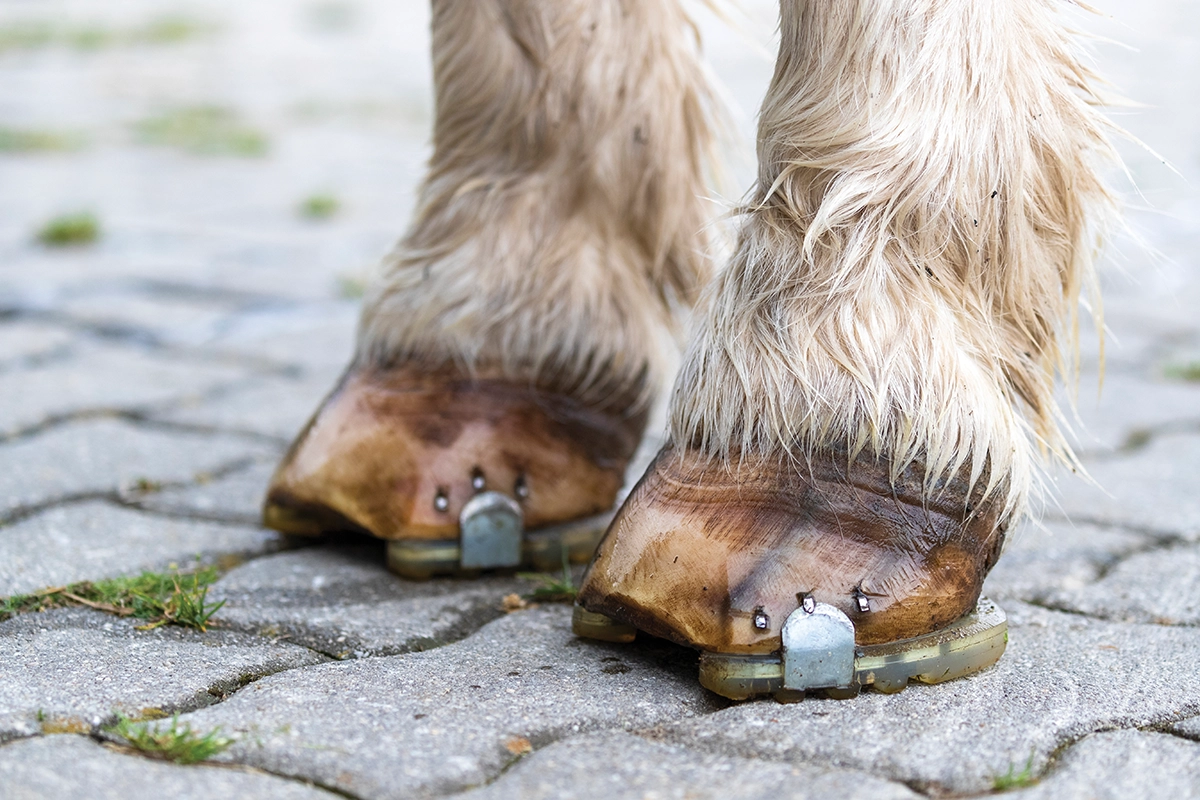
After immediate treatment measures following a bout of laminitis, special shoeing may be needed. Photo by Christiane Slawik
Causes of Laminitis
Ben Flakoll, DVM, a veterinary farrier and podiatrist in the Saratoga Springs, N.Y., practice of Rood & Riddle Equine Hospital, routinely works with laminitic horses. He explains that laminitis is a clinical syndrome with three main causes:
◆ Secondary to a systemic inflammatory response, such as a horse with pneumonia or colitis, or a mare with a retained placenta after foaling.
◆ Support limb laminitis, when a horse develops laminitis in the main weight-bearing limb after injury to the opposite foot.
◆ Endocrinopathic laminitis, which primarily occurs because of insulin dysregulation in horses who have elevated insulin levels secondary to an endocrine disease like pituitary pars intermedia dysfunction (PPID), previously known as Cushing’s disease, or equine metabolic syndrome (EMS).
“Endocrinopathic laminitis is the most common type, and accounts for 70 to 90 percent of all laminitis cases,” says Flakoll. “The elevated insulin level is tied to elevated levels of NSC in the diet.”
When insulin levels are chronically elevated, the laminae in the foot can slowly stretch over time, eventually resulting in coffin bone rotation, even if the horse doesn’t exhibit acute lameness.
Signs of Laminitis
Contact your veterinarian immediately if you notice any of these signs:
◆ Hooves feel hotter than usual
◆ Strong, bounding digital pulse in fetlock area
◆ Increased heart rate
◆ Increased respiration rate
◆ Shifting weight from foot to foot
◆ Standing with back legs well under body
◆ Stiff, awkward gait
◆ Walking on heels
◆ Lying down more than usual
◆ Reluctance or refusal to move or pick up feet
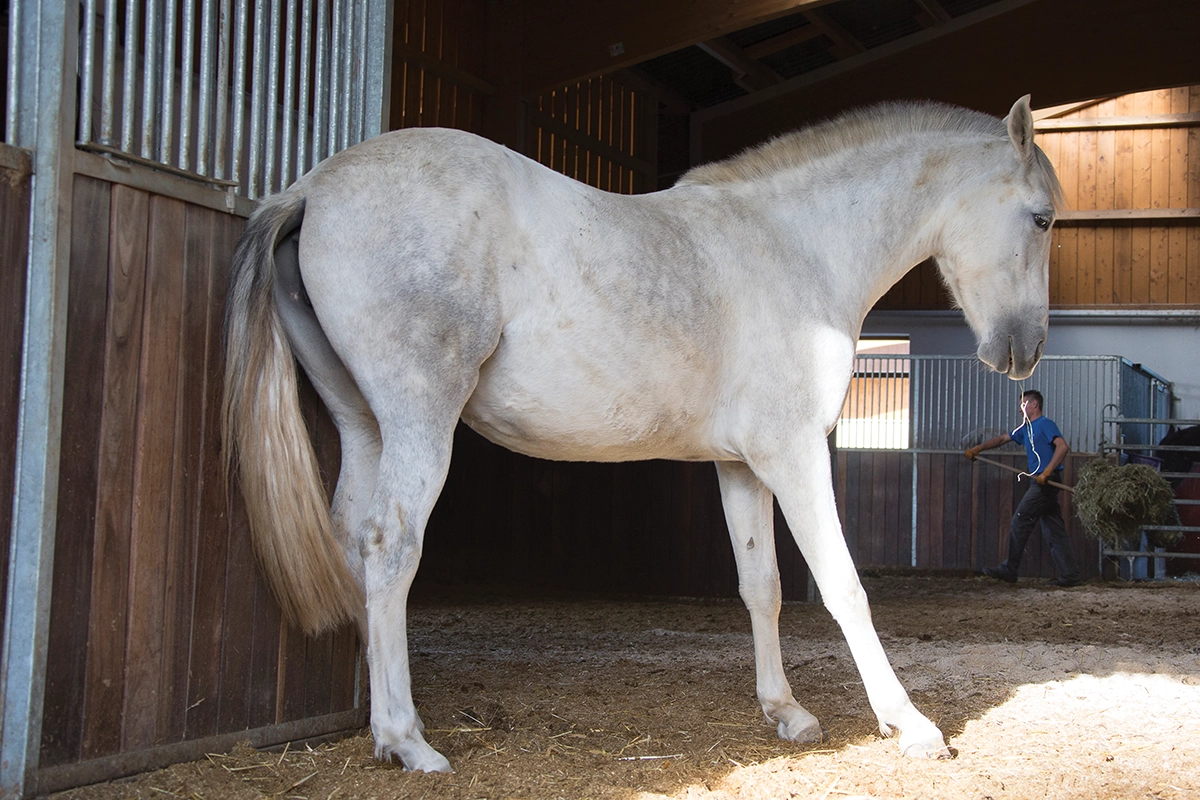
Photo by Christiane Slawik
Managing the Diet
With elevated insulin levels to blame for the most common type of laminitis, it’s critical to control the diet of affected horses.
To reduce NSC content during the acute phase of endocrinopathic laminitis, Flakoll recommends only feeding soaked hay and eliminating any grain or concentrate.
“After the horse has recovered from the initial bout of laminitis, we can consider adding a ration balancer back into the diet,” he advises.
If the horse is overweight, as is the case with many metabolic horses, you should work with your veterinarian on how to restrict calories until the horse is at an ideal body weight.
Ideally, horses dealing with insulin dysregulation should only have hay with NSC content of less than 10 percent. Warm season grasses usually have lower NSC content than cool season grasses, so certain types of hay are naturally higher in sugar than others.
“The amount of NSC in [the same type of] hay can vary, depending on when it is harvested,” says Crandell. “The less mature the grass, the more likely it is to have higher sugar content because it isn’t pushing all its energy stores toward producing seed heads. A leafy orchardgrass harvested before going to seed will generally be higher in NSC than one that is stemmy with seed heads.”
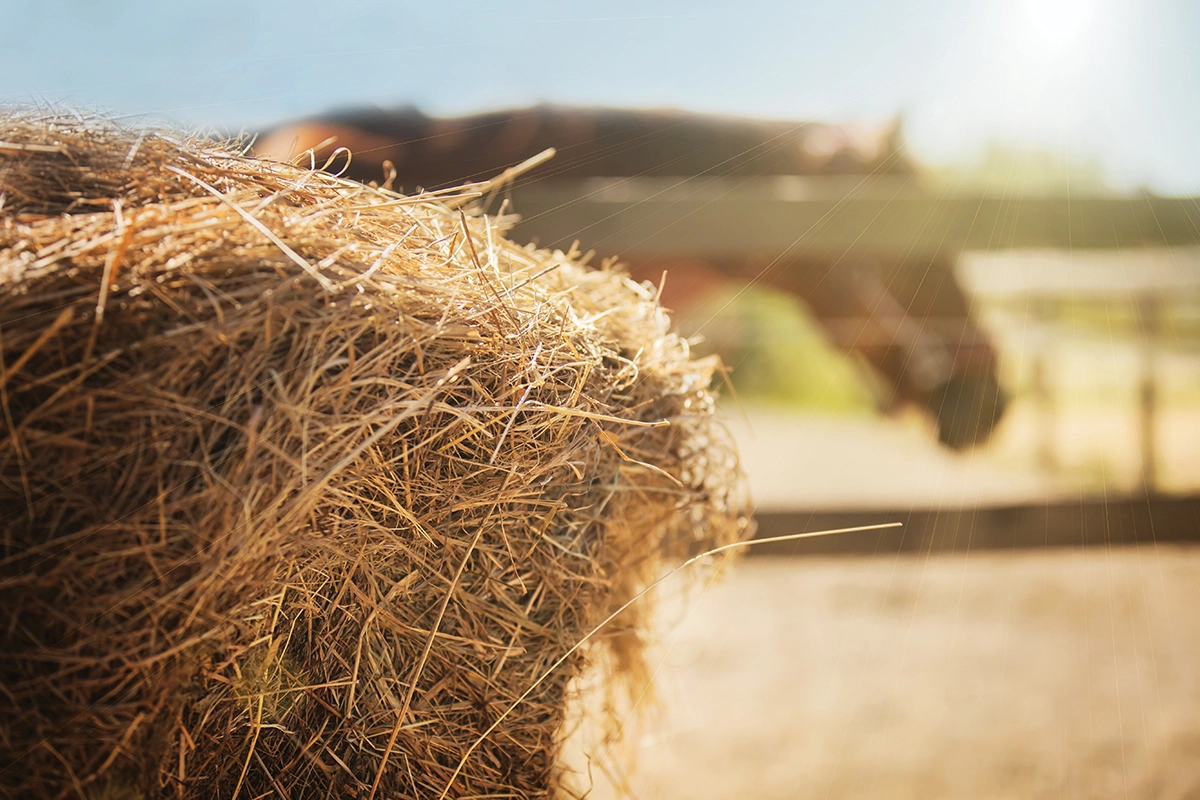
More mature, stemmy hays that are harvested later in the growth cycle tend to be lower in NSCs. Photo by Valeri Vatel/Adobe Stock
She says that warm season grasses, like Teff, have become popular for metabolic horses because they are naturally lower in NSC.
However, a warm season grass, like bermudagrass, can have NSC levels similar to a cool season grass if harvested at an early growth stage. Timothy hay is mainly harvested at a more mature stage of growth when it has seed heads, so the leaf and stem will be more fibrous.
“The nonstructural carbohydrates are what we’re worried about, and the majority of NSCs in hay are water soluble,” says Flakoll. “If you soak the hay at least an hour, this removes most of the NSC. Soaking hay is really the single best thing you can do to reduce the level of NSC in forage. This takes away most of the sugars so you’re not worried about when the hay was baled.”
To soak hay, simply put it in a net and soak it in a tub of water for at least an hour. Drain the water before feeding.
“For those thinking they’ll just feed hay pellets, nothing beats soaking the hay to get the sugars out of forage,” says Flakoll. “Even pellets will have higher sugar levels than soaked hay.”
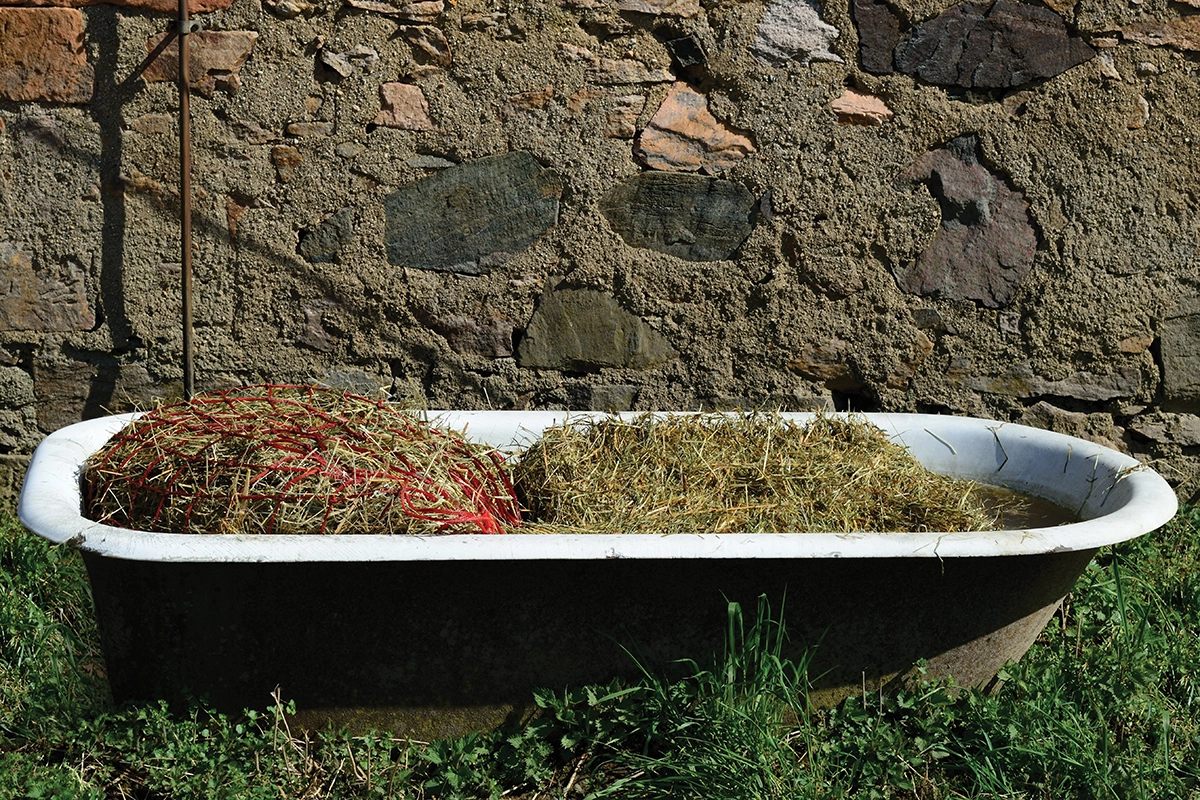
Soaking hay before feeding is the best way to remove sugars. Soak for one hour (and flip over if repurposing a bathtub, as shown here). Photo by pholidito/Adobe Stock
Modern Grasses
Many of the typical grasses used in improved pastures today have higher sugar contents than native pasture grasses did a century ago.
“Plant scientists in the 1900s developed strains of high-yielding, higher NSC grasses to meet the increase demand for energy of high-producing livestock, such as dairy cows,” says Crandell.
“Modern-day perennial ryegrasses are notorious for being able to maintain high NSC levels and are grown in this country mostly for dairy cattle,” she says, adding that ryegrass pasture and hay should be avoided when feeding horses or ponies with insulin dysregulation.
To Graze or Not
A horse that has already had a bout of laminitis should not be allowed unrestricted access to pasture, since sugars in the grass can trigger another episode. The horse may be able to have some managed time on pasture, but your veterinarian should advise you on this.
Since time of day greatly affects the NSC content of grass, the safest time for grazing is early morning between 5 and 10 a.m., so long as there hasn’t been a frost.
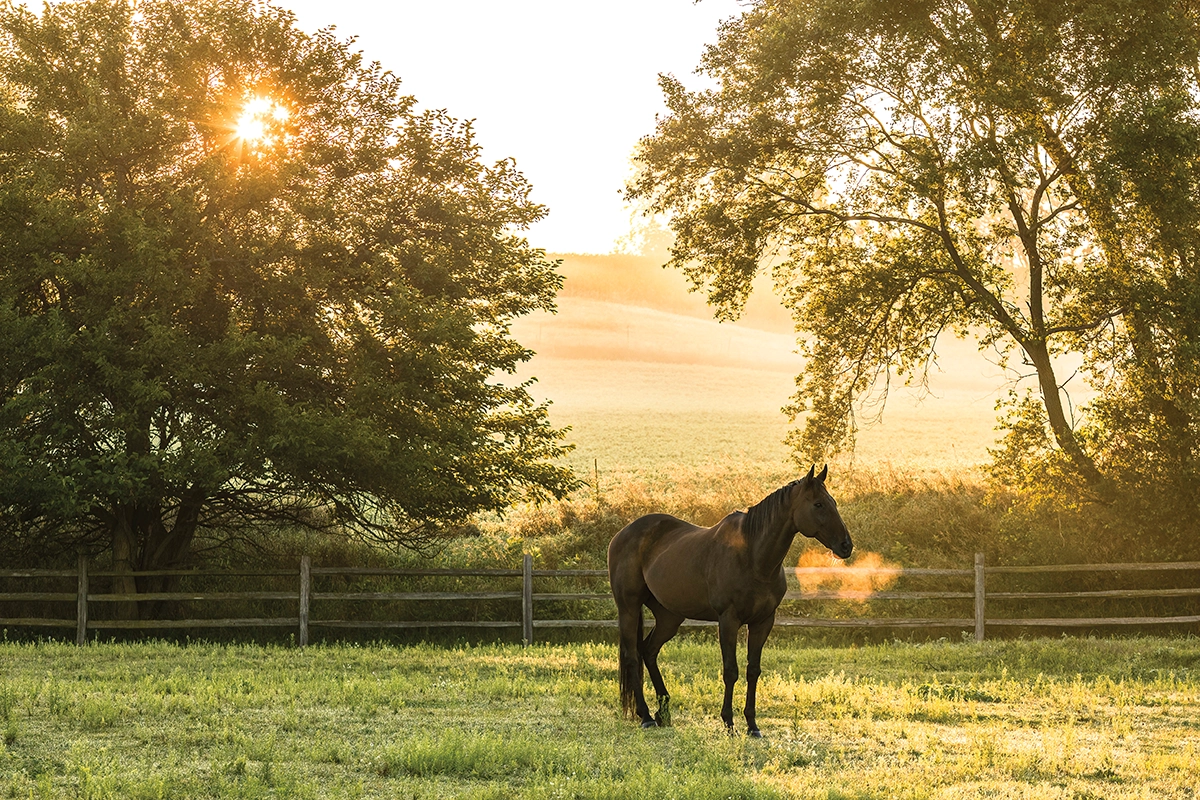
The safest time for grazing is between 5 and 10 a.m., as long as there hasn’t been a frost. Photo by Margaret Burlingham/Adobe Stock
“Grass will produce and store sugar when there is sunshine, so it builds up during the day,” explains Crandell. “Sugar levels will be highest in the evening and then gradually drop as the plant uses the sugar for respiration. So the lowest level will be just before sunrise [before] the plant starts photosynthesizing again.”
She adds that sugar levels in grass aren’t as high on cloudy days as during sunny days.
For some horses, grazing is simply not an option. Especially when a horse has had recurrent bouts of laminitis, turnout can only be done safely on a dry lot.
After recurring bouts of laminitis, the only safe turnout is in a dry lot. Photo by Margaret Burlingham/Adobe Stock
For the insulin dysregulated horse, a grazing muzzle is not the answer unless it fully prevents him from eating grass. Flakoll says such horses should have zero access to grazing.
“For these horses, spacing out meals and feeding smaller meals more often is better and keeps them from having large insulin spikes,” he advises.
Regular exercise is helpful since it uses up sugars as fuel, provided the horse is sound.
Helpful Tools
For horses that have had past bouts of laminitis, Flakoll recommends regular testing of insulin levels. Even if a horse hasn’t had laminitis, he advises owners to have metabolic testing done once the horse is a teenager.
“This is to monitor their metabolic levels, see what their insulin levels are, and to see if there are any signs of PPID or EMS,” he says.
This information is helpful in managing diet, including pasture access.
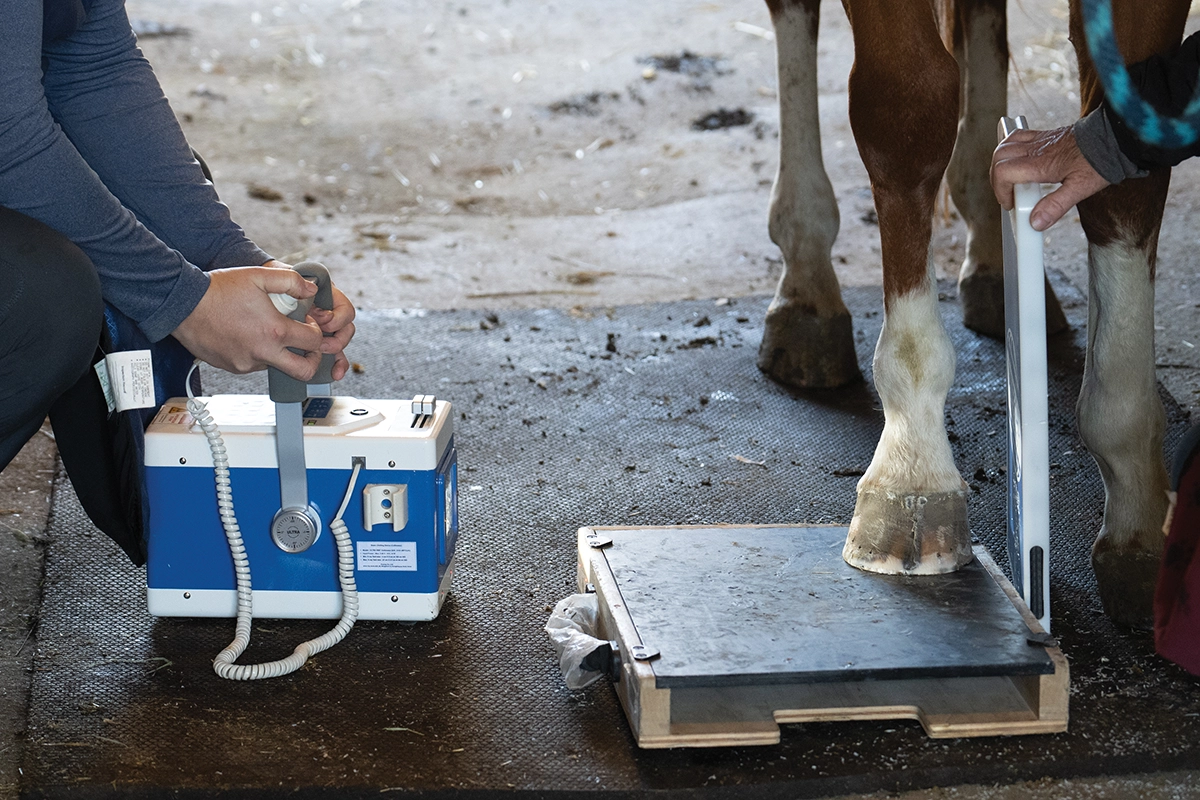
Annual radiographs will help your vet and farrier keep an eye on any changes in the feet from year to year. Photo by Shawn Hamilton CLiX/Adobe Stock
Yearly radiographs of the hooves are another valuable tool.
“Chronically elevated insulin levels will cause the laminae in the feet to stretch over time, so having yearly X-rays gives a comparison if the horse ever has a laminitic episode,” says Flakoll. “Most farriers would be very happy to get a yearly set of radiographs to see how things are looking.”
This article about fall laminitis concerns appeared in the September/October 2025 issue of Horse Illustrated magazine. Click here to subscribe!