Whether you’re navigating a tight turn in a reining pattern or sitting deep through the collected trot of a dressage test, one thing is certain: your body matters just as much as your horse’s. For too long, we have put our horses’ conditioning on a pedestal while treating our own fitness as an afterthought. But your position, balance, and reaction time as an equestrian all hinge on how well you move, both on and off the horse. That’s where cross-training comes in.
Whether you ride English or western, building a smart, rider-focused fitness routine can often be the key to accessing better performance and decreasing your likelihood of repetitive strain injuries. A few well-placed off-horse practices can transform the way you ride and help you stay stable, supple and strong for the long haul.
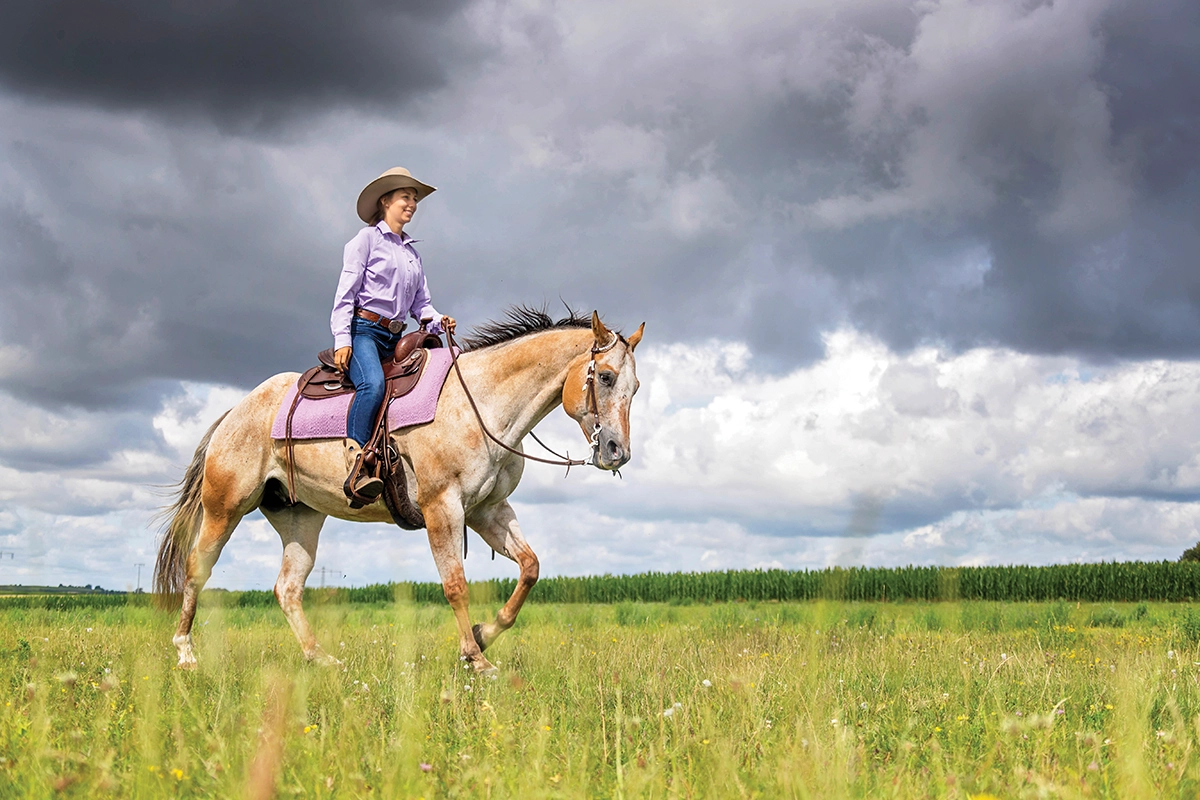
Just a few thoughtful exercises can transform the way you ride and help you stay stable, supple and strong for the long haul. Photo by Christiane Slawik
Stability Before Strength
Most riders want to be strong in the saddle, but strength without stability is like trying to sit the trot without understanding how to post. Before you jump to more advanced exercises and movements, your body needs a stable foundation to work from.
This starts with building stability of the neck, elbows, lower back and knees. These areas support your spine, pelvis, posture, and position—both in and out of the saddle.
For English riders, poor stability might show up as tipping forward or laterally during transitions, or struggling to stay balanced over fences. For western riders, it could be bouncing through a lope or inability to maintain balance in your western pleasure classes. These aren’t just riding issues—they’re body awareness issues.
Focusing on small, intentional movements like glute bridges, moving planks, and controlled unilateral exercises can improve how you connect to the horse and absorb motion. Think of these as groundwork for the rider.
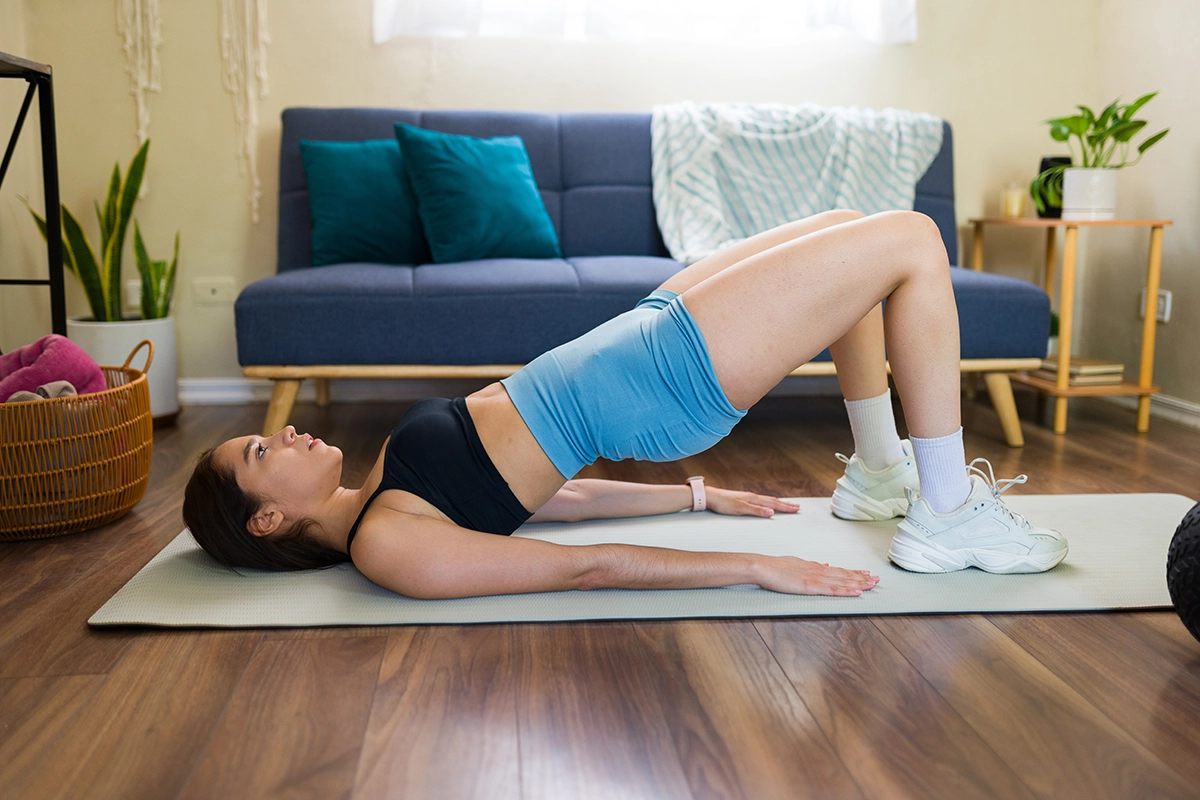
Focusing on small, intentional movements like glute bridges, moving planks, and controlled unilateral exercises can improve how you connect to the horse and absorb motion. Photo by Antonio Diaz/Adobe Stock
The Missing Piece
The more freely you move off the horse, the greater freedom you’ll have with your horse.
Rider injuries and communication issues often start with a lack of mobility. Tight hips, stiff ankles, and limited mid-back movement all affect your seat. They restrict your aids and shift stress to other areas like your low back or knees. Sound familiar?
It’s not about being gymnast-flexible but rather having enough range of motion to move with your horse, not against him. Riders who lack thoracic (mid-back) mobility often round their shoulders, struggling to open through the chest, which affects not only your center of mass but also your horse.
Those with tight hips may unintentionally grip with their knees or pitch slightly forward in the saddle. If your ankles can’t move freely, you won’t be able to maintain a softer, more dynamic and shock-absorbing contact.
It doesn’t have to be complicated to be effective. Simple mobility work, like dynamic stretching, foam rolling, and joint specific drills, can go a long way toward unlocking fluid, pain-free movement.
Functional Strength
Cross-training is your secret weapon for staying injury-free, riding longer, and enjoying every minute in the saddle.
Cross-training for equestrians isn’t about bulking up or building lots of muscle. It’s about learning how to access and control your strength in ways that mirror the physical demands of riding. This is where functional strength comes into play.
Unlike traditional gym workouts, functional rider training uses movements and muscles that reflect what happens in the saddle. Single-leg stability and rotational core and back strengthening exercises are great places to start.
In all disciplines, exercises like resistance band walks, single-arm rows, and stability-focused lunges can help you build coordination and control, not just brute force. Done consistently, they not only make you a more effective rider but help reduce the wear and tear that leads to chronic pain and compensation patterns over time.
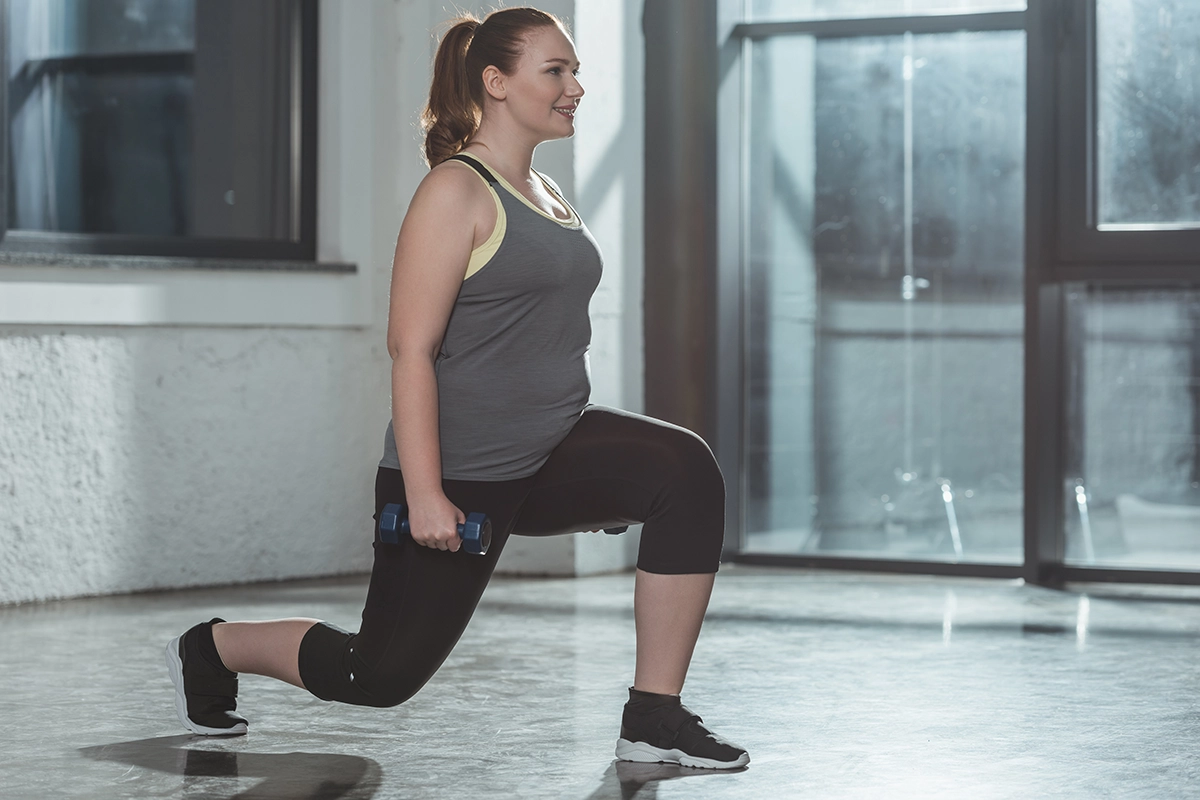
In all disciplines, exercises like stability-focused lunges can help you build coordination and control, not just brute force. Photo by Lightfield Studios/Adobe Stock
The Importance of Cardio
Caring for horses elevates your heart rate, especially when mucking multiple stalls, doing barn chores, or riding intensely. However, it doesn’t always challenge or improve your heart and lungs in a way that builds more endurance.
Low-impact cardio options, such as brisk walking, swimming, hiking, rowing, or cycling, are perfect for riders. These activities improve your recovery between transitions or jumps in the arena, helping with breath control while boosting your energy levels during long show days and weekends. Even better, they can help balance out the repetitive, often asymmetrical patterns riders fall into after years in the saddle.
With today’s technology and advancements, you don’t need to go to the gym anymore. There’s no need to spend hours on a machine—in fact, studies show that 10 to 30 minutes three times per week is enough to see and feel certain differences.
Fitness Equipment
A well-fitting pair of riding boots is essential for comfort and safety in the saddle, and the same goes for your fitness gear. Start with your feet and wear more supportive training sneakers that help to build proper stability.
A set of adjustable dumbbells, suspension training equipment, and resistance bands are great tools when traveling. In addition, a foam roller can make your recovery more effective and enjoyable for your next ride.
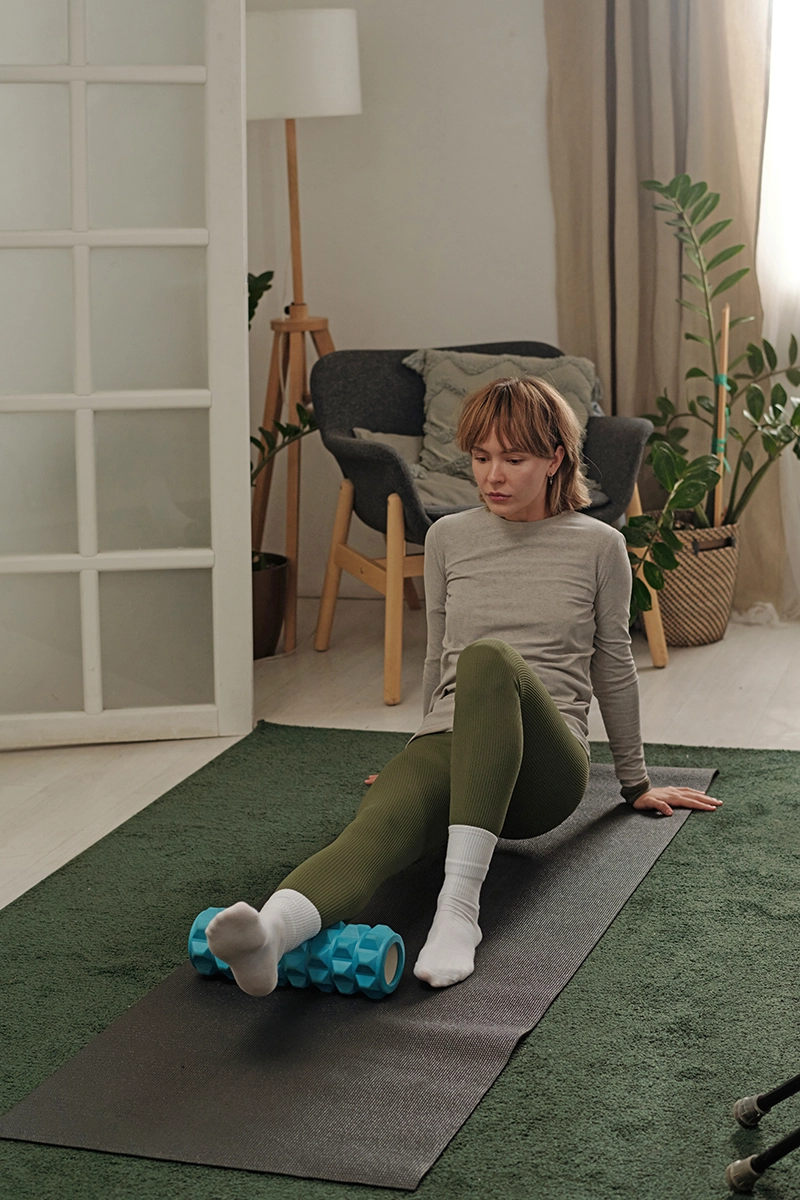
Foam rolling can help muscles recover more effectively after a workout. Photo by Pressmaster/Adobe Stock
You might also consider training barefoot and on balance pads for a two-in-one approach. It builds foot and ankle strength, as well as proprioception, which translates directly into better leg stability and pelvic control, plus a host of additional benefits.
Rest & Recovery
Treat yourself like you treat your horse: warm up, cool down, and don’t ignore the signs.
Injuries often happen when we push too hard without giving the body space to recover. Riders are notorious for toughing it out: ignoring sore joints, pushing through stiff backs, and chalking it up to “just part of riding.” But the same way your horse needs downtime, your body needs care.
That means warming up before each ride, active recovery, and taking rest days more seriously. It also means paying attention to the little signs, nagging pain, chronic tightness, and anything that suggest something deeper might be a little off.
We often have a team that works with our horse to make sure he’s well cared for. Riders should seek or be familiar with a sports massage therapist, physical therapist, or equestrian-focused fitness coach (like me!) that can help you troubleshoot these issues before they become something that hinders your riding for weeks, months, or longer.
Train Like the Pros
Cross-training isn’t just for top-level equestrians. In fact, many of the riders who benefit most from a thoughtful fitness routine are adult amateurs juggling busy work and family schedules, young riders still building their minds with schoolwork, or equestrians returning to the saddle and rebuilding confidence after some time off.
If you’re new to fitness, start with a short, effective training plan to reinforce stability and posture and develop the strength to ride independently of the reins. Incorporating mobility and core strength can support bone density and balance and reduce the risk of falls.
If you’re riding at a high level already, your specific training plan can be the difference between winning ribbons and mitigating unnecessary injury.
Consistency matters more than intensity. You don’t need to train hard: Just two or more focused sessions per week will change how you feel and perform in the saddle.
This article about equestrian cross-training appeared in the September/October 2025 issue of Horse Illustrated magazine. Click here to subscribe!