Thumbs Up: Checking off the common causes of “bad” behavior
An excitable, spooky horse can totally take the fun out of your barn time, so it’s an important problem to solve. But where do you begin? Start by working with your trainer and veterinarian to get the root of the problem, whether it’s medical, physical, or behavioral. To get one step closer to calm, check out some of the common root causes of equine “bad” behavior, such as the examples listed here:
- Lameness/soreness
- Too much grain
- Too little turnout
- Ill-fitting tack
- Dental problems
- Nutritional deficiencies
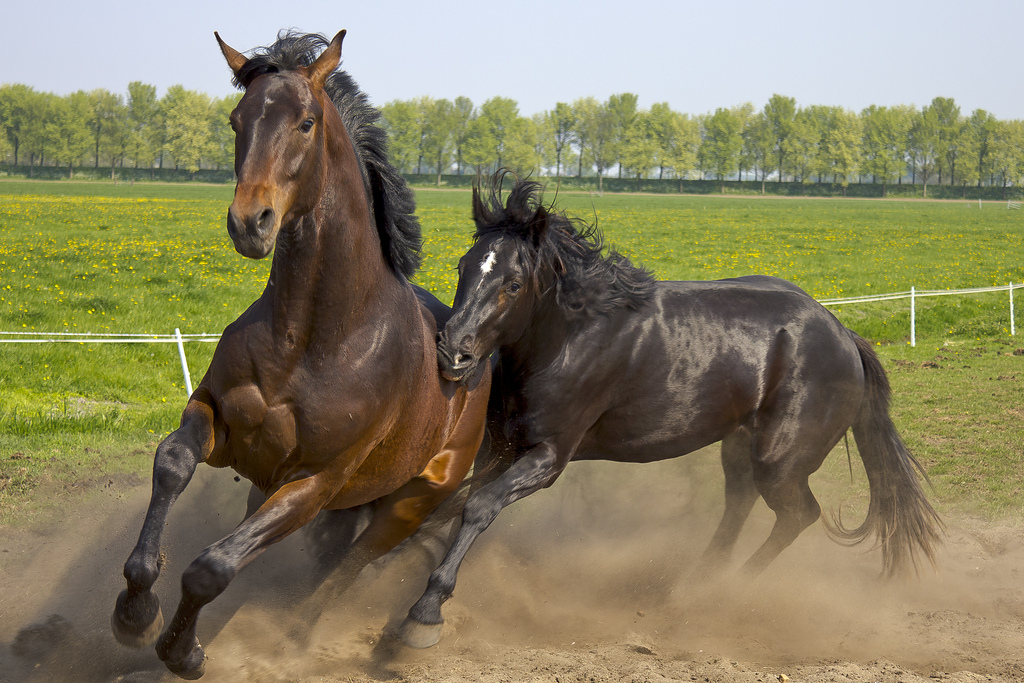
Photo by Coen Dijkman via flickr/CC BY-SA 2.0
Thumbs down: Assuming your horse’s attitude is just the way he is
Some people may say that a horse’s bad attitude is “just the way he is,” but he might be trying to tell you something! Instead of assuming that your horse is anxious or excitable because he’s “just a hot horse,” consider that there are several management practices and health problems that could be causing his behavior.
Check out a few of the common causes of equine “bad” behavior above, and then click the link here to learn more about why they could be the root of your horse’s behavioral problem.
Read more tips from SmartPak.