Enter our 12 Days of Christmas Giveaways here!
0 ITEMS
  • My Account
  • Holiday Gift Guide
  • Podcast
  • Webinar
Subscribe Combo
Enable cache13

Horse Injuries, Wound Care, and Lameness

Learn how to deal with injuries, wound care, and lameness for your horse, including first aid for your horse with articles from Horse Illustrated magazine. Articles cover emergency response, creating a first aid kit, how to bandage an injury or take care of a wound, joint supplements, and more. Clinical signs, diagnosis, treatment, and recovery are covered.Lameness issues include joint issues and arthritis, laminitis, catastrophic wounds, fractures and other leg injuries, tendon and ligament issues, navicular disease, ringbone, stringhalt, abscesses, nerve issues, bone cysts, etc.When it comes to equine ownership and care, at some point riders deal with an injured horse. Knowing what to do to prevent emergencies, horse first aid and what to do during an emergency, and how to care for the horse afterward are critical for horse owners.
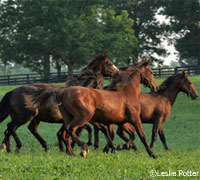
Various forms of developmental orthopedic disease most often appears in foals and young horses that have not yet finished growing. Photo: Leslie PotterEvery owner of a young horse hopes that the youngster will grow up to achieve his maximum...
A young horse out on pasture achieves many benefits. He learns how to move his gangly frame, becoming agile and coordinated as he frolics in open spaces, particularly when he has other young buddies to run with. While young...
You proudly survey your young horse as you consider sending him off for training to get started under saddle. He’s turning 3 years old, and you are eager to begin your working relationship with him. You know there are...
Q: What exactly are capped hocks and is there any treatment available? Will the swelling ever go down? A: A capped hock is an inflammatory swelling of the bursa, or protective synovial capsule that surrounds a joint, at the point...
Laminitis is a painful inflammation of the tissue within the foot that connects the hoof wall to the coffin bone. It can cause extreme lameness and may require euthanasia. It most commonly occurs in the front hooves. In severe...
Joint Supplements Arthritis and degenerative joint disease are common problems in performance horses. They can often be managed with joint supplements that allow a horse to continue a useful athletic career. These can be administered topically, orally, intramuscularly, intravenously or...
Q: My horse has been diagnosed with severe ringbone. I know he’ll never be ridden again, but I want to keep him pasture sound. Is there any medicine to help keep him comfortable? I don’t want to keep him...
Q: I have a 5-year-old Paint gelding who has been diagnosed with pedal osteitis. I have done what my veterinarian has suggested: lower his heels, use Equi-pak as a pad and feed a mineral supplement. I have seen little improvement....

Wounds

WoundsWhat it is: Lacerations (cuts) and puncture wounds.Symptoms: Variable, depending on the type of wound, its severity and location. Minor lacerations are superficial (penetrating the skin but not the deeper structures—muscles, tendons or joints), cause minimal bleeding and don’t...
Navicular syndromeWhat it is: A degenerative condition characterized by progressive damage to the navicular bone, a small bone of the foot, with accompanying damage to the deep digital flexor tendon and other adjacent structures.Symptoms: Navicular syndrome is a common...
0FansLike
0SubscribersSubscribe
We use cookies to help personalize content, tailor and measure ads, and provide a safer experience. By navigating the site, you agree to the use of cookies to collect information. Read our Cookie Policy.
OK