0 ITEMS
  • My Account
  • Holiday Gift Guide
  • Podcast
  • Webinar
Subscribe Combo
Enable cache13
Home Horse Care Page 136

Horse Care

 Horse care is the most important aspect of ownership. The topics that Horse Illustrated has covered include: behavior, deworming, grooming, farriery, dentistry, adoption, welfare, charities within the industry, overall health (such as diseases and conditions), injuries, wound care, lameness, mare and foal care, nutrition, pest control, safety, seasonal management, senior care, vaccinations, and much more.To help your horse be healthy, you will want to work with an equine veterinarian, farrier, and equine dentist. In addition, there are alternative practitioners, such as equine chiropractors, physiotherapists, massage therapists, etc. Always review the qualifications of someone before you let them help you with your equine best friend.
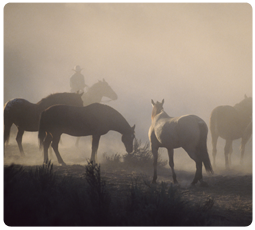
VaccinationsVaccinations can save your horse’s life by protecting him from various diseases. The American Association of Equine Practitioners recommends that all horses receive core vaccinations, which provide protection from diseases that are difficult or impossible to treat and/or represent...
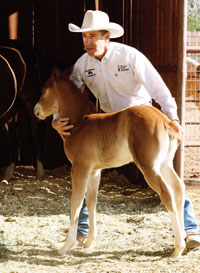
Q: I purchased my horse about a year ago, and he seemed to be perfectly healthy at the time. But over the winter, he was diagnosed with EPM. We treated him for two months, but he didn’t recover. He’s...

Beet Pulp

Beet Pulp Beet pulp is a high-fiber roughage source that is easily digested by horses. Since it is purchased in dry form and expands when wet, you should soak it for a length of time before feeding it to your...
Closeup of horse eating hay

Alfalfa

Alfalfa Abundant in protein and calcium, alfalfa is a good source of forage for young, growing horses and lactating mares. For most other horses, it can be too rich and lead to obesity. The high protein concentration can lead to...
Recognizing health problems in your horse is the first step toward treating them. For some problems, early recognition can mean the difference between recovery and disaster. Here’s a glossary of common ailments and horse health terms.Abscess (hoof abscess, sole...

Wounds

WoundsWhat it is: Lacerations (cuts) and puncture wounds.Symptoms: Variable, depending on the type of wound, its severity and location. Minor lacerations are superficial (penetrating the skin but not the deeper structures—muscles, tendons or joints), cause minimal bleeding and don’t...
Applying thrush treatment to a horse's hoof

Thrush

What it is: A disease of the hoof’s frog, with an accompanying secondary bacterial infection. In extreme cases it can destroy the frog, to the point of causing damage to deeper structures.Symptoms: Foul-smelling, gooey black discharge in the frog,...
Scratches, aka pastern dermatitis or “greasy heel”What it is: Inflammation of the skin on the lower legs caused by bacteria (for example, the same organism that causes rain rot), fungal infections, local irritation, external parasites (such as mites), or...
Rain rot, also known as dermatophilosis, is a common skin condition affecting horses, particularly in wet and humid conditions. Learn more about what this condition is, symptoms to look for, and how to treat it.What it is: A skin...
0FansLike
0SubscribersSubscribe
We use cookies to help personalize content, tailor and measure ads, and provide a safer experience. By navigating the site, you agree to the use of cookies to collect information. Read our Cookie Policy.
OK