0 ITEMS
  • My Account
  • Holiday Gift Guide
  • Podcast
  • Webinar
Subscribe Combo
Enable cache13
Home Horse Care Page 137

Horse Care

 Horse care is the most important aspect of ownership. The topics that Horse Illustrated has covered include: behavior, deworming, grooming, farriery, dentistry, adoption, welfare, charities within the industry, overall health (such as diseases and conditions), injuries, wound care, lameness, mare and foal care, nutrition, pest control, safety, seasonal management, senior care, vaccinations, and much more.To help your horse be healthy, you will want to work with an equine veterinarian, farrier, and equine dentist. In addition, there are alternative practitioners, such as equine chiropractors, physiotherapists, massage therapists, etc. Always review the qualifications of someone before you let them help you with your equine best friend.
Navicular syndromeWhat it is: A degenerative condition characterized by progressive damage to the navicular bone, a small bone of the foot, with accompanying damage to the deep digital flexor tendon and other adjacent structures.Symptoms: Navicular syndrome is a common...
LaminitisWhat it is: Laminitis in horses is an inflammation of the laminae, the structures in the foot that connect the hoof wall to the coffin bone. It’s usually caused by overeating grain or lush spring grass. Other causes include...
LamenessWhat it is: An abnormality of movement due to an injury or infection in one or more legs.Symptoms: Variable, depending on the problem and the horse’s tolerance for pain. The lameness may be easily detected or obscure, especially if...

Hives

Hives (urticaria)What it is: A skin manifestation of an allergic reaction to various triggers, including insect stings/bites, chemicals, medications or, less commonly, ingested or inhaled substances. In some horses, hives develop or worsen with pressure, heat, sunlight or stress....
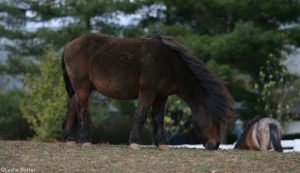
closeup of a horse eating grass

Heaves

Heaves, formerly known as chronic obstructive pulmonary disease (COPD) and now most often called recurrent airway obstruction (RAO)What it is: A chronic allergic respiratory disease triggered by exposure to straw and/or hay, resulting in airway inflammation, mucus production and...
Eye injuriesWhat it is: Various types of trauma involving the eye and surrounding structures.Symptoms: Variable, depending on the type of injury, its location and severity. Excessive tearing; squinting; head-shyness; visual deficit; bluish, cloudy or red color to the eye;...
Cushing’s syndrome (hyperadrenocorticism) What it is: Cushing's, now called Pituitary pars intermedia dysfunction (PPID), is a disease caused by a benign tumor in the pituitary gland, which controls the entire endocrine system. It usually occurs in older horses but occasionally...
Horse lying down in a dark stall

Colic

Colic What it is: Abdominal pain due to intestinal gas, impaction, torsion (twisting) or other causes. Symptoms: Variable, depending on the type of colic, the amount of pain (and the horse’s pain tolerance) and duration. Can include restlessness, sweating, looking at the belly,...

Choke

ChokeWhat it is: An obstruction of the esophagus, usually caused by eating too fast, but may be caused by narrowing of the esophagus due to a previous choke episode or in rare cases, pressure from a tumor.Symptoms: Discomfort, repeated...
Abscess (hoof abscess, sole abscess)What it is: A pocket of infection in the foot.Symptoms: Lameness, which can be severe; heat in the foot (hoof feels warm); swelling and redness in the bulbs of the heel; a dark area on...
0FansLike
0SubscribersSubscribe
We use cookies to help personalize content, tailor and measure ads, and provide a safer experience. By navigating the site, you agree to the use of cookies to collect information. Read our Cookie Policy.
OK