Enter our 12 Days of Christmas Giveaways here!
0 ITEMS
  • My Account
  • Holiday Gift Guide
  • Podcast
  • Webinar
Subscribe Combo
Enable cache13
Home Horse Care Page 178

Horse Care

 Horse care is the most important aspect of ownership. The topics that Horse Illustrated has covered include: behavior, deworming, grooming, farriery, dentistry, adoption, welfare, charities within the industry, overall health (such as diseases and conditions), injuries, wound care, lameness, mare and foal care, nutrition, pest control, safety, seasonal management, senior care, vaccinations, and much more.To help your horse be healthy, you will want to work with an equine veterinarian, farrier, and equine dentist. In addition, there are alternative practitioners, such as equine chiropractors, physiotherapists, massage therapists, etc. Always review the qualifications of someone before you let them help you with your equine best friend.
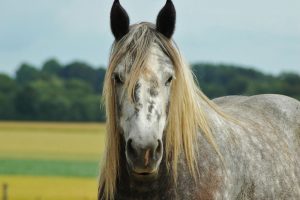

Ever wish there was a way to calm your horse, help him heal or reduce his pain naturally? According to equine herbalists, and even some veterinarians, herbs provide effective aid for a variety of equine mental and physical issues....
Generally considered a safe high-fiber feed, beet pulp has been fed to horses for years. But is it right for your horse? Forget pulp fiction. Talk to your vet and get the facts here so you can make an...
 You’re watching your vet head down your driveway. He’s examined and diagnosed your horse—now it’s up to you. You’re clutching a large plastic bottle filled with pills that need to be administered twice a day. Unscrewing the cap, you...
Gels, clays, lotions, oils, muds and more—package labels on liniments and poultices tell you these products provide "cooling heat,” "warmth,” "a cool, soothing sensation,” "relief for sore muscles and overworked tendons.” But do they really benefit an achy horse...

Complete Feeds for Horses

Want to streamline your feeding program? A "complete feed" might be the way to go. These feeds, available from most reputable feed manufacturers, have both grain and roughage in them and are designed to at least partially replace the...
Because responsible horse owners must venture outdoors regardless of below freezing temperatures, we are more likely to be frostbitten. Winter riders are especially prone. But frostbite and its damage can be avoided.Frostbite happens when skin tissue—usually fingers, toes, earlobes,...
A variety of injuries can sideline a horse. Treatment and rehabilitation will depend on the particular injury, the severity of that injury and your individual horse, his age, overall health and intended use. For example, the success rate for...
Every horse owner's worst nightmare is a phone call in the middle of the night from a boarding stable operator or horse sitter, reporting that the horse is sick, injured or worse.As terrifying as such a phone call can...

Clipping Countdown

The ever-increasing fuzz on your horse's coat tells you that winter is on its way. If your horse's winter coat is causing him to overheat during workouts, it might be time to think about body clipping.Follow these easy steps...
When purchasing a horse or choosing one to ride, we tend to be smitten by a horse's appearance and abilities. Unfortunately, we often neglect to consider the horse's basic temperament. If that doesn't complement our own riding capabilities and...
0FansLike
0SubscribersSubscribe
We use cookies to help personalize content, tailor and measure ads, and provide a safer experience. By navigating the site, you agree to the use of cookies to collect information. Read our Cookie Policy.
OK