Have you ever wondered why your horse seems reluctant to be caught, or why he feels tense under saddle? The answer often lies in common training methods that work against a horse’s natural instincts rather than with them.
For over 40 years, Parelli Natural Horsemanship has been teaching horse lovers worldwide that true horse-man-ship can be obtained naturally using communication, understanding, and psychology versus mechanics, fear, and intimidation. Our goal is to share an effective training program that makes sense to horses, naturally.
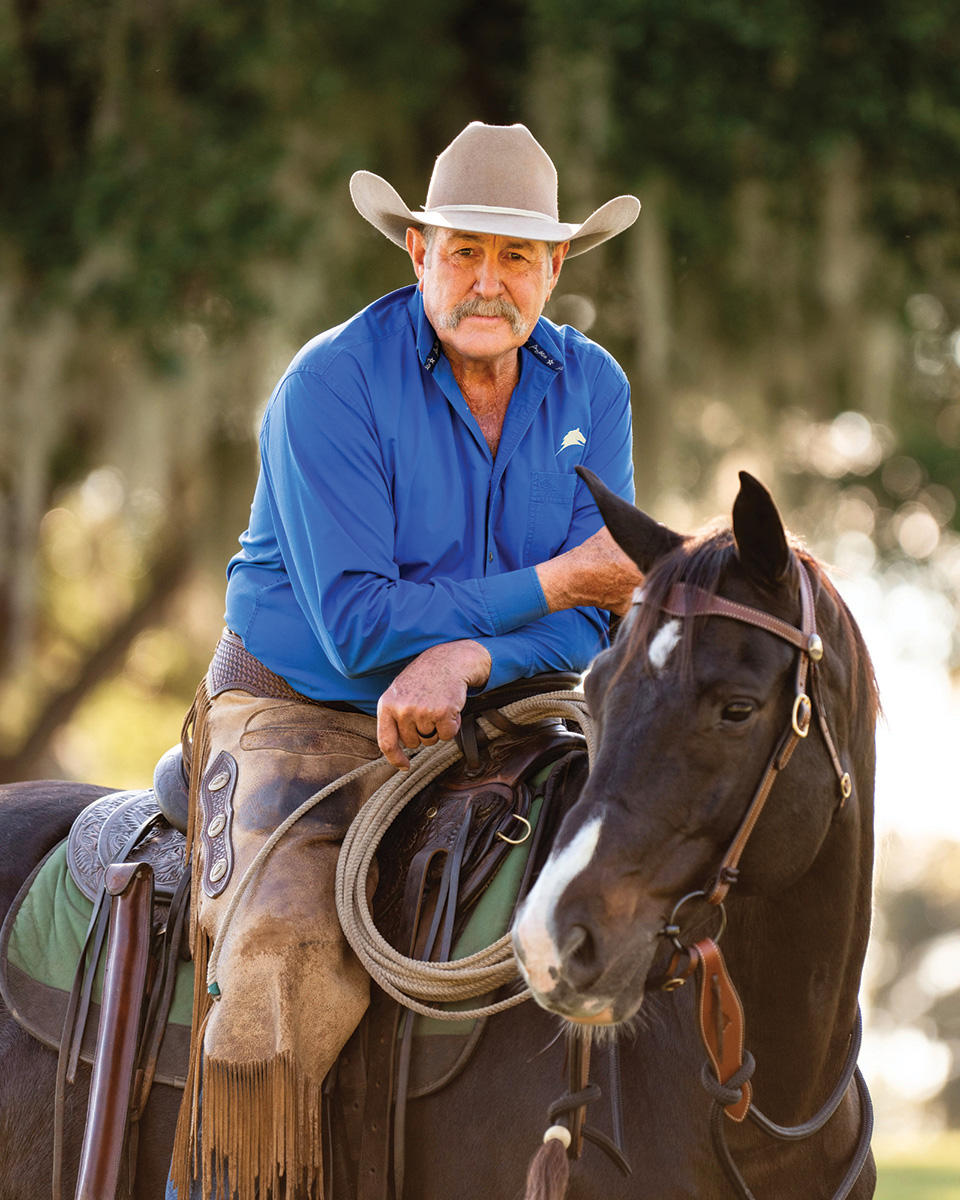
Yet several myths persist that hinder true partnership. Let’s debunk five common horsemanship myths and misconceptions.
Myth 1: “Catch your horse any way you can.”
Did you know your session starts the moment your horse sees you? How you approach your horse and even how you put the halter on means something to him.
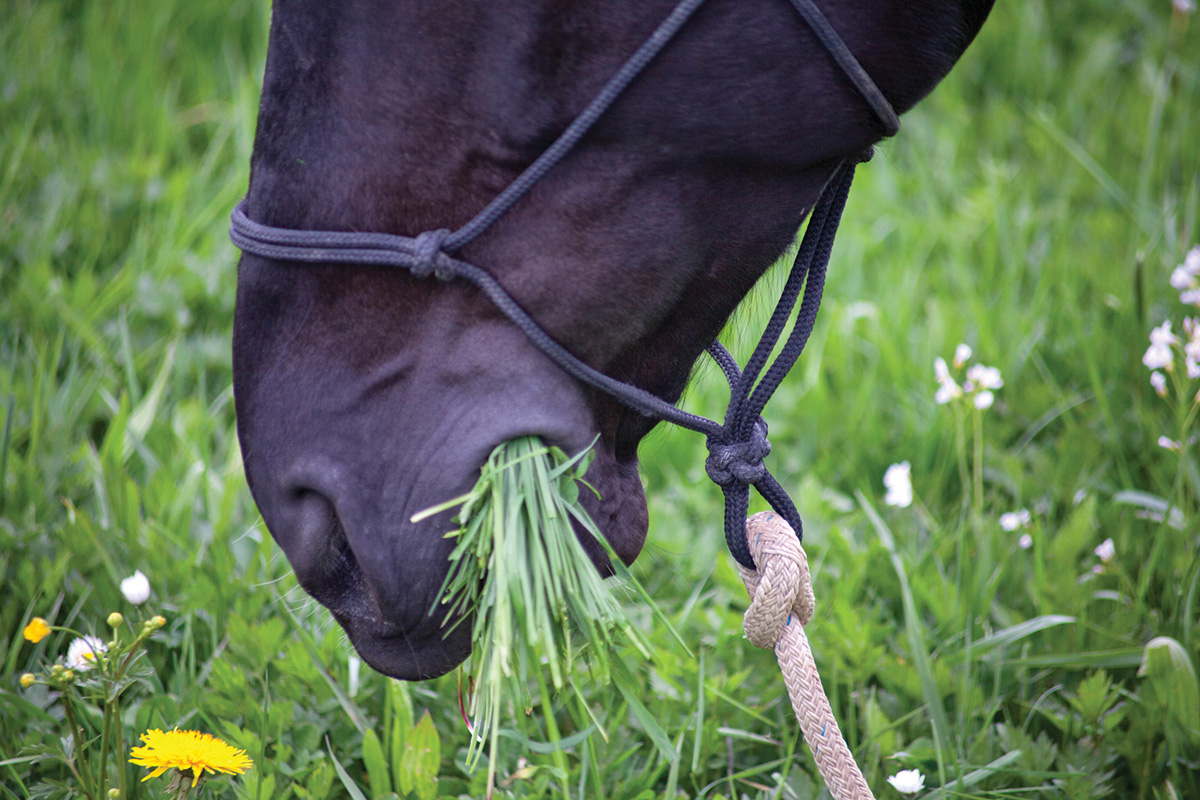
Humans are instinctively predators; horses are prey animals. When we rush straight at them to “catch” them, we can trigger their flight response. As the leader in the relationship, we want to create a natural attraction, so our horses become willing participants. When done right, your horse will meet you at the gate!
Myth 2: “Saddle him up and get on.”
First, we need to find out how our horse is feeling today. What side of the corral did he wake up on? Just like you have good days and bad days, so does your horse.
Make no assumptions that because your horse felt fine and you had a good ride yesterday, all will be well today. Before a pilot takes off in a plane, they always conduct pre-flight checks. The same should apply to our horse-man-ship. A few minutes of groundwork can prevent dangerous surprises in the saddle.
Myth 3: “Kick him to go.”
Riding is simple, right? After all, there’s a pedal for each foot! While leg cues are important, simply “kicking” a horse to go is counterproductive and creates dullness.
Instead, create a language by teaching your horse to respond to phases of pressure—starting with your energy first, and building to a squeeze to create understanding and willing forward motion. The result? A responsive horse who listens to whisper-light cues.
Myth 4: “Pull on him to stop.”
Horses are masters at reading and understanding body language. If phases of energy can create forward motion, the absence of energy can also mean slow down and stop.
You wouldn’t drive a car with malfunctioning brakes, and you shouldn’t ride a horse who relies on the reins to stop. Teaching your horse to respond to your seat and energy creates true self-carriage and a soft, balanced stop.
Myth 5: “Use the reins to turn.”
Horses have long bodies and humans have tall bodies. Learning to use long-body-logic means involving our entire body and energy in our communication with horses.
We influence our horses to move—on the ground and in the saddle—by turning our eyes (focus) first and then proceeding through our phases. This creates fluid, harmonious turns that feel effortless.
Join Us on This Journey
Please join us as we take a deeper dive into each of these five myths in the upcoming 2026 issues of Horse Illustrated. Our goal is to teach you how to train your horse safely and effectively at home, so that both you and your horse can have more fun and achieve excellence together, creating a true partnership based on trust and mutual understanding.
Learn more about our digital home-study curriculum, the Levels Program, at Parelli.com.
This edition of “Parelli Perspectives” about horsemanship myths appeared in the January/February 2026 issue of Horse Illustrated magazine. Click here to subscribe!