Throughout his life, your horse’s nutrition program should be based on what’s best for him as an individual. This is even more important as he ages, so don’t hesitate to talk with your veterinarian and equine dental care provider about your horse’s needs. Here, a veterinarian shares advice on feeding the senior horse.
“It’s important to remember that each horse is an individual. When formulating a diet for a senior horse, the first thing to consider is whether he has any medical issues (PPID, EMS, et cetera) that might change his nutritional needs,” says Lisa Kivett, DVM, whose Foundation Equine Clinic is based in Southern Pines, N.C.
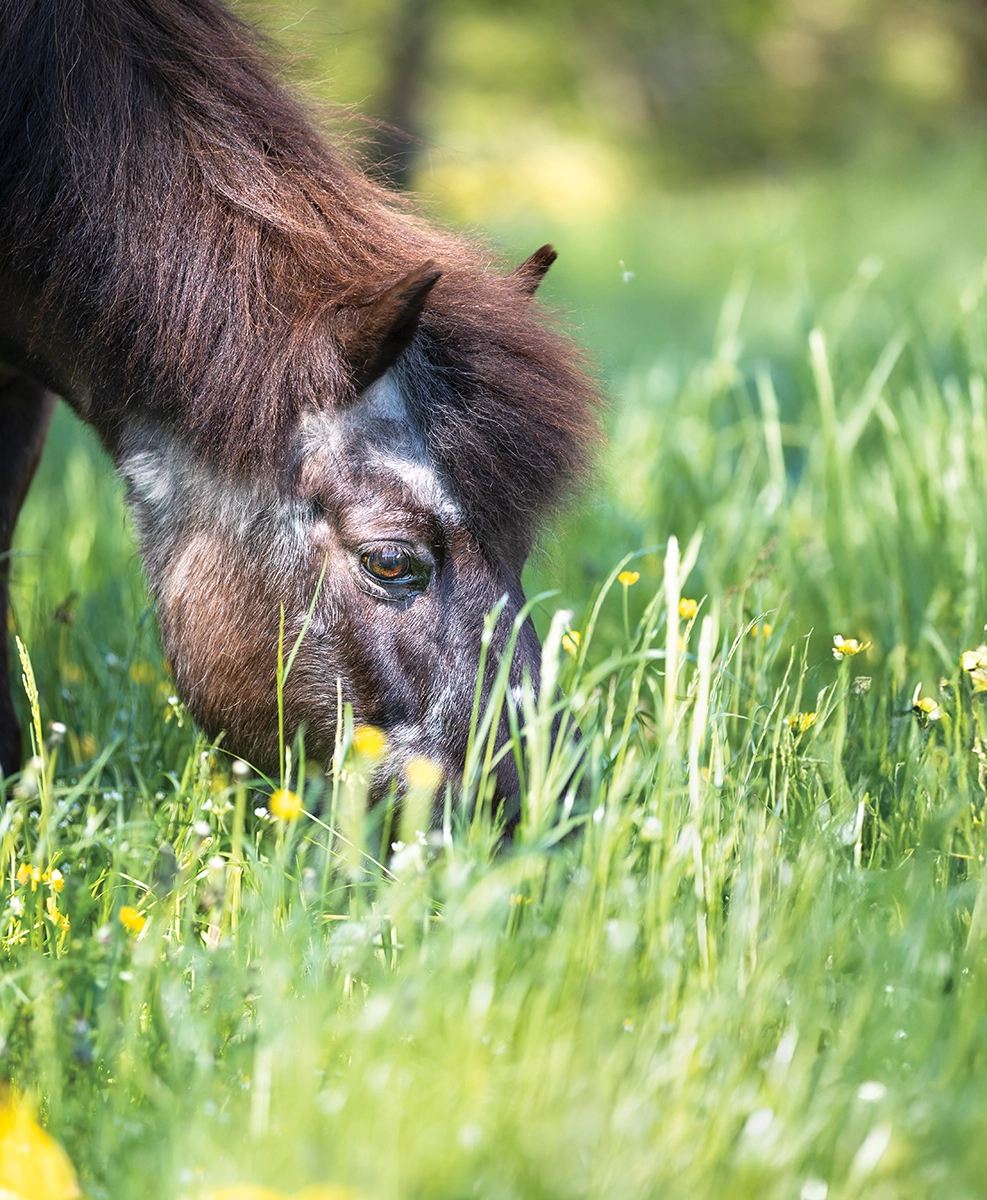
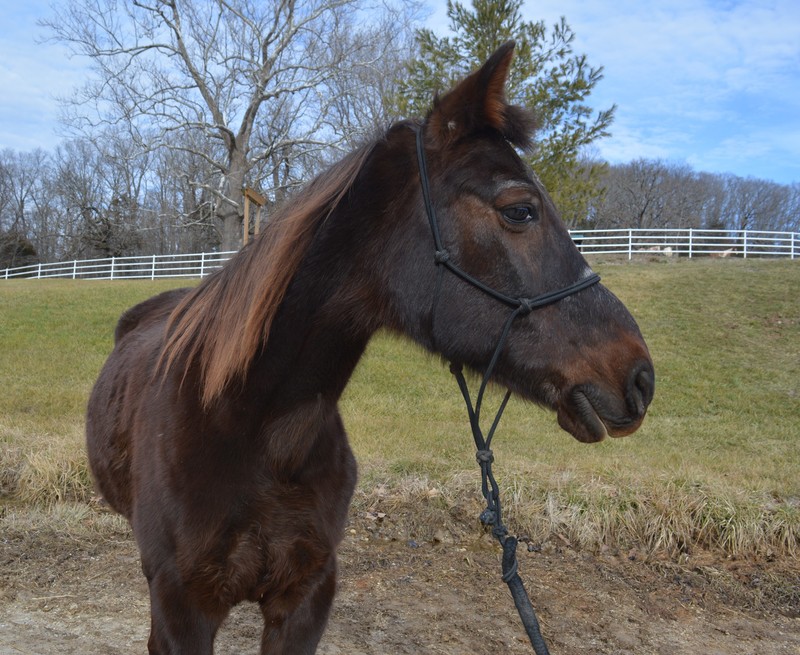
Photo by Christiane Slawik
Nutrients
“Some older horses may have a decreased ability to absorb protein and other nutrients like phosphorous,” says Kivett. “As a general recommendation, I prefer grains with 10 to 15 percent protein, 5 to 12 percent fat, 15 to 18 percent fiber, added vitamin E, and potentially vitamin C.”
Many people don’t realize that you need to feed at least the minimum recommended amount (this is printed on the bag/label) in order for the horse to receive the correct balance of nutrients, vitamins and minerals. This holds true whether you’re feeding a complete “senior” feed or other type of grain ration.
If you have an easy keeper that tends to gain weight, even the minimum recommended amount may be too much. For those horses, a ration balancer may be a good choice, as these feeds are formulated to be fed in much smaller quantities (typically 1 to 2 pounds per day), but still provide the necessary vitamins and minerals.
Forage
Quality forage should form the basis for your horse’s nutritional program, no matter his age, but this can present a challenge since many old horses outlive their teeth.
“Once a horse no longer has sufficient tooth surface to grind hay, we have to find another source of calories and fiber to keep him healthy,” says Kivett. “This is most easily accomplished with commercial senior feeds. These feeds are formulated as a complete diet, meaning they meet all the horse’s nutritional needs, and have forage added as a hay replacement.” They’re also easy for the horse to chew, digest and absorb.
Since a horse must eat at least 1 to 2 percent of his body weight daily, this means the average horse needs about 12 to 25 pounds of a commercial complete feed daily to meet his needs.
“Many horse owners are shocked by the amount, but when we consider that this is replacing all the hay they eat, it doesn’t seem so far-fetched,” says Kivett. “It’s important to keep in mind that this can only be safely done with complete senior feeds. Other grains are not designed to be fed this way and would result in health problems if fed in these quantities.”
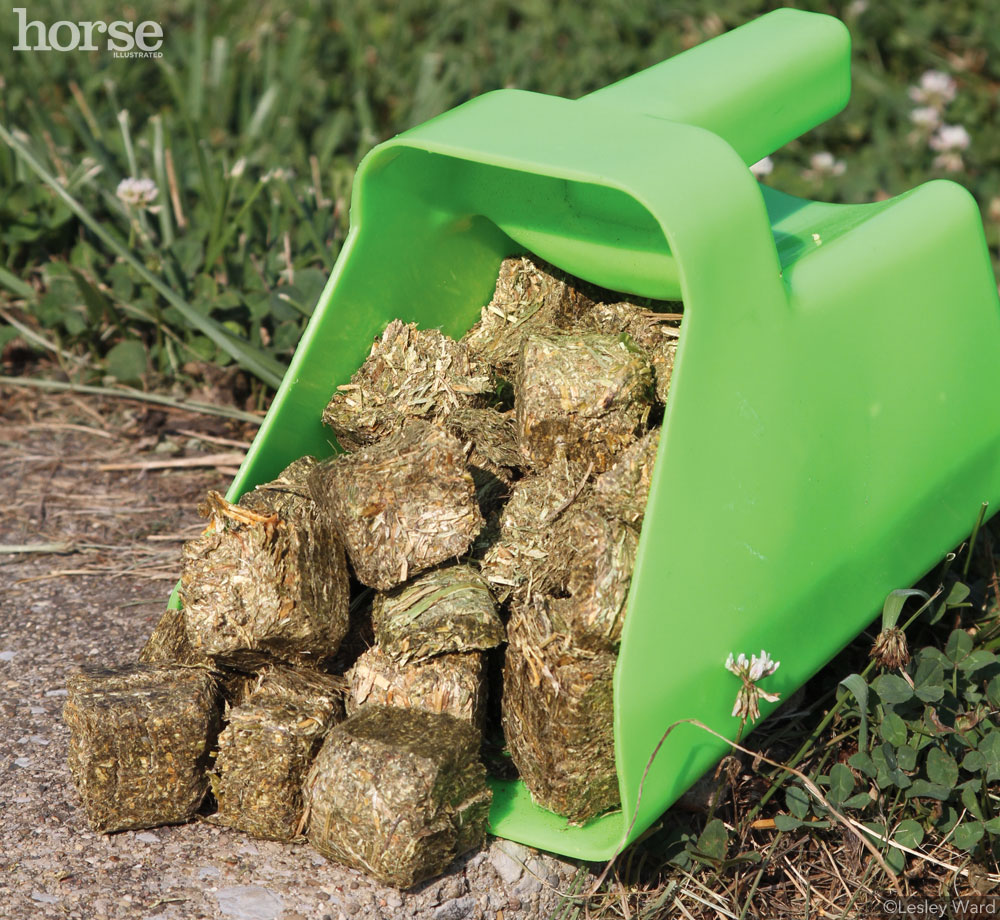
Other forage replacement options include chopped, bagged forage; hay pellets; and hay cubes. Soaking cubes or pellets to form a mash works well for a senior that can’t chew hay.
“No matter which option is chosen, it’s still critical that the horse receives 1 to 2 percent of his body weight per day,” says Kivett. “This is measured dry, before any water is added.”
Be careful not to feed an older horse in an environment where he must compete for food. Separate him at feeding time so he can eat at his own pace and not fret over other horses trying to steal his food. This will also allow you to monitor his consumption and notice if he’s not cleaning up or has trouble eating.
Dental Details
Some owners mistakenly think an old horse with worn-down or missing teeth doesn’t need dental care.
“It’s pretty rare to see an older horse with absolutely no teeth and no risk of periodontal disease,” says Kivett. “While older horses are less likely to need a float, they are more likely to have periodontal disease and other painful oral conditions that require treatment.
“Dental abnormalities and periodontal disease are very common in older horses,” she adds. “I routinely see horses with periodontal pockets, infected spaces (diastemata) between the teeth, cavities, broken teeth, and large overgrowths of teeth. Incisor disease becomes more common in older horses as well. We are recognizing more cases of a very painful incisor disease called equine odontoclastic tooth resorption and hypercementosis (EOTRH), particularly in aged geldings. This causes the tooth roots to become diseased and the front teeth to become unstable, infected and painful.”
Kivett finds dental problems are more common in older horses that received inconsistent dental care when they were younger. Most horses need a complete dental examination once yearly. Some horses with dental problems or periodontal disease require more frequent exams, at least until the problems are under control.
This article about feeding the senior horse appeared in the March/April 2025 issue of Horse Illustrated magazine. Click here to subscribe!