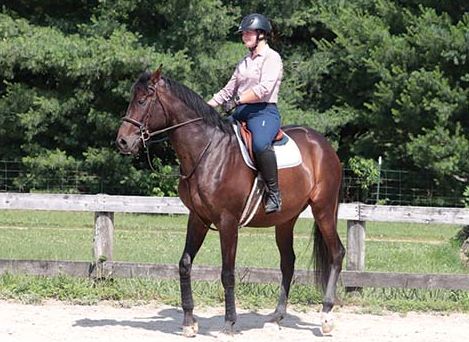
Sleep is often an overlooked element in the life of an equestrian, overshadowed by early morning barn chores and multi-day competitions. Most days are filled balancing training schedules with your other daily responsibilities. But sleep is the cornerstone of recovery and performance, and has a major effect on injury prevention for all riders, whether you’re navigating the intricacies of dressage, mastering the sliding stop, or spending long hours on the trail. Let’s explore the science of the importance of quality sleep for riders and how it directly impacts your performance, recovery, and long-term wellbeing.
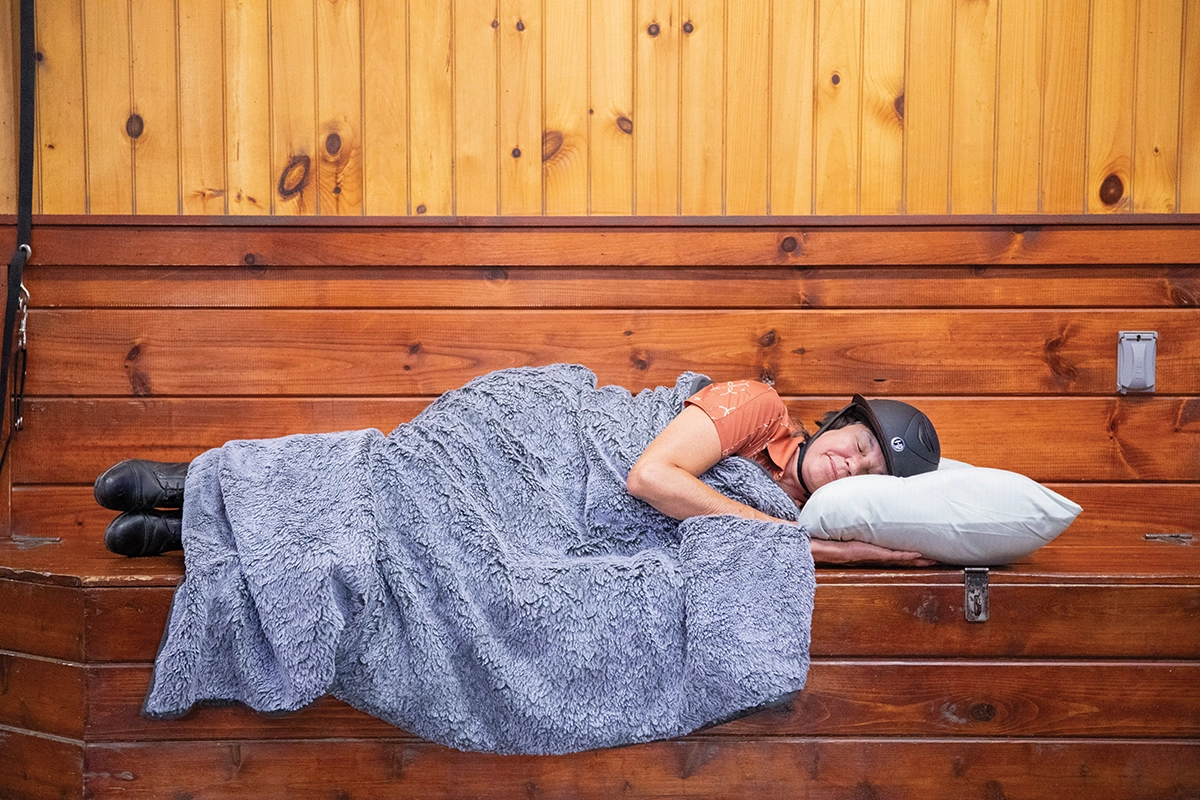
Photo by Jamie Isaacs Photography
Why Prioritize Sleep?
Sleep is essential for peak athletic performance, especially for equestrians. It’s not just about feeling rested—it’s about riding effectively, minimizing injury risk, and supporting your body’s recovery and adaptation after long days at the barn.
Studies show that athletes across various sports who prioritize sleep experience improved reaction times, decision-making, and adaptability. These factors are specifically critical for riders. Whether it’s calculating the proper distance to a jump, responding to your horse’s random spook, or staying balanced during a reining spin, both mental sharpness and physical stamina rely on more rest.
Did you know that sleep inconsistency, irregular bedtimes, or insufficient sleep disrupts your body’s hormonal balance? The consequences include reduced muscle recovery, weakened bones, and elevated stress levels, which is a recipe for burnout and injury.
Sleep & Hormones
Without adequate sleep, cortisol levels—the body’s primary stress hormone—increase, while testosterone and HGH levels decrease. This imbalance has been shown to slow recovery, reduce the ability to focus, and increase the susceptibility to injury.
Elevated cortisol levels are associated with unexplainable weight gain, muscular weakness, and higher blood pressure. These will of course have an effect on your riding performance.
One major aspect of REM (rapid eye movement) sleep contributes to testosterone levels. REM sleep is the phase where vivid dreams can occur and the timeframe where the body produces most of its testosterone.
Although you may think it’s only for men, this hormone plays a vital role in both men and women, enhancing strength and stamina for those long days and rigorous rides. It also supports bone density and regeneration, particularly important for middle-aged riders before and especially after falls or accidents.
Growth hormone production happens during non-REM sleep. In the early stages of deep sleep, the body releases human growth hormone (HGH), essential for tissue repair and muscle recovery.
For riders, HGH helps with repairing micro-damage from physical activities. This hormone is responsible for building and maintaining strength, critical for hoisting hay bales and maintaining good posture in the saddle. It’s easy to forget that riding requires a lot of muscular activation for extended periods of time. These muscles need to have a chance to rest, recover and rebuild nightly.
Fatigue & Reaction Time
Equestrians are no strangers to physical risks, from falls to overuse injuries. Sleep plays an important role in maintaining bone health by preventing unnecessary fatigue-related accidents. Sleep-deprived riders are at greater risk of falls due to slower reaction times and decreased coordination.
Precise concentration is essential across all disciplines and can make or break your performance. Lack of sleep hampers memory, reaction time, and decision-making, leaving you less prepared for the inevitable unexpected scenario. Increased fatigue and reduced coordination lead to more miscommunications with your horse and higher injury risks.
Immune System
A strong immune system is vital for keeping your body healthy through long seasons of conditioning and training. Quality sleep also strengthens your body’s immune response, helping you recover faster when you do get sick.
Practical Tips for Good Sleep
◆ Consistency: Aim to go to sleep or wake up at the same time every day. Consistency helps regulate your body’s internal clock.
◆ Screen Time: Avoid screens at least a half hour before bed to allow your mind and body to wind down and prepare for sleep.
◆ A Sleep-Friendly Environment: Keep your sleeping area dark, cool, and quiet if you can. Consider blackout curtains and white, pink, or brown noise machines to minimize disturbances.
◆ Power Naps: If a full night’s sleep isn’t possible, short naps during the day can provide a much-needed boost. All you need is 10-20 minutes.
◆ Mindfulness Practices: Techniques like mindfulness, meditation, or restorative yoga can help reduce stress, preparing your mind and body for rest after another busy day.
◆ Hydration and Eating: Proper hydration and avoiding heavy meals later in the evening can improve sleep quality because your body isn’t trying to process food while you’re sleeping. Pay attention to caffeine intake and its effects on your body, especially later in the day.
Sleep isn’t just a luxury for equestrians; it’s a necessity. From maintaining physical and cognitive performance to safeguarding bone health, recognizing the importance of sleep and prioritizing your rest is one of the most impactful ways to enhance your riding journey. Quality sleep will enhance your safety and help you perform at your best, in and out of the saddle.
Find more equestrian health tips from Ifa Simmonds at ifafit.com.
This article about the importance of sleep appeared in the May/June 2025 issue of Horse Illustrated magazine. Click here to subscribe!