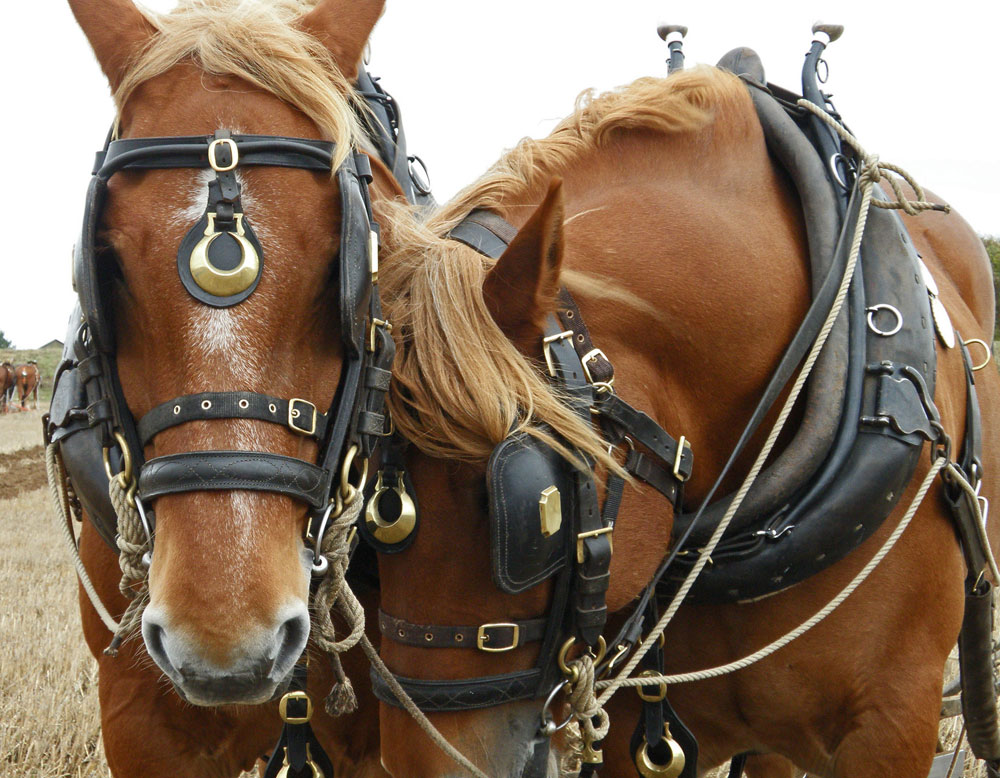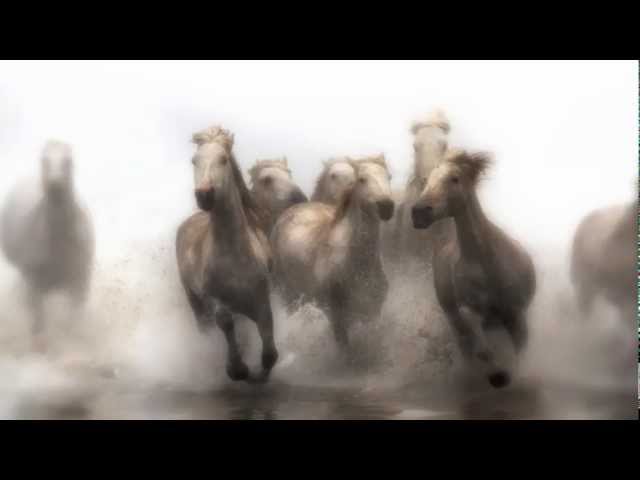
The hilly environment of Wales’ wild landscapes helped develop native ponies with the characteristics of today’s Welsh Pony and Cob. The Celtic people, who immigrated to the area in pre-historic times, hitched these tough native ponies to their chariots and drove them into battle. The high moorland of the Cambrian Mountain range kept the land isolated, and the ponies thrived and eventually lent their hardiness to farmers, shepherds, landowners and deliverymen.
In 1901, farmers, landowners and breed enthusiasts in Wales established the Welsh Pony and Cob Society. The aim was to record pedigrees and ensure the survival of the Welsh breeds. Since the original wild pony had evolved into several different-looking animals, the studbook was divided into four sections—A, B, C, and D—in order to establish a standard for each type of pony or horse.
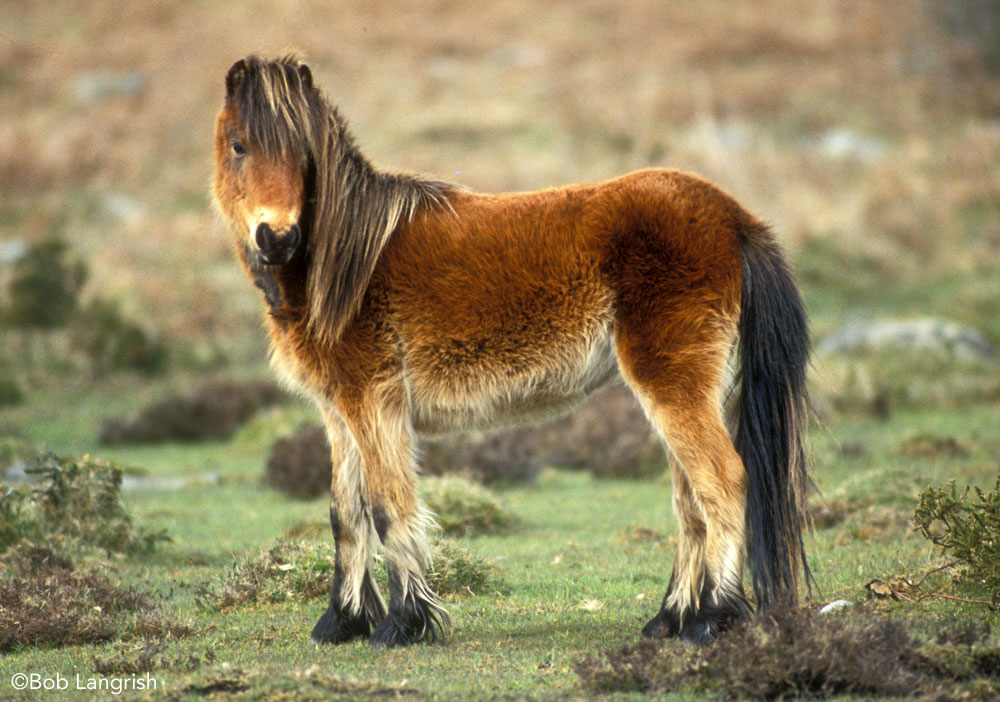
The Welsh Mountain Pony (Section A) is the smallest of all four types and is the only one still found living semi-feral in its natural environment. It is used for driving and as a child’s mount, and stands no taller than 12 hands.
The Welsh Pony (Section B) is taller and lighter with an emphasis on riding suitability. The Section B is a fancy child’s show pony and harness horse. It stands no taller than 13.2 hands.
The Welsh Pony of Cob Type (Section C) has a refined head; the neck is arched and carried high out of strong shoulders. It is a prized driving pony and hunter. It stands 13.2 hands or under.
The Welsh Cob (Section D) is larger and of stockier build than the Section C and has light feathering on the legs. It is ridden and driven by adults and children. The Welsh Cob stands 13.2 hands and up. All colors are found in the four types, except pinto.
Back to Treasure of the Isles >>