Navicular Syndrome
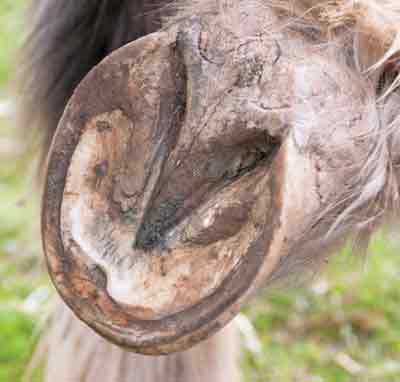
The navicular bone is a small canoe-shaped bone that lies within the hoof behind the coffin and short pastern bones. Navicular syndrome is a term used to describe the heel pain and pathology of navicular disease. Affected horses often have an abnormal hoof-pastern angle. While many other injuries affect only one leg, navicular horses tend to be lame in both front limbs. When walking and trotting, they will land toe first. This may temporarily relieve the pain as the horse moves, but it actually increases the strain on the navicular bone and can worsen the disease. During a lameness exam, the gait abnormality will worsen when the horse is trotted in a circle and will dramatically improve after the heel and sole are numbed using a palmar digital nerve block. Horses with a history of heavy work from an early age are at risk of developing navicular syndrome. In addition, breeds such as Quarter Horses, Thoroughbreds and warmbloods are often affected.
Once the lameness is localized to the back of the heel, radiographs should be taken to investigate the area. There are six standard views that are routinely used to completely assess the foot and navicular bone. Radiographs will often show evidence of inflammation and navicular bone pathology, including roughening of the surface of the bone where the tendons and ligaments attach, as well as changes in the internal structure of the bone.
Treatment of navicular syndrome involves therapeutic shoeing to raise the heel, improving the hoof-pastern angle, and shortening the toe to relieve some of the pressure exerted on the bone by the flexor tendons. Anti-inflammatories are another important component, as they relieve pain and help the horse move with more normal hoof placement, limiting the strain placed on the bone. Local anti-inflammatory therapy includes corticosteroid injection into the navicular bursa and sometimes the coffin joint.