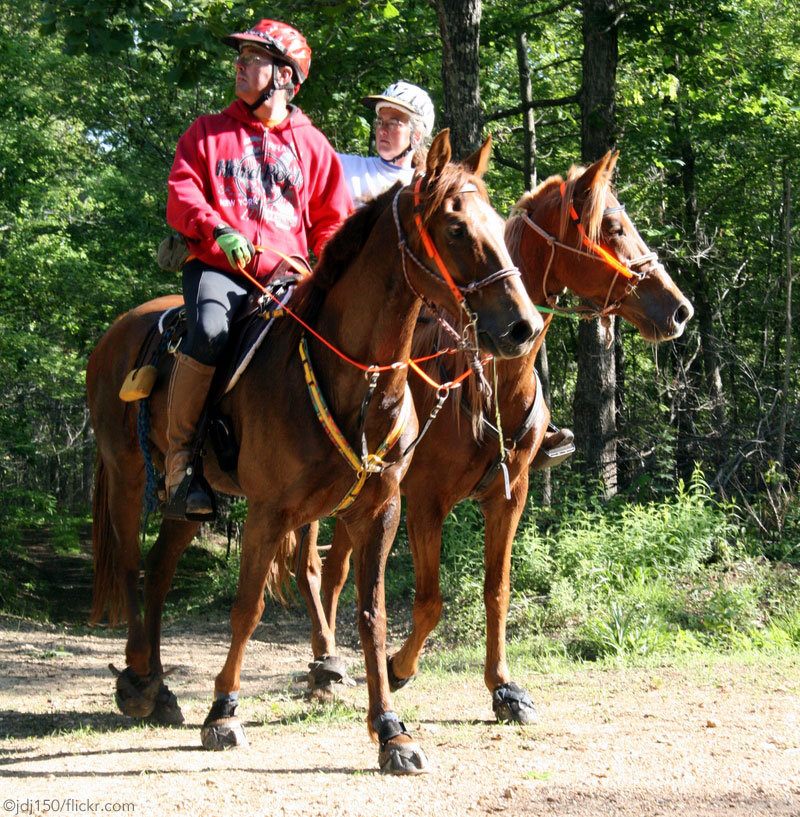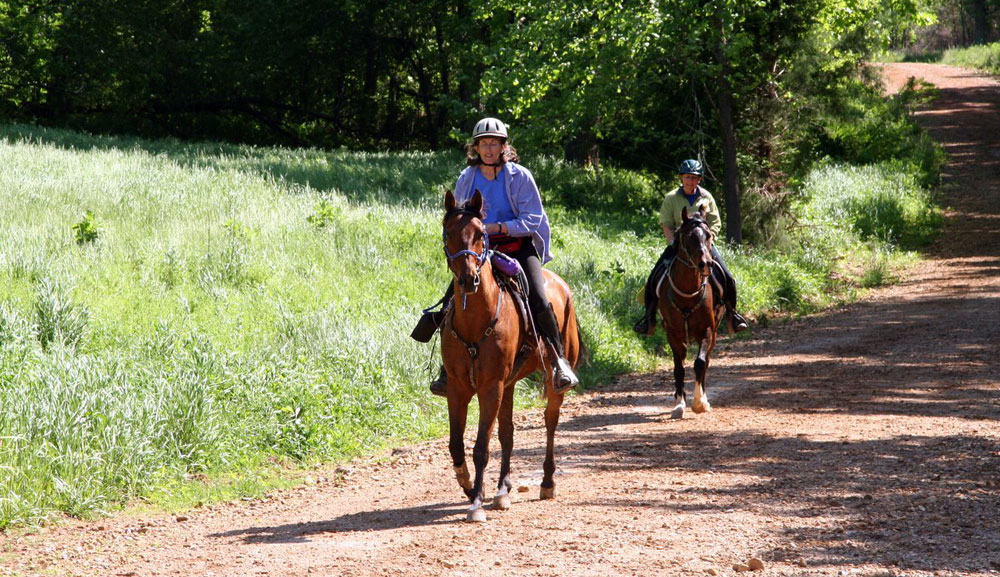
With so many horses going barefoot, hoof boots are becoming more popular than ever. Barefoot horses sometimes need protection on their feet, such as on long distance rides or on rocky terrain, and hoof boots are the best way to provide it. Hoof boots can protect a barefoot horse from stone bruising and excess wear, and can improve traction on various terrains. They can also improve shock absorption, and be useful in treatment of hoof injuries and other issues.Photo: jdj150/flickr.com CC BY 2.0
Horse owners have a variety of different hoof boots to choose from, available from several different manufacturers. But whatever type you choose, getting the right fit is crucial if the boot is going to do its job, and stay on the hoof. Without the right fit, the boot can cause rubs on your horse’s skin. It will also be a lot more likely to fall off too, right in the middle of trail ride. Few things are as aggravating as riding in hoof boots that won’t stay on.
Get Our Free Weekly Enewsletter About Horses {{#already_subscribed}}{{already_subscribed}} {{/already_subscribed}} {{#incorrect_email}}{{incorrect_email}} {{/incorrect_email}} {{#success}}Thanks for subscribing. {{/success}} There is some error. Without the right fit, the boot can cause rubs on your horse’s skin. It will also be a lot more likely to fall off too, right in the middle of trail ride. Few things are as aggravating as riding in hoof boots that won’t stay on.Before you buy a particular hoof boot, study the manufacturer’s instructions on how to measure to get the right size. You’ll be asked to take a length and width measurement of the hoof, but keep in mind that the dimensions you record may not be completely accurate once you apply those measurements to the boot. Your horse’s heel and wall angles may affect the fit. This may mean that one type of boot will fit your horse better than another. Before you make a purchase, it’s a good idea to contact the boot manufacturer to get a sense of what style of boot will be best for your horse. When to MeasureThe best time to see if your boot fits properly is right after a fresh trim. This is when your horse’s hoof is at its smallest and most correct in shape. You want a boot that will fit well right after a visit from your farrier. If it fits at that stage, it will be more likely to stay on your horse during all phases in his normal hoof growth. When shopping for hoof boots, a barefoot farrier or a local hoof boot manufacturer’s representative can assist you with fitting. Or, if you are interested in hoof boots by EasyCare, you can order a fitting kit, which contains several sizes of boots to help you judge which one is the best fit for your horse. Fitting ChallengesSome horses can more challenging to fit. Horses with an upright hoof can be harder to fit with a hoof boot. Horses with a clubfoot or a less common foot shape may not fit into the same style boot as most other horses. The best way to deal with this situation is to communicate with the hoof boot manufacturer throughout the process of fitting your horse. Let the representative know about your horse’s unusual hoof shape, and take this person’s advice on which style might best fit your horse. Liked this article? Here’s more on hoof care: Alternative Hoofwear Options The Barefoot Life Switching from Shod to Barefoot 10 years ago Audrey PaviaAudrey Pavia is a freelance writer and the author of Horses for Dummies. She lives in Norco, Calif., with her two registered Spanish Mustangs, Milagro and Rio. Next Are Bits and Hackamores Cruel to Horses? » Previous « View Comments Another article with good useful information. Leave a CommentRelated Post Trail and Marathon Riding EssentialsWhether you’re hitting an extra-long trail or taking the marathon riding trip of a lifetime,… Hoof Abscess Treatment OptionsThe panic sets in as soon as you see it: Your horse is hopping around,… A Trail Ride in PanamaThe Unicorn Trails ride in the mountainous jungle of Santa Fe, Panama, is one that… Urban Trail RidingIn many areas of the country, trail riding isn’t what it used to be. As…
Without the right fit, the boot can cause rubs on your horse’s skin. It will also be a lot more likely to fall off too, right in the middle of trail ride. Few things are as aggravating as riding in hoof boots that won’t stay on.
Before you buy a particular hoof boot, study the manufacturer’s instructions on how to measure to get the right size. You’ll be asked to take a length and width measurement of the hoof, but keep in mind that the dimensions you record may not be completely accurate once you apply those measurements to the boot. Your horse’s heel and wall angles may affect the fit. This may mean that one type of boot will fit your horse better than another. Before you make a purchase, it’s a good idea to contact the boot manufacturer to get a sense of what style of boot will be best for your horse.
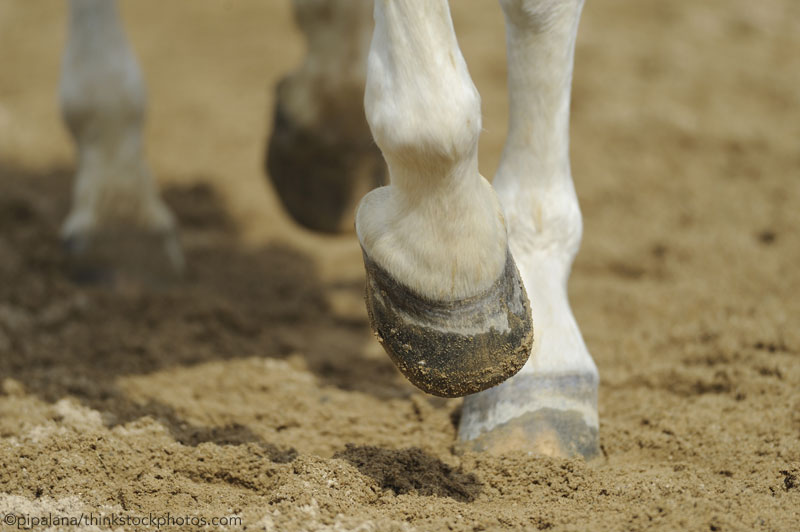
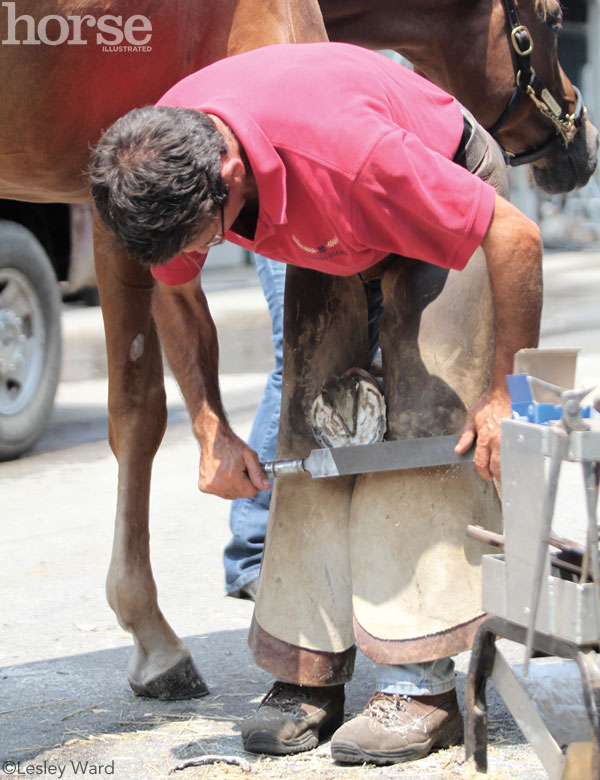
The best time to see if your boot fits properly is right after a fresh trim. This is when your horse’s hoof is at its smallest and most correct in shape. You want a boot that will fit well right after a visit from your farrier. If it fits at that stage, it will be more likely to stay on your horse during all phases in his normal hoof growth.
When shopping for hoof boots, a barefoot farrier or a local hoof boot manufacturer’s representative can assist you with fitting. Or, if you are interested in hoof boots by EasyCare, you can order a fitting kit, which contains several sizes of boots to help you judge which one is the best fit for your horse.
Some horses can more challenging to fit. Horses with an upright hoof can be harder to fit with a hoof boot. Horses with a clubfoot or a less common foot shape may not fit into the same style boot as most other horses. The best way to deal with this situation is to communicate with the hoof boot manufacturer throughout the process of fitting your horse. Let the representative know about your horse’s unusual hoof shape, and take this person’s advice on which style might best fit your horse.

Audrey Pavia is a freelance writer and the author of Horses for Dummies. She lives in Norco, Calif., with her two registered Spanish Mustangs, Milagro and Rio.
Another article with good useful information.
Whether you’re hitting an extra-long trail or taking the marathon riding trip of a lifetime,…
The panic sets in as soon as you see it: Your horse is hopping around,…
The Unicorn Trails ride in the mountainous jungle of Santa Fe, Panama, is one that…
In many areas of the country, trail riding isn’t what it used to be. As…
It’s holiday shopping season and I’ve spent the last few months searching for unique or useful equestrian gifts. I’m so…
Timothy, orchard grass, alfalfa, fescue, clover—so many hay types! What’s the right type of hay to choose in your particular…
As horse owners, you know it’s time for that stinky, white crumbly grossness that comes with thrush - and even…
Welcome to Horse Illustrated’s weekly installment of the Right Horse Adoptable Horse of the Week, offered in partnership with the…
Austin, Texas – Commissioner Sid Miller and the Texas Department of Agriculture (TDA) today issued an alert to Texas horsemen of…