Equine-facilitated therapy could be a key treatment option for people diagnosed with post-traumatic stress disorder (PTSD) and new research underway at Columbia University, dubbed the Man O’ War Project, could help prove just how effective it is.
PTSD can affect anyone who has been through a traumatic experience, such as victims or witnesses of violence. It’s a common affliction of members of the military who have served in combat zones. According to the Department of Veterans Affairs, approximately 14 percent of Iraq and Afghanistan veterans have some degree of PTSD, along with 10 to 12 percent of Gulf War veterans and a staggering 30 percent of Vietnam vets.
In an interview with NorthJersey.com, Dr. Yuval Neria, director of the Man O’ War Project, explained that horses are similar to people with PTSD in the way they interact with the world.
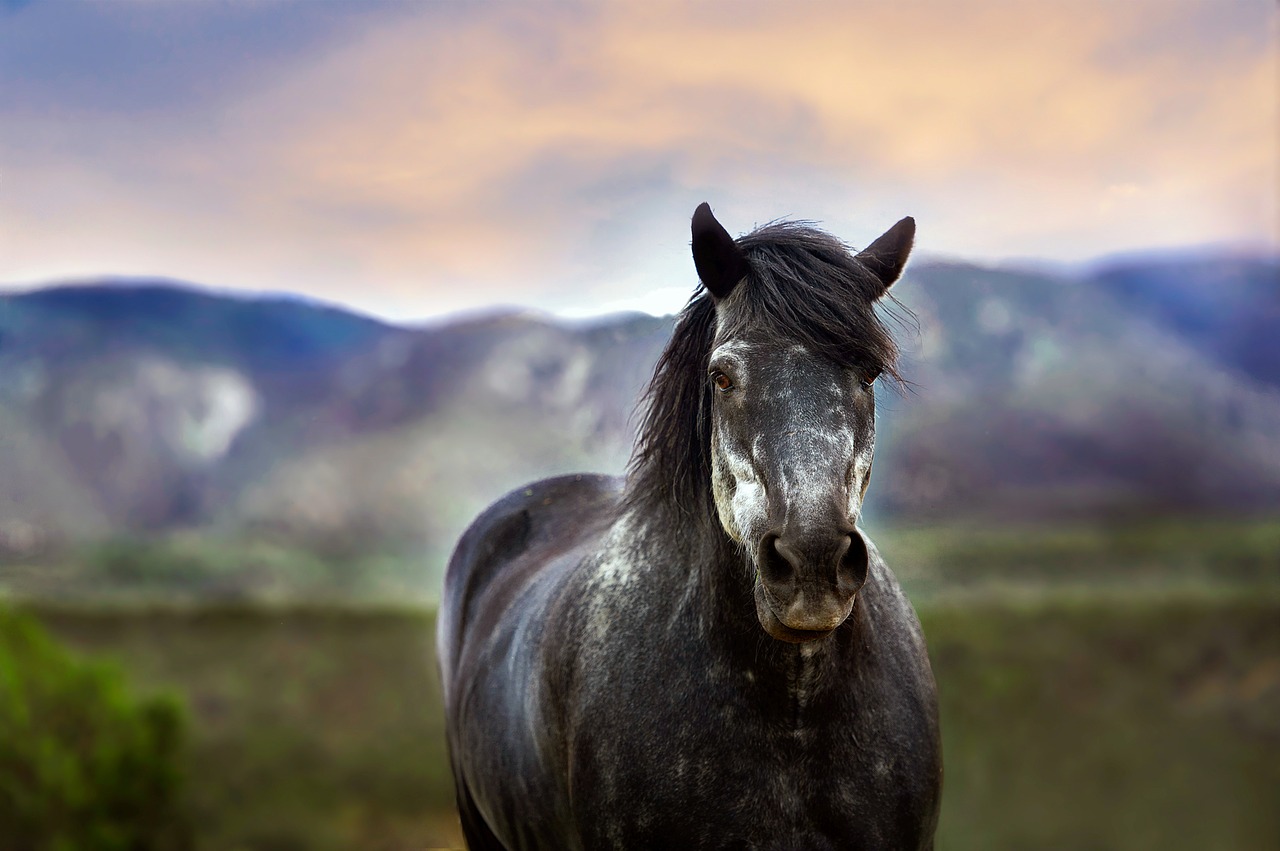
“Horses are very sensitive to stress and fear,” said Neria. A horse’s first instinct is to stay away from new people and things in order to protect himself from a possible attack. But ultimately, horses will figure out when a situation—or a person—is safe to approach.
This is similar to patients with PTSD, says Neria. “The patient is thinking about how to regain safety, how to guarantee safety.”
PTSD can cause a wide range of symptoms that can have a profound impact on veterans and others afflicted by it. According to the VA, symptoms include flashbacks and nightmares; emotional numbness; insomnia; relationship problems; sudden anger; and drug or alcohol abuse. While stress after a traumatic event is normal, the distinguishing characteristic of PTSD is that the symptoms don’t get better over time, and in fact may worsen.
The most common treatments for PTSD are talk therapy and medication. However, many patients with PTSD are resistant to traditional therapy and those who do begin treatment don’t always stick with it. If equine-assisted therapy can be utilized effectively, it could be a revolutionary option for some veterans.
The project’s study is being conducted at Bergen Equestrian Center in Leonia, New Jersey. The sessions are unmounted, and veterans work in groups to complete activities with their assigned horse under the guidance of mental health professionals and equine specialists. Through the exercises, participants “learn how their actions, intentions, expectations, and tone have an impact on their relationship with the horses (and ultimately with the people in their lives),” according to the Man O’ War Project’s website.
Leslie Potter is a writer and photographer based in Lexington, Kentucky. www.lesliepotterphoto.com