A horse has unique nutritional needs that start even before he is born. Owners who understand the reasons behind those nutritional requirements, and how they will change over time, will be better able to select appropriate feeds that help protect a horse’s health, performance potential and longevity.
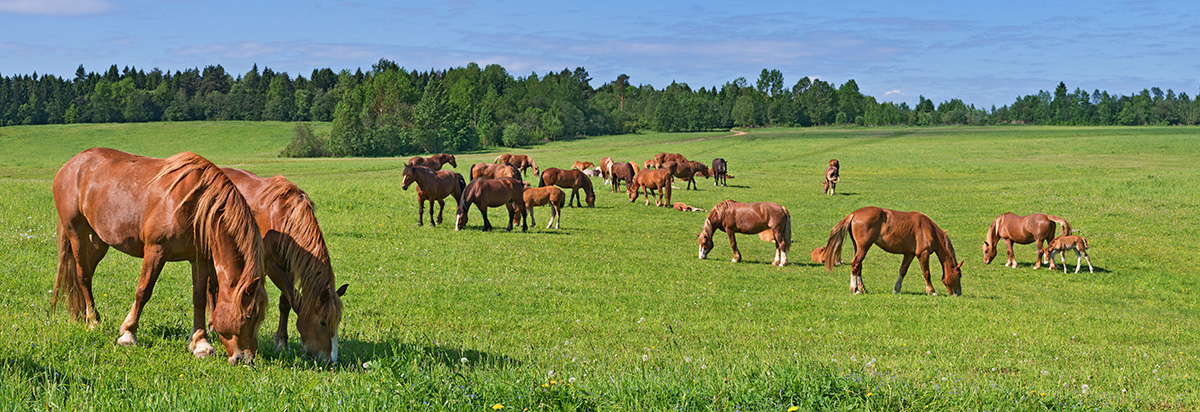
Photo by Belozorova Elena/Adobe Stock
It’s essential to look closely at the specifics involved during every life stage to determine how proper nutrition helps support a horse’s development.
A Foal’s Immediate Needs
Feeding for the developing horse needs to start as soon as the mare becomes pregnant, but the nutritional demands accelerate significantly in the final trimester. At that point, the foal is growing rapidly, and the mare’s energy requirements rise sharply.
“That final third of gestation is a critical point to make sure you’re providing adequate protein, vitamins, minerals and the calorie content to maintain that broodmare in at least a body condition score of five. For a lot of broodmares, you want to see a body condition score of six as they go into foaling,” said Dr. Randel Raub, Sentinel® director of research and nutrition.
After foaling, the work begins to build a foundation for a healthy, well-developed adult horse. As a foal goes from relying entirely on the mare’s milk to consuming solid feed, consider the type of feed based on the type of hay or forage they also are eating. Typically, feeds for growing foals are higher in protein.
“You want to target a diet that’s relatively lower in starches and sugars,” Dr. Raub said. “If you’re growing an equine athlete for a long, healthy, lameness-free, productive career, try to avoid any rapid changes in growth rate where you put the foal in a stress condition, usually around weaning.”
Up through 8 weeks of age, foals will begin to nibble on hay and grain; at this point, you should gradually introduce the foal to high-quality feed to support digestive development.
- Creep feeding: A specially formulated creep feed helps foals get essential nutrients without competition from the mare.
- Protein: High-quality sources such as soybean meal or alfalfa support muscle and tissue growth.
- Calcium and phosphorus: Proper ratios are essential for developing strong bones.
- Digestive health: Prebiotics and probiotics can aid gut health and development.
Feeding Goals Grow with the Horse
As a horse matures into adulthood, access to water and forage remains essential, but feed ingredients and specific nutritional needs will change. Start assessing his needs by considering the horse’s activity level.
A horse that exercises a lot will need more protein, fat and fiber than other horses that have moderate levels of activity. Equine nutritionists such as Dr. Raub and Jeanne Van Der Veen, Sentinel equine and specialty nutritionist, recommend trying a higher-fat horse feed with an active horse. Higher-fat feed sources allow the horse to get extra calories needed for more intensive exercise without increasing grain intake.
“A balanced diet isn’t just about feeding more or less,” Van Der Veen said. “It’s about ensuring the right nutrients are delivered at the right levels to support optimal growth, performance or recovery.”
When planning a horse’s diet, no matter what his activity level, it is important to consider body condition score (BCS). Getting the right amounts and ratios of nutrients helps support a horse’s overall health and body condition.
Some things to consider if a horse is being fed below the suggested rate or struggling to maintain a healthy body condition:
- Start by getting the horse up to his suggested feeding rate
- Consider a high-fat supplement or higher-fat feed.
- Provide a protein, vitamin and mineral supplement
- Additional protein can be especially helpful if a horse isn’t getting enough from forage to maintain a healthy body condition
“The path to optimal health is a journey, not a quick fix,” Van Der Veen said. “Regular assessments and small adjustments can make a big difference over time.”
Balancing the Needs of Breeding Horses
Prior to breeding, a balanced feed with moderate protein and fat levels, along with quality forage, helps support increased nutritional demands. For a mare, adequate vitamins and minerals are essential for reproduction.
The mare’s nutritional requirements skyrocket during the final trimester because of the rapid growth rate of the foal. In addition to energy and protein, pregnant mares need calcium, phosphorus and other minerals to allow for proper bone and tissue development in the foal.
“When that foal hits the ground, the energy demands of the lactating mare are as high as the absolute hardest-working horse you can imagine,” Dr. Raub said. “It’s just phenomenal. They mostly double their nutrient requirements during lactation compared to their maintenance requirements.”
Once again, look to the body condition score for helpful guidance on how to approach feeding a mare.
“We want to see a score of five or six in the gestating mare,” Dr. Raub said. “You don’t want them in an obese situation because that can hurt rebreeding efficiency, and you don’t want an obese mare going through the foaling process. You compromise that mare’s ability to deliver the tremendous nutrient content that lactation requires.”
“They’re already in a negative nutrient balance if you have them at a condition score of four or less, and you put them in a compromised position during lactation—and especially if you’re looking at rebreeding opportunities,” Dr. Raub said.
For example, if a gestating mare has a body condition score of four or lower, then that horse will have a negative nutrient balance. This can put the horse in a compromised position during lactation, Dr. Raub said, especially concerning rebreeding opportunities.
Addressing a Horse’s Needs in His Later Years
Though there is no set definition, horses aged 15 or older are typically considered in their senior years. While forage is still the foundation of their diet, senior horses may require adjustments for dental and digestive needs.
Some things to look for in an older horse:
- Reduced digestive efficiency
- Dental problems
- Trouble chewing
- Feed falling out while chewing
- Weight loss
- Joint stiffness
- Weakened immune system
- Changes in body condition
If these changes are apparent, equine nutritionists recommend a highly digestible, easily chewed feed, such as extruded, which can help alleviate them. Extruded feed is pressure cooked and combines moisture, heat and pressure to produce a light and airy nugget. This consistency makes it easier for senior horses to chew and is more easily digestible than typical pelleted feed, allowing for better nutrient absorption. Additionally, they can be soaked for a much shorter time than pelleted feeds, which enables a horse to break them down readily.
“We use extruded feed as a preventative measure, particularly for older horses that have poor dentition or a history of choke,” said Dr. Abby Geick, equine veterinarian at the New England Equine Medical & Surgical Center. “Extruded feed breaks down nicely in a mash, and it also contains adequate vitamins and nutrients, which really is key for older horses.”
Helping Horses Through a Lifetime of Wellness
Finding the right nutritional balance is essential whether feeding during the intense, high-energy demands of a mare’s final trimester through lactation, preparing a horse for performance or helping a senior horse thrive in his later years. Thoughtful nutrition planning and knowing how to best serve a horse at every age will provide benefits, year after year.
This article is a web exclusive for Horse Illustrated magazine. Click here to subscribe!