
Enter our 12 Days of Christmas Giveaways here!
0 ITEMS
  • My Account
  • Holiday Gift Guide
  • Podcast
  • Webinar
Subscribe Combo
Enable cache13
Home Blog Page 1048

Managing Your Deworming Program

4

Horse Illustrated MagazineThere once was a time when deworming was deemed a fairly straightforward task. Simply rotate between chemical classes in the appropriate season, and you could move on to more interesting equestrian pursuits. But it’s not quite that simple anymore. Researchers are reporting that parasite resistance is on the rise, and in parts of the country certain chemical classes are useless. New studies have also discovered that a percentage of horses shed larger amounts of parasite eggs in their manure than others do. Throw into the mix a parasite that creates new worry, the tapeworm, which causes ileocecal intussusception, spasmodic and impaction colics, and deworming can become an overwhelming concern.

Know Your Worms
Tom Kennedy, DVM, vice president of new product development for Farnam Companies Inc., says that modern products available over the counter have made deworming seem very easy, when in fact it really isn’t. And many people don’t understand how to use these products correctly. “Before the advent of oral paste and feed preparations of dewormers, veterinarians were almost always the sole source of anthelmintic compounds. Today’s ease of use has placed the burden of determining when to use a product on the caregiver of the animal,” he says.

If the burden is on us, it’s important that we understand how to use these products in the best way, and how to help the chemicals do their jobs. “Parasite control programs are like vaccination programs in that a ‘one size fits all’ is probably not the best approach,” says Craig Barnett, DVM, senior technical service veterinarian from Intervet. “Ideally, each farm, with the assistance of a veterinarian, should develop a deworming program tailored to its needs.” A strategy that tackles parasites specific to the horses on that particular farm is the best option.
Sounds good. So where do we begin?

Facility Assessment
The first step is to consider your facility and its uses. Are your animals kept in stalls or out in pastures? If you have pastures, are they large enough to support all your horses? Do they graze in one pasture all the time? Do you rotate pastures? “A basic inventory of your animals and facilities, and an honest assessment of your common practices will go a long way to defining when and how to deworm your animals,” Dr. Kennedy says. For example, horses kept on large properties won’t have as big a parasite issue as horses crowded onto small acreage.

“Grazing is a big issue,” agrees John Donecker, DVM, senior veterinarian for Pfizer Equine. “Many people have a few horses in their backyard, and there’s not enough ground for each horse to move away from his manure. Each horse will be re-contaminating himself with every bite of grass.”

Grazing next to fecal matter is not normal equine behavior. Horses kept in adequate pasture space will defecate in one section and graze in another. If you limit that space this careful sectioning off of manure and grazing will stop. If your pastures are overgrazed, and additional land is not an option, you’ll have to employ a more aggressive parasite control program.

If you live in an area where pastures are a fond childhood memory rather than your dry lot reality, you still need to deworm. Depending on the situation, horses can still be contaminated if fecal piles are not picked up regularly.

Next, make up an inventory of the horses on your property, noting their age and current health. Not all age groups should be treated alike. Foals, pregnant and nursing mares and older horses have different needs than adult horses. Foals, for example, need to be treated more frequently for roundworms—every 45 to 60 days until about 9 months old, and then every 60 to 90 days. Horses that have health problems, such as chronic colic, may also have underlying parasite issues that need to be addressed in a different way. Knowing your herd and your facility will help in customizing your deworming program.

A Veterinarian’s Assistance

Learn More

Pfizer Animal Health: www.pfizer.com/equine
Merial: us.merial.com/equine
Intervet: www.getrotationright.com
Farnam:
www.farnamhorse.com
Fort Dodge Animal Health: www.questgel.com

Your veterinarian should play a key role in your deworming regimen. This is because he or she is familiar with equine parasites and understands their life cycles, their prevalence in your area and when they are most vulnerable to dewormers. Your vet can also advise you on what class of chemical works best for your herd and your needs. “In addition he or she may advise you on other ways to optimize parasite control, such as manure disposal, feeding practices, pasture rotation and isolation of new horses,” Dr. Barnett says. Also, some species of worms, such as tapeworms, require specialized tests to identify their presence. Some horses carry encysted small strongyles within the intestinal tract for years, but may not have eggs in their feces.

It is possible to devise your own deworming program without your vet, but it requires some study and a working knowledge of worm biology. Many of the companies that market deworming products work hard to educate horse owners through CD ROMs, informative brochures and wall charts, which help consumers choose the right dewormer for their needs, but there is only so much these materials can do. “One should never forget that we are introducing a chemical into the animal,” Dr. Kennedy says. “So the use and the dose must be thought through. The most common problem with the application of anthelmintics to horses is either inappropriate timing or not administering the products often enough.”

Parasite Testing
The next step will be to identify which parasites are on your farm and if your current deworming program is working, says Val Williams, DVM, technical consultant for Fort Dodge Animal Health. “This is best determined by using fecal counts,” Dr. Williams says. “This is especially important today, as resistance to some of the commonly used dewormers is emerging. Fecal evaluation is critical in identifying the problems on the farm and assessing whether the current program works.”

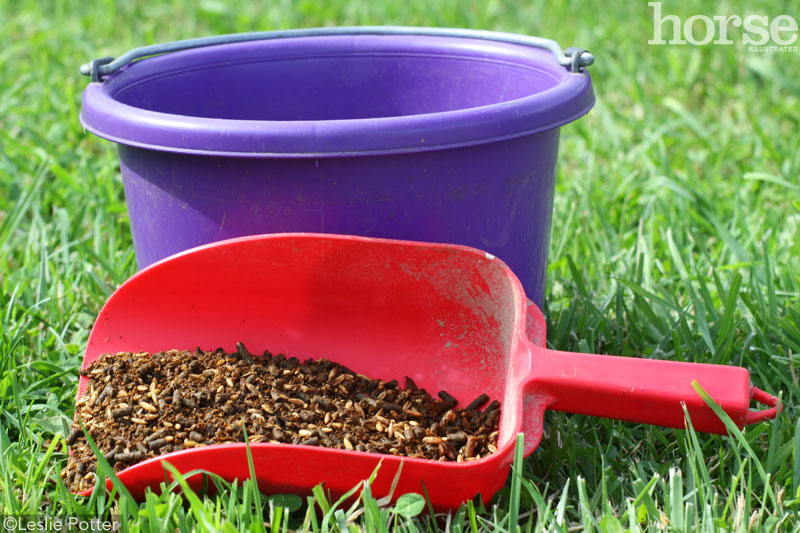
The first fecal egg count test is conducted, usually by your veterinarian, prior to deworming to assess the number of eggs of each parasite per gram of feces. Testing is repeated two weeks after deworming—referred to as a fecal egg count reduction test (FECRT)—to assess how well your choice of chemical class has worked. The number of eggs per gram in the second test should be at least 90 percent less than the first. If  reduction is less than 80 percent, there is definite resistance to the chemical class. If the reduction is between 80 and 90 percent, then resistance is considered suspicious. Be sure to stress to your veterinarian that you want a fecal egg count test, followed by a FECRT, and not a fecal flotation test. “Fecal flotation tests, commonly done with dogs and cats, are of minor use and insignificant in the horse,” Dr. Donecker says.

It’s important to note that fecal egg counts will not give an accurate count of adult parasites present in your horse and therefore aren’t a perfect assessment of his parasite burden. However, fecal egg counts are still important tests, and are the only way to monitor how well a chemical class is working and to identify high egg shedders in your herd.

Ideally, each horse on the farm should be tested at the same time, but this may be difficult to do in large herds. In this case, Frank Hurtig, DVM, associate director of Equine Veterinary Medical Affairs for Merial, suggests taking a sample of 10 percent of your herd. “Sample the same animals every time you do the test,” he says. Once you’ve repeated this test for each of the three chemical classes (see “Rotating Classes” sidebar pg. 61) you should have a general idea of what works on your property and what does not. “Hereafter, running this test once per year should be adequate if there are no concerns,” Dr. Hurtig says.

Testing each horse will also help identify the high egg shedders (as mentioned earlier) in your facility; these animals will need more aggressive care to control parasites. “We know now that if you have a herd of horses, a few of those, based on chance, are going to have a high output of parasite eggs,” Dr. Donecker says. “Those horses will produce 80 percent of eggs for the entire herd. They don’t exhibit sickness, but they allow the parasites to spew out lots and lots of eggs.”

Good Horsekeeping
Dr. Barnett says good horsekeeping practices are critical and can have a very positive effect on a parasite control program. “Remember, one of the primary objectives of a parasite control program is decreasing contamination of the environment with eggs and larvae,” he says.

Since most parasites make their entrance into the world via manure, managing muck is one of the best things you can do to keep your parasite load down. Pick out your stalls once a day or more if you have an animal that has a habit of eating manure.

Pick manure out of paddocks once a week, and if possible from the pastures, too. You’ll need to clean smaller paddocks or pastures more often. “This can be difficult and time consuming,” says Jenifer Nadeau, DVM, professor and equine extension specialist from the University of Connecticut. “Frequent mowing and chain harrowing during dry weather can help break the manure piles up and dry the parasites in the sun.” Do not drag or harrow pastures that are currently occupied by horses. The sun won’t have enough time to kill the parasites, and you’ll only be giving the worms a free ride toward hungry equine mouths. Also avoid spreading muck during mild, wet weather conditions because you’ll end up spreading larvae during their optimal conditions for survival.

All manure collected should be composted for several weeks in order to kill eggs and infective larvae before being spread on pastures. The center of the compost pile should be 130 to 140 degrees, which will even kill tough roundworm eggs. The pile will heat up naturally, and you can purchase a thermometer at garden centers that can be inserted into the center of the pile. Your local extension specialist can also assist you in how to correctly manage your compost heap.

Grazing cattle alongside horses can also help keep parasite loads down. “Cattle will graze down the grass evenly and in the process ingest the infective stage of horse parasites, which will have no effect on the cows,” Dr. Donecker says. You can also rotate your pastures with cattle, and even sheep, as parasites are species specific, and worms from these animals will not affect horses. Cows and sheep will also eat plants and grasses that horses shun.

If species rotation is not feasible, then rotate your pastures completely, leaving one vacant for three to four months, especially during hot, dry conditions when larvae are less likely to survive. Don’t shorten this time during the winter. “Contrary to popular belief, larvae can survive for long periods of time on pastures during winter months,” Dr. Barnett says.

Dr. Nadeau suggests limiting the number of horses on one piece of land. “Clean the pasture more often if this isn’t an option,” she says. “You can also consider sectioning off the pasture and leaving one area to rest for at least 30 days, which may help reduce a buildup of parasites.”

Getting Everyone On Board
It is very important for all horses at the same facility to be on the same deworming program since parasite control is based on herd prevention and pasture control, not on individual control. “It does no good to have one horse on a consistent program if the horse next door is repopulating the pasture and subsequently the other horses,” Dr. Williams says.

If you keep your horse at a boarding facility, there are ways to get everyone on the same program. Approach your barn manager and have a chat about implementing a program. One way is to have your veterinarian hold a deworming clinic at the facility, so all the boarders and the manager can be educated and inspired to work toward the same goal. “The barn manager can then implement a program where everyone is on the same schedule, and fecal counts are tested at regular intervals,”Dr. Williams says.

If fecal egg count tests are not practical and you are not able to identify high egg shedders, then deworming all adult horses at the same time is another option. This helps increase the efficiency of your deworming program and makes it more cost effective by reducing egg and larvae populations, which limits re-infestation of horses Dr. Barnett says.

However, if you’re at a boarding facility where it’s every man for himself and your next-door neighbor holds firm beliefs in ancient remedies, you may have to go it alone. In this case, rather than getting into a conflict with other boarders, you can safeguard your horse by deworming him with a broad spectrum dewormer combo that includes ivermectin plus praziquantel for tapeworm control and then putting him on the daily dewormer pyrantel tartrate. “The presence of the daily dewormer kills many of the infective larvae that the horses get when they graze in the grass next to a horse that is shedding lots of eggs because he isn’t getting dewormed properly,” Dr. Donecker says.

Dr. Williams warns that in his opinion there is controversy over daily dewormers and resistance, so consult your veterinarian before implementing this program. Dr. Donecker says, “In our experience at Pfizer Animal Health, when following tens of thousands of horses that are members of our PreventiCare Program during the past nine years, resistance has not been a problem when directions are followed.”

New horses in your facility should be treated with a broad-spectrum (ivermectin or moxidectin) dewormer to help clean out the horse and decrease the number of eggs shed, and should be kept in a separate paddock for at least two weeks. Manure from the new horse should be disposed of or composted away from the other horses. After this quarantine the horse can be incorporated into the existing deworming program.

“Knowing where you are and how products are working is much better than thinking things are going well when they really aren’t,” Dr. Hurtig says. “Creating a good working program is a very simple thing we can do to help the animal that is carrying us around.”

Read about rotaing dewormer classes >>

Sharon Biggs is a dressage instructor and freelance writer based in Indiana.


This article was featured in Horse Illustrated May 2006. Subscribe today!
 

Balancing Your Horse’s Diet to Achieve an Ideal Weight

28
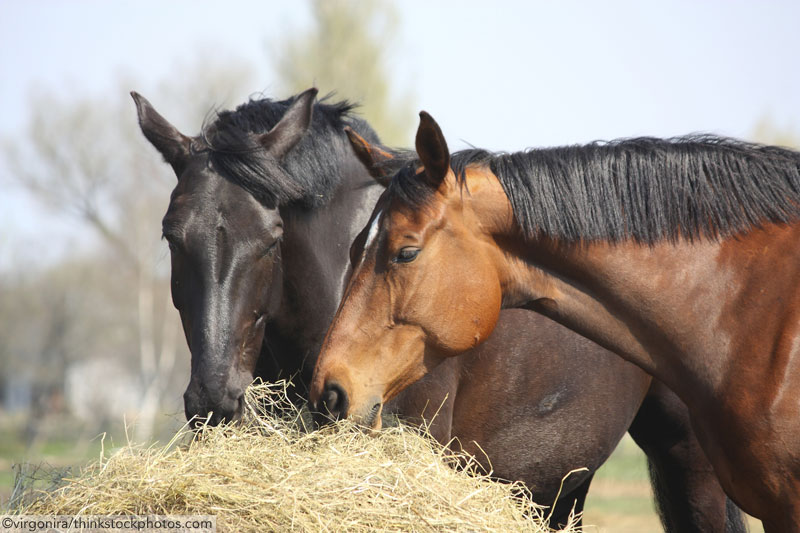
Horses Eating Hay

Like people, some horses seem to stay fat off the smell of an empty feed sack, while others can consume enough calories to, well, choke a horse without gaining a pound. Few equine management challenges are more distressing than a “hard keeper” that remains bony regardless of how much he eats. Conversely, horses that are prone to obesity carry significant health risks. Finding the right diet for “special needs” horses doesn’t have to be frustrating and expensive. With the variety of specialty feeds and supplements available, and a basic understanding of the equine digestive system, you should be able to design a feeding program tailor-made to achieve an ideal weight.

Find the Cause

James Kerr, DVM, has a thriving equine practice in Santa Rosa, Calif., where he specializes in performance horses. In addition to his practice, Dr. Kerr is also active with the American Endurance Ride Conference (AERC) both as a competitor and a ride veterinarian. He says he sees more horses that are overweight than underweight. “People love them so much they kill them with kindness,” Dr. Kerr says. “They want to provide for their every need, which translates into lots of rich food and not enough exercise.”

At the same time, he also acknowledges that most underweight horses get that way because of poor management, not a finicky metabolism. So before declaring a moratorium on alfalfa hay or breaking out the beet pulp, it helps to understand why your horse has weight issues. Genetics definitely play a role in regulating equine body mass and metabolic rates, but the environment, exercise and overall health also contribute significantly to whether your horse is ribby or rotund.

Hidden Reasons for Hard Keepers

In the case of the underweight horse, “It’s essential to eliminate any hidden health concerns that may be contributing to your horse’s condition,” Dr. Kerr says. Illness, parasites, dental problems, gastric ulcers and stress can all contribute to weight loss. Veterinary exams can help rule out diseases that lead to weight loss. Sticking to a regular deworming program will help safeguard against internal parasites. And scheduling an annual dental exam will ensure that your horse is actually eating all the food you serve up, instead of dribbling it out onto the ground or passing it through undigested.

Stress can also contribute to weight loss. If your horse is a chronic stall walker, weaver or fence runner, he is burning calories needlessly, all day long. Simple management changes, such as daily turnout or the addition of a stall buddy, can alleviate these behaviors. Rigorous training schedules also cause residual stress after the workout is over, and can lead to gastric ulcers that put horses off their feed. Don’t forget horses need vacations too. If your horse is getting mentally “cooked” from intensive training, consider giving him a month or two off to relax and regroup. If he acts hungry but doesn’t clean up his feed, or exhibits frequent, mild colic symptoms, you may want to ask your veterinarian to perform a gastric endoscopy to determine whether a stomach ulcer is present.

Risks of Being Overweight

Conversely, obesity carries significant, potentially life threatening consequences. “Laminitis is the number one danger for overweight horses,” Dr. Kerr says. “A cresty neck, bubble butt and fat deposits over the withers and shoulders are warning signals that you are teetering on the brink of founder.” Kidney and liver disease, as well as glucose intolerance are also risk factors for overweight equines.

If the weight gain is sudden, not related to any changes in feed or exercise, and does not respond to reduced rations, consult your veterinarian. This could be a symptom of a metabolic condition. Proper diet (low starch/low sugar), exercise, and in some cases, medication, can help manage the problem. Also, keep in mind that a potbelly doesn’t necessarily mean weight gain; instead, it could be a sign of some other health condition, such as parasite infestation or equine Cushing’s disease.

Basic Feed Needs For All

The principles of achieving and maintaining optimum weight in horses are the same as they are in humans: balancing calories in, calories used and calories stored. Finding the right combination of roughage, protein, fat and carbohydrates takes some experimenting. Calorie-rich feeds that are mostly comprised of carbohydrates and sugar—sweet feeds—can lead to problems such as founder, colic or kidney strain. Too few calories can rob a horse of essential nutrients and cost you a winning performance. Part science and part intuition, a successful feeding program balances calorie input with energy output.

One feed requirement all horses have in common is the need for high-quality forage. “Horses are grazers by instinct,” says Sue Garlinghouse, DVM, MS, of Upland, Calif. Dr. Garlinghouse specializes in equine nutrition and has published several research articles on equine physiology. “In a natural setting, horses will graze up to 22 hours per day. So I like to keep something in front of them to munch on all day long, or else they will start to eat the fence posts, the barn and the trees.” The key to preventing obesity in the face of an all-day buffet is selecting the best quality hay and the appropriate type.

Weather Considerations and Feed

Additional feed is essential for maintaining body weight in cold weather, especially if rain and wind are involved. For each 10 degrees F below 32 F, two pounds of additional hay above what is normally fed is needed to maintain body weight. Add wind and rain, and requirements increase by as much as 15 additional pounds. Along with extra hay, you can bump up the calories with fat supplements, such as a top dressing of 1/2 to 2 cups of corn oil daily.

The best plan is to provide a warm, dry shelter, and a waterproof blanket when needed, to protect your horse from the elements, in addition to a moderate increase in calories.


Horses thrive on hay with a crude protein level of 10 to 12 percent. “Dairy quality” alfalfa can contain as much as 24 percent protein, whereas grass hays and some grain hays can be as low as 6 to 8 percent protein. Combining high- and low-protein hays and adjusting the ratios in response to weight fluctuation is one of the simplest ways to maintain optimum weight.

With a gut evolved for almost non-stop grazing, horses should consume between 1.5 percent to 2.5 percent of their body weight daily in forage. For an average, 1,000 pound adult horse, this means between 15 to 25 pounds of hay per day. Feeding less than this per day can upset the digestive process, lead to nutrition imbalance and increase the chance of colic.

Packing on Pounds Safely

As caloric needs increase with exercise or other physiological demands, the grain bin might seem the logical place to turn to. With 30 to 50 percent more digestible energy per pound than hay, any grain or grain-based feed product provides more calories and energy per mouthful than hay or pasture grass. Corn packs the most energy per pound, followed by barley, then oats. These grains are frequently combined in a mixture with molasses to reduce dust and make them more palatable, which also adds calories in the form of sugar (simple carbohydrates).

So why not simply bump up the grain ration until the weight begins to pile on? According to Dr. Garlinghouse, large amounts of grain can cause side effects ranging from disruptive to deadly.

Horse Feed

“Many horses get overly rambunctious on grain,” Dr. Garlinghouse says. “If you want them to be able to focus during training and not be jumping out of their skins, large amounts of grain are a problem.” More importantly, Dr. Garlinghouse says that studies show the risk of colic increases as grain rations rise. Laminitis, or founder, is also a threat with excessive grain. Additionally, some horses don’t seem to process carbohydrates efficiently, leading to a propensity for metabolic problems that can lead to such conditions as chronic “tying up.” Dr. Garlinghouse never recommends feeding more than 3 pounds of grain per feeding, or more than a total of 8 pounds per day. Instead, she says supplements and specialty feeds are a safer way to get more calories into the diet without the health risks associated with feeding a lot of grain.

Feeding for Weight Gain

Hay

Alfalfa hay is often recommended for weight gain. Alfalfa cut at the beginning or end of the growing season is appropriate for horses because of its protein levels. Even when weight gain is the goal, avoid feeding alfalfa hay cut at the height of the growing season because of its high protein levels. (Dr. Kerr suggests not exceeding a 14 percent protein level.)

Complete Feeds

“Complete feeds” refer to any highly digestible processed feed product made from a combination of chopped forage, grain, vitamins and minerals. Underweight horses can often benefit from the addition of a complete feed to the diet.

A good complete feed will be high in fiber and include trace minerals, fats and vitamins. Although billed as nutritionally “complete,” Dr. Garlinghouse recommends including at least a low-protein grass hay to give horses something to munch on, thus reducing the risk of colic by keeping the gut active.

Senior feeds are a specialized type of complete feed formulated for older horses. They are typically heat extruded milled grain products, some with higher forage contents than others. They are designed to be more digestible and easier to chew. Because older equines often have trouble holding their weight, particularly in cold winter weather, senior feeds usually have a higher percentage of fats, with a combination of grains, forage, rice bran or stabilized oils.

Fabulous Fats

If after adjusting feed amounts, formulations and exercise your horse still doesn’t achieve the desired weight gain, it may be time to consider a weight-gain supplement. The quickest route to increased weight gain without risky side effects is by adding fat in the form of a top dressing.

“Horses utilize fat much more efficiently than human beings do,” Dr. Kerr says. “It is a good source of energy as well as an additive for weight gain.” Fat has a number of benefits for the working equine. Not only is it 85 percent digestible, it’s free from carbohydrates, which means it doesn’t contribute to a risk of colic or founder. It produces 30 percent less heat than protein in the metabolic process, and it is an easy way to increase calories without increasing feed volume. Not to mention the glossy coat it produces!

Horse Feed

Commercial weight-gain supplements often contain stabilized rice bran or flaxseed products as major ingredients. Both are excellent sources of high-quality fat calories. Stabilized rice bran alone can be fed as a top dressing, but it is extremely high in phosphorus, which creates the possibility of a calcium/phosphorous imbalance unless the diet is carefully modified. Flaxseed meal can also be fed alone. Freshness is the key, and it can be ground at home from whole flaxseeds using an electric coffee grinder. Flaxseed must be ground for horses to benefit; otherwise it passes right through the digestive system.

The most economic way to increase fat calories in the diet is by adding common vegetable oil. One cup of corn or safflower oil contains 240 grams of fat, the equivalent of 1.2 pounds of corn or 1.5 pounds of sweet feed. Thus it can be substituted as part of the daily grain ration. But standard cooking oil does not contain the beneficial fatty acids found in flaxseed oil, and it is important to store properly to avoid rancidity.

Digestive Enzymes

The overall health of a horse’s digestive tract will affect his ability to gain and maintain weight. When digestive enzymes and bacteria don’t function properly, it can interfere with nutrient absorption and utilization. Supplements and complete feeds provide more fats, carbohydrates and vitamins, but “probiotics” and “prebiotics” may help the digestive tract make optimum use of those nutrients.


Probiotics contain yeast fermentation (Lactobacillus) products that may help repopulate the hind gut with good bacteria. These beneficial bacteria aid digestion, helping horses get more nutrition out of what they are eating. While a healthy horse probably has enough gut flora, probiotics can be useful after a bout of diarrhea, rapid feed changes, debilitating disease, gastric ulcers, or following a course of oral antibiotics.

Prebiotics are the newest advancement in equine nutrition. Unlike probiotics, prebiotics don’t contain actual bacteria, but instead contain ingredients that enhance the entire gut’s ability to support bacterial function. They are formulated to increase digestion and absorption by feeding and improving the environment of the good bacteria that reside there.

Tips for Shedding the Pounds

For weight reduction, Dr. Kerr recommends removing all alfalfa and grain from the diet and feeding strictly grass hay, along with gradually increasing daily exercise, until body weight returns to normal. An overweight horse should be consuming mostly low-protein feed. Dr. Kerr’s best advice for the overweight equine is simple: cut back on the calories and increase the exercise. It’s important not to deprive even an obese horse of the minimum required daily amounts of roughage because it can lead to colic (daily forage rations should weigh no less than 1.5 to 2.5 percent of a horse’s body weight).

As for a sensible exercise program for your horse, start by slowly increasing the frequency and duration of your rides. If you are a weekend rider, throw in a couple of mid-week sessions. If you ride for half an hour every day, up your saddle time to an hour or so. If riding isn’t an option, consider longeing at a medium trot until your horse breaks a light sweat, or at least putting him on a hot walker for an hour or so a day. In the wild, horses can typically cover 20 miles per day in search of fresh grass and water. While most riders can’t commit to that much time in the saddle, this serves as a good reference point for what a healthy horse can accommodate under natural conditions.

Long Term Weight Maintenance

Whether your horse is underweight, overweight or just right, it’s important to evaluate his condition through advancing age, environmental changes and performance demands. Addressing unwanted fluctuations before they become potential health risks is the most important aspect of equine weight management.

A balanced approach to a feed regimen that mirrors nature as closely as possible, while incorporating more advanced formulas and targeted nutritional supplements when necessary, will keep your horse not only looking and feeling his best, but also performing up to his optimum potential.

Further Reading
Meeting Your Horse’s Nutritional Needs
Seven Feeding Myths Shattered
Feed Change

Sarah Christie is a freelance writer and endurance competitor based in California.


This article originally appeared in the May 2006 issue of Horse Illustrated. Click here to subscribe.

Reduced Speed Ahead

15

What’s wrong with this scenario? Why aren’t the horse and rider on the same wavelength? There are several possible reasons. Horses can run from the pain of an ill-fitting saddle or bit, problems with their teeth or a wide variety of other physical ailments. But if pain issues are ruled out, the answer may lie in good training and better riding. We asked United States Equestrian Federation “S” dressage judge and sporthorse “R” judge Jayne Ayers for some tips on slowing things down. In addition to a long judging career, Jayne has competed through Grand Prix and has been long and short listed for the United States Equestrian Team. She currently trains dressage riders out of her facility, Hearthstone Farm Inc., in Dousman, Wis., and in clinics around the country.

Dressage Basic

Half-Halt

If your horse is running through your downward requests, work on your half-halt. “The half-halt is used to prepare and ask for transitions,” says Jayne Ayers, a longtime dressage judge, instructor and competitor, who trains out of her Hearthstone Farm Inc. in Dousman, Wis.

She explains that during the half-halt the rider very briefly “blocks” the swing of the horse’s back. “The rider accomplishes this by tightening the stomach and back muscles for a second. The rider’s seat bones feel heavier against the saddle for that instant. The rider should not pinch with the knees, thighs or buttocks muscles. It may take several repetitions before the horse understands, but eventually most horses will do the transition requested.”

Many riders make the mistake of holding the half-halt too long, waiting for a reaction from the horse. Jayne explains that the reaction actually comes with the release of the rider’s blocking motion. “If the horse doesn’t do what you ask, release and ask again.” It’s important to repeat rather than sustain, Jayne says.

So you say your horse likes to rush or get quick—but what does that really mean? Jayne says you first have to figure out exactly what is happening: Does your horse ignore your aids and resist downward transitions? Is he on the forehand—heavy and pulling on the reins? Is his tempo faster than you are comfortable with, even though it may be right for him? Are his strides bigger and more powerful than you can comfortably sit? Or is he running in a tempo that is faster than he should? Jayne explains that all of these issues can be resolved through good riding, but you need to understand what’s going on in order to fix it.

“Unfortunately, horses often get blamed for poor performance,” Jayne says. In fact, it’s commonly the rider who’s at fault. If your horse is resisting your request to make a transition down, he may not understand what you’re asking. Jayne says the likely problem is lack of clear, consistent aids from the rider. “The horse must be confident and clear about what is expected of him,” she explains. “Dressage is all about clear communication, from both the horse and the rider points-of-view.”

But many people don’t ride well enough to give clear aids. “If the rider’s seat, legs and hands are constantly moving, the communication cannot be clear,” Jayne warns. “To the horse, it’s chaotic—there’s too much static.” If your horse has learned to put up with the chaos, he’s probably learned to tune you out—he stopped listening to your constant “chatter,” or worse, he runs from it.

“Work on being clearer with your requests,” Jayne says. Keep things simple. Focus on the walk, halt and turning—then try an upward transition to trot. If the horse’s tempo gets too quick, go back to walk.

The horse’s tempo is his stride rate, or strides per minute. Regardless of gait, Jayne says your horse’s tempo should be comfortable for him. “A pony has a faster tempo than a big, elastic-moving warmblood. The horse’s tempo is correct when he moves energetically forward, with relaxation and swinging in his back. It shouldn’t feel too pokey or like he’s running off.” A horse that rushes might not have an appropriate tempo.

What Are You Telling Your Horse?

In order to have a harmonious partnership with your horse, you must have a good seat. Jayne says work on the longeline is very effective for developing the correct position and improving your aids. And it’s not just for novices. “Even my FEI-level riders work on the longe on a regular basis. We work on specific aids, such as half-halt, transitions, invisible aids, et cetera.”

Jayne says that whether riders are working on the longe or off, they’ve got to be aware of what they are “saying” to their horses. Take the posting trot—you can slow the horse’s tempo by slowing down your posting rate. “Many riders post faster than the horse’s trot,” Jayne says. “If you slow down the motion of your seat, the horse will come right back to you.”

Riders should stay at the rising trot until they can sit correctly. You have to be able to follow the horse’s motion with your seat, without interference, before moving on to sitting trot. “At the sitting trot, the rider’s hips follow the motion of the horse, as if sitting on a bouncing beach ball,” Jayne says. If your seat, legs and hands are all over the place during sitting trot, your horse can’t receive clear aids. “The horse doesn’t know if you want more bend, or a transition up or a faster trot.”

Riders need to have a good base of support to achieve a good sitting trot. To improve this base, Jayne has her students trot circles while standing in the stirrups and leaning slightly forward. In the beginning riders can hold on to the horse’s mane or rest their hands on the neck, but must eventually maintain their balance without holding on.

Jayne also says that the “lateral placement” of the rider’s weight affects the horse’s tempo. When riding a curve, for example, whether it’s an arena corner or a circle, many riders place too much weight in the outside stirrup. “The weight is in the wrong place ‘laterally,’ ” she says. “I’ve seen horses that bolt as a result of this.” Instead, keep your weight in the inside stirrup when riding an arc or curve to keep the horse in balance. To keep from leaning in and throwing your horse off balance, move your outside shoulder slightly forward to parallel your horse’s shoulders.

Gripping the horse with your legs and knees causes increased speed as well. The goal is to ride with your leg lightly and quietly against the horse. While a death grip will make your horse nervous, not enough leg can cause anxiety as well. Some riders make the mistake of riding with their legs “off” the sensitive horse that has a tendency to get quick. But this often leads to nervous anticipation and running off when the rider does make contact or inadvertently bumps the horse.

Try to put yourself in your horse’s place: Think about how you react when someone is threatening to tickle you. You wiggle and squirm to avoid those tickles. Each time the tickler nears, you tense up—you’re anticipating. If you ride with your legs off the horse, you can cause this same sort of anticipation. You’re also far more likely to bump him with your heels because your legs aren’t steady. Instead, keep your legs quietly against the horse to help eliminate nervous anticipation. Also remember to make your leg cues quick, precise and consistent, not prolonged, harsh or erratic.

Quiet, Please

Your hands also affect your horse’s tempo. “The rider must have light, elastic contact,” Jayne says. Some riders use the horse’s mouth as a “seat belt,” or they bump his mouth inadvertently. “Many horses will run from a tight, unyielding hand. You must learn to sit independently: Your arms and hands must operate independently from the rest of your body.”

Even if your horse learns to accept unforgiving hands, you are teaching him a bad habit that will cost you during your next dressage test. A big fault Jayne sees in the show-ring is heavy hands. “I see a lot of horses that are ‘pulled’ together. I want to see the horse carry himself, flowing freely forward, not heavy on the reins. Restricting the horse’s motion with heavy hands hollows his back, and shortens his neck and stride. I want to see light contact.”

When it comes to hands, Jayne says that the walk and canter are often difficult gaits to ride well. Your horse needs to use his head and neck for balance at these gaits, so your hands need to follow his head nod—the up and down movement. Riders sometimes constrict the horse’s head, particularly at canter, because they are afraid the horse will run off. When riders do this, a sensitive horse often will try to escape entrapment by the reins, Jayne warns.

To help learn the correct feel of following the horse’s movement, here’s an exercise Jayne uses: With a horse and rider halted directly in front of her, Jayne takes the reins, behind the bit, and mimics the up and down movement of the horse’s head during the walk and canter. “I take the reins and have the rider follow my hands.” Since Jayne is controlling the reins, she can feel the exact amount of pressure being applied by the rider and give corrections as needed. The amount of weight the rider has in the reins “should be about that of [holding a] candy bar during the walk, a little more at canter, but not much more,” Jayne explains.

Not only do you have to learn to follow the horse’s movement with your hands at walk and canter, you have to keep them quiet during trot. An exercise Jayne uses for steadying riders’ hands at trot is to have them ride with a “grab strap” during posting trot. Similar to a bucking strap, although a little longer, the grab strap is attached to the saddle. During posting trot the rider holds the reins in the normal way, but the pinkie fingers go under the strap. Jayne says riders can focus on steady hands by keeping their pinkies quietly under the strap—the pinkies shouldn’t pop up against the strap or come out from under it.

Return to the Fundamentals

Before you can move up in the dressage levels, there must be relaxation in your horse—both mentally and physically. A horse that rushes isn’t relaxed. “The horse must be supple, swinging through his back,” Jayne says. Also, your horse must have clear acceptance of the bit and the aids. Once you have these elements, you’re definitely on the right path.

*This article was featured in Horse Illustrated – April 2006 Subscribe today!

8 Hoof Care Myths

42
Hoof Care


Like a bike with a flat tire or a tennis racket with a broken string, a horse with poor hooves has limited usefulness. But how to keep a horse’s hooves in their best condition is an often discussed and sometimes hotly debated topic. There are theories regarding horses’ feet that constantly keep horseowners contemplating the fact and fiction of hoof care.

Often misinformation is accepted as truth simply because it has been around a long time. In this article we address a few of the most common misconceptions about hoof care, and ask top experts to explain the truth behind the myths.

Myth: White hooves are softer and have more problems than black feet.

The color of the hoof is influenced by the color of the skin above it, so if a horse has white markings directly above the hoof, the hoof itself may carry the same pigmentation. Many people believe that hooves with black walls are stronger than hooves with white walls.

Master Farrier John Burt owns and operates the JDC School of Basic Farrier Science near Texarkana, Ark. He is a member of and tester for the Brotherhood of Working Farriers Association (BWFA) and a 2001 inductee to the BWFA Hall of Fame.
John says, “There is no quality difference on the same horse, no scientific data to sustain any difference. The white and the black hoof are both designed the same structurally; the texture and quality of the hoof is the same.”

One of the foremost experts in his field, Doug Butler, Ph.D., of LaPorte, Colo., is the author of The Principles of Horseshoeing, one of the most widely used texts on horseshoeing in the world. He also has 30 years of teaching experience and acts as a consultant and lecturer on horseshoeing. In 1976 while doing research at Cornell University, he conducted a study on white versus black hooves by taking squares of hoof material and crushing them in a compressor.

“There was no difference between black and white,” he agrees. “The main difference was in moisture content: The softer hooves fell apart easier.” He notes that genetics also play a role in hoof strength. “Some Paint Horses have extremely brittle white hooves and others don’t. Appaloosas seem to have extremely strong feet, no matter what color; genetic propensity seems to be more important than the color of the hoof.”

Myth: All horses need hoof supplements added to their feed.

The reason we add supplements is because there is something missing from the horse’s feed. Whether your horse needs a nutritional supplement depends on what you are feeding him; if his diet is nutritionally balanced, supplementation is probably not necessary. And just like people, some horses can thrive on a basic diet, while others struggle to maintain good condition with every expensive feed and supplement known to man.

Some “complete feeds” already include nutrients such as biotin, which is important to all connective tissue, and methionine, an amino acid essential for strong hooves. There are endless numbers of products on the market that claim they will help your horse’s hoof quality; often the best way of finding a supplement that helps an individual is by trying them out and finding one that works.

Doug Butler comments, “There are a few very good supplements on the market, and then there are a lot that are not well researched. I have counted more than 25 products on the market, but the problem is that every animal responds differently.”

Talk to your veterinarian about determining what supplements your horse might need. Having your hay and pasture analyzed will help you make an educated decision. However, hoof supplements won’t be a miracle cure for horses in poor condition.

According to John Burt bad feet are often caused by nutrition problems and obesity. “On obese horses the hoof often stops growing because it’s so stressed from carrying so much weight, especially the front feet. I’ve done two horses this year where the wall just was not growing. I got one to drop 250 pounds, and the feet improved.”

Other factors that can contribute to poor hoof quality include genetics or undesirable living conditions, such as wet, mucky ground.

Myth: Horses get thrush from standing on wet ground.

Thrush is an infection of the frog and sole of horses. Wet conditions alone will not result in thrush, since bacteria and fungi must be present, but dirty conditions such as stalls not mucked out regularly are certainly a cause of this nasty condition.
Affected feet will have a very offensive odor and will produce a black discharge around the frog. Lameness will result if the condition is allowed to progress far enough to affect the sensitive structure of the foot.

Proper cleaning and trimming of the feet along with proper stable sanitation will help decrease the chance of infection. If you notice that your horse’s feet smell bad and/or have a discharge, cleaning and disinfecting them with a copper sulfate product or iodine solution can treat the problem. A regular trimming schedule with your farrier also helps prevent and control thrush.

Myth: Hot fitting the shoe hurts the horse.

Hot shoeing, including hot fitting, refers to the act of forging/fabricating a shoe, and allows the farrier to custom make and fit the shoe to the horse. Hot fitting involves applying a hot shoe to the horse’s hoof, burning the hoof where the shoe is applied and seating the shoe to the hoof.

“Those in favor of hot shoeing say that a well-placed hot set shoe seals the hoof tubules and allows the farrier to see where there is a high or low spot in the foot,” explains Bill Reed, a farrier from Columbus, N.C., who shoes horses in the Carolinas and Florida. “Some will argue that burning the foot injures the foot or dries it out, but this is false because there are no nerve endings there. Does it hurt when you trim your fingernails?”

Myth: Oil products help seal in moisture.

There are as many products at the tack and feed stores to keep horses’ hooves in good condition as there are anti-aging creams on the beauty aisle at the local pharmacy. One thing to note is that some products are oil-based and claim to add moisture to the hoof, while others are called sealants and claim to lock moisture in—or out—of the hoof.

Sean Reichle,product manager for Farnam Horse Division, explains, “Oil based conditioners, when used correctly, nourish and moisturize the hoof, which may become dried out because of environment or management conditions. Just like different people’s fingernails require different treatments to keep them in top condition, it is important to assess a horse’s hooves periodically.”

Bill Reed is not a big fan of oily hoof dressings, but offers advice on how he thinks they should be used. “Dressing should be applied to the coronary band only,” he says. “Then it can be absorbed and moisturize the new hoof growth. But I only apply sealant to the rest of the wall. If you slather dressing all over the hoof, it softens the foot and then in a climate such as Florida, for instance, where the soil is sandy and hot, the feet dry out. If the hoof is constantly wet and then dry it constricts and contracts, and the shoes loosen quicker.”

Sean Reichle advises, “In some situations, the use of an oil-based conditioner around the coronary band and sole of the hoof, and a sealant on the hoof wall and nail holes, may be an appropriate hoof care program.”

Sean recommends different products for different scenarios. “A horse that spends most of his time out in the field and is only groomed occasionally might benefit from a formula that includes pine tar because it may require less frequent application in harsh conditions and is a bit messy,” he explains. “For a horse that is kept primarily in the barn and groomed frequently, a product with a lighter formula that is applied more often would be a better choice.”

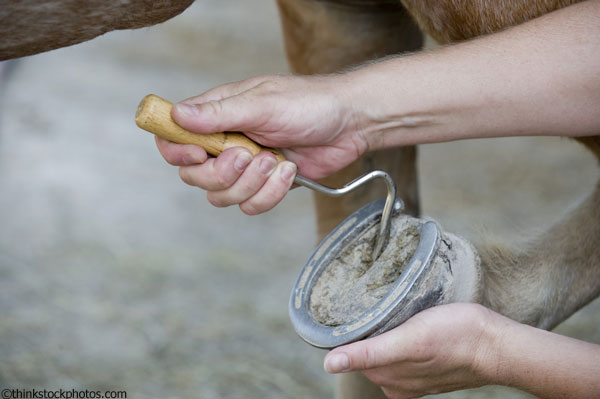
Eight common horse hoof mythsWhether you use hoof dressing or not, attentive hoof care is a paramount concern. “The best advice is, if the horse is being used then you should clean the feet every day,” John Burt says.
According to Doug Butler, the best “hoof conditioner” is the water that the horse drinks and stays hydrated with.

Regardless of the hoof care product you use, follow the manufacturers instructions for application.

Myth: A piece of gravel can work its way up from the bottom of the hoof through the coronary band.

A “gravel” is a condition where an abscess, instead of coming out through the bottom of the foot, works its way upward beneath the hoof wall and breaks out at the soft tissue of the coronary band, where the infection drains out. It is not, however, literally a piece of gravel working its way up the hoof.

“I find that ‘gravel’ is a regional term for describing an abscess,” Bill Reed says. “The farther north you go, they say that a horse ‘graveled’ rather than ‘abscessed.’ ”

According to John Burt, “Gravitational force and the way that the foot is constructed make it questionable that an actual piece of gravel can travel up there. Look at the structure of the foot and figure out the gravitational force: It pushes down. When an abscess is created, the pressure is pushing it up the foot.”

He reasons, “If you did find a piece of gravel in an abscess, it was driven in from the bottom, and then the abscess itself pushed it up through the coronary band.”

Myth: Factory shoes have four nails holes on each side, so each hole should be utilized.

Shoes can be nailed on with as many nails as necessary to secure the shoe to the hoof. Sometimes two per side are sufficient on a smaller foot or a nail pattern that takes advantage of the stronger points of the hoof wall, bypassing the weaker section. Clips can also be used to hold a shoe on.

“The nail holes in keg shoes are there as options, not to be filled up,” Bill Reed says. “Some shoes have eight or 10 holes—aluminum shoes have 12. I did one horse last year that someone else had shod with 11 nails in one shoe. That was incredible! I think three nails were clinched together. That’s just overkill.”

Hooves constantly grow and change, and sometimes parts of the hoof are healthier than others. Nails must be driven into solid healthy wall, or they will not provide a secure hold. On improperly cared for hooves, the hoof wall may be in such poor condition that a farrier can’t nail a shoe on or may only be able to place a couple of nails on each side. The hoof grows very slowly, about a 1/4 inch per month, requiring from six to nine months to grow out completely. Because the hoof grows so slowly, it is preferable to prevent damage, rather than to try and repair damage once it has occurred.

Myth: Barefoot horses need farrier attention less often than shod horses.

Some experts suggest pulling a horse’s shoes for half of the year to let the hooves “recover” from shoeing, including letting the nail holes grow out. If the conditions are right, the farrier will have a better hoof to work with when the horse starts wearing shoes again.

“This is a good idea if you’re not riding the horse and the footing is good,” Doug Butler says. “Out here in Colorado our pasture has a lot of crushed granite so that wouldn’t really work because the horse’s feet would wear down too much.”

For horses doing a lot of work, removing the shoes may be impractical. When wear exceeds growth, then shoes are necessary for a sound horse. Also, corrective horseshoes can be helpful for horses with specific soundness problems. Shoes can also provide extra traction in slippery conditions, especially when they are drilled and tapped so that studs can be used.

If you do remove the horse’s shoes, don’t just turn him out for six months and forget about him. R.T. Goodrich, who has a four-shoer practice in Petaluma, Calif., explains, “Horses in a corral or pasture need regular hoof care at six- to eight-week intervals, shod or not. Uneven wear affects the horse’s entire body, not just the feet.”

Consider your horse’s lifestyle and take into consideration the above factors. Then consult your farrier to decide what is best for your horse.  

Amber Heintzberger is an active rider who enjoys eventing.


This article originally appeared in the April 2006 issue of Horse Illustrated. Click here to subscribe.

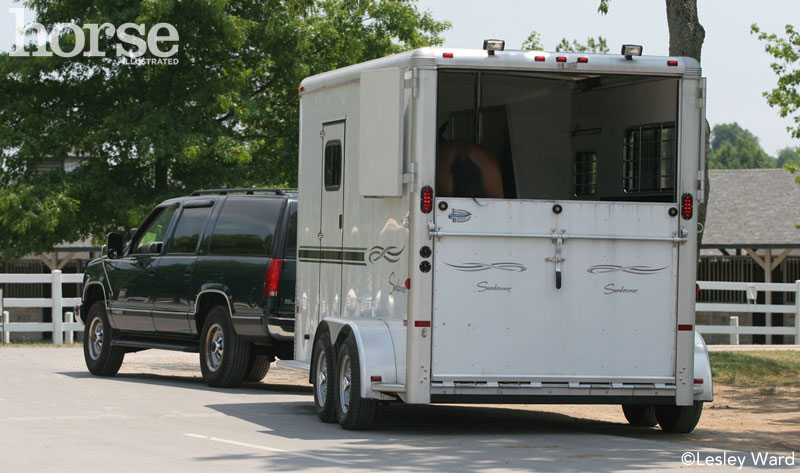
30 Trailering Tips

1
Horse Trailer
  1. Even if you don’t own a horse trailer, your horse needs to know how to load easily in case of an emergency.
  2. If possible, carry two spare tires for your horse trailer.
  3. ST (special trailer) tires, not passenger car or light truck tires, should be used. An ST tire has about 10 percent more load capacity than an equivalent LT tire and nearly 40 percent more than a P tire when each is filled to its maximum PSI rating.
  4. Check to ensure that your ball hitch is the right size for your trailer.
  5. If you feed hay in transit, make sure it’s not dusty.
  6. If it’s safe to do so, leave your horse untied during transit so that he can lower his head, which studies have shown is healthier for his respiratory system.
  7. Have a qualified mechanic service your trailer at least once a year—checking lights, brakes, suspension and floor.
  8. The wheel bearings will also need servicing every 12,000 miles or once a year, whichever comes first.
  9. Give your trailer a thorough once-over the day before a trip or show. Pay close attention to your tire inflation and sidewall wear.
  10. Before every trip, check truck tire pressure, along with the oil and fluids.
  11. Always outfit your horse in shipping boots before loading up. A head bumper is also advised.
  12. Double check that your hitch, brakes and lights are connected correctly. Cross your safety chains for extra security.
  13. Chock your wheels whenever your trailer is parked.
  14. Once your horse is loaded, physically handle each latch to ensure that all doors are secure before you drive off.
  15. On the open road, allow plenty of distance between you and the cars in front of you, and remember that it takes longer to stop when towing a trailer.
  16. It’s not advisable to unload your horses on the side of a road.
  17. Never unhitch your trailer with your horses still in it.
  18. Carry a trailer jack.
  19. If you get a flat tire, try to drive slowly to the nearest service station when it’s safe to do so.
  20. Research roadside assistance programs to make sure your rig and horses will be taken care of in the event of a breakdown. (USRider is one plan designed specifically for equestrian motorists.)
  21. Just because your tow vehicle can pull your trailer doesn’t mean it should: Check its ratings to ensure it can safely handle  the task.
  22. Carry an equine first-aid kit in your trailer.
  23. Other handy items to have in case of an emergency are extra halters and lead ropes, a supply of water for your horse and extra hay/feed.
  24. If you have trouble hitching solo, use one of the many handy devices that help line up ball to hitch.
  25. Only haul the number of horses your trailer is designed to handle.
  26. Make sure drop down windows are screened so that your horse can’t get his head out, and road debris can’t get in.
  27. If you’re traveling a long distance, stop every four hours to give your equine road warrior a break; let him drop his head to the ground if he’s been tied; offer plenty of fresh water and hay.
  28. If you’re hauling your horse by himself in a two-horse straight-load trailer, always put him on the left side. It helps balance the trailer on crowned roads (roads that slope to the shoulder).
  29. Always clean out your trailer after each use to increase its life span and keep your horse’s environment sanitary.
  30. Check ramp springs for rust and wear. A spring that breaks as a horse puts his weight on it is very dangerous.

This article originally appeared in the April 2006 issue of Horse Illustrated magazine. Click here to subscribe!

PMU Horse Profile

9

Erika Lipton, an artist from Newton, N.J., had a dilemma: After years of trying to foxhunt with “hot” horses, she wanted a young, unspoiled horse with a great temperament to bring along. The problem was, she didn’t have a fortune to spend.

But Erika is well on her way to realizing her dream with RU Rolex, a filly purchased as a yearling. Now 2 years old, Rolex, a Belgian/Paint cross, has an easy personality, is a quick learner, loves attention and is rock-steady. In her first trail outing, Rolex rode with a group, crossed a deep river, experienced dogs running between her legs, passed by things that rattled more experienced horses—and never flinched. She’s been out on the foxhound course at the walk and trot and has pulled a cart for short drives. She’s been shown in-hand at the American Warmblood Society breed inspections and is now a certified warmblood. Rolex is a PMU horse.

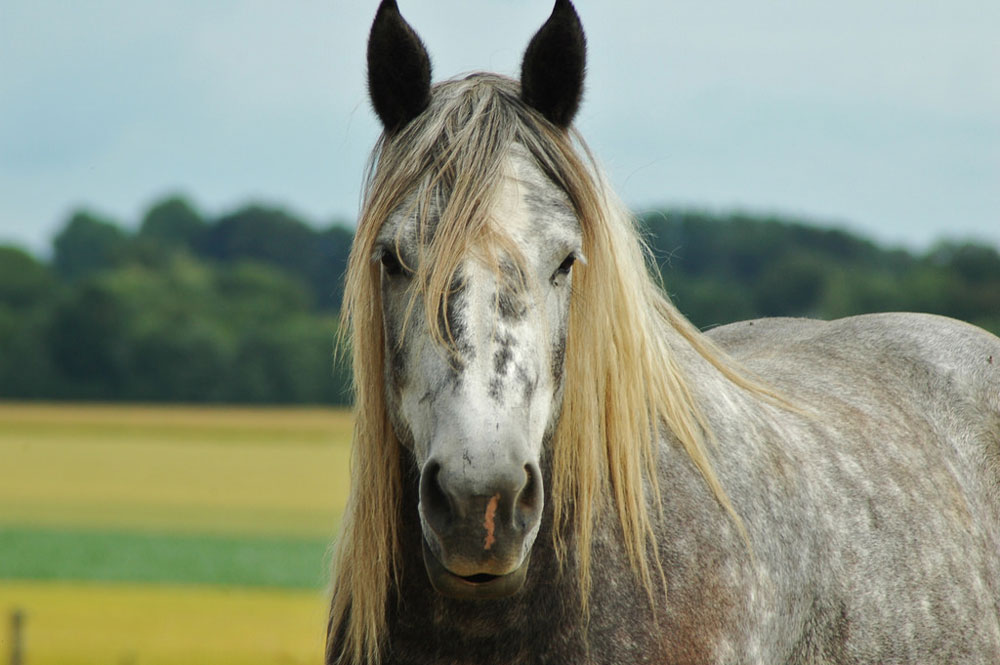
Gray Draft Horse

What is a PMU Horse?

The PMU horse was born—or created—in the early 1940s when Wyeth, a pharmaceutical manufacturer, contracted with large breeding farms in Canada and the United States to collect pregnant mare’s urine, a source of estrogen used in Premarin, Wyeth’s hormone replacement therapy. A by-product of the industry was, of course, the resulting foals, known as PMU horses. Born in late spring, these foals remain with their dams until autumn, at which time they are weaned and most are sold.

Animal rights groups oppose the PMU industry because of practices many deem inhumane, including tethering the pregnant mares to urine-capturing devices for months on end, during which time the horses are kept in stalls and not turned out. In most cases, the mares are rebred annually and returned to the production lines for urine collection. As a result, each year brings a surplus of PMU foals on the market—few of which had any known performance bloodlines in the past. Many of the unwanted youngsters end up bound for slaughter.

The PMU foal crop has steadily climbed over the decades, but public awareness about the practices used to obtain the urine, along with warnings from the National Institutes of Health about serious side effects associated with Premarin use, have lead to industry changes, including a recent downsizing.

Industry Update

Only a few years ago, there were approximately 430 PMU ranches with about 33,000 mares and nearly that many foal births a year. But falling sales of Premarin caused Wyeth, in 2003, to terminate contracts with many PMU farmers and to ask remaining producers to reduce their collection of pregnant mares’ urine. Today, the North American Equine Ranching Information Council (NAERIC) website states that there are 7,000 broodmares in the PMU industry.

“When those cutbacks were announced, many farms panicked, selling off entire bands of mares before the market got flooded,”says Joanne MacKinnon, marketing consultant and equine sales agent based in Canada. Prices for PMU horses plunged as much as 90 percent, with $1,600 mares selling for as low as $125. With the panic and cutbacks, the market and rescue community became saturated with breeding stock and foals, making it tougher to find private homes for all the PMU horses.

Shortly thereafter and for unrelated reasons, prices for meat horses rose. As a result, Joanne says, meat buyers outbid rescue groups for PMU and auction horses.

Despite the negative press, some involved with PMU horses insist there is a bright side. Joanne MacKinnon, of Miniota, Manitoba, a marketing consultant and equine sales agent for about a dozen Canadian farms, explains, “Contrary to public perception, some PMU farms have been breeding world-class horses for years. Additionally, throughout the past two decades, many more PMU breeders have worked hard on improving their breeding programs, with the goal of producing top competition horses.”

Sporthorse Style

Ravine Ranch Sport Horses, in Lenore, Manitoba, is a family enterprise that produces warmbloods. “We are first and foremost a sporthorse breeding farm,” says Deb King of Ravine Ranch Sport Horses. “Our family’s future and reputation depends on the quality and excellence of the warmblood horses that we raise and sell. Our professional relationship with Wyeth is also very rewarding and financially beneficial to our breeding farm. The income we receive from Wyeth through the sale of our product [pregnant mare urine] helps us provide the very best care for our horses. As dedicated warmblood breeders, we consider ourselves extremely fortunate to receive this additional revenue.”

In the not-so-distant past, only a handful of PMU ranches were active in breeding sporthorses. Traditionally, stock- and draft-type horses have been more prevalent. “The North American Equine Ranching Information Council (NAERIC) started a program several years ago, the CanAm Sporthorse program, to promote Thoroughbred/draft crosses bred on PMU farms as a viable alternative to expensive warmbloods,” Joanne MacKinnon says. “Now there are 18 PMU farms listed as breeding horses for that program on the NAERIC website, some of whom breed registered warmbloods, warmblood/Thoroughbreds and warmblood/draft crosses.

PMU breeders hope that those crosses start making their marks soon, as have their PMU cousins in other classes. Blueboy Dreamer, for example, is a five-time All American Quarter Horse Congress Champion, Reserve AQHA World Show Open Champion, Open and Senior AQHA High Point Trail Horse and AQHA High Point Junior Trail Horse. Apache Blue Boy is a two-time AQHA World Show Amateur Champion in Amateur Dally Team Roping, Heeling Event. Northern Lights Eros captured the World Percheron Congress Champion in Junior Geldings, Yearlings and Two-Year-Olds.

These achievements demonstrate that with thoughtful breeding and proper training, PMU horses, like any other breed, can compete at high levels. “Those breeding world-class horses are, just as in the rest of the equine community, a minority,” Joanne MacKinnon says.

Buyer Basics

The Internet is the best resource for locating PMU horses for sale, says Shannon Empson of Hedgeville Farms in Canada. Many ranchers host their own websites, the NAERIC website provides contacts and links, and PMU organizations and rescue groups are also represented on the Internet.

Typically, buyers purchase PMU horses directly from the ranchers. “Many ranchers hold auctions or joint auctions with other ranchers, “Empson explains. “We sell most of our horses individually from our farm or through our website. Some ranchers have brokers in various parts of North America that will buy large numbers of horses and then distribute individually.”

Interested parties can also purchase PMU horses through the annual NAERIC yearling auction at Rutgers University (these horses are part of a young horse research and teaching program) and through PMU horse rescue groups.

After deciding on a few candidate horses, purchasers should contact the seller to learn more about the individual horses. Because there are so many types of PMU horses, it’s important to find out as much as possible about the prospect.

In addition to evaluating the horse’s conformation and temperament, ask about the horse’s background and health status, suggests Steve Dryden, co-owner and marketing representative for Early Dawn Sport Horses, Virden, Manitoba.

What’s been done with the horse regarding vaccinations, deworming, hoof trimming, feeding regimen, handling and schooling? Does the horse have a valid Coggins test, current export health papers, registration papers or proof of pedigree?

Factor in delivery of your PMU purchase as well. Some ranchers can arrange for delivery with a professional hauler, while other ranches deliver their horses to drop-off points.

Diversity

The diversity of what is produced on PMU farms is as wide as the general horse breeding community. “PMU farms breed everything from AQHA horses for all disciplines to Standardbreds for the racetrack,” Joanne says. There are barrel racers, working cow horses, ranch horses, hunters, jumpers, 4-H mounts, pleasure horses, endurance trail horses, hitch horses, pulling horses, police mounts.”

Not surprising, that diversity extends to breeding stock, as well. Jennifer Johns, director of The Animali Farm, a PMU horse rescue organization based in Santa Maria, Calif., says, “Some PMU farms breed registered purebred horses, primarily Quarter Horse, Appaloosa, Paint and draft breeds. Others breed draft/Thoroughbred crosses, hoping to compete with the expensive European warmblood horses. Many of the PMU ranchers in Alberta were producers of registered horses before they were recruited into PMU.”

Hedgeville Farms in Nesbitt, Manitoba, has been breeding Arabian horses for more than 30 years. During its stint as a PMU producer (the Hedgeville Farms contract with Wyeth ended in January 2006), Hedgeville Farms expanded into Arabian/draft crosses. “Draft mares—usually Belgians, Percherons or Clydesdales—are used on the PMU line, as they are known to produce a higher volume of PMU with a higher concentration of hormones,” explains Shannon Empson, marketing manager for Hedgeville Farms. “Many ranchers crossbreed their draft mares to create more saleable offspring—most commonly to Quarter Horses and Thoroughbreds.”

Besides sport and recreational uses, the draft-cross tendency toward size, good disposition, and durability makes PMU horses the “breed” of choice for several mounted police units as well as the National Police Horse Academy (NPHA). Kimberly S. Herbert, president and a founding board member of NPHA, and an advisory board member for the Lexington Mounted Patrol in Lexington, Ky., explains, “The NPHA program places 6-month-old PMU weanlings into schools with equine programs designed to desensitize young horses, developing a horse that is suitable for entering mounted police work at age 4. The NPHA works only with PMU horses, primarily Percheron/Thoroughbreds or Percheron/Quarter Horses.”

Uncertain Future

The qualities of a PMU horse, as with any other horse or breed, owe much to the qualities of its parents. “Most PMU ranchers take great care in selecting mares and stallions to ensure they produce marketable foals,” Shannon Empson says. “Granted, this does not account for every PMU farm. There are still many farms that simply breed big grade draft horses.”

Ill-bred horses of any breed don’t have much of a future, often ending up being sold at auction and for slaughter, and the same can be said for PMU horses. Unfortunately, it’s a sorry fact that, regardless of horse quality, there has always been more PMU foal crop per year than homes for PMU foals—about 30 percent of PMU foals end up at auction, according to the NAERIC website.

Another factor is supply versus demand. “The four ranches we are helping are in a town of about 250 families,” says Jennifer Johns. “These four ranches produced nearly 1,000 foals annually in their heyday, and they were not the only PMU ranches in that town. These foals were traditionally sold in auctions or production sales within a couple of weeks of each other. There are not enough locals to buy them all, and not enough other buyers traveling in to buy foals. The meat buyers take all that is left over.”

The last couple of years have seen a spike in PMU horses going to auction, a consequence of falling sales of hormone replacement therapy and the resulting cutbacks in the number of PMU farms and production mares.

During the past 18 months, The Animali Farm rescued 600 PMU mares and foals. “At the last auction we attended in Alberta, in June 2004, over 70 percent of the horses went for meat,” Jennifer says. “They included mares with 2-week-old foals at their sides and mature breeding stallions. Not very many of them went to private buyers. Two killer buyers stood together at the side of the ring, bidding against each other. The horses in this sale had been bathed, their feet were freshly trimmed, as were their bridle paths. They were wearing fancy silver show halters, and were groomed accordingly. This did not change a thing.”

Wyeth’s reductions forced a lot of horses into the market, putting many of them at risk for slaughter, says Andrew Lang, DVM, former director of Equine Programs for the American Society for the Prevention of Cruelty to Animals (ASPCA), who has studied the issue. The hope would be that the Wyeth cuts will reflect a reduced PMU foal crop in the future.

It was hearing about the plight of auction-bound PMU horses that prompted Nancy Clark, of South Lyon, Mich., to purchase a PMU horse from a farm that was losing its Wyeth contract. After viewing website photos of available PMU yearlings, Nancy chose a dark, slightly homely filly, worried that no one else would choose her. Tali, a draft/Paint/Quarter Horse/Arabian cross was a bit wild from not having much handling. “She didn’t want to be touched, would run from us in the stall, and had to be sedated to have her hooves trimmed,” Nancy recalls. “Being a large, draft yearling, she was a bit intimidating.”

After spending a lot of time gently working with Tali in the stall, the youngster got over her fears. “Today, at age 2 years, Tali is the sweetest of all the horses, standing perfectly for her hoof trimming and shots. She loves to be petted and fussed with, is great with the other horses, calm yet playful, and a very smart, trusting horse. If she is afraid of something, it really doesn’t take much to convince her it’s OK,” Nancy says.

Purchasing a PMU Horse

The process of buying a PMU horse is usually a little different than purchasing other types of horses. Most PMU horses are sold as weanlings, although some ranches sell yearlings and older horses as part of their herd management process (and, more recently, to reduce the numbers of breeding stock due to the Wyeth cutbacks).

Also, many PMU youngsters receive little handling. “Most PMU horses have had a different lifestyle than most performance horses,” Shannon Empson says. “They aren’t usually foaled in box stalls and imprint trained, nor are they made into pets from dayone. They are often handled as livestock when moving from barn to corral to trailer.”

The reduced amount of handling is due to the nature of the PMU industry, which until recently encouraged ranchers to get bigger. “A single ranch could have anywhere from 40 to several hundred mares in production,” Shannon explains.

“When working with these quantities of animals, it is only economical that they be handled in groups. We work with the horses enough to be able to function as a ranch. Mares are moved in and out of barns, in and out of trailers, in and out of pastures, herded in groups. Beyond that, they are tied in the barn, harnessed up with the urine collection harness, fed, watered, brushed and then left alone until next time they need to be moved and a hoof trim now and then. It’s not that they aren’t handled, it’s more that they aren’t handled the generally accepted way most riding and performance horses are. Foals are often foaled naturally in the pasture and left to graze the entire summer with their moms. And thus, when they are weaned in the fall, they have had little handling at that point.”

Although the PMU horse is evolving amidst some controversy and perhaps facing an uncertain future, depending upon the way the hormone replacement therapy issue goes, it is sure to continue making headlines.

NAERIC

The North American Equine Ranching Information Council (NAERIC) was formed to represent and promote the interests of PMU horse breeders and ranchers. As such, NAERIC has sponsored competitions for NAERIC-registered horses and, by the end of 2006, expects to pay out approximately $2.25 million in matching funds for NAERIC-registered horses through purses, breeders’ trust funds and other incentive programs. They also sponsor a 4-H development project and police horse program.

For more information, visit www.naeric.org


This article originally appeared in the March 2006 issue of Horse Illustrated magazine. Click here to subscribe!

Mud-Related Health Problems

7

Springtime brings warmer weather, greener grass and longer hours of daylight. It also brings one of the biggest challenges horse owners face: mud. It’s a dirty word, and it makes horsekeeping an ugly task.

Mud presents a range of issues, from lost shoes to actual physical disorders, including skin problems, hoof problems and bacterial infections. Unfortunately, there’s no avoiding the season of mud—which extends to June in some areas.

Muddy Pasture


Horse Illustrated asked three veterinarians for their perspectives on common mud-related health disorders and how horse owners can best deal with them.

Skin Problems

Scratches, grease heel, mud fever, rain scald and rain rot all share something in common: They are horsemen’s terms for one disease, dermatophilosis, caused by the bacteria Dermatophilus congolensis. When dermatophilosis strikes the pasterns, horsepeople often call it scratches or grease heel; when it affects the horse’s body, lay terms for the malady include rain rot, rain scald and mud fever. No matter what body part it affects, dermatophilosis is characterized by scaly, crusty, scabby skin, and it’s a particular problem for horses that are exposed to moisture and muck for extended periods.

When moist, soft skin’s protective layers are abraded by the coarse particles in mud, D. congolensis, along with other bacteria, and even fungi, strike at the opportunity to enter these susceptible areas. From there inflammation begins, and the skin’s normal barrier allows problems to set up on the surface and in the hair follicles. Before scabs develop, the body is already weeping oils (called exudate) as a reaction to the irritation. As the mud accumulates on the skin, the exudate is trapped and scabs form.

“Generally, there is a variety of secondary bacteria that can be involved,” says FEI-licensed veterinarian Duncan Peters, DVM, chair of the American Association of Equine Practitioners (AAEP) Owner Education Committee. Once the primary bacteria take hold, it opens the door for other bacteria and even fungi to enter.

While every horse has the potential to be affected, those with white legs, those with either long hair or sparse hair on their cannon bones and fetlocks, and those that are turned out in the elements and not groomed every day are the most susceptible.

These skin problems don’t usually leave any permanent damage. For horses with more aggressive skin issues, though, “the skin can be thicker in some of those areas, especially around the pasterns, and sometimes the hair will grow in funny,” Dr. Peters says.

The best treatment for dermatophilosis is, of course, prevention. When the joys of horse ownership don’t include acres of mud-free turnout, a little elbow grease can go a long way. Daily grooming alerts you to changes in your horse’s skin condition. By knocking off the mud, there’s less opportunity for scabs to form.

Stephen O’Grady, DVM, MRCVS, of Northern Virginia Equine in Marshall, Va., offers another grooming tip for especially susceptible horses: Keep your horse clean, and periodically rub mineral oil into his skin. “It acts as a bit of a barrier to mud accumulation and the scabs that occur,” he says.

If a horse does become infected, treatment doesn’t have to be complicated. The first step is to keep the horse in a dry area, whether that’s a dry lot, a stall or a run-in shed. “Make sure that if it’s a run-in, the manure is removed, because if the horse comes in, having stood in muck and mire, and now stands in feces with all of its bacteria, then obviously, that’s a prime source of infection,” cautions William Miller, VMD, DACVD, professor of dermatology and medical director of Cornell University’s Companion Animal Hospital.

The second step is to clip the hair around the affected areas and allow those spots to dry; gentle drying with a towel or low-heat hair dryer are other options. “Gentle” is key, however; scrubbing or scorching will only increase skin irritation and compound the problem.

The third step is topical treatment, but no one remedy works in every case. “Treatments will vary based on where the condition is located,” Dr. Peters says. “If there is a crusty condition on the legs, you might use a bandage with some emollient to soften the crust. If a crusty condition is on the horse’s back or high on the leg, bandaging is usually not practical—bathing with medicated shampoo may be appropriate.”

As far as topical treatments go, Dr. Peters says there are some good products out there. “Some have oatmeal or an aloe vera base; some may contain a benzoyl peroxide ingredient; some may be petroleum based, which tend to be excellent at removing scurfiness; some have alcohols or antiseptics as the main effective ingredient.” He says use of these products depends on what condition is being treated and how bad the condition is.

But stay away from ointments, cautions Dr. Miller, co-author of the book Equine Dermatology. “When there’s a condition with bacteria or fungi, if you put too much ointment over it, it’s like putting the lid on the toothpaste tube, then trying to squeeze the tube. Instead of toothpaste coming out of the top and draining away like normal, it blows out the sides of the tube and gets into the skin. Choose your topical remedies wisely and carefully,” he says.

Instead of a leave-on topical treatment, a mild anti-bacterial wash can be useful, but keep in mind the number-one treatment step: Keep the affected area dry. If scabs are plentiful, a once-a-day washing with Betadine surgical scrub or chlorhexidine, followed by thorough rinsing and drying, can yield good results.

Dr. O’Grady’s mineral oil trick can be put to work for treatment, as well. “Just rub it in on a daily basis. Within five to seven days, using a rubber curry comb these scabs will just come right off.” (The scabs should soften after just a few treatments.)

“As soon as the scab comes off, the moist or irritated areas will quickly clear right up. You’ve taken that covering off that allows the organisms to proliferate and cause problems,” Dr. O’Grady continues.

Regardless of the treatment, if there is no visible improvement after two to four days, or if the irritation begins to emit an odor, veterinary advice and antibiotic treatment may be necessary.  “As the infection gets more significant, so does the odor,” Dr. Miller says. “When you start to notice an odor, it’s not a good sign.”

Beneath the Skin

Bacteria also find their way into the skin through minor wounds and set up a subcutaneous infection, or cellulitis. Horses with cellulitis experience swelling and heat in an infected leg. They will show signs of pain and lameness and often have a 102- to 104-degree fever. The fever is important to differentiate cellulitis from a run-of-the-mill lameness. Horses with severe infections will go off feed and show signs of serious discomfort. Their legs become extremely sensitive with inflamed blood vessels (called phlebitis).

Although cellulitis isn’t a mud-related disorder, mud compromises the skin’s protective barriers against bacteria and keeps wounds soft and open. If you see signs of cellulitis, a vet call is necessary. Your veterinarian will most likely prescribe a course of antibiotics and instruct you to wrap the affected leg. If left untreated, the condition can last for months and wind up being very costly to cure.

After the infection clears up, there may still be some residual changes. Dr. Peters has seen horses left with chronic circulation and performance problems and altered gaits.

Hoof Problems

The hoof problems caused by mud vary depending on the type of mud, the length of time the horse stands in it, and—always a variable—the horse itself. Many hoof problems Dr. Peters sees at the LaSalle Equine Clinic in Kalispell, Mt., come from the horse standing in sloppy mud all day and then going into a stall and drying out at night. The wet-dry cycle causes brittle hooves that easily crack. Severe drying causes separation of the laminae (the material that links the bone and hoof wall) and opens the door to white line disease and abscesses.

Horses in constant wet conditions suffer from soft soles and sloughing of the frog, which compromise the strength of the hooves’ support structures and can make the horse more prone to sole bruising.

Thrush, while not caused specifically by mud, is more prevalent during the wet season. That nasty-smelling tar-like substance that indicates that a horse’s frog is rotting is caused by a bacteria common in manure. A mud-and manure-packed hoof is the ideal environment for this bacterial invasion to set up camp.

Aside from keeping your horse out of excessive mud and moisture, maintaining sanitary conditions around the barn is important to limit his exposure to bacteria. Also, a regular four- to six-week shoeing or hoof-trimming schedule is essential for preventing hoof problems, whether they’re mud-related or not.

Some horse owners also have good results using acrylic hoof coatings and hoof dressings to seal in natural moisture, while sealing out moisture and bacteria from the ground. Going overboard with dressings, however, can actually seal in too much moisture and even trap bacteria inside the hoof capsule. Moderation is key.

Applications of iodine-based hoof preparations toughen up soft soles and draw some of the moisture out of too-soft hooves. Additionally, thrush-fighting products found in tack stores can knock out minor cases of thrush in a matter of days.

If your horse is lame or the hoof problem has continued for a long period of time, you should consult your farrier or veterinarian for additional treatment options, which may include medication, management changes or special shoes.

High and Dry

Mud management is a challenging task at best. Here are four low-cost, low-maintenance tips to create some mud-free space:

  1. A pickup-truck load of large wood chips spread around water tanks and highly traveled areas keeps hooves from creating too much muck.
  2. Stall mats or crushed gravel in a run-in shed gives horses a place to get out of the wet.
  3. Year-round pasture rotation prevents overgrazing and the loss of ground cover.
  4. Gutters on barn roofs can route water away from highly traveled areas.

Can Mud Be Beneficial?

From years of observing his own equine patients, Dr. Stephen O’Grady, who specializes in equine podiatry, believes mud also provides benefits to the hoof. “When the horse is in mud, the mud will accumulate in the bottom of the foot, almost mold to the shape of the bottom of the foot, and it will dry there. What you’re forming in the bottom of the foot is a dry, protective pad for the structures within the hoof,” he explains.

The “mud pad” engages the natural physiology of the hoof, utilizing the shock-absorbing structures to decrease concussion. In addition, the pad protects the hoof from damaging rocks and debris.

“The mud also acts as a wedge to keep the horse’s heels wide while he has his shoes removed,” Dr. O’Grady continues.

Of course all of this assumes your horse is kept on large acreage, where he is less likely to encounter the harmful effects from standing in mire that contains waste. Leaving a horse to stand in manure and urine only introduces more nasty bacteria into the skin and hoof capsules.

The bright side of mud is encouraging, but Dr. O’Grady still stresses the importance of picking out hooves regularly as part of your grooming routine to monitor their continued health and growth.

Of all of the activities horse owners enjoy, dealing with mud is usually not tops on the list. Effective horse and facility management can save much mud-related hassle. With every passing year, gadgets and techniques are being invented to make horsekeeping an easier affair. Maybe a remedy for mud is next. Until then, Dr. Miller says, “You just gotta tough it out in spring and fall and hope for a dry summer and a quick frost.”

Further Reading
Corral Mud Management


This article originally appeared in the March 2006 issue of Horse Illustrated. Click here to subscribe.

Equine Vaccination Strategies

18

Vaccinating your horse against disease is such a simple task. It’s not terribly time consuming, and it’s relatively inexpensive when you consider the alternative. But some people don’t vaccinate. Lack of concern regarding disease risk, and skepticism about vaccine safety and efficacy are among the reasons given.

We’ve asked veterinarians who work for leading vaccine manufacturers to explain vaccination protocols, and to address safety and efficacy issues. Their responses are surprisingly candid and may have you rethinking your horse’s healthcare schedule.

Equine vet administering a vaccination

A Case for Safety

There is an extensive amount of time, money and resources involved in the research and development of a vaccine. Generally speaking, it takes three to four years of time and millions of dollars spent before a vaccine gets licensing from the U.S. Department of Agriculture(if it ever does).

“I have never had anyone explain to me scientifically why you would not vaccinate a horse,” says Tom Lenz, DVM, vice president, Professional and Technical Services, Zoetis. “Occasionally, you may have a horse that reacts to a vaccine systemically—has an anaphylactic reaction [a severe and rapid allergic reaction that requires immediate veterinary attention], or hives, or you may have a horse that has a local injection site reaction, but those are fairly rare.”

Dr. Lenz feels the risk of disease is just too high if you don’t vaccinate. “If your horse develops tetanus, the odds of him dying are about 99 percent. The fatality rate for West Nile virus, based on statistics over the last three years, is at least 30 to 40 percent. The fatality rate for rabies is 100 percent.”

“I think it’s important that horse owners recognize that licensed vaccines go through extensive purity, safety and efficacy testing prior to being released for sale,” says D. Craig Barnett, DVM, senior equine technical services specialist of veterinary services at Intervet Inc. “Every serial [batch] of vaccine has to pass certain standardized potency and safety tests.” Dr. Barnett says that the vaccine production process is “extensive, complex, scientific and judicious.”

Vaccine Efficacy

Even if you trust the safety and efficacy standards, and you follow a strict vaccination schedule for your horse, he may not be protected against disease.

“Vaccination does not equal immunization,” Dr. Barnett says. “A horse has to mount an immunological response—produce antibodies or other immune responses to the vaccine—following vaccination. This response will vary depending upon the vaccine used and the horse’s own immunity. Not all horses will mount an immune response to vaccination—approximately 10 percent don’t—and those that do respond differently,” he says. “Some respond well, some middle of the road, some poorly.” A horse’s general health plays a large role in this factor. Stressed horses, malnourished horses or those that are otherwise unhealthy may not mount a good immunological response to vaccination.

A horse’s age is also critical to vaccine efficacy. In most situations, vaccinations for healthy foals from vaccinated mares, for example, shouldn’t be given until the youngster is at least 3 months of age. Some veterinarians prefer to wait even longer. Foals that receive adequate colostrum from their properly vaccinated dams (vaccinated four to six weeks prior to foaling) should have sufficient immunity from the diseases the mare is immunized against. Vaccinating these foals too soon may possibly compromise their natural ability to fight disease.

Efficacy is also dependent on when you vaccinate. Dr. Barnett recommends vaccinating while your horse is healthy and before potential disease exposure or high-risk periods (before going to shows, trail rides, parades, et cetera). “We need to consider that there is a lag time between vaccination and development of an immune response.” Lag time, along with the fact that disease can compromise a horse’s immune system, is why many veterinarians recommend not vaccinating for certain diseases in the face of an outbreak.

Vaccination is only an aid in prevention of infectious disease, and won’t succeed without appropriate management practices. Dr. Barnett explains that you have to reduce your horse’s exposure to disease by following basic horsekeeping practices:

  • Avoid contact with sick horses.
  • Quarantine new incoming horses. Without a quarantine system, there is a very serious threat for bringing in infectious disease to an established herd or group of horses.
  • Avoid contact with outside horses—on trail rides, horse shows, et cetera.
  • Avoid using universal waterers or feed sources.
  • Reduce or eliminate stress, because it has a negative effecton the immune system.
  • Vaccinate all horses in a herd or on a farm on the same schedule whenever possible.

“As horse owners, we must take responsibility for the management part of infectious disease control,” Dr. Barnett says.

America’s Healthy Horse

Even though the vaccine manufacturing process is filled with quality control measures to help ensure safe vaccines, it’s important for horse owners to recognize that vaccines are foreign substances, and that adverse reactions may occur. This is a good reason why it’s best to let your veterinarian vaccinate—he or she has the knowledge and the appropriate medications to treat an allergic reaction should it occur. During vaccination your veterinarian can examine your horse, which is part of a good disease prevention strategy.

The American Association of Equine Practitioners (AAEP) recommends that horses be seen by a veterinarian twice a year for wellness exams to address vaccination, parasite control, nutrition and dentistry. 2006 saw the launch of the “America’s Healthy Horse” initiative, a joint effort between the AAEP and Fort Dodge Animal Health that encourages regular wellness exams for horses.

Vaccination Protocols

What are the most important points horse owners should consider regarding their vaccination strategies? “It’s very important to realize that ‘one size does not fit all’ when it comes to vaccination protocols and schedules,” Dr. Barnett says. “Universal vaccination recommendations are impossible to make.” They vary depending upon many factors, including age of horse, incidence of disease in the area, geographic location, number of horses on the premises, exposure to other horses, use of the horse (broodmare, show horse, et cetera).

Vaccination programs should be tailored to each individual horse and farm.  Dr. Barnett says horse owners should assess the need to vaccinate for each disease based on:

  • Risk—What risk does this disease pose to the horse? Keep in mind that disease risk can vary between types of horses—pleasure horses, broodmares, foals, performance horses.
  • Consequences of the disease—Is the disease life threatening? What is the mortality rate? Is there potential for human exposure (as with rabies)?
  • Efficacy of the vaccine and the potential for adverse reactions to vaccination.

Most veterinarians agree that even if the risk of a particular disease is moderate to low, but the consequence of the disease is deadly, you should vaccinate as long as the vaccine is safe and efficacious. However, if the risk of a disease is moderate to low, the disease mortality rate is low, and the vaccine for it has marginal efficacy and safety, then you probably won’t vaccinate unless risk increases.

“I think every horse ought to be vaccinated against tetanus, Eastern equine encephalomyelitis, Western equine encephalomyelitis, West Nile virus and rabies,” Dr. Lenz says. Most veterinarians agree with this opinion. “Whether or not horses receive rhino [equine herpes virus], flu, strangles, Potomac horse fever or some of the other vaccines, depends on the part of the country they live in and what their veterinarians think,” Dr. Lenz continues.

You also have to consider vaccination frequency. “In some parts of the country you may give rhino and flu once a year, in some areas it’s more frequently,” Dr. Lenz says. “West Nile virus—we used to vaccinate once a year, now the general consensus is to vaccinate spring and fall. In some areas, like the South, you may need to vaccinate against it even more frequently. So it depends on the exposure rate.”

Dr. Barnett says many horses are undervaccinated, but some are overvaccinated. Robert Holland, DVM, Ph.D., agrees. As a practicing veterinarian in Lexington, Ky., and a senior technical service veterinarian with Pfizer Animal Health, Equine Division, he says, “If you are giving a flu/rhino vaccine every two months, you’re possibly overvaccinating. Sometimes we think more is better, but sometimes it’s better to let the horse’s immune system wax and wane, so when you give the vaccine you get a much better response.”

All the experts agree that your veterinarian is the best source of information when designing and implementing a vaccination program best suited to the needs of your horse. Your vet is familiar with the risk of disease in your area, risk of disease to your farm and/or individual horses on that farm, knows the consequences of diseases, and is familiar with the efficacy and safety of different vaccines.

Further Reading
What to Expect When Vaccinating
Horse Vaccination Chart


This article originally appeared in the March 2006 issue of Horse Illustrated. Click here to subscribe.

Barrel Racing Essentials

28
Barrel Racing


Whether your young horse has come of age, or your more mature mount is ready for a change of careers, you won’t get far by simply pointing him at a cloverleaf pattern and hoping for the best. Champion barrel racer Julie Voigt outlines the foundation and skills your horse needs to succeed as a barrel horse.

Is My Horse a Barrel Candidate?

Julie says an ideal barrel horse is often in the 15-15.2 hand range, but this isn’t a hard and fast rule. “Barrel horses come in all shapes and sizes,” she says. “It’s more in the training than in the actual height.” However, a barrel horse must be properly proportioned. “I like a well-balanced horse,” Julie says. “The horse can be tall as long as the rest of him fits his height, and he’s able to move fluidly.”

A barrel prospect should also enjoy running. Julie recommends watching your horse at liberty to see if running comes easily and naturally to him. If it doesn’t, he may quickly burn out in a job where running is key.

Of course, it goes without saying that a barrel horse must be sound. Barrel racing is a demanding sport that requires the horse to use virtually every muscle in his body.

The Basics

Before you ever go near a barrel, your horse should know how to yield to hand and leg pressure so that he’s maneuverable and responsive. “I start a lot of it on the ground,” Julie explains. She teaches her horses to respect pressure on the lead line and practices side-passing and backing on the ground.

According to Julie, the horse must move easily away from leg pressure, so the side-pass is an important maneuver to master. When you practice side-passing from the ground, simply apply hand pressure where your leg would go—left side pressure to move your horse right, right side pressure to move him left. Meanwhile, your other hand will guide his head. His legs will cross over as he steps sideways once he’s mastered the task. Then, practice the same maneuvers under saddle.

Your horse also needs to drop his head when you pick up the reins. Although we’re not talking about a western pleasure frame here, a resistant horse with his head stuck in the air will not be able to perform as well as a relaxed horse with a more natural, lower headset. If you have a horse that lifts his head in response to rein contact, Julie advises keeping light pressure on the reins until you feel the slightest bit of give. Even though the give may be minimal at first, release all pressure. It could take a while, but eventually your horse will learn that pressure on the bit will be released only when he gives to it and lowers his head. The same idea applies to leg pressure, such as that used when side-passing—the pressure will be released when your horse moves away from it.

Barrel Racing
Los Alamos Rodeo by Larry Lamsa on flickr/CC BY 2.0

Round and Round

“Barrel racing is about circles,” Julie says. So practicing perfect circles at all gaits before bringing on the barrels is a must. “I really concentrate and am extremely strict about being able to walk, trot and lope a perfect circle—and by a perfect circle I mean the head, shoulders and hip all following the arc.”

Julie uses a funnel drill to perfect her circles. She reminds riders to maintain a consistent speed throughout—starting at the walk or trot and moving up to the lope once these slower gaits are mastered. Start with a large circle, around 50 feet. Ride a perfect circle, and then gradually decrease the size, performing a perfect circle at each increment. If your horse is unable to maintain a perfect circle, go back to a larger circumference until he regains his form. When you have reduced the size of thecircle to 10 to 12 feet you can begin to increase your circles back out.

During circle work remember to sit squarely in the saddle. “I compare it to carrying a backpack on your back,” Julie says. “You don’t want that backpack hanging off to one side or shifting back and forth, nor does your horse want you shifting your weight or stepping to one side.”

Your hands can also help your horse maintain proper balance. Place one hand on either side of his neck, just in front of the horn. Your shoulders should be relaxed, with your elbows near your body. As you turn, your outside elbow will naturally extend slightly to accommodate the horse’s bend. “A lot of barrel racing training is done two-handed for balance,” Julie explains. “One thing I try to avoid is crossing my hands over the neck.” Use your body and legs to position your horse instead of exaggerated hand movement. “If your horse is veering to the inside of the circle, instead of crossing your inside hand over his neck trying to bring him out, you should actually move his shoulder out with your inside leg.”

Position your legs to help your horse perform perfect circles, and apply leg pressure only when needed. “Your inside leg will be slightly in front of the cinch or right at the cinch,” Julie explains. Your outside leg should be just behind the cinch. “For the most part, my legs are completely loose from the knee down unless I need the horse to move in or out,” Julie says. “If your legs are making constant contact with the horse, it makes him dull, and then you don’t have the opportunity to move him at a split second’s notice when you need to.” Revisit the funnel drill at all three gaits until each circle is indeed perfect. Only then will you be ready to go on to the next step.

Teaching Your Horse to Rate


Meet Julie Voigt

Julie Voigt was crowned National Professional Rodeo Association champion for seven years straight—from 1997 to 2003. Not only does Julie train all her own barrel horses, she also sells barrel prospects and works cattle on her 5,000-plus-acre ranch in Beulah, N.D., where she lives with her husband and two children.

Your horse must learn to “body rate,” or slow down in response to your body, before you begin pattern work. Julie explains, “I’m riding along, and I quit riding, which basically means relaxing my body. You have to make sure to relax your entire body, just like you’re stopping to get off of your horse. When your body quits riding, your horse should relate that to the movement of his feet.”

“Be sure to sit deeply by relaxing or ‘melting’ your seat deeper into the saddle, not by forcing your seat into the saddle,” Julie says. In the beginning your horse may not understand what this change means, so you’ll also have to take up the reins and apply pressure until he slows down and eventually stops.

One Barrel at a Time

Once your horse understands the body rate, it’s time to bring one barrel out and place it in the middle of your arena. Julie’s method introduces the barrel as a place of relaxation and reward. Begin by approaching the barrel from one end of the arena at the trot, and when you’re about 17 feet back and out from it, practice body rating (this is approximately where you will want your horse to rate when you’re actually running the pattern). “The horse will hopefully be able to rate at that point and listen to your body to shorten up his stride and slow up coming to the barrel,” Julie says. Rate all the way down to a stop, and then let your horse relax for a while. Make sure he’s facing parallel, not toward the barrel. “Let your horse drop his head, let him lick his lips,” Julie says. “It’s going to be a place of rest for him to start with.” This accomplishes three things: It begins to teach the horse where to rate; it reinforces your body rate; and it teaches the horse that the barrel is a good place to be.

After your horse has shown he’s relaxed, move him away from the barrel and on to another part of your arena. “Lope some circles on him until you feel him wanting to stop, then take him up to the barrel at the lope. Quit riding again [body rate] and let him come to a stop,” Julie says. “The horse should start to associate that barrel with rate.

“I’m trying to teach the horse that coming up to that barrel is a good thing. It’s not something to get all panicky about. I don’t want him to think ‘turn’ [as he approaches the barrel]. I want him to relax and listen to me,” Julie explains.

Once your horse is body rating and relaxing with the single barrel, you can move on to practicing a perfect circle around it. First, practice the funnel exercise at the end of your arena, then head toward your barrel. Don’t let your horse forget his rate lesson during this drill. “Never speed up around the barrel,” Julie warns.

Maintain a constant speed, or transition to a slower gait or speed at your rate spot, only transitioning back up when your circle is complete.

Bring on the Barrels!

With the previous drills mastered, it’s time to set up a pattern. To begin with, however, you’ll set up four barrels, one in each corner of your ring (far enough away from the rail that you can turn them). “Turn each barrel the same direction,” Julie says. “For example, all right hand turns.” (See “Four Corner Drill” diagram below.) You’ll make a complete circle (or more than one if you need to smooth out a turn) around each barrel. Begin at the trot, only moving up to the lope when your horse has mastered the exercise at the slower gait.

Again, you’ll use the barrels to reinforce your rate and your perfect circles. “Each time I come to a barrel, I’m wanting the horse to listen to me for the rate. If I feel that he is slowing up, his stride is shortening, and he’s wanting to stop, then I continue on in the perfect circle. If the horse has lost that, and he just rolls right on through the rate place, then I’ll sit down deeper, take a hold of the reins, and ask him to stop there, maybe even back a step or two.”

Practice this drill at the trot and lope in both directions, but don’t overdo it. Ten minutes on any one drill should be enough, then take a break and return to it later or another day. When your horse is turning and rating consistently in this four-corner square, set up your regular cloverleaf pattern, only this time put a fourth barrel where you would begin the pattern, creating a diamond. “This way you have a continuous pattern,” Julie says. “When you finish your actual three barrel pattern, you’ll have that final barrel so that you don’t have a starting point.” 

A starting point often creates a hot spot of excitement and anticipation for the horse, which can cause problems. Riding the diamond shape instead of the cloverleaf also helps the horse not become pattern driven. “I’m not interested in the horse knowing this barrel’s first, that barrel’s second and that barrel’s third,” Julie says. “I don’t want him to think of any pattern. I want him to be listening to me.” You can stop and start the diamond at any of the four barrels.

Are You Ready?

When your horse can run through the pattern at about three-quarters of his competition-run speed, and he body rates before each barrel without you having to pick up the reins, he is probably ready for competition. Julie explains the horse should also be maintaining perfect circles around the barrels and changing leads between the first and second barrel.

You should revisit your foundation work often, and incorporate training drills into each practice session, even on a well-seasoned horse. As Julie says, “It’s one thing to get ’um running, and another thing to keep ’um running.” Going back to basics will ensure you’re always ready to run, rate and turn like a pro.

Micaela Myers is a freelance writer based in California and lists barrel racing as her favorite sport.


This article was featured in the March 2006 issue of Horse Illustrated. Click here to subscribe!

Joint Injections for Horses

11

Horse Illustrated MagazineGalloping down a cross-country course, leaping three-foot fences or sliding to a stop puts an enormous amount of stress on fine, delicately built equine legs. But there is a lot going on behind the scenes. A sound horse maintains balanced joint function. But joints that bend and give to absorb that shock are comprised of structures—bone, cartilage, soft tissues, protective synovial fluid—that can all break down. Horse owners seek out both oral supplements and systemic injections, which are popular defenses against joint problems. But sometimes therapy goes beyond these approaches and directly into the joint itself.

It’s a relief to know that there are options available to help your horse, but intra-articular joint injections can be costly, and there are risks. Thomas M. Daniel, DVM, of Southern Pines Equine Associates in Southern Pines, N.C., concentrates on sporthorse medicine and was a veterinarian for the U.S. Equestrian Team in 2000. He says, “Some vets overplay the difficulty or danger involved with joint injections; [the procedure] is not without potential downfalls, but it can help horses a lot.”

Rebuild or  Restore

While intra-articular injections of steroids, hyaluronic acid and polysulfated glycosaminoglycan are used as direct treatment, some intramuscular and intravenous treatments can also be preventative.

Adequan I.M. helps relieve pain and decrease inflammation. Additionally, it restores synovial lubrication, helping the horse produce healthy synovial fluid to prevent the breakdown of healthy joint tissue. It also does something other treatments don’t: It stops the cycle of degeneration by inhibiting cartilage damage and collapse. Since it is given intramuscularly, the idea is that the treatment travels into injured joints and stimulates production of new cartilage, while relieving non-infective degenerative joint disease symptoms.

Another joint lubrication product that works systemically to relieve pain, reduce inflammation and restore synovial fluid is Legend I.V. (intravenous sodium hyaluronate). As with any treatment, results depend on the individual horse.


To Inject or Not to Inject
Talk to your veterinarian about your horse’s soundness and performance issues to determine whether joint injections will be beneficial. Bill Moyer, DVM, head of the Large Animal Department at Texas A&M University, has been practicing veterinary medicine for more than 30 years. Along with Jim Schumacher, DVM, of the University of Tennessee, he co-authored A Guide to Equine Joint Injections (Veterinary Learning Systems Co., 2002). “Athletes seldom have just one thing wrong. Often we are looking at changes in the hocks, a sore back, some navicular changesand maybe the feet are in bad shape. In performance horses, there’s just a lot of wear and tear,” Dr. Moyer says.

Many things can go wrong in an equine joint, but one of the most common problems is arthritis, or degenerative joint disease, which leads to progressive destruction of joint structures. There is no cure for this disease, but managing it starts with a veterinary lameness exam to confirm diagnosis.  Simple flexion tests, diagnostic nerve blocks and radiographs (X-rays) to evaluate bony changes are all used during the exam. MRI technology is also available, which gives veterinarians a good look at both bone and soft tissues, but the cost is prohibitive for the majority of horse owners.

Dr. Moyer says the most common joints to inject include the hock, pastern, coffin joint, fetlock, carpal (knee) and stifle joints. Keep in mind that some joints (knee, stifle and hock) are complex joints made up of more than one joint (for example, the hock has four joints).

Dr. Moyer continues, “Treating joints, the first thing that you need is a diagnosis to know what you are attempting to treat. If you have a swollen knee and it has a chip or fracture, and you inject it and the horse feels better, then you can end up doing more damage.” According to Dr. Moyer, some questions horse owners should ask themselves after talking to their veterinarians are, “Do I have the right diagnosis?” and “Do I understand the damage in the joint?”

Dr. Moyer points out that he has three things to think about with each case: 1) Is the horse lame? 2) Can the problem be treated, or should the horse be retired? 3) Is the owner willing and able to pay for the treatment?

Early signs of joint disease can be subtle, so owners must carefully monitor their horses for signs of joint swelling, heat, lameness or reduced ability to perform. Sometimes, by the time symptoms are noticed, damage may have already started.

Just as with people, in some cases the joints are simply beyond repair, and a career change may be necessary. For instance, a 20-year-old show jumper or eventer may need to compete only at the lower levels, over smaller fences.

Exercise and Maintenance

In general, the more fit a horse is, the more the skeletal system is supported by the muscular system. Having a horse with degenerative changes, the more consistent the exercise, the better, even if that means a 20-minute walk every day. On the other hand, intermittent work is not good because it stresses rather than maintains the joints.

What Are They Putting in There?
Acting similarly to the grease around ball bearings, joints are lubricated via synovial fluid. It is normally clear, pale yellow and viscous; in the face of joint damage it tends to lose viscosity—it becomes watery and is not as efficient.

“For therapeutic reasons, joints that have experienced wear and tear can be injected with a variety of medications that help them heal and remain flexible. This can prolong the usefulness of the horse,” Dr. Moyer says. There is a long list of possible medications to inject; what is used depends on the diagnosis.

In cases of arthritic changes, corticosteroids can offer pain relief and reduced inflammation. “Injecting [corticosteroids] directly into the joint as opposed to intravenously, or systemically, is much more profound,” Dr. Moyer says.

He explains that in the joint, inflammation can release all sorts of substances that can damage the cartilage and joint capsule. “In some cases, decreasing inflammation has a long-term beneficial effect because inflammation itself can be damaging. That’s why it is important to look at what is going on in the joint before you inject it.”

There are options for steroids, some long-acting, some short-acting. Short-acting steroids provide results that are likely to be seen in about 12 hours rather than a couple of weeks. Dr. Moyer says that long-acting steroids work similarly to time-release drugs in humans, providing relief over an extended period of time.

Dr. Daniel warns, “The downside is that sometimes people overuse steroids. They can be extremely beneficial if used properly, but they can be detrimental if used improperly. They are often misunderstood—it’s not that your horse will never be the same again because you have put steroids in a joint.”

Sodium hyaluronate, often called hyaluronic acid (HA), helps restore the function of the naturally occurring hyaluronic acid within the joint to improve the lubrication, stimulate natural production of HA and generally improve the synovial fluid. Injectable forms of varying molecular weights exist and have been demonstrated to have a positive effect in reducing the pain of arthritis. Also, HA is often used in conjunction with steroids. Oral forms of HA are also available on the consumer market, but their effectiveness is still being researched.

Adequan I.A. (polysulfated glycosaminoglycan) is an additional option, available for the treatment of non-infective joint disease in the carpal (knee) joint.

Questions to Ask Your Vet


1. Does my horse really need joint injections?

2. Which joint is affected?

3.
What substance is being considered for injection?

4.
What is the cost involved?

5.
How much rest will my horse need?

6.
Will my horse be sound for performance, or simply comfortable at rest?

7.
How long can I expect results to last?


Risks
Joint injections are not without risk, including:

Infection
Any time you insert a needle into the body there is the potential to introduce bacteria, which can lead to infection. With proper handling and technique, and thorough preparation of the limb, the risk of infection can be minimized to a large degree. Yet even under the best of conditions, there is always some risk of infection following a joint injection. Symptoms of infection include heat, swelling and tenderness around the joint, and a reluctance to use the joint normally. Despite prompt treatment with antibiotics, once a joint infection is established, extensive destruction of the articular cartilage may still occur, resulting in debilitating lameness or permanent loss of use. If you have an infection there can be some time delay, and the onset of symptoms can be rapid and severe. Contact your veterinarian immediately if your horse shows any signs of infection.

Masking pain
Injecting corticosteroids into a damaged joint can help reduce inflammation and relieve pain, but then the joint is more at risk for re-injury when the horse returns to work.

Broken needle
In very rare instances, a needle can break. Though it sounds horrendous, the chances of this happening are slim. Dr. Moyer explains that this used to be a more common occurrence when needles were made of stainless steel and were brittle. Now they are made of alloys and are more flexible, thus less likely to break. “It’s been years since I’ve heard of it, but the potential is always there, so we have to mention it,” he says.

Adverse Reaction to the Chemicals
Rarely, some horses react adversely to medication, the same way some people react to a flu shot. Any adverse reaction should be treated as an emergency.

Joint Degeneration
There is a long-term risk of corticosteroids causing cartilage breakdown. This depends on the individual horse: how much damage there was to begin with and how much joint stress the horse will continue to endure.

Laminitis
While corticosteroids are very useful in treating joint disease, some vets think that in certain instances steroids, especially triamcinolone, can contribute to the onset of laminitis or founder. Sticking to a small dose and regular schedule, and using steroids only when truly necessary, should help reduce this possible risk.

Lay-up
Following an injection, a return to work depends on the joint involved. “The ivory tower approach is extended lay-up, but we don’t find that necessary,” Dr. Daniel says. “Nobody is wrong here, but we give the horses 24 hours of stall rest and then two to three days of turnout, then they can start light flat work. We are often dealing with horses that can’t take extended time off. That has forced our hand at minimal lay-up, but it seems to work well.”

Often, older horses have a lot of lumps and bumps to show for their years. If a joint has been swollen for a long time, the vet will need to remove the fluid, inject the joint, and then the horse will probably need a couple of weeks off.

Take Home Message
While not for every horse, and not without risk, joint therapy can be a tool for prolonging your horse’s athletic usefulness. But Dr. Moyer warns that he never uses therapeutic joint injections as a preventive measure where there is no existing problem. “I won’t be sticking needles into [a joint] because it might have a problem,” he says. “Every time someone sticks a needle into a joint, there is a risk.”

Success with joint injections has many variables. Everyone has different goals: One owner may be happy if a horse can walk across the paddock comfortably, while another will rate success by how an athlete can perform. “One of the things you have to ask yourself is, ‘How am I defining success?’ ” Dr. Moyer points out. “Was your horse lame and now he isn’t? Was he lame and then sound, and then even worse than ever? The result is going to vary with the severity of the problem and what is being expected of the horse. Dressage is more forgiving than steeplechasing, for example.” In the end, each individual responds differently to the various treatments, so tailoring a program to each horse is essential to success.

Amber Heintzberger is a freelance equine journalist based in South Carolina. An active member of the horse community, she competes at the Preliminary level of eventing.


This article originally appeared in the February 2006 issue of Horse Illustrated. Click here to subscribe.

0FansLike
0SubscribersSubscribe
We use cookies to help personalize content, tailor and measure ads, and provide a safer experience. By navigating the site, you agree to the use of cookies to collect information. Read our Cookie Policy.
OK