There isn’t a more disconcerting feeling than realizing that your reins have become disengaged from your western bit because the Chicago screws have come undone. Even if you thought you’d twisted them into infinity, the things can slowly untwist. Here’s how to make sure you’ve secured them. First, make sure the screw end–or male part–is appropriately long enough to fit through the leather of your reins. Next, dab a bit of household white glue or a drop of clear fingernail polish onto the screw. Finally, before the substance has a chance to dry, align and secure both ends of the screw together. Press the leather together so that it is compressed with each turn of your screwdriver. The little bit of glue or nail polish will aid in adding grip to the threads of the screw and will help ensure that your reins stay attached to your bit.
Summer Sweat
Now that summer weather is in full force, make sure that you are treating the effects of summer time sweat. First, your horse should have regular access to clean, fresh water. Dump and scrub water troughs or plastic buckets once a week to ensure removal of algae and debris that may make the water less palatable. Second, make sure your horse is getting his required salt (talk to your veterinarian about his or her preferred supplement, be it loose salt or a salt block). Adequate amounts of water and salt will help keep your horse from becoming dehydrated. Finally, address that sweat that’s built up on your tack, particularly on the underside of the leather where it lies next to the horse. Remove it with a cloth dampened with clean water. More grimy sweat should be removed with the use of a genuine leather cleaner. Then nourish your tack with either a quick application of a glycerine-based product or affect a more thorough re-hydration with a leather restorer or conditioner. Summer time sweat can be harsh on your horse and your tack. But with a little vigilance you can beat the heat!
Expense Report
Note: This article was written in 2005. Tap here for a more recent look at the cost of owning a horse.
It’s something most of us would rather not think about: how much money we spend on our horses every month. After all, if we start adding up those numbers, shock and guilt are bound to follow. Nevertheless, in order to ensure that we can afford to keep ourselves surrounded by equines, we do need to face reality when it comes to cost—and figure out just how much this passion of ours affects our wallets.
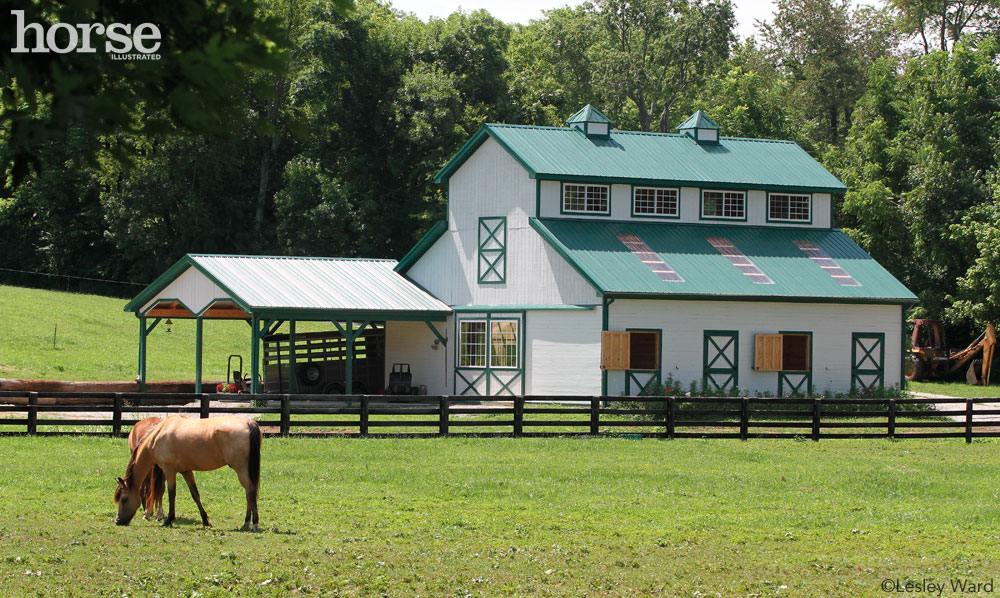
The amount of money horse people spend on their equine companions tends to vary depending on which part of the country they are located, whether they live in an urban or rural area, and whether they board their horses. The cost differences are big in some categories and virtually nonexistent in others, making for an intriguing look at what horse owners around the United States are paying.
Hay and Feed
The one thing all horse owners spend money on regardless of locale and discipline is feed. Hay and pasture are the staple of every healthy horse’s diet, often supplemented with a commercially prepared feed.
The price of hay varies considerably based on the type of hay you buy, how much you buy at once, what time of year you buy it and the area of the country you are located. Horse owners in rural areas tend to pay a lot less for hay than those in more urban communities.
“I buy my hay at different prices at different times,” says Sydnee Miller, a horse owner who lives on three acres in Gilbert, Ariz. “I have a large storage area for hay and canget 40 bales delivered for $7 a bale in August. I can get first cutting alfalfa delivered for $6 a bale. I can further reduce my price by buying 88 bales. Our bales here are three-string 110-pound bales.”
Conversely, alfalfa sold by the bale in suburban Southern California, which is about 350 miles away, is nearly $18 for a 130-pound bale, plus possible delivery fees if the horse owner does not have the means to pick up his or her own hay.
In the Pacific Northwest, Daralynn Ebbeson of Washington State pays $700 for seven tons of alfalfa. This amounts to approximately $5.50 per 100-pound bale.
Hay costs in the West appear to contrast significantly from those in the Midwest, where land is plentiful and hay is a popular crop.
“I buy 100 bales of timothy hay per year at $2.75 [per 45-50 pound bale],” says Christine Eickleberry in Columbus, Ind., who does distance riding with her two horses. “My husband and I go get it ourselves with our pickup and put it in our barn loft.”
Trainer Jennifer Merrick-Brooks, who lives in Brighton, Mich., pays approximately $4 per 50-pound bale of timothy/alfalfa or clover mix, depending on the year’s growth.
Costs in Southern horse country seem comparable to what Midwestern horse owners are paying. Sarah Evers in Lexington, Ky., reports that although prices vary by the hay dealer, she is paying about $4 to $4.50 per 50- to 60-pound bale of alfalfa-grass mix.
Supplemental feeds, or concentrates, such as senior diets and complete diets are another expense that many horse owners around the United States incur. Because these feeds are often packaged and commercially prepared, their prices vary only slightly from one region of the country to another. The average cost of supplemental feed for horse owners we polled for this article is about $10 to $30 per month, per horse, depending on the horse’s needs.
The Cost of Boarding a Horse
The cost of board varies somewhat, depending on where you are located, although surprisingly the geographic region of the country is not that much of a factor. It’s a horse owner’s proximity to urban areas that determines how much will be spent per month on board.
Alison de Lavis, whose daughter is a member of United States Pony Club, lives in Wilton, Conn., a community close to Hartford and commutable to New York City. The cost of living in this part of Connecticut is high, and horse ownership is a real luxury, Allison says. “Full livery in this area can cost from $1,200 to $2,500 [per horse per month]. We are lucky to have a spot at a stable where the families pitch in to do chores. We pay for a morning mucker six days a week. Lunchtime turnout, evening feed and weekend chores are all done in rotation by the horse owners, making our monthly boarding, hay and feed fees around $400 to $500 per month.”
In Merrick, N.Y., a suburb of New York City on Long Island, horse owner Bonnie Newitt has had to pay higher board in order to keep her show gelding closer to where she lives—which means closer to Manhattan.
“From 1990 to 2004, I boarded in a nearby county, 30 miles from my home,” she says. “The board, including feed, stall cleaning, full turnout, blanket changing and fly spraying as needed was $425 per month. The stable closed in midsummer 2004, and I moved him closer to my home to a more exclusive hunter/jumper barn. The amenities are all the same as above, except the board is $700 per month.”
Board costs seem to range around $400 per month for most areas of the country based on the horse owners we spoke to, with the exception of some stables in large metropolitan areas, which are higher. Although most big city boarding facilities charge the kinds of fees Bonnie is paying, some boarding stables in big cities are relatively reasonable. For example, Kensington Stables in Brooklyn, N.Y., charges $460 for full board, which entails an 8 by 8 foot box stall, twice daily stall cleaning, three flakes of timothy per day, and commercial feed morning and night. Additional care such as daily grooming or turnout is $100 a month more.
Veterinary Expenses
Routine vet care is fairly similar in cost throughout the country, although does vary somewhat from rural regions to more urban areas.
Whether in the country or the big city, barn call fees are a fact of life. The vets we talked to charge around $35 to $45 to come to the horse owner’s property or boarding facility, as long as it’s within a reasonable distance of 30 miles or so. Many vets will not travel beyond a certain number of miles to see clients, while others are willing to make the drive but charge as much as four times their normal barn call fees for long trips. Patti Stalley in Riverton, Wyo., says her vet charges $50 to $75 plus mileage to make a barn call.
Routine veterinary services such as floating teeth and vaccinations seem to vary from vet to vet, rather than by region. Great Basin Equine in Northwestern Nevada charges $77 to float teeth, with sedation. One horse owner in the Rio Grande region of Texas and another in Washington both pay $140 to have their horses’ teeth floated, while another owner in Connecticut pays $100 for the same service.
In Kansas City, one veterinarian charges $120 for spring inoculations. Christine Eickleberry in Indiana says it costs her $250 for her yearly vaccines, while Katie Graham in Northern California pays $178 for tetanus, sleeping sickness, influenza, rhino, West Nile, and Potomac horse fever injections every spring.
With readily available over-the-counter dewormers on the market, these days horse owners do their own deworming every few months, or daily, depending on the type of dewormer they are using and their horses’ requirements.
Paste deworming costs generally run anywhere from $5 to $15 every few months per horse, each time. Horse owners often purchase these products through mail order catalogs or the Internet to get the best prices, or from their local feed store.
Hoof Care
The cost of shoeing is one area that does seem to be affected by region. Shoers in urban and suburban areas tend to charge significantly more for their work than shoers in rural areas.
“Shoeing is my major expense,” says Christine Eickleberry in Indiana. “I have both my horses done every six to eight weeks, with my older horse just trimmed, and my other horse shod from mid-February through December. My farrier charges between $80 to $100 for a set of shoes, depending on whether I get full pads or not.”
Shoeing in more populated areas tends to vary between $110 to $135, while rural shoers are charging around $75 to $80 for a full set of regular shoes. Corrective shoeing, on the other hand, is expensive no matter where you have it done. Bonnie Newitt on Long Island is paying $175 for a set of corrective shoes on her horse.
Ray Carrasco, a farrier in Wellington, Nev., charges his clients extra for corrective shoeing. “I charge depending on how long it takes me to do the job,” he says.
Trims are noticeably cheaper than shoes, and run most horse owners between $20 and $50, regardless of where they live.
Training
Money spent on training and lessons is money well spent, as most horse owners know. The amount charged by trainers and instructors varies widely depending on the trainers’ discipline, type of training and credentials.
Last year, Daralynn Ebbeson in Washington spent $800 for 60 days of training for one of her horses. When she wants lessons, she pays $20 per hour.
In Lexington, Ky., Sarah Evers spends between $20 to $30 per hour for private lessons. She also plans to put her horse in 30 days of full training. “I expect to pay around $500 for this, which includes board,” she says. “I’ve seen this cost as low as $250 and as high as $1,000 around here.”
In her part of Wyoming, Patti Stalley reports that group lessons run anywhere from $10 to $30 per hour, $50 for private. She says that training is $650 to $850 per month, depending if cattle are used for the training.
Some horse owners opt to participate in training clinics instead of or in addition to one-on-one lessons or training. “I’ve attended barrel racing clinics here that cost about $350 to $400 for a weekend,” says Debra Knapp in Nevada.
Sydnee Miller of Arizona says she attends clinics both locally and out of state. “I ride with Ray Hunt and have for many years,” she says. “I consider those fees ‘college tuition.’ All clinicians run about the same: $300 to $500.”
Other Necessities
Horse owners also spend money on a variety of other items and services on a regular basis, including the following:
Trailering
Many horse owners we spoke to have their own trailers, for which they paid anywhere from $1,500 for a used two-horse trailer to $50,000 for a large, brand-new gooseneck with living quarters. Horse owners who don’t have their own rig pay trailering fees. One dollar a mile is not an uncommon fee to pay for some horse owners, while others, such as Bonnie Newitt, pay $50 to $125 roundtrip to go 20 miles.
Julie Thomas in Richardson, Texas, uses her four-horse trailer to make extra money by providing services to horse owners who don’t have their own trailer. “I charge $45 for each horse for hauling [up to an hour away],” she says.
Sheryl Levin in Waupin, Wisc., notes that when it comes to trailering costs, fuel is the biggest issue, although she does spend money on maintenance. “My trailer is a two-horse straight load that I purchased about four years ago for $5,000,” she says. “My basic yearly expenses include storage over the winter months, and repacking bearings and such. This year we had to put in a new floor. So on an average, without fuel, trailer upkeep is about $50 per month.”
Tack
As most horse owners have discovered, buying tack requires a large initial outlay. Fortunately, tack tends to last a very long time, and so is not a frequent expense.
“We have acquired a lot of tack over the years,” says John Wurzler in Mason, Mich. “We have 12 different saddles [for three horses]: one dressage, one flat, one eventing for each horse, plus western and barrel racing saddles. The cost of the gear is in the thousands. Last year, we acquired two new saddles, the total cost of which was $2,500. Our tack expenditure on an average monthly basis is $208.”
Distance rider Sheryl Levin rides hard and goes through saddles much more quickly than most horse owners. “I run in Abetta Endurance Saddles and biothane tack,” she says. “Normally the life span of my saddles is around five years, and my biothane tack is pretty much a given for 10 years of wear. The biggest expense for tack that I have is cinches and saddle pads. I probably spend roughly less than $10 per month on average. I get most of my tack from eBay.”
Supplements
Many horse owners give their horses a dietary supplement of some kind. Everything from joint supplements to hoof and coat supplements to probiotics find their way into a horse’s feed. The cost of these items adds up for horse owners, especially those with multiple horses.
“When it comes to supplements, my cheapest horse costs me $20 per month, while my most expensive horse is $80 per month,” says Laura Hale of Indianapolis, Ind.
The average cost for most horses runs anywhere from $20 to $40 per month per horse for dietary supplements, although high maintenance horses that are on several different supplements can cost their owners well over $100 a month.
Most horse owners who feed supplements to their horses are savvy about shopping around and finding good prices for these products. Mail order catalogs and the Internet often prove to have the best deals, although you have to factor in shipping.
No matter how you slice it, horse ownership is an expensive game. It helps to know that wherever you live in the United States, or how many horses you have under your care, plenty of other horse lovers are out there spending a lot of money, just like you. Although money may be tough all over, the enjoyment we get from our horses is priceless.
This article originally appeared in the August 2005 issue of Horse Illustrated magazine. Click here to subscribe!
Equine Skin Problems
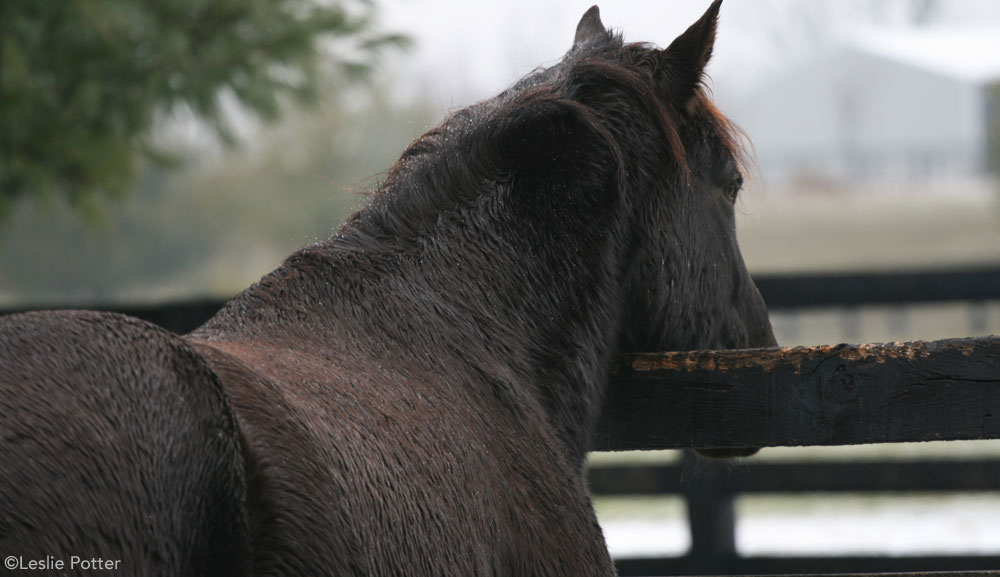
The signs are obvious: A couple of scaly, crusty areas on your horse where the hair has fallen out. Your horse has some sort of skin disease, but what? And, more importantly, what should you do? Attempt to treat your horse yourself but risk a delay in getting the right kind of treatment for your horse? Summon the veterinarian to your farm, only to be told to administer a common, over-the-counter medicated shampoo?
Knowledge is Half the Battle
Effective treatment begins with appropriate treatment, and the foundation for appropriate treatment is recognizing the skin condition.
“Skin diseases are caused by infectious agents (bacteria, fungi, parasites, viruses), allergies (to insect bites, dietary factors, drugs, environment), abnormal reactions to sunlight, physical and chemical agents, hereditary factors, or they can be neoplastic [cancerous] in origin,” explains Sandy Sargent, DVM, resident in veterinary dermatology at the University of Tennessee.
Many of these disorders share the same appearance—various degrees of hair loss, itchiness, lesions that may or may not be painful to the touch, oozing sores or skin that is reddened, crusty, scaly, flaky, thickened or swollen. So while clinical signs and history are sometimes all that’s needed to identify some problems, other skin conditions require testing to diagnose. Consequently, the absence of an accurate diagnosis makes it trickier for the horse owner to supply a successful best-guess treatment.
Most skin diseases clear up quicker with early diagnosis and correct treatment.
“Diseases like pastern dermatitis (greasy heel, scratches) can be difficult to cure if the underlying cause is not diagnosed and treated early,” Sargent warns. “And while many diseases are self-limiting (they can and will heal on their own), inappropriate treatment can interfere with this healing process.”
That said, Sargent says that it’s usually OK for horse owners to try to treat mild cases of hair loss and crusty lesions with over-the-counter antibacterial and antifungal shampoos and/or sprays.
“Look for products containing chlorhexidine or Betadine,” she says. “Avoid products that do not list ingredients. Be sure to rinse the shampoo out well and dry the horse quickly, as a persistently damp coat can be a cause of skin problems. If the horse has a thick winter coat, spot-treat the affected areas instead.”
If the condition worsens soon after applying a topical product or doesn’t improve within seven to 10 days, stop the treatment and call your veterinarian. You should also seek veterinary advice if multiple horses, people and/or other contact animals are affected; if the lesions grow or spread rapidly, or if any tumors are found.
Skin Specifics
To help you better understand the most common (and not so common) skin problems that affect horses, here’s a closer look at causes and cures.
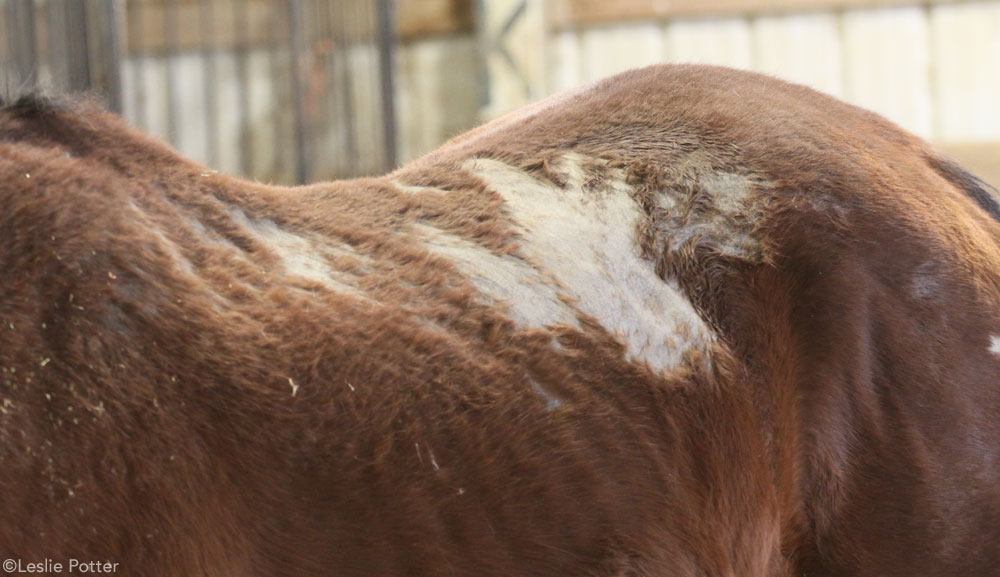
- Dermatophilosis (rain rot, rain scald, mud fever) is a bacterial infection aggravated by prolonged exposure to moisture coupled with injured skin. “Chronically infected animals are the primary source of infection,” Sargent explains. “Transmission can occur by flies, ticks, grooming equipment and tack. Once the disease has occurred within a barn or an individual horse, it is generally there to stay, just waiting for favorable weather conditions to reappear. In fact, any horse can be infected and once they have been, will often get it every year.”Look for: Lesions over the back and rump, although any area can be affected. “The lower layer of hair is firmly matted in small scabs which, when plucked may leave a characteristic ovoid [egg-shaped] bleeding surface,” Sargent says. “The undersurface of the scab is concave with the roots of the hair protruding and may have a covering of yellowish-orange pus. The affected areas are sore to touch, but are not itchy to the horse.”Treatment: Often resolves spontaneously after moving the horse to a dry environment. Also helpful is daily bathing with antimicrobial shampoos (chlorhexidine or povidone iodine) for the first week, then twice weekly until healed. Severe cases require oral or injectable antibiotics.
- Staphylococcus aureus is a highly resistant bacterial infection, reports Fairfield T. Bain, DVM, who practices at the Hagyard Equine Medical Institute in Lexington, Ky.Look for: Warm painful skin, focal crusts, most commonly in the pastern region, but similar lesions elsewhere on the skin can occur. “In some cases, the infection seems to rapidly involve deeper tissues,” Bain warns. “If allowed to become chronic, the underlying tissue can begin to scar and thicken.”
Treatment: “With the increasing resistance issues of certain bacteria, especially Staphylococcus, it is important to obtain a culture and sensitivity pattern to make sure that the correct antimicrobial agent is selected,” Bain emphasizes. - Dermatophytosis (ringworm) is caused by various fungi. “The organism invades the hairshaft, weakening it and causing it to break off,” Sargent says. “Predisposing factors include age (young and aged), poor nutrition and crowded conditions. The fungi can persist in the environment for up to one year and therefore are an important source for reinfection. Horse-to-horse transmission is common, especially in groups of young horses or in sick horses that are immunosuppressed. Spread of the spores via infected tack, blankets, bedding, trailers or fencing can occur. It is rare for healthy horses to get ringworm more than once as usually a horse develops immunity after being infected.”
Look for: Small hairless lesions that sometimes look like hives and scaly or crusty areas, typically located in the saddle, face and neck areas. Lesions may or may not be itchy or painful.Treatment: “Ringworm is usually self-limiting, with the horse getting better in one to three months without treatment,” Sargent states. “Exposure to sunshine is thought to be beneficial. To shorten the course of the disease, affected horses can be treated topically with a wide variety of antifungal treatments, such as chlorhexidine, miconazole, nystatin, terbinafine, et cetera. Widespread lesions are best treated with antifungal rinses or dips, such as lime sulfur or even diluted vinegar. Disinfecting the environment, tack and grooming equipment with diluted bleach or commercial antifungal premise sprays is extremely important.”
- Lice and mite parasitic infestations most commonly occur in late winter and early spring when the horse’s hair coat is at its longest.
Look for: Extreme itchiness. Additionally, horses troubled by lice often rub or bite at affected areas (usually the legs).Treatment for both problems: Includes topical insecticides, selenium sulfide shampoos, lime sulfur dips and oral dewormers, such as ivermectin. All in-contact horses and the environment must be treated. Treatment often needs to be repeated at least once, as new lice and mites can hatch from eggs (which are impervious to treatment).
- Culicoides hypersensitivity is an allergic response to gnat bites. “This very itchy disease is initially seen only in the warmer months,” Sargent reports. “As affected animals age, the disease generally becomes more severe and reactions can be seen year round.”
Look for: Peeling skin, crusts, scaling, hair loss and redness primarily involving the forehead, crest of neck, withers, shoulders, rump, ventral midline and the base of the tail.Treatment: “There is no cure, therefore, management is extremely important in providing comfort to these allergic horses,” Sargent says. “Since culicoides are primarily night feeders, keep the horse inside from dusk to dawn. Fly spray repellent is a must. In severely affected horses, prednisone is usually necessary to control the itchiness.”
- Squamous cell carcinoma is a malignant skin tumor of the outermost layer of the skin. It’s primarily found in light-colored skin, eyelid area, genital area and occasionally the mucous membranes.
Look for: Reddened, roughened or ulcerated skin.
Treatment: Removing or debulking the tumor, chemotherapeutic drugs, cryosurgery (destruction of unwanted tissue by freezing), anti-inflammatory therapy or radiation therapy. - Sarcoids are the most common skin tumors of the horse, Sargent says. “Thought to be viral in cause, sarcoids frequently occur in areas subject to trauma and may spread to other areas on the same horse or to other horses through biting, rubbing, fomites (inanimate objects such as tack, grooming tools, et cetera) or insects.”
Look for: Wart-like, proud flesh-like or flat plaque surfaces, usually on the ears, lips, neck and ventral abdomen or around the eyes.
Treatment: Surgical removal, topical therapies. - Equine ear papillomas are viral-induced skin tumors likely transmitted by black flies, Sargent reports. They occur in horses of all ages.
Look for: Warts in the ear.
Treatment: Topical products, although rarely effective. - Viral papillomatosis (warts) are also viral-induced tumors that occur in young horses less than 1 year of age.
Look for: Small warts on the muzzle and lips.
Treatment: “Spontaneous resolution usually within three months, although a vaccine made from the wart itself has been used and may speed resolution,” Sargent says. “Surgical excision or cryosurgery are effective if removal for cosmetic reasons is needed.”
- Melanoma is a common tumor in older horses and is seen more often in gray or white horses.
Look for: Round, nodular or ulcerated slow-growing lumps underneath the tail, perianal region; less commonly on the lips and base of the ears.
Treatment: Surgical excision unless tumors are numerous.
- Pemphigus foliaceous is a relatively common autoimmune skin disease that can become very severe and affect much of the body. “Because of the severe crusting it can be very painful,” says Bain. It usually affects horses age 5 years and older.
Look for: Painful crusty or blistering skin most commonly affecting areas on the head and lower extremities, although other areas can be involved. Lesions tend to develop in waves and coalesce to form larger and more diffuse areas of crusting.Treatment: “Often a lifelong process, involving the use of significant immune-suppressive medications (corticosteroids and other immune-suppressive drugs),” Bain states.
- Bullous pemphigoid-like disease is a blistering, autoimmune disorder occasionally seen in foals. “This condition results in blisters that progress to ulcers in the mouth, around the eyes and anus,” Bain explains. “This may be due to antibodies in the mare’s colostrum that react to certain components of the foal’s skin.”
Look for: Blisters around the mouth, eyes and anus. Affected foals often drool and do not nurse well.Treatment: Generally involves antibiotics and topical treatment of the oral ulcerations to aid in healing, sometimes supplemental feedings until the oral ulcerations heal.
- Allergic contact dermatitis occurs when irritating substances come into direct contact with the skin of hypersensitive horses. Irritants vary, but can include bedding, fly sprays, shampoos, liniments, et cetera.
Look for: Lesions occur in areas that come in contact with the offending substance and vary from mild redness, flaking and itching to severe hair loss, skin thickening, pain and occasionally skin sloughing.Treatment: Remove the causative substance and wash the skin with copious amounts of water. “In severe cases, topical or systemic anti-inflammatories and antibiotics may be required,” adds Sargent.
- Urticaria (hives) is a common, allergic response that can be caused by many things, including diet, insect bites and drugs (the most common cause).
Look for: The sudden appearance of hive-like lesions, which can occur anywhere on the bodybut typically on the face, neck, chest and upper legs, Sargent says. “They may or may not be itchy. Lesions typically last from a few hours to a few days.”
Treatment: Identifying and eliminating the causative agent. According to Sargent, “Severe urticaria reactions can be treated with antihistamines (hydroxyzine hydrochloride) and corticosteroids.”
- Photosensitization is an abnormal, inflammatory skin reaction to UV light that occurs in areas with white hair and pink skin. “A systemic disease, there are two forms of photosensitization,” Sargent explains. “A primary form associated with eating certain plants (St. John’s Wort, oats, clover, vetch, alfalfa, et cetera), and a secondary form that occurs with liver disease.
Look for: Skin that becomes swollen, red, cracked and oozing. In many instances there will be loss of skin. With secondary photosensitization, the horse will also be itchy.Treatment: “Primary photosensitization is treated by eliminating access to the offending plants and keeping the horse out of the sun,” Sargent says, noting that topical antibiotic/steroid ointments are also beneficial. “With secondary photosensitization, treatment is directed toward managing the liver problem.”
- Pastern dermatitis (greasy heel, scratches, mud fever, cracked heels) is a syndrome caused by a variety of diseases including bacterial infections, dermatophilosis, fungal diseases such as ringworm, chorioptic mange, irritant contact reactions, photosensitization, et cetera. Draft horses with a lot of feathering on their legs seem to be particularly susceptible.
Look for: Inflammation and foul-smelling crusts on the rear half of the pasterns and matted hair.Treatment: Treat the underlying cause; remove the horse from unsanitary, wet conditions; and minimize contact with irritating chemicals, plants, et cetera. Gently clip and clean the area, and apply shampoos, soaks, topical or systemic antibiotics and/or steroids per veterinary recommendation.
Risk Reducer
You can help reduce the risk of your horse developing skin problems by utilizing appropriate management practices. “Good insect control is very important, as insect bites and insect allergies are a common cause of itchy skin,” Sargent says.
Avoid excess bathing with shampoo, which can contribute to or cause skin disease. Limit your horse’s exposure to rain, provide shelter for outside horses, and groom regularly (but not excessively) with clean grooming equipment. Don’t share tack or grooming supplies with affected horses. “Frequently run your hands over your horse,” Bain says. “This can be one important way to find skin disease as you might feel a nodule or crust before it becomes visually obvious.”
Be wary about using home remedies recommended by other laypeople. “Some can be very irritating to the skin,” Sargent warns. “Products containing full strength iodine, alcohol, hydrogen peroxide, bleach, fungicides, turpentine, kerosene, motor oil, Listerine, et cetera. My rule of thumb is if I wouldn’t put it on my own skin/wound, I wouldn’t use it on my horse!”
Stay away from products that don’t list ingredients, and avoid using multiple products or switching from one product to the next from day to day; this makes it difficult to determine whether any one product is working or whether the products themselves are perpetuating or causing skin lesions. Only use products developed for horses—they are made to address equine pH levels.
Should your horse develop skin problems, don’t push the panic button. With mild cases, shampoo or spray with antibacterial and antifungal products, as described earlier, and monitor your horse’s condition. If you don’t see improvement within seven to 10 days, or your horse’s skin problems spread or worsen, summon your veterinarian.
Further Reading
Mud-Related Health Problems
Marcia King is an award-winning freelance writer.
This article originally appeared in the August 2005 issue of Horse Illustrated. Click here to subscribe.
All About Hay
 The decision about what kind of hay to feed your horse is not an easy one, even if you know a thing or two about equine nutrition. After all, with several types of hays available at your feed store, how can you possibly know which one is right for your particular horse?
We asked equine nutritionists, whose goal is to provide horses with the most balanced nutrition possible, to help explain the answer to this question.
Making Hay
Hay is a harvested plant that has been dried and cured after being cut in the field at various times in its growth period, depending on the type of hay. The leaves grow out first, the plant develops a bud, the bud becomes a bloom, and the bloom eventually goes to seed. In most cases, hay is cut during the late bud or early bloom phase. This method maximizes hay’s nutritional value and extends the amount of hay yielded per acre.
The fiber content of hay increases as it grows,while the protein content diminishes. Most of the protein found in hay is in the leaves, while the stalks are richer in fiber.
In order to produce quality hay suitable for feeding to horses—free of dust, mold and weeds—it must be cut at the right age and when the weather is dry and warm. After being cut, the hay dries in the field before it is baled.
A vast array of hays are commonly fed to horses in the United States, including timothy, orchard, alfalfa, coastal, oat, fescue, clover and rye, to name just a few.
Most horse owners are familiar with only a few types of hay, depending on the part of the country in which they live. However, a vast array of hays are commonly fed to horses in the United States, including timothy, orchard, alfalfa, coastal, oat, fescue, clover and rye, to name just a few.
Each type of hay falls into one of two categories: legumes and grasses. Commonly fed legume hays include alfalfa and clover, with most other hays falling into the grass family.
“Within the grasses, there are cool-season and warm-season varieties,” says Juliet M. Getty, Ph.D., an equine nutritionist in private practice in Haslet, Texas. “Cool-season grasses include timothy, orchard grass and fescue. These grasses grow best in areas where the summer season is not very hot. They have a slightly higher sugar level than warm season grasses and are therefore preferred by horses because of their taste. Warm-season grasses include bromegrass and coastal Bermuda.”
There are cereal grain hays as well, such as barley, oat, wheat or rye, which are also types of grasses. Getty cautions, “Grain hays tend to be higher in nitrates. While horses can tolerate nitrate levels up to 2 percent, it is best to have the hay tested before being fed. If this is the main source of forage in the diet, the horse will consume too much starch, leading to such problems as obesity, metabolic syndrome, and even laminitis,” she says.
Grasses Versus Legumes
In order to make the right choice for your horse’s diet, it’s important to understand the nutritional value of legume and grass hays, and how the two types complement each other.
“Grass hays have a medium to low protein content,” Getty says. “They are low in the essential amino acid, lysine. Therefore, they are best fed as part of a feeding plan that includes a legume [or a supplemental feed] to balance out the amino acid profile.”
Getty notes that the fiber content of most grass hays is relatively high, compared to other types of hays. For example, orchard grass, timothy and coastal Bermuda have more stalks, and hence more fiber, than leafier bromegrass or fescue.
Grass hays are also low in calcium, zinc, selenium and vitamin E. Timothy is somewhat higher in calcium than other grass hays and has a favorable calcium-to-phosphorus ratio; it also contains a substantial amount of vitamins A and D. When it comes to prairie or wild native grasses, these hays are typically lower in protein content than other grass hays. Their vitamin and mineral content is also lower. Generally, these grasses are combined with several weeds when grown, which pull nutrients from the grass plant.
“Grass and small grain hays vary greatly in nutritive value and palatability, depending on the variety, where it is grown and stage of maturity when harvested,” says equine nutritionist William A. Schurg, Ph.D., professor and equine specialist at the University of Arizona in Tucson. “Grass hays typically provide less protein and energy than good quality legumes. Because grass and cereal hays tend to have higher levels of fiber content and relatively low nutrient content, this makes them ‘safer’ to feed to horses in a free-choice setting. The exception to this would be fescue grass, which can contain an endophyte [an organism] which may cause problems in pregnant mares, such as abortion, stillborn foals and agalactia [a faulty secretion of milk].”
Conversely, legumes tend to be rich in nutrients and provide more energy than grass hays. Alfalfa is one of most commonly fed legumes and is widely available in many parts of the country.
“Alfalfa hay is well accepted by horses,” says equine nutritionist Robert Wright, Ph.D., veterinary scientist for equine and alternative livestock at the Ontario Ministry of Agriculture and Food in Fergus Ontario Canada. “Alfalfa hay has to be fed with some care because of its high calcium level in relation to phosphorus, which ranges from 5:1 to 8:1.”
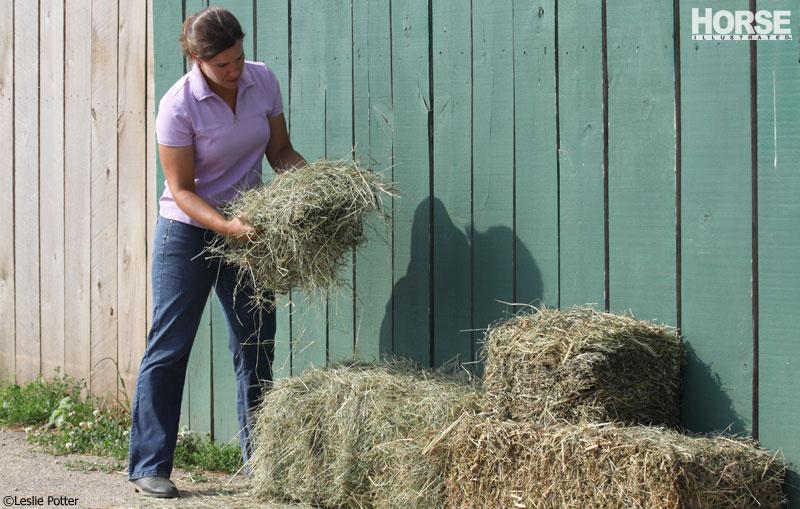
Alfalfa is an excellent source of protein and energy, according to Wright. “Adult horses require 10 to 11 percent crude protein in their overall diet, while growing horses require 12 to 14 percent,” he says. “Pure alfalfa hay, as found in second cut hay, can have protein levels up to and exceeding 18 percent protein. This high level of protein is not required for most horses.”
Wright notes that excess protein from both hay and grain feed sources is broken down into carbohydrates that serve as an additional source of energy. One downside of alfalfa consumption is that it can lead to increased urination and wetter bedding. Horses on light work schedules may also develop excess energy when fed an exclusive diet of alfalfa.
Schurg points out that healthy horses fed alfalfa hay are not at risk for kidney problems. “I believe that the kidney situation is a long-time wives’ tale that has no merit based on use of alfalfa hay and the healthy horse. I believe that a healthy horse that eats alfalfa hay, has plenty of water to drink and no prior kidney disease is not going to have any problems.” However, he does warn that there should be limited or no access to alfalfa for horses with possible or existing kidney problems.
Clover is another commonly fed legume hay and one that is particularly enjoyed by horses, according to Wright. “Horses like clover and will select the highly palatable clovers from the pastures and hay,” he says. “The white clovers have 1/3 less fiber content than other roughages, such as bromegrass and alfalfa.”
Wright notes that white clover, in its lush stage of growth, could contain as much as 22 to 25 percent crude protein. This hay also has a high digestible energy content. Schurg explains digestible energy content as the portion of hay that is digested and used for energy by the horse.
What to Feed?
With all this variation in nutritional value and digestible energy, it can be difficult to determine which types of hay to feed your horse. However, if you are like most horse owners, you’ll be limited in your decisions based on your geographic location—not all hays are available in all places. Whatever individual hays are sold in your area, the best option is to combine legumes and grasses to keep your horse healthy.
“Grass hay cannot provide all of the nutrients a horse needs to be healthy, so even the finest grass hay will require additional sources of nutrients either from other feedstuffs, such as legumes, other forages, concentrates or from supplements,” Getty says. “Grass hay acts as a staple to the diet by providing a continual source of roughage, which is necessary for the health of the digestive tract. Grass hays are lower in calories than legume hays and therefore are less likely to create weight gain.”
It’s also important to note that alfalfa, alfalfa mixes and clover mixes are highly suitable for horses that require additional amino acids and calcium for growth and performance. “Pregnant and lactating mares, young, growing horses, performance horses and horses with suppressed immune function will benefit from the additional nutritional value that legumes provide,” Getty says.
If a horse is being fed hay that does not have a high nutritional content, he should receive a vitamin/mineral supplement to compensate for the hay’s nutrient deficiency, Getty continues. “Vitamins, such as vitamin C, vitamin E and the vitamin A precursor, beta carotene, are easily destroyed by excessive exposure to sunlight, heat and moisture,” she explains. “Hays, especially legumes, are low in zinc and selenium, so supplementation is important here, as well. Since alfalfa is high in calcium and low in phosphorus and magnesium, it is necessary to balance it with other forages or feeds that can provide the additional phosphorus and magnesium.”
Ensuring proper nutrition can be easier when a complete ration is used. “If a complete ration is added to a hay diet in amounts that are appropriate for the horse’s age, weight and work level, an additional vitamin/mineral supplement should not be necessary,” Getty says. For the healthy adult horse, Getty believes that hay and a complete ration should be adequate.
“It is true that a legume and grass combination may not meet all the needs of the horse; however, indiscriminate supplementation would not be my recommendation until an extensive hay analysis is conducted,” Schurg says. “Once one knows which nutrients are likely deficient then an appropriate supplementation program can be initiated. Too many horse owners want to add a dab of this and that and run the risk of oversupplementation. Consider that the bulk of our horses are only on light work, or less—a good quality mix hay would likely meet the primary needs of the horse at maintenance.”
Given this reality, feeding both grasses and legumes is important in order to provide the right balance of nutrients and high-quality protein. “It’s important to understand how each type of hay contributes toward this goal,” Getty says. “Legumes are slightly low in the essential amino acid methionine. On the other hand, they are high in the essential amino acid lysine. Therefore, it is beneficial to create a balance by feeding legume hays with grass hays. The high lysine content of legumes boosts the quality of grass hays, and the high methionine content of grass hays boosts the quality of legumes, thus creating a complementary protein that is of high quality.”
Feeding a poor quality protein will result in a horse that is less able to produce body proteins including muscle, bone, tendons, red blood cells, skin, hair, hooves, enzymes and antibodies. “Instead of paying close attention to the percent crude protein value of a hay, horses would be better served by mixing hays to create a feeding regimen of high quality,” Getty says.
“Horse owners should find the highest quality hay they can afford to buy within the geographical area they live in.”
Quality is also an issue when determining which hay to feed your horse, according to Schurg. “Horse owners should find the highest quality hay they can afford to buy within the geographical area they live in,” he says. “Hay will generally make up at least 50 percent of the horse’s daily diet. Horse owners need to make sure the hay is clean, is a desirable stage of maturity, is readily consumed by the horse, and is free of dust, weeds and mold.”
Schurg notes that many owners will find feeding a combination of grass with alfalfa to be the best fit for their horses’ needs. “Keep in mind that roughage is the foundation of a safe and successful feed program,” he says. “Spend time selecting the best forage you can afford to buy.”
Further Reading
Choosing Good Hay >>
Hay Buying without the Hassle >>
This article originally appeared in the September 2005 issue of Horse Illustrated. Click here to subscribe.
Healthy Horse
Do you know the signs that your horse is healthy?
You know your horse is sick when he won’t eat his feed, and you know he needs the vet when he has a huge cut that’s bleeding.
But do you know what to look for to tell if he is healthy every day?
Here are some things to check every time you visit your horse to be sure he is healthy and happy.
Eyes
One of the first things you look at is a horse’s face, right? When you look into his eyes, are they bright and clear or are they cloudy with a milky color to them? Clear, bright eyes are a sign of good health.
If there is any discoloration to the eye, call your vet to be sure that your horse doesn’t get an eye infection.
There shouldn’t be any discharge from his eye. If there is, it means that there’s something in his eye that is irritating him and making it tear. If the discharge is yellow or greenish in color, he may have an eye infection.
Ears
The ears are a great indicator of how a horse is feeling. They should not be crusty and filled with grit; they should be clean and free from sores.
Protect your horse’s ears so flies and other insects don’t bite them. Itchy ears can make your horse shake his head when you try to put his bridle or halter on him.
Nose
There should not be any kind of discharge from a healthy horse’s nose. Don’t be worried if there’s a bit of clear secretion, but if it’s yellow or greenish, your horse is probably sick and you need to call the vet.
Nostrils should be clean and not filled with dirt—this can make your horse sneeze and cough.
If your horse has a light-colored muzzle, be sure to put sunscreen on it so it doesn’t get sunburned and become painful.
Breathing
When a horse is resting, you should not be able to hear him breathe. If you can hear the air go in and out, something may be wrong. He may have heaves (like human asthma) and need to be kept away from dirt and dust.
Your horse should not cough or blow air through his nose repeatedly; this could mean that he has a cold that needs to be taken care of immediately.
Call your vet if your horse is having trouble breathing, she may put him on some antibiotics and you may have to keep him away from other horses.
Weight
Is your horse fat? If so, he’s probably getting too much food. Check with your vet or a feed specialist to be sure that your horse is getting the right amount of food for his exercise level and body type.
If your horse is skin and bones, ask the pros what type of feed or supplements you should be feeding to bulk him up.
Your horse’s weight is one of the best indicators of how healthy he is. An overweight horse can be just as unhealthy as a skinny one.
Energy
Do you have to work just as hard as your horse to get him around the ring? Or, is your horse bouncing off the walls of his stall waiting to be let out? Both of these behaviors are indicators of his energy level.
You don’t want a horse that is so tired that he can’t move, but at the same time you don’t want a horse that is so hyper you have to lunge him for an hour before you ride.
Your horse gets energy from his food, so be sure to ask an equine nutritionist (some feed stores have them) about the amount and type of feed your horse is getting to make sure it’s the right amount for him.
Hooves
Are your horse’s hooves dry, long and cracked? Or are they solid, trimmed and hard? An old saying goes “no hoof, no horse.” How true it is! If your horse’s hooves are not taken care of, you won’t be able to ride him at all, and that’s no fun!
Make sure your horse gets his hooves trimmed every six to eight weeks and that he doesn’t have any other problems, for example thrush. In the summer, oil his feet if you’re riding in a dry, dusty arena.
Legs
Feel your horse’s legs every day to make sure there’s no heat or swelling in them. If they are warm to the touch, this is a good indicator that something is wrong and he might be sore.
Your horse’s legs should be cool and tight. If they are warm, jog your horse in-hand to see if you can tell where he is lame. If he is, call your vet or a knowledgeable adult to find out what is wrong.
Make sure you feel all the way down the leg to the hoof. If his hooves are warm, he could have an abscess or be foundering.
Coat
Your horse’s coat should be shiny and it should shed out when the weather warms up. If his coat is dull, rough or not shedding out, he is not as healthy as he should be.
You may need to add a little more elbow grease to your grooming routine or you may need to check his feed to make sure he is getting enough vitamins and minerals.
If he doesn’t shed out or if he grows a long coat even in the summer, he could have Cushings, a disease like human diabetes. Ask your vet if she thinks there is a problem.
Run your hands all over his body to make sure he doesn’t have any lumps, bumps or bruises that are causing him pain. If you find a cut or scrape, clean it right away with fresh water and call the vet if it’s very deep or looks infected.
* This article first appeared in the July/August 2005 issue of Young Rider.
Subscribe today!
Update on Navicular Disease
 Veterinarians and researchers often debate the semantics and definitions of navicular disease, navicular syndrome and navicular-type pain. Susan Dyson, MA, VetMB, Ph.D., FRCVS, head of Clinical Orthopaedics at the Centre for Equine Studies at the Animal Health Trust in Newmarket, England, is considered a leading authority on lameness in the horse. When asked to clarify the murkiness surrounding this unfortunate equine condition, Dr. Dyson’s response is quite clear. “I think navicular syndrome is a rather meaningless term, coined largely because historically we often were dealing with a horse’s palmar foot [heel] pain for which we did not have a definitive diagnosis.”
Dr. Dyson prefers the term navicular disease, but clarifies that it “should only be used for those horses with definitive abnormalities of the navicular bone.” There are many other conditions that can cause pain in the heel area, but she cautions that they should not be put in the same pot as navicular disease.
Navicular disease is a chronic, or at least recurrent, lameness condition. Because of the navicular bone degeneration that occurs, some veterinarians put navicular disease in the same category as “degenerative joint disease,” or arthritis, for which there is no cure.
You probably know a horse that’s been diagnosed with navicular disease—perhaps it’s your horse. But was the diagnosis accurate?
Navicular disease is far less common than most people think. Soft tissue injury/disease in the structures surrounding the navicular bone are far more likely than navicular disease. Interestingly, many sound horses show navicular bone changes on radiographs (X-rays), while many horses suffering “navicular-type” pain have clean X-rays. For these reasons, it’s probably unwise to label a horse as having navicular disease without thorough diagnostics to back it up.
The Horse’s Achilles Heel
The navicular bone is a very complex component of the horse’s foot function: It’s a pivot point at the back of the coffin joint, crisscrossed by ligaments and cradled by the deep digital flexor tendon, which extends the length of the leg and attaches at the bottom of the coffin bone. The navicular bone stabilizes the deep digital flexor tendon to the coffin bone; a tiny sac called the navicular bursa acts as a cushion between the tendon and navicular bone. While a diseased navicular bone can cause pain in the horse’s heel region, so can any one—or several—of these structures if there’s a problem.
| Diagnosing Heel Pain Besides navicular disease, there are many things that can cause pain in the horse’s heel region. Here’s a look at where things can go wrong: * Strained distal sesamoidean impar ligament * Changes of the collateral ligaments (visible with MRI) of the navicular bone * Mismatched feet (usually one foot has a long toe/low heel, while the other foot is more upright) * Deep digital flexor tendon lesions * Adhesions between the deep digital flexor tendon and the distal sesamoid bone * Fibrocartilage on the bottom of the navicular bone * Navicular bursa inflammation * Hypertension of blood vessels within the marrow of the navicular bone * Coffin joint arthritis |
When a horse is painful in the heel area, there is always a possibility of fresh trauma. Heel pain related to an injury is sudden—a bad landing from a jump, too much pounding on pavement. Primary soft tissue injuries of the deep digital flexor tendon, collateral sesamoidean ligament, distal sesamoidean impar ligament or collateral ligaments of the distal interphalangeal joint, for example, all present as heel pain.
Of course pain in the heel area can also have a slow onset, indicative of degeneration of the navicular bone, or navicular disease. Dr. Dyson says she also sees horses with both navicular disease and soft tissue injury or disease.
Diagnosis
Before the advent of more sophisticated diagnostic tools, the cause of pain in the palmar area of the foot was difficult to pinpoint. Now, using traditional diagnostics such as X-ray and local analgesic techniques (nerve blocks), along with the advancement of ultrasound, scintigraphy and magnetic resonance imaging (MRI) for use on equines, finding the cause of heel pain in horses has become a much more precise science. Looking into the foot with MRI, it is possible to view bone and soft tissues in great detail, on images that resemble sequential slices, just as we would see inside a loaf of bread, slice by slice.
“I strongly believe that MRI has revolutionized our ability to diagnose causes of palmar foot pain and is helping our understanding of the disease processes,” Dr. Dyson says. “We can now tailor therapy to the specific injuries/diseases.”
In the case of navicular disease, Dr. Dyson believes MRI really complements traditional X-ray. “I think that we are now in a better position to interpret radiological abnormalities of the navicular bone, based on our experience with MRI. Since the advent of MRI, we have become aware that there are probably several different types of navicular bone disease that may not be due to the same causes.”
Considered a breakthrough on the diagnostic front, “standing” MRI is being used at a few equine hospitals across the country to evaluate soft tissue and bone (done while the horse is standing and only mildly sedated). Traditional MRI requires that the horse be laid down under general anesthesia.
Diagnosing any lameness can get expensive. Nerve blocks and X-rays are just the beginning. If you opt for additional diagnostics, your horse may need to be transported a long distance to receive scintigraphy, ultrasound or MRI. Fees can quickly escalate to $1,000 or more, depending on tests, but since the future performance of the horse is at risk, this may be a good investment. “Do it now or do it later” applies here. Evidence of injury early on may save time and money on expensive shoes or medications.
In addition to diagnostics, help your veterinarian by researching your horse’s past if possible. If you know your horse’s bloodlines, what evidence of navicular disease is present in your horse’s dam and sire? Are other offspring of either parent compromised by similar lameness? While this information may offer clues, family history is subjective. Research is ongoing as to whether genetics play any role in navicular disease.
Managing Navicular Disease
The prognosis for horses with navicular disease is uncertain. Even with the best possible care, some horses continue to be lame. Given this information some owners retire their mounts, while others attempt to manage the disease and keep their horses in work. Neither decision is right or wrong, but ensuring the horse’s quality of life is always the first priority. Some horses simply need a career change or to work only on soft footing. Here’s a look at commonly used therapies:
Hoofcare: Keeping the hooves balanced and trimmed on a regular basis is foremost in managing all horses. Conditions like long toes/low heels, sheared heels, sheared frogs, wall flares and contracted heels are signs of feet in trouble. Whether they are the cause or effect of a lameness problem is not as relevant as devising a plan to restore hoof balance through proper trimming and management.
Manipulating foot support to relieve pressure on the heel area is a key concept in therapeutic farriery. The most essential elements of managing horses with heel pain are to ensure, 1) that the hooves are balanced and level; 2) that the farrier eliminates a long toe condition; and 3) that the horse is shod to the widest part of the frog to provide ample support of the rear of the foot.
Before applying any corrective shoes, care should be taken to allow the foot to recover from imbalance and contraction, and to benefit from healthy circulation. Many farriers and vets prefer resting the horse for weeks or months without shoes, in hopes of encouraging better support and circulation within the foot. But some of these horses are too painful when shoes are removed for extended periods of time, so this may not be possible.
Wedge pads and bar shoes were state-of-the-art therapeutic treatments 10 years ago, and are still successful for short-term therapy on some horses, but farriers are careful about applying devices that may actually lead to more problems for the horse. Wedge pads can actually cause more heel compression, and there is a downside with bar shoes, even when properly applied: They are heavy for the foot to lift and can cause increased tension on the deep digital flexor tendon and navicular apparatus.
When it comes to shoeing a horse with navicular disease, experienced farriers often begin by extending the base of support under the foot and by increasing the width of the shoe. Narrower shoes may sink deeper into the ground and force the horse to work harder; a wider shoe is more likely to “float” the horse over the surface and increase ground contact. Sole-support materials such as dental impression material or urethane fillers are another way to dissipate the load over a larger surface.
But what works for one horse may not work for another, and what works for one farrier often won’t work in the hands of another.
A more recent advance in farriery is the use of foam pads or blocks duct-taped to the horse’s hoof to manage pain. More and more farriers are carrying and using these blocks for all sorts of hoof pain conditions, particularly laminitis. Marketed by companies such as Equine Digit Support System/Natural Balance, these foam pads are used to break the cycle of pain by encouraging the horse to load the back of the hoof. The same protective “cushion” can be achieved using boots such as Old Macs, Boa Boots or Easyboots.
Drug Therapy: Nonsteroidal anti-inflammatory drugs (NSAIDs), such as bute, Banamine and naproxen, are among the medications most commonly used to manage inflammation and pain associated with navicular disease. They are not a cure but can be very effective management options.
Isoxsuprine hydrochloride has long been prescribed for horses suffering navicular disease to improve blood flow to the feet. Many veterinarians continue to prescribe it, but in horses its effectiveness has not been proven.
Injections: Injecting the coffin joint and/or navicular bursa has become a common therapy for managing inflammation of structures within the hoof. Coffin joint injections of corticosteroids and/or hyaluronic acid are fairly easy for most veterinarians to do and many feel they are a valuable treatment option. The relief a horse might get from a coffin joint injection is temporary, needing to be repeated once or twice a year. Injecting the navicular bursa is not as easy and relief is usually temporary.
Another available therapy is intramuscular injections of polysulfated glycosaminoglycan (Adequan) to help control inflammation.
Surgery: There are different surgical procedures that have been performed to relieve pain associated with navicular disease, but a neurectomy, or “denerving,” is the long-preferred surgical option in this country. A neurectomy involves cutting the palmar digital nerves that run to the horse’s heels. While a horse will retain some feeling in the foot, a neurectomy can help diminish or even eliminate pain in the heel area, but is not a cure. Many veterinarians hesitate to perform the operation because the nerves will grow back, and there is always risk associated with it including infection and the formation of painful neuromas. A neurectomy is not considered a difficult procedure, and in many cases can be performed while the horse is standing.
Extracorporeal Shock Wave Therapy (ESWT): This noninvasive procedure uses pressure waves to stimulate bone remodeling and blood flow to promote healing. In the case of horses suffering from navicular disease, ESWT has given some researchers reason to be optimistic. A recent study (Extracorporeal Shock Wave Therapy for Treatment of Navicular Syndrome, Scott McClure, DVM, Ph.D., et al, 2004) showed that ESWT does decrease lameness in horses suffering from what the researchers term navicular syndrome. However, the therapy is controversial among veterinarians in that there are analgesic effects with ESWT that may last for several days, but long-term relief is not as certain. Also, researchers have yet to demonstrate why or how ESWT works, and multiple ESWT sessions may be required to see any benefits. Since the procedure is noninvasive, there is a very short recovery period, generally one week of stall rest followed by a few weeks of hand walking and groundwork.
Exercise: Oftentimes veterinarians will prescribe exercise to help manage a horse with navicular disease, and a light workload can benefit many. However, keep in mind that footing can play a major role, and some horses actually develop heel pain when they change training surfaces. Generally speaking, most horses with navicular disease seem to travel better on soft ground that is not too deep. Evaluate stall bedding, too. Cushioning stall mats may be worth a try during lay-ups or for long-term management.
If the horse’s condition permits turnout, extended time outside the stall is typically recommended for horses with navicular disease to increase circulation and blood flow to the feet.
Rest: While some rest may be beneficial for horses suffering from navicular disease, light work is more often prescribed.
If your horse has been accurately diagnosed with navicular disease, work with your veterinarian and farrier to determine the best course of action to manage the condition. A true cure for navicular disease is still elusive, but management options are available.
Further Reading
Research Needed to Better Understand Navicular Disease
This article originally appeared in the July 2005 issue of Horse Illustrated. Click here to subscribe.
English Flat Classes
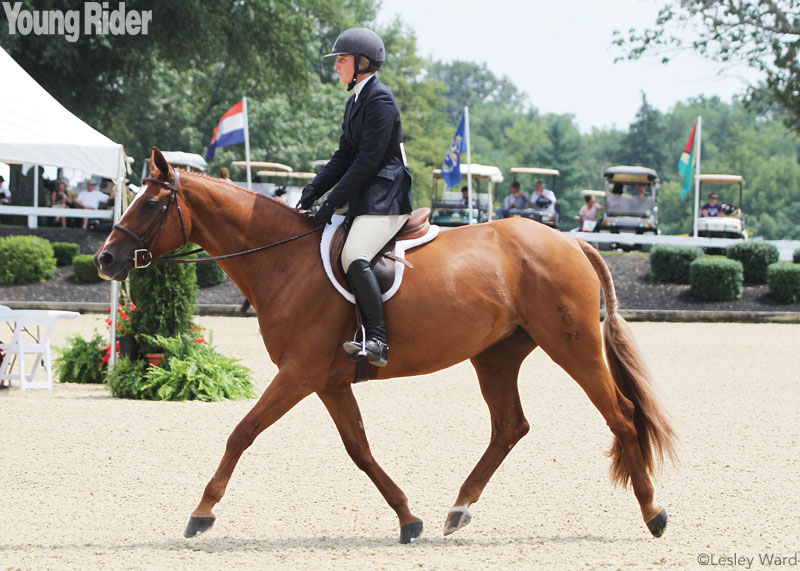
Think you’re ready for the show arena? Let Young Rider give you the rundown on some flat (non-jumping) classes that might interest your English horse and some tips on how to shine in the ring.
Pleasure Classes
In pleasure classes, only the horse is judged. But this doesn’t mean you should slump over in the saddle and look like a sack of potatoes; it means you should be more aware of what your horse is doing, rather than making sure your equitation is perfect.
A pleasure horse should literally be “a pleasure to ride.” The most important thing a pleasure horse can have is manners! He needs to be willing, obedient, and sound. He should get his correct leads when you ask for them and be able to travel in a straight line down the rail — no weaving around here!
He should be very safe and “fit” the rider, meaning that a super-tall rider shouldn’t be riding a small pony!
An English pleasure class is suitable for all horses that can walk, trot and canter in both directions of the arena. This class spotlights the horse that moves the most willingly and evenly — he doesn’t have to be the best mover.
The English pleasure horse shouldn’t pull on the reins or refuse to go forward. He needs to be quiet, safe and obedient. You can ride on a loose rein or rein contact in an English pleasure class and not be penalized.
Hunter Under Saddle
In this class, your horse walks, trots and canters in both directions around the arena and is judged on how well he moves (his “way of going”) and carries himself at all three gaits.
Though good manners are important, they are not judged as heavily as in a pleasure class. Rein contact is required and horses are judged more on their “type” than in pleasure classes.
Hunter under saddle horses are usually required to hand gallop in groups of eight in one direction of the ring, usually counter-clockwise.
Bridle Path Hack or Road Hack
This is a basic flat class that can also include extended trot and hand galloping in at least one direction around the arena. The judge may also ask for your horse to halt and back up.
Go As You Please
In a “go as you please” class, the horse is judged at a walk and at one other gait. This “other” gait must be the same both ways of the ring. You want to show off your horse’s best gait!
English Equitation
Equitation classes are a little different. Instead of judging the horse, the judge will judge you and how well you can control your horse–not how well your horse moves.
The main focus is on how you ride, but the judge will notice if your horse runs away with you or if he’s so lazy you have to kick him around the arena. Bad behavior by your horse can cost you a ribbon — even in an equitation class.
The judge will focus mainly on your leg position, your upper body position, your posture, your hand position and your overall horsemanship. She’ll also watch to see if you are on the correct trot diagonal and canter lead.
The judge will also take into account how promptly your horse responds to your cues and how accurate your movements are. For example, if you’re asked to trot a figure eight, are both circles even and equal in size?
She’ll note how you interact with the other riders and horses in the ring–are you cutting off people or riding too closely to another horse? She’ll also look at how neat and tidy you look.
In English equitation you’ll be asked to perform a test. This is simply a challenge to complete in the arena that helps the judge decide which of you in the class deserves to be first. This ridden test can include a change of diagonal, a canter transition (make sure you get the proper lead!) and possibly a halt and a back up.
Ring Savvy
In all of these flat classes there are ways to make you and your horse stand out from the crowd.
Before you even enter the ring, make sure that you’re clean and presentable, your horse’s mane is laying flat and he has a fresh coat of polish on his hooves.
When you enter the ring, leave enough room between you and the horse in front of you so that the judge has time to look at you and write down your number as you enter, turn and begin to travel down the rail (the arena fence).
Hold your head high and smile to show the judge how much you enjoy showing your horse and what a pleasure he is to ride.
Always keep a safe distance (at least three horse lengths) between you and the horse in front of you. Try not to get caught on the rail and have a horse on the inside covering you up when you ride by the judge — you want to be sure that she sees you and your fabulous horse!
If your horse is going faster than the horse in front of him, leave enough room to pass him safely and don’t ride up on his rear—he might kick you or your horse.
When you’re asked to canter, try to ask for the lead in the corner, where you’re more likely to get the correct lead. If you know your horse has trouble with one lead in particular, really set him up for it and ask strongly.
If you do get the wrong lead, immediately bring him back to a trot and ask again. There’s a good chance that the judge didn’t even see you! With only one set of eyes and multiple horses in the class, she can miss quite a few mistakes, so don’t panic if you have a small error, just fix it and continue on like it didn’t even happen.
If you’re doing a test and you pick up the wrong lead, you’ll gain more points with the judge if you stop and try again, rather than continuing around the arena on the wrong lead. By breaking, you show the judge that you know you are on the incorrect lead and you want to get the correct one.
If you get stuck in a traffic jam on the rail, try to get out of it, or avoid it entirely if you can. It is always best to try to stay away from large group of horses, so circle to get away from them. This is called “ring savvy.”
Most importantly, if you don’t win or get the placing you feel you deserve, don’t pout and cause a scene. Creating a ruckus is the best way for the judge to remember you – and not in a good way! Congratulate the winners and walk out of the ring.
This article first appeared in the July/August 2005 issue of Young Rider. Click here to subscribe!
The Truth About Ringbone
Ringbone is a common diagnosis. Horses young and old, backyard pets and high-level athletes alike are all susceptible to the disease. Some horses are unaffected; for others it spells the end of life, and for those in between it’s a lifetime of arthritis with or without lameness. As a vet, if I find it on a pre-purchase exam it’s a deal breaker. If I tell an owner a horse has it, it conjures up feelings of dread even for the seasoned horseman. Do a Google search on ringbone and you will get thousands of sites, and there are almost that many different opinions on how the disease develops, how to treat it and the prognosis for soundness. Here I will add to the discussion with the latest on ringbone.
What is Ringbone?
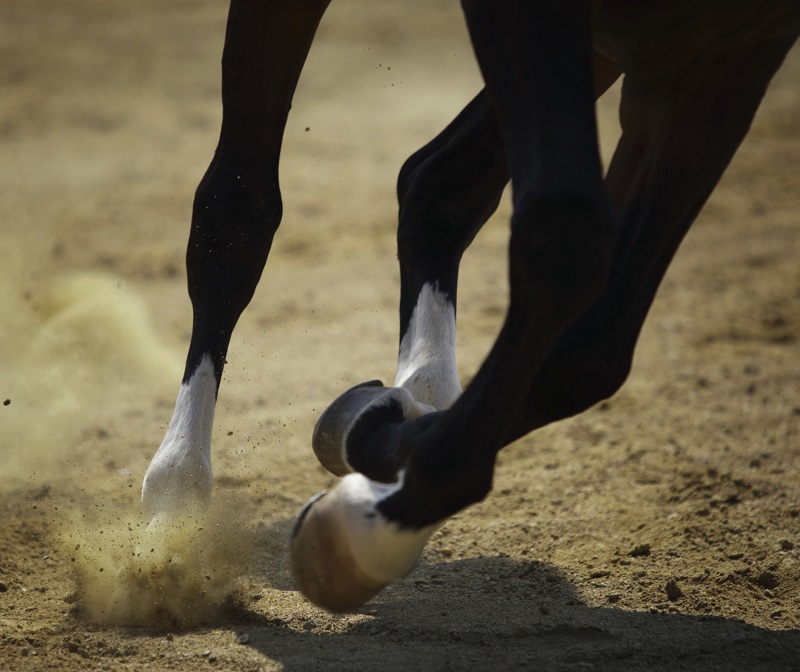
Ringbone is a horseman’s term for osteoarthritis, or bony arthritis, of the pastern and/or coffin joints—ringbone in the pastern joint is called high ringbone, and in the coffin joint low ringbone. Arthritis is any condition that causes inflammation of the joint. Osteoarthritis forms when the inflammation within the joint creates enough damage that the body lays down bone in an effort to heal the damaged tissue. Typically the bony development occurs at the joint surface or the attachment sites of the joint capsule to the bone. Another term to describe this type of damage to a joint is degenerative joint disease (DJD).
The preferred veterinary terminology for high ringbone is osteoarthritis or DJD of the proximal interphalangeal joint (pastern joint); or in the case of low ringbone: osteoarthritis or DJD of the distal interphalangeal joint (coffin joint). For convenience, I will refer to the condition as ringbone.
Some also classify the type of ringbone as articulating, meaning involving the joint surfaces, or nonarticulating, meaning not involving the joint surface but rather the joint capsule where it attaches to the bone. Ringbone can start out as nonarticulating and advance into articulating. Non-articulating is less painful since it doesn’t involve the joint surface where weight bearing occurs and is therefore considered less serious.
The pastern and coffin joints are located in the lower limb of all four legs. The coffin joint is a large high-motion joint within the hoof; the next joint up is the pastern joint. The pastern joint is a small joint that doesn’t move very much but carries a lot of weight. It is located between the top of the hoof and the fetlock. Most people don’t even realize that a joint exists here.
How Does Ringbone Occur?
The most common cause of ringbone is abnormal stress on the joint, causing joint surface damage and subsequent bony development. The abnormal stress can be in the form of poor conformation, imbalanced shoeing or working on poor ground surfaces. Base-narrow or base-wide conformation, combined with a toed-in or toed-out stance, creates increased weight-bearing forces on the inside or outside of the joint by causing the horse to land first on the outside or inside of the leg. These increased forces can cause microdamage to the cartilage on the joint surface and microtearing of the joint capsule or of the collateral ligaments (stabilizing ligament on either side of the joint). The body reacts to this microdamage initially as inflammation. Inflammatory cells release toxins that create more tissue damage and thin the joint fluid. More tissue damage creates more inflammatory cells, and a cycle begins of increasing damage. As the damage increases the body attempts to heal initially with scar tissue, which then progresses into bony development.
The length of time it takes for this to occur varies and is dependent on many factors. The more trauma, and the more severe the conformational abnormalities, the quicker the disease progresses. Hoof balance, proper trimming and shoeing, footing and exercise are very big factors in this disease. Unbalanced hooves, as well as long toe/low heel, can cause severe stress on the joints. Shoeing a horse with shortened toes to increase breakover decreases the stress on the joints and helps reduce the inflammation, and can help slow the development of disease. Hard footing increases trauma on the joints, while deep footing increases the flexion of the joints leading to possible overflexion and damage to the joint capsule.
Other causes of ringbone include blunt trauma or lacerations to the joint, and osteochondritis dissecans (OCD). OCD is a malformation of the cartilage layer during a horse’s formative years—the disease leads to large flaps of cartilage within the joint. When a cartilage flap or “chip” is present in the joint, it creates a cycle of inflammation. In the case of trauma, a single trauma event, such as direct hit to the joint or a laceration, can cause the initial joint damage and start the cycle of inflammation.
How Do We Diagnose Ringbone?
Radiographs (X-rays) of the leg are the best way to diagnose the disease. The joint surfaces are usually very smooth, but when ringbone is present extra bone is seen on X-ray.
But it’s not always so easy. In the early stages of the disease, the bony changes may not be so evident. Often only a small “spur” is seen on the front of the joint, or some calcification away from the joint surface is visible where the joint capsule or collateral ligaments attach to the bone. Pain, and therefore lameness, is caused by inflammation within the joint. Sometimes a horse is more lame at this stage of the disease.
In these situations your vet must determine if the cause of lameness is from the joint or some other disease process; therefore it’s always important to perform a thorough lameness exam. This exam should include watching the horse move on hard and soft ground, jogging straight and in circles. Flexion tests and diagnostic nerve blocks are also important. Horses with ringbone flex positive in thelower limb, meaning lameness results when the lower limb is held in flexion for one minute and then jogged off.
Nerve blocks are invaluable in determining the location of the pain. Once the pain has been localized to the lower leg by response to an abaxial nerve block (block around the fetlock), the pain can be further localized by blocking out each joint. If low ringbone is the cause of pain, then the lameness resolves when the coffin joint is blocked out; in cases of high ringbone, lameness resolves when the pastern joint is blocked out. Diagnostic nerve blocks are very important in the cases where the X-rays are not so obvious.
The severity of the disease varies. Lameness doesn’t always correlate with radiographic changes. Some horses with mild bony changes on radiographs are very lame and vice versa. There are many sound horses with obvious ringbone in their pasterns. When a horse has significant high ringbone it can be seen on the front and sides of the pastern as hard lumps or a “ring” of extra bone around the front and sides of the pastern. If the ringbone can be seen easily it is already very advanced. Ringbone in the coffin joint is much more significant and always causes severe lameness since this is the higher motion joint.
As the disease advances it can spread into the joint, causing severe cartilage deterioration and joint collapse, ending in full fusion of the joint. During the process, the horse is severely lame. Sometimes the lameness can become so severe that the quality of life for the horse is very poor and humane euthanasia is chosen.
How Do We Treat Ringbone?
Dealing with ringbone is not a single treatment but rather a whole management scheme that is lifelong for the horse. Everything is aimed at decreasing the inflammation in the joint and saving the cartilage surface.
We start by trying to balance the hoof and increase the breakover for the horse. This means making sure the hoof is level from side to side and the toe is short so that the leg can roll over the front of the hoof quicker, decreasing the stress on the joints.
Next we address the inflammation in the affected joint. Often this means injecting the joint with anti-inflammatory drugs such as corticosteroids, along with synthetic joint fluid called hyaluronic acid that helps replenishthe existing thin, weak joint fluid. This helps stop the disease progression and hopefully slows down the damage to the joint surface.
Along with joint injections comes complementary therapy in the form of supplements, exercise management and physical therapy. Oral joint supplements given daily, such as chondroitin sulfate, glucosamine, MSM and more recently oral hyaluronic acid, may help the body to develop more cartilage and joint fluid.
Intravenous hyaluronic acid, called Legend I.V., and Adequan I.M. (polysulfated glycosaminoglycan) are also used quite successfully to preserve the joint. Legend works to produce more joint fluid and act as an anti-inflammatory. Adequan works at the joint surface helping the cartilage. Both are very effective and are often used together.
Herbal supplements may be given in feed to help support the joint. Yucca and devil’s claw are common herbal anti-inflammatories. A host of other products are available that combine all of these ingredients as well some others not mentioned in this article. Most appear to help, but none seem to be outstanding in resolving pain for ringbone. Care must be given when feeding herbal products to avoid allergic reactions or colic. Product concentrations are often inconsistent, and many of these herbs haven’t been studied fully in horses.
Horses with ringbone do best with consistent low-level exercise. Horses that stand excessively all day long tend to get more inflammation in the joints and therefore more lame. Constant walking around all day on pasture helps stimulate circulation and decrease inflammation within the joint, therefore decreasing lameness. The amount of exercise varies depending on the degree of ringbone and the tolerance of the horse. Some horses with this condition are able to maintain careers in the lower levels and often do better if kept in a consistent work program. Soft footing is better than hard, but too soft causes overflexion of the joint and increased inflammation.
Physical therapy is also available for these horses. Warm therapy helps loosen joints; liniments and wraps help support the joint. Massage therapy, acupuncture, chiropractic and other alternative therapies have varying degrees of efficacy, but all aim to loosen tissue and decrease inflammation, as well as help other muscles and joints that are compensating for the ringbone.
One promising new therapy called extracorporeal shockwave therapy (ESWT) is proving to be very effective for horses with ringbone. The true nature of how shockwave therapy works is still unknown, but it is the focus of much research right now by many major institutions.
What is known is that many horses show dramatic improvement with ESWT, so it’s become a therapy that is now being tried for a variety of problems. For ringbone it has proven to be effective for horses that are not too severe. I personally have seen many horses respond to the therapy, including my own horses.
Response to shockwave therapy appears to depend on severity of the ringbone and the aftercare. More severe cases require more than one treatment, typically one treatment weekly for three weeks. Many horses with less severe changes respond after only one treatment. It also appears that if the horse returns to regular exercise, the lameness resolves, but if the horse stands idle for any length of time, the lameness can return. Horses with severe ringbone don’t appear to respond to this therapy. As with all therapies, ESWT should be discussed with your veterinarian.
The Big Picture
The time between when a small spur forms and the joint fuses is our time to help the horse with ringbone. I use a combination of all the therapies mentioned above, and in most cases I can keep a horse active and happy for many years before the ringbone gets too severe. Thankfully, I haven’t had too many ringbone cases that I have had to put down, but I currently have a couple that I know I will have to sooner or later. These severe cases are lame but comfortable, and I usually inject their joints approximately once a year. Each time though, it becomes harder to inject the joint, and I know there will come a time where I won’t be able to due to the severe joint collapse and bony development.
For my ringbone patients that are doing well, I attribute it to good management on the owner’s part—essentially catching the problem early and giving good joint support. However, I have seen some of these horses become very lame, even with good joint management. Unfortunately I can’t predict which horses will do well and which won’t. Ringbone can affect any horse.
Janice Posnikoff, DVM, heads up Orange County Equine Veterinary Services in Southern California
This article originally appeared in the June 2005 issue of Horse Illustrated. Click here to subscribe.