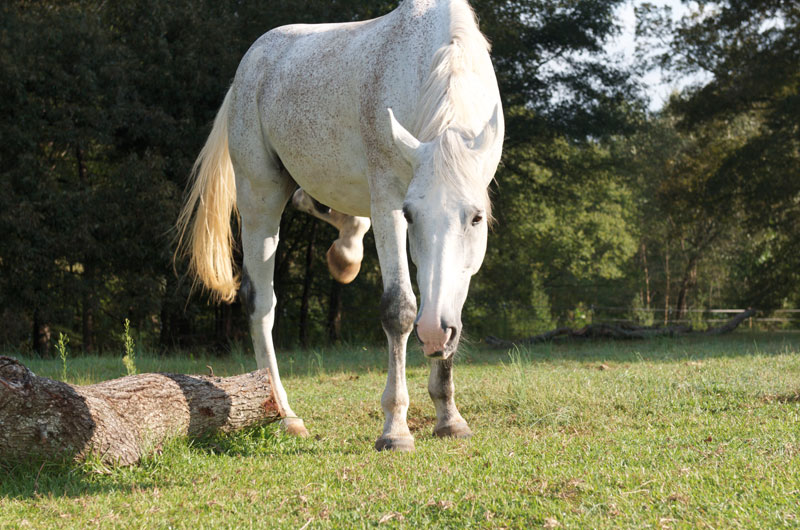
Read the full article about caring for horses with sensitive skin in Horse Illustrated’s November/December 2026 issue! Below is some great content we couldn’t fit in the print article, featuring information about summer skin sensitivities.
Summer brings its own set of challenges for extremely sensitive-skinned horses, as insects, sweat, humidity, and even insect repellent products can trigger skin irritation.
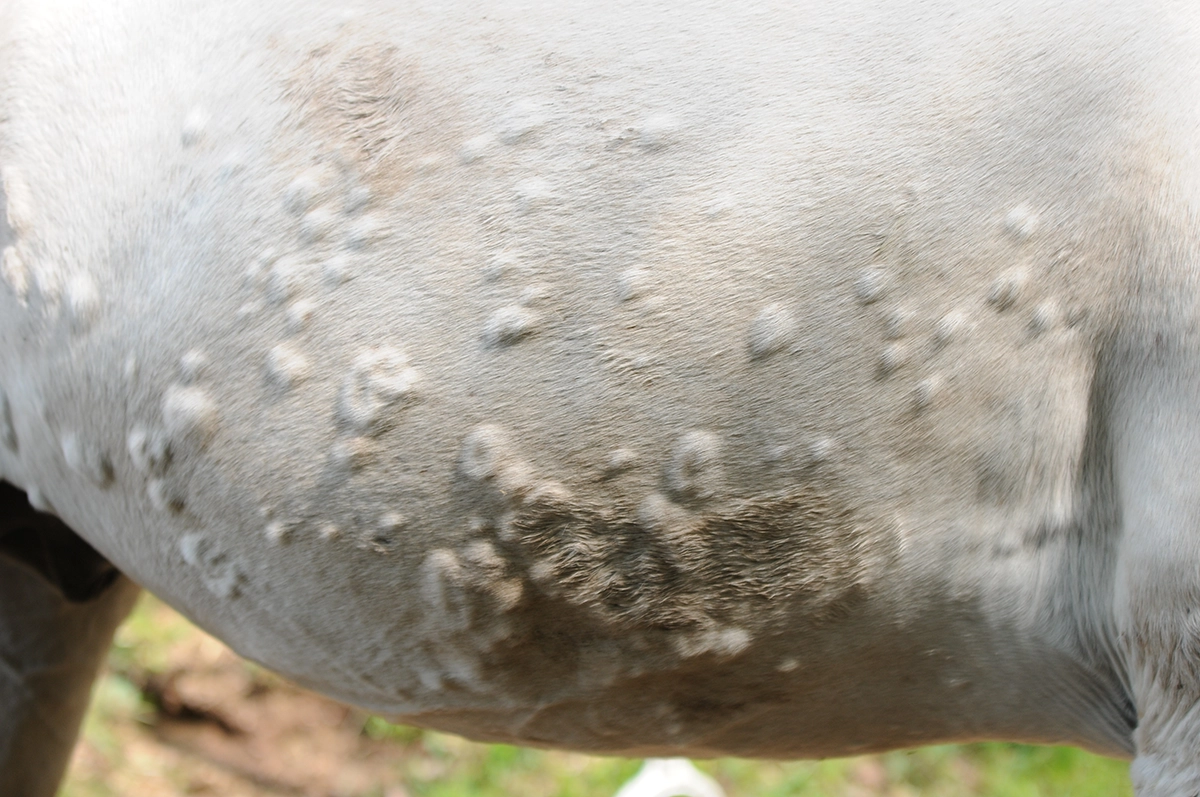
Photo by niku16/Adobe Stock
Prioritize Insect Control
Horses with insect allergies may develop equine eosinophilic collagenolytic granulomas—round, firm, raised nodules that are often covered by normal-looking hair. Consistent insect management, including fly sheets, masks, boots, fans, and topical insect repellent products like fly spray, may help reduce reactions in susceptible horses.
When sensitive–skinned horses are bitten by insects, the resulting itching and inflammation can lead to rubbing, scratching or biting. This trauma weakens the skin barrier, providing an entry point for bacteria and increasing the risk of secondary skin problems, including rain rot and staph infections.
Choose Fly Spray Carefully
For some sensitive–skinned horses, fly control presents a catch-22: Insect bites trigger irritation, but the fly spray used to prevent them may also cause a reaction. Certain horses may be sensitive to the active ingredients or carriers used in a particular formula, including the ingredients that distinguish water-based from oil-based fly sprays.
Water-based fly sprays are typically lighter, dry more quickly, and leave less residue, making them a useful option for horses that have skin reactions to oil-based products.
Oil-based formulas often last longer and resist sweat or light rain, but they can leave an oily buildup that traps dirt and sweat against the coat, which can lead to secondary skin conditions or allergic reactivity.
Regardless of the formula, patch-test every new fly spray on a small area for 24 to 48 hours before applying it all over the horse. This can prevent a localized sensitivity from becoming a widespread reaction.
Stop using any product that causes redness, swelling, hives, itching, or hair loss, secondary infections, and hose the horse’s skin down immediately if they do react. Because frequently rotating products can make skin triggers difficult to identify, introduce only one new product at a time.
Sweat, Humidity and Summer Skin Flare-Ups
Summer heat, humidity and frequent insect exposure can keep a sensitive horse’s skin damp and irritated for hours.
After riding or turnout, remove sweat and dirt from high-friction areas such as beneath the saddle, girth, mane and between the hind legs. Hose off, bathe, or wipe the coat as needed, then allow it to dry completely before applying fly sheets, fly boots, etc.
Check the skin regularly for early crusting, scabs, itching, swelling, or hair loss in the summer, especially during very hot and humid weather. Persistent moisture from humidity, insect bites, and rubbing can weaken the skin barrier and contribute to rain rot or secondary bacterial infections.
Clean grooming tools, tack, and saddle pads regularly to prevent sweat, dirt, product residue, and infectious organisms from building up and further irritating sensitive skin.