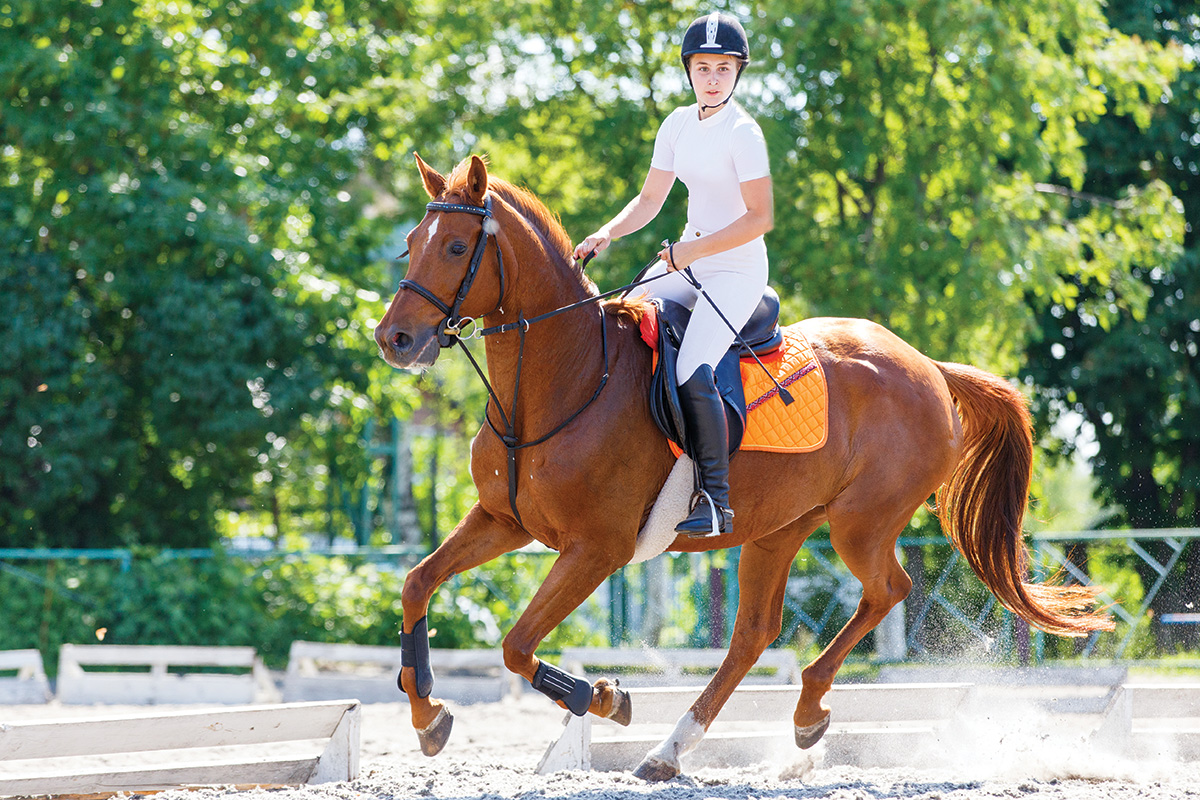
For the horse laboring to breathe while at rest, athletic endeavors are impossible. Respiratory disease threatens quality of life for any horse suffering from it. This frustrating condition can also interrupt the career of performance horses. Since 2016, veterinary internal medicine experts have used “equine asthma” to describe the spectrum of respiratory disease from mild to severe.
Mild and Severe
Working in the show horse mecca of Wellington, Fla., Meg Miller Turpin, DVM, DACIVM, of Rood & Riddle Equine Hospital, routinely treats horses with equine asthma.
Miller Turpin explains that mild to moderate equine asthma is also referred to as inflammatory airway disease (IAD), while severe asthma is best described as recurrent airway obstruction (RAO).
“Mild and moderate [IAD] are the earlier forms of the disease, which we tend to see in young and middle-aged horses,” she explains. “If caught early, it can be reversible. When aggressive treatment and essential management changes are applied to these reactive horses, then many will completely recover. In the sport horse world, we’ve improved our early diagnostic measures, which allows treatment before the condition becomes severe and irreversible.
“Unfortunately, when the disease progresses to severe [RAO], there are lung changes that are irreversible, so then we must rely on figuring out the best way to manage the symptoms,” Miller Turpin adds.
In the past, this airway condition was known as chronic obstructive pulmonary disease (COPD) or “heaves.” Many horse owners still refer to such respiratory conditions as heaves.
“The terms are often used interchangeably, but they all mean basically the same thing: mucous plugs in a hypersensitive airway,” explains Miller Turpin.
Clinical Signs of Equine Asthma
Signs of equine asthma can include:
- Coughing
- Nasal discharge
- Wheezing
- Flared nostrils when breathing normally
- Increased respiratory effort/heavy breathing
- Increased respiratory rate, even at rest
- Poor performance
- Resistance to work
- Exercise intolerance
- Anhidrosis (partial or total inability to sweat)
- Elevated heart rate during exercise or recovery
- Prolonged recovery after exercise
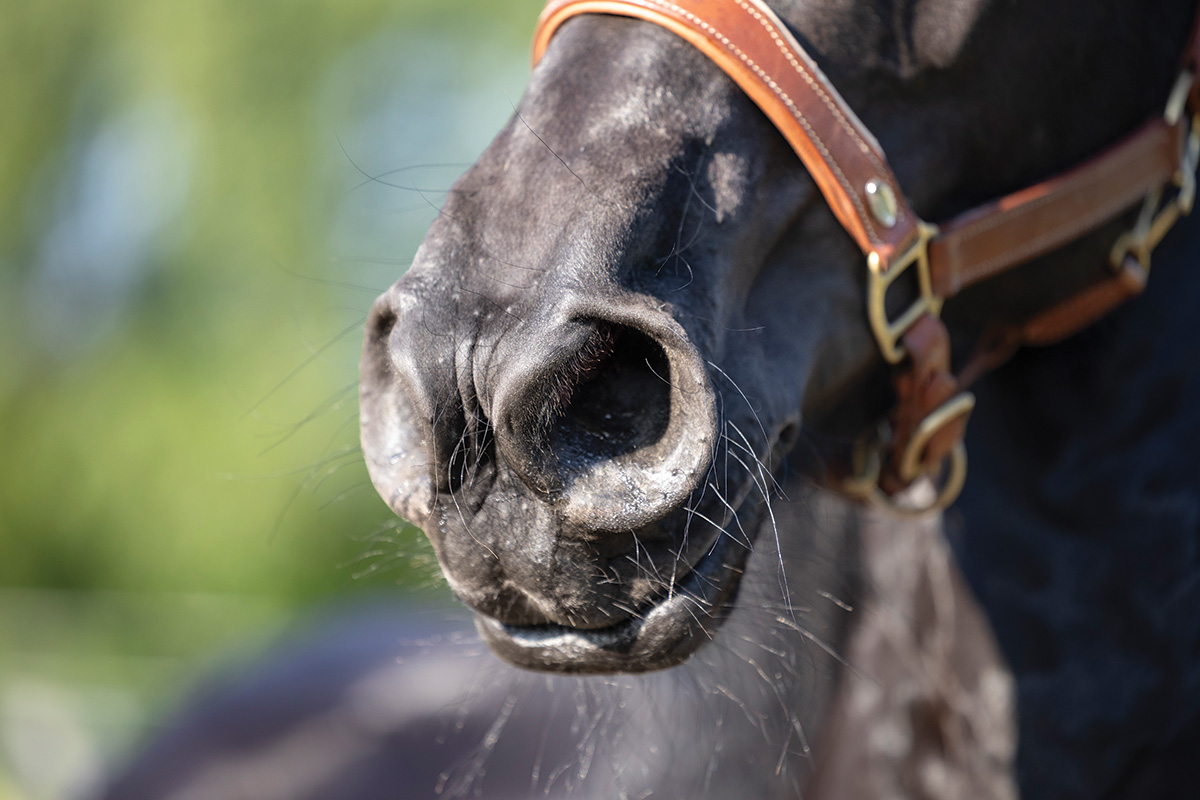
Clinical signs of equine asthma include coughing, wheezing, nasal discharge, and flared nostrils while breathing normally. Photo by Christiane Slawik
“We see a lot of horses with anhidrosis in Florida,” says Miller Turpin. “I’ve found that many horses with mild or moderate asthma [IAD] stop sweating, so that’s a double whammy. Sometimes you can get them to start sweating again once you get the airway issues under control.”
She finds that horses suffering from equine asthma can take much longer to recover from exercise—as long as 30 to 60 minutes to start breathing normally.
When a horse’s heart rate is much higher than it should be for the rate at which he’s working, this can indicate a lung problem is preventing the heart from getting enough oxygen to pump to the rest of the body, including muscles required for action.
Affected horses can have elevated respiratory rates as high as 50 to 90 (or more!) breaths per minute. Keep in mind, normal respiration for an adult horse is 8 to 20 breaths per minute.
Dramatically high respiratory rates combined with hot weather can be life threatening.
Causes and Triggers of Equine Asthma
Equine asthma is typically related to inhaled allergens and irritants. These can be year-round, such as dust, mold and fungal spores found in hay, straw and poorly ventilated or closed-up barns.
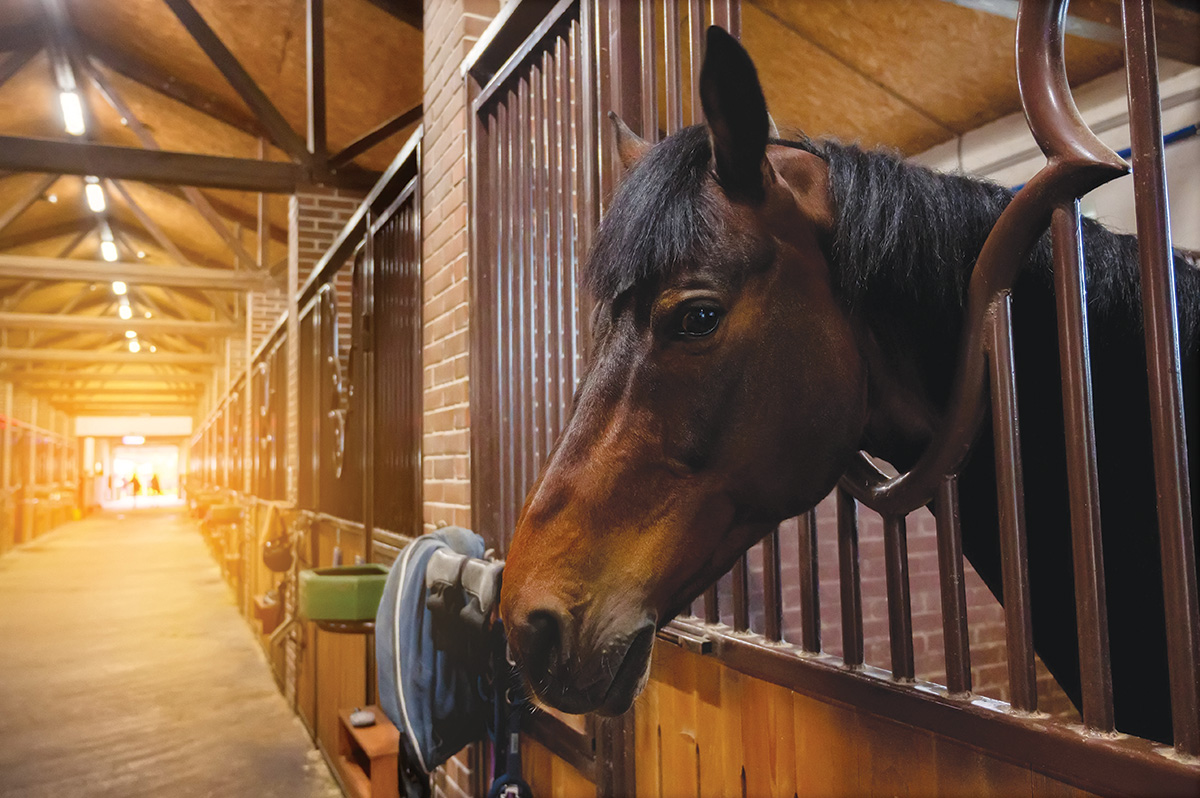
Equine asthma is typically related to inhaled allergens and irritants. These can be year-round, such as dust, mold and fungal spores found in hay, straw and poorly ventilated or closed-up barns. Photo by Yakov/Adobe Stock
Other horses may only be susceptible to seasonal allergens, such as pollen encountered during specific times of year, typically spring and summer, or sometimes fall. Seasonal allergies can be easier to manage because you know when to expect a problem.
Miller Turpin finds that if horses have had a respiratory virus or a bacterial infection of the airway, this can make them more vulnerable to irritants that act as triggers.

Some horses may only be susceptible to seasonal allergens, such as pollen encountered during specific times of year, typically spring and summer, or sometimes fall. Photo by Nadine Haase/Adobe Stock
It is believed that some horses may have a genetic predisposition to developing asthma, and when faced with environmental triggers, like dust, they will develop clinical signs.
Sensitive horses that often get hives and are very reactive to topical products and/or vaccines may be more likely to develop equine asthma.
“Horses that are stalled in cold climates in the winter with windows closed are set up for even more reactions to dust and molds,” says Turpin Miller. “Ammonia levels from urine in the stall can be toxic to the airways in a closed environments with poor ventilation. In tropical Florida, we have all this growth, bloom and mold, so even if horses receive additional turnout, there are still triggers in different grasses [and the] hay that is delivered from different areas of the United States and Canada.”
Those inhaled allergens and irritants cause inflammation, which leads to airway constriction as the tissue lining the small airways in the lungs narrows and becomes thickened. The smooth muscle surrounding these airways also constricts and tightens. Thick, sticky mucous accumulates in the airways, which also obstructs breathing.
As a result, inhaling and expelling air from the lungs becomes an effort for the horse. When the condition goes untreated, lung tissue can suffer permanent damage, resulting in irreversible loss of lung function.
Over time, horses can develop what is known as a “heave line” along the bottom of the rib cage on both sides as the abdominal muscles enlarge due to the continued effort of exhaling.
Diagnosing Equine Asthma
When a horse exhibits clinical signs that point to equine asthma, the veterinarian should do a thorough physical exam, including ultrasound of the lungs and a resting airway scope of the upper respiratory tract.
The veterinarian may also wish to perform a scope while the horse is exercising to rule out a mechanical cause, such as a displaced palate or abnormal epiglottis.
Should the horse’s heart rate be abnormally elevated, the veterinarian may use an exercise EKG to evaluate the horse under exercise.
Skin allergy testing may also be used to determine specific allergens that might be associated with inflammatory airway disease.
When equine asthma seems likely after these exams, the veterinarian will likely use a procedure known as bronchoalveolar lavage (BAL) to better define the diagnosis.
The BAL can be done without taking the horse to a clinic. While the horse is sedated, a special tube is passed through the nostril into the trachea and down into part of the lung. Sterile saline is flushed in and suctioned back out, drawing cells and mucous out with the fluid. These samples are then submitted for cytological analysis to pinpoint the most effective treatment.
Treatment Protocol
The traditional medical approach is to address inflammation with corticosteroids and, if necessary, open the airways with a bronchodilator.
The duration and amount of medication used is tailored to the specific horse.
Although systemic steroids have been the gold standard to relieve inflammation and asthma signs, these drugs can suppress the immune system and carry risks, such as laminitis.
Administering steroids via nebulizer or inhaler, instead of orally or by injection, may reduce the risk of side effects by targeting the steroids directly to the lungs.
“With competition horses, you also have to consider competition regulations and withdrawal times,” says Miller Turpin.

Administering steroids via nebulizer or inhaler, instead of orally or by injection, may reduce the risk of side effects by targeting the steroids directly to the lungs. Photo by M. Bischof/Adobe Stock
Some regenerative medicines are being used with promise, including stem cells. Another innovative treatment uses a patented process to filter alpha-2-macroglobulin (A2M) from the horse’s own blood. This protein has powerful anti-inflammatory properties and can be administered via a nebulizer. (Studies are still necessary to prove the efficacy of these medications.)
Supplements may also help. Miller Turpin notes that both high doses of Vitamin C and omega-3 fatty acids have lung health benefits.
It also appears that acupuncture can help breathing function in some horses with equine asthma.
The Importance of Management
Owners need to be very aware of their horse’s environment and any individual triggers. For the horse to experience ongoing relief, management changes are a crucial part of treatment protocol.
“You can treat aggressively with medications in the early stages and the horses may respond well, but if you don’t take away the triggers causing the allergy or reactive airway, then as soon as you stop the medication, the symptoms will come back, and often they will be exacerbated,” cautions Miller Turpin.
Depending on which allergens/irritants are to blame, your horse may do better when kept outside as much as possible. On the other hand, horses battling seasonal allergens may have less exposure if they’re not turned out as much that time of year.
Air quality is key. Eliminate dust and mold as much as possible. Reduce allergen/irritant exposure by:
- Using the stall with the most airflow (usually an end stall).
- Reconsider bedding (straw is often the worst choice; peat moss or cardboard may be better).
- Remove the affected horse from the barn whenever cleaning stalls, sweeping, or using a blower.

Air quality is key. Move sensitive horses to end stalls with the most airflow and take them out of the barn while sweeping, blowing, or cleaning stalls. Photo by Pikselstock/Adobe Stock
Forage Considerations
Obviously, forage is the main part of the equine diet. For asthmatic horses, however, hay can be a primary source of allergens and irritants.
Some owners find that dampening or steaming hay helps. Dry hay is not recommended, and round bales are an absolute no-no due to their high levels of dust, fungal and mold spores.
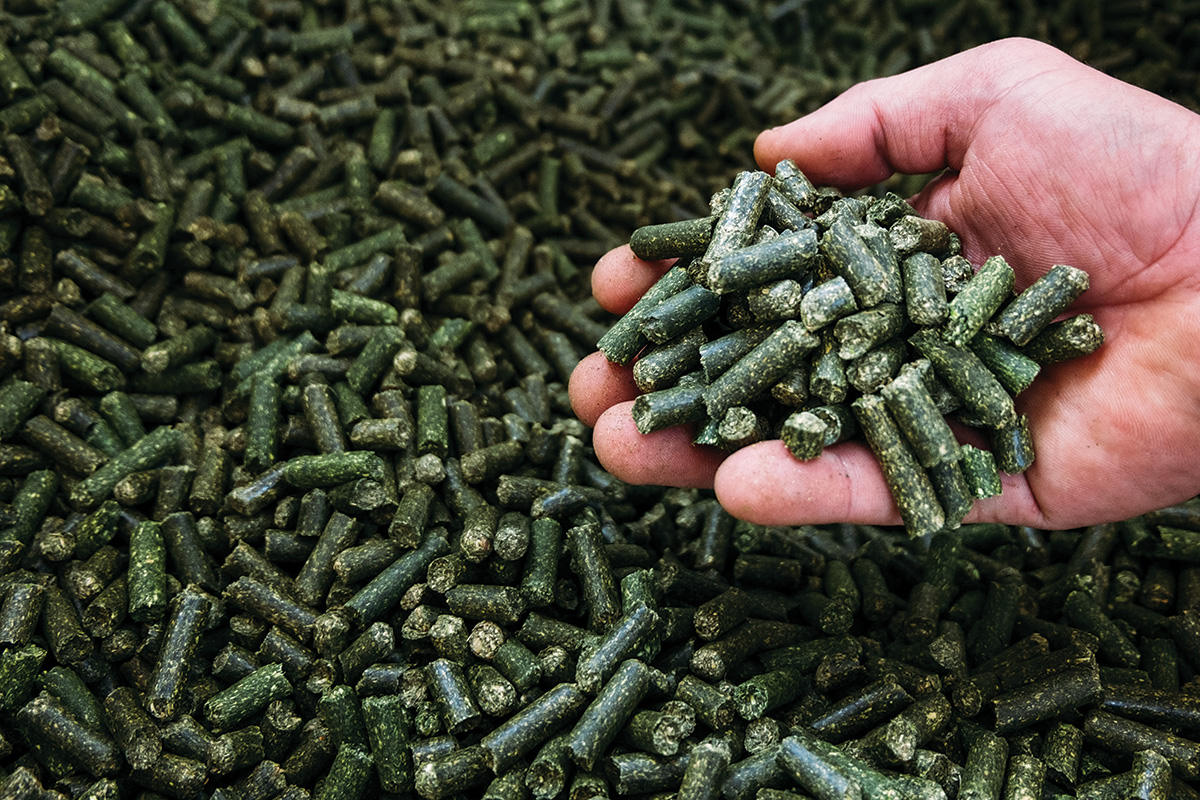
Dry hay is not recommended for horses with equine asthma. They do better when dry hay is replaced with chopped forage, pelleted hay or complete feed. Photo by Dobrovizcki/Adobe Stock
“These horses do better when you replace hay with chopped forage, pellets or complete feed,” says Miller Turpin.
Case History
The first indication Natalie Pai’s Oldenburg stallion, Mister-C, had respiratory issues was a hacking cough at the beginning of his workouts.
After Pai imported the stallion to Florida, she found he was also very sensitive to topical products, often breaking out in hives.
Miller Turpin examined Mister-C and did a series of skin allergy tests, which showed he was reactive to a wide array of allergens. She also performed airway endoscopy and a BAL. He was diagnosed with equine asthma due to severe allergies.
A2M and steroid/bronchodilator treatments through a nebulizer are part of his routine. He also gets allergy shots administered subcutaneously every two weeks. His hay is steamed to remove any dust.
“His breathing is very well managed now,” says Pai, who understands the frustration of breathing problems since she herself has allergy-induced asthma.
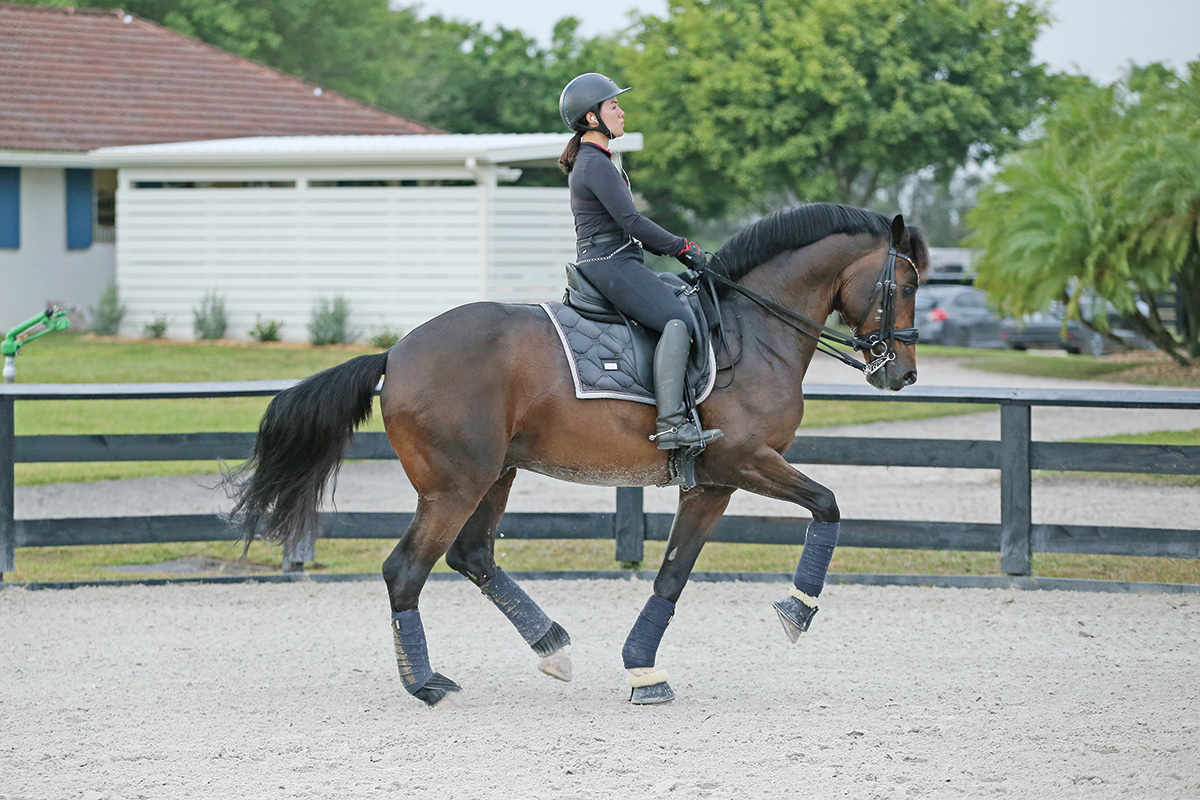
Thanks to a careful management plan, Oldenburg stallion Mister-C is able to continue his dressage career after being diagnosed with equine asthma. Photo by Tetiana Yurkovska/Adobe Stock
Key Takeaway
When a horse has breathing abnormalities, especially combined with skin sensitivities, have your veterinarian conduct an exam for possible equine asthma. Being proactive with early treatment and management changes may keep the condition from becoming severe and irreversible.
Further Reading
◆ Horse Respiratory Issues: Management of Asthma and Other Disorders
◆ Horse Allergies: Symptoms, Treatment, and Prevention
This article about equine asthma appeared in the July 2024 issue of Horse Illustrated magazine. Click here to subscribe!