Enter our 12 Days of Christmas Giveaways here!
0 ITEMS
  • My Account
  • Holiday Gift Guide
  • Podcast
  • Webinar
Subscribe Combo
Enable cache13

Horse Nutrition

Horse nutrition is a big topic for horse ownership and horse care. Horses need to receive the best and most appropriate nutrients and types of feed in order to perform at their best. Topics include forage, water, pasture, concentrates and grains, treats, supplements, and more. Articles cover joint supplements, how to evaluate hay quality, healthy treats for the holidays, how nutrition can affect or cause disease, colic, nutritional management to prevent ulcers, what to feed during a hay shortage, feeding the senior horse, how to find the right horse feed, feeding across different seasons, how to make homemade horse treats, when to add supplements, and so much more.
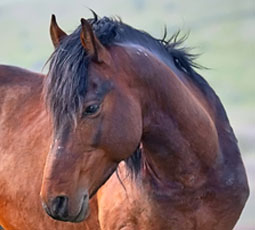
The dark color of your horse's coat, mane, and tail can change color. This is often attributed to exposure to sunlight. But red tips on dark manes and dark coats, particularly noticeable in bays and black horses, may be...
Add this to your collection of useful horse facts that (surprise!) you actually needed to know: Horses don’t have a gallbladder because horses are designed to eat constantly.We humans, on the other hand, eat few, relatively large meals. Our...
Diet affects behavior. This makes sense. A well-fed horse is healthy. And a healthy horse feels good. Conversely, a poorly-nourished horse is suffering. A variation in hormone levels, for example, can have a temporary effect on how the horse...
There is a vast array of options in the methods of processing and presentation of the various ingredients in equine feeds. Processing choices include grinding, steam rolling, flaking, micronizing, pelleting, boiling, chaffing, silaging, extruding, and expelling, and there is...
“For an adult horse with moderate activity, feed .75 to 1.0 lbs per 100 lbs of body weight.” These are the feeding instructions for a popular commercially fortified feed. If your horse weighs 1100 lbs (500 kg), you’ll need...
As if aging isn’t hard enough! Creaky joints, sagging backs, loose teeth, increased infections, poor digestion, and embarrassing gassiness -- just a few of the problems associated with getting older (for your horse, not you!). But what was once...
While pasture grazing may not be an option for overweight, insulin resistant horses during certain times of the day or seasons of the year, access to free-choice forage is still essential.Do you have an overweight horse? Chances are...
One of the most common questions asked about feeding the performance horse is when to feed before a competition. Theoretically, feeding should be timed so that all of the nutrients from a meal have been digested, absorbed, and stored...

Kentucky Bluegrass

Kentucky Bluegrass Kentucky bluegrass is a cool-season grass (Poa pratensis) that grows best in spring and fall, and resists trampling and close grazing quite well. It is found in lawns and horse pastures across the nation due to its ability...
Insulin Resistance When starches and sugars are consumed, the body releases insulin, a hormone that cues absorption and storage of sugar from the bloodstream. Overfeeding starch and sugars can make horses “insulin resistant,” meaning the body cannot absorb glucose properly...
0FansLike
0SubscribersSubscribe
We use cookies to help personalize content, tailor and measure ads, and provide a safer experience. By navigating the site, you agree to the use of cookies to collect information. Read our Cookie Policy.
OK