Enter our 12 Days of Christmas Giveaways here!
0 ITEMS
  • My Account
  • Holiday Gift Guide
  • Podcast
  • Webinar
Subscribe Combo
Enable cache13

English Riding

Horse Illustrated covers anything you can think of related to English riding, including how-tos, tips from experts, discipline specifics, and more. Disciplines included are: dressage, driving, endurance, eventing, English halter and showmanship, hunt seat, jumping, and saddle seat. Many riders start out riding English (aka, hunt seat) and then progress into one of the disciplines above. Some of the topics covered include phases of jumping, how to get started in dressage or eventing, how to leg yield, perfecting the posting trot, improving your equitation, exercises with ground poles, counter bending the canter, get smooth flying lead changes, how to achieve better dressage tests, etc.
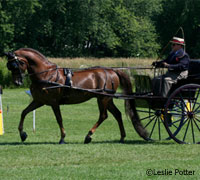
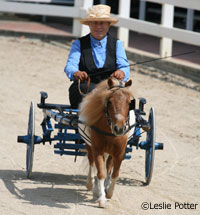
carriage driving singles

Why Drive?

Driving can make a great second career for an older horse, or an intermediate step in a younger horse's training to get him accustomed to wearing tack and responding to the bit. Generally speaking, driving is easier on a...
Nearly any horse can make a good driving horse under the right circumstances. It cannot be emphasized enough, however, that if you are not an experienced driver, you must solicit the help and supervision of an experienced harness trainer...
Q: I am trying to teach my 11-year-old Fjord to supple and get on the bit, but she is very hard in the mouth. I have tried riding her in a kimberwick and several different snaffles, but none of them made...
Q: My ex-racehorse is calm and quiet when ridden alone on the trails. On group trail rides, he’s fine at a walk. But when the group starts to trot or canter, he gets excited and starts bucking. What can...
fashion

2010 Equestrian Fashions

Kerrits Breathe Tech Top - Click for larger image1. Kerrits Breathe Tech Top Light as a feather and ultra-soft, this top is like wearing nothing at all! Perfect for layering and designed to complement Kerrits Breathe Tights, providing you...
Thoroughbreds coming off the track need a let-down period before the retraining process begins. Photo courtesy New Vocations/horseadoption.comTurnout Time A "let-down period" refers to the time off, whether several weeks or several months, given to an off-the-track-Thoroughbred (OTTB) to alleviate...
Q: My horse tries to rush every time we canter or jump. How can I stop him from rushing without slowing him down too much or affecting his performance? A: My first recommendation would be to begin working with a...
Q: I am looking for a good safety vest to wear while jumping. How do I find the best one? A: There are two factors to consider when purchasing a safety vest made especially for riding: certification and comfort/fit....
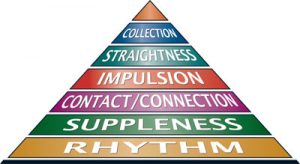
If you’ve studied dressage in the past, you may have learned the training scale, a six-level pyramid of increasingly advanced concepts. The first three levels are the building blocks to connection, or getting your horse on the bit.RHYTHM: The...
Before you can get a true connection and ride your horse on the bit, he needs to be supple. The following exercises can be used to loosen or "unlock” your horse:POLL: Alternate flexing your horse’s poll 1 inch...
0FansLike
0SubscribersSubscribe
We use cookies to help personalize content, tailor and measure ads, and provide a safer experience. By navigating the site, you agree to the use of cookies to collect information. Read our Cookie Policy.
OK