The equine digestive tract can be a bit terrifying: There is a lot of tissue packed into a relatively small space, and it seems like hundreds of things could go wrong with any part of it. While many horse owners are familiar with the stomach, the small intestine, and the large intestine, there are quite a few other organs integral to ensuring a horse is digesting, absorbing and excreting properly. One lesser-known yet vitally important organ is the cecum—where a cecal impaction can take place. Don’t overlook this sneaky form of colic that can have mild symptoms but a devastating result if not treated properly.
Get to Know the Cecum
What is the cecum? This large, comma-shaped pouch is located at the junction of the small and large intestines; it takes up a large portion of the right side of a horse’s abdomen.
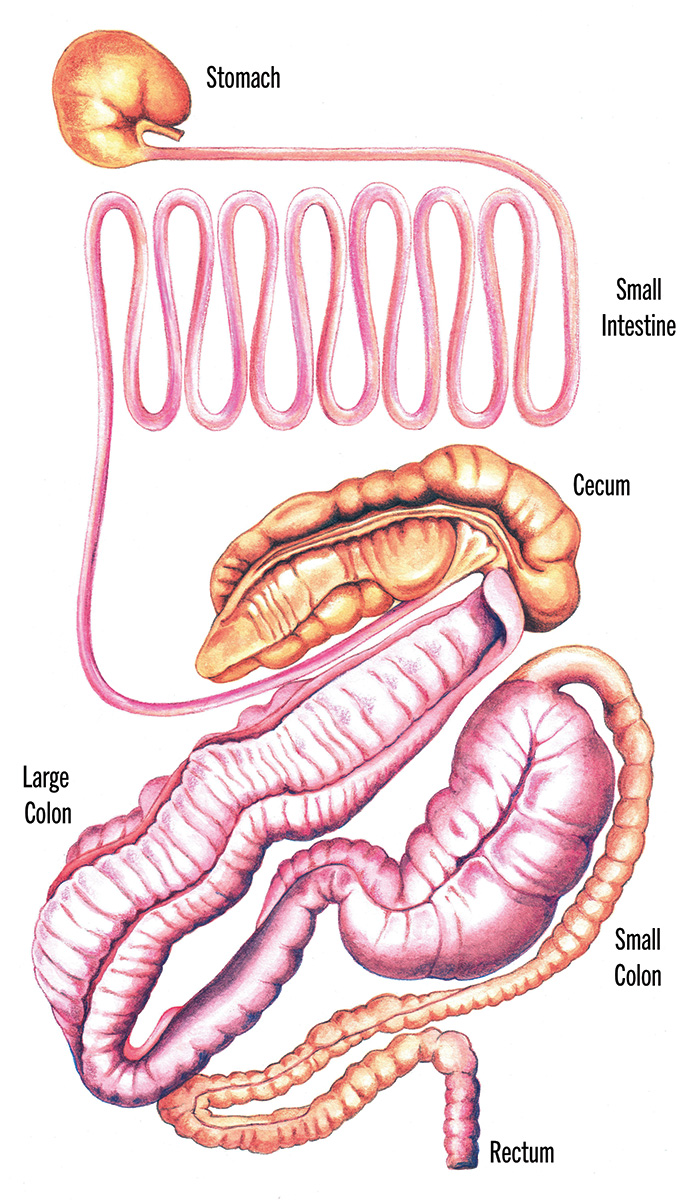
The organ is a blind pouch, meaning that the entrance and exit to the organ sit dorsally (to the back, nearer the anus); if gastrointestinal motility is in any way compromised, material passing through the intestine may settle to the bottom of the organ instead of being pushed through it, increasing the likelihood of material buildup and an impaction.
Between 4 and 5 feet long, the cecum acts as a storage area; it can hold roughly 8 gallons of material and water. It’s often referred to as part of the large intestine (along with the colon, into which it empties). The cecum assists in three things:
◆ Storage. The cecum stores electrolytes and water.
◆ Digestion. Bacteria in the cecum help ferment food passing into it from the small intestine.
◆ Fermentation. Enzymes in the cecum break down food.
With the ability to hold this much material and liquid, it’s easy to see why any slowdown of material moving through in this area could be significant. While a cecal impaction is not the most common cause of colic in horses, the mortality rate from such an impaction is shockingly high: between 25 and 57 percent.
These deaths are mainly attributed to cecal rupture, which can come on rapidly with minimal signs of onset. A horse’s digestive tract can still function (thought not as effectively) as a cecal impaction builds, so signs of impending impaction are easy to overlook.
Presentation of Cecal Impactions
Like other types of colic, early intervention is key to a favorable outcome. Cecal impactions can be particularly tricky to diagnose, as they often present very mildly. An affected horse may look slightly uncomfortable, trot around, or lie down with minimal fanfare; he may find relief with just a small dose of pain medication.
However, as the impaction grows, so does the horse’s pain. A horse with a cecal impaction may exhibit the following signs, but not necessarily over a consistent time period:
◆ Reduced manure output
◆ Pawing
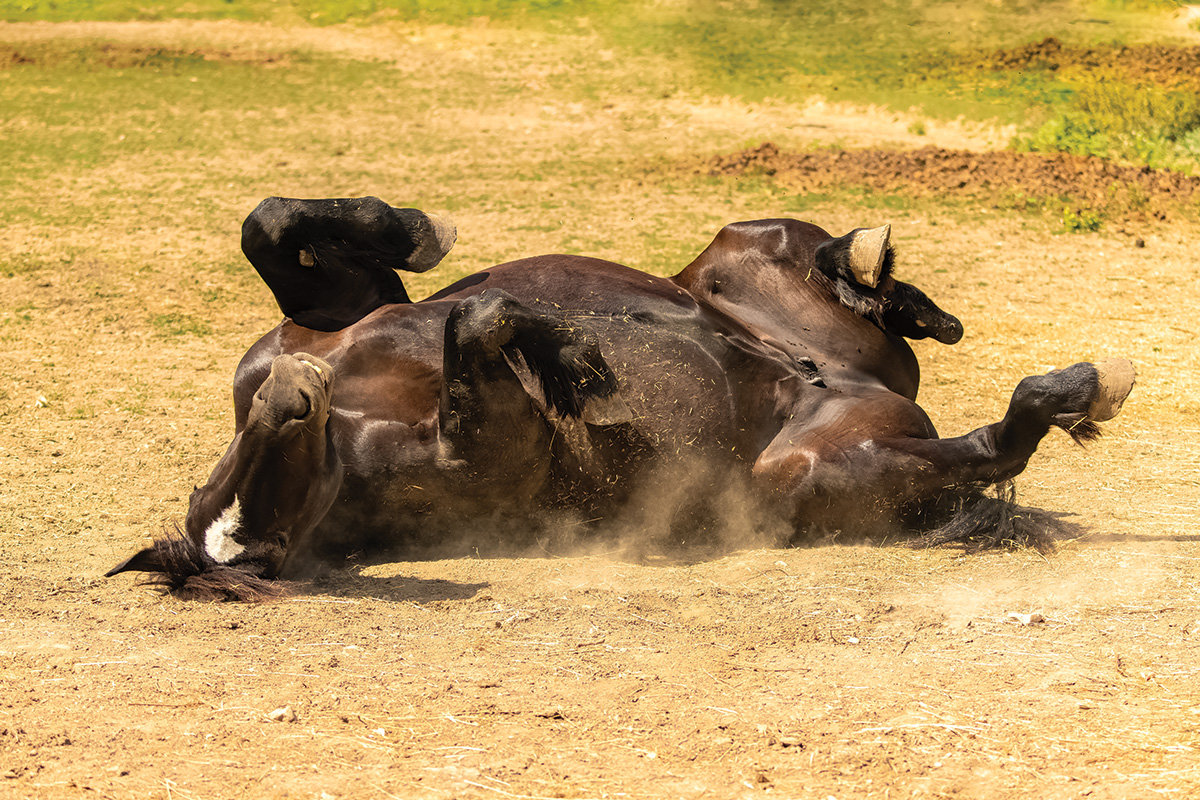
◆ Pacing, rolling or stretching out
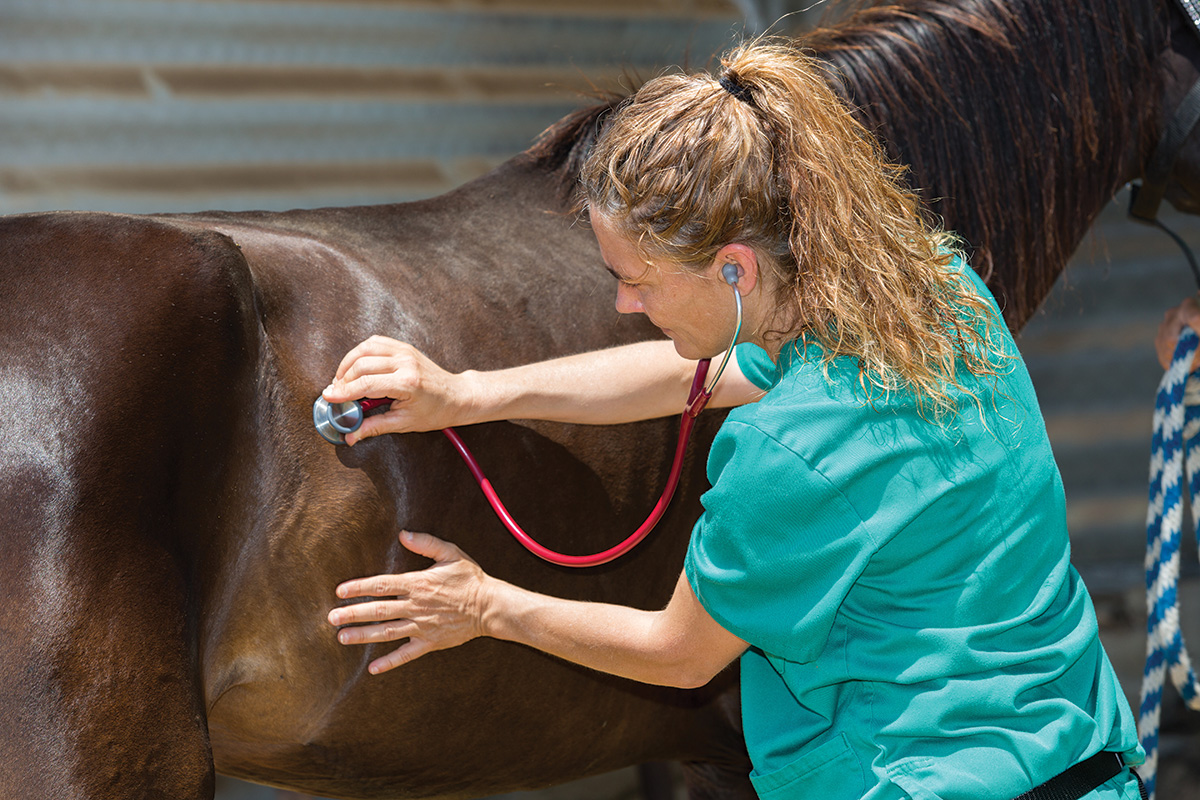
◆ Reduced intestinal sounds
◆ Increased heart rate
◆ Pale gums
◆ Sweating
It’s important to also remember that none of these signs may be pronounced.
“A lot of owners see ‘colic’ and think [the horse] has twisted his intestine,” explains Ann Andrews, DVM, of Park Equine Hospital in Lexington, Ky. “Then when they see their horse acting a bit more normal, if uncomfortable, they think they’re in the clear—but they may not be. Owners expect a violent, thrashing colic, but a cecal impaction may appear very mild.”
These mild signs in and of themselves don’t mean the issue isn’t important or doesn’t necessitate follow-up attention.
Cause: Dehydration
“A few things can cause a cecal impaction, but the most common is dehydration,” says Andrews.
Horses that live in hot, humid environments are more susceptible to this condition as they sweat, sometimes profusely, to cool themselves down. The ability to get out of direct sunlight, whether that means in a stall under fans, in a run-in shed, or in shade from trees, will prevent the horse from experiencing a spike in body temperature and an overabundance of sweat production, which could deplete his body’s store of electrolytes.
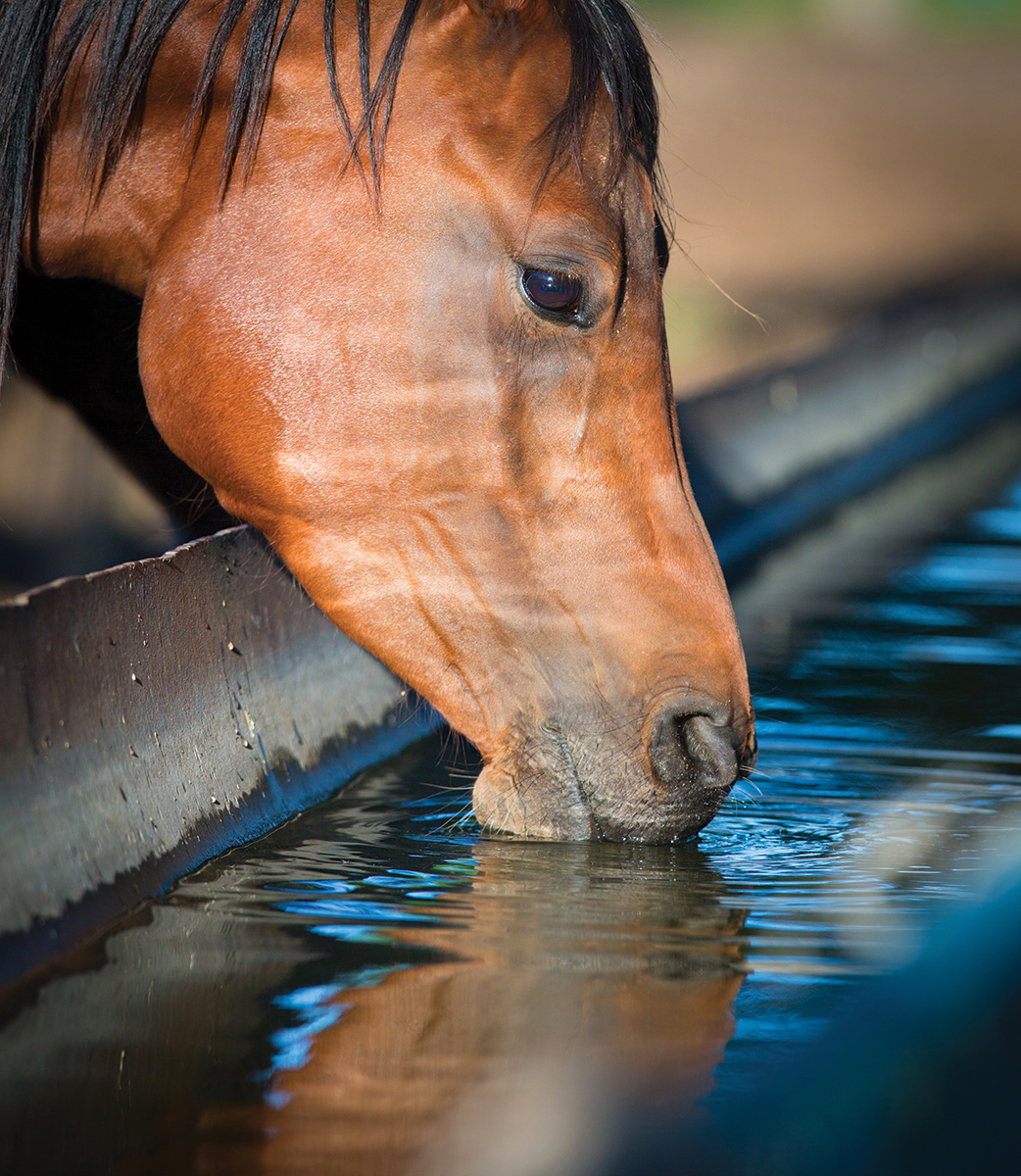
Additionally, it’s critical that you ensure your horse has fresh water, and that the water he has access to isn’t hot, says Andrews. This may mean extra work filling and refilling buckets and troughs, or making sure there are multiple areas from which your horse can drink (an automatic waterer and a trough, for example).
The even bigger part of having access to water is ensuring that the horse is actually drinking, Andrews says, though she notes that this can be hard if he lives in a herd.
The majority a horse’s water absorption (98 percent!) occurs in the cecum and distal colon, according to Andrews. This means that if a horse is dehydrated, his body tries to remove even more water from the material that is in the large intestine, causing the fecal matter to dry out and get firmer, making it difficult for it to pass around the pelvic flexure. She notes that this area is often where horses end up getting impactions.
Cause: Parasites
A horse with a heavy worm burden may also be susceptible to a cecal impaction. Tapeworms in particular appear to put horses at risk, as they tend to gather around the narrow junction between the large and small intestine, blocking the passage of food into the cecum. Tapeworm attachment at this junction can also irritate the intestine, leading to spasmodic colic.
Routine fecal egg counts, usually performed by your veterinarian, can help identify which parasites are affecting your horse and how heavy of a load he’s carrying. A deworming strategy created in conjunction with your vet can ensure that your horse is not negatively affected by a high worm load.
Cause: Age-Related Issues
Older horses with cancerous polyps in their gastrointestinal tracts may have slowed motility in the large intestine.
“Food and matter that sits in the cecum encourages the body to keep trying to pull out water,” says Andrews. At some point, there is no more water to pull.
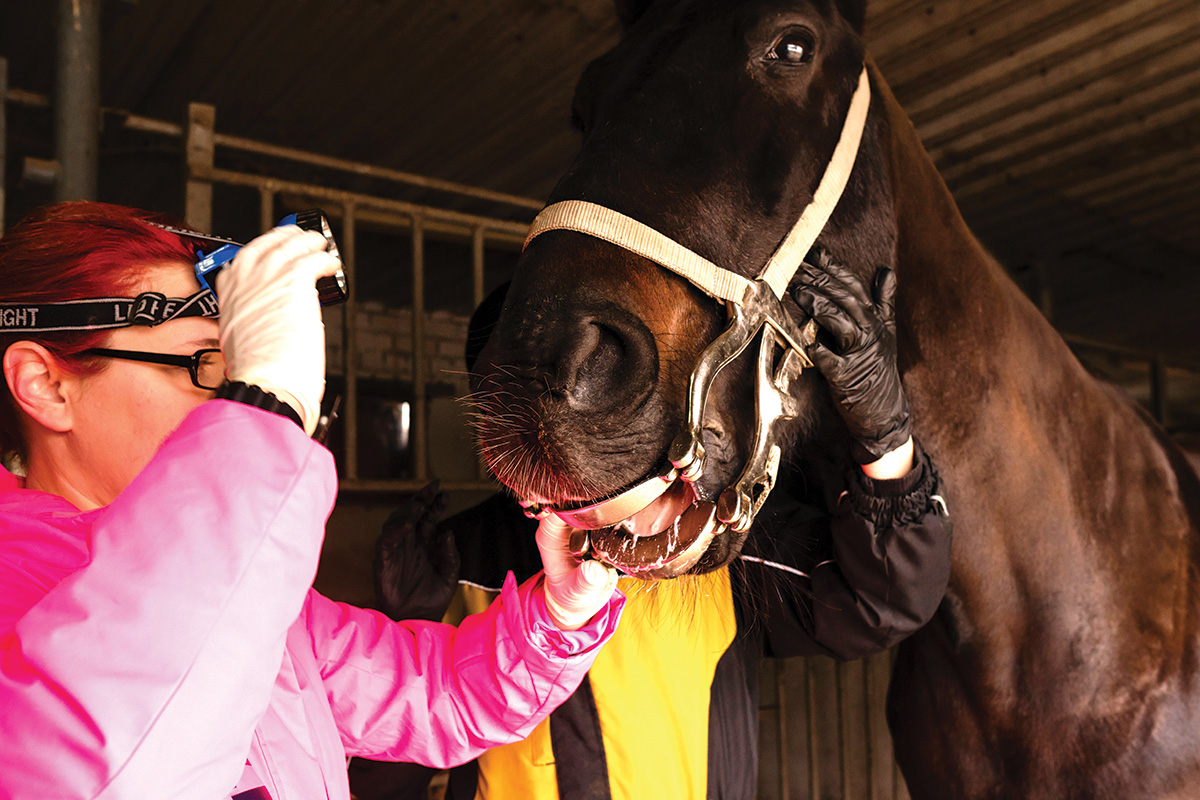
Additionally, older horses with poor dentition, either from lack of routine care or because they no longer have teeth to chew their food well, are also candidates for cecal impactions.
“Their feed is not as broken up as it should be, and these larger balls of feed and matter can fluff up in the intestine,” she cautions.
Older horses may benefit from feed that is soaked or from a less-coarse feed that is more readily broken down in the digestive tract. Ongoing, quality dental care is critical during a horse’s golden years.
Treatment of a Cecal Impaction
There is no specific age or breed of horse that is most at-risk of a cecal impaction.
“I have seen cecal impactions across the board,” says Andrews. “They occur in a variety of ages [of horse], for a variety of reasons.” Early detection is key to the horse’s health.
Like other types of colic, cecal impactions can be treated medically or surgically based on the horse’s clinical signs, results of a physical exam, rectal palpation, health history, bloodwork results, and the horse’s response to medical management. Andrews will often ultrasound a horse’s abdomen to help determine if the horse is experiencing a cecal impaction.
Administration of fluids, both intravenously and orally, is the first line of defense to try to soften the mass in the horse’s cecum. Laxatives and pain relievers may also be administered.
Surgery, or euthanasia if surgery is not an option, must be considered if the impaction remains unchanged or enlarges, or if pain escalates, as this indicates that rupture is often imminent. Once the horse’s cecum ruptures, he may briefly appear more comfortable as he bleeds internally, which eventually causes death from blood loss or septicemia.
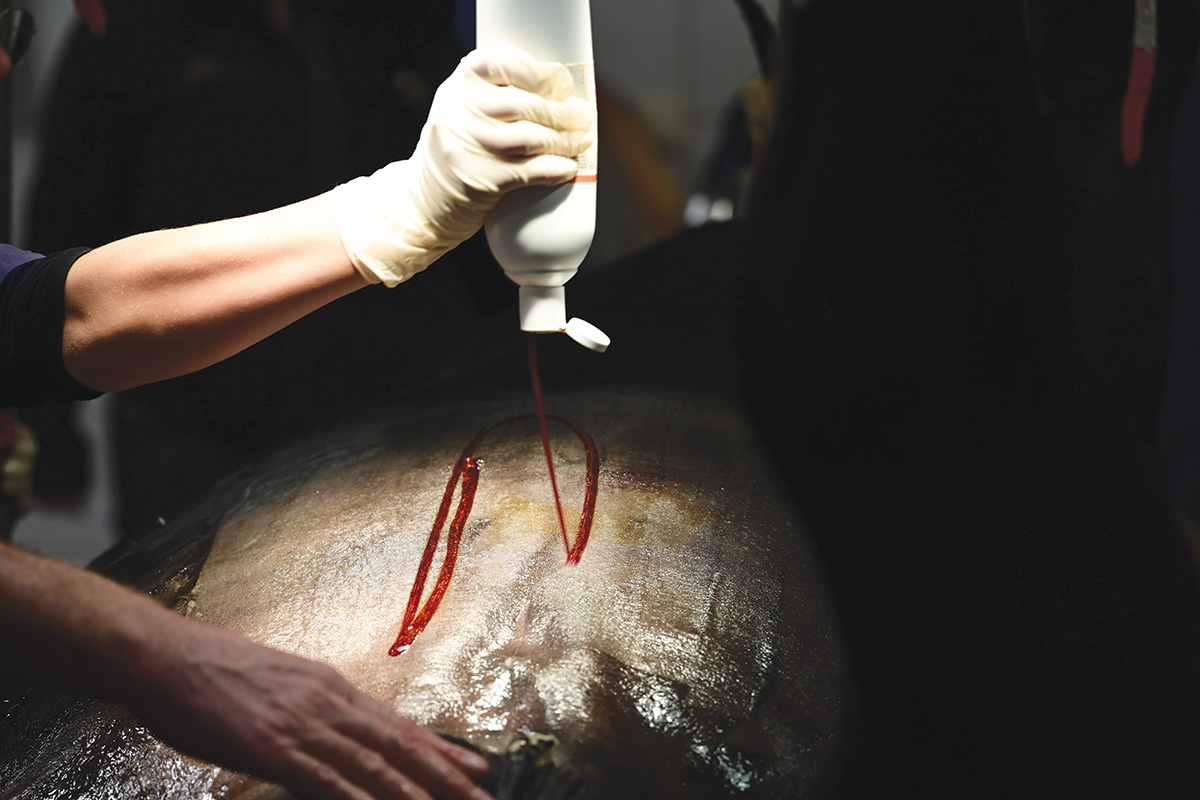
Because of this possible outcome, it’s important to know if surgery is an option—for a cecal impaction or other problem—long before the need arises, according to Andrews.
“If I can’t manage a cecal impaction medically, I don’t waste a lot of time before getting them on the table if surgery is an option, mainly so I can try to preserve the integrity of the GI tract,” she says.
Owners who know their horses well are cherished by their horse’s care team and offer solid ground for the veterinarian-client-patient relationship to flourish.
“I value the owners who look at their horses every day,” says Andrews. “When they say, ‘Something’s not right,’ I know that something truly isn’t right. Long-term, I know their horses as well as they do, and it helps me catch things really early and begin treatment.”
This article about cecal impaction colic appeared in the October 2024 issue of Horse Illustrated magazine. Click here to subscribe!