Origin: Germany
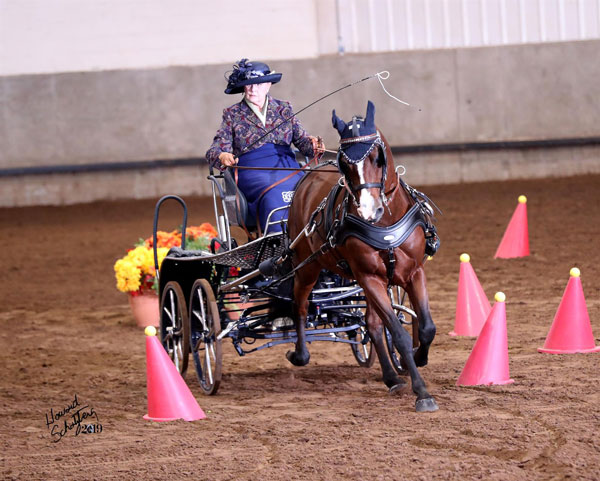
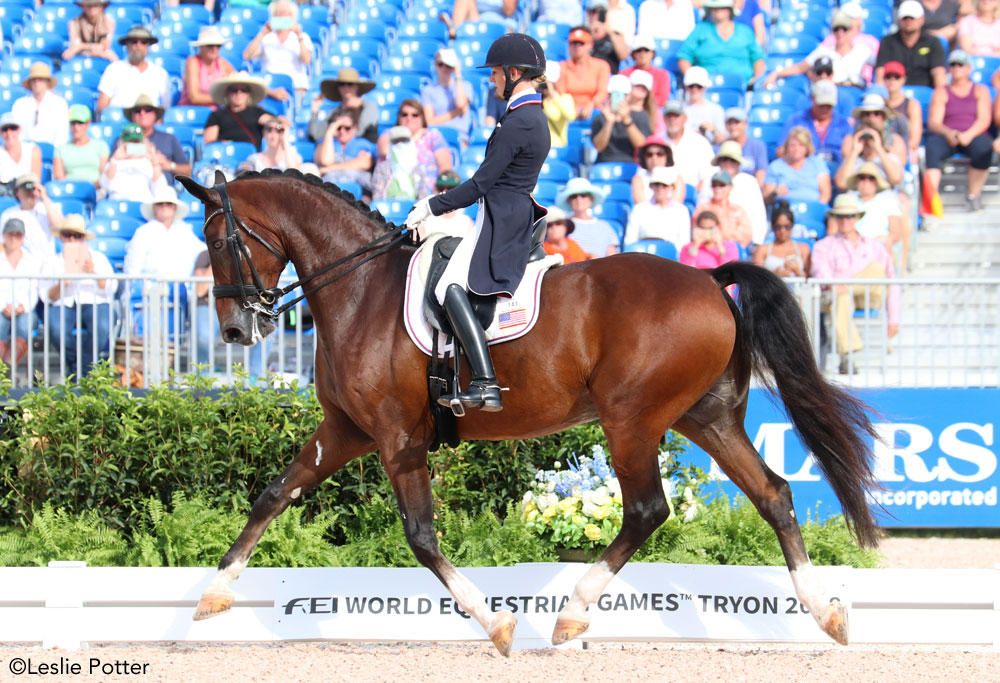
Use Today: Considered one of the world’s premier sport horses, the Holsteiner can be found competing in the upper levels of dressage, combined driving, eventing and jumping. The modern Holsteiner has also found success in the show ring as a stylish hunter.
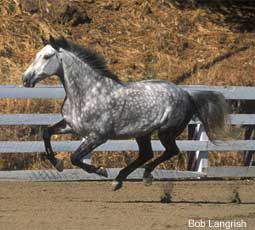
Color: All colors are acceptable, although chestnut and all shades of bay are the most common.
Height: 16 to 17 hands
Profile: Over 700 years ago monasteries in the Schleswig-Holstein region of Northern Germany began breeding the early Holstein horse. It was known as a reliable riding and work horse. After the Reformation, private horse breeders and the German government took over maintaining the prized pedigrees and treasured mare lines, known as “stamms.” Over time, the breed was altered to meet a variety of demands: war horse, elegant carriage horse and eventually a prized show horse. In the 19th century Yorkshire Coach horses and Cleveland Bays were introduced to the breeding program, producing an elegant, animated carriage horse. After World War II, the demand for an athletic, multi-purpose sport horse led to the introduction of Thoroughbred, Selle Francais and Anglo-Arab blood. This drive to keep the Holsteiner relevant to the needs of an ever-changing market has helped the Holsteiner achieve fame as a versatile sport horse.
Characteristics: The Holsteiner’s strong back, powerful hindquarters and arched neck contribute to the breed’s trademark lofty, expressive movement. The breed is also known for a solid work ethic.
For more information: The American Holsteiner Association was formed in 1978 to maintain performance records and registration of breeding stock in North America. www.holsteiner.com.

Cindy Hale’s life with horses has been filled with variety. As a child she rode western and learned to barrel race. Then she worked as a groom for a show barn, and was taught to harness and drive Welsh ponies. But once she’d taken her first lessons aboard American Saddlebreds she was hooked on English riding. Hunters and hunt seat equitation came next, and she spent decades competing in those divisions on the West Coast. Always seeking to improve her horsemanship, she rode in clinics conducted by world-class riders like George Morris, Kathy Kusner and Anne Kursinski. During that time, her family began raising Thoroughbred and warmblood sport horses, and Cindy experienced the thrills and challenges of training and showing the homebred greenies. Now retired from active competition, she’s a popular judge at local and county-rated open and hunter/jumper shows. She rides recreationally both English and western. Her Paint gelding, Wally, lives at home with her and her non-horsey husband, Ron.
Like many draft breeds, the Percheron was used on farms across Europe and America. Today,…
Maybe it’s the flowing leg feathers, the gentle personality, or maybe it’s the height—18 hands?…
You may not have heard of the Mangalarga Marchador, but if you are looking for…
A little piece of Austrian gold, the Haflinger breed is a small horse whose hearty…
It’s holiday shopping season and I’ve spent the last few months searching for unique or useful equestrian gifts. I’m so…
Timothy, orchard grass, alfalfa, fescue, clover—so many hay types! What’s the right type of hay to choose in your particular…
As horse owners, you know it’s time for that stinky, white crumbly grossness that comes with thrush - and even…
Welcome to Horse Illustrated’s weekly installment of the Right Horse Adoptable Horse of the Week, offered in partnership with the…
Austin, Texas – Commissioner Sid Miller and the Texas Department of Agriculture (TDA) today issued an alert to Texas horsemen of…