If you’ve ever had questions about the best vaccination program for your horse—what’s needed, what’s not, why and when—you’re not alone. After all, the right approach to vaccines depends on where your horse lives, whether you compete, and many other considerations.
The good news is that there are answers, and the more knowledge you have, the more power you have to make the right decisions for your horse.
We sat down to chat with Ann Andrews, DVM, CVA, of Park Equine Hospital in Lexington, Ky., to answer your most-asked questions.
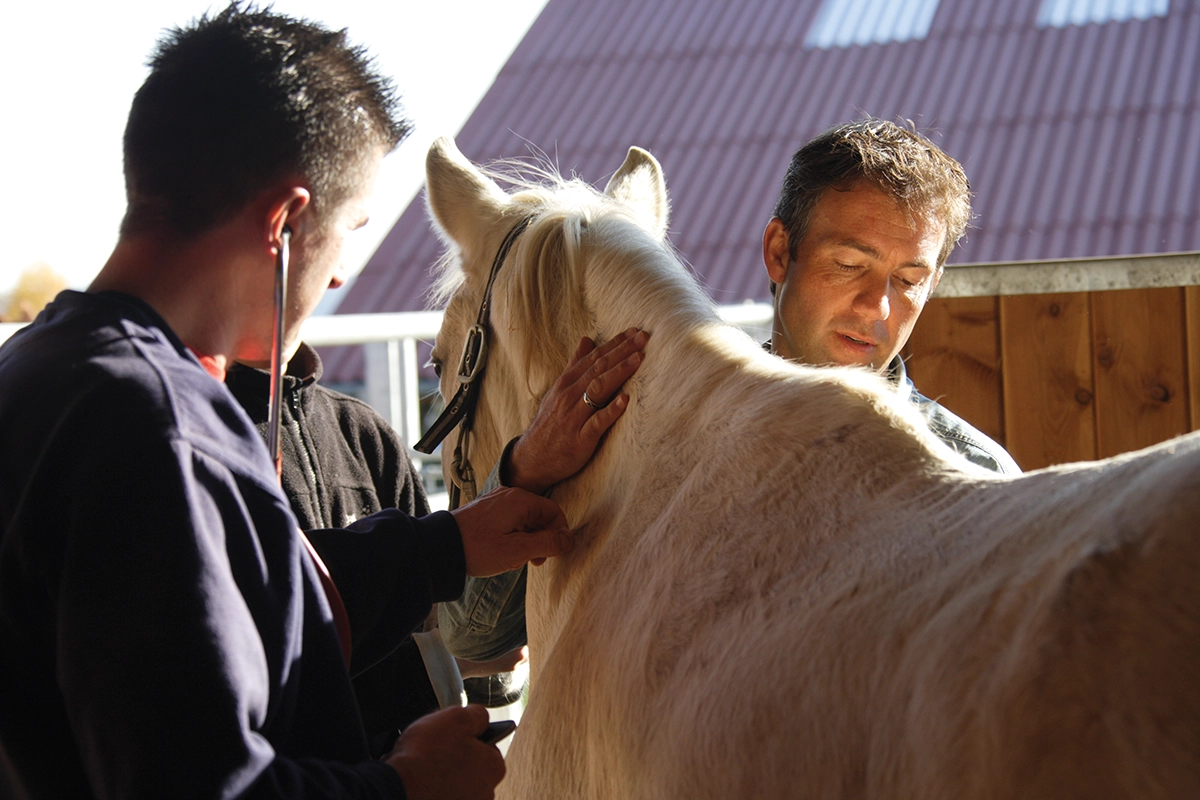
Photo by Christiane Slawik
Q: Does my horse need vaccinations?
As modern-day horse owners, it’s easy for us to take for granted the health advantages that vaccines now offer our equines. Not too many years ago, horses died from tetanus, rabies, Eastern and Western encephalomyelitis, and other diseases.
Nowadays, horses can be protected from these diseases with vaccinations; if not completely, at least with the resulting illness being less severe. The key is developing a program alongside your veterinarian that meets the individual needs of your horse.
Q: Is there a safe and essential minimum of vaccinations required?
Like many equine veterinarians, Andrews follows the guidelines of the American Association of Equine Practitioners (AAEP), which recommends a few core vaccines for all horses.
“The AAEP is a great resource for horse owners, and not just for vaccinations, but many health issues,” she says.
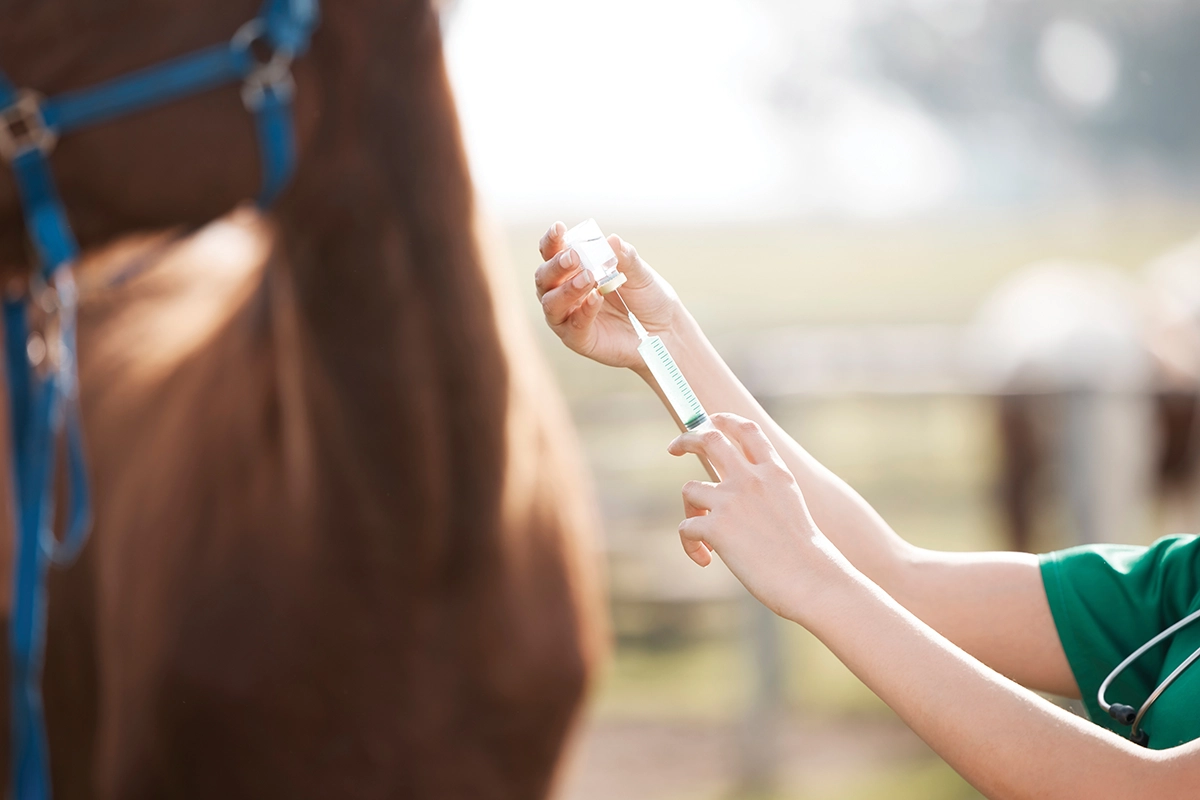
There are five diseases the AAEP’s core vaccines protect against: EEE, WEE, rabies, tetanus, and West Nile virus. Photo by peopleimages.com/Adobe Stock
Here’s a brief description of the diseases core vaccines protect against, and their recommended frequency.
◆ Eastern and Western equine encephalomyelitis (EEE/WEE) are viral diseases spread by mosquitoes that cause neurological damage or death. Vaccine frequency is annual in spring prior to the rise in vector season.
◆ Rabies is a fatal neurological disease that affects all mammals; it can be transmitted by raccoons, bats, skunks and foxes. Vaccine frequency is annual.
◆ Tetanus is a bacterial disease that is often fatal; it can be contracted through wounds or punctures. Vaccine frequency is annual.
◆ West Nile virus (WNV) is a neurological disease transmitted by mosquitoes; it can be fatal, and recovered horses may have abnormalities in behavior and gait. Vaccine frequency is annual in spring prior to vector season.
“Depending on your geographic location, regional prevalence, exposure risk, stabling environment and other factors, your vet may also recommend certain additional risk-based vaccinations,” says Andrews.
Commonly recommended risk-based vaccines include:
◆ Equine herpesvirus (rhinopneumonitis/EHV): EHV-1 and EHV-4 are viral diseases that can cause abortions in broodmares, neurological issues, and respiratory illness. Horses that travel, compete, or are kept in high-density environments are particularly susceptible.
u◆Equine influenza (flu) is a highly contagious viral disease that causes respiratory illness and impacts performance. Horses involved in activities that involve contact with other horses are at highest risk.
◆ Potomac horse fever (PHF) is a disease caused by the bacteria Neorickettsia risticii and transmitted to horses drinking from water sources where parasitic worms have infected aquatic insects. Vaccination is recommended in areas where the disease is prevalent, as well as for horses traveling to or through those areas.
◆ Strangles (Streptococcus equi) is a highly contagious bacterial infection that causes swollen lymph nodes and respiratory issues. Horses in high-risk environments (for example, where new horses arrive frequently) are most susceptible.
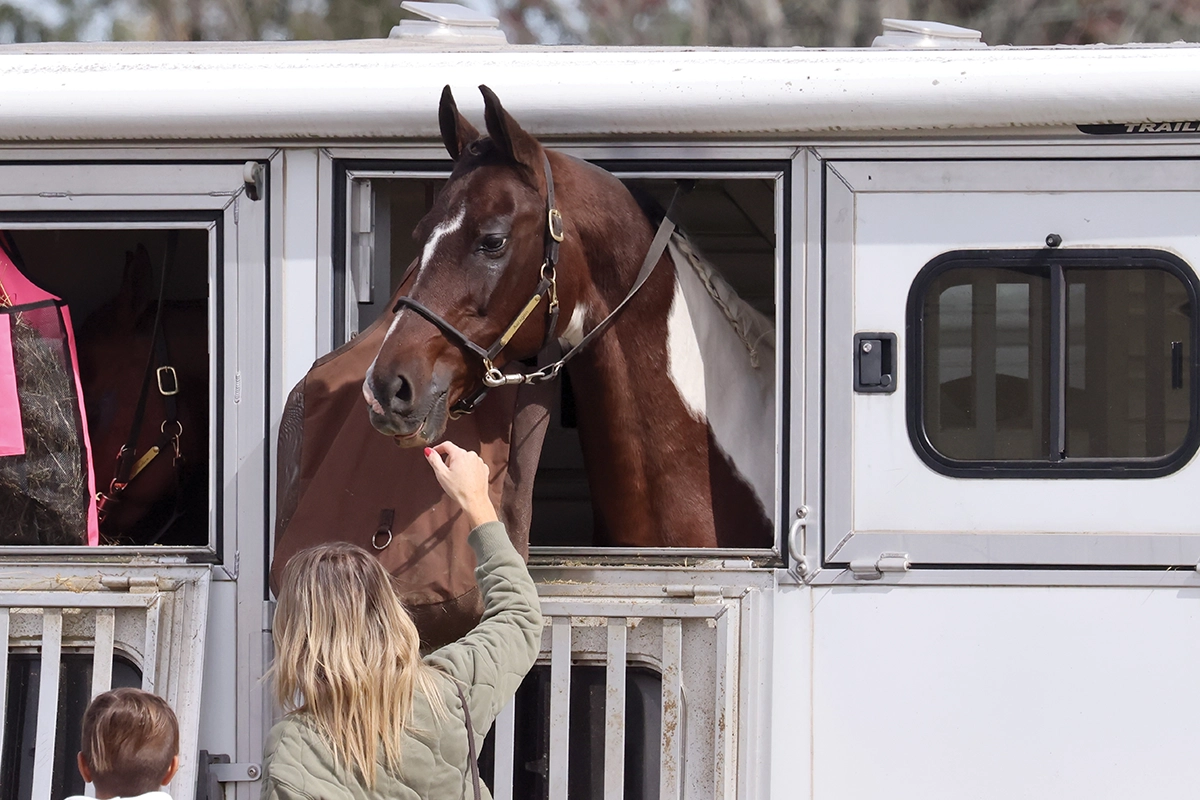
Flu/rhino and strangles vaccines are a good idea to add to the list for horses that travel to competitions. Photo by Janet/Adobe Stock
Other risk-based vaccines include:
◆ Anthrax
◆ Botulism
◆ Equine viral arteritis
◆ Leptospirosis
◆ Rotaviral diarrhea
◆ Snake bite
◆ Venezuelan equine encephalomyelitis (VEE)
Q: Do vaccinations differ for horses that compete or are stabled in a large boarding facility versus a small herd or retirees that never travel?
“Even for older horses and those that live in a closed environment with no interaction with outside horses, the four core vaccines are always advised,” says Andrews. These provide protection from common diseases and illnesses, especially those that are spread by mosquitoes or chance encounters with wildlife.
“For horses that travel to competitions and/or live in large barns where lots of horses come and go, I’d also recommend additional vaccines to cover their exposure, including flu/rhino at least annually and perhaps a booster every six months, and strangles,” she adds.
Q: If my horse has reactions to vaccines, what can help minimize them?
Common reactions include swelling at the injection site, lethargy, going off feed, and sometimes colic and laminitis. The best solution might seem to be spreading out vaccinations over several days or weeks to avoid bombarding the horse’s system with multiple antibodies at the same time.
“The problem with this approach is that each vaccine can cause a reaction, even if it’s minimal,” says Andrews. “Then the horse’s system has to process, and potentially react to, each vaccine spread over many days instead of one episode with multiple vaccines.”
However, there are ways to work with your vet to help minimize reactions:
◆ Vary the injection sites for each vaccine, such as different locations on the neck and hip. “This also helps identify reactions to certain vaccines if there’s swelling at the injection site,” says Andrews.
◆ Allow the horse free movement after vaccinations to help his system process the antibodies.
◆ Devise a proactive approach, such as treating with Dexamethasone or Banamine the day before the injections, the day of, and a couple days after.
◆ Another benefit of having a client/vet relationship is the ability to dig deeper to find solution (see more below).
“One client’s horse had severe reactions to vaccines,” she recalls, despite trying the ideas above. “I decided to switch the brand of vaccines, and for whatever reason, that worked for him. Now we have an established protocol that we follow every time, and it’s helping keep his side effects as minimal as possible.”
If your horse has severe reactions to vaccinations, you might consider asking your vet about checking titers—the level of antibodies in the horse’s blood that are specific to a particular pathogen.
Value of the Client/Vet RelationshipVets understand the dilemma: Some horse owners want to purchase their horse’s vaccines at their local feed or farm supply store, and administer the injections themselves. Perhaps it’s to save money, or maybe they live in an area where it’s hard to find a vet. But unless it can’t be avoided, veterinarians would prefer you and your horse have an established relationship with a vet. Why? Because your horse will be given vaccines that were shipped and stored properly (improperly handled vaccines are a common cause of adverse reactions) and a vet can help monitor for rare but severe reactions. Plus, did you know if a vaccine is given by a licensed vet and the horse contracts the illness, the vaccine laboratory can be held liable? In addition, having an established vet relationship means quicker help for your horse. Especially in emergencies, your regular vet is more likely to give initial instructions by phone while en route to see your horse. These early steps of treatment can make the difference between an uneventful recovery and a devastating prognosis. |
Q: Are there any differences for vaccines based on geography, weather, et cetera?
Certain diseases or illnesses can be more prevalent in some areas of the country than others, and your vet’s vaccination recommendations will reflect that.
For example, Potomac horse fever was first discovered in Maryland near the Potomac River. It’s since been reported in numerous states (including California), and it seems to peak in summer and fall in areas with bodies of water, like lakes, creeks, rivers, and ponds.
Botulism, a potentially fatal neurologic disease, is not a regional disease per se, but it’s more commonly found in horses that eat from large round hay bales as well as fermented haylage and silage feeds. If these forage types are common in your area and consumed by your horse, your vet may recommend this vaccination.
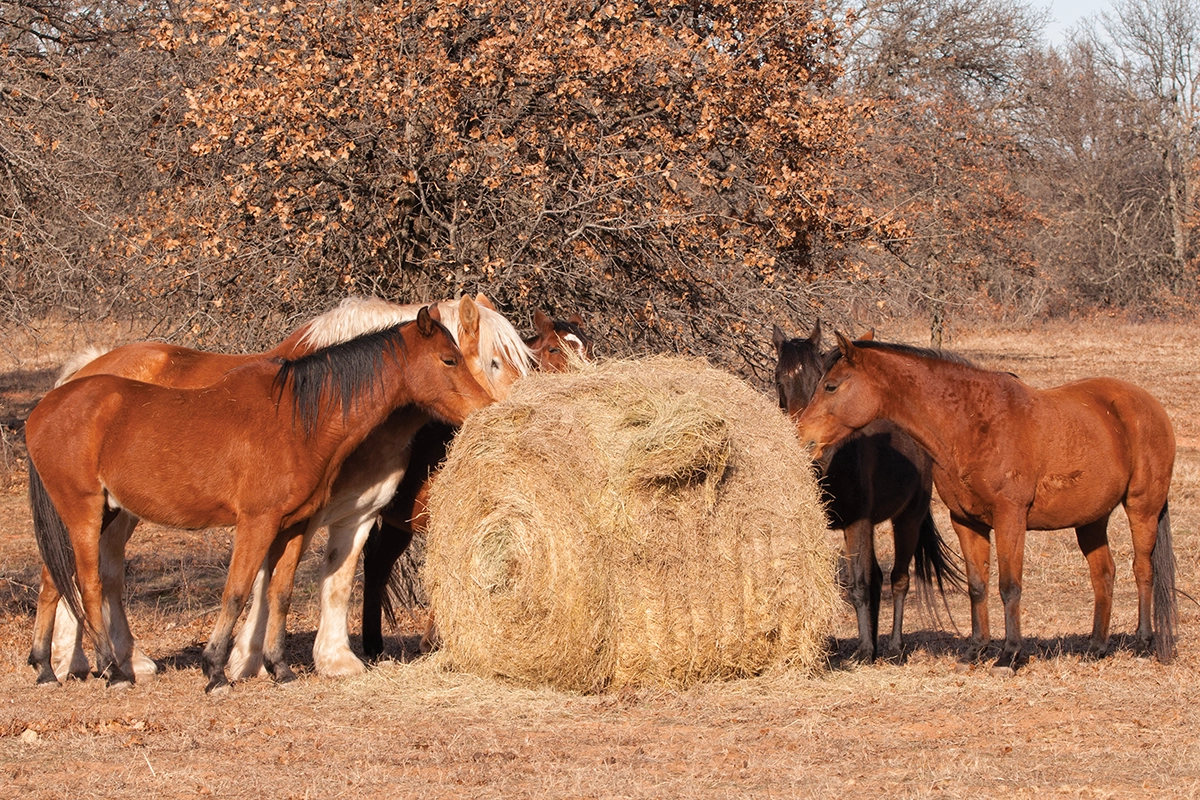
Botulism is more commonly a threat for horses that eat from large round bales. Photo by pimmimemom/Adobe Stock
Horses in Florida and other areas with higher mosquito populations or longer mosquito seasons may be recommended to have boosters for Eastern/Western equine encephalomyelitis and West Nile virus.
Quarantine and BiosecurityImagine this. After years of searching, your dream horse had finally arrived. You smile as he steps off the trailer and into his stall in the big barn. A couple days later, he’s lethargic and has stopped eating. When you go to halter him, you notice the area under his jaw was swollen. You call the vet, sure that he has an abscessed tooth. The vet arrives and peeks over the stall door. “Your horse doesn’t have an abscessed tooth. He has strangles.” Within days, every horse in the barn is sick. The following weeks of treatment, mess, stress, and expense could have been avoided with a simple quarantine and biosecurity program. “I believe every horse owner should quarantine any new horse that comes to their property,” says Andrews. “At the client barns where we have a quarantine protocol, I’ve seen numerous times how it prevented huge outbreaks of illness and confined it to one horse.” Setting up a quarantine system is simple and well worth the time. Here’s how: ◆ Use portable panels to set up a corral that’s away from the barn and pasture fence lines. ◆ Keep the new horse in this area for a minimum of two weeks, and up to three. Monitor daily for elevated temperature and other signs of illness. ◆ Avoid cross-contamination with feed and water buckets, grooming tools, et cetera, and be sure all handlers wash their hands after contact with the quarantined horse. ◆ If the quarantined horse gets sick, use biosecurity measures when treating the horse, including separate (or disposable) clothing/gowns, gloves, hats, boots, and masks. ◆ When the horse is released from quarantine, thoroughly clean the area with a 5-10 percent bleach solution and allow to dry. 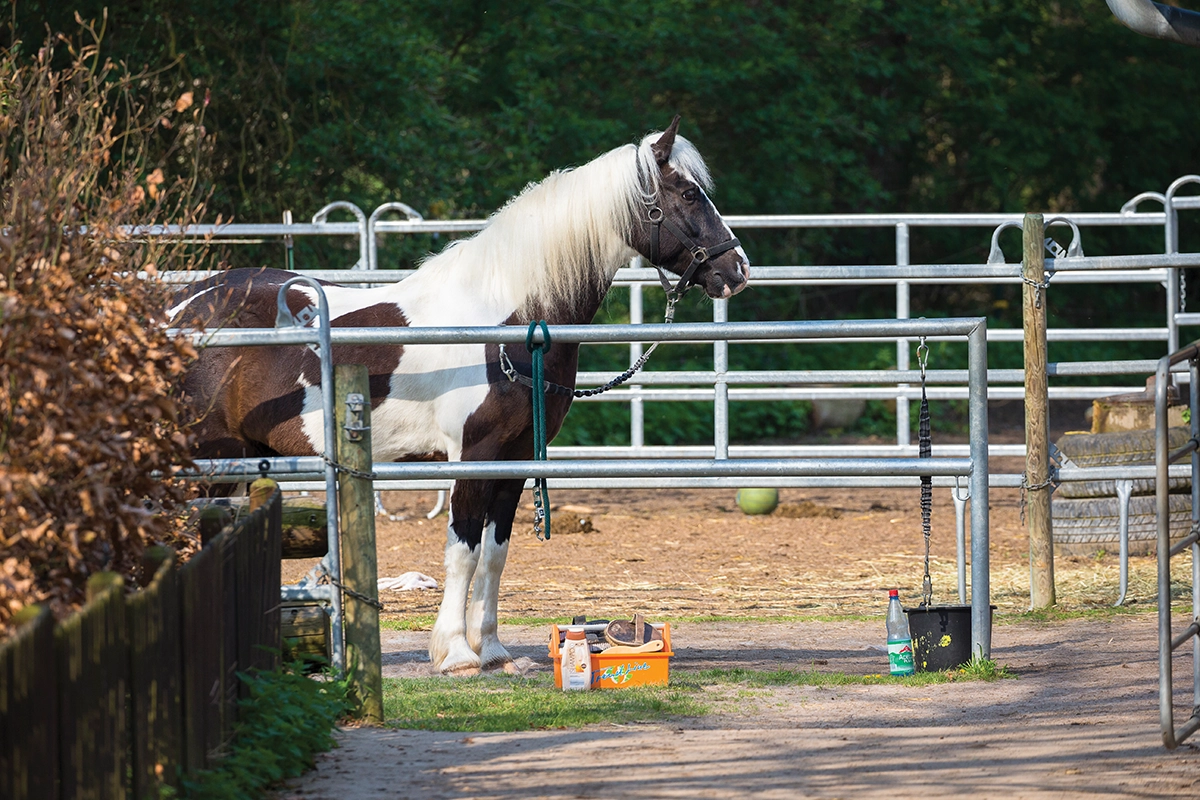 If you don’t already have a separate area, use portable panels to set up a corral away from other horses during the quarantine period. Use brushes and water buckets that aren’t shared with any other equines. Photo by Christiane Slawik |
For more on recommended vaccines, visit the American Association of Equine Practitioners.
This Q&A about vaccines for horses appeared in the March/April 2025 issue of Horse Illustrated magazine. Click here to subscribe!