The survival of equestrian sports in the United States is the responsibility of every horse enthusiast and relies on societal acceptance — or social license to operate.
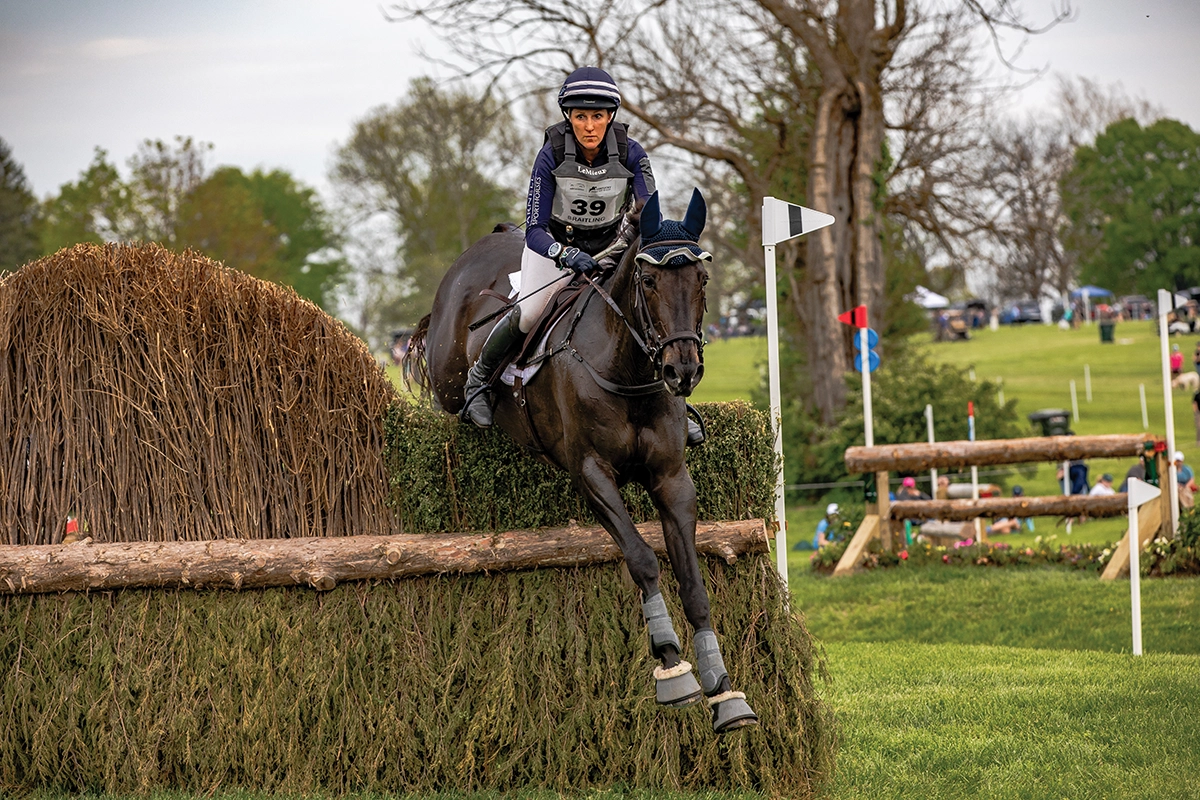
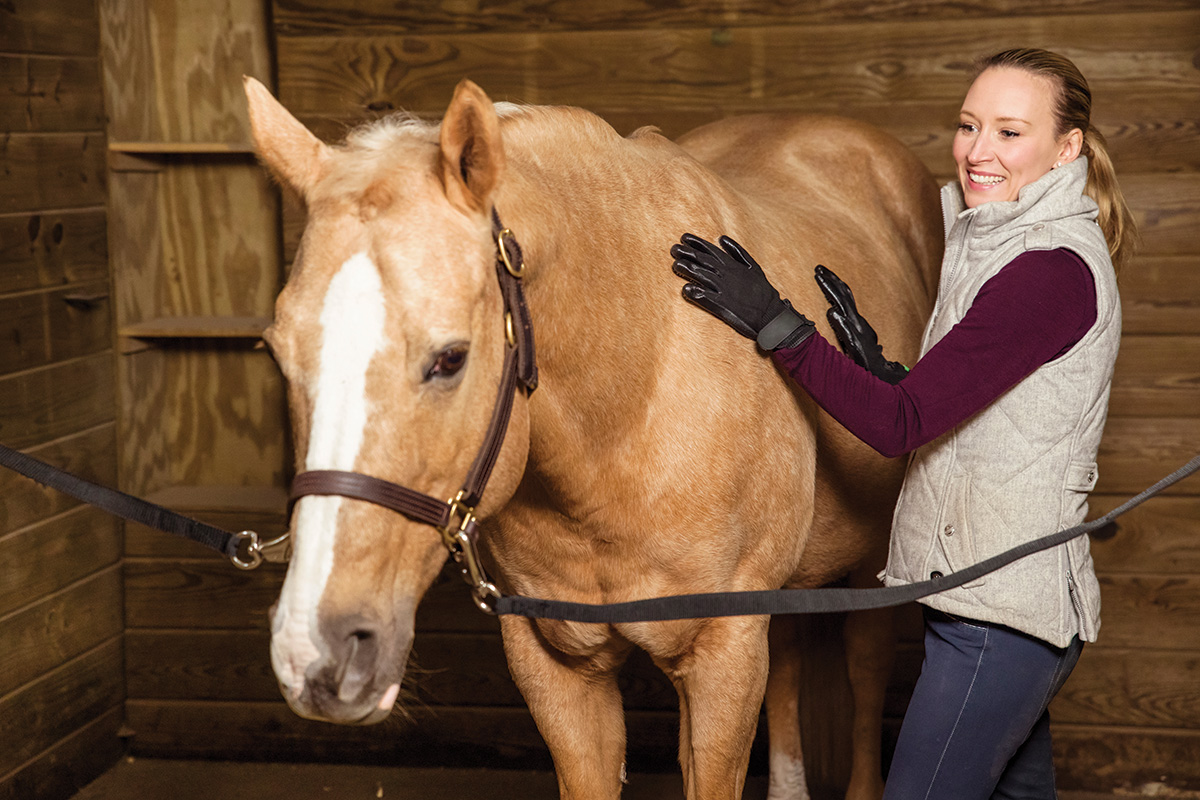
The perception of horse sport in the U.S. is the responsibility of every equestrian, whether or not you participate in competitions. Photo by Mary Cage
Breakdowns in racing. Questionable training practices. Medication and tack use in competition horses. Welfare of horses with minimal access to pasture. Wellbeing of horses asked to do a “job.” The list goes on.
If you’re a horse person, chances are good that you have been asked about one—or more—of these issues, often by well-meaning family and friends who aren’t horse savvy, but who are concerned. Though media and organizations that oppose horse sport are dialed in on equestrian competition, every horse owner—whether they show or not—must make a concerted effort to be able to respond to these questions in a calm and educated manner. The very future of equestrianism depends on it.
What Is Social License to Operate to Why Does it Matter?
No longer just a flash in the pan, the term “social license to operate,” or SLO, refers to an “intangible, implicit agreement between the public and those who pursue an activity,” according to World Horse Welfare.
In short, it’s societal acceptance. If the public accepts something—in this case, horse sport—it will continue with minimal demands for change. If the public disapproves of an activity, pressure builds, and demand is made for an activity to change—or terminate.
As societal pressure on all equine activities escalates, every equine enthusiast is tasked with being able to defend the sport they love. Many horse lovers first became aware of the power behind public pressure during the 2020/2021 Tokyo Olympics, when a modern pentathlon coach punched a horse during the show jumping round to make the horse go forward.
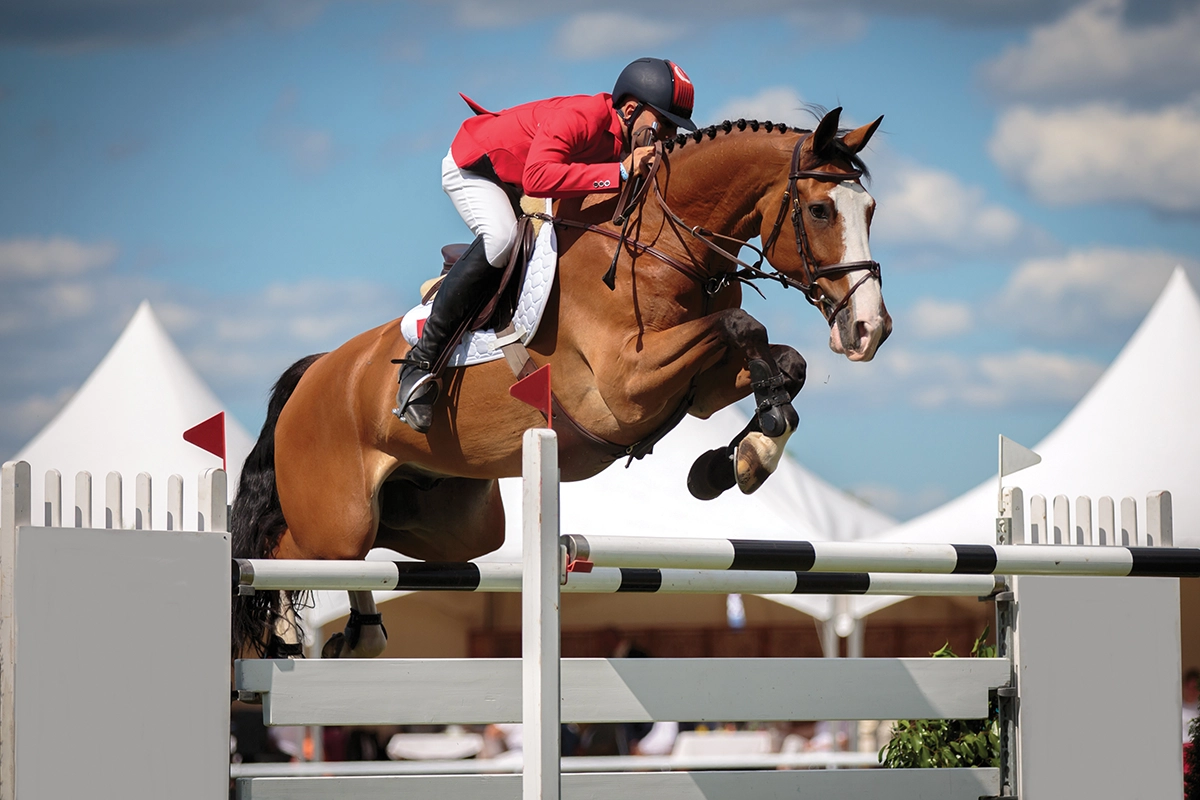
Any time horse injuries or riding and trainer abuses take place on a big stage, equestrian sport jumps to the forefront of public scrutiny. Photo by Marcin Kilarski/Wirestock/Adobe Stock
The consequences were swift. The coach was disqualified for the remainder of the Olympics; the number of horses used in competition increased; more stringent animal welfare standards were established; and minimum riding standards were adopted. And still, modern pentathlon’s inclusion in future Olympics is tenuous.
So how can the rest of us prepare for possible public backlash, no matter how we are involved with horses? Here’s how a variety of organizations are working to ensure the longevity of their equestrian sports.
Light Up Racing
Horses are big business in the United States, adding $122 billion annually to the U.S. economy, reports TwinSpires. The overall impact of horse racing and breeding is estimated to bring in more than $30 million each year—a very large chunk of that economic pie.
With that much money at stake comes additional public scrutiny and heightened responsibility, one the Thoroughbred racing industry has begun to concertedly address with the creation of Light Up Racing.
Founded in response to a growing perception crisis in horse racing, Light Up Racing is on a mission to tackle misinformation and build trust through transparency, according to Naomi Hurdle, account manager for the organization.
“To do this, the organization hosted two major events in February 2024 and offered media training sessions, equipping 100 ambassadors with the skills needed to address public concerns and share the progress being made in the [horse racing] industry,” she explains. This helps effectively shift the narrative around horse racing.
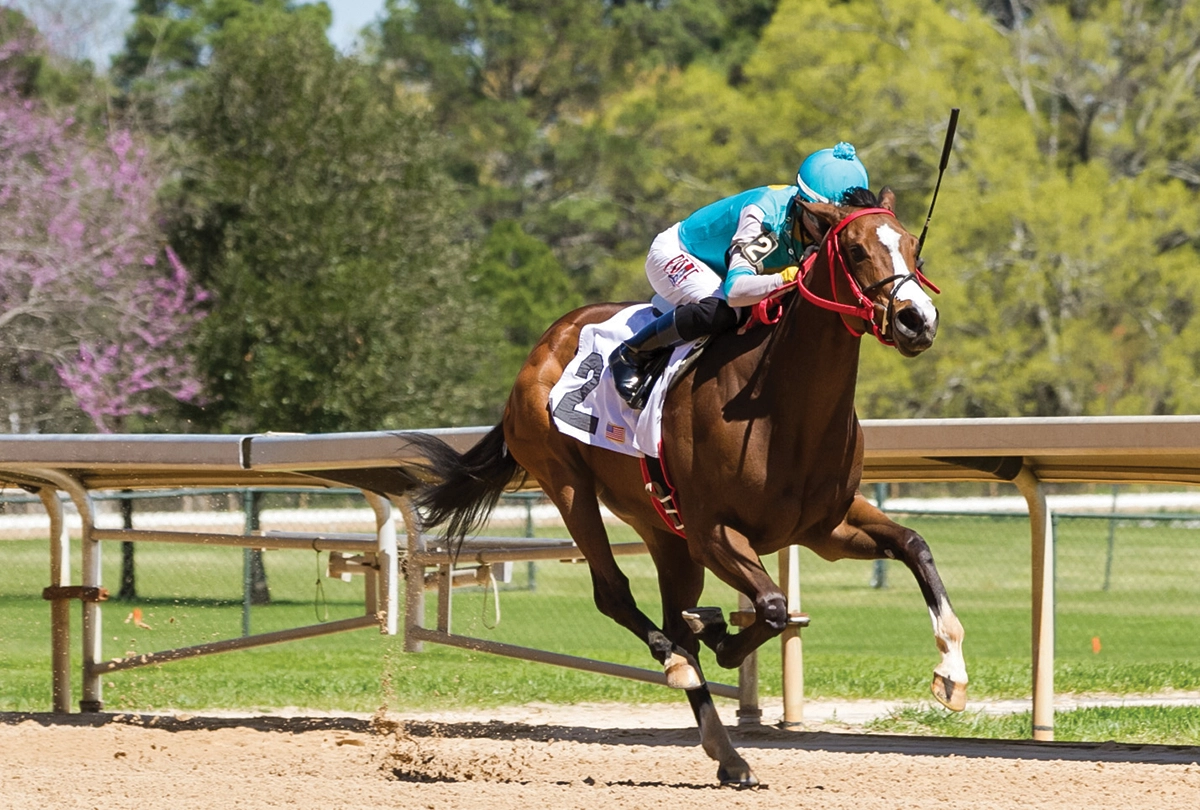
Founded in response to a growing perception crisis in horse racing, Light Up Racing is on a mission to tackle misinformation and build trust through transparency. Photo by Mary Cage
Light Up Racing has worked closely with other organizations in the racing industry to unify the industry’s voice and promote trust through consistent, factual messaging. Light Up Racing’s website serves as a hub for accessible, science-backed resources, answering common questions about retirement programs, safety advancements, and welfare initiatives.
It also hosts tools and templates for industry participants to deliver strong, consistent messaging in interviews and on social media.
“Together, these efforts, combined with social media campaigns reaching millions, are helping to reshape public perception and promote the incredible work being done across horse racing,” Hurdle says.
Unfortunately, the road to social acceptance is not linear. The future of racing depends on the industry’s willingness to evolve and communicate.
“We need to keep cleaning up our act—and the good news is, we are,” she says. “By openly sharing the steps we’re taking and the results we’re seeing, we can build trust and combat misinformation.”
*This article was originally published in our March/April 2025 print issue. As of this online publishing, Light Up Racing will cease operations following the 2026 Breeders’ Cup.
The American Quarter Horse Association’s Animal Welfare Commission
The American Quarter Horse Association is the world’s largest equine breed registry and membership organization, encompassing trail riding, ranching, showing, racing, and timed events. There were more than 232,000 AQHA-registered horses in 2023.
With such a massive footprint, AQHA can set the SLO bar high—and encourage other breeds to step up their game. In 2012, AQHA created the AQHA Animal Welfare Commission, with members appointed from all segments of the equine industry, according to Ward Stutz, director of Breed Integrity, Animal Welfare and Education for AQHA.
“Part of the Animal Welfare Commission’s mission is to identify issues negatively affecting the welfare of the American Quarter Horse and recommend actions that will protect AQHA horses and other animals used in competition from inhumane practices, as well as members from the negative impacts associated with those practices,” he says.
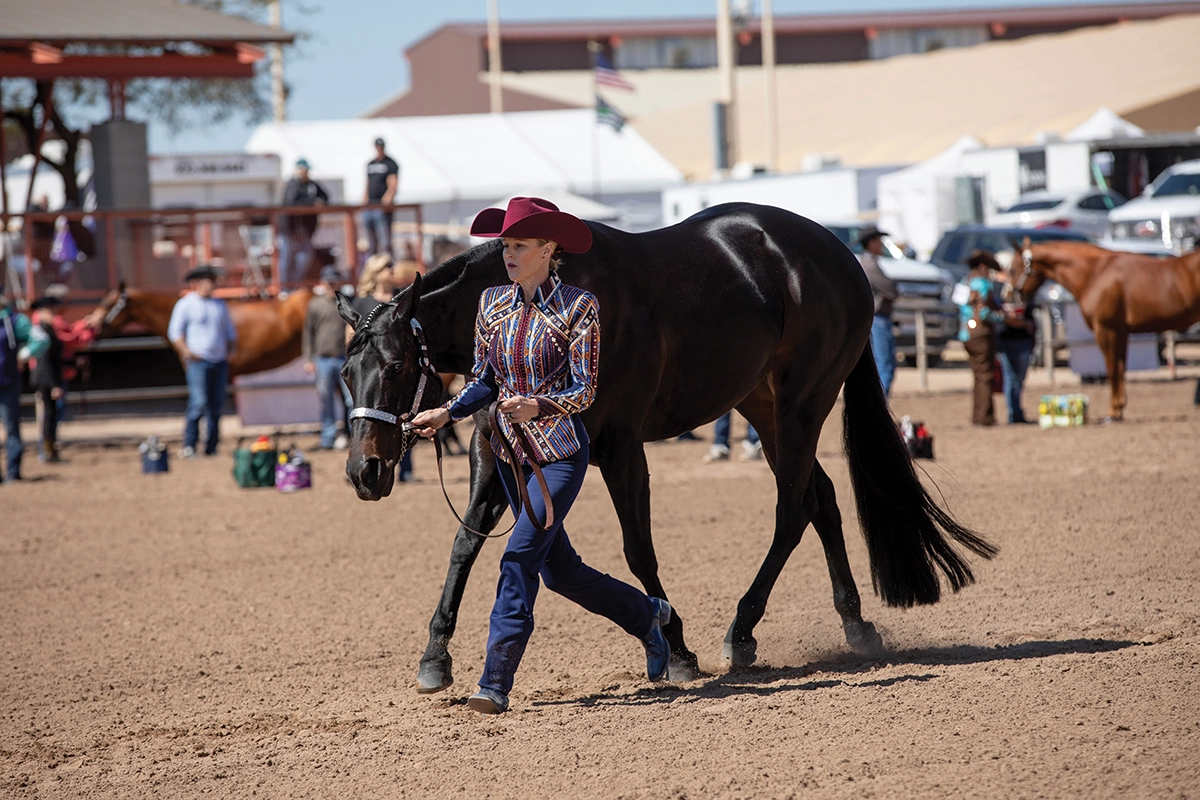
In 2012, the American Quarter Horse Association created the AQHA Animal Welfare Commission, with members appointed from all segments of the equine industry. Photo by Mary Cage
Since its inception, the Commission has made several rule and policy changes to address drug and medication use, inhumane training both on and off show grounds, tack and equipment, and performance alteration, among other things.
Change is hard—and often too slow for the public. However, AQHA is working diligently to not only identify what is inappropriate to do to a horse, but to ensure the public knows the organization’s lack of tolerance for anyone caught breaking the rules.
Looking ahead, the organization is considering adopting some of the mandates the FEI and U.S. Equestrian Federation have implemented, such as a 12-hour “no injection” medication rule; limiting the use of shockwave; and limiting intra-articular injections.
U.S. Equestrian Federation’s Dedication to Social License to Operate
David O’Connor, winner of the individual gold medal for eventing at the 2000 Sydney Olympics, is a renowned coach and Chief of Sport for the U.S. Equestrian Federation (USEF). He is one of the equine industry’s biggest proponents and has taken the reins of U.S. Equestrian Federation’s dedication to SLO. Eager to reflect on how far horse sport has come, he is also the first to acknowledge that the process is never ending.
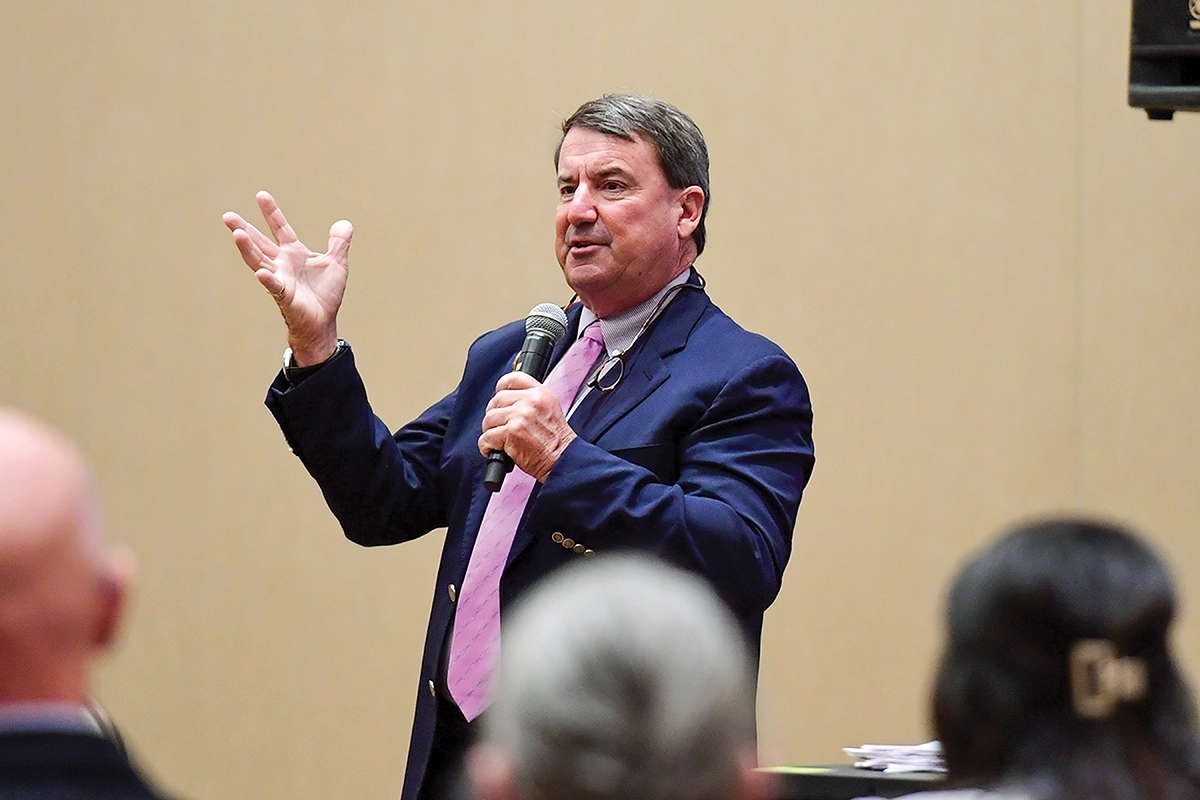
David O’Connor is one of the equine industry’s biggest proponents, and he has taken the reins of U.S. Equestrian Federation’s dedication to SLO. Photo by Kim MacMillan/MacMillan Photography
O’Connor notes that while the organization has always been strong on the ethical treatment of horses on competition grounds, a philosophical shift is underway to include the welfare of horses while off show grounds.
Though USEF has been able to grant disciplinary reciprocity for equine cruelty, abuse, or neglect when action has been taken by another organization (like a humane society or law enforcement agency), the entity’s reach expanded on December 1: USEF can now police horse abuse that may occur at home farms.
This rule change was in response to a video showing Cesar Parra severely disciplining his horses while training at home. The rule requires any participant who witnesses unethical treatment of a USEF-registered horse to report it.
This rule change is a massive stride forward for equine welfare—but it isn’t the end goal.
“You have to [continually] look at yourselves and how strong you feel your rules and procedures are,” says O’Connor. “While the public can drive a lot of change, change has to be driven from within.”
What Can YOU Do?
Virtually every equine organization recognizes they must adapt to societal demand or suffer the consequences, which could be dire—such as the degradation or even eventual demise of horse sport. While the exact verbiage may differ between breed and discipline, the governing bodies are all paying attention to each other, according to O’Connor.
“The public doesn’t separate horse sport,” he says. “While what we do [as a breed or discipline] might not look the same for each of us, we are not all separate in the eyes of the public—we must all pay attention to each other.” O’Connor feels we should continue to demand positive change to ensure the future of equestrian sport.
“Every horse person plays a part in shaping the future of the sport,” says Hurdle. “One of the most impactful things you can do is engage with negative commentary constructively. By being a voice for transparency and positivity, you can help shift perceptions. SLO is about showing the world that we’re evolving and that the welfare of our horses is at the heart of everything we do.”
Messaging to the Public
Being a voice for positivity in the horse world is also top of mind for Stutz.
“I believe for the most part we know what needs to be done [with regard to welfare] and we are doing it, but as an industry we are not good at telling the public what we have done and what we are doing,” he says. “We wait until there is a negative story to take action.”
When a friend, family member, or even a person on social media asks a tough question about the type of riding you enjoy, it’s important to reiterate that “we cannot make the horses do it,” says O’Connor.
Whether it’s racing or jumping or sliding or gaiting, the horse will choose to do it or not do it—the choice is theirs, he says. A horse that does these things is a partner for his rider.
“We talk about partnership a lot on an emotional level, but there’s a physical partnership, too,” adds O’Connor.
Horse sport, in any capacity, is dependent on public acceptance for its survival. Every breed, discipline, and equine organization should be executing changes in response to public scrutiny—or be left behind.
Equine enthusiasts must be prepared to defend equestrianism, in all it is varieties, by sharing with the world how we’re adapting to ensure the health and welfare of the animals in our care.
This article about the horse industry’s social license to operate appeared in the March/April 2025 issue of Horse Illustrated magazine. Click here to subscribe!