Two of my horses illustrate the vast differences that exist between retirement scenarios. Faax was a fabulous Arabian jumper. Fearless to the fences, my confidence never wavered when we strode into the ring. Our partnership was so close that I immediately intuited when it was time for him to retire my beloved horse from jumping.
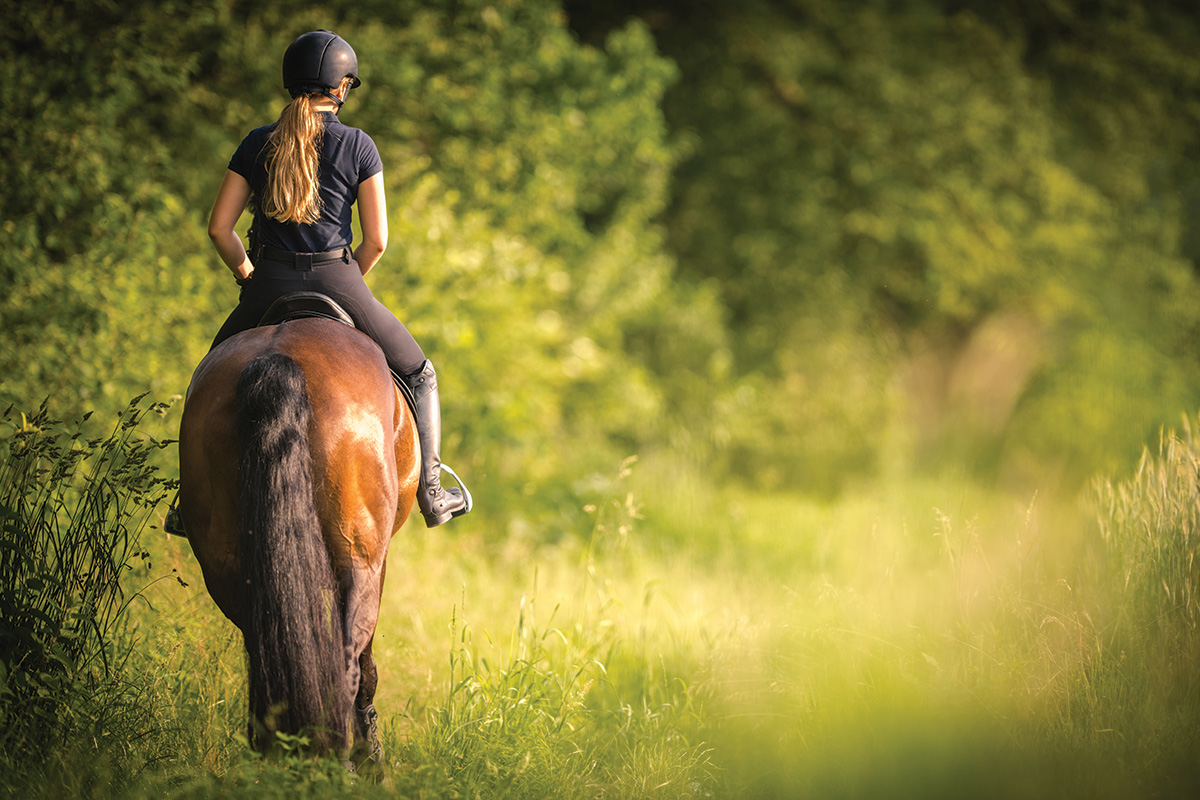
Photo by peterzayda/Adobe Stock
Still, his show ring career wasn’t over. From there, we transitioned to a successful second career in dressage. After several good years, it was time to let this career go, too. By then in his early 30s but still not content to be fully retired, his final job was as a leadline mount for my then-young daughter. His full retirement, when it finally came a few years later, was something I felt we were both happy and comfortable with.
On the other hand, my half-Arabian mare, Sally, was an example of a difficult early retirement. A highly versatile horse, just one of her many talents was her performance in the hunter ring.
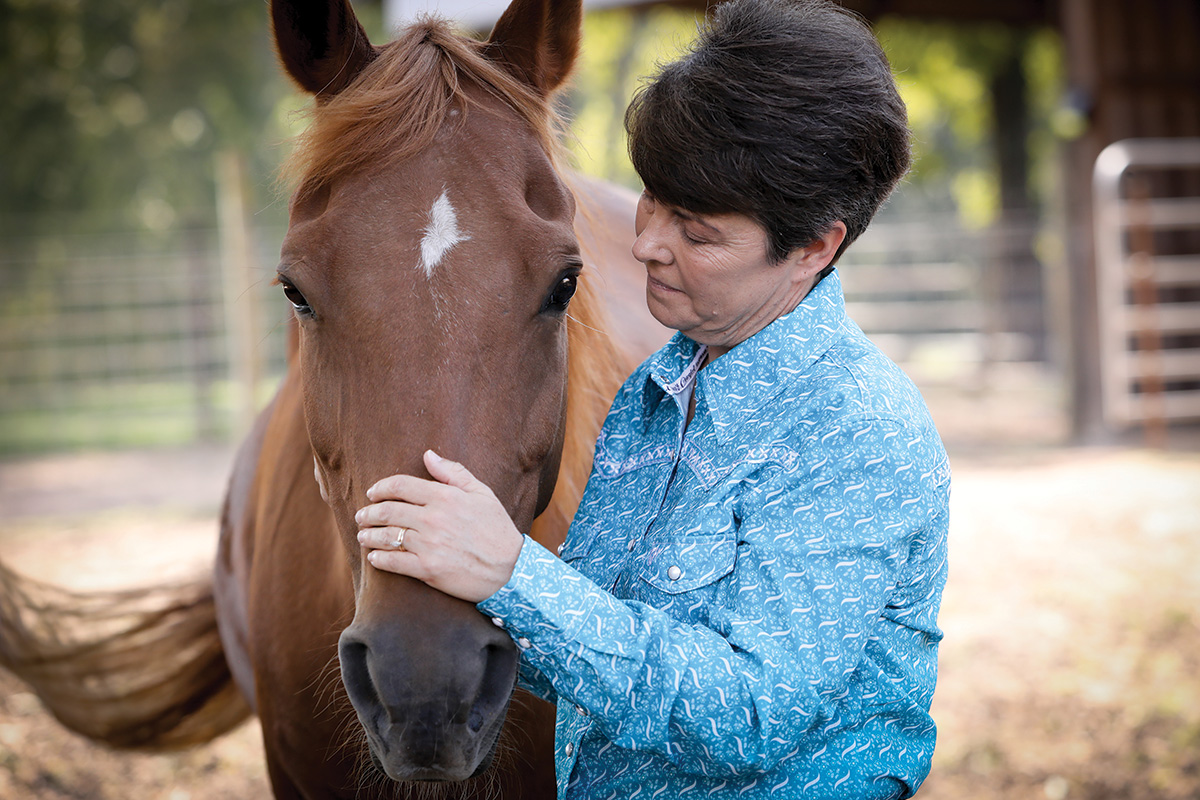
The author’s Half-Arabian mare, Sally, had an early retirement (shown at the age of 21). Photo by Carissa Ramsdell
However, despite my best efforts, she has never truly been a healthy horse. Some of her health conditions we have been able to name and treat. Though these issues may have limited her, they never took her completely out of the game.
Other conditions have been mysterious and less well-managed due to their undefined nature; her treatments have been a roller coaster of successes and failures. Numerous tests have led to dead ends leading to more significant restrictions.
Though still in her early 20s, her most recent job change has been from a semi-retired trail horse to pasture-sound companion horse. By outward appearances, she looks amazing, but she is unable to tolerate a rider.
Soundness and Injuries
With so many possible retirement scenarios, what is considered an average age for retirement? What is considered an early retirement?
The decision to retire a horse is based on several different factors, according to Jud Easterwood, DVM, of Easterwood Equine Hospital in Calera, Ala.
“Most of these factors are health or soundness related,” he says. “I don’t think there is an average age. We have some horses that are able to perform well into their 20s. Other horses have had significant injuries that lead to chronic lameness or issues with pain. These horses have to retire much earlier.”
Easterwood says that he considers “early” retirement one that occurs before the age of 20. In his experience, these unfortunate early retirement scenarios are usually centered around tendon or suspensory ligament injuries. He says they can also be brought on by conditions such as arthritis or ringbone.
“Any serious injury could result in these conditions that a horse can’t overcome to get back into high-level performance work,” he says.
Metabolic & Back Problems
Sometimes, conditions such as PPID and the insulin resistance that sometimes accompanies it can necessitate early retirement, especially when it leads to other conditions, such as chronic laminitis and potentially founder. Easterwood says that while these issues are typically seen in horses over the age of 20, they do occasionally occur in younger horses, too.
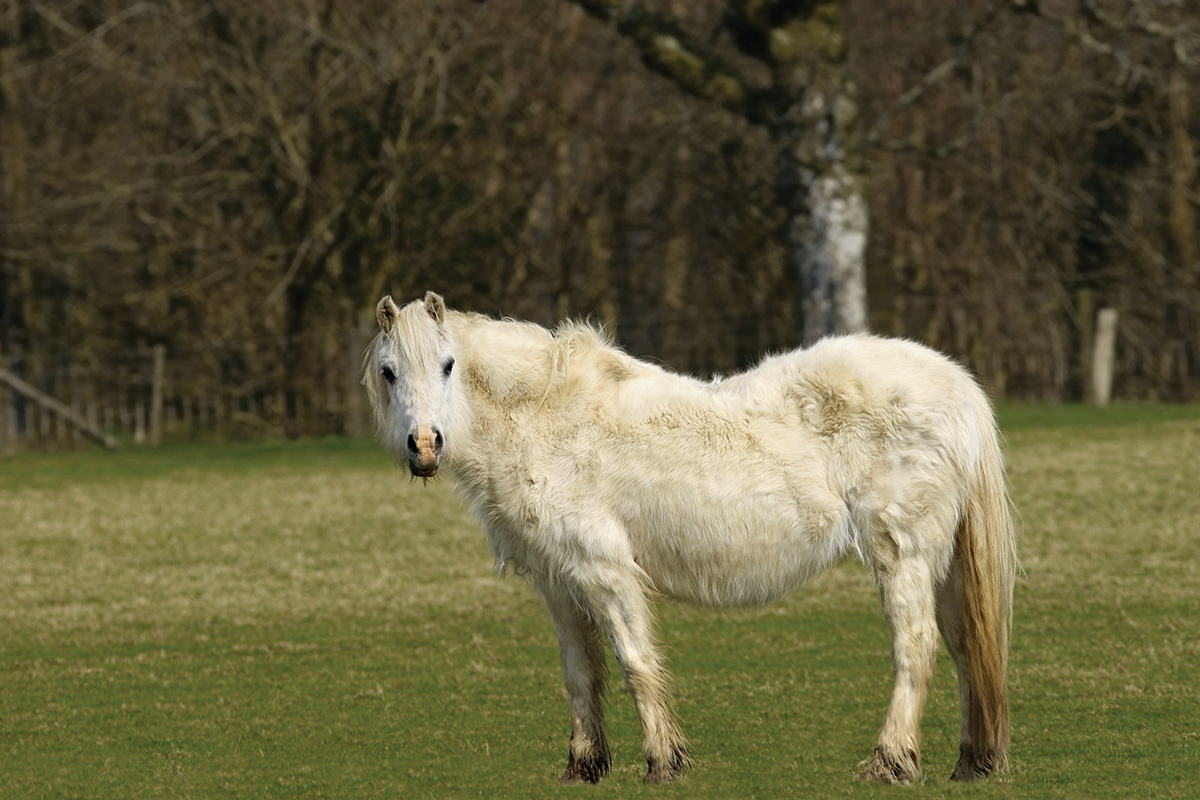
Conditions such as PPID, most commonly seen in horses age 20 and older, can lead to chronic laminitis and necessitate retirement. Photo by Marilyn Barbone/Adobe Stock
Over the years, because imaging has improved, he notes that horses being diagnosed with back problems have also become much more common. Rather than undiagnosed pain, he says we are now able to pinpoint kissing spines and neck arthritis.
“These may not stand out to you like leg lameness, but they create an overall sour behavior or back soreness,” says Easterwood. Depending on their severity, these may also require retirement.
Signs That It’s Time to Retire
What are the signs that your horse may be ready to retire?
“Any sort of chronic lameness or pain issues would be the No. 1 condition that leads to retirement,” says Easterwood. “No. 2 is when the horse doesn’t enjoy his job anymore and has become sour.”
He also lists conditions such as liver disease; inflammatory bowel disease that leads to chronic diarrhea and weight loss; neurological diseases that cause ataxia, such as EPM or (less commonly) West Nile virus; or any condition that is difficult to treat and that leads to performance problems.
Semi or Full Retirement?
Regardless of age, when you decide to retire your horse, you’ll need to consider partial or full retirement. Easterwood says that he likes to use the words “serviceably sound” with owners considering partial retirement for their horses.
“You may have a horse that is not 100 percent sound and is no longer suitable for show jumping, barrel racing, or other types of intense performance sports,” he says. “But [semi-retirement is an option] if the horse is still able to get around fine and enjoy doing activities such as trail riding, flat work, ground work, or being ridden in lessons.”
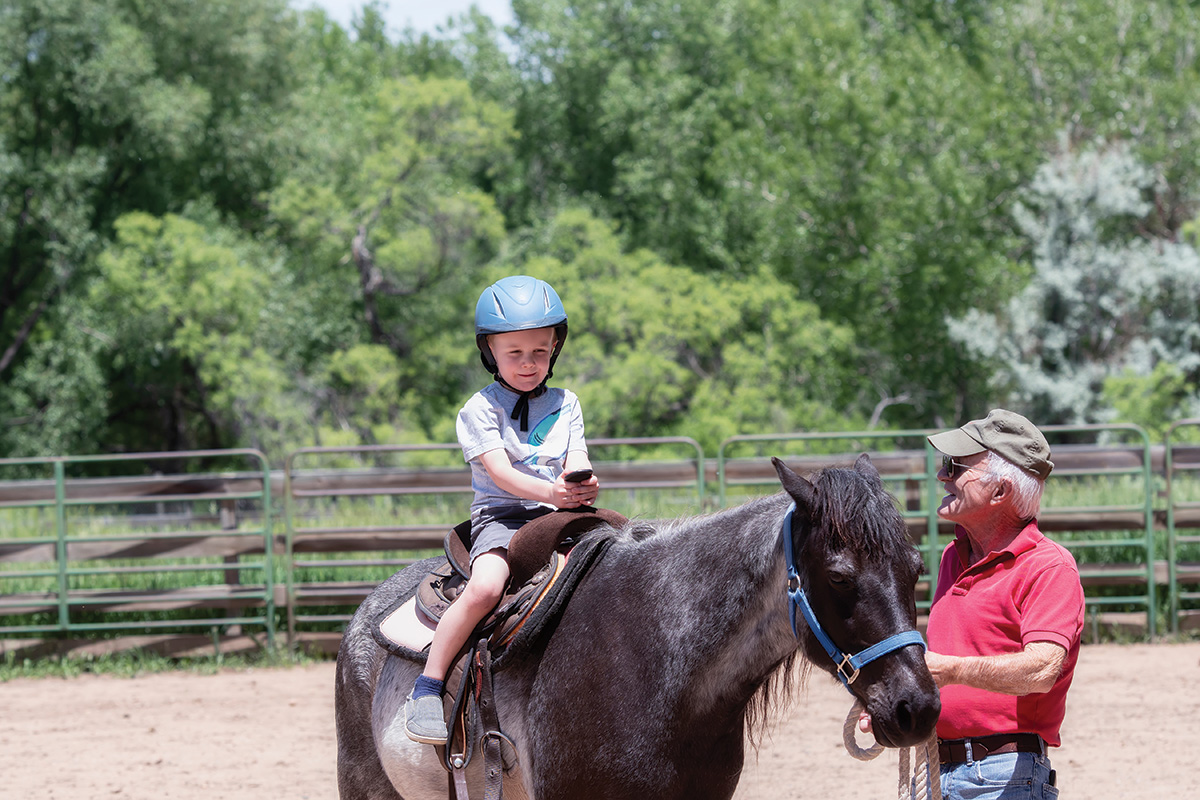
Lessons or light rides from children can be a good form of semi-retirement for horses that can’t keep up a high-level competitive career. Photo by Rachel Kolokoff Hopper/Adobe Stock
He says some horses can do these things well and maintain a good exercise regimen, even though they are stepping back from their previous high-intensity careers.
However, there is one important caveat that Easterwood advises for owners considering semi-retirement. If you’re considering having a child take over the ride on your horse, he advises having the horse evaluated by a veterinarian to determine whether there are any issues the horse may have with tripping and falling in order to prevent potentially devastating accidents.
Whether or not semi or full retirement is a happy occasion for your horse depends on several factors.
Easterwood’s first recommendation for keeping retirees engaged is to exercise as tolerated. Keeping horses stabled or pastured near high-activity areas can also help keep retirees engaged, while stall or pasture toys can provide further enrichment.
Prolonging Soundness
While retirement may be inevitable for most horses, there are some steps you can take to extend your horse’s working career. Easterwood says that good veterinary care is a staple to keeping horses sound and happy in their job.
“It doesn’t have to be frequent,” he says. “I recommend annual to biannual X-rays and lameness evaluations to make sure you are keeping up with any changes to previous injuries and to make sure that nothing new has developed.”
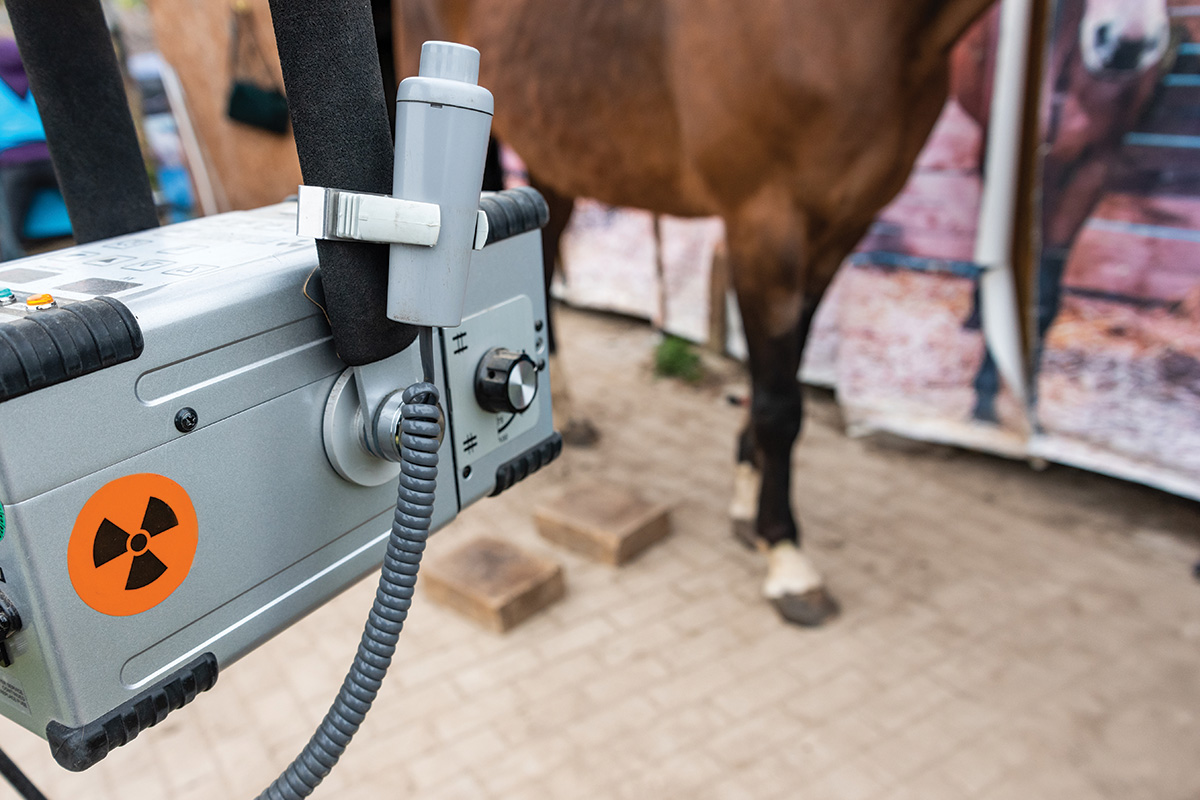
Taking annual X-rays can help track arthritic changes that affect soundness for work. Photo by McKornik/Adobe Stock
If conditions such as arthritis, degenerative joint disease, or joint injuries exist, he recommends the use of prescription intramuscular injections for their treatment. He says that veterinarians also sometimes use intra-articular injections to relieve pain and keep horses comfortable.
Even if your horse is free of any condition requiring injections, Easterwood says that oral supplements can work to reduce wear and tear. He also says that therapies such as chiropractic adjustments, massage, acupuncture, and PEMF treatments can augment traditional veterinary care to the benefit of your horse.
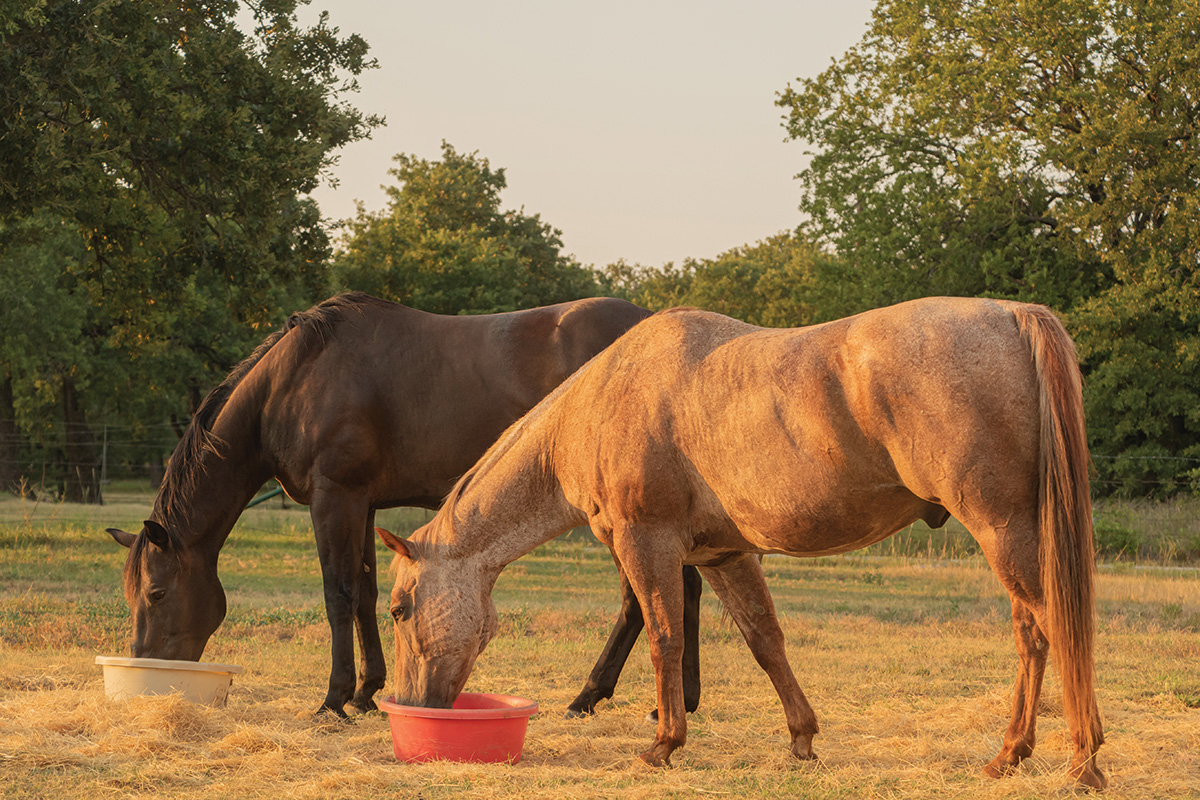
Good nutrition and joint health supplements can help extend soundness and delay a horse’s retirement. Photo by Debra Lawrence/Adobe Stock
Easterwood also advises screening for metabolic diseases as the horse ages, but also if your horse exhibits any signs any signs that warrant it.
Though no guarantee, the above steps, along with maintaining a good diet and exercise plan—as well as updated vaccinations, deworming, and dental care—can go a long way toward ensuring that your horse enjoys a long career.
By and large, the decision to retire your horse can be one of the more difficult decisions that horse owners face. By watching for indications and taking the appropriate steps, you can rest assured that you are making the best decisions for your horse’s future.
This article about when to retire your horse appeared in the October 2024 issue of Horse Illustrated magazine. Click here to subscribe!