
Have you ever wondered why core muscles are so important, especially for equestrians? Riding requires more than just leg strength or balance—it requires a solid core. But what does “core” truly mean? Is it simply the six-pack abs we see in fitness magazines, or is it more than just performing endless sit-ups?
Human Anatomy
Contrary to popular belief, the core isn’t just your abdominal muscles, or “abs.” Your core is a complex system of muscles that spans your torso and hips; these work together to provide stability and facilitate movement.
Your core is essentially your base of riding. It offers the stability required to free and control limb movement, which is crucial for everyone.
The following are some of the significant muscles within this system.
◆ Diaphragm: Assists in proper breathing and the uppermost part of the core.
◆ Rectus abdominis: Commonly known as the “six-pack-ab” muscle, it helps in upper body flexion.
◆ Obliques: These muscles on the sides allow trunk rotation and side flexion.
◆ Quadratus lumborum: Deep core muscle that aids in spine extension and lateral control.
◆ Transverse abdominal: The deepest and very important muscle that supports and compresses the abdominal organs.
◆ Multifidus: Provides spinal stability during movements.
◆ Erector spinae: Extends the trunk and assists in lateral flexion.
◆ Pelvic floor muscles: Main support of the pelvic organs and the lowest part of the core trunk area.
Prioritize Core Strength
Riders need a stable and balanced core even more than most other sports. Imagine trying to direct and guide a horse without a firm base: Regardless of how strong your limbs are, without a sturdy core, it’s challenging to consistently improve riding performance.
Envision trying to take a jump without proper core stability. Despite having great balance, you won’t have the self-carriage to collect yourself and the horse effectively.
Moreover, a strong and supple core sets the foundation for balance—a vital aspect for all riders. A weaker core often leads to poor balance and reaction time, increasing risks of falls and mishaps while riding.
Strengthen Your Core
When most people think of core strengthening, traditional exercises like crunches, planks, and sit-ups most likely come to mind. Instead, try focusing on stability; you don’t necessarily need intense ab workouts. Simple exercises focusing on core stability will do wonders.
To begin learning proper breathing and core engagement, try the exercise below.
Diaphragm Breathing
Start by lying on your back. Concentrate on breathing through your nostrils while naturally expanding your stomach. Inhale, lift; exhale, lower. This is the first step to proper breathing for success on the trail, around a jump course, or in the arena.
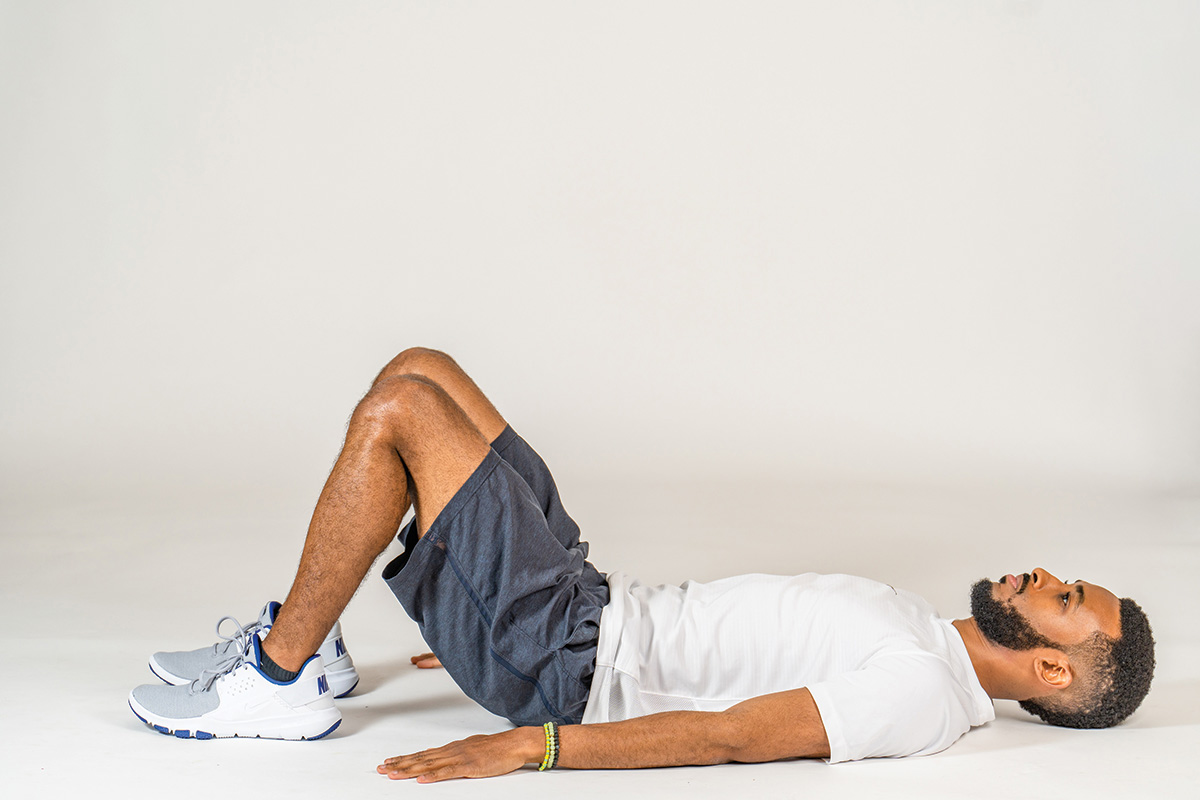
As you engage your core properly with this first breathing exercise, you can introduce more challenging movements with more complex exercises, such as supine tabletop crunches, foot taps, deadbugs, turtle, and more.
Why is Breath Important?During workouts and in each ride, it’s essential to breathe consistently and correctly. Holding your breath strains muscles, hindering your effectiveness and performance. |
The Turtle Exercise
The turtle exercise places emphasis on core stability and balance, both of which are fundamental for riders. A strong core helps you maintain an upright posture in the saddle while absorbing the horse’s movements, improving the effectiveness of your aids.
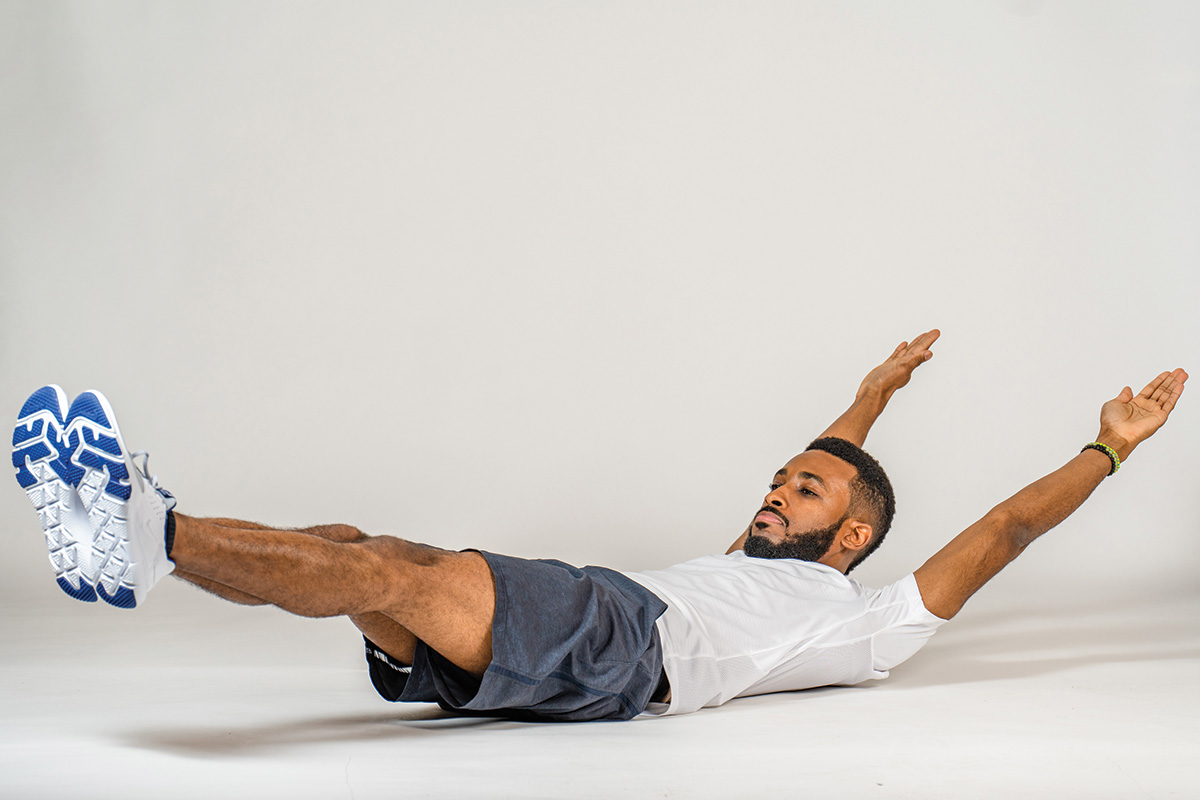
How To: Lie on a mat on your back. Extend your arms overhead. Lift your legs about 6 to 12 inches off the ground. The aim is to balance on your lower back with your shoulders slightly off the ground. Hold this position for the desired timeframe.
Muscles Activated: The primary muscles targeted are the rectus abdominis, obliques, and lower back. This position also requires engagement from the hip flexors and adds an extra challenge to the core muscles.
Common Missteps in Core Workouts
Equestrians, eager to strengthen their core, often make mistakes like rushing through exercises instead of taking the time to learn and perfect their form.
A strong core not only enhances your riding—it can also reduce unnecessary injuries. However, it’s crucial to work on all core muscles, not just the abs.
Your core is the foundation of your riding. A stable and strong core ensures a better-balanced, stronger rider, ready for any unexpected challenges in the saddle.
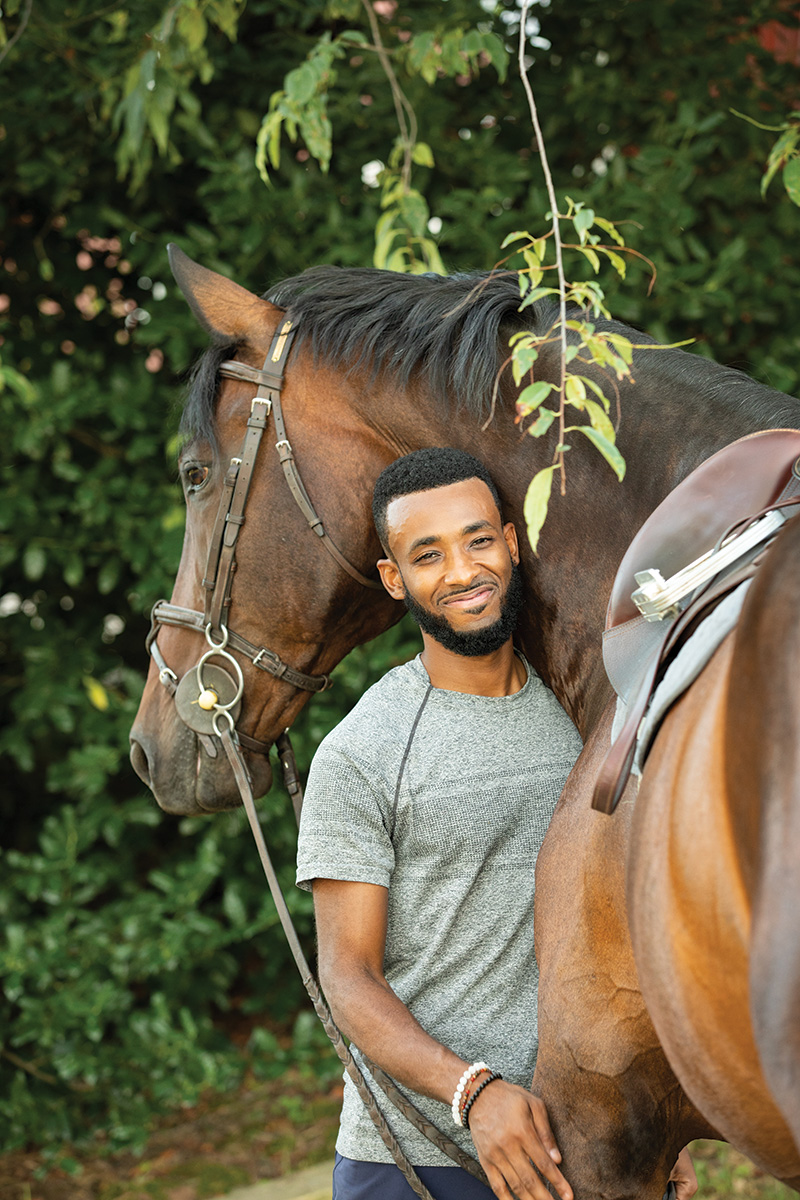
Meet the Expert |
Further Reading
◆ Developing Core Stability for Horse and Rider
◆ Fit Rider: Get a Stronger Core
◆ Fit Rider: Yoga Poses for Core Strength
◆ Fit Rider: The Core of the Matter
◆ Fit Rider: Core Exercises for Equestrians
This article about core strength for equestrians appeared in the August 2024 issue of Horse Illustrated magazine. Click here to subscribe!