The Importance of the Back
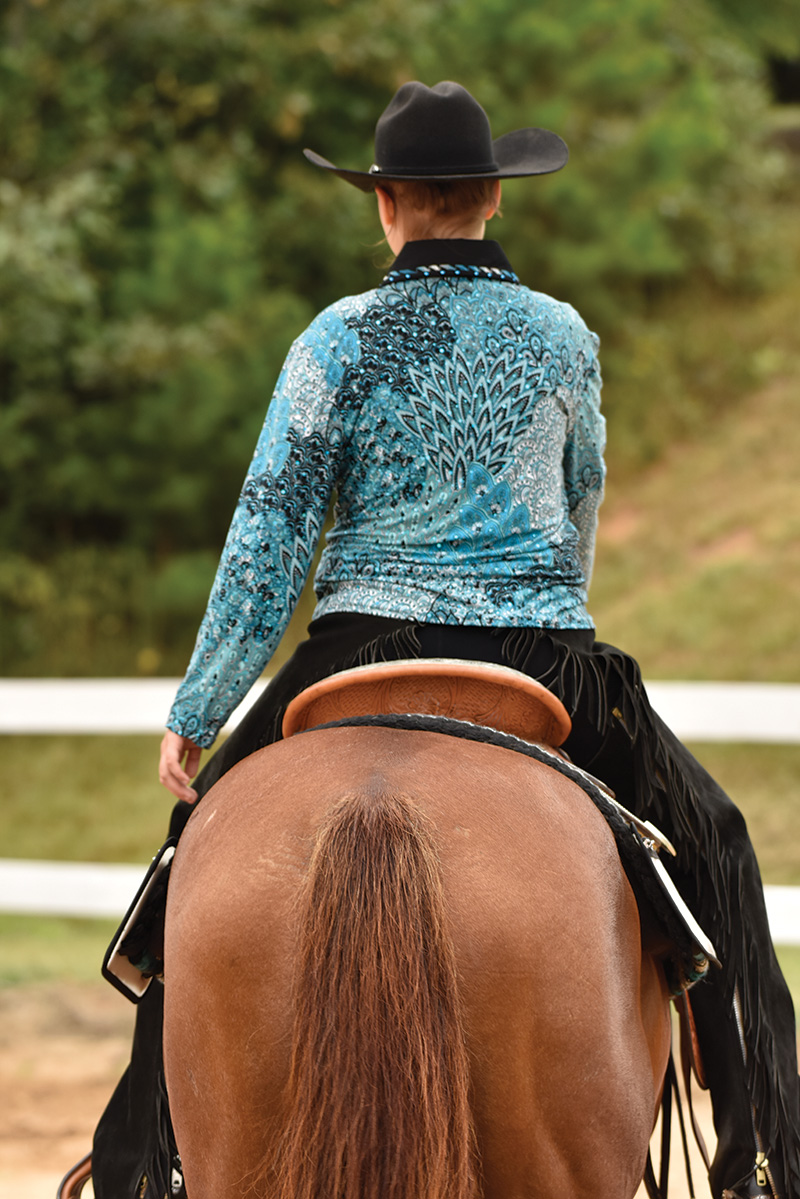
The back comprises three major regions: the cervical, thoracic, and lumbar. Each of these regions has a specific function that contributes to improved rider stability, flexibility, and strength. However, maintaining a healthy back can often be a challenge, especially with the repetitive movements and demands on horseback.
Without strength in the core, back, and pelvic areas, our ability to communicate effectively with our partners diminishes, leading to discomfort and, even worse, potential chronic pain.
Back Pain in Riders
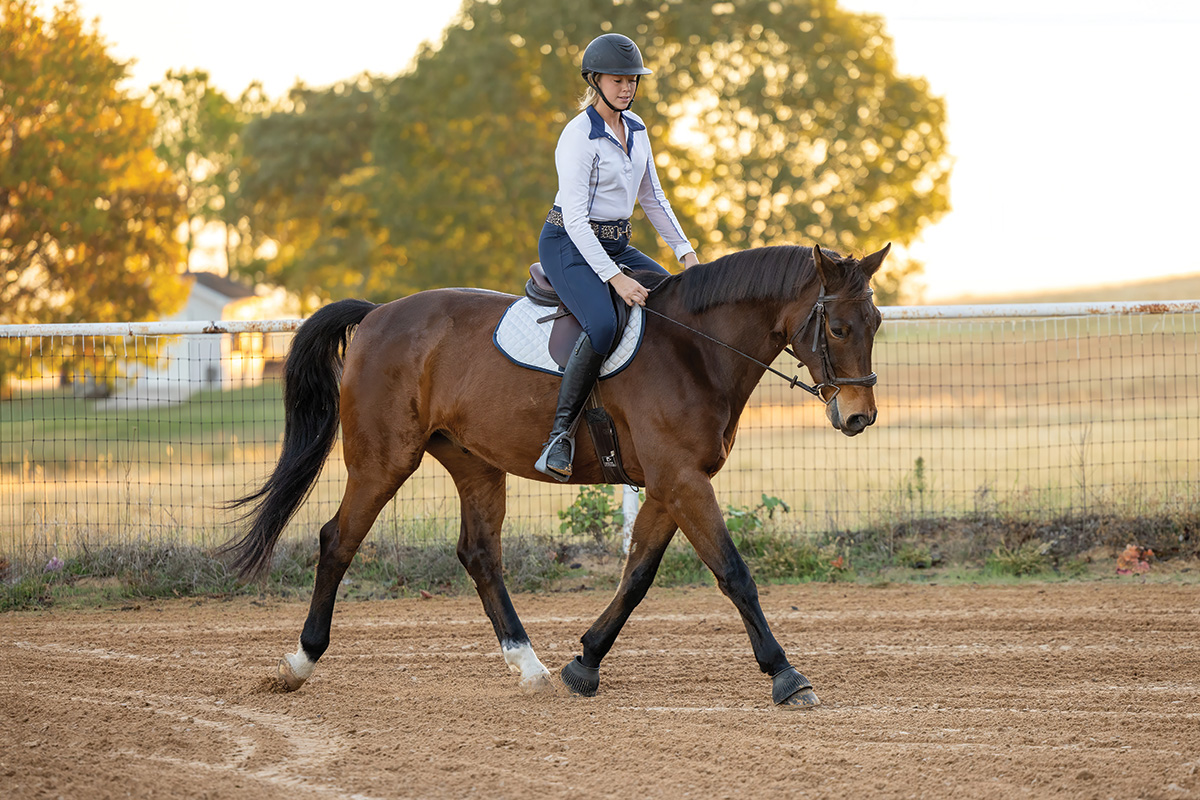
In the fast-paced, go-go-go world of equestrian sport and culture, we consistently push our bodies to the limit. Riders frequently suffer from back pain due to the rigorous physical demands of riding, which includes the need for dynamic balance and control.
This pain routinely hinders the ability to perform at your best, both in training and competition. It also directly affects your horse, as he can sense your discomfort and tension and compensates in his body as a result.
Exercises for Riders with Back Pain
Adding regular mobility exercises into your exercise routine ensures that your back muscles remain supple, strong, and pain-free.
Try this quick and effective mobility sequence targeting the back, helping you move more freely in all directions. Regularly practicing these few exercises, you can expect to improve your flexibility and strength, ultimately leading to a stronger and more supple back in the saddle.
Let’s explore these exercises in detail.
1. Child’s Pose
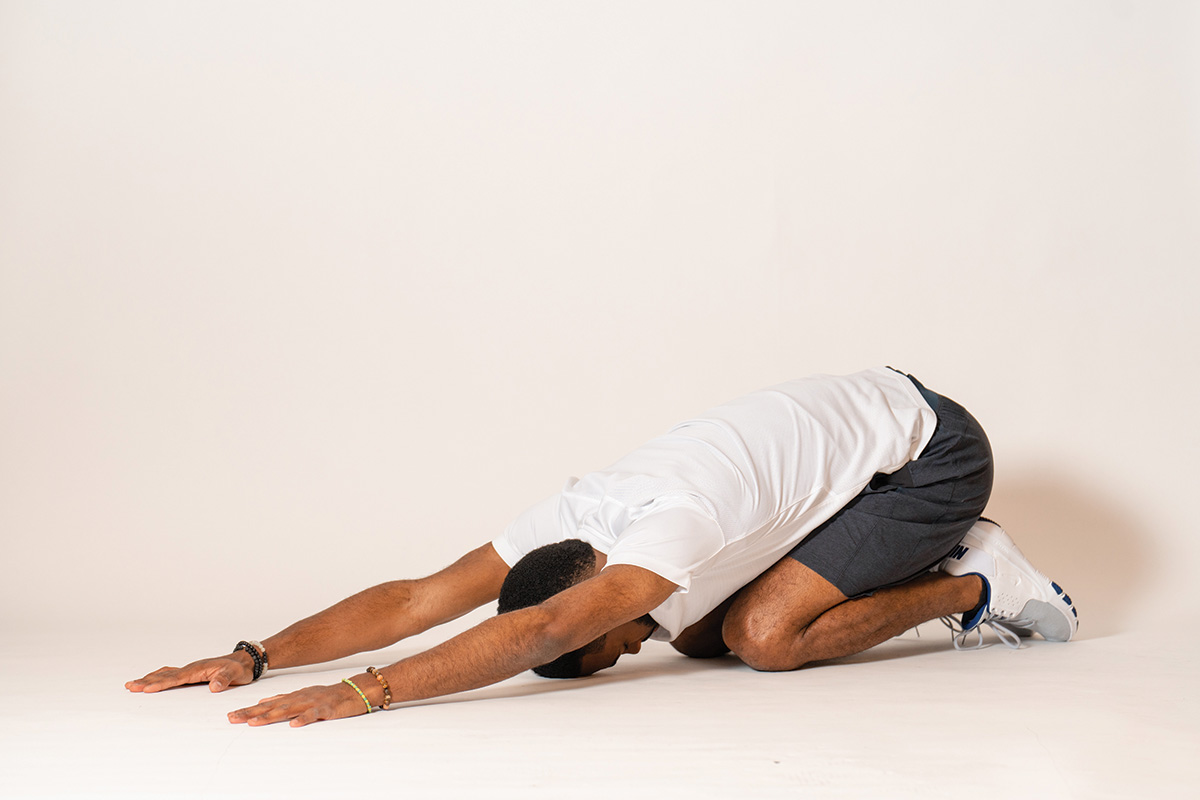
Start by kneeling on the ground with your knees and feet hip-width apart. As you push your hips back, allow the backs of your thighs to rest on your calves, and reach your hands forward as far as you comfortably can. This is known as the child’s pose, a staple in yoga that’s fantastic for stretching the spine, hips, and shoulders.
For riders, the child’s pose helps lengthen the spine, relieve tension in the lower back, and open the hips—common and critical areas that often become tight and restricted during riding.
Hold this position for two to five deep breaths, allowing your body to relax deeper into the stretch with each exhale.
The child’s pose is not only beneficial for the back, but also for mental relaxation. The deep breathing associated with this pose can help calm your mind, reducing stress and anxiety. This is particularly useful for riders, as a calm and focused mind is essential for clear communication with your horse.
By incorporating the child’s pose into your routine, you can improve both your physical and mental well-being, leading to better performance in the saddle.
2. Mid-Back Rotation
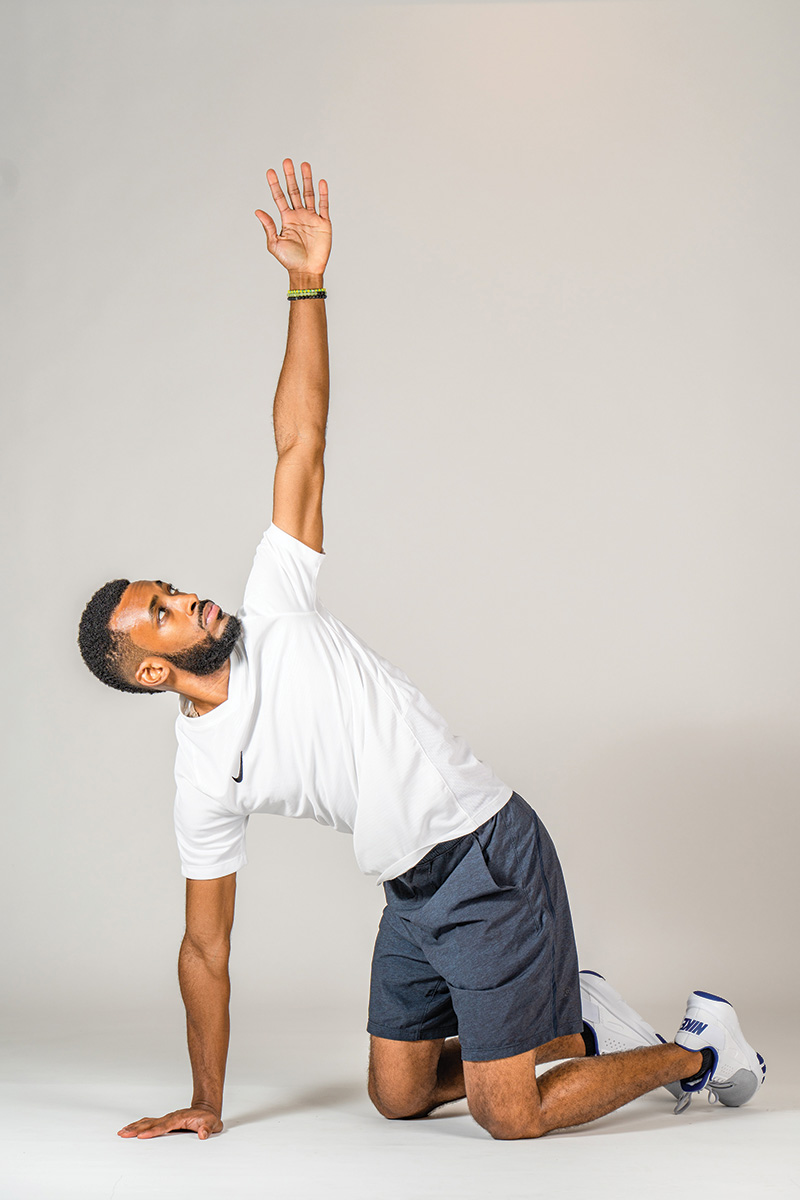
Once you’ve completed the child’s pose, move into the mid-back rotation. Get on all fours, ensuring that your wrists are directly below your shoulders and your knees under your hips. Inhale deeply as you reach one arm up towards the ceiling, allowing your eyes to follow your hand.
This movement stretches your chest, shoulders, and upper back, promoting independence between your hips and upper body. Hold the stretch for one deep breath, then switch sides.
The mid-back rotation is particularly important for riders because it enhances the mobility of the thoracic spine, the area of the back that often becomes stiff due to long
hours at the barn and time spent in the saddle. Improving the flexibility of this region, you can achieve better posture and more independence between upper and lower regions of your body.
Additionally, this exercise helps to balance and stretch the muscles on both sides of your spine, reducing asymmetries that can lead to discomfort, pain and even horse imbalances.
3. Thread the Needle
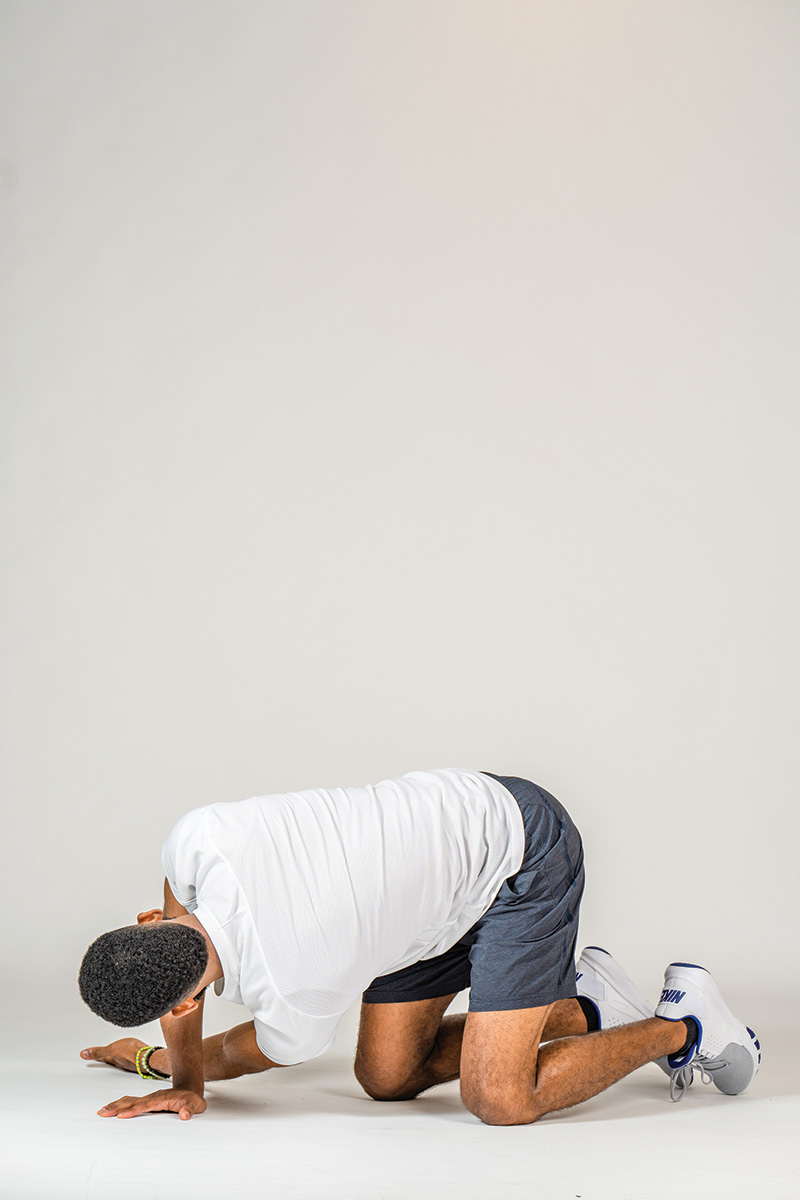
Return to your starting position on all fours for the thread the needle stretch. Push your hips back slightly, and then thread one arm under the opposite armpit, reaching as far through as you can. Allow your eyes to follow your hand as you lower your shoulder and rest your upper body on the floor. Hold this position for one or two deep breaths before repeating on the other side.
This exercise is excellent for stretching your upper back, shoulders, and neck. Once you’ve completed the stretch on both sides, return to the child’s pose for a final relaxation.
Threading the needle is a powerful stretch for riders because it targets your upper back and shoulders, areas that are prone to tension and tightness due to the various postures and positions developed while riding.
By regularly practicing this stretch, you will improve your range of motion, leading to a more balanced and effective seat. This also enhances better alignment of your spine, reducing the likelihood of chronic pain.
You can repeat this entire cycle from movements 1 through 3 a few times a week for optimal results.
The Importance of a Healthy Back
Riding requires a harmonious relationship between you and your horse, and a healthy back is crucial to this connection. A strong and supple back allows you to maintain proper posture for longer without fatigue, absorb your horse’s movements, and provide clear and consistent aids.
When your back is tight or weak, it adds stiffness in your seat, causing discomfort for both you and your horse. Discomfort leads to compensatory movements that place undue stress on other parts of your body, such as your hips, knees, and ankles, further increasing the likelihood of bad habits and issues.
By incorporating regular stretching and mobility exercises into your routine, you can ensure that you remain flexible and pain-free for years to come.
Learn more about rider fitness at ifafit.com.
This article about rider back pain appeared in the January/February 2025 issue of Horse Illustrated magazine. Click here to subscribe!