0 ITEMS
  • My Account
  • Holiday Gift Guide
  • Podcast
  • Webinar
Subscribe Combo
Enable cache13
Home Blog Page 100

Tips for When a Horse Hates Being Groomed

0

When a horse hates being groomed, it can make life difficult.

One such horse presented a classic case of “chestnut mare, beware” to anyone approaching her with a curry or brush. She was a kid’s lesson horse, but it was anything but child’s play to groom her. It wasn’t a good situation for the kids, and because of her objections to grooming, the mare was in real danger of saddle sores and rub spots on her withers, recalls professional equine groom Cat Hill, co-author of World Class Grooming for Horses.

“Everyone would just sort of barely dust her off,” she says.
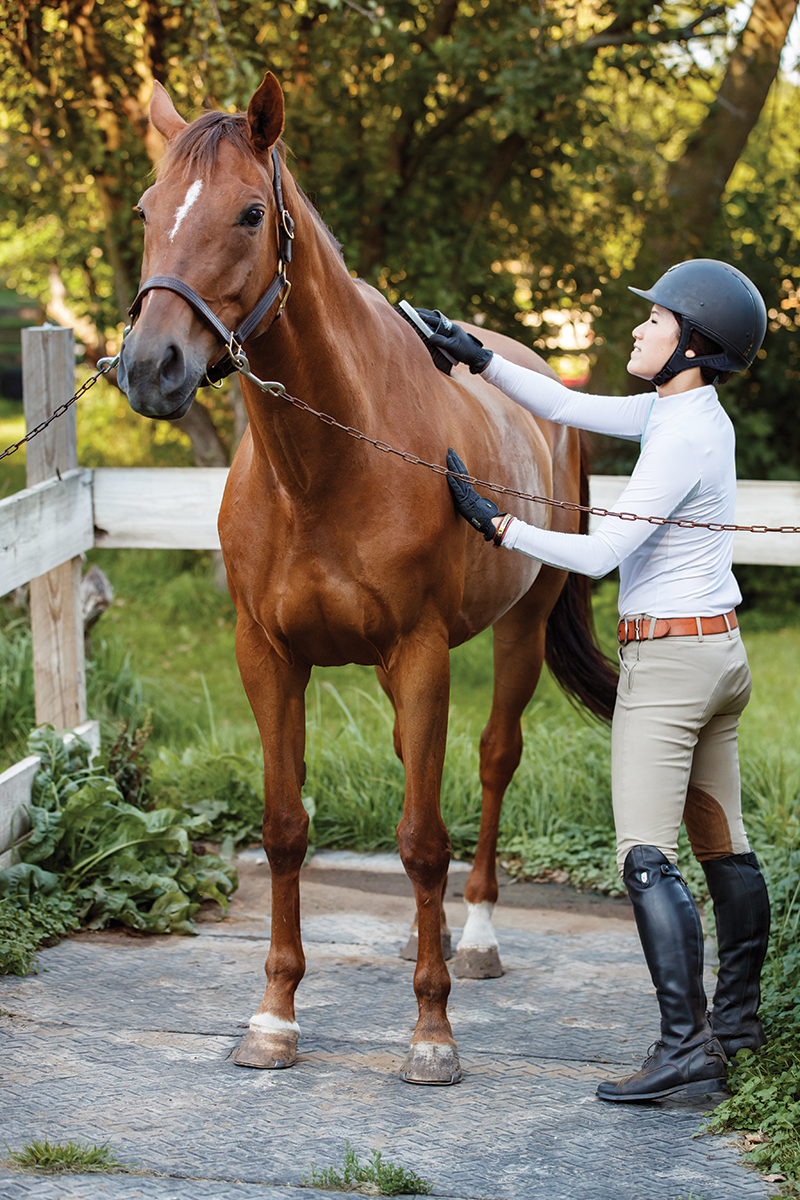
horse hates grooming
Photo by Shelley Paulson

But thanks to some time and effort to address the situation, and finding the right tools, the mare has come around to tolerating it. And while grooming may never be on her list of favorite activities, any of the school kids can brush her now as long as they use her special grooming kit, shares Hill.

So if your horse hates being groomed, there’s hope. We’ll look at some reasons horses object to grooming and what you can do to help with the expertise of Hill and veterinarian Jenny Biehunko, DVM, of Veterinary Behavior Consultants of Alabama in Pelham, Ala., who is a resident ACVB specializing in behavioral medicine.

Physical Causes

While horses all have innate levels of sensitivity and individual preference in how they like to be handled and groomed, pain is the first thing to explore.

“If you have a horse that’s reactive to grooming, you certainly want to make sure there’s not a medical reason for that,” says Biehunko. “Especially if you have a horse that previously didn’t have a problem with a certain procedure and suddenly does, that’s a big red flag to me that we may have some medical issues going on.”

Hill agrees that when horses hate being groomed, they are often trying to tell you they have an underlying pain issue somewhere in their body.

“Back pain, ulcer pain, and tooth pain all can cause a horse to be quite reactive and quite sore,” says Hill. “Vitamin E deficiency or Lyme disease can also make a horse very muscle sore, which can make grooming very uncomfortable.”
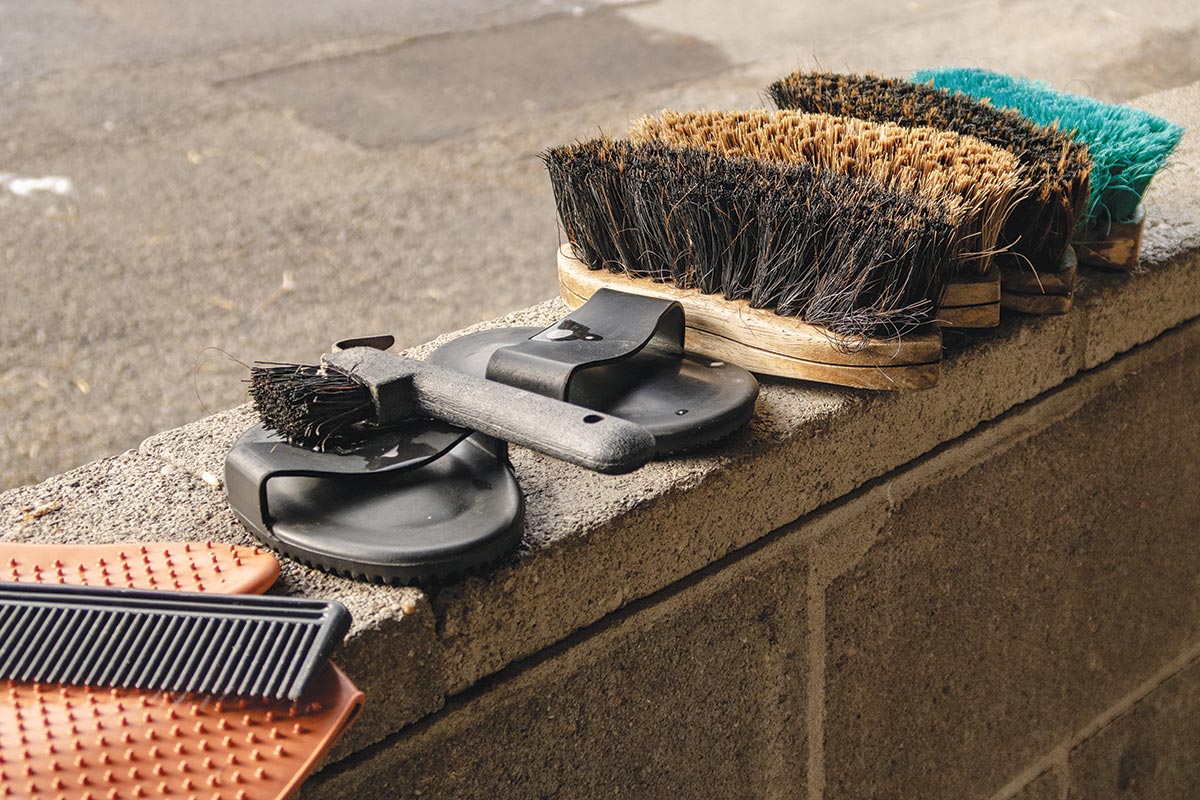
grooming tools
Try various types of brushes and curries to find the ones your horse prefers. Photo by Arne Beruldsen/SHUTTERSTOCK

Try to notice if the pain is specific to one area, which might indicate an injury, or seems to be a whole-body issue.

According to Biehunko, there are a plethora of medical issues to consider.

Selenium/magnesium imbalances can cause horses to be painful. Other culprits may include neurologic issues, such as equine protozoal myeloencephalitis (EPM).

Skin issues are a big one, such as rain rot, fungal and bacterial infections, and parasites (such as lice). With mares, Biehunko notes that reproductive tract issues can often affect the back muscles, resulting in discomfort and pain with saddling, riding and grooming.

Tools & Techniques

Some horses hate being groomed because of the way you’re grooming or the tools you’re using. Try not to take it personally! Instead, listen to the animal, and be willing to adapt and find a way that works.

“I have about 25 different currycombs in my kit, and I have lots of different brushes,” says Hill. “Sometimes it’s just finding the tools that a specific horse likes.”
Hands-On Grooming Gloves are among her favorites, as well as cactus cloth, a coarse cloth woven from cactus fibers.

“I happen to love using a cactus cloth as a currycomb on a really sensitive horse—you can get a nice, deep curry,” she says. In the case of the school horse that Hill knew that couldn’t be brushed, the cactus cloth proved to be the key to making her happy.

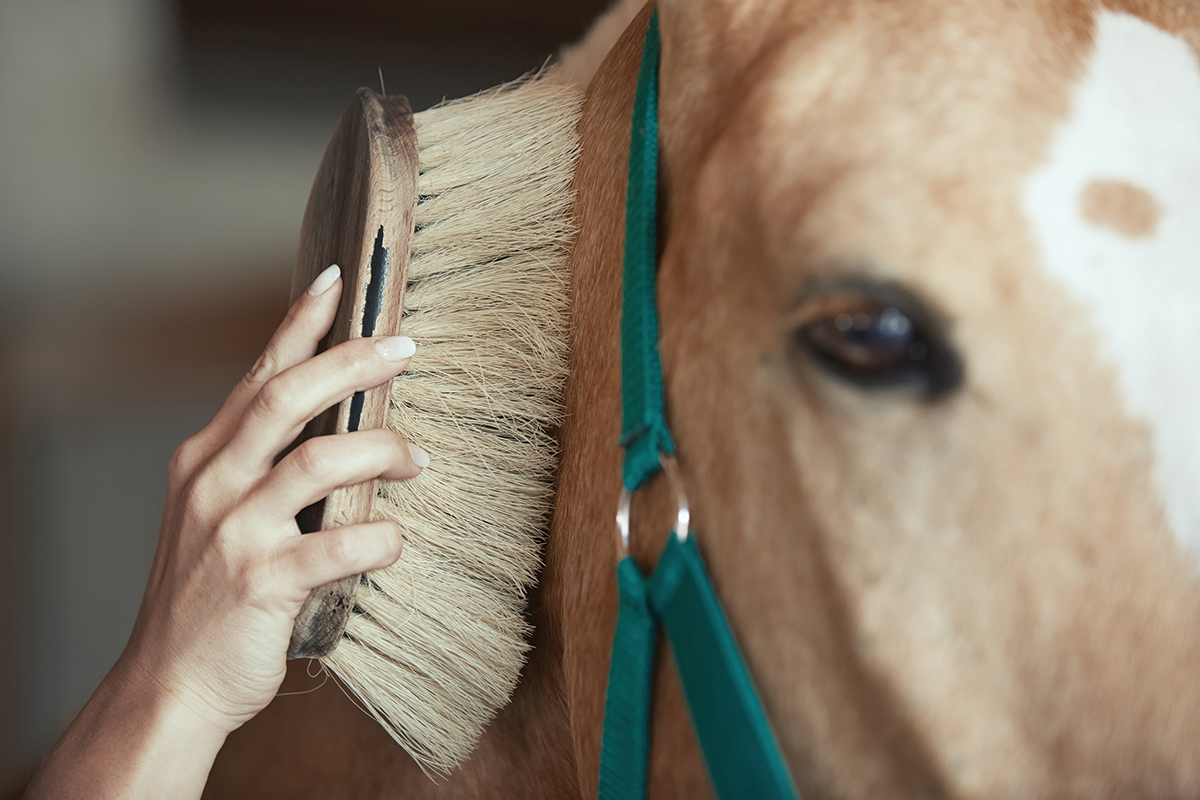
Another tool Hill likes to try with sensitive horses is the long-bristled “sweep” or “flick” brushes, as she finds that the long bristles help spread out the impact.

Subtle Signs

It’s a good idea to become familiar with the more subtle signs your horse may be giving you that he is uncomfortable in order to head off a big emotional response or explosive physical reaction during grooming. When you start to see those signs of discomfort, you can stop or change what you are doing.

While many people like to chat with friends or listen to music while grooming, professional equine groom Cat Hill points out that if you’re not paying attention, you may miss the more subtle signs of discomfort.

Signs of discomfort may include:

  • Pinning ears
  • Hard eyes
  • A raised head and tense back
  • Ears that tense or go hard
  • Above the eye area that is tight and tense
  • Tension or wrinkles around lips and muzzle
  • Sharp tail swish
  • Muscle tension
  • Flinching
  • Skin flicking
  • Fidgeting
  • Pawing
  • Leaning away or trying to move away
  • Yawning sometimes be a sign of stress as well, although it may also indicate boredom.

Signs that a horse is enjoying your grooming session may include:

  • Droopy lips
  • Floppy ears
  • Standing square
  • Resting a hind foot
  • Soft eyes
  • Relaxed muscles
  • Heavy eyelids
  • Head down
  • Leaning in


Finding out how your horse prefers to be touched can also be extremely helpful.

“Sometimes we’re too rough, but I also think that with horses, sometimes we’re not firm enough with our brushing, and it tickles,” says Biehunko. “Sometimes harder is the answer, and sometimes it’s not. Ask the animal. The animal will tell you whether something is comfortable or uncomfortable.”
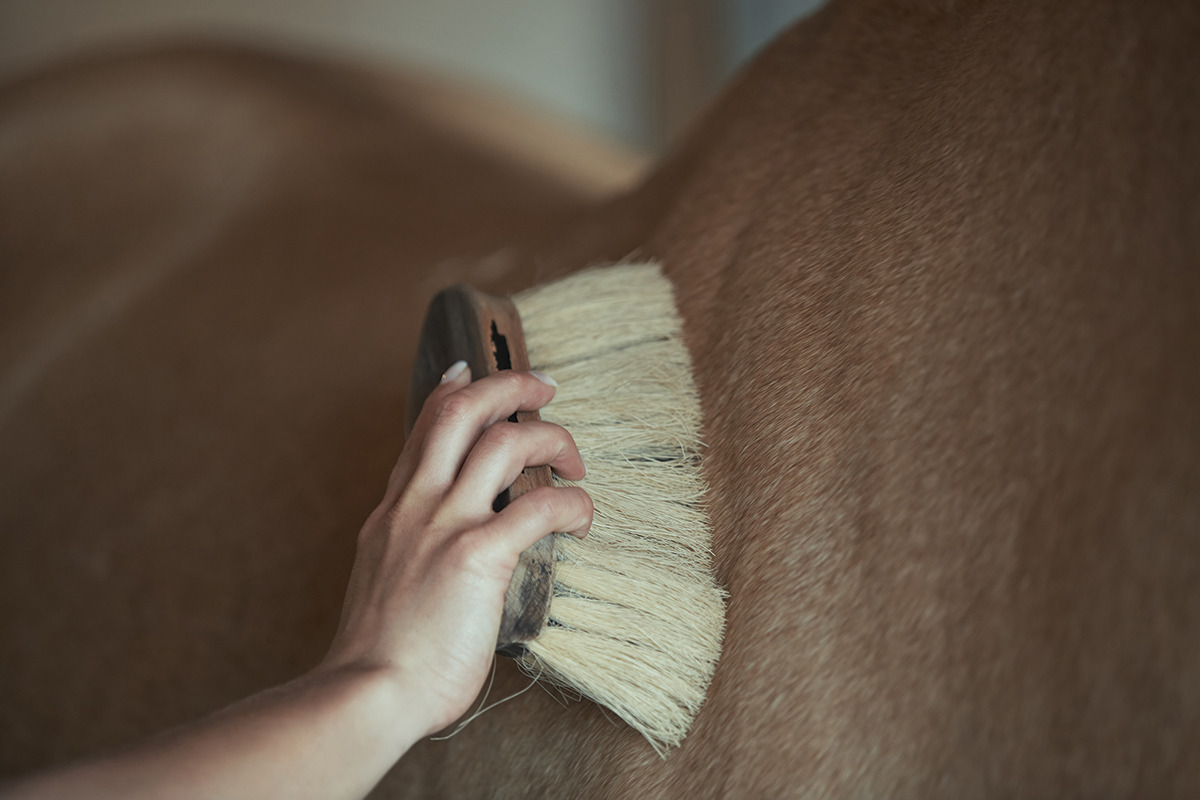
brushing horse hates being groomed
Longer-bristled brushes may feel better on a sensitive horse. Photo by Arman Novic/SHUTTERSTOCK

Here are a few techniques that Hill recommends for these sensitive-skinned equine souls.

Reverse Curry: While we are often taught to start grooming at the front of the horse and move rearward, Hill says that many horses find that to be an invasion of personal space. Instead, she suggests reversing the process.

“A lot of times, sensitive horses don’t mind their hindquarters being brushed—in fact, they often like it,” she reveals. Starting your curry session on the hindquarters where there’s a large muscle mass that may be a less reactive area for the horse and can make them feel a little more comfortable as you start the grooming process.

Different Strokes: A common mistake Hill sees that makes a horse hate grooming is pushing the brush too hard into the horse in an attempt to be vigorous.

“Some horses really don’t like that ‘thump’ when you put your hand down quickly,” she says. “It can be startling and cause the muscles to tense and be painful.”

Instead, she says, the “sweep” motion of the brush is what needs to be vigorous.

A Location Situation

In addition to how you’re grooming, where the grooming sessions take place can be part of why your horse hates grooming. With a horse that tap dances in the cross-ties during grooming, you need to figure out whether it’s the cross-ties, the environment, or the grooming process itself that’s causing difficulty. Grooming your horse in a different location is a simple step to try to make things better.

“Horses are incredibly good associative learners, and maybe something happened in that particular area in the past that they associate with something bad, so try a different environment,” says Biehunko.
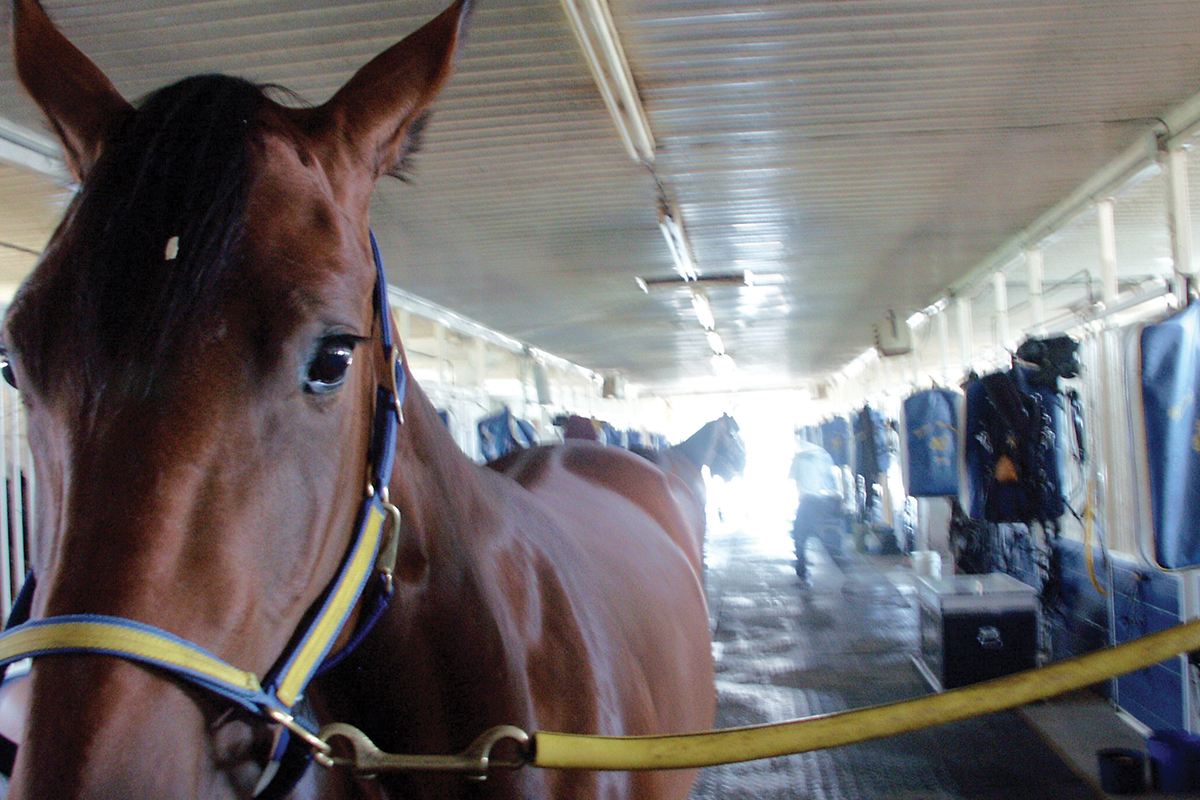
horse hates being groomed
Getting out of a high-traffic cross-tie area can help some horses relax more while being groomed. Photo by Cora Reed/SHUTTERSTOCK

Equine bullies nearby can be another source of angst when a horse is in a confined position for grooming. Sometimes the cross-ties themselves can put a horse in a physical position where he has trouble standing or balancing—especially for a young horse, a neurologic horse, or a horse that is simply not familiar with cross-ties.

Finding the Sweet Spot

What you’re ideally looking for when you groom your horse is a relationship-building process, as well as a get-your-horse-clean process, says Hill, noting that grooming between two horses is a fairly intimate relationship—it’s not something that’s done between two strange horses.

With that in mind, almost every horse has a spot where they enjoy being groomed or scratched. Hill suggests using your currycomb to find it and build positive associations.
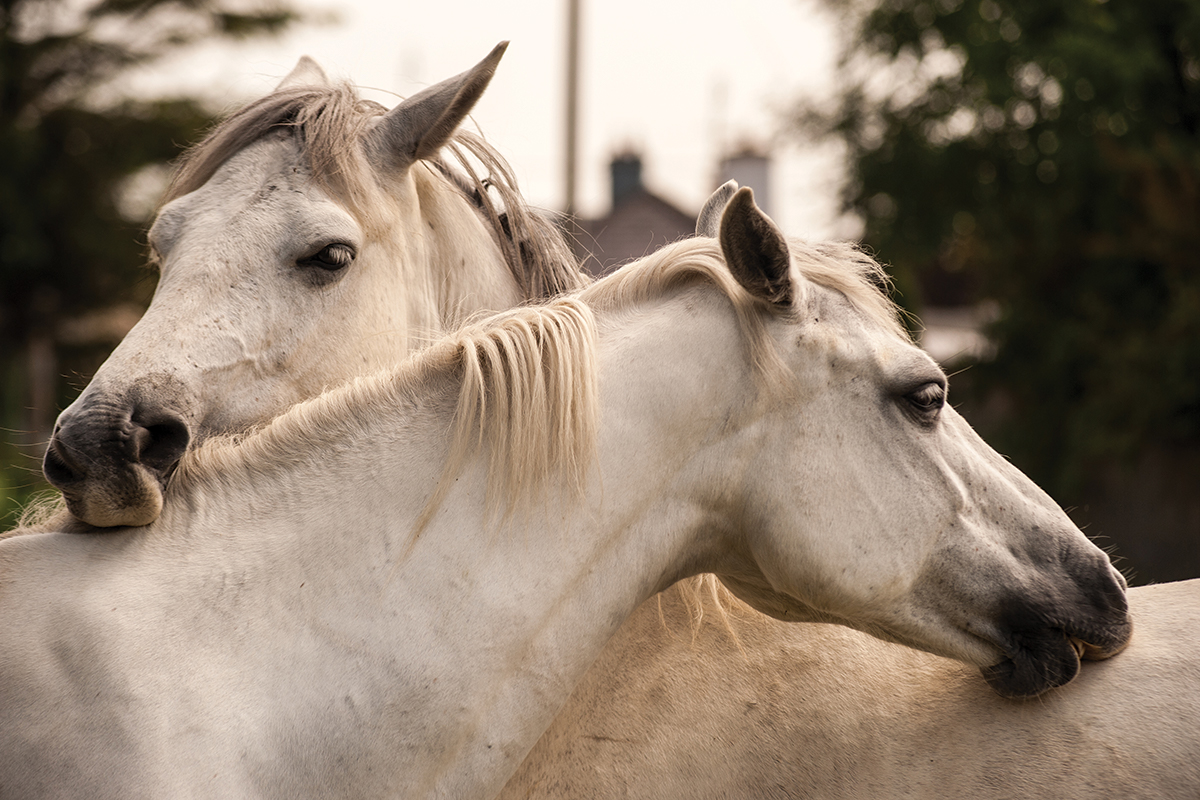
horses grooming each other
Mutual grooming is only done between two horses with an existing close relationship, not “strangers.” Photo by gabriel12/SHUTTERSTOCK

“Once you find the magic spot, try to spend a little time there, and let them know that grooming can feel good,” she says. “I’ll often try to finish with the spot they really like. I’ll wait until the end of my grooming session, and I’ll spend a little extra time grooming there.”

Biehunko is a big fan of hanging out in the pasture with her horses and getting to know what they like.

“I do a lot of that, and I’ve done that with all the foals I’ve raised. It’s just touching in different places and sort of asking, watching their body language: ‘Do you like being scratched here, do you like being scratched harder, do you like being scratched softer; oh, you don’t like being touched there, OK that’s the area we need to work on.’ So just play! Play with your horse.”

Listening to the Horse

Learning to recognize and respond to a horse’s more subtle body language around grooming can help prevent increasing issues with a horse that hates grooming. Once he realizes that you are listening to him and honoring that body language, he doesn’t have to shout because you’re listening to his whispers, says Biehunko.

“The horses that are biting, if we can teach them ‘I’m listening to you at a lower level,’ maybe they don’t feel like they need to get so snappy,” she says. A harsh response to negative behavior is counterproductive.

“Punishing a horse for saying, ‘Ouch, that hurts,’ often escalates the behavior because they are, in their language, trying to say to you they don’t like that, and if you punish that behavior, then the next time they’ll say it a little louder and a little ruder,” says Hill.

Both experts agree that if a horse is exhibiting dangerous behavior, you should definitely not push the issue, and find a professional to help.

“Think of grooming as important as the ride when it comes to a training issue,” urges Hill.
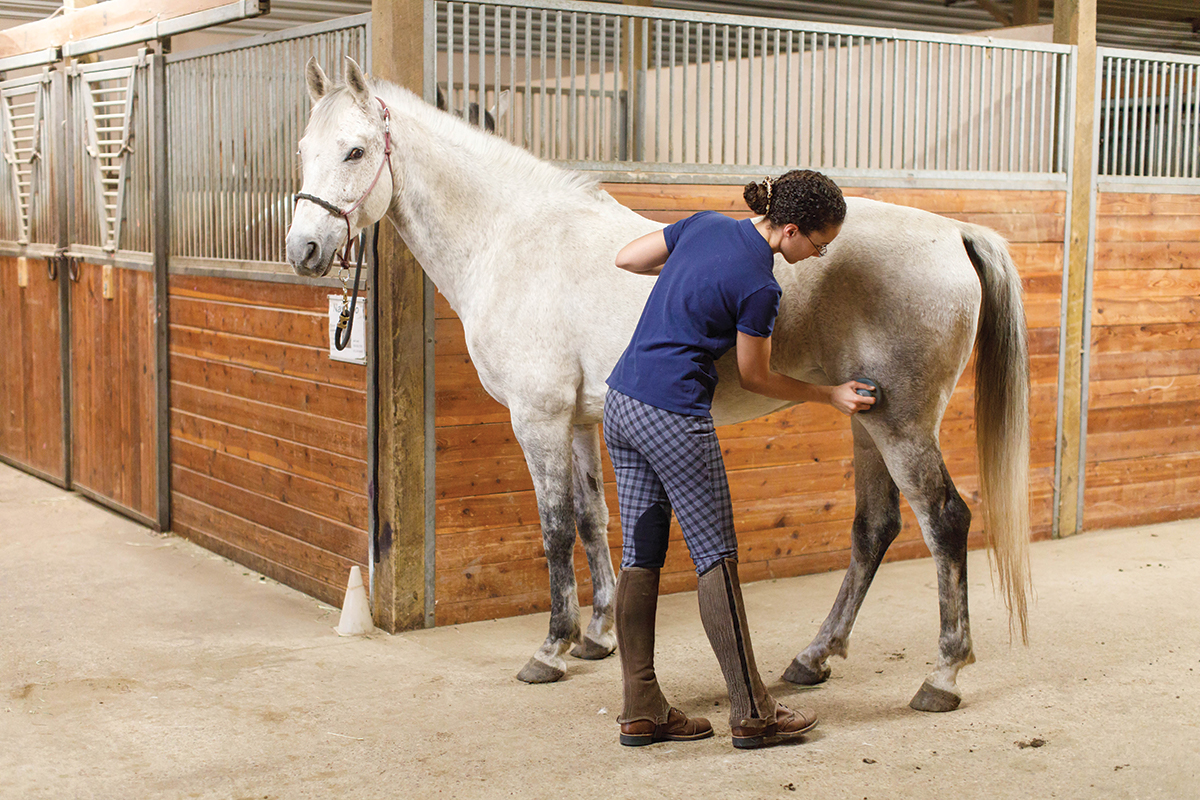
horse hates being groomed
Photo by Shelley Paulson

Not every horse will love being groomed, and that’s OK. You can still find a way to get the job done safely while lowering the stress level for both of you.

“If you’ve got a horse that really doesn’t enjoy the process, you can do a minimal, but effective, groom as often as possible so that you’re not constantly pushing him, doing the job that’s necessary for hygiene and maintenance, but not going overboard,” says Hill. “The relationship works two ways. Maybe you’re someone who really loves to groom and pet and snuggle with a horse, but if you have a horse [that’s not into it], respect that and let them be who they are.”

About the Experts

Cat Hill grew up in upstate New York on a working farm. Her earliest memory is of the day her parents got her a pony for her birthday. She grew up loving horses and has worked as a professional groom in many corners of the horse world, including hunters, jumpers, dressage and eventing. She and Emma Ford wrote the best-selling book World Class Grooming for Horses and run a business together teaching people to elevate the level of care and understanding for their horses.

Jenny Beard Biehunko, DVM, Resident ACVB, is a 1998 graduate of the University of Georgia College of Veterinary Medicine. She has been practicing behavioral medicine in a prxivate practice setting for over 20 years. In 2016, she began a residency with the American College of Veterinary Behaviorists, working toward a specialty in veterinary behavior. Biehunko lectures on ethology and behavioral medicine at Tuskegee and Auburn Colleges of Veterinary Medicine. She has a special interest in equine behavior, as well as in integrating lower stress and humane handling methods into the veterinary and training communities.


This article with tips for when a horse hates grooming appeared in the May 2021 issue of Horse Illustrated magazine. Click here to subscribe!
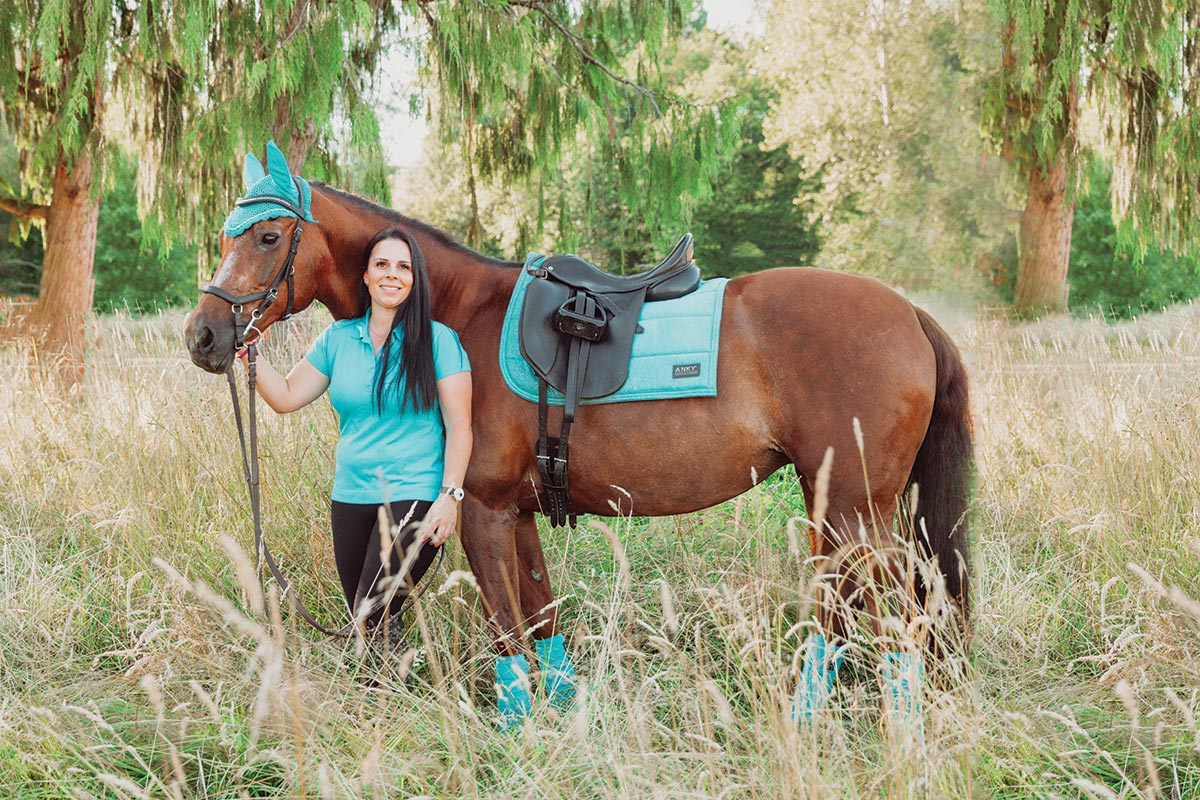
Matchy-Matchy Equestrian Style

0

Flappers in the 1920s. Hippies in the 1960s. Preppies and punks in the 1980s. And now, equestrians. Throughout history, people have used clothing and accessories as a means of personal expression. Today, the contagious pursuit of the “matchy-matchy” equestrian fashion trend is making waves in and out of the arena.

matchy-matchy equestrian
The 22-year-old mare Equinox Adelle, owned by Lauri Lehman and pictured with Jennifer O’Brien, shows there is no age limit on this trend. Photo courtesy Jessica Alvarado

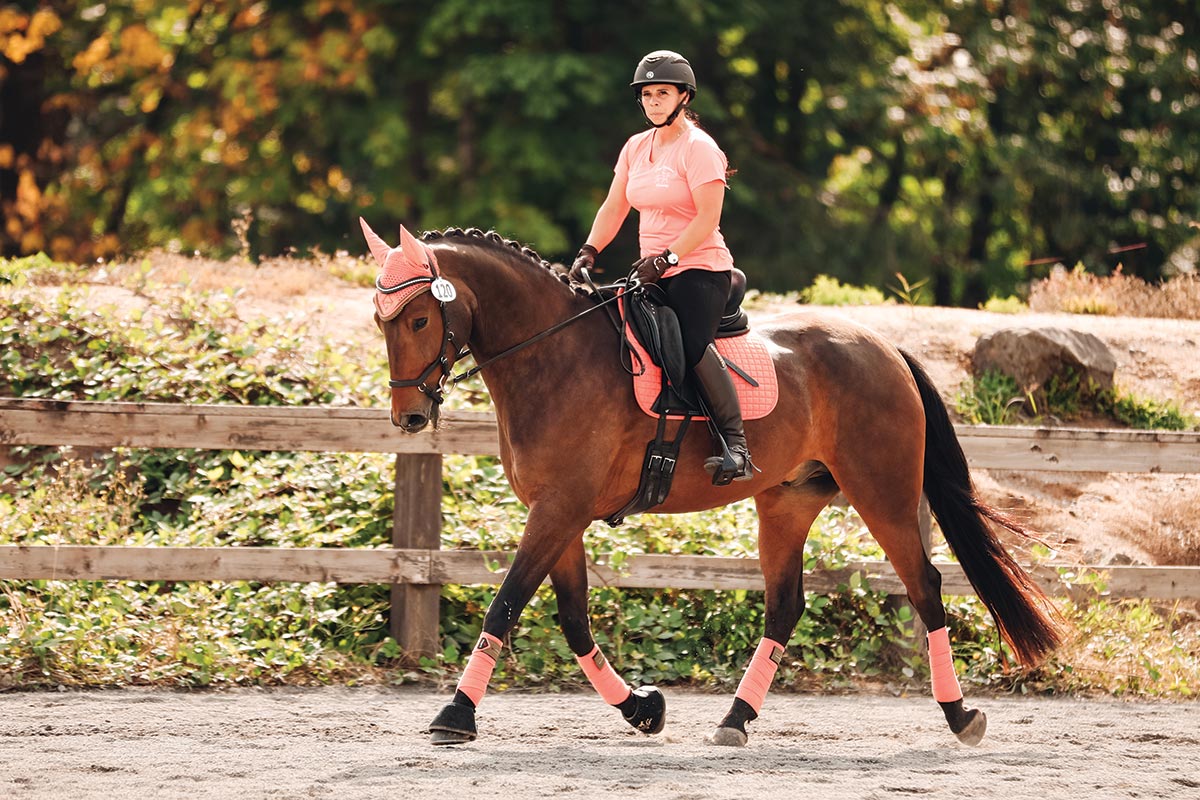
Matchy-matchy equestrian style is all about coordinating colors with your horse. Picture a dapple gray wearing a periwinkle saddle pad, fly bonnet and protective boots with his rider sporting a periwinkle shirt. That’s the matchy-matchy fashion trend.

Jessica Alvarado, creator of the Facebook group Matchy Matchy Equestrians USA, defines matchy-matchy as “the addicting obsession to dress your horse and/or yourself in matching attire.”

Why Matchy-Matchy Equestrian Style?

Part of the appeal of dressing matchy-matchy is that anyone can do it, regardless of discipline, body type or age.

“Price doesn’t matter either,” says Alvarado. “Matchy-matchy fits any color, shape, size, budget or skill set.”

Alvarado, a dressage rider from Washington, dove into matchy-matchy with a yearling named Moose.

“With my horse being as young as he was at the time, I didn’t have much to do with him other than basic groundwork, so I started to play dress up,” she says. “From there, my obsession—and my collections—grew.”

Alvarado formed her U.S.-based matchy-matchy group on Facebook in May of 2020 as a forum where people can buy and sell, ask questions or simply share pictures of themselves and their horses decked out in their color-coordinated best.

“At the time, there weren’t any groups dedicated to those who live only in the United States,” she explains. “This was a way to keep purchasing simple by not having to deal with currency conversion, overly delayed shipping times, and to promote smaller, local shops.”

 matchy-matchy equestrian
Nadine Ewing shares matching and adventures with her rescue mare, Ripley. Photo courtesy Nathaniel Ewing

Although the term “matchy-matchy” isn’t typically used in the western world, the concept is alive and well. Western lifestyle blogger and Horse Illustrated contributor Raquel Lynn of Los Angeles explains what motivates riders to coordinate with their horses.

“You work really hard taking care of your horse and you want them to look good,” she says. “Putting nice tack on a horse is a finishing touch.”

How to Get Started

For western riders, the sky’s the limit with matchy-matchy. “There are a ton of options in colors and print,” says Raquel. “For example, a barrel racer could put turquoise boots on their horse and have saddle pad wear-leathers in turquoise. More options are light oil tack, dark oil tack, or black tack, which is trending now.”

She cites cowhide print, serape and sunflowers as popular at the moment.

Some equestrian brands are known for creating sets that are perfect for matchy-matchy aficionados. These include matching saddle pads, fly bonnets and brushing boots or polos. Alvarado names a few of the major brands in the English realm as PS of Sweden, Equestrian Stockholm, Eskadron, and Equito. For western lovers, Raquel says Desert Rose Equine is known for coordinating stirrups, breast collars and headstalls, and Harris Leather and Silverworks have all the varying shades of tack.

matchy matchy equestrian
FF Dante owned by Kim Conwell, ridden by Jennifer O’Brien of New Balance Training, showing off a super match. Photo courtesy Jessica Alvarado

Alvarado identifies the two biggest struggles of being matchy-matchy are limited supply and price gouging.

“With matchy-matchy becoming more popular, finding certain items can be difficult,” she says. “There are several sets that have been declared ‘unicorns,’ because they are very rare and hard to come by.”

For example, PS of Sweden is known to have two ‘unicorns’ with the highly sought-after colors Couture Red and Pacific Ocean.

“Usually if you are patient, in time you will find what you consider a unicorn,” says Alvarado. Like wine, certain saddle pad sets become more valuable with age, becoming collectors’ items due to the rarity. And that is where price gouging can occur.

Matchy-Matchy Fun for All

For most riders swept up in matchy-matchy, the quest to find tack and accessories in perfect hues and the ability to add a splash of color and designs to your equestrian pursuits are just plain fun.

“What drives me to be matchy-matchy is the happy feeling it gives me,” says Alvarado. “I love dressing my horse up to look his best, and he quite enjoys being told how handsome he is on a regular basis, too. The best part of having my matchy-matchy Facebook group has been creating a space for people to share what makes them happy. Times are hard for everyone right now. If sharing your photos or purchases makes you happy, by all means, share away.”

This article about the matchy-matchy equestrian fashion trend appeared in the May 2021 issue of Horse Illustrated magazine. Click here to subscribe!
My Right Horse Adoptable Horse of the Week: Stewart — March 30, 2022

0

Welcome to Horse Illustrated’s weekly installment of the My Right Horse Adoptable Horse of the Week, offered in partnership with The Right Horse. Stewart is this week’s adoptable horse. Check back weekly for a new featured horse so you can find your #righthorse.

adoptable horse stewart
Photo courtesy West Virginia Horse Network

Adoptable Horse: Stewart, an 18-year-old 13.3-hand Paso Fino gelding in Elkview, WV.
Organization: West Virginia Horse Network

This week’s Adoptable Horse, Stewart, is looking for a home to call his own. Although he has been ridden, saddle work doesn’t seem to be his strong suit. However, he excels at groundwork and would be a fun partner or companion for someone who wants to compete in ground obstacles or other activities that don’t involve riding.
adoptable horse stewart
Photo courtesy West Virginia Horse Network

Calling all Trekkies!

His namesake, Patrick Stewart (aka Capt. Picard from the famous Star Trek series), was known for his personal charisma and intelligence. The equine Stewart has similar qualities. He is known as the horse who like to give “hugs.” He is also brilliantly smart, learns quickly, and wants nothing more than to do the right thing.
adoptable horse Stewart
Photo courtesy West Virginia Horse Network

Stewart’s Perfect Match

Stewart will need an adopter who is patient, fair, and soft but who also knows their way around a horse. He’s not for a beginner because he needs a confident and competent leader who can help him through the scary things in life such as deworming, farrier visits and meeting new people. Is Stewart your #righthorse?

Click here for questions about Stewart, the My Right Horse Adoptable Horse of the Week.

My Right Horse

My Right HorseMy Right Horse is the online adoption platform of The Right Horse Initiative, a collection of equine industry and welfare professionals and advocates working together to improve the lives of horses in transition. A program of the ASPCA, their goal is to massively increase horse adoption in the United States. To find more adoptable horses and foster horses, visit www.myrighthorse.org. To learn more about The Right Horse, a program of the ASPCA, visit www.therighthorse.org.

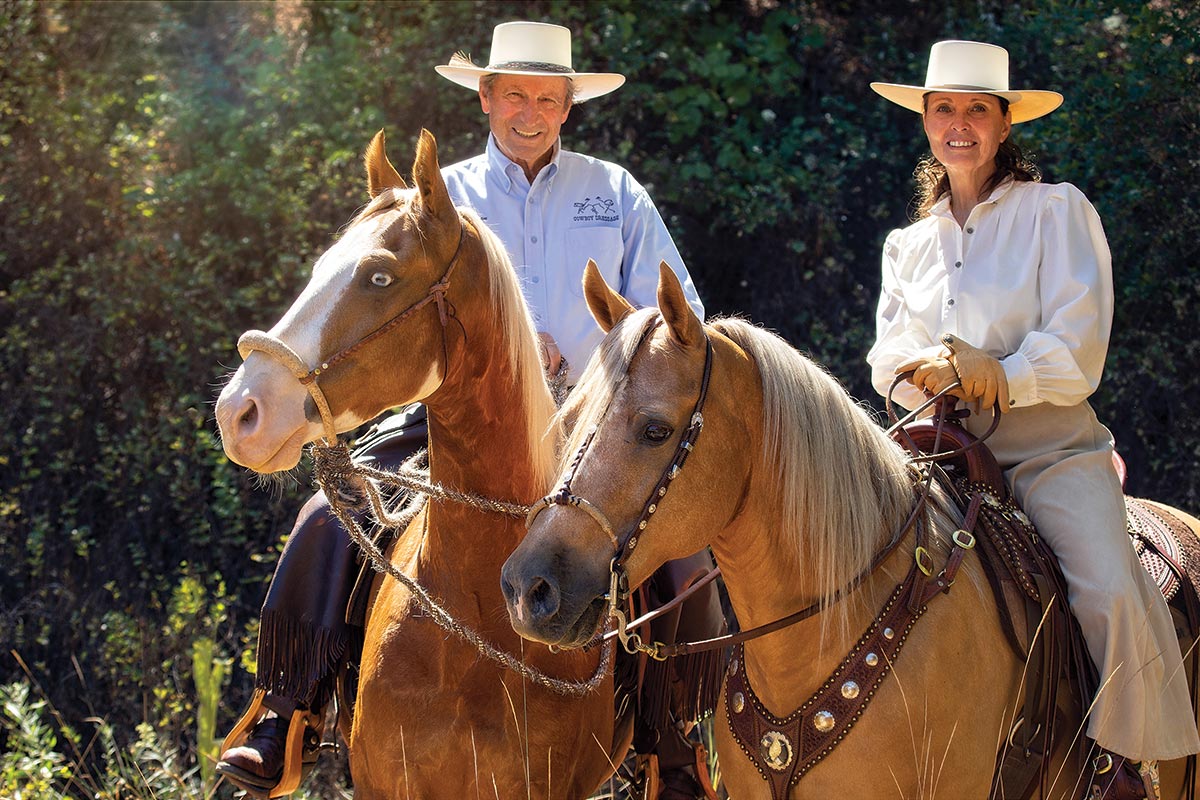
Better than Fiction: The Founder of Cowboy Dressage

0

Life can surpass the best of fiction, particularly for someone like Eitan Beth-Halachmy, the founder of cowboy dressage. Called “8” by his friends, he first came on the radar of many horse enthusiasts for his performances in the opening ceremonies of the 2006 and 2010 FEI World Equestrian Games, where hundreds of thousands of fans flocked to Aachen, Germany, and Lexington, Ky. Over the last 10-plus years, there has been explosive growth and a worldwide embrace of the horsemanship culture he created.

founder of cowboy dressage
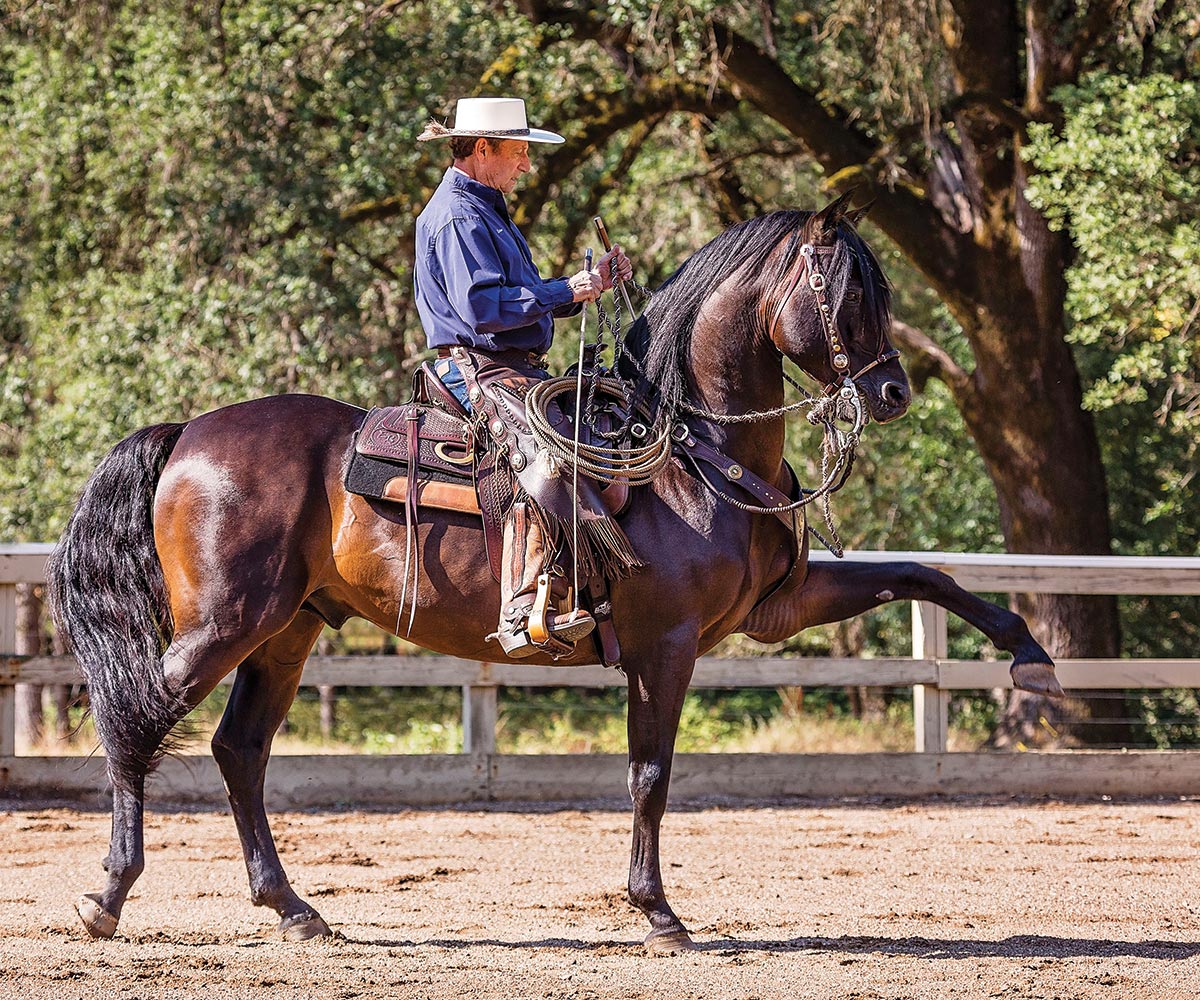
Eitan Beth-Halachmy and his Morgan stallion, Santa Fe Renegade, performing the Spanish walk. Photo by Lesley Deutsch/Blue Fountain Farm Photography

Born November 24, 1940, Beth-Halachmy grew up in a small town south of Tel Aviv, Israel, and dreamed of becoming a cowboy.

“The only thing we knew about cowboys was from movies—John Wayne, Glenn Ford and all those guys we saw on the screen,” says Beth-Halachmy. “I wanted to be like them. We didn’t know there were people in Montana and Wyoming freezing outside watching their cattle. I looked at the cowboy as freedom, doing the things you wanted to do.”

Early Days for the Future Founder of Cowboy Dressage

Beth-Halachmy first sat on a horse at 5 after his mother’s funeral, when a mounted sheriff set him astride an Arabian. Growing up, he took herds of 500 sheep into the mountains outside Jerusalem for a month at a time, whiling away the hours as a shepherd carving wood.

He then served in the military and later cleaned stalls at the Spanish Riding School in Vienna while attending veterinary school. Becoming a veterinarian was his father’s dream, but Beth-Halachmy’s childhood call of the cowboy brought him to America, where his passion for horses unleashed the talent that’s made him an influential leader—and the founder of cowboy dressage.

Unknown when he arrived in Oklahoma City in 1993, Beth-Halachmy soon gained recognition.

“It was the first or second time I showed up in the Morgan community,” he recalls. “I rode Holiday Compadre in a western pleasure class. Long story, short, I won that class.”

He topped off the win—Morgan World Champion Western Horse—with a most unusual victory pass.

“I did some tempi [every stride or every other stride lead] changes, a little piaffe, and extended the jog,” he continues. “Compadre knew all that. He was really not a western pleasure horse, but there was no place for me to show that off.”

While driving home to Grass Valley, Calif., Beth-Halachmy got word of an invitation to perform at the American Royal Concert of Champions in Kansas City, a black tie event with a live symphony. Not keen for another long road trip, Beth-Halachmy passed.

“So what did my dear wife do?” he laughs. “She called them back and said I’d love to.”

The First Performance by the Founder of Cowboy Dressage

It came together in Kansas City. At a meeting for all the performers before the Concert of Champions, the organizer asked for details on Beth-Halachmy’s act.

“I said, ‘I have no idea, there’s probably something I can do to make it happen.’”

Music? Another question mark.

“Whatever they play is good enough for me,” he remembers saying.

The symphony conductor chose “The Nutcracker.” Beth-Halachmy was just pleased to have music.

“I didn’t even know what The Nutcracker was,” he admits.

Asked the name of his act, Beth-Halachmy answered the stunned organizer.

“No name,” he recalls. “Just me and my horse. Then he looked at me and asked, ‘What do you think about Cowboy Dressage?’ I said, ‘Sounds good to me.’ That’s how cowboy dressage came to life.”

In a scene straight from Hollywood, Beth-Halachmy landed the finale spot with Holiday Compadre. It was in that moment that he became the founder of cowboy dressage by introducing the world to a new sport.

“I remember standing behind this huge black curtain blocking the entry to the coliseum,” he says. “The only thing I could hear is the music playing inside and my horse chewing on the bit; I have no idea what I’m doing. I’m waiting for the music. It’s like going dancing. You don’t know what they’re going to play. Whatever they play, you dance.”

And what a dance it was.

“The minute the curtain opened, they hit me with the spotlight,” he remembers. “My horse and I were blinded. Couldn’t see a damn thing. I’m trying to get him going, and he refuses to go in. The music was playing. Everybody started clapping, screaming and yelling.”

After two minutes, he rode Compadre into the arena.

“I had three minutes left to play to the crowd,” he continues. “When I was done, I got a standing ovation. I couldn’t believe it! My first-ever performance before the public. From there on, it’s a sweet story.”

An Artist at Heart

His story is entwined with his wife, Debbie.

“She was there from the beginning,” says Beth-Halachmy. “She is the core of the whole thing. I’m really a shy person internally. When I started teaching and became an educator, I discovered some talent hiding inside me. Deb was the one who woke it up.”

Incredibly, things could have been different.

“There was a time I really wanted to get out of horses,” he recalls. “All my friends were horse people. I got to the point where I was overflowing with horses. I said, ‘I’ve got to start doing something else.’ I knew I was good with my hands and creative, but I never knew how to cross between a craftsman and artist. I think I learned it from being with horses.”

founder of cowboy dressage
Eitan Beth-Halachmy credits his wife, Debbie, with helping shape the trajectory of his career. Shown: Eitan on Cheyenne Gold, a Saddlebred gelding, and Debbie on Indigo Go Gold, a Morgan gelding. Photo by Lesley Deutsch/Blue Fountain Farm Photography

The caliber of Beth-Halachmy’s art soon found him trading in craft shows for the likes of Neiman Marcus and Gump’s San Francisco.

“I was sculpting,” he says. “I did some bronze, some woodwork. I remember walking into Gump’s in San Francisco. I had cutting boards in the shape of animals. They loved it.”

So much, in fact, it would have required mass production to meet the order. That ended up sending him back into the horse world.

Education from the Founder of Cowboy Dressage

“In the beginning, cowboy dressage was never meant to be a competition,” says Beth-Halachmy. “Combining classical riding with the spirit of the cowboy was more a fantasy than anything real, but people got excited about it.”

More than 10,000 people are now Handshake Members, one of Debbie’s ideas.

“She woke up one morning and said, ‘I have an idea. We should offer a membership to people on a handshake, like in the old days. It was the code of the cowboy.’”

It’s also free.

“We promised to give them a place they can come and socialize with people like them, who love horses,” he says. “It’s all about being kind to the horse.”

He now manages 60-some Facebook pages.

“Most people I deal with really only want to love their horse, go trail ride, and come home in one piece,” he explains. “Horses can be a friend, but you have to pay attention, because they’re still horses. When they give everything they have to give, you’ve got to say, ‘Thank you,’ and not ask for more.”

Cowboy dressage is not about the ribbon or the money. It’s not about rider ego.

“It’s about the love of the horse,” says Beth-Halachmy. “I think it’s always going to be my way of looking at life. To do the things you love to do, because you love it.”

For more information on cowboy dressage or to become a member of Beth-Halachmy’s Educational Horsemanship Program, visit www.cowboydressageworld.com.

This article about the founder of Cowboy Dressage appeared in the May 2021 issue of Horse Illustrated magazine. Click here to subscribe!
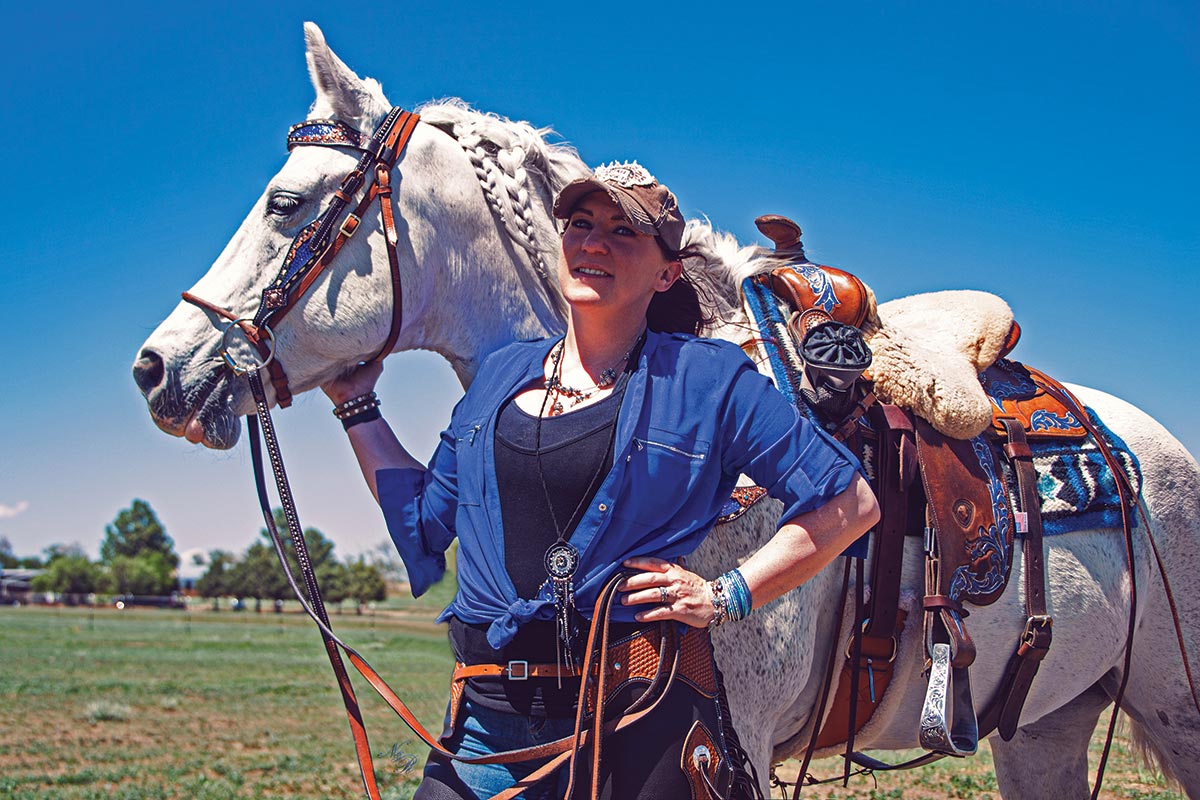
Readers’ Choice: Best Veterinarian

0

Do you think you have the best veterinarian? These stories from HI readers about incredible vets might give your vet a run for their money!

Best Vet Finalist: Dr. Kristi Gran

This past year, as a 38-year-old rider in the saddle since age 10, I was finally blessed with the opportunity to own my own horse, an off-track Thoroughbred, Cambridge Gray. My standards were high when selecting a veterinarian to do the prepurchase exam on my dear Cambridge. Dr. Kristi Gran, a Purdue University veterinarian board certified in internal medicine, quickly passed the test and approved Cambridge with flying colors.

horse and owner
Kathryn Sharer and Cambridge

We had a wonderful winter. He jumped, gave pony rides to my four kids, and participated in horse shows where he won grand champion. We had big plans and bigger dreams. Then came summer. In May, Cambridge grew a shaggy coat and started sweating in patchy places. Dr. Gran came to the rescue and started blood work, trial treatments, and a myriad of medications. As the summer wore on, Cambridge shut down. Through many tests, hours at his side, and treatment trials, Dr. Gran concluded the impossible: Cambridge was diagnosed with anhidrosis, a condition causing his sweat glands to shut down one by one.

She gave us all that she had, trying every treatment possible and consulting with specialists all over the country, but tragically, Cambridge eventually suffocated from the inside out, passing on a sad summer day with Dr. Gran by his side. Dr. Gran was with us for every question, every treatment, every joy, and every heartbreak. She worked well beyond any expectation of any veterinarian. She is truly the very best.

— Kathryn Sharer, Fort Wayne, Ind.

Best Vet Finalist: Dr. Chris Weber

After sending us for diagnostics at Tufts, my horse was diagnosed with inflammatory bowel disease of the small intestine. Dr. Chris Weber worked with me and my boarding barn owner to treat my horse and get him back on track. After six months of constant vet visits and multiple phone calls, my horse was back to normal.

best veterinarian
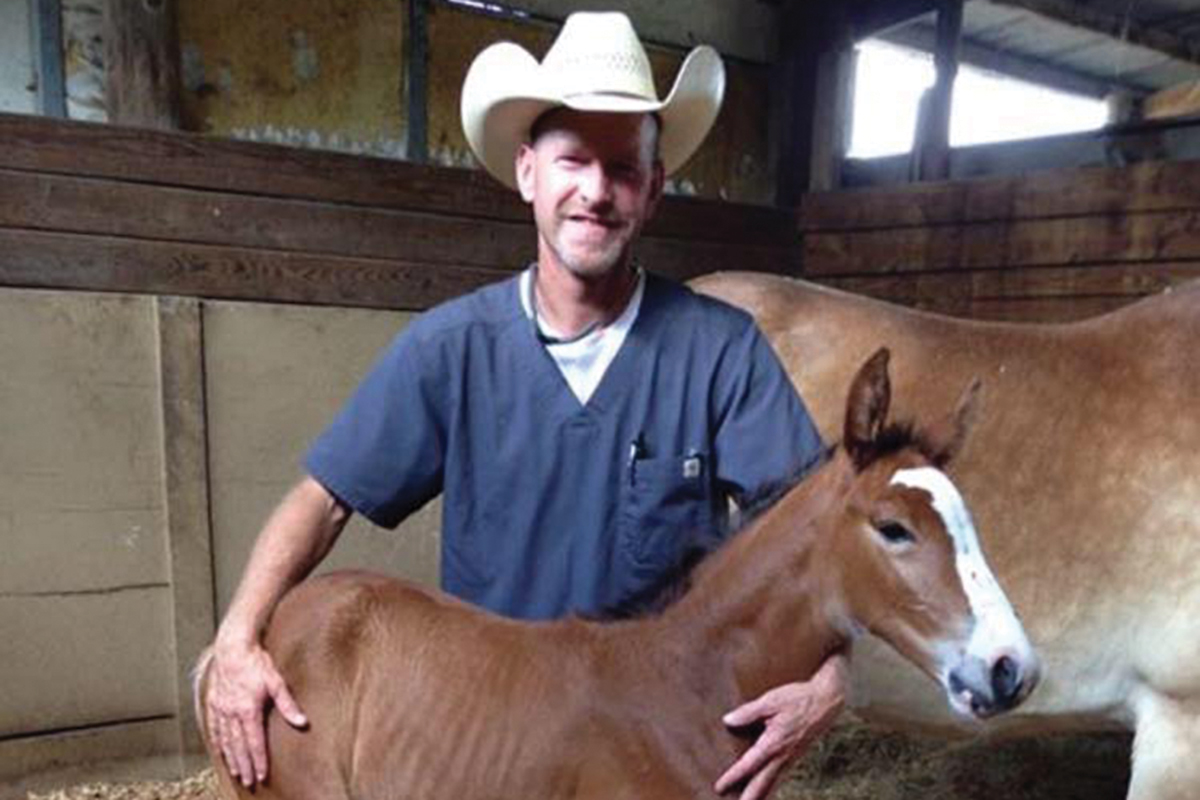
Dr. Chris Weber

I am lucky enough to call Dr. Weber my vet and my boss. I have been Dr. Weber’s technician at Salmon Brook Veterinary Hospital for nine years now. The care and compassion he showed me and my horse is the same he shows to all of his clients.

Dr. Weber is a strong believer in educating our youth. He has volunteered his time on numerous occasions at schools, after-school programs, and community events, teaching kids about veterinary medicine and basic care of their horse.

— Ashley Sharpe, Enfield, Conn.

Best Vet Finalist: Dr. Megan Fine

When we had exhausted all possible treatment for our elderly mare, Maja, and it was apparent that she was tired, Dr. Megan Fine of Cranberry Creek Equine Veterinary Services took the time to speak with me and my daughter, explaining the process and telling us what to expect when we were deciding to make the appointment.

We sat on my front lawn and chatted for a long while. She caringly answered every single question, sometimes more than once. And again, on the day of the appointment, Dr. Fine’s “bedside” manner was exceptional, as was the care she administered to Maja. She talked us through every step and made sure that Dakota (my other horse, and Maja’s companion of 10 years) was reacting as well as could be expected.

best veterinarian
Dr. Megan Fine

She is an excellent teacher, as well! My daughter is considering becoming a veterinarian, and Dr. Fine offered for my daughter to shadow her for a summer. She exercised patience, understanding and proudly displayed her passion for helping the patients she tended to. Thanks to Dr. Fine, my daughter followed her example and started in the vet tech program at our local college.

— Chantale Tremblay, Ontario, Canada

Best Vet Finalist: Dr. Eric Bohl

As a 10-year 4-H member during childhood, I learned about horse care. As an adult, I read books and Horse Illustrated and learned from a previous boarding facility about horse care. But watching my 27” Miniature therapy horse, Bugle, colic on my farm left me wide-eyed and helpless. I knew colic would be an expensive surgery or death sentence if not caught in time.

My first panicked phone call to Dr. Eric Bohl was met with a soothing voice. “I’m on a farm call now; I’ll be done soon.” Twenty minutes later he called back to check how things were going. He would be at my place in 15 minutes. He told me to keep walking Bugle but to let him rest if he wants.

I had only met Dr. Bohl once, when I found his name on the internet as an equine vet in the rural area I had just moved to. He had given my horses their shots that spring. We hadn’t built a relationship yet, but the night I called in a panic because my baby could die, he acted like an old friend with all the right words. He stayed 90+ minutes administering meds, assuring me that “Bugle’s vitals are stable; he’ll be fine. It’s colic caused by dehydration. You knew the signs and caught it early.”

While administering mineral oil and water, he asked about my horses. We talked about my profession as a teacher and the therapy visits Bugle and I had made to local nursing homes and to a youth homeless shelter.

therapy horse visit
Darla Ramberg, left, and Bugle

Dr. Bohl put his family dinner on hold to tend to Bugle. Before leaving he said, “Don’t hesitate to call if you need anything. I can come back or talk you through it.” He reassured me that because I checked in on my horses after my dinner, it was caught in time. He melted my anxiety and reassured me I’m a great horse mom. That’s Best Vet material!

— Darla Ramberg, Roberts, Wisc.

Best Vet Finalist: Dr. DeAnn Hughes

Eleven years ago, I moved to a very rural area in Central Kentucky with few veterinarians, much less equine specialists. Fortunately, about 10 years ago Dr. Hughes, who grew up raising, riding and showing horses, started her practice as an equine specialist.

She has gone the extra mile to stay current in her knowledge and (pre-COVID) to provide her customers with free seminars to make sure our horses and mules get the benefit of the most recent veterinary recommendations. With COVID, she has changed her practice from at her farm to providing all routine, dental and emergency care at your barn with blood and fecal specimens processed on her equipment rather than sending them off.

She is personable and open to calls asking about routine problems, like wound treatment and hoof soreness. If you have an emergency, she listens, asks questions, gives you options, and explains the abnormal in understandable terms.

— Geri Guerin, Horse Cave, Ky.

Best Vet Finalist: Dr. James Tilley

Dr. James Tilley has been our vet for over 20 years, caring for and often saving the lives of our equine family members. Over the years I have found him to be a man of great skill and great compassion, not just for horses, but compassion for owners as well.

I have seen him in the dead of night, like last week when we had a severe colic, and he came out at 9 p.m. and worked on our mare until almost 11 p.m. after a day of being on the road and caring for horses all over central Arkansas. We live in south Arkansas and yet he came and saved her.

best veterinarian
Dr. James Tilley

One of the best things about having James Tilley as our vet is the fact that he teaches the humans as he treats the horses. He shows up at your place and you will have education for yourself as well as healing for your horse. He is incredibly patient and understanding and a huge source of comfort when my horse is injured or ill.

I have been a professional horsewoman for the better part of 50 years and have had the privilege of working with many really good vets, but I haven’t met any who can come close to this one. He has treated everything from lacerations to a bear attack. He has seen our horses through births and deaths and everything in between.

He is the very best marriage of the classic old-timey vet and the one with cutting-edge skills and equipment who will step in and save your beloved horse. He will do it reasonably, he will do it cheerfully, he will do it skillfully. “Best vet”? Not nearly high enough praise.

— Judith Vandermeer, Bismarck, Ark.

This article featuring HI readers’ choice of best veterinarians appeared in the March 2021  issue of Horse Illustrated magazine. Click here to subscribe!
What Happened to the Central Park Horse Show?

0

A horse show inside one of the most densely populated urban landscapes in the country doesn’t happen often. But the Central Park Horse Show brought elite horses to the city—for four years in a row.

That streak ended in 2017 after subsequent scheduling issues. And an anticipated return in 2020 was sidelined by COVID-19.

Central Park horse show
Photo by David Handschuh

Last fall, when the Central Park Horse Show would have taken place, there was still no sign of it. As New York City re-opened to previous leisure activities and sports, the safety protocols weren’t enough for the beloved Central Park Horse Show to return to Wollman Rink. The logistics and funds required to pull it off seem to have rendered one of New York’s most unique events of the last decade a thing of the past. Fans and competitors are concerned it’s gone for good.

“To lose a city show, especially in America, is really sad,” says Sophie Gochman, a first-year student at Harvard who competed in the Central Park Horse Show in 2017 and who is one of the many New Yorkers who loved the event and appreciated the visibility it brought to the sport. “We’re just not going to have that same opportunity and accessibility.”

“The atmosphere was electric,” says Jennifer Wood, who managed media and communications for the Central Park Horse Show. “From where we were in the ring, you could see the city skyline. It was really special.”

Spectator’s Paradise at the Central Park Horse Show

The Central Park Horse Show was notable for bringing in Olympic-level show jumpers from around the world to a unique city environment. It also aired on primetime television, broadcasting on NBC Sports, according to Horses Daily. It was also the first outdoor, four-day equestrian sporting event held within New York City. With large sums of prize money from sponsors, including more than $200,000 in 2017, hundreds of big-name riders came for a chance to win, including Georgina Bloomberg and Jessica Springsteen.

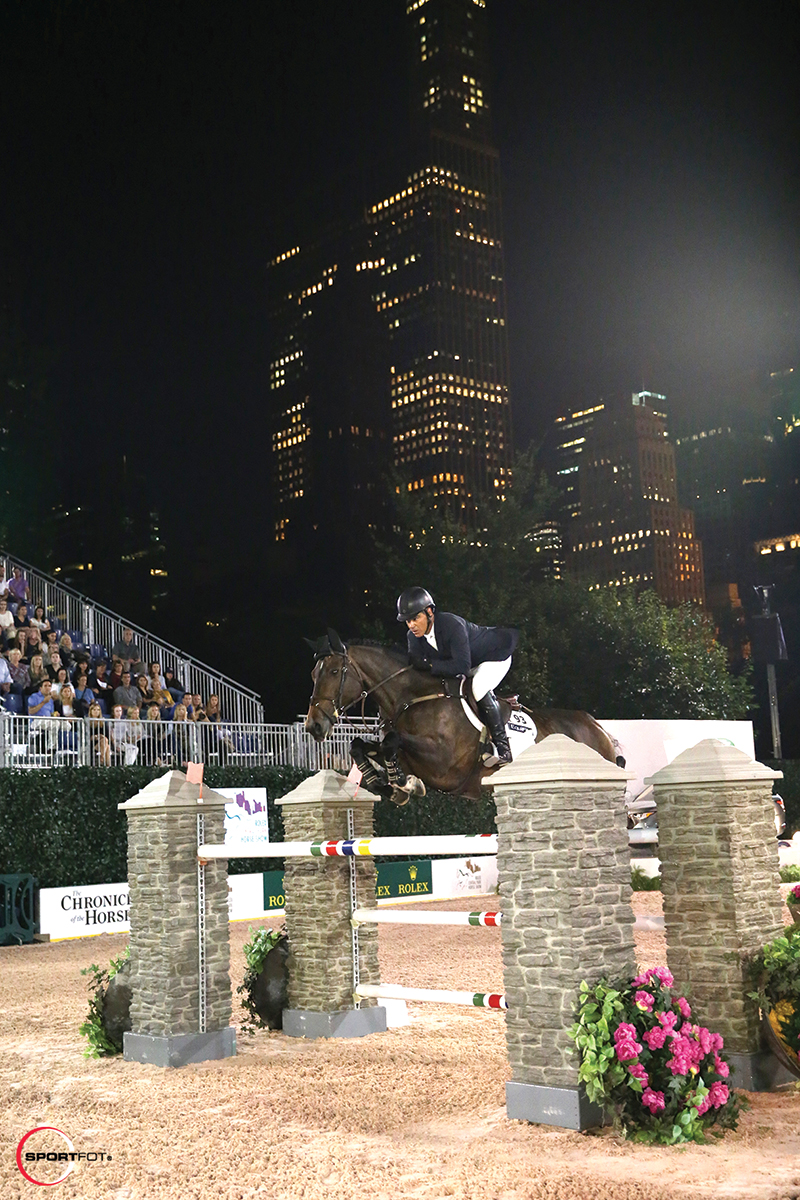
At its peak, the arena saw a total of 3,000 spectators.

Central Park Horse Show
Photo by Sportfot

“You’d have people who didn’t even get tickets standing on the hilltops of Central Park watching,” says Gochman.

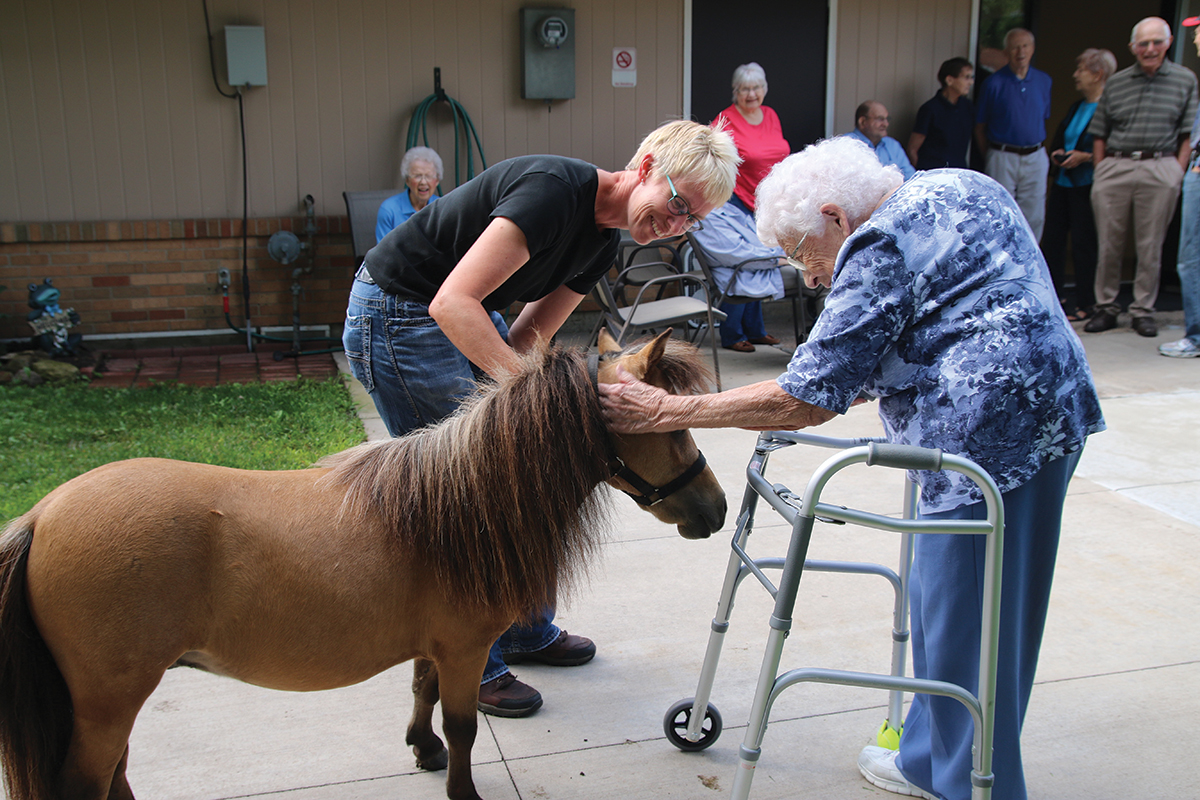
The show attracted a range of spectators, so people from various socioeconomic backgrounds could attend. This was especially true on Family Day, when admission was free and included face painting, Miniature Horses and games for kids.

Logistical Nightmare

At the helm of the show were Mark Bellissimo, CEO of Equestrian Sport Productions, and Michael Stone, president of Equestrian Sport Productions.

“We’d always wanted to do one in New York, and everybody said it’s impossible, ‘You can’t get Central Park,’” says Stone.

And though they were successful, it was a logistical nightmare, even before the pandemic, he explains.

Horses had to be shipped in at a certain time of night so as not to block the roads. Everything was imported, from the hay to the food to the footing. For the horses to walk from their temporary stables by Tavern on the Green to the ring, the asphalt had to be covered in mats.

“We put up all the bleachers and grandstands around Wollman Rink,” says Wood. “They built a VIP pavilion on top of the rink and offices overlooking the ring. It was a huge undertaking.”

Spiraling Costs for the Central Park Horse Show

Additionally, there were scheduling difficulties. There was only a two-week window in which the Central Park Horse Show could take place at Wollman Rink. In 2018, Bellissimo and Stone were chosen to run the World Equestrian Games at Bellissimo’s facility in Tryon, N.C., which, according to Stone, is like the Olympics for showjumping and an honor they couldn’t pass up. Unfortunately, the date of the Central Park Horse show would have fallen too close to the World Equestrian Games, meaning 19-hour trailer rides for horses to get to New York City in time for the show.

“In some ways, we were the victim of our own success,” says Stone.

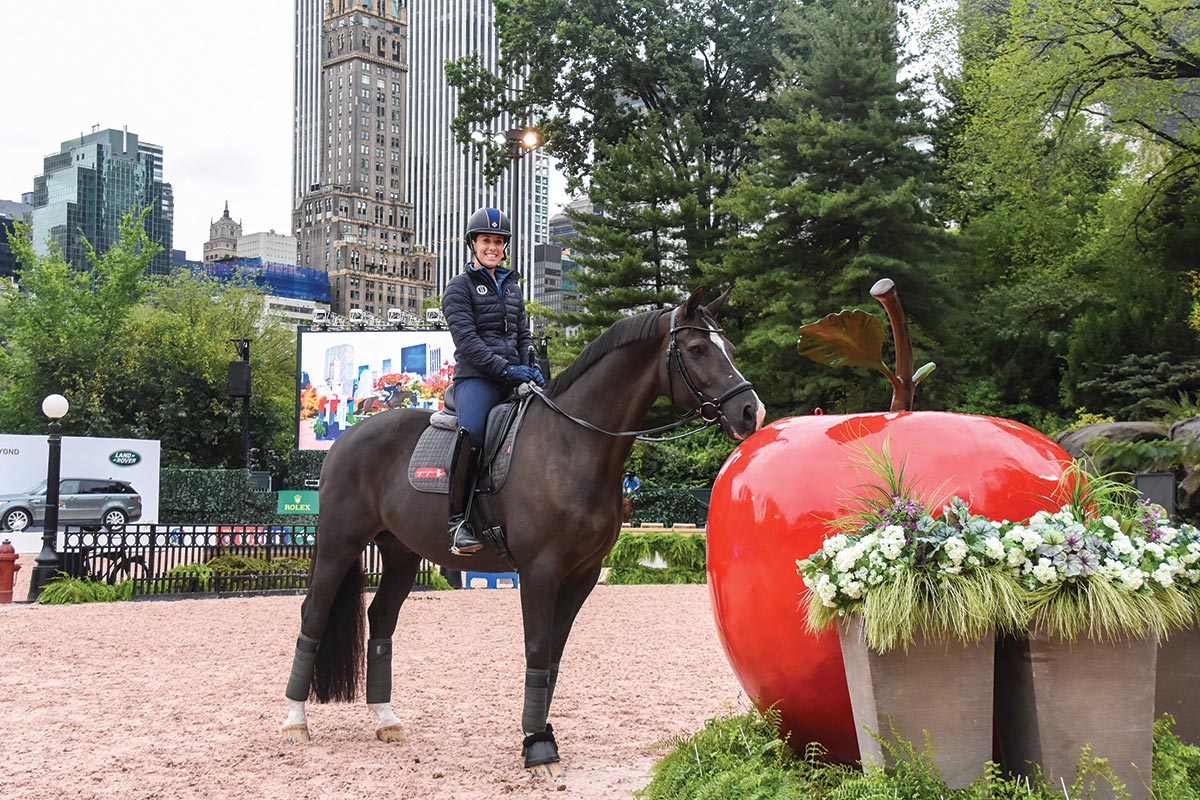
Charlotte Dujardin at Central Park
Photo by Meg Banks

And then the reality of the show’s price tag set in. Even with funding from sponsors like JetBlue and Rolex, and tickets selling for $500 to $600 on Stubhub, the event wasn’t profitable. And though profit wasn’t the goal for either Stone or Bellissimo, it was teetering on the edge.

“The costs kept going up,” says Stone. They weren’t selling the amount of tickets in 2017 that they had in the inaugural year. Stone likened this discrepancy to a Broadway musical.
“I can go and see ‘Hamilton’ once, but you know, you’re not going to pay $300 to see it a third time, no matter how fantastic it is,” he adds.

Future of the Central Park Horse Show

As the pandemic continues, Stone confirms there are no plans to hold the show in the fall of 2022, but he doesn’t believe it’s gone for good.

“I never say never,” he says. “It was a fantastic event, and it was a lot of fun to organize. And it does have the opportunity to promote the sport in a big way.”

If it did happen again, there would be at least one fan to welcome it. Gochman, if given the opportunity, said she would return.

“A show like that would definitely entice me to miss a weekend at college.”

This article about the Central Park Horse Show appeared in the March 2022 issue of Horse Illustrated magazine. Click here to subscribe!
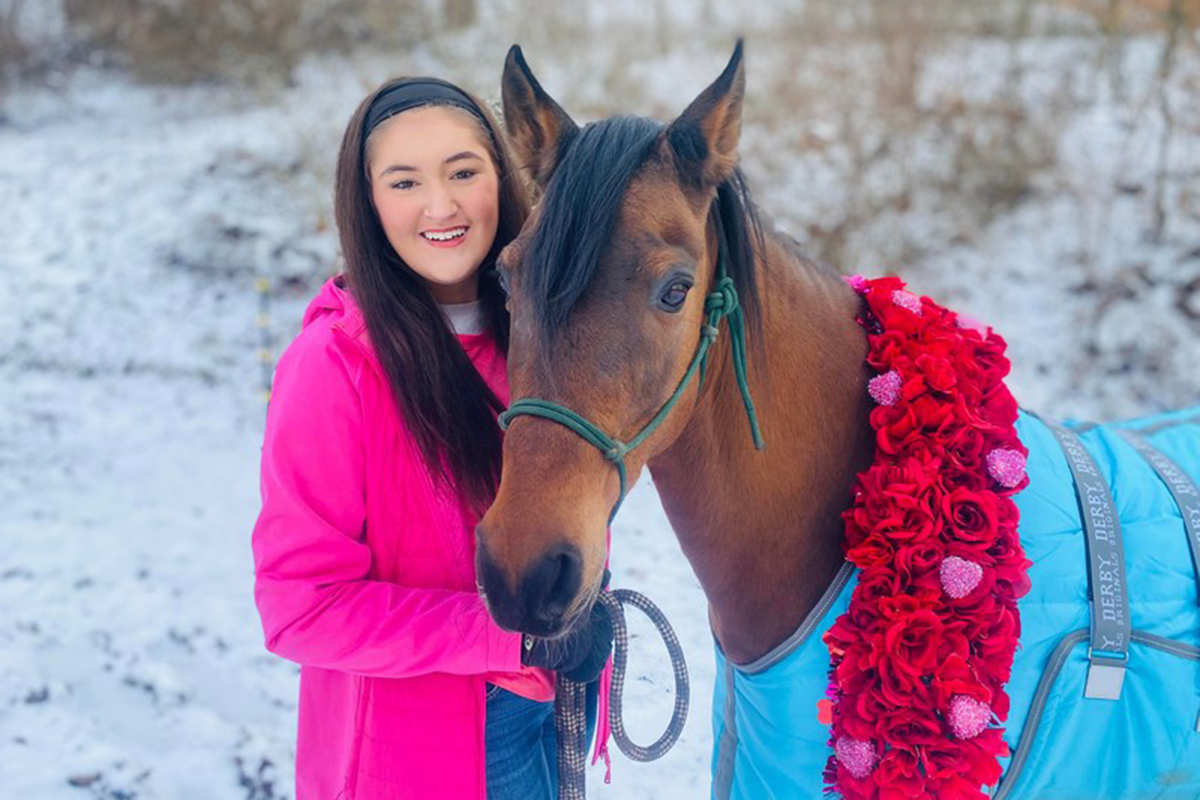
Rehabilitating Horses in Need

1

Rehabilitating horses who have experienced abuse or neglect and giving it new life can be a very gratifying experience. However, there is a lot more that goes into it than just tender love and care. 

rehabilitating horses
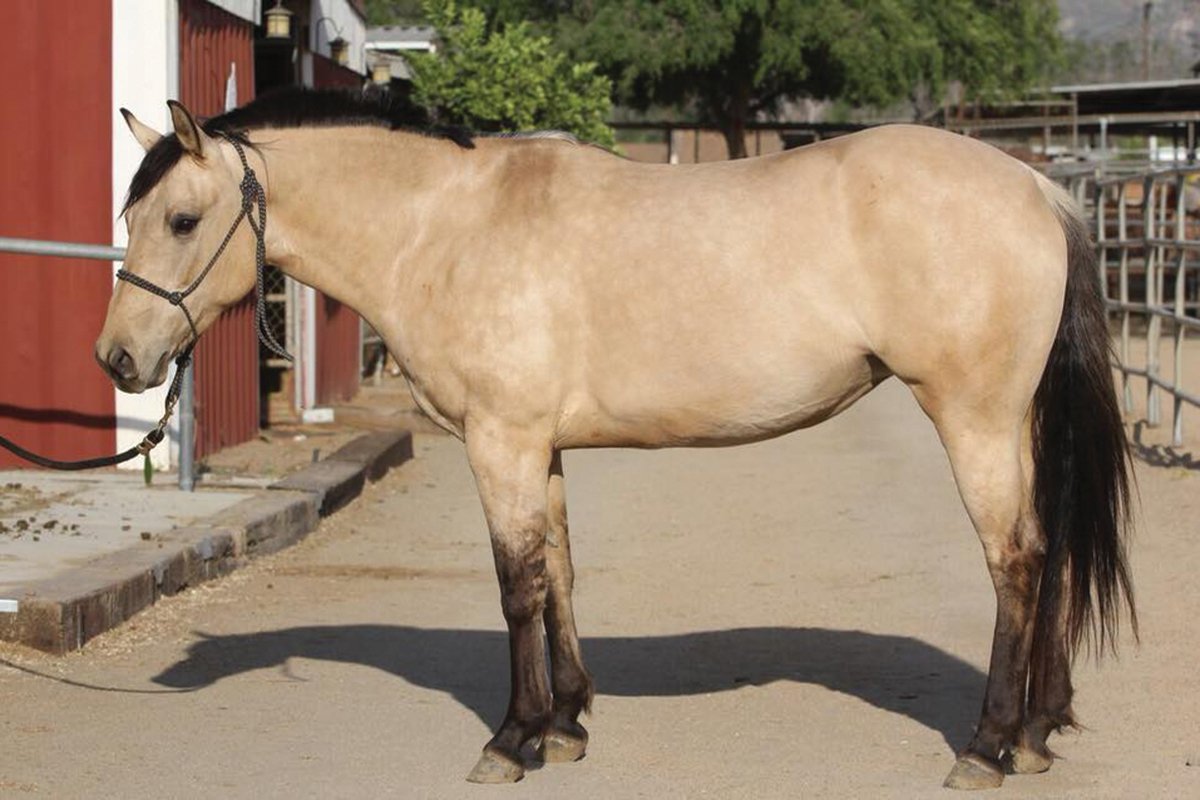
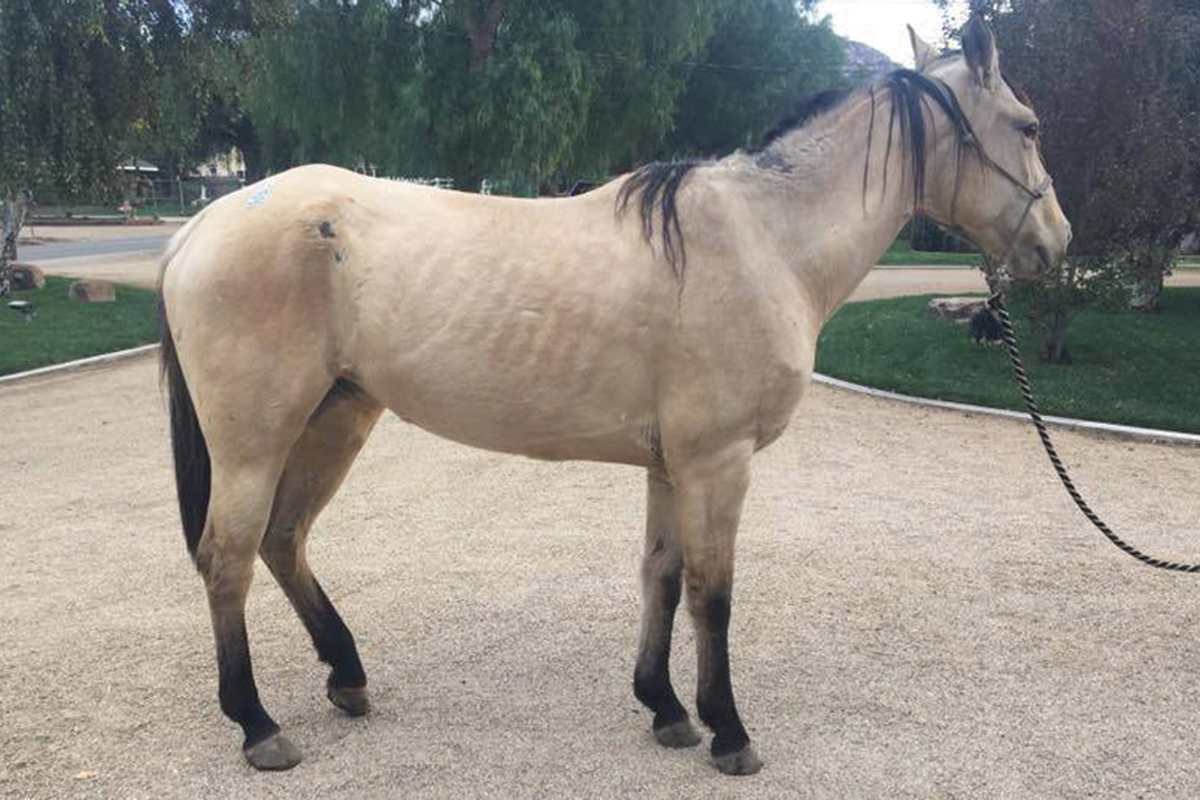
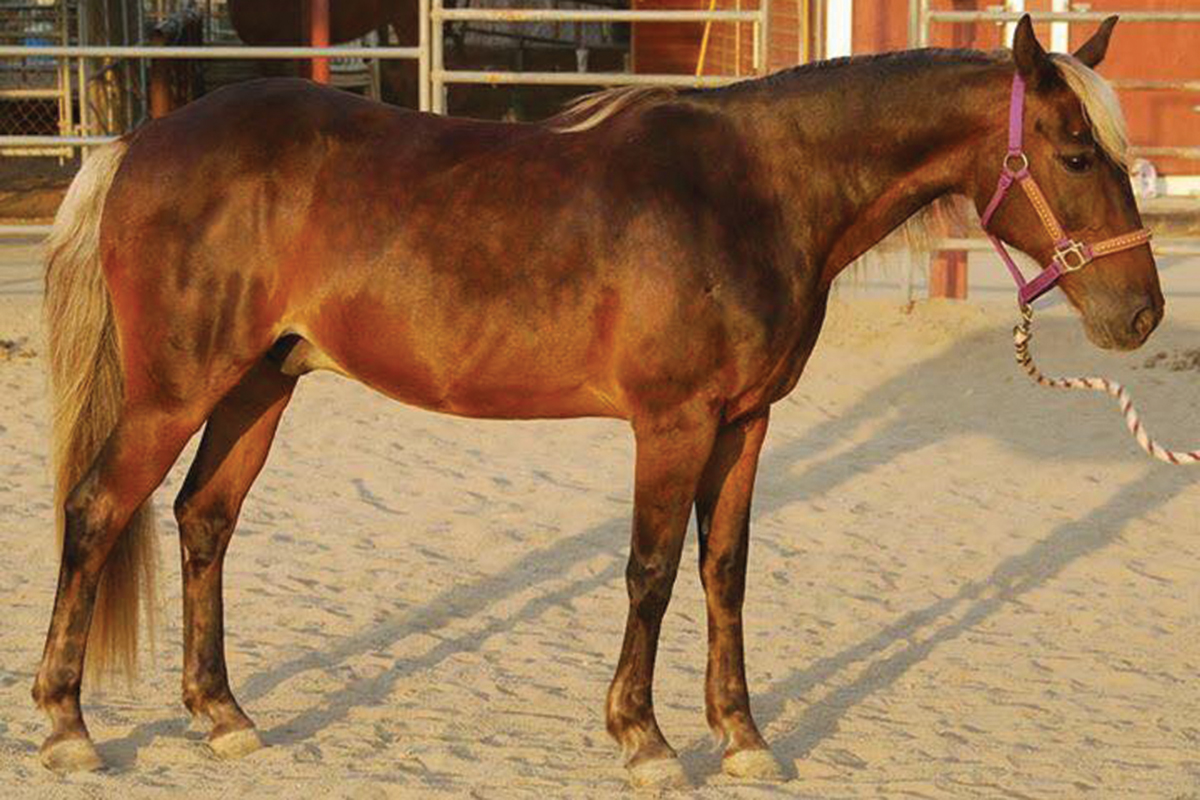
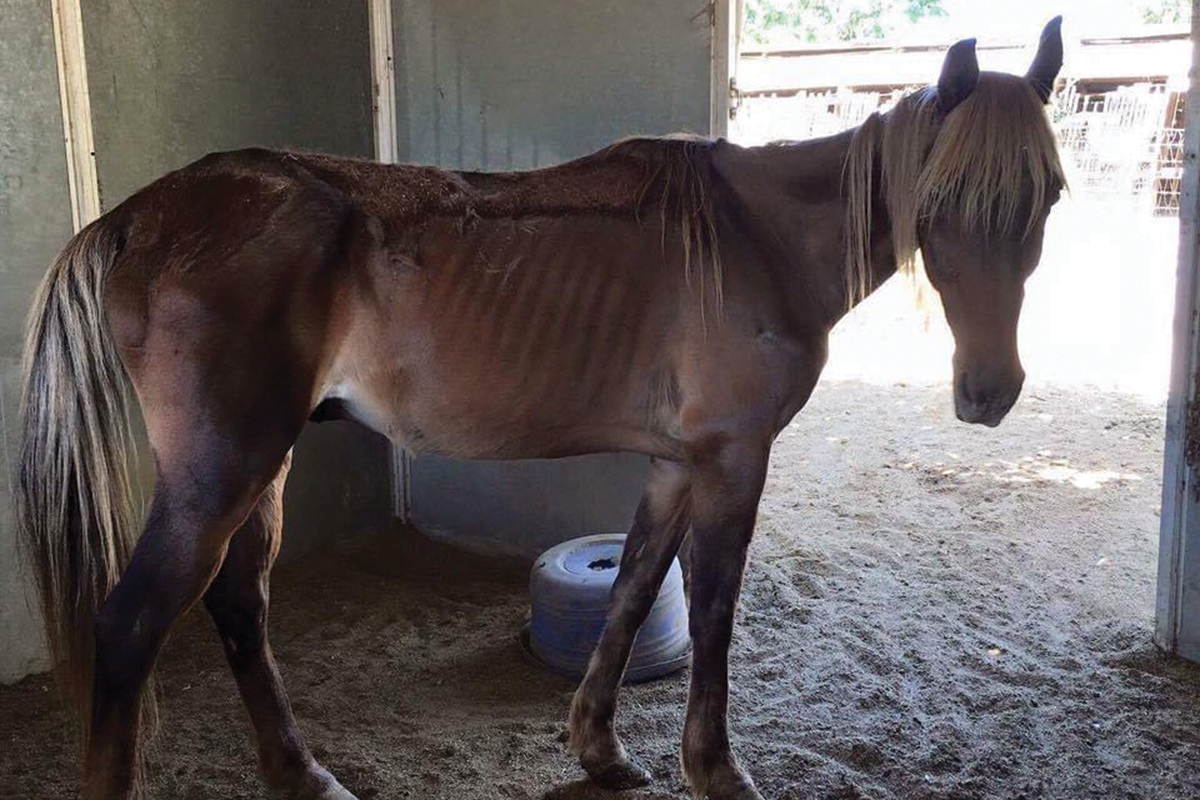
Luke Castro brought Peso, an Andalusian gelding, back from starvation (see his condition when Castro found him below). He has turned into a great riding horse for his adopter. Photo Courtesy Luke Castro

Luke Castro of Norco, Calif., has been working with horses in need since 2012, when the Great Recession was considered officially over but continued lingering in the horse industry. He noticed horses being dropped off at auctions and people letting horses loose in his area with no intentions of caring for them anymore.

That’s when he realized there was a need for someone to take care of these malnourished, abused, and neglected horses and help them recover and find new homes. He felt particularly drawn to horses in need because of his own background in a “not-so-great” neighborhood, where they didn’t have much. He now works rehabbing the horses with his fiancée, Juliet Garcia.

horses in need
Peso, before. Photo Courtesy Luke Castro

Stepping in to Help

“Our first goal for these horses is to get them out of the horrible situations they are in, like being starved or from the auction or animal shelters,” says Castro. “Our second goal is to get them healthy, which oftentimes can be a lot of work, especially for horses that were previously starving.”

Starving horses can get refeeding syndrome if not slowly and carefully nourished back to good health under the guidance of a vet. These horses are using protein from their muscles to fuel their bodies, and if their nutrition isn’t carefully monitored, they can experience organ failure.

Another step in the rehabilitation process is to assess the horse’s behavioral and mental needs. Castro says some horses just need extra love and lots of spoiling to help with their psychological wellbeing. Once a horse is happy and healthy, Castro begins short groundwork sessions. These sessions also help the horse build muscles he will need to be started under saddle. 

Once Castro feels the horse is ready, he will increase the groundwork and eventually start riding him. The goal after that point is to find the horse a forever home where he will be loved and never mistreated again. 

rehabilitating horses
Holy Smokes went on a feeding and training program, and turned into a reliable riding horse.  Photo Courtesy Luke Castro
horse in need of rehab
Holy Smokes, before beginning rehabilitation with Castro. Photo Courtesy Luke Castro

“We have helped rescue facilities in Southern California get some of their horses adopted,” he says. “We have also helped the public when they come to us. Sometimes there are good people out there who are responsible enough to know they can no longer afford a horse, or whatever the situation may be, and they call on us to help them rehome the horse. We gladly try to help them as much as we can.”

Remington’s Story

Remington was a particularly special horse to Castro because he was able to team up with One Day Moore Animal Rescue to save her from an uncertain fate at auction. She was extremely scared and malnourished when Castro took her home. 

His veterinarian and farrier advised him to euthanize the mare; however, Castro felt the need to give her a chance. With some time, training, and patience, she made a complete turnaround into a beautiful horse and an incredible riding partner for her adopter, Chelsie Ward. 

horses in need
Castro helped take Remington from scared and malnourished to an incredible partner for her adopter, Chelsie. Photo Courtesy Luke Castro

Working with neglected, malnourished, and abused horses is a time and financial commitment. Castro says it’s hard to pinpoint how long it will take a horse to recover and how much it will cost because each horse is different. Some horses are more malnourished than others and take more time and money to get to a healthier state.

The cost to see a veterinarian for dental work, vaccinations, and other things needs to be factored in. This runs approximately $500. Castro also has a farrier come look at the horse’s hooves. A good trim and a possible shoeing ranges from $50 to $100. 

rescue horse
Remington (shown above), before. Photo Courtesy Luke Castro

“Working with horses in need is extremely gratifying,” says Castro. “Giving back to the animals that have done so much for me is an amazing feeling. But sometimes things don’t go according to plan, and you must be prepared for those trying times. We do all we can for these horses, but sometimes they can’t be saved. Even still, we show them love and that someone cared for them until the last day.”

It’s All Worth It

Some of the horses that Castro has helped have new beginnings as mounted patrol horses, border patrol horses, horses that worked on a marine base, racetrack pony horses, and even kids’ horses.

“I didn’t grow up with much as a kid—my mom was single with nine children—but she would’ve moved mountains to help us reach our goals and our dreams if she could’ve,” he says. “I remember going to the park and watching the horses at the ranch next to it graze in the pasture. That was all it took to ignite the fire and passion for horses within me. I still don’t consider myself to have much, but if I can help rehabilitate and prepare one horse for a new future and his new person, then it’s all worth it to me.”

rehabilitated horse
Castro worked with One Day Moore Animal Rescue to help rehabilitate Wall-e. A foster home helped get his weight up, then Castro and his fiancée Juliet took over to start working on Wall-e’s under-saddle training. He was then adopted out to a great home. Photo Courtesy Luke Castro
horse in need of rehabilitation
Wall-e, before. Photo Courtesy Luke Castro

If you would like to get involved with helping horses in need, Castro recommends finding a local equine sanctuary, or someone reputable who rehabilitates horses, to offer monetary or feed donations. If you have the time, volunteering to clean stalls or brush horses can provide them with love, and that can help in the rehabilitation process of any horse you work with. 

This article about rehabilitating horses appeared in the May 2020 issue of Horse Illustrated magazine. Click here to subscribe!
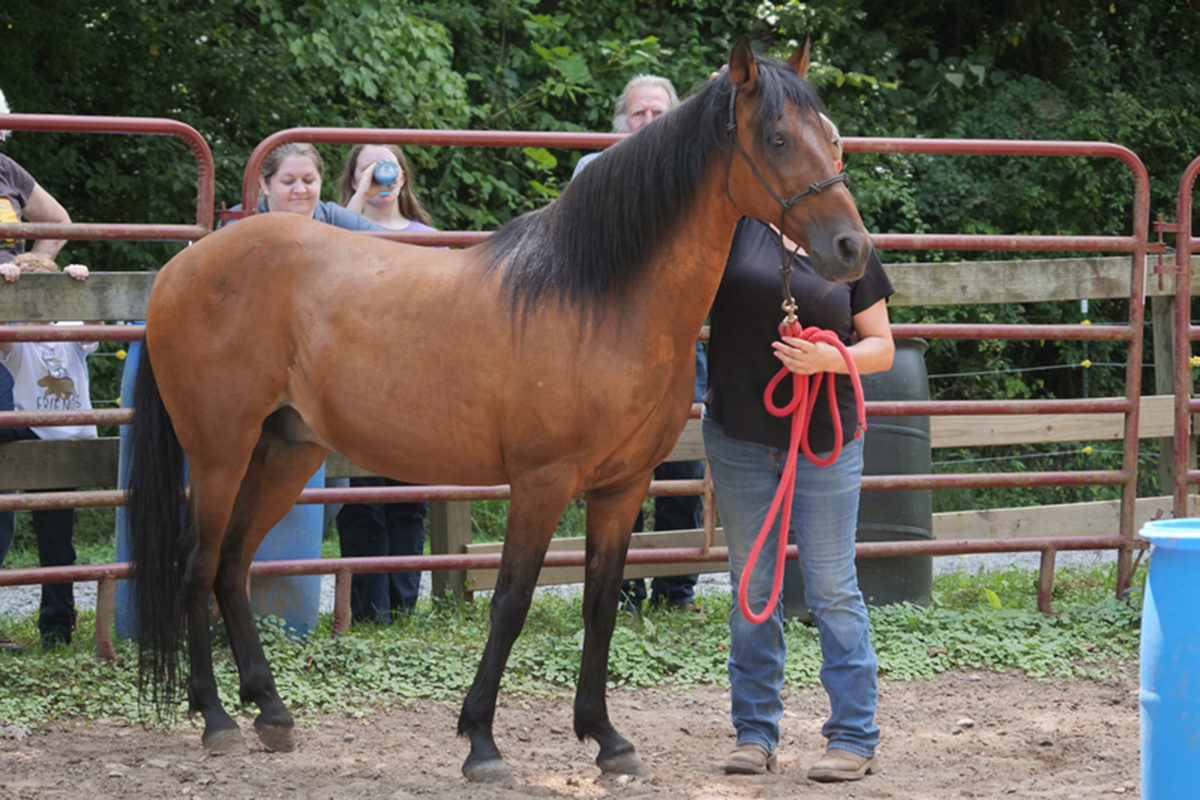
Lessons Learned From Horses

0

We often think about what we can teach our horses: to stay in a frame, to load onto a trailer, to stand at the mounting block. But how often do we pause to appreciate all the important life lessons horses teach us?

lessons horses teach
Like a fine wine and a good horse, humans get better with age. Photo courtesy Mikkelvog53/Shutterstock

Every time we visit the barn, sit atop a horse, or even just comb a mane and tail, the noble equine is teaching us silent lessons. Some of their teachings are funny and some are more heartfelt, but they’re all worthwhile if we’re willing to pay attention.

Here are just a few priceless ways horses have enlightened me over the years; surely some of these life lessons will resonate with other equine enthusiasts as well.

Treats really do make everything better.

Who appreciates a treat more than a horse? Horses are so big, they work so hard, and yet a little peppermint or tiny sugar cube seems to make their day. 

Perhaps that scoop of ice cream after a long day at work is just what you need to perk yourself up. Go ahead and add some sprinkles. Enjoy!

Daily grooming makes a huge difference.

Regular conditioning treatments and brushings are necessary to maintain a horse’s healthy coat, mane, and tail. Taking the time to indulge in some grooming sessions for ourselves isn’t such a bad idea either. Getting our nails done now and then, our hair trimmed, or our sore back massaged adds up and makes a big difference in how we feel about ourselves. 

self care horses
Horses need regular grooming to maintain their health, and it’s no different for people. Photo by Arman Novic/shutterstok

The takeaway? Buy the coconut-scented bubble bath. Get that hot pink pedicure. Heed this lesson horses teach and take care of yourself and feel your best.

Like a fine wine and a good horse, humans get better with age. 

Sure, that handsome bay gelding may have a few less teeth as he gets up in years, and we might have a couple of extra silver strands scattered in our hair and a few more wrinkles—I mean laugh lines—spread across our face as we age, but there are benefits to getting along in years, too.

The oldest horse in the barn is often the favorite. He’s the one we trust with our littlest or newest riders. He’s the one who deserves some extra attention after the work he’s put in over the years. 

Maybe getting older isn’t so bad when we gain friends and wisdom along the way. As we age, let’s try to be as kind to ourselves as we are to our sweet senior horses.

Being part of a herd is comforting.

Who’s in your herd? There’s nothing like the comforting feeling of being part of a like-minded pack who has your back. 

lessons horses teach
There’s nothing like being a part of a herd that’s got your back. Photo by Grigorita Ko/shutterstock

If you’re scratching your head, pondering if your circle of friends has your best interests at heart, it might be a cue that it’s time to expand your horizons. Try another pasture. Maybe there’s someone else in the neighboring field who will make you feel at home no matter where you are. 

Horses feel secure and at ease with trusted companions. We should take this lesson horses teach us to heart. We deserve it.

Treat others how you want to be treated.

How many times since childhood have we heard this old adage? Horses remind us of this bit of wisdom every day without saying a word. A gentle nudge is often more effective—and much kinder—than an aggressive kick. 

A nice pat on the neck for good behavior goes a long way to reward that pony of yours. She lives for that pat. Making time to be kind and gentle to others is a truism for horses and people. Be good, feel good, and get good back.

Nobody’s perfect.

Virtually every rider in the history of time has been humbled by a horse. We can be proud and confident, absolutely certain we have mastered a particular maneuver with a sprightly young gelding, only to take a tumble when he spooks at the blue bucket someone dared to leave in the arena. Or maybe we still cringe thinking about the time we were dead last in a horse show when all our non-horsey friends finally came to watch. Or perhaps we simply can’t convince our horse to do the exact thing that we really want her to do, like pick up the correct lead, no matter how many times we try. 

lessons our horses teach us
A pat on the neck goes a long way as a nice reward. Photo by Anastasija Popova/shutterstock

Horses remind us that we’re, well, human. We make mistakes. We’re far from perfect. In fact, they seem to take pleasure in being the first ones to point that out.

Perhaps we can all be more like the horses we know and love with a dollop of deep conditioner here, a sprinkle of humility there, and a chocolate chip cookie thrown in the mix. We mere mortals can strive to keep on trotting and to live in the moment, no matter how red in the face we may be, how many gray strands are sprouting on our head, or how challenging it can be to find our herd. 

Let us never stop listening to our horse’s quiet lessons. Life is short. Let’s enjoy the ride.

This article about the lessons horses teach us appeared in the May 2020 issue of Horse Illustrated magazine. Click here to subscribe!
Podcast Episode #11: Sports psychology for riders, clinician and liberty trainer, and clicker training for March 22, 2022 from Title Sponsor Straight Arrow Products

0

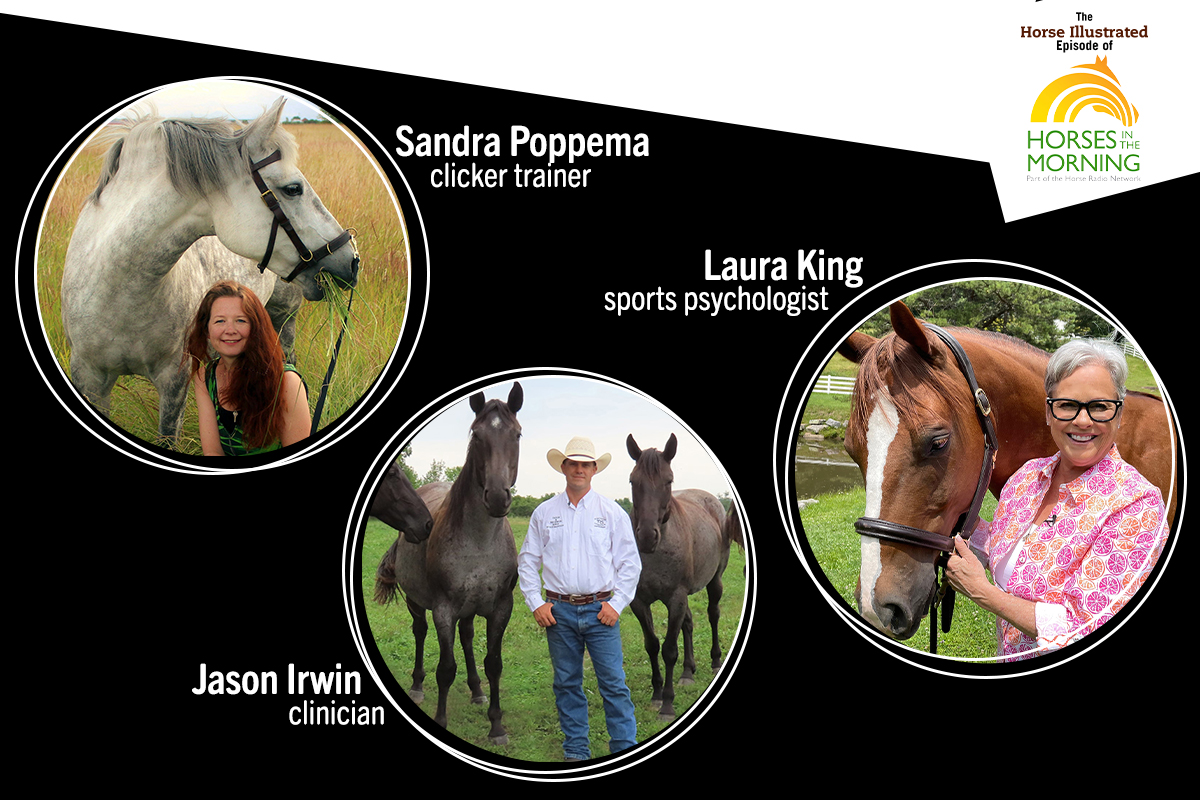
sports psychologist Laura King, clinician Jason Irwin, and clicker trainer Sandra Poppema.In the 11th episode of The Horse Illustrated Episode of Horses in the Morning, sponsored by Title Sponsor Straight Arrow Products, hosts Glenn the Geek, Holly Caccamise and Sarah Evers Conrad chat with sports psychologist Laura King, clinician Jason Irwin, and clicker trainer Sandra Poppema.

Hosts: Holly Caccamise, Editor in Chief of Horse Illustrated & Young Rider, Sarah Conrad, former Digital Content Editor of Horse Illustrated & Young Rider, and Glenn the Geek, host of Horses in the Morning.

Title Sponsor: Straight Arrow Family of Brands

There’s an App for that!  Check out the new Horse Radio Network app for iPhone and Android. Follow Horse Radio Network on Twitter or follow Horses In The Morning on Facebook.

Laura King, Sports Psychologist

Laura King, sports psychologist and author of The Power to Win. Photo courtesy Laura King

As an accomplished equestrian and expert on self-improvement and positive behavior modification, Laura King has helped thousands of athletes create positive and lasting change. She has published seven books on hypnosis and Neuro Linguistic Programming, or NLP, appeared on the Rachael Ray Show, and has recorded more than 150 self-hypnosis MP3s on topics such as stress management, peak performance, public speaking and overcoming illness. She has a new online course, Power To Win, which she’ll describe more in depth with us today.

Website: www.LauraKing.com
Book: www.ThePowerToWin.com

Jason Irwin, Clinician and Horse Trainer

Jason Irwin and wife Bronwyn with two of their horses. Photo courtesy Jason Irwin

Jason and his wife, Bronwyn, operate Jason and Bronwyn Irwin Horsemanship. Together they teach clinics on a wide range of topics, including general horsemanship, problem solving, liberty training, advanced horsemanship, colt starting and more. They present at horse expos, give training demonstrations throughout North America, offer videos and other training products, and are the hosts of the tv show The Horse Trainers.

Website: www.thehorsetrainers.com
Facebook: JB Irwin Horsemanship 
TikTok: @the_horse_trainers

Sandra Poppema, founder of HippoLogic Clicker Training Academy

Sandra Poppema and Kyra, the wild horse she discusses in the podcast. Photo courtesy Sandra Poppema

Sandra is the founder of the HippoLogic Clicker Training Academy and coaches horse people from all over the globe through online courses and coaching. In 2009, Sandra turned a feral filly named Kyra into a confident horse that seeks out human contact in only three weeks. Sandra developed a training system to help others become autonomous clicker trainers that can train their own horses using positive reinforcement and make every training and ride a win-win.

Free one-hour Clicker Training Assessment for listeners of the Horse Illustrated Podcast:
www.clickertraining.ca/horse-illustrated-podcast

Official Website: www.clickertraining.ca

Facebook: https://www.facebook.com/hippologics
Instagram: https://www.instagram.com/hippologic/
YouTube: https://www.youtube.com/channel/UCnSV0A1mwwmFCu-Q1gRzfvg

Title Sponsor

Straight Arrow Mane n' Tail

We want to thank our Title Sponsor, the Straight Arrow Family of Brands, makers of Mane ‘n Tail, Cowboy Magic & Exhibitor’s, with over 100 years of grooming excellence. For more information about your favorite products, please visit www.straightarrowinc.com and find Straight Arrow Products at a tack shop near you!

American Saddlebreds Get Western

0

Years ago, if you attended a Saddlebred horse show, you could expect to see high-stepping, animated horses shown in saddle seat and fine harness classes and not much else. And while the beauty and excitement of the saddle seat show ring is still a beloved part of the experience for Saddlebred enthusiasts, this breed is not just a one-trick pony. The class lists are changing to show that American Saddlebreds get western.

American Saddlebred
There’s no mistaking the proud, “look at me” beauty of the American Saddlebred. Photo by Clix/Shawn Hamilton

A Bright Future for the American Saddlebred

The American Saddlebred was the first American breed of horse to be formally established with an official registry, with the founding of the National Saddle-Horse Breeders’ Association—now the American Saddlebred Horse Association (ASHA)—in 1891. These early American horses were bred for both beauty and utility, qualities that remain in the breed today.

Saddlebred owners have long been taking their horses outside of the confines of the breed-specific shows to compete in everything from combined driving and endurance riding to eventing and dressage. The western pleasure and hunter pleasure divisions have become so popular that they are now a fixture at most Saddlebred shows, including the World’s Championship Horse Show held annually at the Kentucky State Fair in Louisville, Ky. 

For 2021, the breed is preparing to add another new discipline to its official rule book: the ranch horse division. If approved by the United States Equestrian Federation, the ranch horse division for Saddlebreds will include ranch riding, ranch trail, ranch rail pleasure, and ranchmanship classes. 

American Saddlebreds Go West

Janet Thompson is an American Saddlebred owner and enthusiast in Missouri. She was introduced to Saddlebreds at a young age and started out riding saddle seat, but she soon branched out into other disciplines. She found that her Saddlebreds were able to do it all.

“One of the Saddlebreds that I showed eventually became my eventer, but first he was my working western horse,” says Thompson. “The place where I boarded him had cattle, and every summer they ran about 200 steers. Part of my board was to check fences and check the cattle, so he had to be able to ground tie, and I had to be able to rope off of him.”

American Saddlebred western
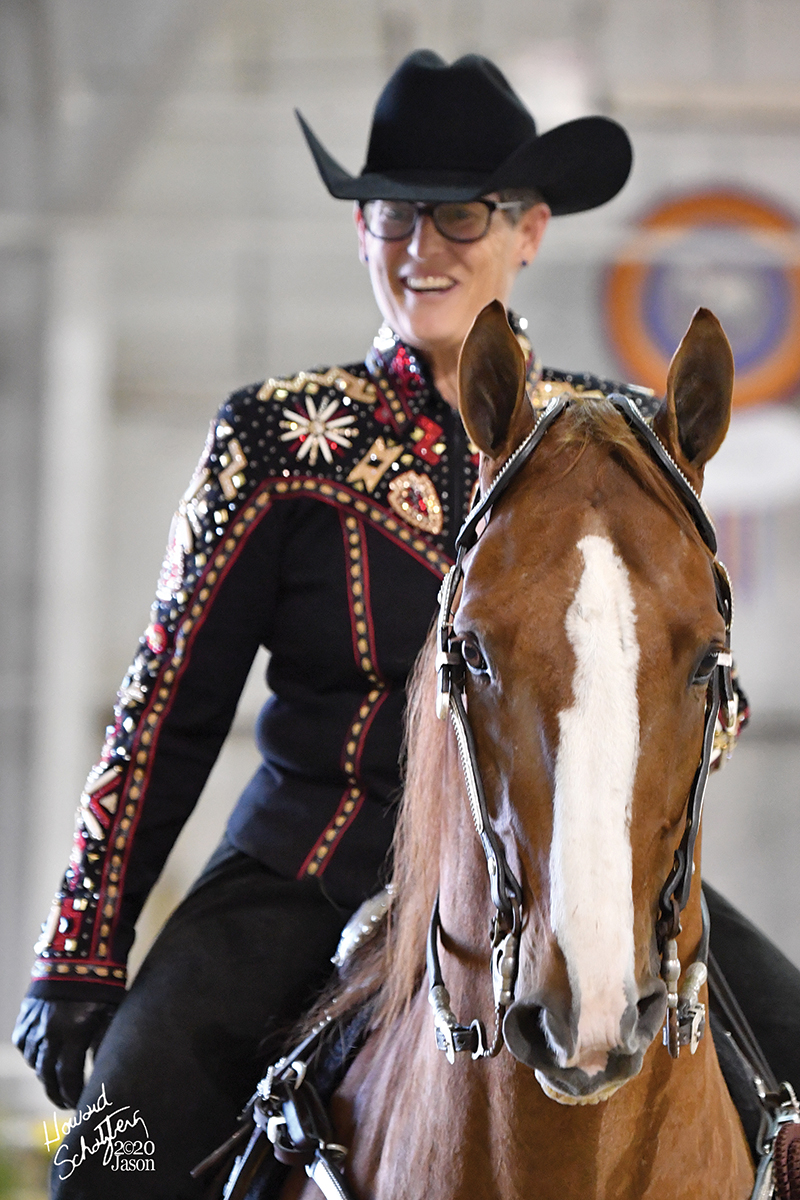
Janet Thompson says King is a stouter, old-fashioned type of Saddlebred that fits the ranch lifestyle. Photo by Howard Schatzberg

Thompson is a member of the American Saddlebred Versatility Association, also known as VERSA, a charter club that promotes Saddlebreds in sport and working disciplines. VERSA has been instrumental in making the ranch horse division a reality.

“One of our board members, Carol Jones, has had a lot of success with Saddlebreds in the working western division,” says Thompson. “She raised the notion that VERSA might want to get the ranch division started for Saddlebreds, and that really fit a lot of what we were interested in. A lot of owners or potential owners and riders want to get back to a lower-key, lower-cost discipline. You don’t have to spend thousands of dollars on a saddle that drips with silver or show clothes that are sparkly. You can just concentrate on what you can create with your horse.”

The ranch horse division includes rail classes, patterns, and trail obstacles. These classes show off some of the characteristics that let American Saddlebreds get western. And that’s exactly what enthusiasts like Thompson love about their horses.

“Right now I’m showing my horse The Kansas City Chief,” she says. “His barn name is King. He really enjoys this division; the trail stuff is kind of his forte. To me, he looks like the division. He’s really pretty and flashy, but he’s a bigger, stouter, old-fashioned kind of Saddlebred, and I think he looks the part.”

While the division was not yet official for the 2020 show season, a few Saddlebred-oriented shows offered ranch classes, and debuted at the Un-Fair Horse Show in Iowa, named in honor of the many state fair cancellations in 2020. Thompson says the response was overwhelmingly positive from participants and spectators alike.

“Sure, it was a competition, but I’ve never seen so many smiles on people’s faces as when they competed in these classes,” says Thompson. “Everybody was happy! At both shows we had an amazing audience. Everyone came over and watched because it was so different.”

The Everything Horse

Ginny Norton got hooked on Saddlebreds from a young age. Like Thompson, she found that whatever equestrian sport she wanted to pursue, the American Saddlebred—her favorite breed—was up to the task. She’s competed in saddle seat, hunters, and western pleasure in the past, and now does working western with her Saddlebred mare, Walterway’s Latest News, known as Kenzie. 

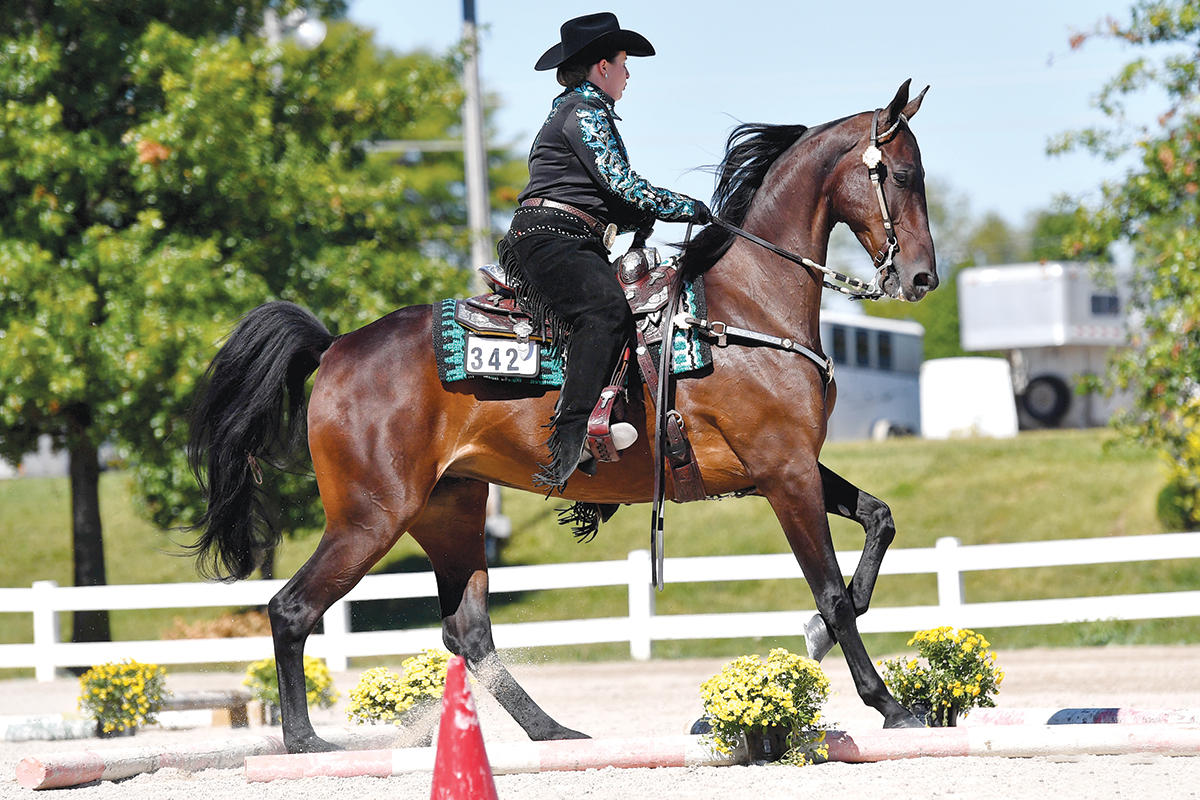
“Kenzie is my heart horse for sure,” says Norton. “In the working western, we have a trail course and a rail portion, so you have to be good on the trail and a pretty mover on the rail. She is probably the coolest horse I’ve ever ridden through a trail course. She makes me look good. If you point her at an obstacle, she’ll get you over it and not touch it. She’s really light and elegant on her feet.”

Norton and Kenzie compete on their local open circuit against all breeds in the ranch horse division, and while Kenzie is often the only Saddlebred in the class, she is always up to the task.

western American Saddlebred horse
Ginny Norton and Kenzie compete in the ranch horse division on their local open circuit against other breeds. Kenzie is light on her feet and aces the trail course. Photo by Howard Schatzberg

“She does all the maneuvers,” says Norton. “She’ll stand and move off my leg. She’ll go through gates and come back really nicely. She’s reliable when it comes to a pattern.”

Forming a true partnership between horse and rider is one of the joys of the working western and ranch horse classes, and that’s something that both Saddlebreds and their owners enjoy.

“Saddlebreds’ willing attitude and athleticism are the keys that make them really neat working western horses,” says Norton. “I’ve found that they’re really willing to please. They’re just waiting for me to say, ‘this is the path.’ You can almost feel them being proud of themselves and really enjoying that pat on the neck when you say, ‘Yes, that is exactly what I wanted!’”

Norton adds that a horse that shows in the trail course has to be athletic and talented with their feet to complete the course. 

“Saddlebreds fit the bill for that,” she says. “Our Saddlebreds generally have a little more animation in their trot, and that’s one of my favorite things. When Kenzie is trotting over an obstacle or even loping, she has a little more knee action, and to me it looks really elegant and pretty as she picks her way through a trail course.”

Norton calls Kenzie her “everything horse.” 

“I’ve shown her in just about every discipline and she’s done it all willingly and very successfully,” she continues. “I think that whatever you find for your Saddlebred to do that’s fun for you, they’re a willing partner, and that’s pretty cool to me.”

This article about western American Saddlebreds appeared in the January/February 2021 issue of Horse Illustrated magazine. Click here to subscribe!
0FansLike
0SubscribersSubscribe
We use cookies to help personalize content, tailor and measure ads, and provide a safer experience. By navigating the site, you agree to the use of cookies to collect information. Read our Cookie Policy.
OK