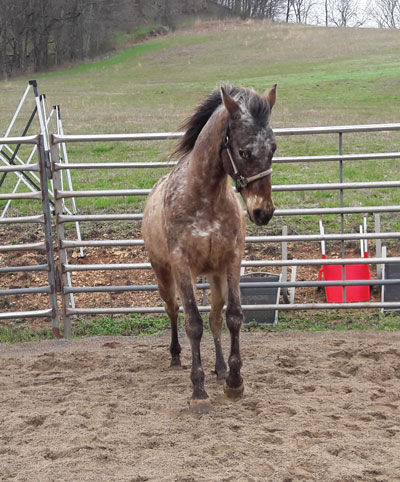
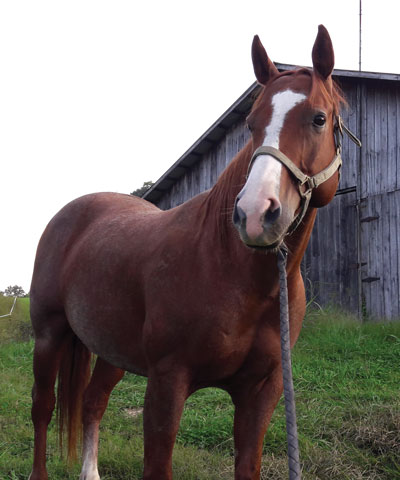
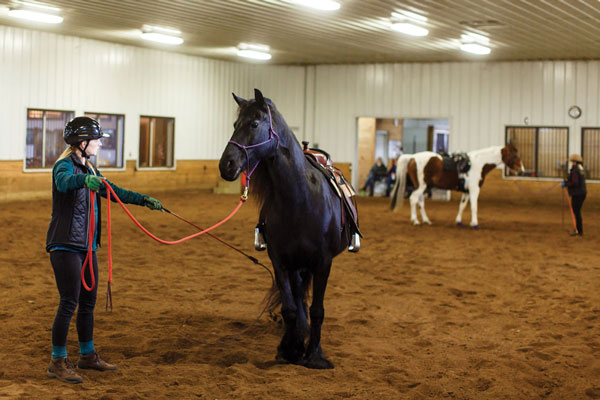
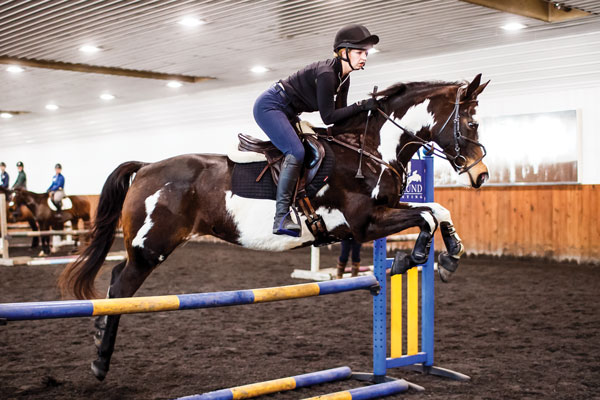
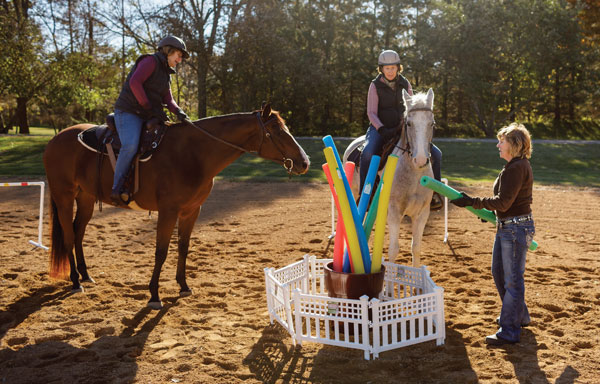
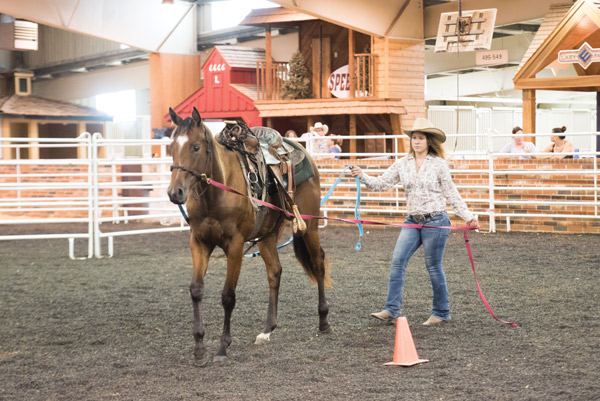
4-H youth and horses from Nexus Equine were paired for the makeover. Photo Courtesy Nexus Equine
While equine makeovers are all the rage these days, most are for professional trainers or adults with the experience and facilities to work with unhandled Mustangs, for example. But the Nexus Equine Oklahoma 4-H Makeover Challenge program that debuted in 2019 is changing all that.
Nexus Equine operates on the fundamental idea of collaboration and partnerships, so it came as no surprise when the idea for the Nexus Equine Oklahoma 4-H Makeover Challenge program was born.
Benefits of the Makeover
“We feel very strongly about partnering with the industry and giving them resources and support for the horses within their respective disciplines,” says Rita Hoch, CEO of Nexus Equine, an equine non-profit organization in Edmond, Okla. “I felt like this was a way we could demonstrate our ability to partner and to collaborate by creating an event that would include kids from Oklahoma 4-H.”
The innovative program takes 10 4-H Club members and pairs them with 10 horses from Nexus Equine in a way that allows the 4-Hers to increase their horsemanship skills. Hoch sees it as a win-win situation for both the horses and the kids: The kids have an opportunity to further develop their horsemanship skills, and the horses also learn new skills, and along the way, become more adoptable.
“As a result, we think this program promotes development in a variety of ways,” says Hoch. “The Makeover provides the kids and horses, who might not otherwise have an opportunity to do so, with an extraordinary chance to succeed.”
At the program’s inception, everyone involved expressed excitement. Because the ideas encompassed by it were so new, it required a stretching of boundaries to get it off the ground.
How It Works
For the good of the kids, sponsors began to come on board as things began to take flight. For example, the National Reining Horse Association provided belt buckles for the participants, Bluebonnet and Kool Speed provided feed, and Heritage Place loaned their facilities for free. This event was made possible by the Arnall Family Foundation.
Chloe O’Conner adopted her makeover horse, Big Red. Photo Courtesy Nexus Equine
Participants are selected for the program based on an application process that details their past experiences and helps to ensure that they are paired with an appropriate horse. In turn, the horses chosen to participate must be good-minded animals who have received a minimum of 30 days training under saddle prior to taking part in the program.
The participants compete only against themselves.
“We felt like this was the fairest way to do this,” explains Hoch. “On day one, they show up and pick up their horse. They learn a little bit about him. They talk to the staff and the judges about some goals they can set for themselves to work with the horse.”
Once they get home, the participants do have a couple of weeks into the contest to change their original goals. The horse-and-participant pairs return in 90 days to demonstrate their progress to the same panel of judges.
“The judges are actually judging which kid made the most progress with their horse, which allows every kid the exact same opportunity,” Hoch adds.
In addition to their work with the horses, the makeover also includes an educational component. Participants are asked to create a video and write an essay about their experiences, which are included as part of the contest.
Accessible and Rewarding
Contestants temporarily adopt their horse for $10 at the beginning of the contest, and the vast majority permanently adopted them at the program’s conclusion. Needs for participation are minimal, with the kids only being asked to provide hay.
McKayla Hunt and Aubrey were the winners of the 2019 Makeover Challenge. Photo Courtesy Nexus Equine
The horses come microchipped, and all are up to date on farrier work, have had their teeth floated and have been vaccinated. Other needs that may arise within the 90-day period are covered by Nexus Equine. In addition to belt buckles and other sponsor-provided prizes, the winning participant receives a $1,500 scholarship.
McKayla Hunt and Chloe O’Conner were two of the 2019 participants with horses named Aubrey and Big Red.
“Aubrey started with not wanting to load into a trailer,” says Hunt, the 2019 winner. “It took three or four people to catch her. Now she’ll trot up to me when I call her name.”
“I can’t even think of words to describe it,” says O’Conner, another program participant from the inaugural makeover. “It’s such an amazing opportunity, because whether I win or lose, I’m still going home with the connections I have made with Nexus and a great horse.”
Participants only need to provide hay, and the winner takes home a $1,500 scholarship. Photo Courtesy Nexus Equine
For the Future
As the program continues to evolve, its leaders are seeking ways to involve different types of kids. One way is expanding the program to include participants who, for example, are only interested in in-hand work with their partner horse.
This has allowed 4-H members who might not be ready to work with a horse under saddle or who don’t have a preference for under-saddle work a broader opportunity to participate. It’s also allowed more horses to be included, such as those without under-saddle work in their skill set.
With the onset of the COVID-19 pandemic, the 2020 program has been postponed, but is by no means over. It will pick back up in full swing in the spring of 2021 with another excited group of 4-H members and horses.
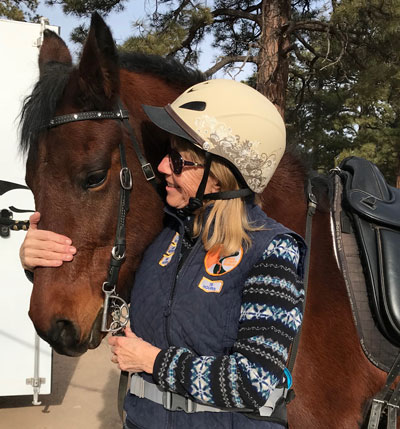
There are many benefits to participating in a breed association’s recreational riding program. Photo Courtesy American Morgan Horse Association
Recreational riding programs have long been an essential part of most horse breed association’s offerings, because they help attract and keep members. Program participants often praise the tracking logs as a way to keep track of time spent with their horse, and, once milestone achievements are reached, fun and useful prizes are awarded to riders.
Unfortunately, many such programs suffer from low participation levels. Breed associations would like to change that by making horse owners more aware of the diverse range of activities in which they can take part with their horse. Regardless of your chosen breed, here’s what three of the country’s top breed associations had to share about their recreational rider programs.
Why Participate in Horse Breed Recreational Riding Programs?
There are a variety of reasons a fan of a particular horse breed should participate in these recreational riding programs.
Horse ownership is not required, and multiple horses can help earn hours toward milestone achievements.
Participation time logs help participants keep track of their hours earned.
While some associations make a distinction between competitive and non-competitive hours and which ones can be included, typical examples of eligible hours encompass those spent trail riding, training, participating in parades, taking part in riding lessons, etc.
Reaching a milestone achievement level offers practical prizes different from those typically earned at horse shows.
There is often no time limit to reach milestone goals.
Any fees involved are usually nominal.
Examples of recreational riding programs from breed associations include:
Appaloosa Horse Club
Keri LeForce, performance department supervisor with the Appaloosa Horse Club (ApHC), feels that her organization’s Saddle Log/Driving Log program is of most benefit to those ApHC members who don’t regularly participate in organized events.
“It’s an opportunity for them to be involved with the association and receive recognition for the things they are doing,” she says. “It’s a way for them to maintain a connection with the breed association.”
Participating adult members pay an annual fee of just $25, while youth are assessed a one-time $20 fee. Appaloosa Horse Club membership is required and, while ownership of the horse is not necessary, hours logged must be earned while riding or driving a registered Appaloosa. Hours are tracked online or via a printable log.
All program participants receive a patch. Thereafter, chevron bars are earned at milestone achievement level. While milestone achievement levels differ between the riding and driving programs, common examples include 25, 50, 75, 100, 200, 500, 1,500, 2,000, and 2,500 hours. Examples of prizes earned in addition to the chevron bars include brushes with engraved handles and achievement-level embroidered items. Any time spent riding or driving, including competing at shows, training, and trail riding, is eligible for inclusion on the log and counts towards prizes.
Arabian Horse Association
Current members of the Arabian Horse Association who enjoy riding their registered Arabian or Half-Arabian horse are eligible to participate in the association’s Frequent Rider Program. Members are assessed a one-time $25 fee and log their hours online or via a printable log. Similar to other breed associations, participants are not required to own their own horse, but instead may log their hours on any number of registered horses.
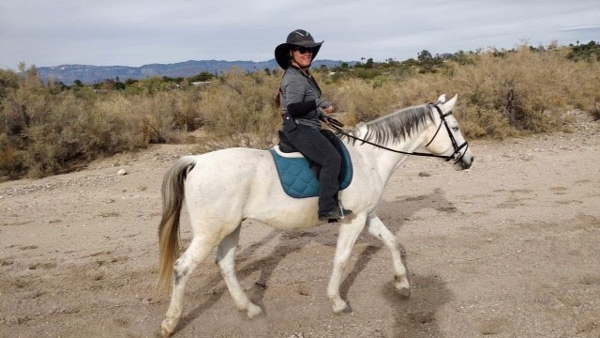
Current members of the Arabian Horse Association who enjoy riding their registered Arabian or Half-Arabian horse are eligible to participate in the association’s Frequent Rider Program. Photo Courtesy Arabian Horse Association
According to Abby Carpenter, awards and show results coordinator at the Arabian Horse Association, participating members earn prizes at such milestone achievement levels as 25, 100, 250, 500, 1,000, 2,500, 5,000, 7,500, and 10,000 hours. While each achievement level earns a bridle tag, as the number of logged hours increases, so too does the value of the prizes starting at travel mugs and moving to picture frames, leather portfolios, accessory bags, coolers, and even a jacket at the highest level. Like most breed association representatives, Carpenter sees the benefit of allowing Arabian horses to promote themselves in a wide variety of recreational riding activities and would like to see even more members take part in the program. As an incentive, the AHA has an updated recreational riding program in the works where members will be able to log competitive hours from open shows, along with non-competitive hours.
American Morgan Horse Association
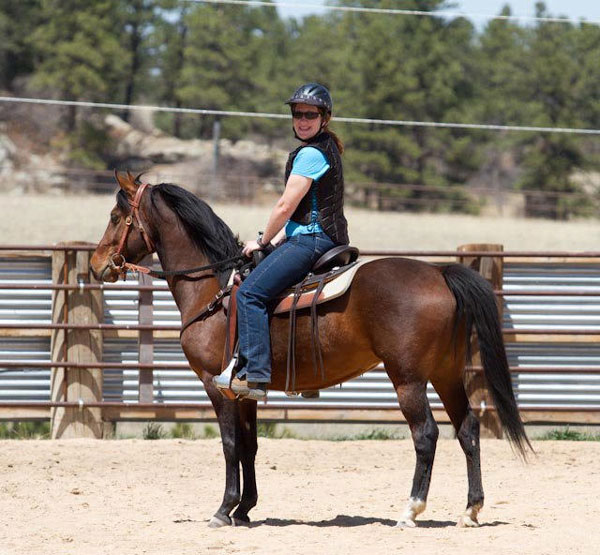
Some key differences in the American Morgan Horse Association program are that membership is not required and any time with a Morgan horse, not just time spent riding or driving, counts toward milestone achievements. Photo Courtesy American Morgan Horse Association
Known as My Morgan and Me, the American Morgan Horse Association (AMHA) takes a slightly broader approach to its recreational program. Following some trial and error to find the most workable solution to host the program, the AMHA’s newest program guidelines now have members submit a $25 payment only when milestone achievements are reached. Gone are the days of a one-time enrollment fee.
“We had program participants not submitting miles because they weren’t eligible for an award,” says Carrie Mortensen, executive director of the AMHA. “It was confusing. Now, when you reach a milestone, you send in $25 whether it takes you three years or three days to earn the achievement.”
Participants can download the My Morgan and Me brochure, which includes a printable log, from the association’s website. But it isn’t mandatory to use this form.
“When I was doing it, I made my own spreadsheet,” says Mortensen.
Different from other associations, the AMHA does not require that the logs be turned in when reporting a milestone achievement. The logs are more for the participant’s records and benefit.
“It’s an honorary system for us,” Mortensen explained.
Once the achievement has been reported, the participant receives awards directly from the association’s headquarters or an electronic coupon for the AMHA Marketplace where they can purchase t-shirts, sweatshirts, and jackets.
“You can decide on the color and if you want to have your name embroidered on it,” she adds.
When a participant reaches the highest levels of achievement, such as 10,000 hours, they receive a small write-up and are featured with their photograph in the association’s magazine.
“We do love for people [of any achievement level] to submit electronic photographs with their application,” say says. “When an applicant puts in for a milestone, we always feature it on our Facebook page if they include a picture.”
Other key differences in the AMHA’s program are that membership is not required and any time with a Morgan horse, not just time spent riding or driving, counts toward milestone achievements.
“The majority of people that participate are not competing, they are trail riding,” says Mortensen. “They are hanging out with their horse at home. The majority, if they are doing a show, it’s at the local level.”
She said that Morgan horses often have long life spans, and the more relaxed program requirements allow members to record time spent with a horse who is older and may no longer be serviceably sound but their owners still want to feel as if they are a part of a greater organization.
Have you participated in a breed organization’s recreational rider program? Tell us more in the comments below.
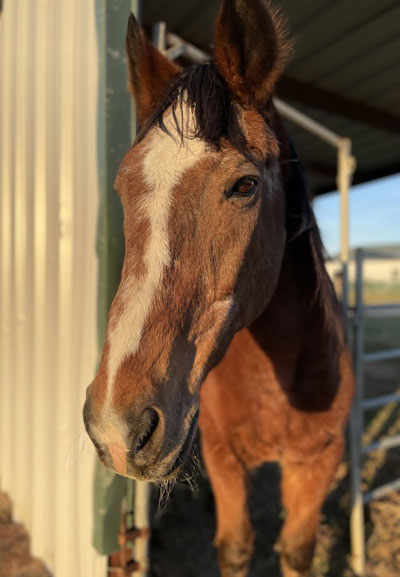
Welcome to Horse Illustrated’s weekly installment of the My Right Horse Adoptable Horse of the Week, offered in partnership with The Right Horse. Stuart Little is this week’s adoptable horse. Check back weekly for a new featured horse so you can find your #righthorse.
Stuart Little is a gorgeous Appendix type Quarter Horse gelding who is around 19 years old. He was an eventer throughout his life. He now has significant arthritis and needs daily Previcox. He is sound if kept on light work, pasture turn out and medications. He is adoptable as a companion or could possible do flat walk-only lessons in an experienced environment. We are looking to adopt to safe homes. A history of good horsemanship, the ability to provide sufficient care with a good veterinarian and farrier, and peer references are important. The adoption process at Heart of Phoenix makes sure you get the right horse for yo. It is a no-fail process for finding the right match. Apply at www.horseandridermatch.com/adopt-a-horse. Could he be your #righthorse?
My Right Horse is the online adoption platform of The Right Horse Initiative, a collection of equine industry and welfare professionals and advocates working together to improve the lives of horses in transition. A program of the ASPCA, their goal is to massively increase horse adoption in the United States. To find more adoptable horses and foster horses, visit www.myrighthorse.org. To learn more about The Right Horse, a program of the ASPCA, visit www.therighthorse.org.
Success in the arena with your horseback riding starts with the right mindset. Riders can learn from athletes how to prepare for competition.
Professional boxer Muhammad Ali was once quoted as saying, “In the big leagues everyone has the ability. It always comes down to mind games. Whoever is more mentally strong—wins.”
Olympian Michael Phelps followed a strict pre-race routine, which helped him win 28 medals in swimming. He followed the same well-worn stretching routine and wore his headphones poolside listening to music to fuel the moment to get his head in the game.
Sports coaches often say that mental preparation is 90% of the game. Developing an ability to cope with the psychological stress that comes along with elite competition—and competition in general—is crucial in the show pen.
“Mentally is how you beat most competitors,” says Carla Wennberg, the St. Andrews University equestrian coach and instructor. Wennberg coaches the Intercollegiate Horse Show Association (IHSA) Team for the Laurinburg, North Carolina school. In IHSA competitions, riders randomly draw a mount a few hours before the competition. There is no time for warm-up or getting to know the horse.
“For us in catch riding, it is a must to control what you can control, so when you are riding you can focus on performing correctly.”
Wennberg has taken a unique approach to recruit members to her team.
Each fall, she asks team members to scout out a classmate who might want to learn to ride to fill out the team’s “beginner” roster. Athletes from other sports have become some of her top recruits. Two lacrosse players became IHSA national champions, and two soccer players earned top finishes at the year-end finals.
“Each of these riders was talented, but they were also willing to work hard,” says Wennberg.
Horseback riding success in the show pen is a strategic blend of physical and mindset conditioning. These four tips can help you get in the “right frame of mind” and stand out in the ring.
Improve your fitness level.
Athletes know they can’t excel without staying in shape. Riders spend endless hours developing fitness routines for their horses, but often skip athletic conditioning for themselves.
“Both players had great upper-body strength and just needed to learn how to stretch in the lower leg and heels,” says Wennberg. “We change up our athletic training. Some nights it’s stretching, others swimming, and other times lifting weights or playing basketball.”
Strength and core training exercises can be done in just a few minutes every day. The benefits include improved confidence and performance through an improved seat and effectiveness of leg cues.
Practice the fundamentals.
Soccer players and football players run drills before ever stepping into formation. Wennberg takes that same approach by requiring team members to complete patterns on foot. That includes talking through each transition and maneuver and changing their stride to show a walk, jog, lope (on the correct lead!). It shows me as a coach their mental processing.
“We do this in practices and at shows,” she says. “It gives them the confidence to perform the pattern work on a horse they really don’t know.”
Build Your Confidence
Events like western riding and over fences classes demand a high level of focus and the ability to let a mistake go. When a focused rider feels the horse moving too quickly in a pivot, rather than getting nervous, the exhibitor can react and cue the horse to slow the rotation before over spinning.
“The maneuvers in western riding come very quickly,” explains Wennberg. “If you dwell on a bad stride or bad lead change that already happened, you won’t be paying attention to the next maneuver at all. I have a routine for students to memorize and understand the pattern. Learning to use your eyes and a focus point will give the horse more confidence and a clearer message.”
Positivity plays a key role in building confidence and having it (or not) can make or break an athlete’s success. There is always room for improvement and constructive feedback so long as it is not negative.
“No one can speak negative comments, especially on a day of showing. If they do, they have to give me a dollar. It can add up,” she says. “We work hard on positive energy. Not only horseback, but as a team and in life.”
Review the day.
Football coaches spend hours analyzing tapes. Then they talk with their team about the flow of what was observed. This may be Wennberg’s favorite tip for helping riders build upon their successes and failures.
“At a horse show, there was a gathering at the end of the day, and everyone had to participate,” she shares. “We sat together discussing the day. I always do this with my riders. Each one has to tell me, in a group session, the best part of the day and the worst part of the day. It is great therapy for all of us to lift each other up and give positive feedback.”
If you’ve ever had a change in mindset that improved your horseback riding, please share in the comments below.
The aroma of gingerbread and peppermints is in the air. Radios are playing on full blast to holiday tunes. Our horses have finally entered the fuzzy teddy bear phase. Kids are itching to start winter break. The countdown to Christmas is officially on. If the holidays snuck up on you this year, do not worry. Check out this last-minute holiday gift guide for your young rider and save some time looking for just the right present to put under the tree. There are gift ideas for both horse girls and boys.
Kerrits Kids Horse Dreams Pajama Set
Keep your kiddo warm and cozy in either of these fun, horse-themed pajama sets from Kerrits. Perfect for sleeping in on those snowy mornings before heading to the barn. Kids set: $47; Women’s set: $55; www.kerrits.com
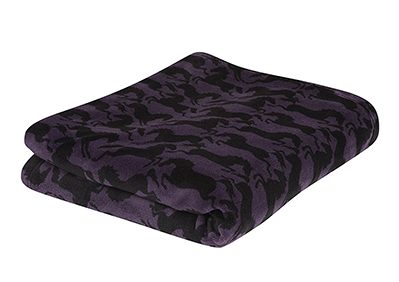
Kerrits Horsing Around Fleece Blanket
Snuggle up in this extra-cozy fleece blanket from Kerrits after coming home from the barn. Choose from a few different colors to match your new pajama set. $47; www.kerrits.com
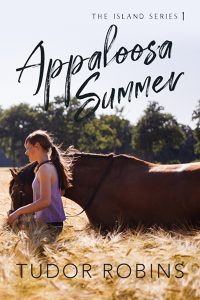
Appaloosa Summer (Island Series Book 1)
Get lost in the first book of Tudor Robin’s Island Series. This young adult novel beautifully connects horses with friendship, healing, and love, preventing readers from ever wanting to put it down! $12.88; www.amazon.com
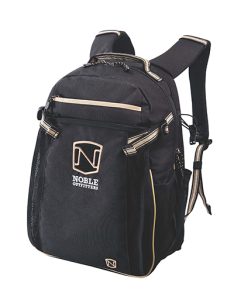
Noble Equestrian Ringside Pack
This Noble Outfitters backpack from Dover Saddlery will soon be your rider’s favorite bag! From the barn to school, it offers the perfect space for a helmet, laptop, water bottle, and more, making it the perfect horse gift for a boy or girl! $109.95; www.doversaddlery.com
Mrs. Pastures Horse Treats
Horses love Christmas cookies, too! That is, Mrs. Pastures Horse Treats from Dover Saddlery. All-natural and super tasty, never leave your house out of Christmas again. 32 ounces: $14.95; www.doversaddlery.com
Dreamers & Schemers Yonder Pair and Spare Boot Socks
Everyone receives socks for Christmas. Make the gift even better with these super-cool socks from Dreamers & Schemers that are specially designed for riding. $15.95; www.dreamersnschemers.com
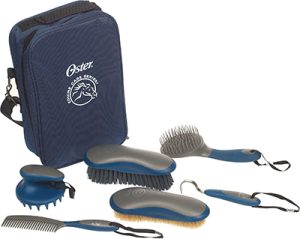
Grooming Collection 7-Piece Kit by Oster
Maybe a little too big for your horse’s stocking, but definitely a gift that keeps on giving for both horse and rider! Oster’s grooming kit from Valley Vet comes with a variety of brushes to keep your horse clean and happy. $59.95; www.valleyvet.com
Shelby Agnew is an intern for Horse Illustrated and is majoring in marketing at Oakland University.
Giving health advice on a horse that you haven’t seen, especially if you are not a veterinarian, can be dangerous for the horse, and open you up to legal liability. Many conditions look like other conditions. Therefore a horse really needs to be examined by a local veterinarian. Photo by Wave Break Media/Shutterstock
Facebook groups and other online platforms have become common places to seek advice on all types of subjects, even veterinary advice for horses. Unfortunately, giving and receiving equine advice of a medical nature can be harmful to your horse, and giving advice may be illegal, even if the person providing the advice is an equine veterinarian.
A Layperson’s Advice
Should a layperson give someone veterinary advice online?
“Whether we like it or not, this happens all the time,” says Julie I. Fershtman, an attorney at Foster Swift Collins & Smith, PC. “Just visit any online chat group or bulletin board, and you’ll find people freely offering advice on legal matters in addition to veterinary matters. Misinformation abounds.”
Fershtman has been a lawyer for 35 years. Her law practice includes equine law, and she’s represented veterinarians in malpractice cases. Fershtman is also the author of the new, multiple award-winning American Bar Association book Equine Law and Horse Sense.
She explains that if the people offering information make it clear that they aren’t veterinarians but are simply sharing comments based on their own experience, then it’s probably acceptable. However, she strongly suggests laypeople take great caution when offering veterinary advice to others online.
“Readers might wrongly assume the writer really is a veterinarian, when he or she is not,” cautions Fershtman. “The safest approach is to not provide any online professional advice. If you’re going to offer commentary on a veterinary matter, such as how to respond to a minor colic situation as it’s occurring, it’s best to clearly disclose that you’re not a veterinarian and that you’ve never attended veterinary school, but you’re merely offering an idea that has worked for you a couple of times, in your own experience.”
Mike J. Schoonover, DVM, MS, Dipl ACVS-LA, Dipl. ACVSMR, is an associate professor of Equine Surgery and Sports Medicine at Oklahoma State University’s College of Veterinary Medicine. Schoonover is board certified in large animal and equine sports medicine/rehabilitation, and he agrees that it really depends on the kind of advice people are giving.
“Diagnosing disease, recommending specific treatments or suggesting prescription medications could be interpreted as ‘practicing veterinary medicine without a license.’ This is against the State’s Veterinary Practice Act and against the law,” Schoonover warns. “Individuals could be fined or even face jail time … even if they don’t live in that state.”
“Every state has a Veterinary Practice Act,” continues Schoonover, “and they all have some specific differences. Which Practice Act applies depends on where the horse is located. Thus, someone living in Oklahoma giving treatment advice for a horse located in Texas could be in violation of the Texas Veterinary Practice Act. However, giving general advice, not specific to a particular horse, isn’t in violation of the Practice Act.”
Sarah le Jeune, DVM, Dipl. ACVS, Dipl. ACVSMR, CVA, CertVetChiro, is a professor of Equine Integrative Sports Medicine and Rehabilitation at the University of California-Davis School of Veterinary Medicine. Le Jeune also agrees.
“If a layperson is giving information about a specific condition, they’re diagnosing,” she says. “That’s practicing without a license, which is very problematic from a legal standpoint. It can also lead a horse owner astray and waste precious time in getting adequate treatment.”
Potentially Dire Consequences
Kris Hiney, Ph.D., is an assistant professor and equine extension specialist for the Oklahoma State University Department of Animal and Food Sciences. She received her Ph.D. in Animal Science with an emphasis on equine exercise physiology from Michigan State before joining the faculty at OSU.
One of Hiney’s primary concerns about non-vets giving medical advice online is that many conditions look similar but have very different underlying causes. She emphasizes that veterinarians are trained in the full range of diseases and disorders affecting horses, but individual horse owners have much more limited experience in the number of horses they’ve seen and disorders they’ve encountered.
“Choose your information source wisely,” cautions Hiney. “Veterinarians and Ph.D.s have trained extensively and have the breadth and scope of knowledge to make informed decisions. They also understand how to read the original research, look at study designs, and truly understand whether the information is applicable to a particular horse.”
Schoonover agrees. “A non-veterinarian likely doesn’t have the intricate medical knowledge required to accurately diagnose a condition or disease,” he says. “A lot of diseases and/or ailments can have very similar symptoms. Additionally, a lot of conditions described by horse owners aren’t actual diseases. For instance, lameness and colic aren’t diseases, they’re clinical signs that can have a multitude of causes.”
He explained that “a veterinary evaluation, which often includes diagnostic tests, such as x-rays or bloodwork, is needed to sort through all the potential causes to make a specific diagnosis. A non-veterinarian tends to focus on the one cause they’re most familiar with and provides advice, which may not be relevant to the actual cause in that specific horse. Getting inaccurate advice could delay appropriate treatment, which may be detrimental to the health of the horse.”
Le Jeune adds that when people follow the wrong advice, they may end up with an even bigger problem. “If you’re dealing with something that time is of the essence like colic, puncture wounds or eye injuries, it’s very risky to waste time following online advice and potentially allow the prognosis to worsen,” she says.
“If the advice given isn’t relevant to the horse’s condition,” says Schoonover, “best case scenario, it doesn’t help but causes no harm. Or the advice could be detrimental and cause the condition to worsen or cause a new problem altogether. Depending on the condition, delaying appropriate treatment, even for a few hours, could allow progression of the condition, which could have serious consequences, such as permanent organ damage, chronic lameness or even death of the horse. Bad advice could end up costing the horse owner more in veterinary expenses and/or lead to loss of use of the horse.”
Veterinary Advice Online
Hiney provides equine nutrition advice online, but if someone really needs her help, she says she needs to see the animal and the pasture and have the feed report to give accurate advice. Otherwise, she can only provide general guidance. She believes that even veterinarians should still be careful about providing advice online.
“Most veterinarians will qualify opinions with a statement that they haven’t examined the horse,” says Hiney. “The hands-on experience and eyes on the animal are essential. With that said, many veterinarians do consult with another on more difficult cases, and with shared diagnostic information.”
Le Jeune adds that during COVID-19, veterinarians did plenty of telemedicine, but agreed that it’s always best to see the animal in the flesh to fully understand what they’re dealing with.
“When you’re speaking with a person who isn’t a vet,” she says, “it can muddy the waters, because they can’t provide really useful information about the horse’s condition to establish a diagnosis. This makes it extremely dangerous for a vet to provide specific advice, and I would advise against it.”
Schoonover says he wouldn’t provide online advice without an established Veterinarian-Client-Patient Relationship (VCPR), which means he’s previously examined the animal and/or has assumed responsibility for making medical judgments regarding the animal’s health.
“When I have clients contact me through social media,” says Schoonover, “rather than respond to them on the platform, I will call them to discuss the issue they’re having so that I can ask the right questions and allow them to describe the problem in more detail. I will always recommend an examination prior to giving any advice, but if that isn’t possible, and I have a valid VCPR, I may make or change treatment recommendations for existing problems.”
He adds that as a veterinarian licensed only in Oklahoma, he can’t give veterinary advice that includes diagnosis or treatment for a horse located in another state. Unless he’s consulting with a veterinarian licensed in the horse’s state, it would still be considered practicing without a license.
“Legal ramifications for the professionals can include injunctions brought against them seeking to stop them from providing professional services in states where they aren’t licensed,” says Fershtman. “Potentially, professionals who practice where they aren’t licensed could face challenges to their licenses, such as reprimands, suspensions or revocations.”
Alternative Options to Online Veterinary Advice
“In difficult financial times, it’s easy, quick and free to turn to online sources for ‘advice’ that really requires paying a trained veterinarian,” says Fershtman. “My hope is that people protect themselves and avoid that temptation. If you want reliable advice, hire a knowledgeable, licensed veterinarian who can provide advice and services in your state. Develop a veterinary/patient relationship and give your veterinarian the essential details so they can provide the best assistance possible.”
With a VCPR, your vet will know your horse’s health history and may be more willing to offer advice over the phone or through email or direct messaging on social media. Some practices may offer a chat or online appointment scheduling; however, they likely won’t offer advice specific to a particular horse without a valid VCPR, says Schoonover.
If you want to look for information online, Hiney suggests contacting a university with faculty specifically trained in equine. Le Jeune also recommends visiting websites of equine clinics with a library of information on specific conditions. However, if you have any questions, she said to get on the phone and call a vet.
“Instead of spending time surfing the web and potentially getting wrong information, talk to your veterinarian,” says le Jeune. “We [UC Davis School of Vet Med] have an advice line that people can call and ask questions. We can give broad advice for general questions, but the conclusion is always to have your vet look at the horse. If the animal is sick, especially if it’s an acute sickness, it’s always better to have it evaluated. Once an animal has an ailment, it needs to see their vet.”
Schoonover also suggests visiting the websites of veterinary colleges and private equine practices with general information about specific horse diseases. He also recommends the websites of organizations like the American College of Veterinary Surgeons and the American Association of Equine Practitioners, which have information pages describing specific equine diseases and conditions.
“Consequently, anyone who thinks they’re getting free veterinary help simply by logging into a chat room or bulletin board could be asking for serious trouble,” concludes Fershtman. “There’s anonymity online, as compared to accountability, where people create pages with fake identities and write anything. The one posting the ‘advice’ you just found online could very well be a mischievous 13-year-old having fun.”
I never thought in a million years I would open an equine sanctuary in my mid-50s and that I would have a sudden realization that led to a change in horse training tactics. I have been an equine professional for over 35 years; in the beginning, I was a traditional trainer who made horses behave and perform by using force, intimidation, and implements like nose chains, bits, draw reins, and side reins to get the desired results. I chased horses in the round pen until they became submissive and dealt with unwanted behaviors swiftly and punishingly.
Turning Point
Dale Rudin loves helping formerly abused and traumatized horses like Zena rediscover their joy. Photo by Catherine Shand/SHANDPhotography
When I worked with horses that reared, bit, kicked out, or were otherwise disobedient, it never occurred to me that there was an underlying physical or emotional cause for their behavior. I thought the horse was “being a jerk.” I never considered that he was afraid, confused, trying to protect himself, or having (what I now know to be) an entirely reflexive reaction to distress.
One day I was working with a particular horse who was highly reactive. He was constantly tense and high-headed. His eyes were wide and searching for “boogeymen.” He would spook, bolt, and run into me. I used my usual “knock it off or there will be trouble” approach, but it didn’t work. The horse only became more upset and difficult to handle.
This was the first time that yanking, hitting, chasing, and backing a horse didn’t work for me. It was confounding, but it was also a very pivotal moment on my journey. I think this was the first time I recognized that a horse was acting out because he was truly afraid and not because he was an idiot or disrespectful. I came up with a plan to give him a sense of safety and show him how to relax. That change in my approach and behavior transformed his behavior for the better immediately.
It was in that moment I realized I was teaching horses to be more compliant or perform better but doing nothing to improve their quality of life. I was making them fit into our world with very little consideration to the psychological and physical consequences. Looking back now, I know that I was actually doing them harm. For a horse lover like me, that was and still is a very difficult pill to swallow.
Rudin had no idea such a calm and thoughtful horse existed beneath all the fear and aggression toward people that Flora showed when she came to the sanctuary. Photo by Catherine Shand/SHANDPhotography
The More You Know
That experience, and those that followed, have given me a deeper level of sensitivity and empathy for what horses experience and feel. As a result, these horses have motivated me to become a more well-rounded and educated horse person; I have spent decades learning how I could be a better person for the horses in my life.
I have learned about equine emotional systems, neurological responses, and physiology. I see and understand the impact we have, both good and bad, on the minds and bodies of these highly sensitive and intelligent creatures. It’s a sad reality that the cause of the suffering, trauma, and abuse most horses suffer is for our convenience—the result of making them “safe, successful, or more valuable” to us.
This growing awareness inspired me to learn all I can about compassionate care and physically and emotionally beneficial training techniques. This transition to welfare-centered horse training tactics has been a positive and life-changing experience for the horses I work with and their owners. It has transformed my life in immeasurably wonderful ways as well.
The Next Step
I am frequently asked to work with horses with severe behavior issues. Every creature has its limits. When the body and mind are under pressure for more than brief periods of time, there will be emotional and physical fallout. That can manifest as PTSD, general anxiety, extreme reactivity, depression, soft-tissue damage, systemic inflammation, chronic hoof problems—and more specifically, rearing, biting, kicking, refusing to cooperate, et cetera.
In some of these cases, restoring the body and mind is a process that can take months or years. This can be a very difficult situation for some owners to find themselves in: owning a horse that needs specialized training, care, and long-term rehabilitation.
Halo had a history of physical and emotional abuse that triggered severe defensive and aggressive behavior when she arrived at Rudin’s equine sanctuary. Photo Courtesy Dale Rudin
Sometimes the right decision for the owner is to let the horse go, a solution that comes with serious consequences for the horse, such as being shuffled from one owner to the next, none of whom are equipped to handle his issues. There’s also a high probability the horse will suffer more trauma and abuse, end up at an auction, or worse.
This isn’t a scenario I was comfortable with, so whenever it’s possible to do so, my life and business partner, Bruce, and I take in these horses and others who need rehabilitation and a safe place to live. We provide them with enriching housing, balance their diet, and use reinforcement training and compassionate communication to ease their worries and reduce their need to be aggressive or fearful. Our goal is to give each horse whatever support he needs for his mind and body to heal.
Becoming a Sanctuary
As the number of horses we took in climbed, we decided we wanted to give more. We felt the best way to do just that was to become a sanctuary and file for non-profit status. In February of 2021, we became a registered 501(c)(3) called Pure Joy Horse Haven. It has given us an opportunity that we couldn’t be more grateful for.
We get to help horses who were thought to be unsalvageable and beyond help, like Carson (western-trained show horse: PTSD, panic attacks, explosive behavior), PJ (unknown history: skin issues, painful/damaged feet, deliberately ran at us to spin around and kick at our heads with both hind feet), Fox (barrel raced as a 2-year-old, washed out and taken to auction at four: SI and hip issues, compromised hooves, biting), and Halo (ridden as a long yearling, starved: lunged at us with ears pinned, bit, kicked, became overstimulated very quickly, reared straight up when touched). Because of the severity of their problems, some of these horses were considered candidates for euthanasia before they were surrendered to us.
Rudin has enjoyed helping horses like Carson, once thought to be beyond hope, learn to relax, gain confidence, become eager to connect, and feel happy. Photo Courtesy Dale Rudin
Restoring these horses and ensuring they have an excellent quality of life for the rest of their days is the most rewarding thing I have ever done, but I will always want to do more, like eradicate equine abuse and trauma. I am doing this by changing the conversation about horse-human relationships and teaching everyone who is willing to listen how welfare-based care and training tactics will benefit them and their horses.
We spread the word at our clinics, online classes, and free seminars on behavior, care, and training that we offer at our monthly “Gathering at the Sanctuary” events. Everything I do is with hope that someday there will be no need for sanctuaries like ours; that all horses will receive the care and treatment they need, be cherished for their own merits, and be fully and deeply appreciated for the gifts they give us.
Some clinics focus on groundwork, while others are entirely mounted. Photo by Shelley Paulson
Anyone can benefit from going to a horse clinic. One of the advantages is the quantity of information you will be exposed to; you’ll be bursting with new riding or training techniques and want to rush home to put them to use with your horse.
Clinics are also great for people who have limited access to a trainer. A clinic can be a “boot camp” opportunity to learn a multitude of new skills and concepts that will keep you busy practicing at home for quite some time.
Lasting anywhere from a few hours to several days, clinics cover a wide range of topics. If you can think of a discipline or riding style, there’s a clinic for it.
Types of Horse Clinics
There are clinics for riders who like to compete and as well as for those who enjoy riding for personal enjoyment. Some focus on ground-related activities, while others give riders a chance to improve their talents in the saddle.
Clinics can also be level-specific, catering to either advanced horse people with years of experience or those seeking guidance on a fundamental level. If you’re participating with your horse, make sure the clinic you choose is appropriate for his age and stage of training.
Some clinics are “horse-friendly” and invite a limited number of horses and riders/handlers to participate. Most clinics allow you to attend as an auditor if you don’t own a horse or if bringing your horse is impractical. Auditing is also the best way to familiarize yourself with the clinic environment before adding the complexities of traveling and attending with a horse.
If you want to work with a horse but don’t have one to bring, ask the clinic organizers if they have horses available to “rent.” There are also clinics that are spectator-centered that don’t require a horse to participate.
Choose your clinic level carefully. You don’t want to be overfaced and frustrated, but you also don’t want to be bored and get less help because other riders are more challenged. Photo by Shelley Paulson
Prior Preparation
Certified Horsemanship Association CEO Christy Landwehr, a veteran horsewoman, clinician, and clinic attendee, shares some words of wisdom for clinic goers.
“Attending an educational clinic for you and your horse can be very rewarding, but it can also be very disappointing,” she says. “Make sure that you do some preparation at home before you attend your first one. Work on teaching your horse to load and unload easily before it’s time to leave for the clinic so you’re not rushed, stressed, or late because your horse won’t get in the trailer. Also, make sure that your horse can tie to your trailer and just stand calmly eating from a hay net. Check your truck and trailer; they should be safe and in good working order.”
You could also have a certified instructor come to you, or travel to them (practice trips!), and take a couple of lessons ahead of time.
“This will give you insight into what you and your horse might need the most help with and which type of clinic would be best to attend,” Landwehr adds.
Make sure you’re ready to handle it if your horse gets excited or nervous at the clinic.
“The unexpected can happen, especially during large clinics with 20 horses and riders (or more) in the arena and lots of commotion. Oftentimes, there is only one trainer/clinician to guide you all,” she explains.
Some horses might be solid and steady, but others could be new to the clinic environment and behave unpredictably, lack confidence, and be very spooky. Be attentive and aware of your surroundings. You need to be responsible for your safety and your horse’s safety.
“Also, be prepared that the clinician may get stuck working with the weakest link and not have time to pay the same amount of attention to you and your horse, so choose the participant experience level carefully,” says Landwehr. “Horsemanship clinics are a fun way to spend time with your horse. Just make sure you are picking a clinic that works best for you both and prepare as best you can ahead of time.”
Choosing a Clinician
Once you’ve chosen your preferred discipline, area of interest, and level of difficulty, the next step is to decide who you want to learn from. Most clinic advertising will state what level of horse and rider/handler their clinics are best suited for, but if that information isn’t readily available, give the organizers a call.
Every trainer has their own philosophy, experience, areas of expertise, and teaching style. When you’re going through the selection process, consider clinicians who fit your sensibilities and inspire you.
Another option is to choose someone who pushes you outside of your comfort zone and challenges you—in a safe and confidence-building way. If you’re uncertain if a particular clinician is the right choice, attend one of their clinics as spectator (auditor) before you commit to participate with your horse.
Reaching out to others through social media is another way to gain insight into whether or not the clinician you’re considering is a good fit.
Setting Up for Success
Attending a clinic can be a simultaneously grueling, enlightening, stressful, exciting and inspirational experience. Make sure you have everything you need to keep yourself and your horse comfortable and your stress levels as low as possible.
Also consider your horse’s condition and endurance, and yours as well. You may spend several hours on your feet or be in the saddle longer than either you or your horse are used to. It’s perfectly fine to take a break if you or your horse needs one. Offer your horse hay and water whenever possible. Get yourself a snack any time your blood sugar starts to drop—intense focus and concentration cause your brain (and your horse’s) to burn extra calories.
Finally, be sure to ask any questions you have. Now isn’t the time to be shy! You’re there to learn, and we all receive and process information in our own unique way. You’re there to be taught, so make sure you’re getting your money’s worth.
Research whether past attendees’ clinic reviews sound like something you’d enjoy. Photo by Shelley Paulson
Be Your Horse’s Advocate
When you’re dealing with horses in an unfamiliar environment, there may be some excitement and frazzled nerves (horse and human alike). Keep your eyes and ears open so you have time to respond if a problem arises, such as a horse that behaves reactively.
If you notice someone struggling with their horse, kindly give them the space they need to sort things out. If your horse is the one having a hard time, put a safe distance between you and the other participants.
If you ever feel pressured to do something you aren’t ready for, it’s perfectly OK to say no. That isn’t always easy to do, especially in a social setting. However, you also don’t want to end up suffering unpleasant consequences because you didn’t stand up for yourself.
The same holds true for your horse. If you see your horse experiencing anything that seems traumatic or painful, it’s up to you to put a halt to it. It’s your job to safeguard your horse’s safety and welfare to ensure the clinic experience is a success and beneficial to both of you.
This article about getting the most out of attending a horse clinic appeared in the November/December 2021 issue of Horse Illustratedmagazine. Click here to subscribe!
In addition to finding the right personality and ability when searching for your next equine partner, oftentimes it feels like you need a Ph.D. to decipher horse-health records, old injuries, and how they might impact a horse’s future athletic career—and an off-track Thoroughbred, or OTTBs, can come with their own set of unique issues and injuries.
By the time most racehorses are 3 years old, they’re in peak physical condition and have been trained to do one job incredibly well: Run. Like top-tier human athletes, these horses are susceptible to a range of sports injuries. Some of these can affect a horse’s future athletic career and others are merely cosmetic, but the key to any injury is its severity and how well it is rehabilitated.
With the guidance of a knowledgeable veterinarian who has experience with these types of injuries and who understands your (realistic) skills and goals as a rider, you’ll be well on your way to choosing the perfect off-track Thoroughbred partner for your riding sport of choice.
Splints
Some retired racehorses have bony lumps on their lower legs. These “splints” are often found on the inside of the front legs. They are the result of an injury to the splint bone or to the ligament that runs in between the splint bones.
Presentation: Active splints are hot and swollen and may cause lameness.
Treatment: Time off, anti-inflammatories and possibly cold hosing could help this common off-track Thoroughbred injury.
Athletic Prognosis: Unlimited, once the splint is “old and cold.”
Suspensory Ligaments
The strain that racehorse legs experience while training can sprain or tear the suspensory ligament, which runs from just below the knee or hock to the back of the cannon bone, resulting in desmitis.
It’s not just physical strain on the tendon that causes injury, notes Leandra Cooper, facility manager and head trainer at New Vocations Racehorse Adoption Program in Lexington, Ky. She rehomes over 200 retired Thoroughbred racehorses each year. Farriery is also a component. Most racehorses are shod with a long toe and low heel, which adds strain to the ligament.
The rehabilitation process and future athletic soundness are dependent on where on the ligament the injury is located and its severity.
Presentation: Swelling, heat and pain at the site of the strain or tear. Lameness can vary from mild to moderate and is most visible on soft ground; it often comes on suddenly and abates after a few days. Severe lameness is typically present in suspensory tears.
Treatment: Time and rest.
“The worst thing about these injuries is that the horses don’t read the book on how long it should take to heal,” says Shelley Mann, executive director of the Secretariat Center racehorse adoption center located at the Kentucky Horse Park in Lexington, Ky. “Some [horses] need 30 days and they are good to go, and sometimes it takes six months or longer to heal.”
Athletic Prognosis: The size of the injury and the quality of the repair are the greatest predictors of future soundness within certain disciplines, says Rhodes Bell, DVM, Dipl. ACVS-LA, of Park Equine Hospital and the primary veterinarian for New Vocations in Kentucky. Small branch injuries that are given enough time to rehabilitate are less likely to affect the future soundness than is an actual tear of the ligament. Properly rehabbed and brought back to condition, horses with desmitis are often able to jump small jumps.
Bone Chips
Osteochondral fragments (also called “bone chips”) in retired racehorses are exactly what they sound like: fragments of bone that have broken off in a horse’s joint. The majority of chips Cooper sees involve the knee and fetlock.
Chips can vary in size and position; their location can impact movement and cause pain and lameness. Chips that are “floating” can affect the surrounding anatomical structures (by shredding them). Chips that are not floating are often a non-issue and have little to no impact on the horse’s anticipated athletic ability.
Presentation: From inflammation without lameness (if the chip is not involved with other structures) to pain and lameness (if the chip is harming other structures).
Treatment: Chips that are in an articulating joint and causing damage will need to be surgically removed. A lameness exam should be performed on a horse to determine if a fragment is bothering him. If the horse is demonstrating lameness in a limb with a chip, the joint is often blocked and the horse’s comfort level reassessed.
“If the intra-articular block resolves the lameness, then I would recommend surgical removal,” says Bell. “If it doesn’t [make the horse sound], then I will keep looking for the cause [of the lameness].”
Bell will inject horses with hyaluronic acid or anti-inflammatory when surgical chip removal is not an option.
Athletic Prognosis: The level of athletic potential is often directly correlated to the location of the chip, especially in relation to the joint and articulating areas, as well as to how it is addressed. If the chip is not floating or has been removed early, horses have a good chance to have unlimited second careers, says Mann. However, once a horse has joint damage from a chip, he may develop arthritis in that area, which could potentially limit his future athletic endeavors, says Cooper.
Sesamoiditis and Fractures
Horses have two sesamoid bones at the back of the fetlock; there are multiple tendons that run over and between these bones. Repeated strain on these bones can cause fractures in various locations, which are treated differently and can cause vastly different athletic outcomes.
Presentation: Depending on the affected area, the horse can be severely lame, or he may only be off after he is worked intensely; he may be sore only when palpated or flexed. Visible inflammation and heat are possible.
Treatment: It depends on what area of the bone is affected. Sesamoids that fracture near the top and bottom of the bone respond well to surgery to remove the affected area.
Fractures that are lower in the bone that involve more of the suspensory insertion require more significant rehabilitation, says Bell.
Mid-body (in the middle of the bone) sesamoid fractures are best addressed with surgical reconstruction with lag screws, he notes.
Horses with sesamoid fractures should rest and have their training schedules reconfigured to alleviate concussion on the structures. A shoe that eases breakover may be beneficial to reduce strain on the sesamoid bones and ligaments.
Athletic Prognosis: This depends on the area of sesamoid affected.
“Some horses do great [once they are properly rehabbed], though we tend to suggest flat-only careers for those horses,” says Mann. “Others struggle with soundness due to damage to surrounding tissues and possible arthritis.”
These horses are best-suited to be companion horses if they can be made pasture sound. The prognosis for horses with hardware is directly related to the amount of collateral damage and how well the articular surface is reconstructed, says Bell.
Cooper notes that fractures at the base have the most risk for suspensory and joint involvement and are also those with the most limited career options; mid-body fractures have a fair prognosis for athletic careers; high breaks have a decent prognosis if there is no additional soft-tissue involvement.
Condylar Fractures
A condylar fracture is a common cannon bone injury caused by repetitive strain. The fractures are categorized into incomplete and non-displaced (meaning the bone fragment hasn’t pulled away from the cannon bone and is in the original location) and complete and displaced, meaning the fragment has moved away from the cannon bone. These injuries used to be considered a death knell for all athletic endeavors. However, advances in equine medicine have made the ability to return to full work a possibility.
Presentation: Horse will be acutely lame; affected area will be swollen and hot. A bone fragment may be visible under the horse’s skin.
Treatment: Often includes surgery to stabilize the break, anti-inflammatories, rest and time. Some fractures can be treated without surgery, though this is rarer.
Athletic prognosis: Dependent on rehabilitation.
“Collateral damage that occurs at the same time as the fracture typically predicts the [athletic viability] outcome,” says Bell. “A horse that suffers significant soft-tissue injury along with loss of cartilage within the joint would not be expected to have the same outcome as a horse with a simple, lateral, incomplete, non-displaced condylar fracture repaired using lag screw fixation.”
Also important to the joint’s long-term health is how well the articular surface is reconstructed. Some horses with condylar fractures have no career limitations; others cannot even be made pasture sound.
Mann notes that the Secretariat Center typically sees condylar fractures after screws have been inserted and the horse is racing again. Though these types of injuries in an off-track Thoroughbred often look intimidating, horses with condylar fractures often to do well once healed, Mann says.
Welcome to Horse Illustrated’s weekly installment of the My Right Horse Adoptable Horse of the Week, offered in partnership with The Right Horse. Denny is this week’s adoptable horse. Check back weekly for a new featured horse so you can find your #righthorse.
Introducing Denny! His molten chocolate eyes will keep you coming back for more! This gentle boy has incredible manners that show he is a “been there and done that” kind of guy. He would be a great companion for your herd and is pretty submissive in a group setting. If you’re looking for a riding horse, this would make a nice backyard easygoing horse for short rides (15 minutes walk only), as a lead line horse with a small (kid) rider, or an advanced beginner rider. Although he is an excellent riding horse, we suspect he has given his all to humans for most of his life, and it’s only fair and time for him to finally be given just as much back by us humans. He is sound and in good shape; his gray hairs tell of his lifetime of memories behind him. He does have some go to him, but he is very kind-hearted. Denny is up to date on vaccinations, Coggins, farrier and dental care, deworming, and is microchipped. Please open your heart and fill out our Interest in Adoption Form on the Humane Society of North Texas website to learn more or schedule an appointment to meet this amazing horse at www.hsnt.org/equine-and-livestock. Could he be your #righthorse?
My Right Horse is the online adoption platform of The Right Horse Initiative, a collection of equine industry and welfare professionals and advocates working together to improve the lives of horses in transition. A program of the ASPCA, their goal is to massively increase horse adoption in the United States. To find more adoptable horses and foster horses, visit www.myrighthorse.org. To learn more about The Right Horse, a program of the ASPCA, visit www.therighthorse.org.
We use cookies to help personalize content, tailor and measure ads, and provide a safer experience. By navigating the site, you agree to the use of cookies to collect information. Read our Cookie Policy.






 Mrs. Pastures Horse Treats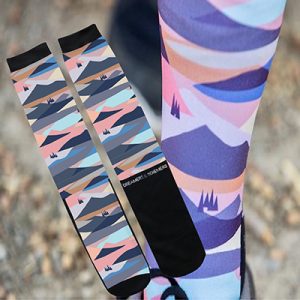
 Grooming Collection 7-Piece Kit by Oster