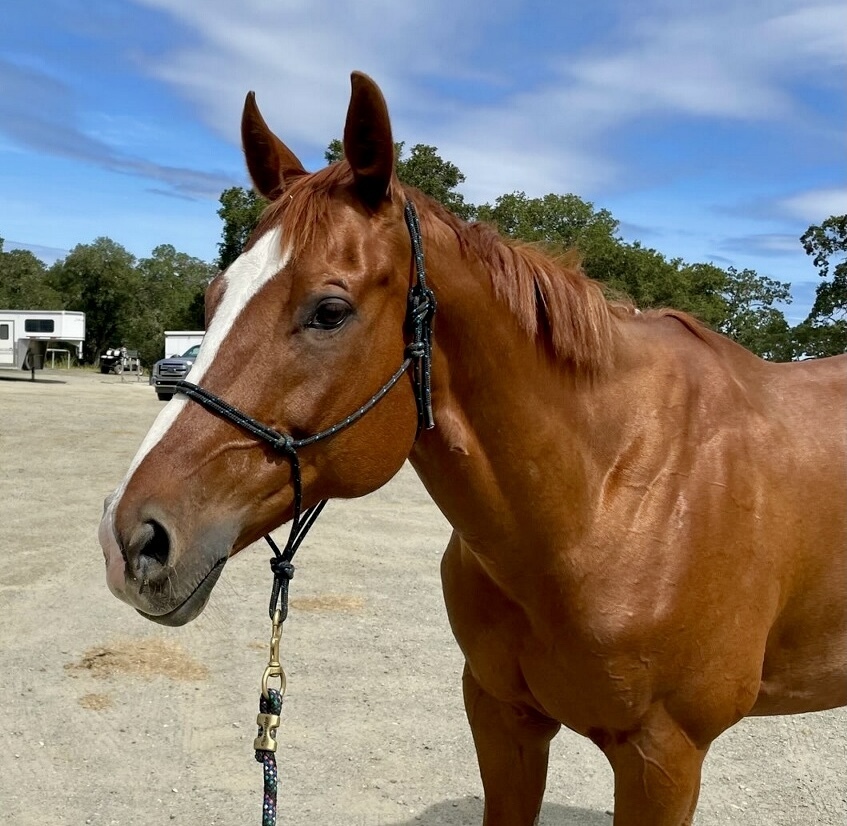
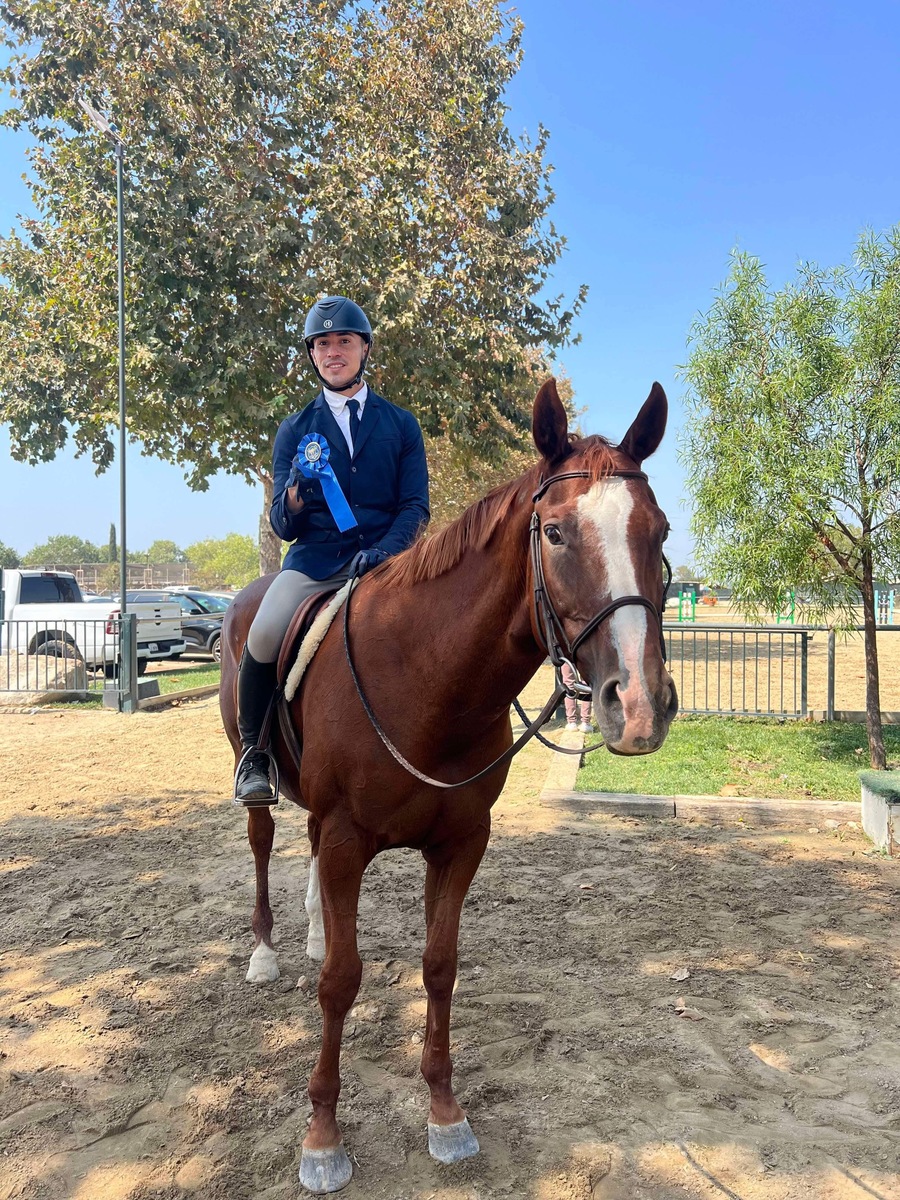
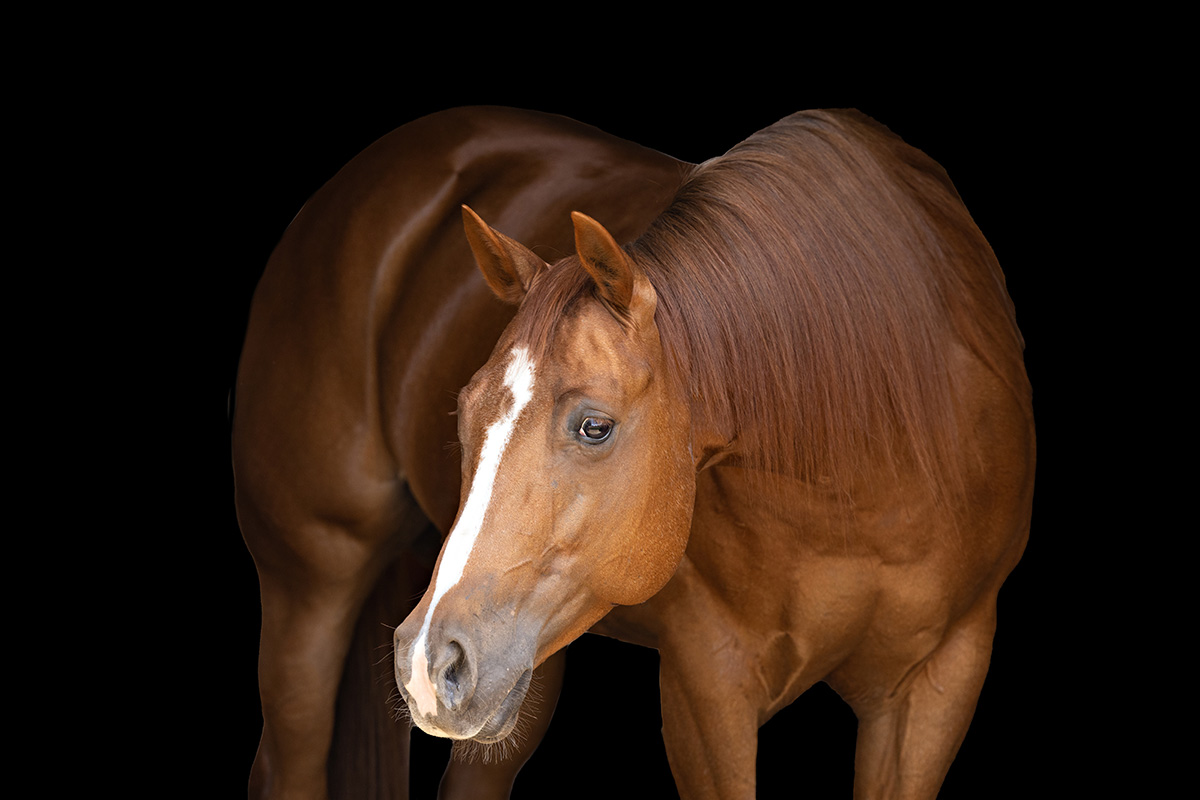
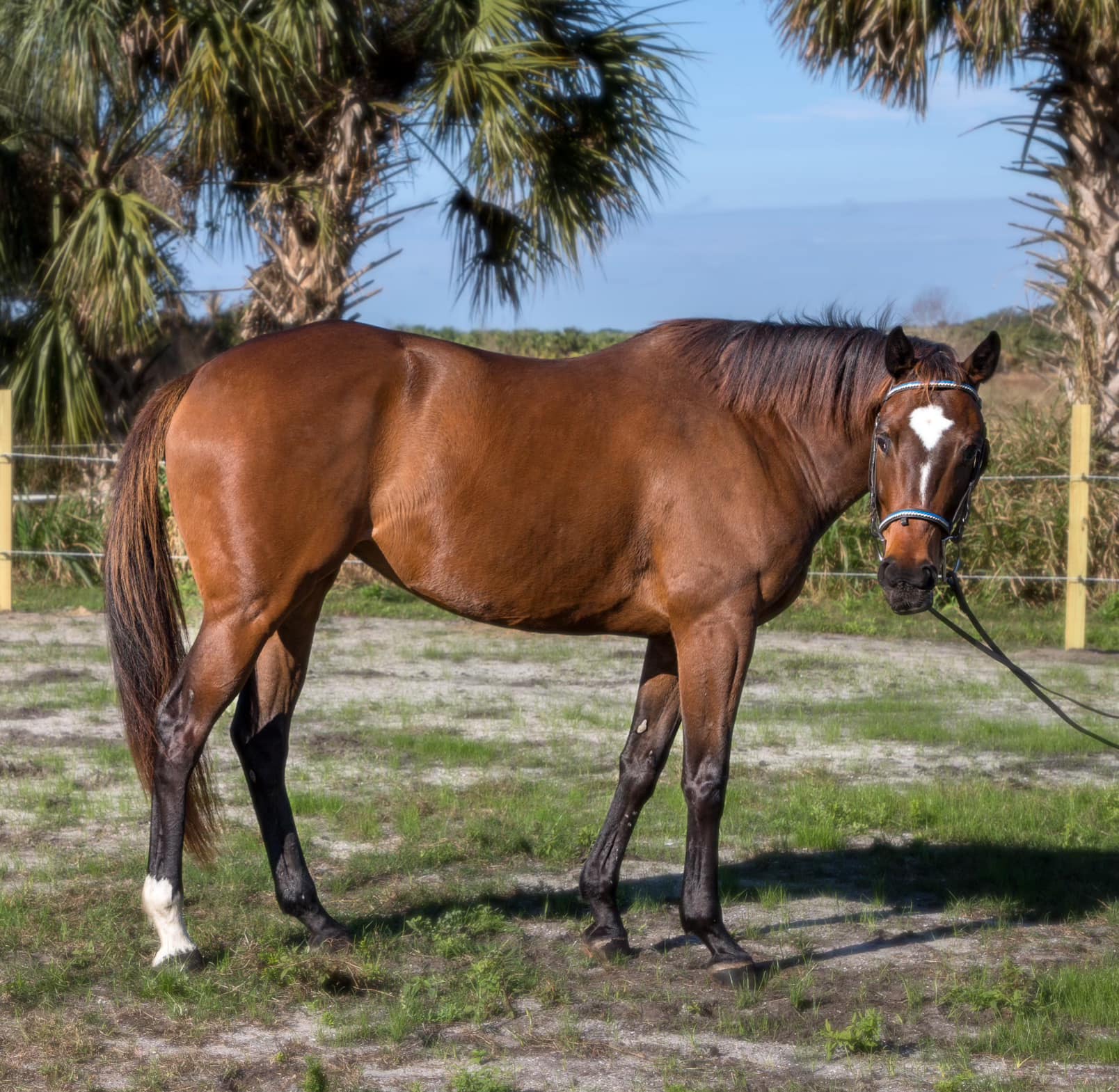
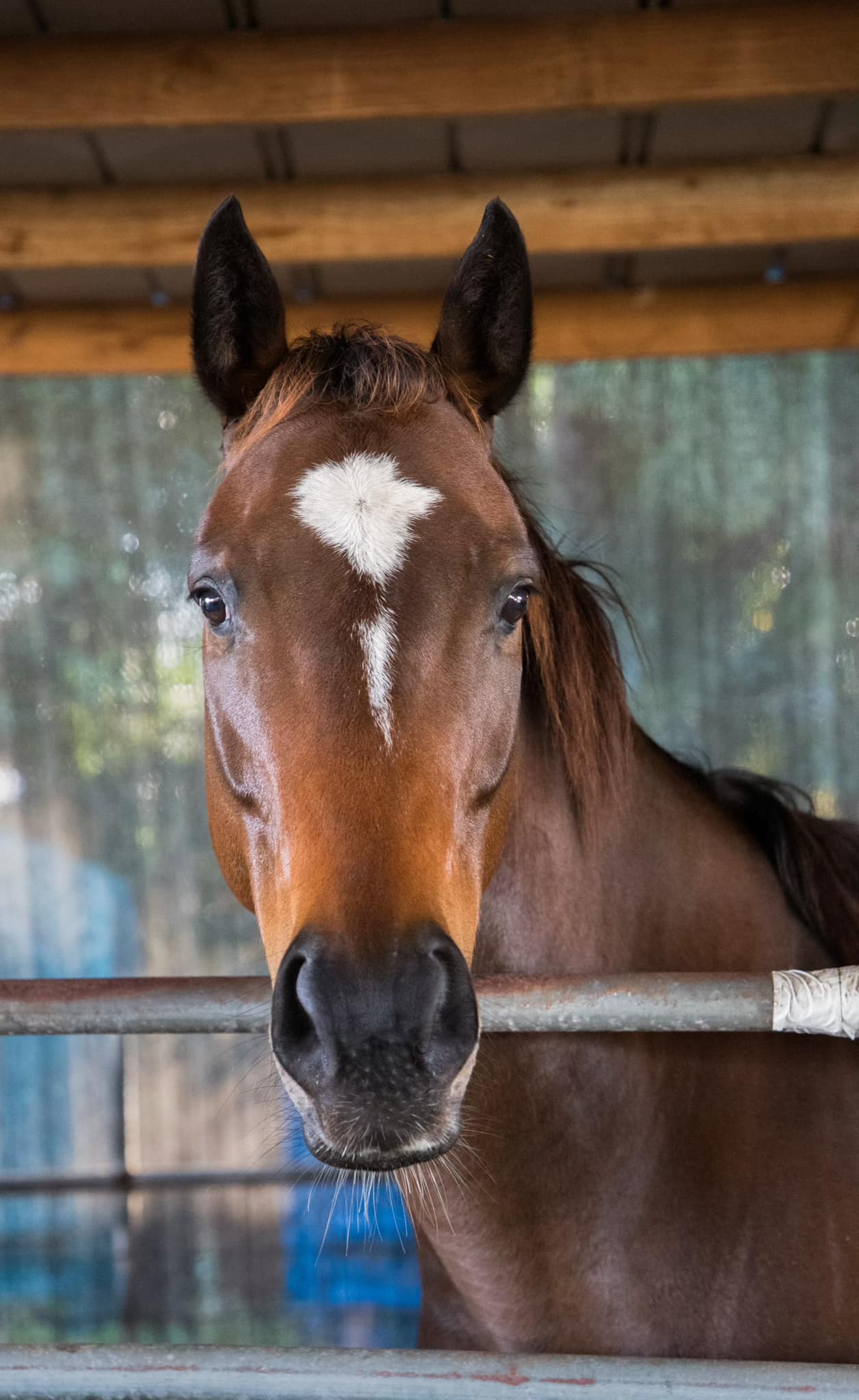
Hope (Mom’s Carrie) is a 6-year-old unraced off-the-track Thoroughbred mare standing at 16.1 hands high. She has tight, clean legs with no prior injuries. Hope is a lovely, even tempered mare with impeccable ground manners and ready to go in any direction. During a recent visit from Patrick Sullivan he had this to say about her:
“Hope is a truly special horse. She’s beautiful, athletic, and very smart. She is going to be someone’s dream horse. In the right hands, the sky is the limit for what she can do. She’s incredibly talented and can do just about anything someone wants to do with their horse.”
Want proof? Just watch her entire video — they actually drag a barrel behind her and she doesn’t even flinch.
Hope has been ridden extensively both in the ring and on the trail. On the trail, she is brave, can ride in the front or in the group or rides out alone. She is currently schooling over 2’-2’3” courses and eagerly works with jumps, ground poles, cross rails, cavaletti, and at liberty. She has a great jump that would do well in the hunter ring, but she is just as happy riding cross-country or eventing or even just trail riding and wading through the water.
Hope stands, ties, longes, and gets along with everyone at the barn. She can be a little testy with the geldings in the pasture during that time, though.
Her gaits are very smooth, making her an easy ride for any discipline. She walks, trots, and canters under saddle in both English and western. She is so level-headed that Hidden Acres integrated her into their lesson program for the last year, in which has done really well. She is an extremely fast learner and executes easily. She listens to voice commands: walk, trot, canter, backup, easy, and whoa. She also moves off the leg, leg yields, side passes, and has lead changes (flying changes 90%). She has a great brain — no buck/kick/rear/bite — and lots of scope.
She has graduated to trails and often likes to lead the pack. She’s extremely level-headed and rarely reacts to her surroundings but would work best for an intermediate rider.
Hope consistently leads easily, has great ground manners. She stands quietly on cross-ties, for the farrier and when bathing. Hope has basic front shoes and is a relatively easy keeper who requires no special care. She is up to date on everything.
Take advantage of Hidden Acres’ Valentine’s special by adopting Hope for $7500 (adoption must be completed in February).
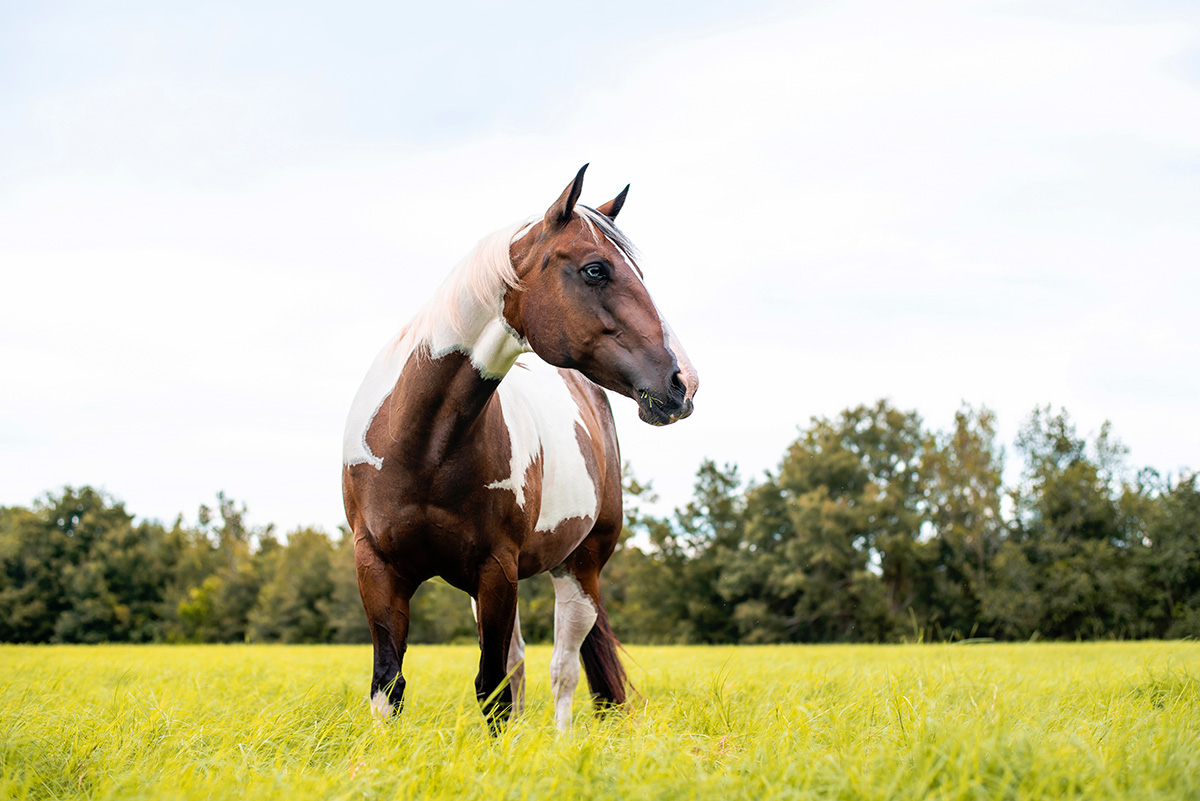
Photo courtesy Hidden Acres Rescue for Thoroughbreds
ASPCA Right Horse is the online adoption platform of The Right Horse Initiative, a collection of equine industry and welfare professionals and advocates working together to improve the lives of horses in transition. A program of the ASPCA, their goal is to massively increase horse adoption in the United States. To find more adoptable horses and foster horses, visit www.myrighthorse.org. To learn more about The Right Horse, a program of the ASPCA, visit www.aspcarighthorse.org.
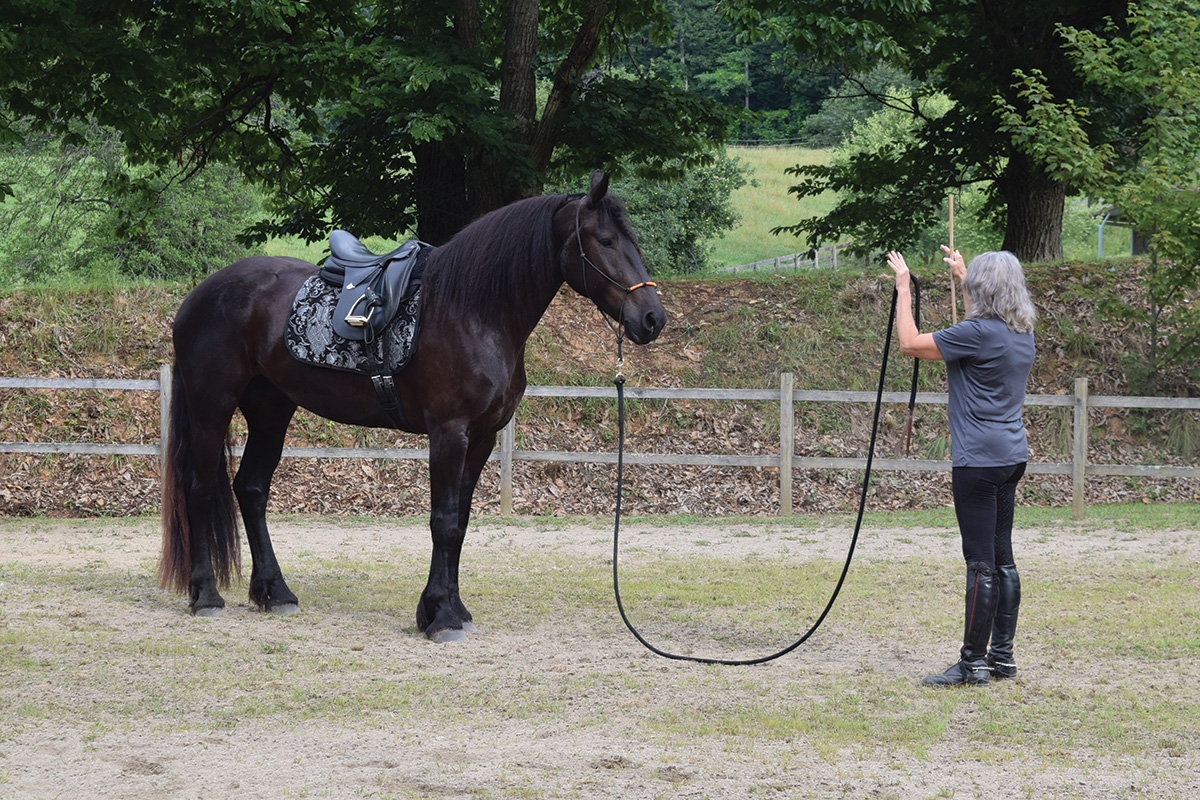
Groundwork can be an essential part of horse training and is quite beneficial to our equines for a variety of reasons, one of which is to help bring the horse’s body and mind into focus. But have you ever considered the importance of groundwork for yourself?
Horsewoman and artist Melanie Grubb-Miller and Friesian sport horse Freyja take a few moments for mental and physical groundwork before riding. Photo by Cathy Woods
“Groundwork for the human” is a phrase I coined while working with equestrians on the yoga mat and on the meditation cushion through my Body, Mind, Equine programs. This concept might sound a bit puzzling at first, so let me break down what groundwork for the human looks like.
The yoga mat and the meditation cushion can be great places to practice personal groundwork for the body and mind. Yoga offers an opportunity to focus on overall awareness, body alignment, placement, and orientation—all beneficial skills to have when we’re around or riding horses.
Groundwork for the Human Body
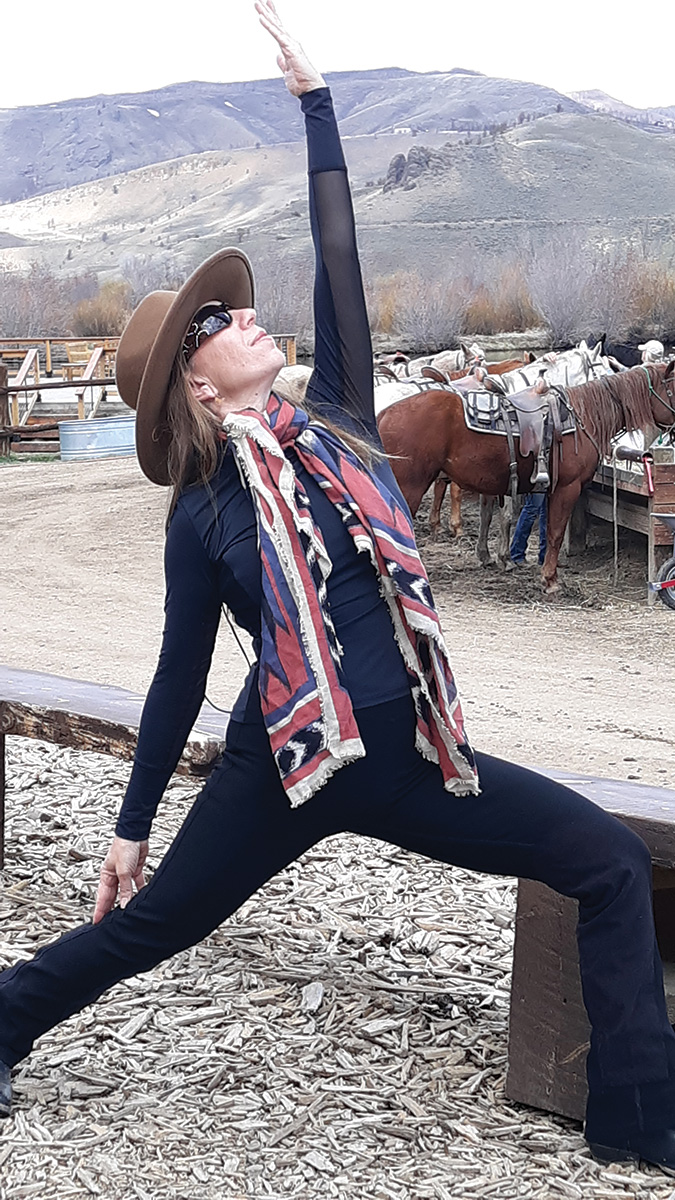
Through yoga, you can work on body mechanics, fine-tuning, focus, discipline, moving through challenges, and observing inner energy and breathing. Treat the mat as a training ground to develop effective, efficient use of your body. As you become more body-aware, these lessons begin to trickle over into your riding and other physical activities.
Yoga postures are a great way to learn body awareness and self-correction. Once these skills are honed, they translate to self-correction when riding or interacting with horses. Photo by Cathy Woods/C Lazy U Ranch
Often on the mat and in riding, you think you’re aligned or symmetrical, but that’s not always the case. For example, when in a tabletop position on the yoga mat (on hands and knees), it may feel like your weight is placed equally on each hand and knee. But sometimes, upon checking, you look at your knees and they are together, rather than hip-width apart, or when you take a glance at your wrists, they are not aligned under your shoulders as you think they might be.
How this might look in the saddle is that you may think your weight is even in each stirrup, or that your shoulders are relaxed down away from your ears. But upon checking, you notice you are not physically as collected or as aligned as you thought.
When you’re not physically collected, your horse will not be either, as tensions and misalignments in your body can restrict your horse’s movement.
The yoga mat is a great place to learn bodily self-correction. Once this skill is honed on the mat, it begins to naturally translate to self-correction when riding or even in your body language while training or interacting with horses.
Exercise 1: T-Pose Symmetry
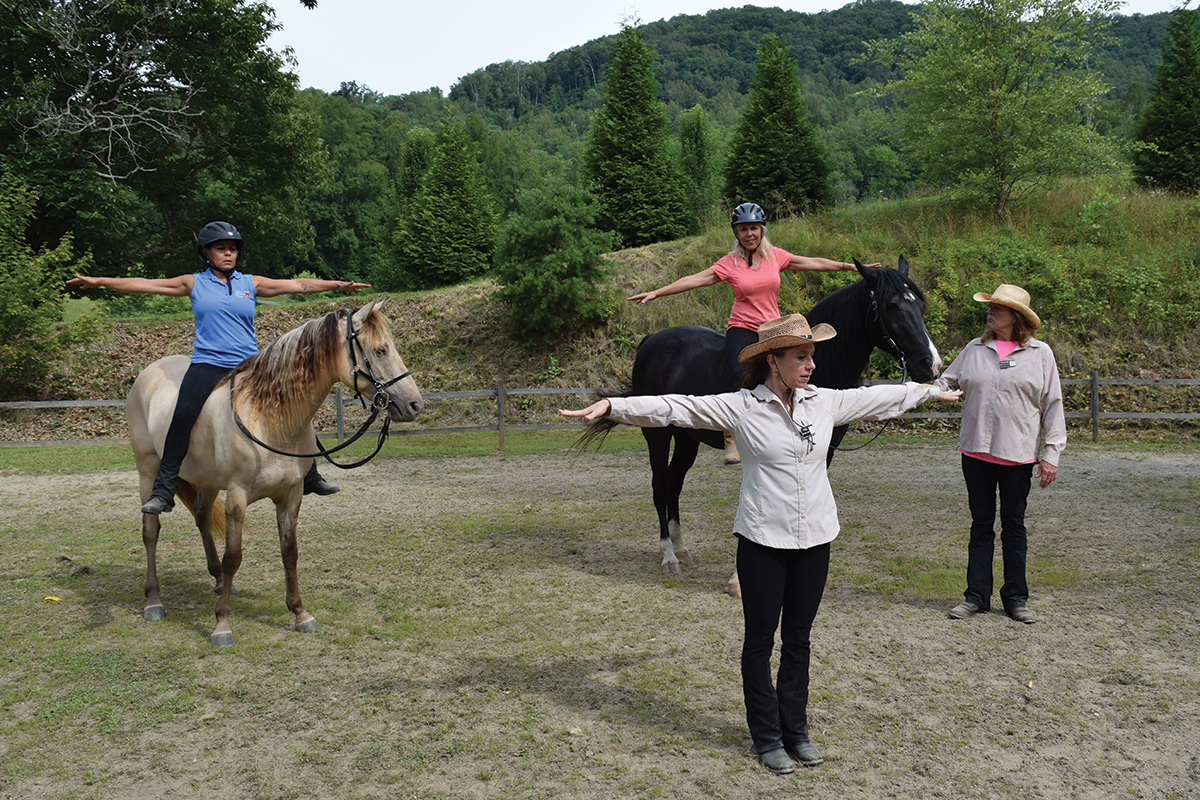
Cathy Woods instructs getting symmetrical through a mounted body awareness exercise. Such exercises help riders become more aware of their body position. Photo by Cathy Woods
◆ While mounted (saddled or bareback), bring your arms to what you think is a T-position with palms facing downward.
◆ Look out at each arm or have someone else look or take a photo to see if your arms are at shoulder height. Notice if your arms are coming directly out from your shoulders, or if they are above or below shoulder height, or if they are lopsided.
◆ If doing this exercise while saddled, it’s also a good opportunity to check and see if your weight is placed evenly in each stirrup.
Note: It’s a good idea to have someone hold your horse so you can solely focus on the exercise.
Pictured above are two riders doing this exercise. One has her arms in an aligned T-pose and the other thinks hers are, but they are not.
This and other simple, similar exercises can be practiced on the yoga mat or while mounted as a form of physical groundwork for the human.
Groundwork for the Human Mind
Then there’s the aspect of mental groundwork. When your mind is all over the place and unfocused, your energy becomes less clear and more fragmented, which of course your horse detects and responds to, often mirroring back distracted or uninterested energy.
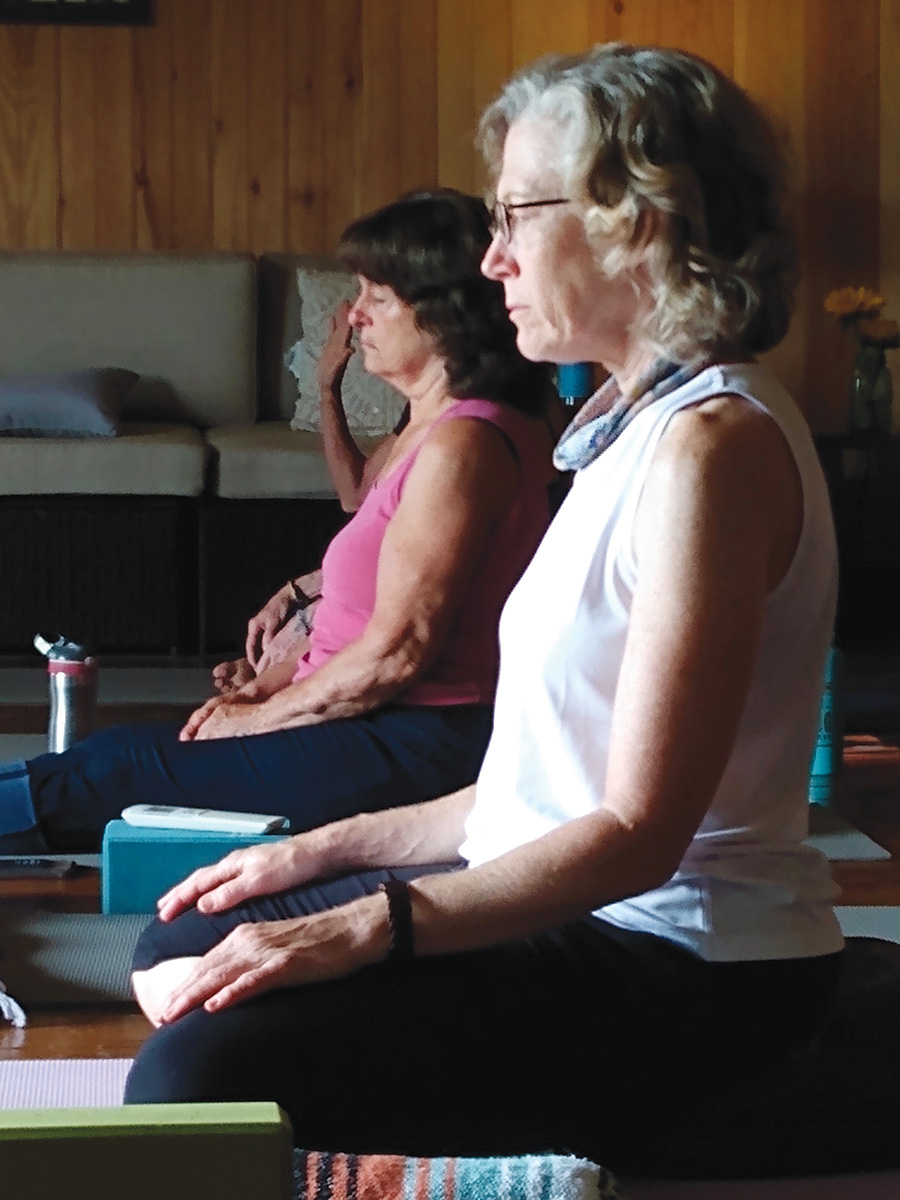
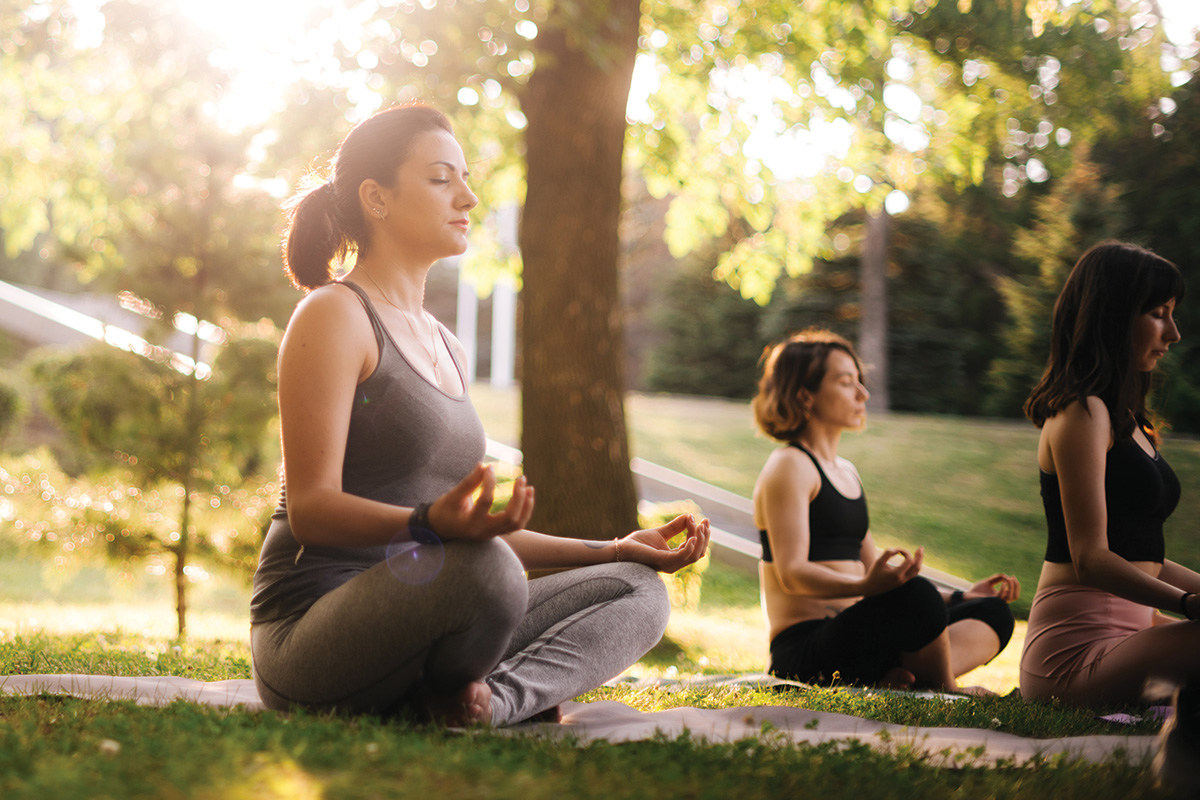
Through yoga or meditation practice, you’ll notice when your mind wanders to a thought or to a distraction so that you can gently rein it back in to the breath, the bodily sensations, and the present moment—where life is happening.
Equestrians get centered before meeting their horses at a retreat. Photo by Cathy Woods/C Lazy U Ranch
Mental groundwork is a most valuable tool for training the “mental muscle,” much like developing your other muscles. Without focus, it can be hard to complete a task, whether at your desk or working with horses—not to mention the excess energy it takes to be scattered.
In deep meditation, you are fully integrated and focused, without attention wavering. Ultimately, you can learn to carry that focus with you beyond the sitting meditation.
Training the body can seem easy compared to training the unfocused “monkey mind” (for more, read “Harness Your Monkey Mind,” pg. 18, Horse Illustrated January/February 2024). The good news is, you can learn to collect your mind through meditation techniques.
One effective method is directing attention to your breath. It’s simple yet powerful, and can be done virtually anywhere.
Exercise 2: Watching and Counting Your Thought Stream
Getting still and counting your thought stream for 1-5 minutes is a great mental groundwork exercise to improve focus. Photo by Dikushin/Adobe Stock
◆ Set a timer for one to five minutes.
◆ Close your eyes.
◆ See your thought stream (the succession of thoughts).
◆ Notice that each individual thought arises, is present, and then disappears.
◆ See if your attention can remain on the succession of thoughts. See each individual thought, one after another.
◆ Count the number of individual thoughts you see in a row.
◆ Attention will move somewhere else. When that occurs, let your attention return to the thought stream and resume counting.
◆ With practice, the count will increase as your ability to direct your attention strengthens.
This is one mental groundwork exercise to gather the mind, improve focus, and help you become more aware of the workings of your mind. This practice also allows you to feel less controlled by your thoughts as you notice how they arise, come, and go while you build your power to observe and direct your mental attention.
Key Takeaway
When your body and mind are integrated—working as a team—your life and your relationship with your horse is enhanced. Personal groundwork helps you show up as more centered and grounded rather than scattered.
Physically and mentally, you become a better companion for your equine partner. I hope that you enjoy and consider this new way of viewing groundwork beyond the horse.
Marsha Hartford-Sapp of Southern Oaks Equestrian Center in Ocala, Fla., epitomizes everything right about taking the path of least resistance. She has become a beloved horse trainer thanks to the transformational results she has achieved with equines that others might throw away.
Hartford-Sapp has not only made horses into model citizens, but twice they have been made into Breyer model horses.
For every little horse lover who believes models come to life and leap from the shelf as they sleep, there is Hartford-Sapp, giving happy endings to real horses as well as putting them onto those bedroom shelves.
Cobra the Mustang
“I didn’t collect Breyers as a kid,” says Hartford-Sapp. “I was horse-crazy of course, but had I known about them [in St. Albans, Maine], I would have had stables of them!”
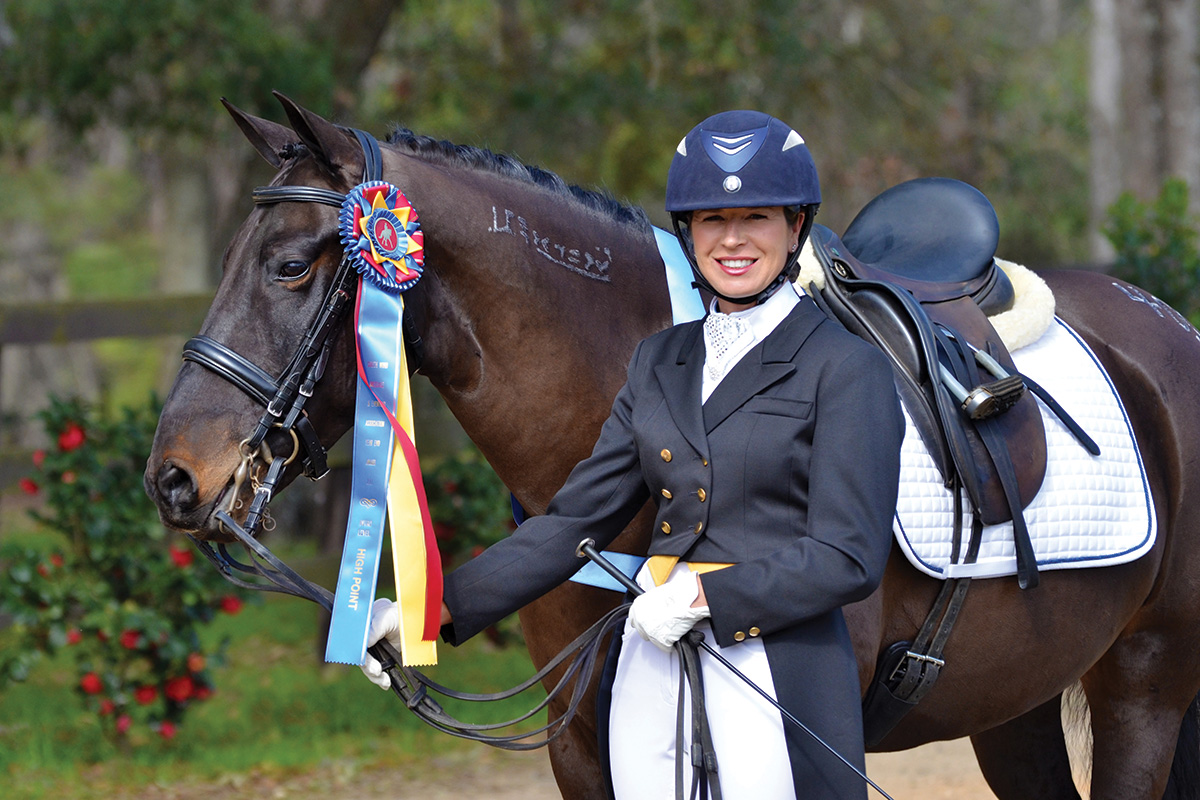
Instead, when plans to pursue a law degree at Florida State University didn’t pan out, she gave riding lessons to make ends meet, turning a hobby into a career. In her method of training horses using the “least resistance,” she has also found little resistance from judges to pin good performances, including two Extreme Mustang Makeover wins and a U.S. Dressage Federation Diamond Achievement Award (through Grand Prix and Grand Prix Freestyle).
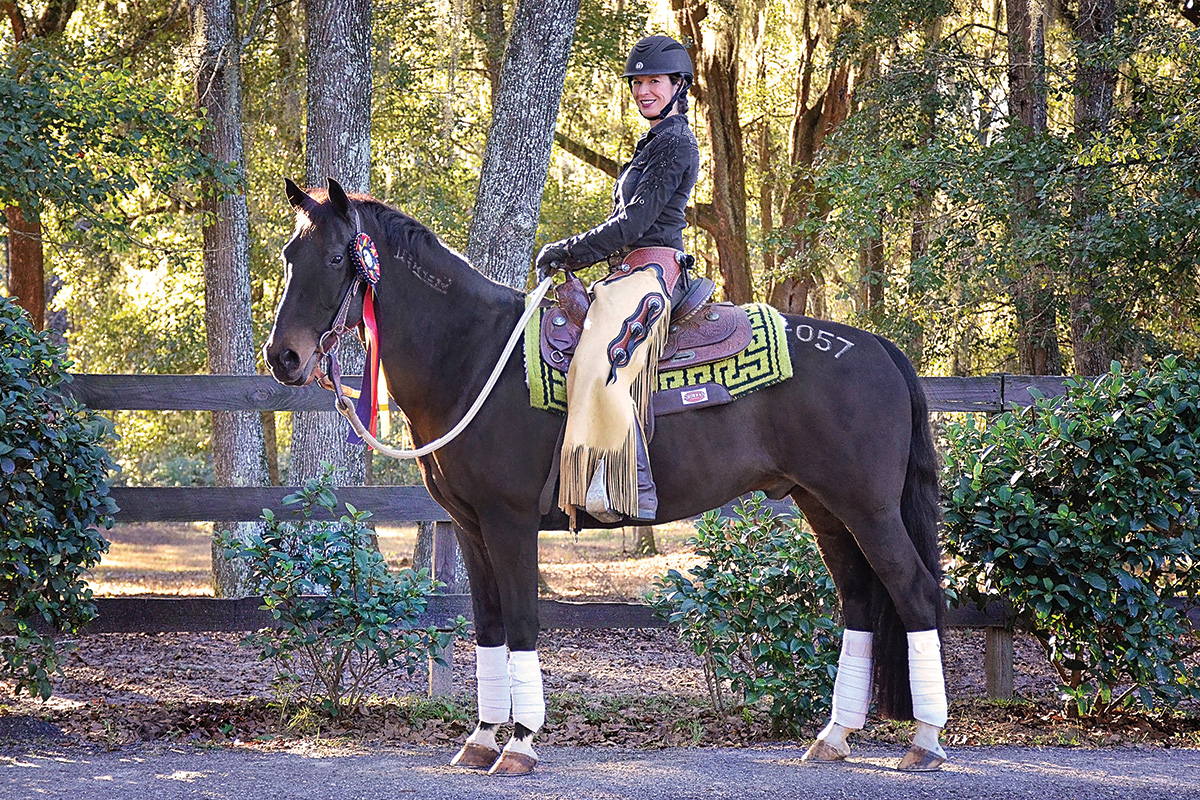
Mustangs, in particular, have been good to her. Especially Cobra, the black 15.2-hand horse labeled a “three strikes” rogue, who faced life in a Bureau of Land Management facility before Hartford-Sapp adopted him for the 2010 Extreme Mustang Makeover. The competition offers just 120 days to gentle and train a horse.
Marsha Hartford-Sapp and Cobra. Photo by Kim Chason/www.chasonphotos.com
“He came in angry, and when I came in the pen, he charged me within five minutes,” Hartford-Sapp recalls. They didn’t make that year’s Makeover Finals, but for the next five consecutive years, Cobra never stopped winning championships.
“That horse has won more titles than any other Mustang in the world,” she says. He was even named U.S. Equestrian Federation (USEF) National Horse of the Year in 2018, the same year that dressage superstar Verdades won the USEF International Horse of the Year title.
Then there was The Email.
“I almost didn’t open it,” says Hartford-Sapp of the unfamiliar message from Reeves International (Breyer’s corporate name). “They had been following Cobra’s journey and thought he would make a super model with his incredible story. It was amazing. I still cry about it.
“It’s a major commitment to train and bring along any horse, but the time spent with Cobra was worth it. I took a 6-year-old wild horse, and together we transformed into champions.”
You read that right: A born-wild horse is in the USEF/EQUUS Hall of Fame.
Cobra & Marsha pose in their western dressage tack and attire for the EQUUS Hall of Fame. Photo by Kim Chason/www.chasonphotos.com
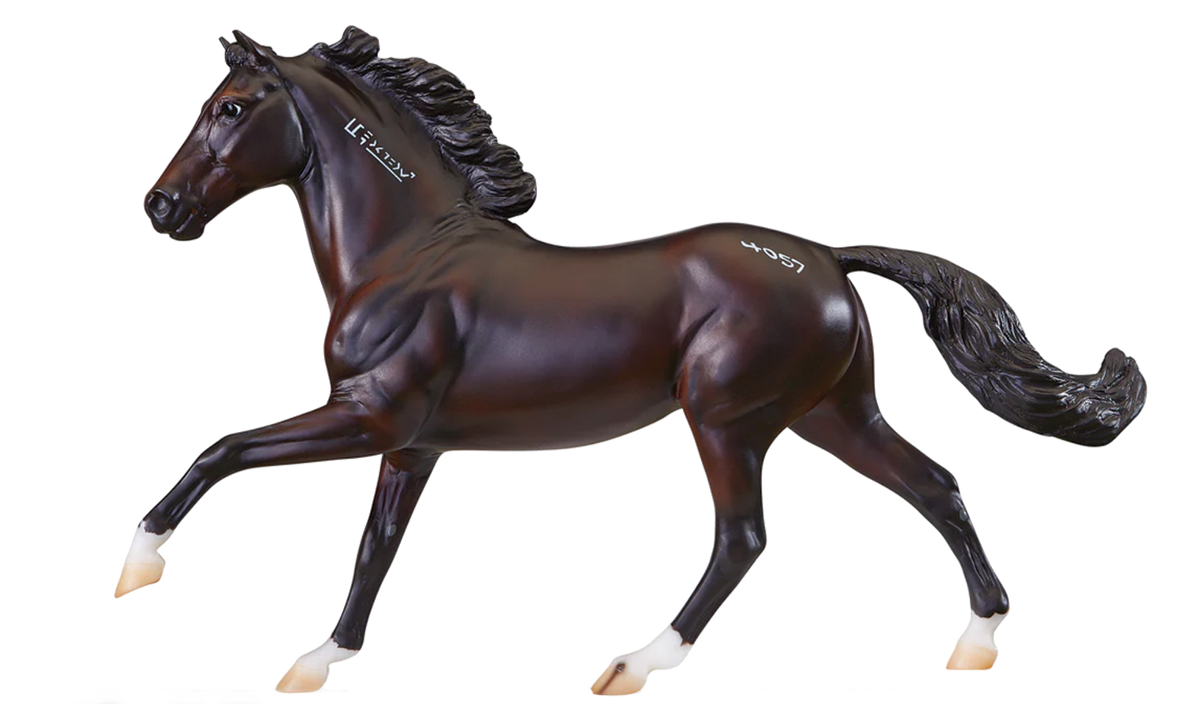
Cobra, Breyer model No. 1784, is based on 2004 portrait model No. 594, Flash, a dark bay Morgan gelding sculpted by California resin artist Sue Sifton.
“Flash was the winner of a write-in contest to pick Pony Club’s 50th Anniversary Horse,” says Sifton. “His owner sent me a video of him going cross-country at Ledyard [a three-day event in Massachusetts]. He was very keen on course, so his confident attitude when approaching a big fence became the focus of my sculpture.”
Hartford-Sapp was thrilled with how the model turned out.
“My first Breyer model is Cobra, and it will be my favorite for eternity,” she says of Sifton’s work. “Cobra’s model is perfect for him. It embodies his spirit beautifully.”
OTTB Full Moon Rising
Lightning never strikes twice—or does it? For Hartford-Sapp, another horse without a clear future became her second champion-slash-Breyer.
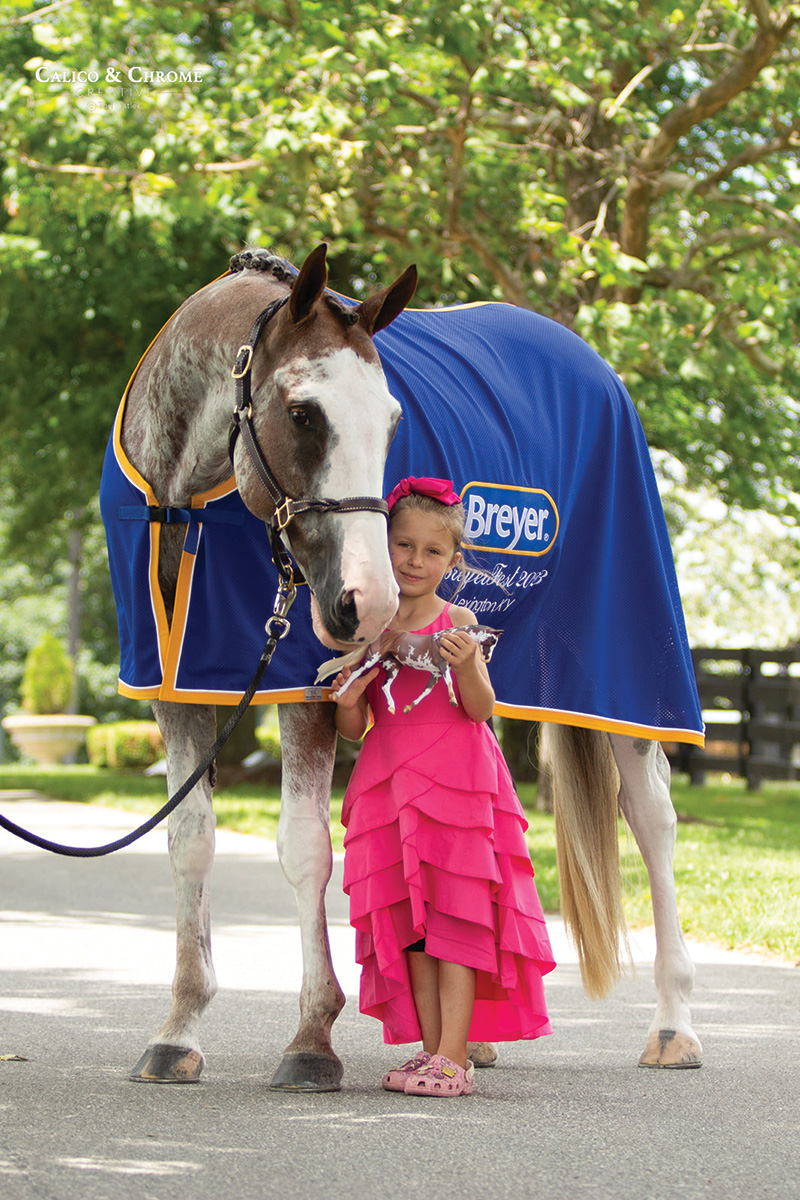
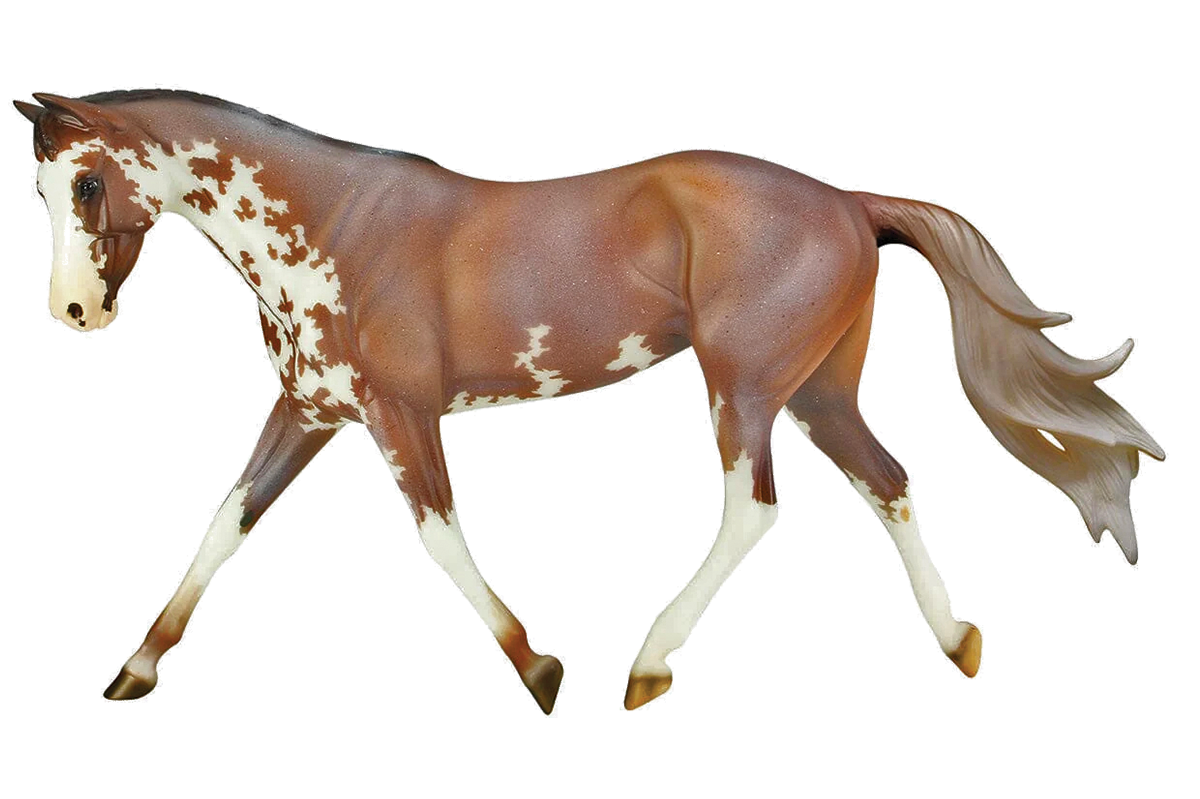
Full Moon Rising (aka “Mooney”) is a lavishly mottled 15.2-hand sabino chestnut Thoroughbred gelding. He retired sound from racing after his second season, just as Marsha was seeking a new candidate to compete in the Retired Racehorse Project.
Marsha’s 7-year-old daughter stands with Mooney while holding his Breyer model. Photo by Calico and Chrome
The stars—and Mooney—aligned the day Marsha brought him home. His introduction to the dressage ring began with a few western dressage competitions. By the end of 2021 (his first full year off the racetrack), he had earned six titles: USEF Horse of the Year Western Dressage Open Intro, USEF Western Dressage Suitability (the first Thoroughbred to win it), National Champion Western Dressage, World Champion Western Dressage Intro, USDF Reserve National Champion All Breeds-Training Level Open, and National Pony Cup Small Horse Champion.
“It was about six months after Mooney had finished his amazing season when the company contacted me again—via email,” says Hartford-Sapp. This time she didn’t hesitate to open it.
“I was so grateful to have my work recognized,” she says. “I took a very special, albeit quirky Thoroughbred and won national and world titles [with him when he was] a year off the track. It was a lot of faith and patience in training. We had a terrific time together doing it.”
The Full Moon Rising model, No. 1877, is based on Breyer mold No. 583 of the champion show hunter, Strapless, introduced in 2003 by commercial fine artist Sommer Prosser.
“I’m absolutely thrilled to see such a fresh and unique color on my Breyer work,” says Prosser of Mooney’s unique pattern. “I’ve always been a fan of colorful horses, having owned several myself, and the color dresses up the sculpture beautifully!”
Just as happy with the creative outcome is Stephanie Macejko, vice president of marketing and product development at Reeves International, Inc.
“We didn’t create new sculptures for the two horses, we chose models that represented their personality and athletic ability and focused on getting coat colors and details just right, such as the BLM freeze brand on Cobra,” she says.
Mooney was a bit more difficult, however.
“Full Moon Rising was a challenge with his roany coat!” Macejko adds.
“I am so pleased Breyer picked Cobra and Mooney [as models],” says Sifton. “I own a BLM Mustang that was captured in the wild, and I had an off-track Thoroughbred. I am wholeheartedly a fan of what Marsha has done to promote the heart and talent of the Mustang and off-track Thoroughbreds. [Late Olympic dressage medalist and director of the Spanish Riding School in Vienna] Alois Podhajsky would be proud.”
Take What Life Gives You and Run With It
“I think a lot of things are dreamed into reality,” says Hartford-Sapp. “Cobra becoming a Breyer horse and Mooney, too, are definitely a childhood fantasy come true.”
She says both model citizens are enjoying the easy life in Ocala, living in grassy paddocks filled with live oak trees.
“They actually are roommates and live together,” says Hartford-Sapp. “They keep light riding schedules. Mooney is schooling some hunter stuff, and Cobra continues some dressage to maintain health and muscle tone. Neither is showing, but they come out from time to time for public and educational appearances.
“My two model horses represent the way I view life. Take what life gives you and run with it. Both a wild horse and an ex-racehorse were underdogs and became world and national champions. I owned and trained them. I saw the best in them and made plans on how to present them at their best,” she says.
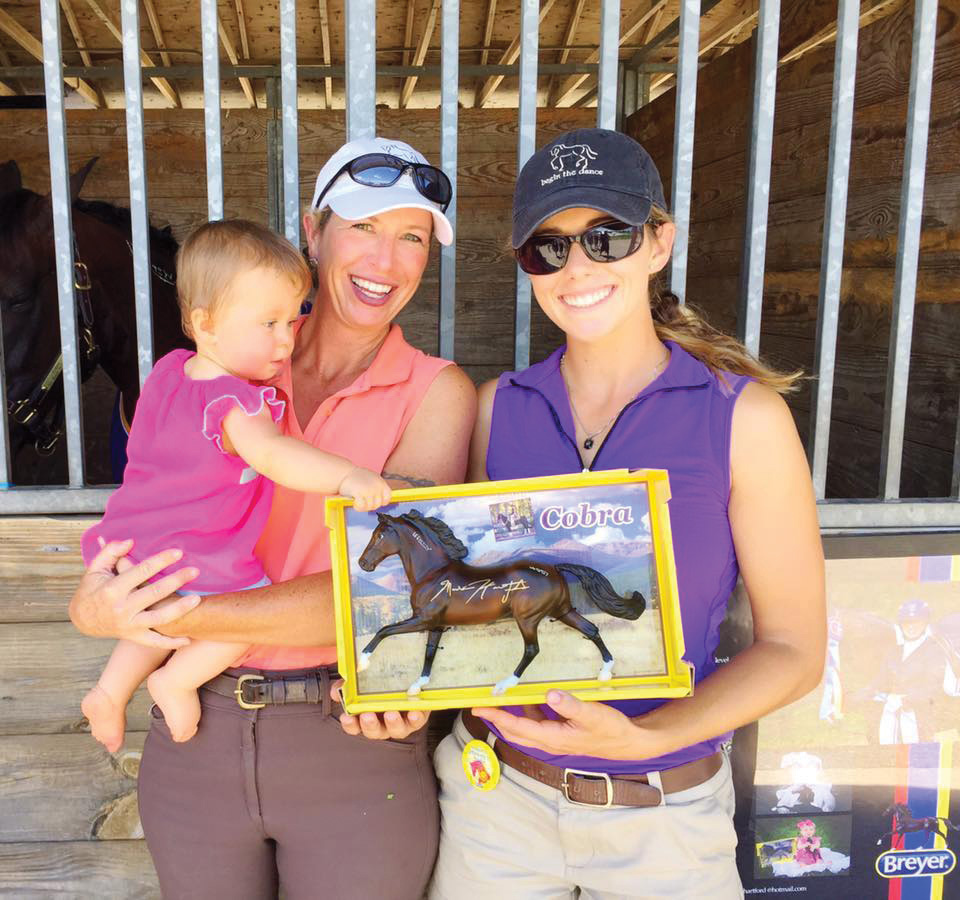
Marsha and her daughter as a baby with Cobra’s documentary filmmaker, Ashley Mancuso. Photo courtesy Ashley Mancuso
It’s the same way she looked for the best in the riders she coached from 2004 to 2022 on the Florida State University equestrian team. And what did her riding students think of having such model citizens in their midst?
“It made them so proud,” says Hartford-Sapp. “It was a lot of fun to have real life Breyer horses in the barn. Cobra is excellent at selfies!”
Horse Illustrated is excited to announce that it has joined the United States Eventing Association (USEA) as a media partner, as well as a contributing level sponsor of the 2025 USEA Intercollegiate and Interscholastic Eventing Championships, USEA Emerging Athletes U21 program, and the USEA Volunteer Incentive Program. Horse Illustrated will collaborate on educational content and provide magazine subscriptions to Horse Illustrated and Young Rider magazines to the various programs and championships they sponsor.
The USEA is a non-profit 501(c)(3) educational organization committed to providing eventing enthusiasts with a competitive level suited to their individual skills. By assisting and educating competitors, event organizers, and officials; maintaining responsible safety standards; and registering qualified competitions and clinics, the USEA offers a strong and continuous training opportunity for an ever-expanding field of world-class competitors. Just as importantly, the USEA provides a means for all riders, regardless of age or ability, to experience the thrill of eventing.
“Media coverage plays a significant role in shaping how the sport of eventing is viewed, and we are grateful to have Horse Illustrated join us as a partner,” said USEA CEO Rob Burk. “Their commitment to publishing educational content and sharing it with both adult and junior members is invaluable.”
Horse Illustrated Editor in Chief Holly Caccamise said, “We are very excited for our partnership with the United States Eventing Association. Horse Illustrated is proud to be a media partner as well as a contributing sponsor to the USEA Intercollegiate and Interscholastic Eventing Championships, USEA Emerging Athlete U21 Program, and USEA Volunteer Incentive Program. As an eventing competitor and volunteer myself for the past 30 years, the USEA is near and dear to my heart, and we believe in their mission to educate riders, trainers, officials, and organizers, with the health and well-being of the horse of paramount importance.”
Adoptable Horse: Halo, a 16-year-old, 16.2hh Thoroughbred mare Organization: Wild at Heart Horse Rescue, Lancaster, Calif.
Get to Know Adoptable Horse Halo
Meet Halo — your next jumping partner!
Halo is a beautiful 16-year-old Thoroughbred mare who’s ready to bring joy to every ride. With her calm and sweet demeanor, she’s been the perfect pleasure horse and excels on trails. Whether you’re looking for a reliable trail companion or an experienced horse for the arena, Halo has the versatility to shine in both. She’s even got some jumping experience, making her a wonderful all-around partner.
Don’t miss the chance to add this lovely mare to your family. Reach out today to learn more about Halo!
ASPCA Right Horse is the online adoption platform of The Right Horse Initiative, a collection of equine industry and welfare professionals and advocates working together to improve the lives of horses in transition. A program of the ASPCA, their goal is to massively increase horse adoption in the United States. To find more adoptable horses and foster horses, visit www.myrighthorse.org. To learn more about The Right Horse, a program of the ASPCA, visit www.aspcarighthorse.org.
Are you looking for a name for your filly or mare? Naming your female horse is a great opportunity to consider the traits of her personality, physical appearance, and even her background.
The best name for your brand-new filly or mare can be intimidating and challenging, particularly knowing that the name will be hers for several decades. Not to worry—our list of female horse names suitable for fillies and mares covers various categories to choose from. Happy naming!
Photo by Terri Cage/Adobe Stock
Popular Female Horse Names
These tried and tested names are very popular and with good reason. If you’re looking for great ideas, these horse names are always a solid choice.
Angel
Bailey
Beauty
Bella
Charm
Cheyenne
Clover
Cookie
Dancer
Dolly
Dream
Duchess
Ella
Ellie
Emma
Fancy
Flicka
Freckles
Glory
Grace
Hazel
Holly
Honey
Jane
Jewel
Kylie
Lady
Lexi
Lucy
Lucky
Magic
Meadow
Melody
Misty
Paris
Peach
Poppy
Prada
Pumpkin
Rose
Rumor
Sadie
Sally
Sandy
Sassy
Savannah
Scarlet
Sierra
Star
Sugar
Summer
Sundance
Symphony
Tess
Twilight
Whisper
Willow
Winnie
Zoe
Unique Female Horse Names
Photo by Tanya/Adobe Stock
Carnival
Dahlia
Fleur
Kiva
Lollipop
Sansa
Sequoia
Tulip
Female Horse Names by Color
Your horse’s color can be a great source of inspiration when coming up with a name for your filly and mare. Check out these names with a female flair, all inspired by coat color.
Bay and Brown Female Horse Names
Photo by vprotastchik/Adobe Stock
Adobe
Brandy
Briar
Java
Roxy
Chestnut Female Horse Names
Photo by callipso88/Adobe Stock
Amber
Autumn
Cinnamon
Coco
Garnet
Ginger
Hershey
Latte
Maple
Mocha
Penny
Ruby
Sable
Sienna
Gray Female Horse Names
Photo by Viktoria Makarova
Arctic
Blizzard
Dreamer
Faith
Iris
Jasmine
Moon
Moonbeam
Moondance
Moonlight
Nova
Orchid
Silver
Snowdrop
Black Female Horse Names
Photo by anjajuli/Adobe Stock
Nyx
Onyx
Raven
Eclipse
Shadow
Noir
Midnight
Velvet
Salem
Mystique
Ember
Jett
Luna
Ebony
Funny and Cute Female Horse Names
Photo by Rita Kochmarjova/Adobe Stock
Bubbles
Fifi
Pebbles
Pickles
Sprinkles
Tater Tot
Twinkles
Tips for Naming Your Mare or Filly
If you’re just getting acquainted with your horse, it might be helpful to let her go without a name for a few weeks. As her personality develops, you may get ideas for names that are unique and suit her perfectly. Each horse is unique, and her habits, behaviors, and preferences could provide inspiration for the ideal name.
When you’re ready to settle on a name, start by making a list of names you like. There are many ways to find excellent name suggestions. The color of your horse, her breed, or even the discipline you ride can serve as starting points for brainstorming ideas.
If you’re not familiar with your horse’s bloodlines, the possibilities are endless. Song titles, lyrics, and popular phrases can be great sources for coming up with a barn or registered name. If you’re required to name your horse for a registry, be sure to check the naming guidelines before investing too much time in brainstorming.
When choosing a barn name for your horse, there are no restrictions, but there are some practical guidelines to consider. Select a name that is simple to pronounce and not too long. And, of course, most importantly, find a name that perfectly fits your filly or mare.
Tik Maynard has never been one to shy away from a challenge. He spent much of his twenties competing full-time in the sport of Modern Pentathlon—which includes running, swimming, shooting, fencing, and show jumping. He won the Canadian National Championships twice and competed in multiple World Championships and the 2007 Pan-Am Games in Rio de Janeiro. Maynard has competing in eventing at the Advanced level and has been long-listed and short-listed for the Canadian National Eventing Team.
But in 2024, Maynard was in for a surprise.
“It was the most stressful thing I’ve ever done in my life,” Maynard says.
As a first-time competitor, he competed in—and won—2024 Road to the Horse, the World Championship of Colt Starting. His partner was an American Quarter Horse gelding named TomCatt.
“There were moments when I didn’t know if I would get through it. I learned a lot about myself and what I can handle,” Maynard says.
Tik Maynard at the 2024 Road to the Horse with his equine partner, TomCatt. Photo by Haley Boothe, Impulsion Media
Although feeling the crushing weight of stress, Maynard realized it would be detrimental to pass it on to TomCatt.
“I had things I wanted to accomplish and goals, but I didn’t let my horse feel that. I had to be very present in the moment and process-oriented so that I could always go at the speed he needed to go,” Maynard says. “It made me think about the importance of the process and not getting caught up in the goals. You can have goals, but you have to leave them behind once you are working with the horse.”
And Maynard is ready to do it all over again—with a new colt and up against new competitors at the 2025 Road to the Horse, which will take place March 27-30, 2025 in Lexington, Ky.
Growing Up With Horses
Maynard’s love of horses started early and was nurtured by his father, Rick, a Grand Prix show jumper, and his mother, Jennifer, a Grand Prix dressage rider and judge.
“My parents both rode,” Maynard says. “It was instilled in us at a young age what a privilege it was to have horses in our lives. When I was young, what I loved most was the sport—mounted games, show jumping, and eventing. But I never thought I would do it as a career. The turning point was in my mid-twenties. I discovered the world of horsemanship and horse psychology. That was when I started to think of it as a mental thing and not just physical.”
Maynard still enjoyed the excitement of jumping, but realized that delving into the psychology of horses could “become something I could do for the rest of my life. It’s like a puzzle you’re trying to work on and get better.”
Photo by Kya Photography for NOËLLE FLOYD
Maynard spent years as a working student, learning from Olympians, prominent equestrians, and trainers. He observed what is needed to transform a good trainer into a great trainer, particularly the ability to be an effective, compassionate communicator.
“I think you have to be a good person to be a good trainer,” Maynard says. “Some people are good with horses, but you see them with people, and they are rude. It matters how you interact with people. If a person lacks emotional balance and maturity, I don’t think they have that inner thing that will eventually make them a great horse person or trainer.”
“Depending on who I’m talking to, I might say natural horsemanship, or horse psychology, or groundwork. It’s how you interact with the horse. For me, that involves trying to work with the horse in a way that is natural for the horse, how they learn and play… Trying to bring out behaviors that a horse does naturally in the wild,” Maynard says.
When it comes to groundwork, Maynard explains, “I do groundwork with every horse I work with, and most of what I do with horses is working on myself. But everyone has a different relationship with their horse. Some want to be a mentor and teacher, a passive leader or a dominant leader; others look for a codependent relationship with their horse. While I think a few of those ways might be unhealthy, I think a lot of those could be good. Depending on which of those things you are looking for, groundwork may not be essential in every situation, but it can help you learn more about yourself and your goals. We all need a little less guilt, a little less judgment, and a little more gratitude.”
Maynard on set with NOËLLE FLOYD Masterclass: Introducing Spooky Fences. Photo by Caleb Hansen for NOËLLE FLOYD
“Spooky and anxious are quite different things when you think about the horse,” Maynard says. “Spooky can be sharp, in the moment, and then it ends. Rather than acute, an anxious horse is more of a chronic thing. A chronically anxious horse can turn into a physical thing. Horses have evolved to deal quite well with a spook or mild spurt of adversity but do not do well with chronic stress, so I look at the whole horse.
“I think the number one thing that causes a horse stress is confusion. In training, when you have a flag or a stick, it’s not usually one of those items in isolation that causes the horse stress; it’s the not understanding what those things mean. Communicate with your horse. When your horse does something, like get on a trailer or do liberty, see that the horse has the look of understanding in their eye and not that they are just moving around out of stress. There are various ways to get there. Encourage curiosity—curiosity is a great bridge to confidence. Every horse is curious about things. Allow, encourage, and direct that curiosity, and the horse will get less and less spooky. If your horse is scared of the dark corner of the indoor arena, put some cookies on a barrel over there, and every once in a while, give your horse a break and go over and give him a cookie off the barrel. Over time, he will be more curious, relaxed, and associate good things with what he previously spooked at.”
How Tik and Sinead Maynard Work as a Team
Since 2008, Maynard has focused on training horses full-time. In 2016, he and his wife, Sinead—a highly respected eventing rider—merged their equine businesses into Copperline Equestrian in Citra, Fla., and together they are raising their two young children.
Maynard explains what he appreciates most about working with his wife as a partner in a multi-faceted horse business.
“When it comes to the emotional, financial, and time output, if you don’t have a spouse that gets it, that can be stressful to a marriage,” Maynard says. “You need someone who understands that you might have to call off a vacation because you have to go to a horse show. We are both really supportive of each other’s careers. At the end of the day, you can talk about the stuff you’re going through with a horse, bounce ideas off of each other. Sometimes we ride or do demos with each other’s horses; my weaknesses might be my wife’s strengths or vice versa, so it works well for us.
And when I’m at home with my wife and 2-year-old and 6-year-old, I see the need to be fully immersed in the present. If I’m distracted by my phone, then I’m not paying attention to them; I need to be present.”
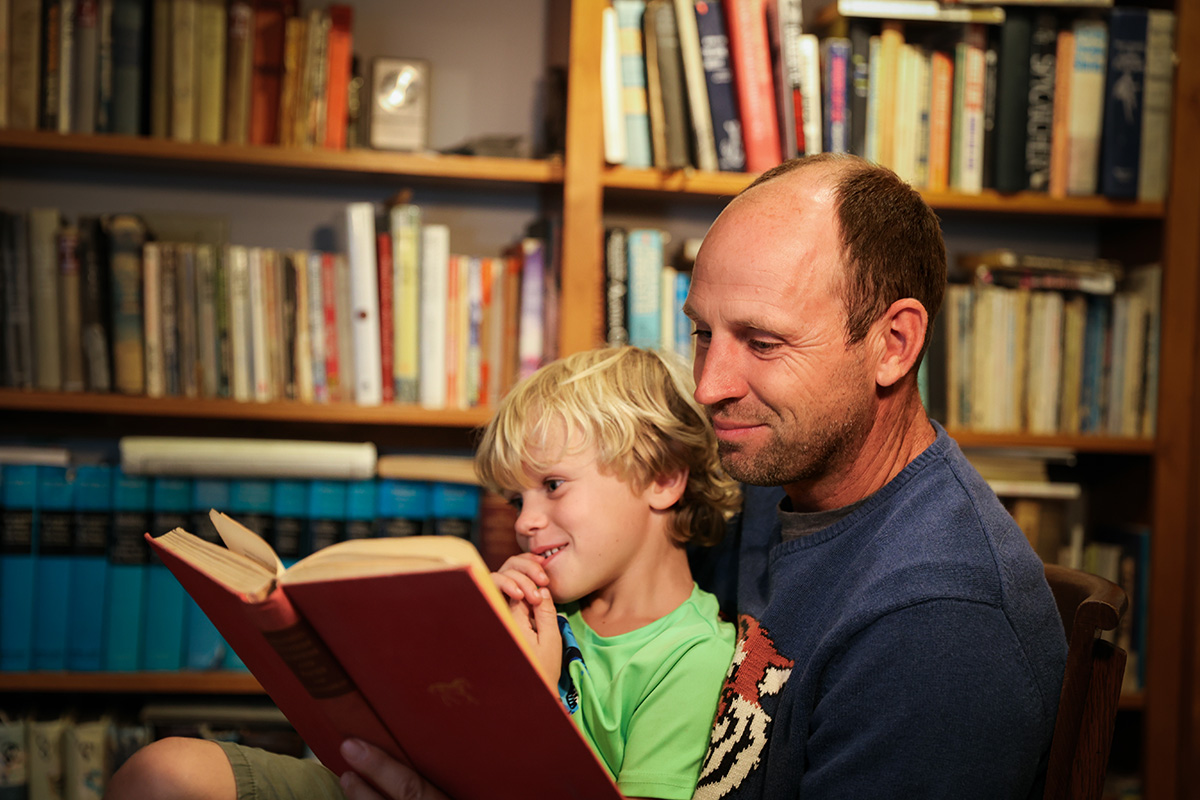
Tik Maynard and his son, Brooks, share a love of books. Photo by Hannah C. Kinlaw for NOËLLE FLOYD
Learn from Tik Maynard
A gifted communicator, Maynard loves sharing his deep understanding of horses. He is an online instructor for The Horseman’s University and a NOËLLE FLOYD Equestrian Masterclass Instructor. He is the author of the bestselling memoir In the Middle Are the Horseman(published by Trafalgar Square Books) and the highly-anticipated follow-up Starting in the Middle (coming March 2025).
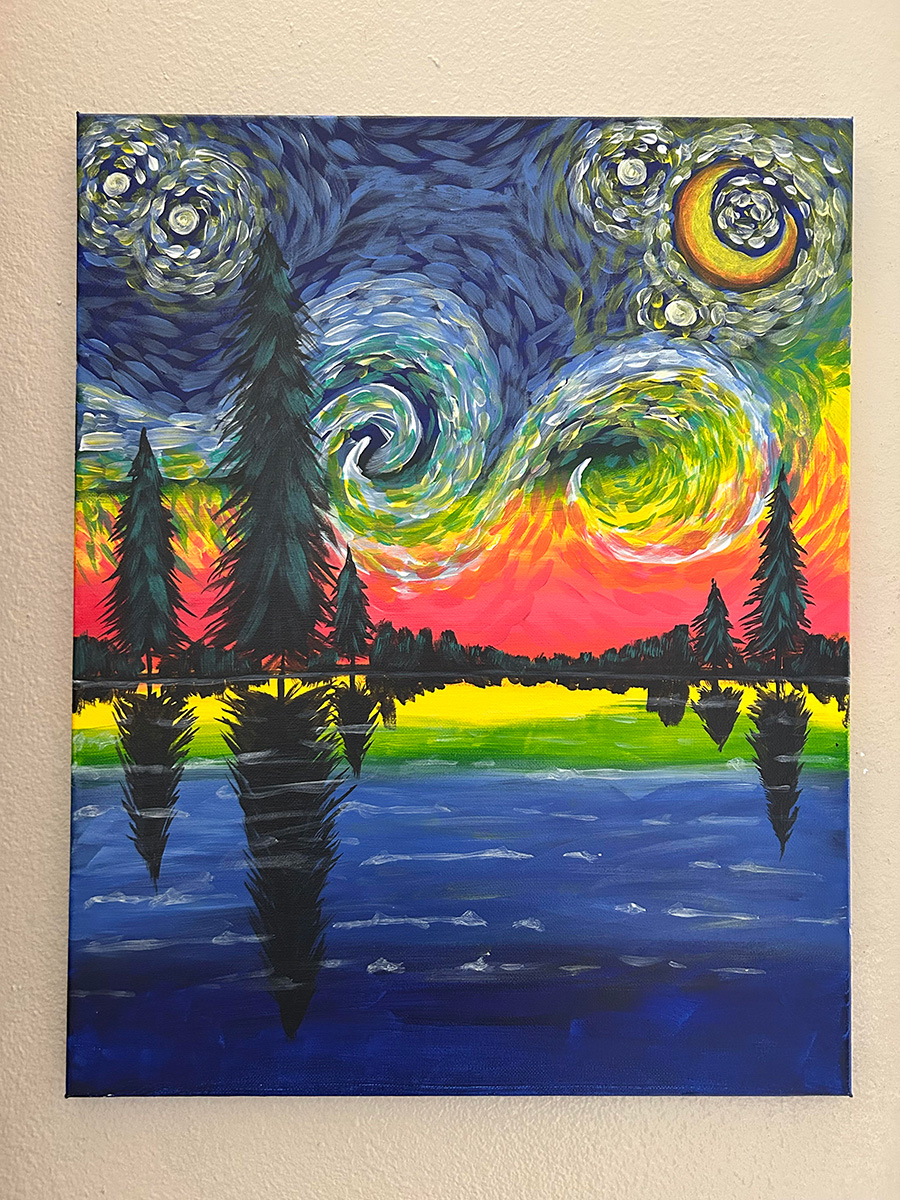
Welcome to Barn Banter, the official podcast of Horse Illustrated. In Barn Banter episode 28, hosts Susan Friedland and Horse Illustrated Editor In Chief Holly Caccamise chat about Susan’s recent dressage test, where Holly gives her some tips on memorizing tests and what a good score looks like. Plus, Susan asks Holly about her non-horsey hobbies, which include painting—see one of Holly’s paintings below!
After that barn banter, our hosts chat with Amelia Newcomb, United States Dressage Federation (USDF) gold medalist, and Mary Campbell, owner and founder of Mare Modern Goods. To end the episode, they chat with Rita Hoch, President and CEO at Nexus Equine in El Reno, Okla., about Kate, this month’s ASPCA Right Horse adoptable horse.
For over 30 years, Adequan® i.m. (polysulfated glycosaminoglycan) has been trusted by veterinarians, trainers and horse owners. Ask your veterinarian if Adequan® is right for your horse. Visit Adequan.com to learn more. Adequan®. Start with it. Stay with it®.
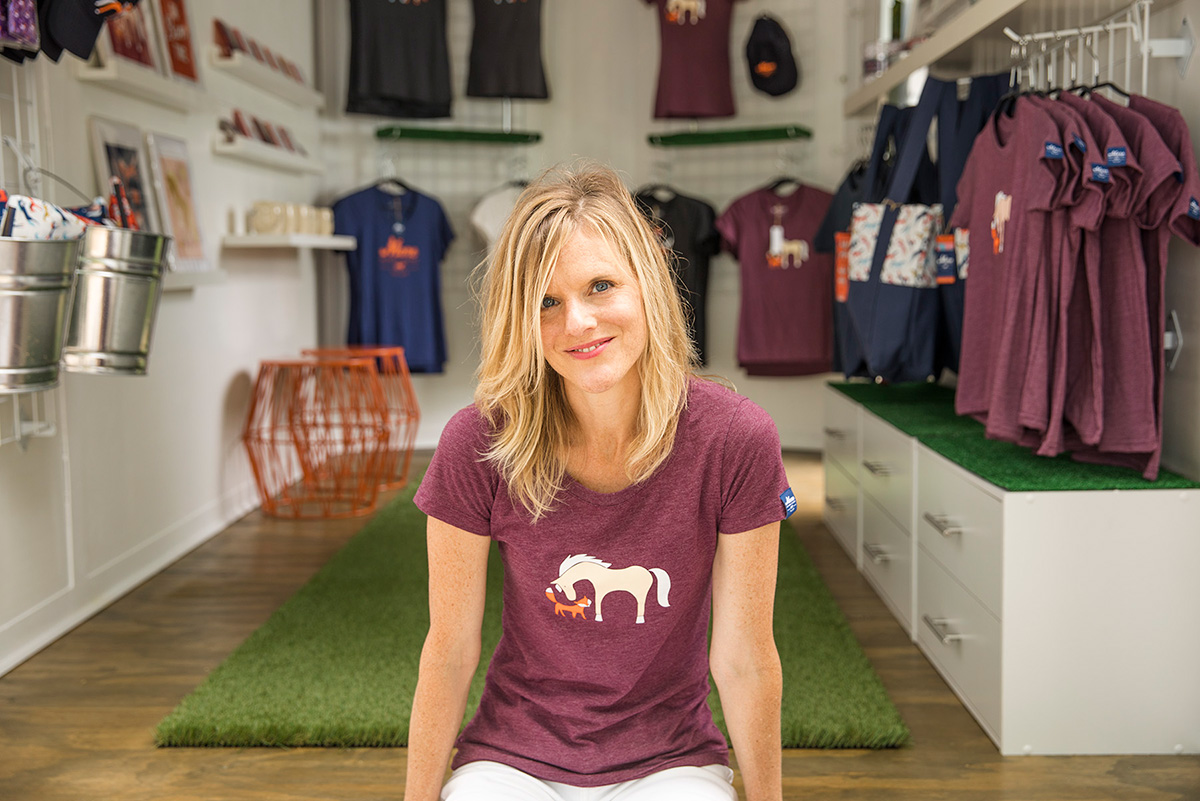
Mare Modern Goods is a destination for modern equestrian design and gifts for horse lovers. Their products feature original artwork and patterns with bold, bright colors and are inspired by horses and riders in the equestrian community.
Learn more about Mare Modern Goods hereand meet owner and founder Mary Campbell in this episode of Barn Banter.
Amelia Newcomb, USDF Gold Medalist
Amelia Newcomb, Barn Banter episode 28 guest.
Amelia is a USDF Gold medalist, and recipient of the Carol Lavell Prize from the Dressage Foundation. Based in Somis, Calif., her in-person training programs incorporate all aspects from starting the young horse through to the FEI levels. In addition to her training business, Amelia has a strong online coaching program with thousands of students around the world enrolled in her programs.
Mary Campbell is the owner and founder of Mare Modern Goods. She started riding at age 8, and horses were an important part of healing for her during a difficult time in adolescence. She left the sport when she went to college—but as many do, returned to it some two decades later. While out shopping, she wondered why there were no fun, colorful brands for horse people like there were for dogs and other beloved animals. With that, an idea was born, and soon Mare Modern Goods was launched and rapidly became a successful business, selling clothing, hats, paper goods, kitchenware, bags and more to equestrians who love a good slogan and fun colors and patterns.
Kate is a very sweet mare who came into the Nexus Equine program both emaciated and with untreated EPM. Since she has been in their care, they have put significant weight on her and treated her EPM. Kate is estimated to be between 15-17 years of age. She has been nothing but excellent to work with, despite her rugged history. Kate has had a good foundation put on her and she has great ground manners. This sweet girl can use some more work with desensitizing and building a solid routine, but she will make an excellent horse in no time at all.
If you’re hoping to incorporate your love for horses with your travel adventures, read on to find out our top 10 international horseback riding destinations.
The pull. The desire. The insatiable yearning to see another country, a different culture, from the back of a horse. This is the vacation so many of us horse lovers and riders seek. Maybe the time has finally come to check one or more of these treks off your bucket list.
But with an entire world of places and experiences to choose from, it’s a challenge to narrow down the options. From the fenceless steppes of Mongolia to the ancient art of Yabusame horseback archery in Japan, get ready to explore, fellow traveler.
To awaken your wanderlust, read on for our top 10 hand-picked horseback riding adventures in 10 different countries of destination, each specifically curated to expand your horizons and take you on the road less traveled.
1. Iceland
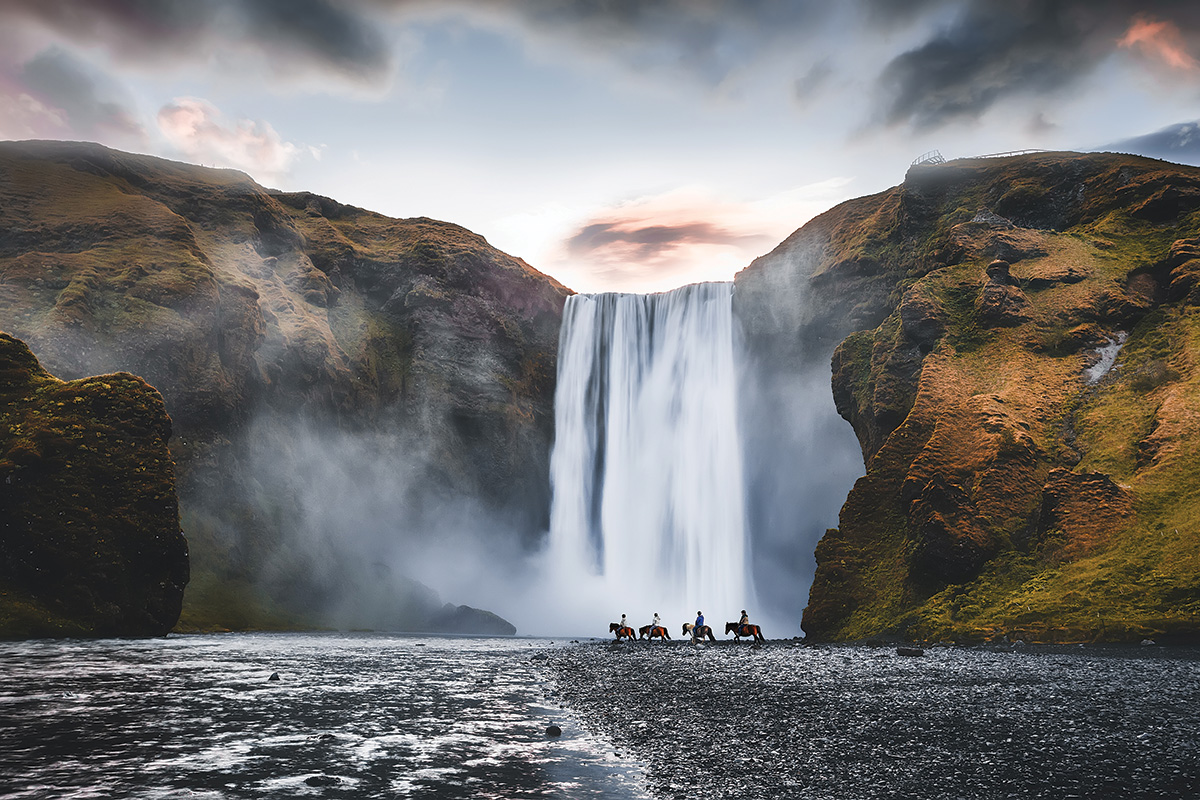
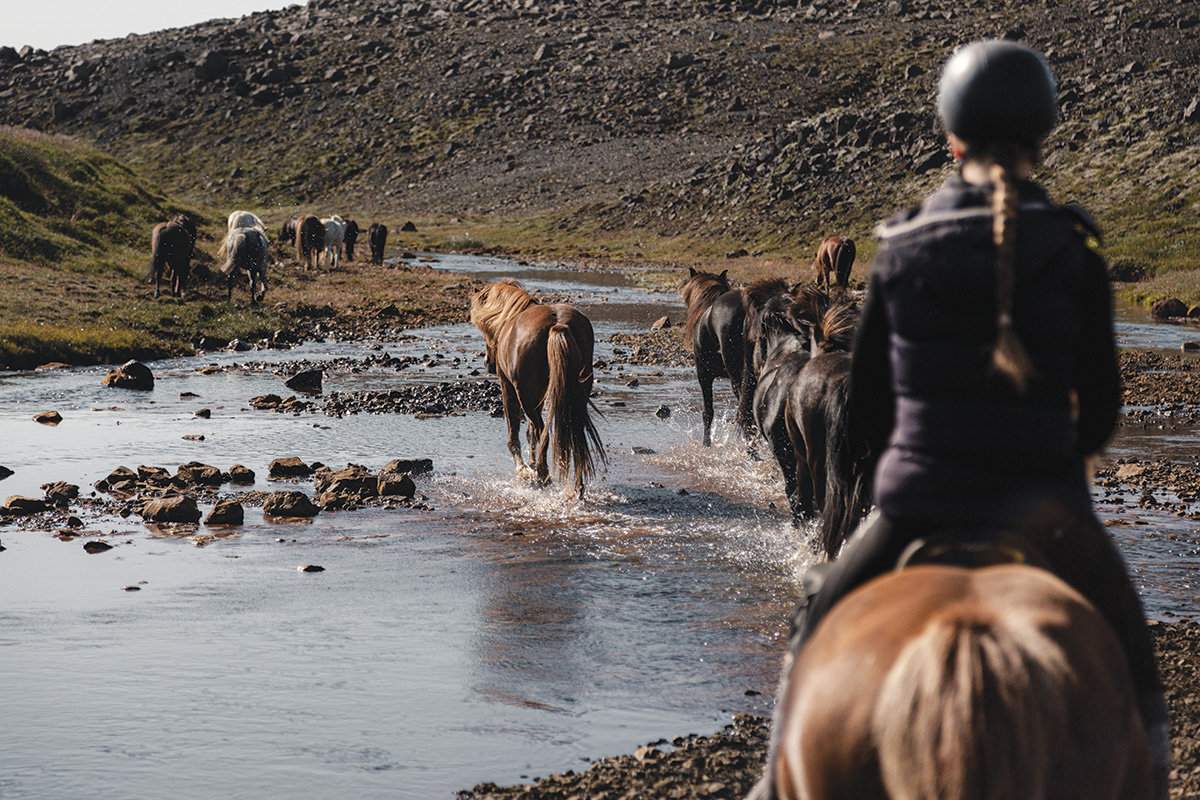
Ride the tölt of an Icelandic Horse and explore the land of fire and ice.
Photo courtesy Íslandshestar
One of the least densely populated countries in the world, Iceland is also a land of contrasts: moss fields and mountains, black sand beaches and geysers, volcanoes and waterfalls, highlands and rivers.
What could be better to explore the beauty of Iceland than by riding a beloved native Icelandic Horse and experiencing its unique gait, the tölt?
There’s beauty to explore in every direction, and it doesn’t stop when winter comes. Bundle up for day rides through the snow. In the evenings, it’s time to gather outside and look up. Will the sky catch fire as the Northern Lights play in the inky, starry night?
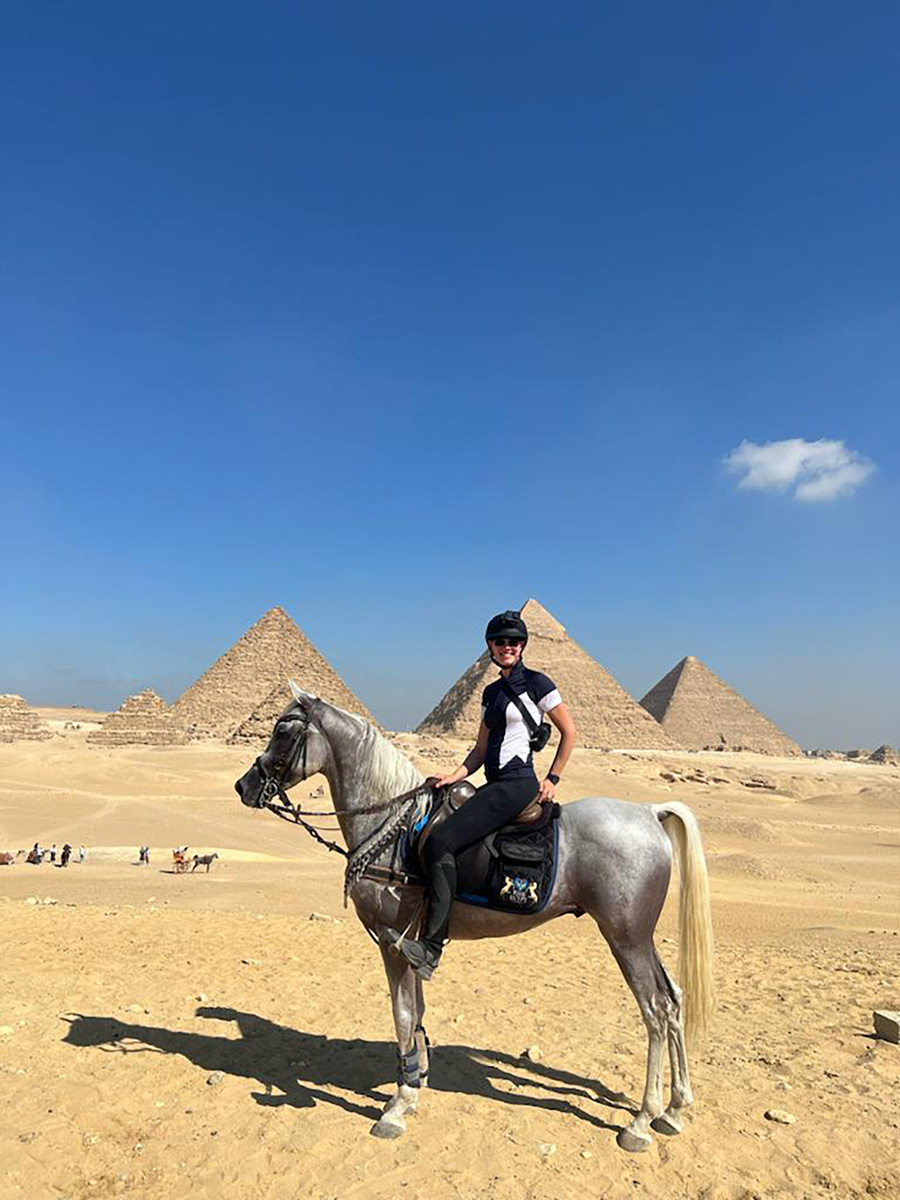
Do the epic landscapes of Wadi Rum, made famous by the Oscar-winning film “Lawrence of Arabia,” call to you? Do you dream of riding an Arabian, tail flying and neck proudly arched, as you race the ancient sands of their homeland?
In Egypt, you can experience a bit of Bedouin life and the reverence for their equine family. Let your eyes trace the detail of 2,500-year-old petroglyphs. Gaze through the inquisitive ears of your trusted Arabian from the Giza Plateau to the pyramids beyond.
Explore the Temple of Medinet Habu, the mountains of Thebes, and the banks of the fabled Nile. And finally, after a long day, ride into the Red Sea with your horse as you cool off in the clear waters.
Whether it’s a day trip or a week-long adventure, the history and beauty of Egypt will seep into your bones and stay with you long after you return home.
Travel the steppes and history of horse-based nomadic culture.
Photo by Zavkhan Trekking
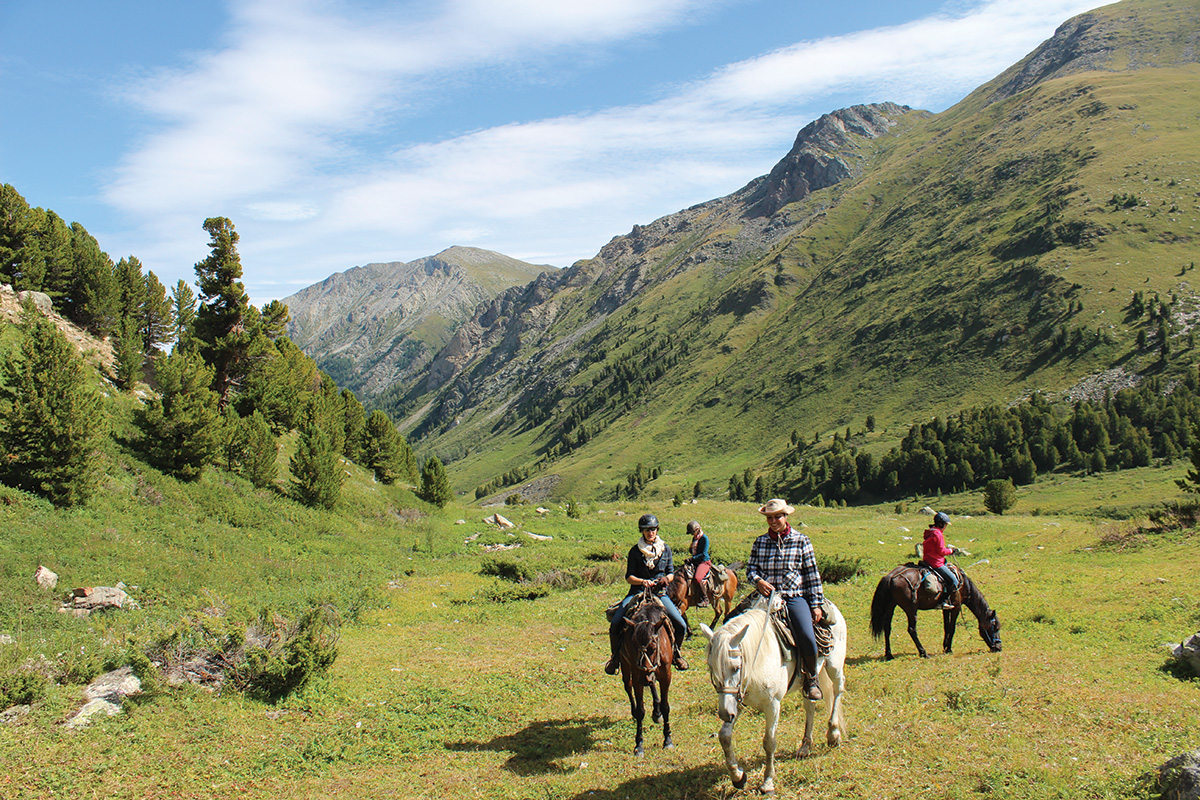
The vast, grassy steppes of Mongolia are joined by mountains, rivers, forests, and desert, filling this land with natural beauty—and very few people. The landscape and way of life have not changed much over the centuries.
Today, mounted nomads crisscross the huge country as they care for and move their herds and homes with the changing seasons.
To truly experience this land, its people, horses and culture, there’s no better way than on horseback. Exploring with a local horse—strong, small, fast and surefooted—lets you experience the terrain in the way it has been for generations. With few roads and fewer fences, the wide-open spaces invite you to canter freely and find the uncharted lands within you.
You may even have the chance to visit the Gobi Desert with its wild camels, Gobi bears, snow leopards and the rare wild Przewalski horses.
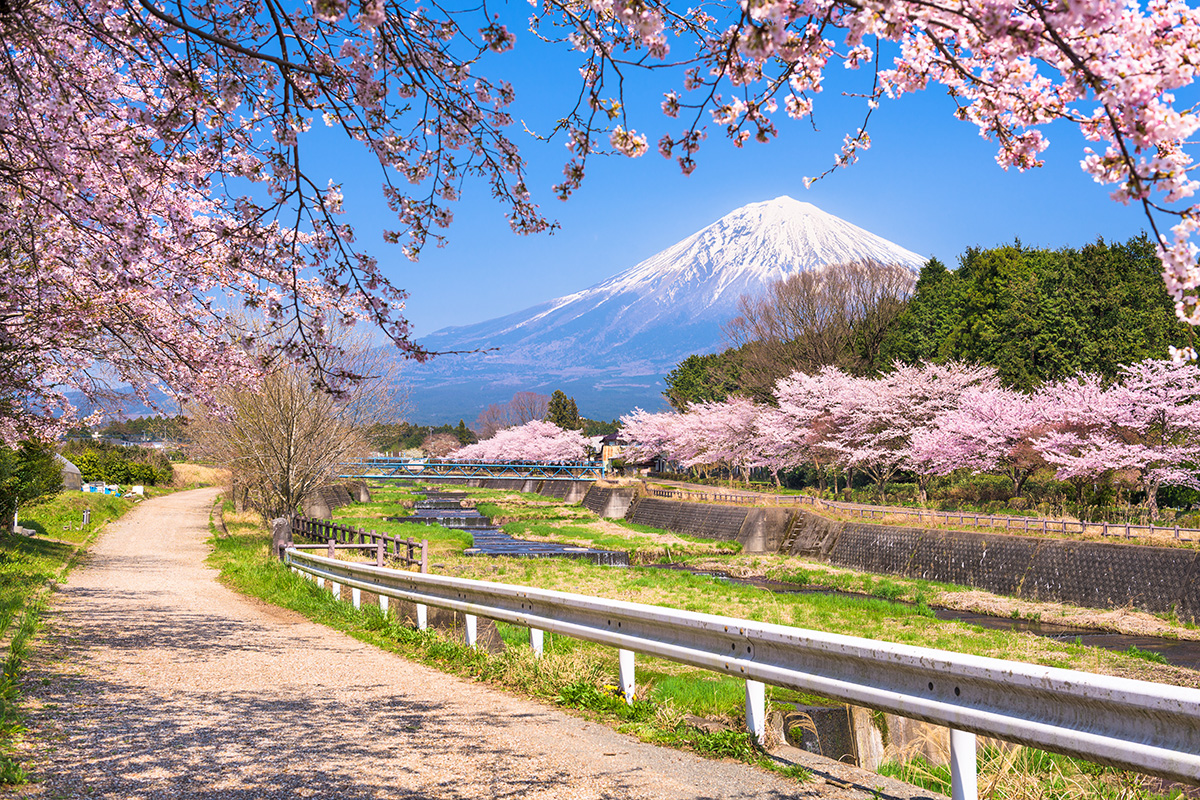
Yabusame is the ancient Japanese martial art of mounted archery, dating back to the 6th century. In ancient times, it served as both a military skill and a Shinto ritual to entertain the gods and to pray for the community’s well-being.
With archers having only a few seconds to shoot three stationary targets from their galloping horse, this art is difficult and exciting. You can watch a Yabusame competition at festivals across Japan. Often held at shrines, they are dignified events with traditional etiquette and costumes.
You can learn the art of Yabusame at a riding club in Munakata, Fukuoka, in southern Japan. After a lesson in archery and getting expert tips, you’ll make your debut as a Yabusame archer, firing arrows at your targets while riding a galloping horse.
The same club also offers beachside rides for all levels of riders along a tranquil beach.
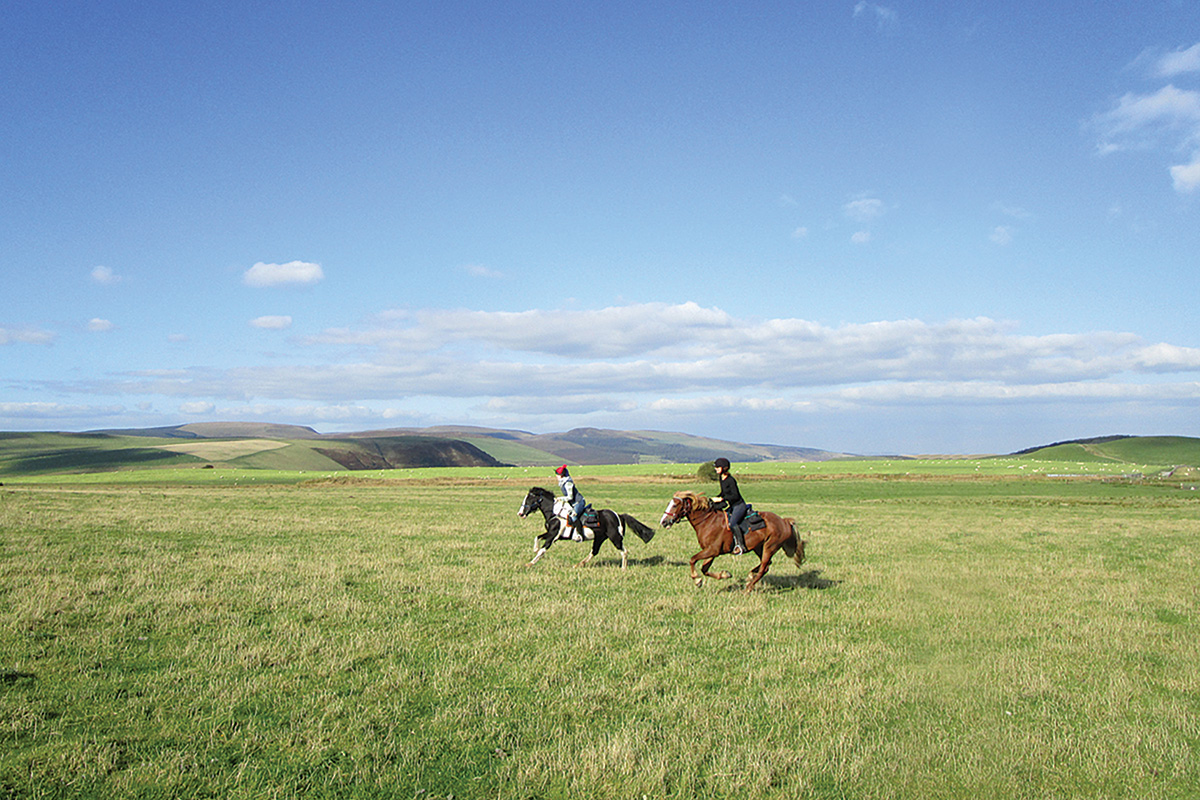
If you’re experienced in riding at all gaits over varied terrain and are confident in taking care of your horse each day, gather a friend (or a few) and head out to explore the vistas of Wales. But this ride is not the usual trail ride with people you don’t know and a guide deciding what you do and when.
Instead, you’re on your own. Each day, you mount up on your horse in the company of people you know. With a trail map tucked in your saddle bag and the day’s itinerary flexible, you can explore the rolling hills, lush landscapes, gurgling streams, and cozy towns that make Wales a perfect place for a holiday on horseback.
Get ready to create an unforgettable experience while you relax and enjoy the freedom as you choose your own adventure.
While some riding experience is helpful (and will make the trip more enjoyable), many horse vacations are accessible to riders of different levels.
As you research locations and trips, look for the riding experience needed. And be honest with yourself. It’s more fun to be on a trip that’s within your abilities than one that is way outside your comfort zone.
6. Kenya
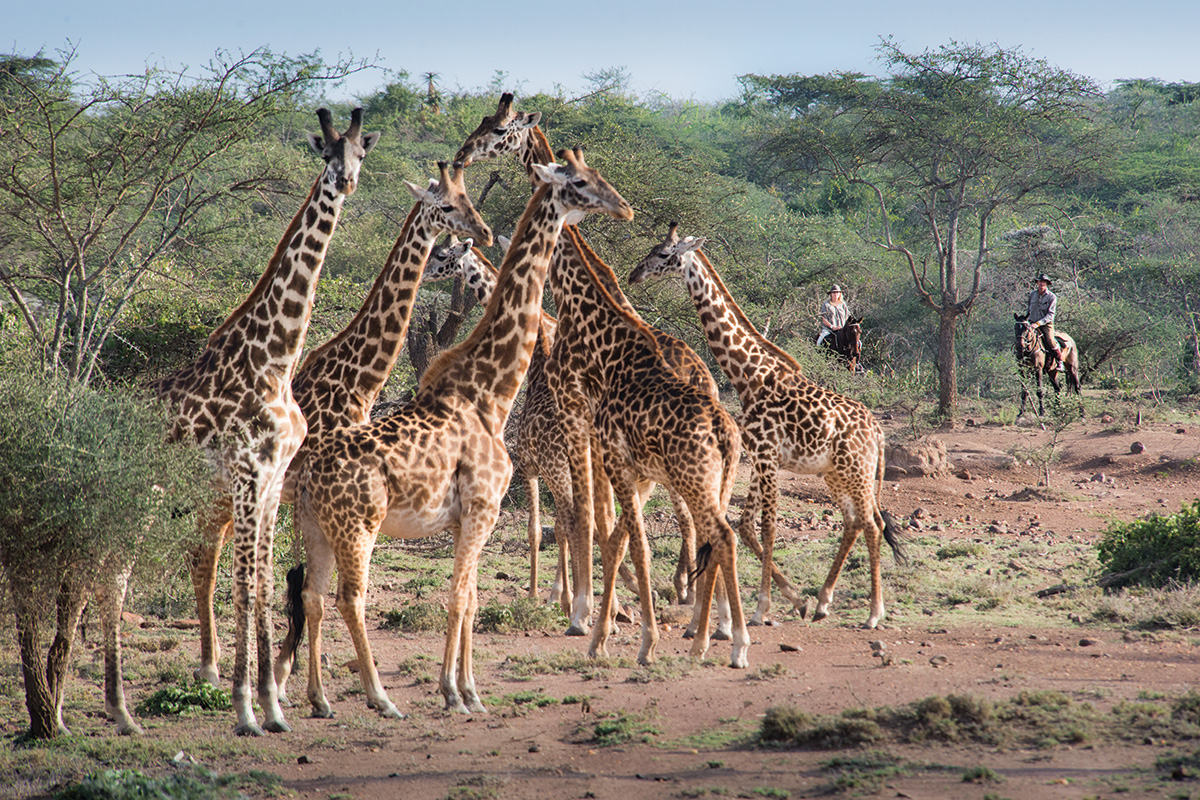
Experience the magic of an African safari from horseback.
Experiencing the wild heart of an African safari is a bucket-list trip for many. Doing it on horseback brings you even closer to nature and the flow of each day on the savannah.
Internationally known riding instructor and author Wendy Murdoch personally hosts horseback safari adventures. Riding each day with the group, she shares her knowledge as the adventure of a lifetime unfolds.
Murdoch works with Safaris Unlimited, which keeps the true safari tradition alive with a mobile tented camp that is packed up and moved by your crew as you ride out each day to observe game. You’ll be transported back to the era of the movie “Out of Africa,” with touches of luxury and gourmet meals, yet still stay close to the land and the vast star-filled sky.
Details for the 2025 trip will be posted on her website in the coming months.
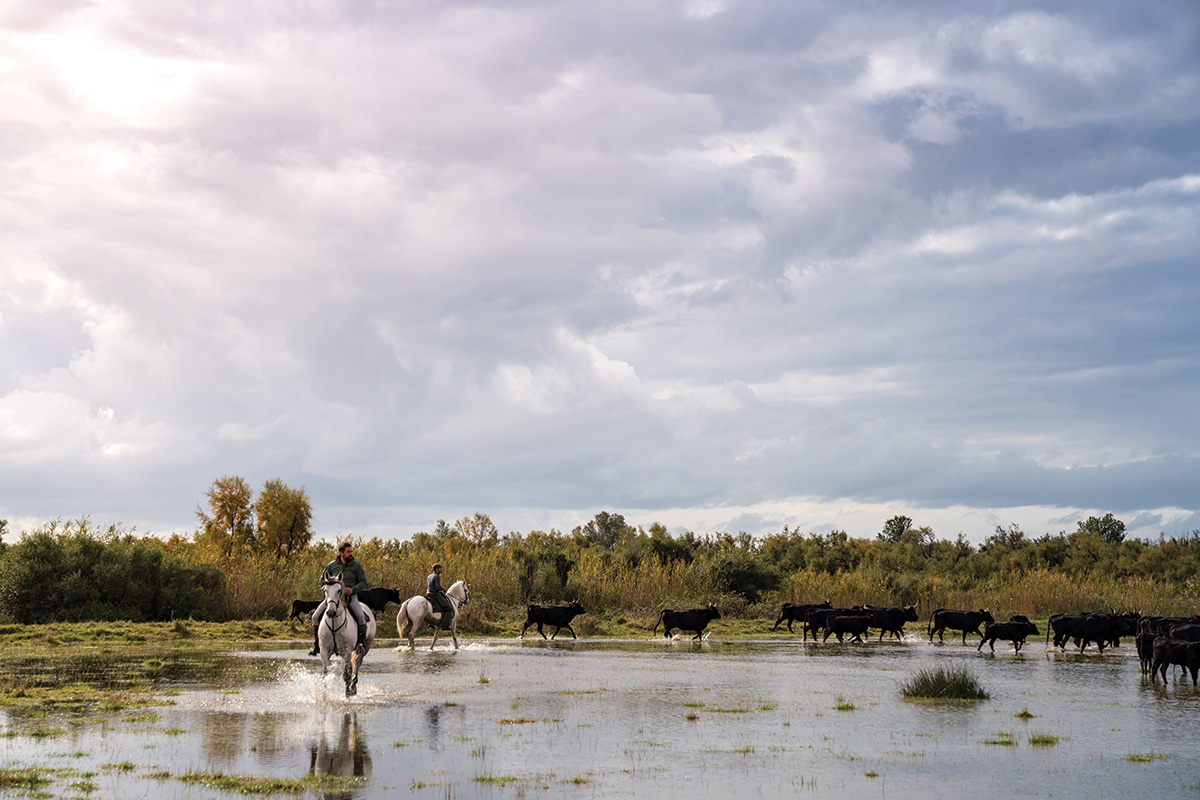
Canter a fabled white Camargue horse through the sea of the French Mediterranean.
Photo courtesy Globetrotting
The Camargue region of southern France is home to a diversity of wildlife. Flamingos thrive in the marshy delta on France’s Mediterranean coast, but the beautiful and historically significant area may be better known for its native white Camargue horses. Believed to date back thousands of years, the hardy Camargues have evolved to thrive in the harsh environment of saline wetlands.
For generations, the area cowboys, known as le gardians, have worked with the silvery, salt-water-loving Camargue horses and still use them today to manage free-range herds of prized black Camargue bulls and cattle. Horses and cattle are often raised together on the same open ranches.
Riding a Camargue horse alongside a knowledgeable gardian is the best way to experience this land of salt and sea and history.
Bring the family and relax at this horse-centric hotel.
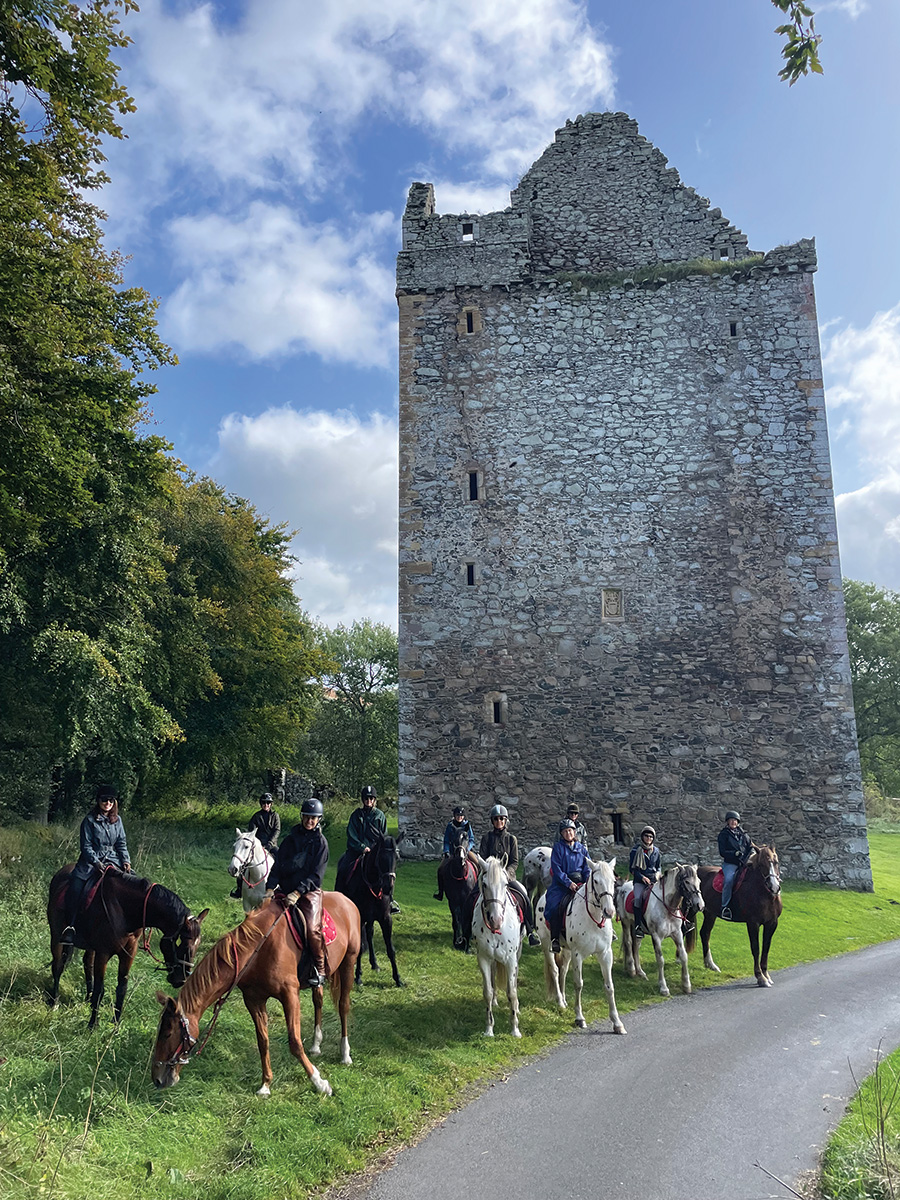
Photo courtesy Scottish Equestrian Hotel
No horse holiday wish list is complete without a ride through the vibrant green hills of the UK. But what if you want to bring the family and not worry about the little ones having fun, too?
Never fear, the Scottish Equestrian Hotel is here. As one of the UK’s largest riding centers, it offers a variety of riding programs from pony rides for the very young and a Pony Club program, plus lessons for all ages. Adults can head out for the six-day Castles Trail Ride.
It’s also a highly rated B&B that non-riders come to enjoy. With campfires, a pool, volleyball and special kids-only activities, this may be just the place for family reconnection time.
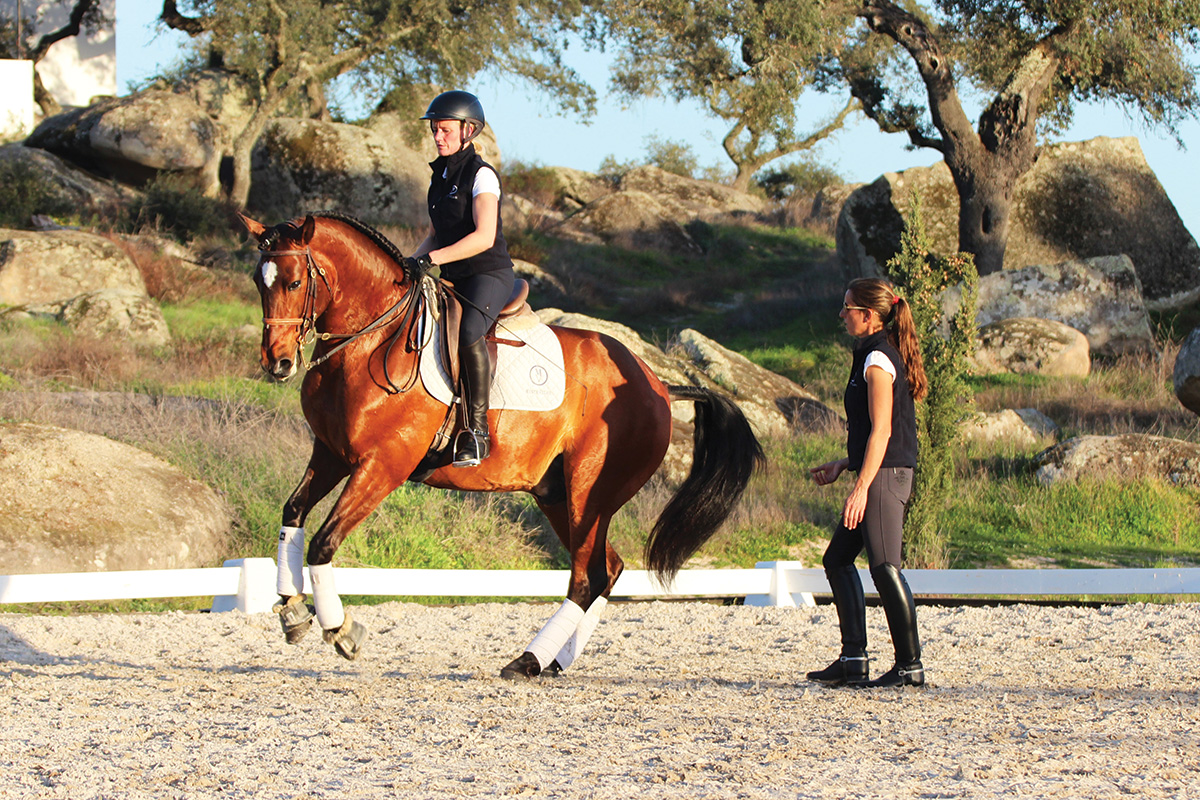
Explore classical dressage with lessons on the country’s treasured Lusitano.
Photo courtesy Equitours
Portugal’s connection with horses started in pre-Roman times and developed into a strong equestrian tradition that has stood the test of time. The legendary Portuguese dressage trainer Nuno Oliveira’s classical teachings continue, and the country’s beautiful and talented Lusitano breed is a Portuguese national treasure.
Many dressage schools and farms offer lessons for all levels of riders on well-trained Lusitanos. Whether you’re just starting as a dressage rider or you want to refine your abilities, a dressage riding holiday in Portugal can help bring you to the next level.
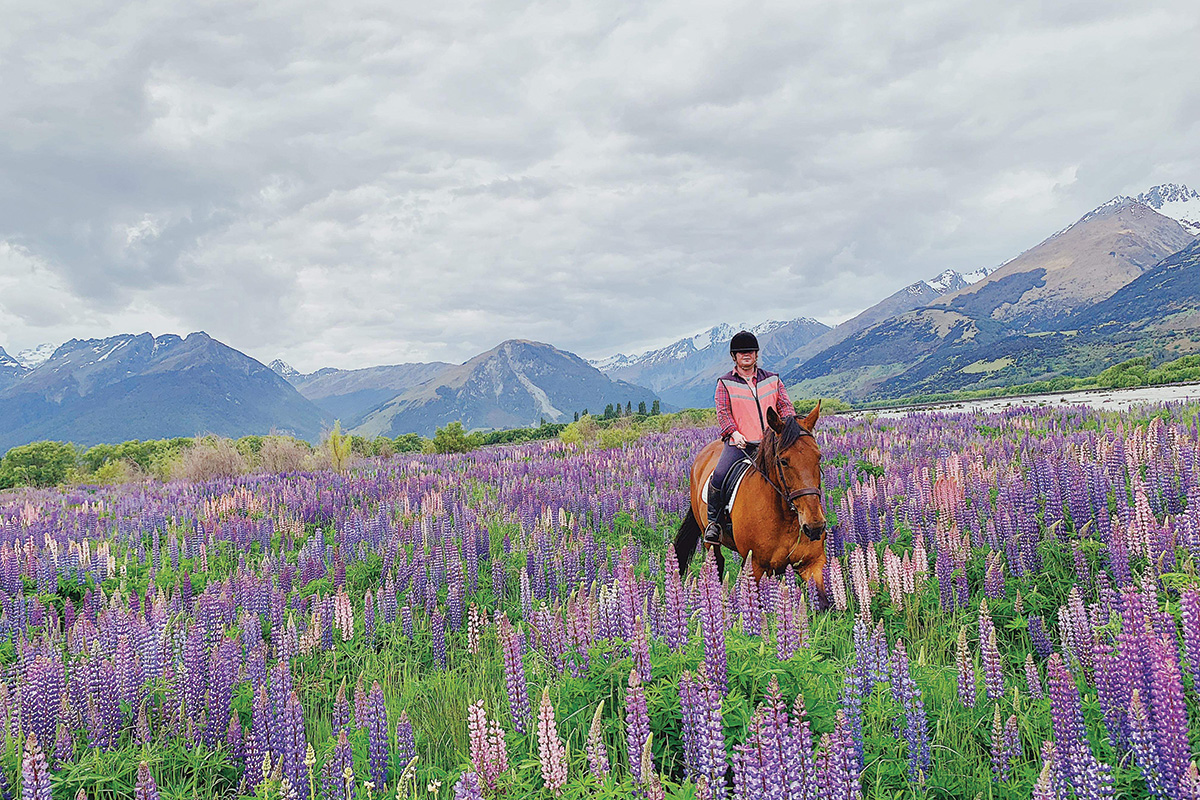
Explore the magic of the “Lord of the Rings” region.
Photo courtesy High Country Horses
If you’ve drooled at the scenery in the “Lord of the Rings” trilogy, it’s time to journey to the land of hobbits and wizards, dwarves and elves. Glenorchy, on the South Island region of Otago, New Zealand, has been the set for LOTR as well as The Hobbit, The Chronicles of Narnia and Taylor Swift’s “Out of The Woods” music video.
While you can find film set tours that take you to a few locations, why not take a journey on horseback through these magical lands? Just like Bilbo Baggins leaving the Shire astride his pony, a grand adventure awaits you.
Horse and animal care can vary in different countries, and often what we call inadequate care can be from unawareness or local custom, not intentional abuse. That said, be sure you’re booking places where the horses are treated well and animal welfare is a priority.
To help the wellbeing of both the horse you ride and the community you’ll be experiencing, take the time to:
Research the websites and reviews of the equine tour companies that interest you.
Look for a commitment to the health and welfare of their horses and sustainable travel practices.
Be aware that day-trip rides or animal services like carriage rides near major tourist attractions can have less stringent care than a more established or privately owned facility.
Now that you’ve read your way around the world, listen quietly. With all these options, what’s calling to your adventurous soul?
Maybe it’s finding the immense quiet of an untouched land; being surrounded by indescribable natural beauty; or perhaps improving your horsemanship or getting away with your friends and family for a relaxed horse-focused holiday.
Whether you choose a single-day ride or a multi-day (or week) adventure, let this list and related ideas get your travel creativity flowing.
Here’s to exploring. To life. To seeing the world the best way: between two pointed ears and with the song of the saddle as your soundtrack.
Your adventure is waiting.
This article about the top 10 international horseback riding destinations appeared in the January/February 2024 issue of Horse Illustrated magazine. Click here to subscribe!
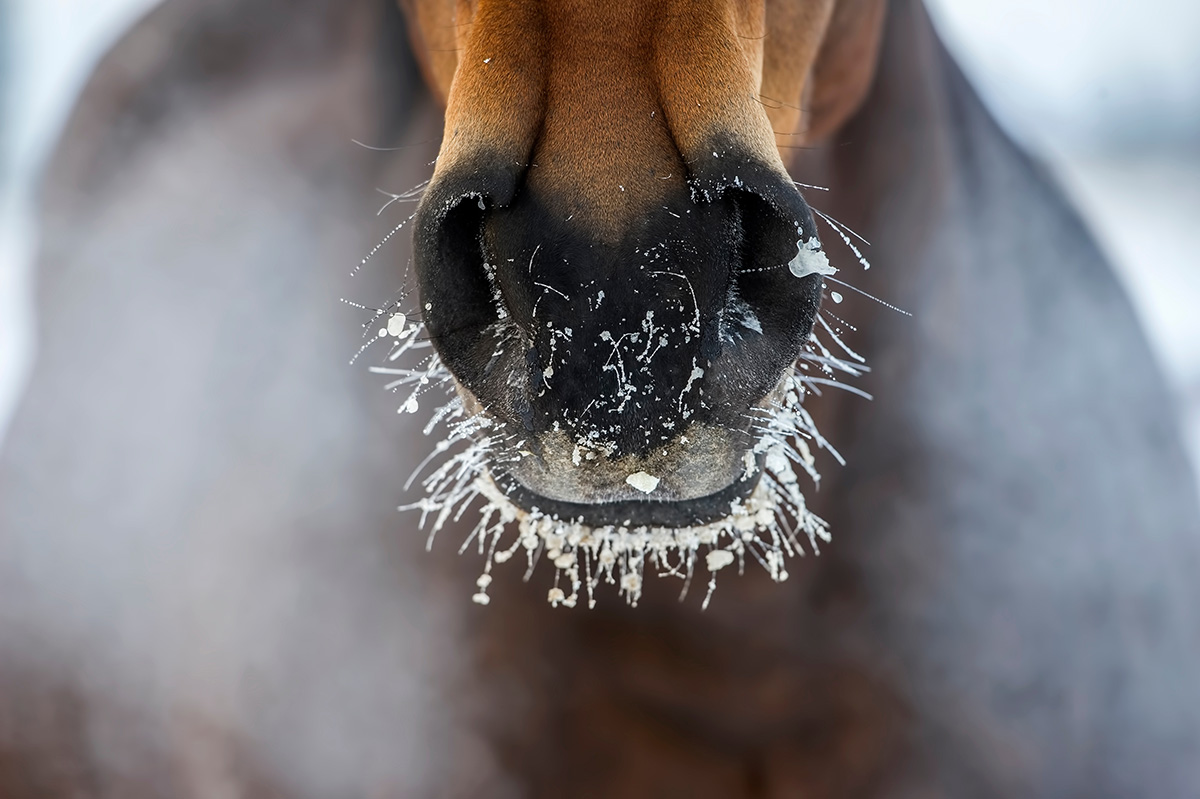
Throughout the winter, horse owners in northern climates often face the unique challenge of keeping their companions well-nourished and comfortable in the elements. Proper winter feeding is crucial to helping horses maintain their body condition, avoid weight loss and stay healthy during the cold winter months.
“There’s a high caloric demand on the horse’s body to stay warm,” says Dr. Abby Geick, an equine veterinarian with New England Equine Medical & Surgical Center in New Hampshire. “Sometimes their previous feeding regime just can’t keep up, and that’s when you start to see some ribs or muscle loss, or they blow their winter coats.”
One of Geick’s go-to solutions is Sentinel Extruded Horse Feed. She says it’s a great option for many horses because of the fat and fiber content, and the extruded nuggets can easily be soaked and made into a mash, if needed. Horses tend to like it, and it takes them longer to eat, which provides additional digestive benefits, she explains.
The Importance of Forage
The foundation of any horse’s diet should always be good-quality forage, which provides the necessary fiber to keep your horse’s digestive system working properly. A typical 1,000-pound horse usually consumes about 20 pounds of hay per day, but in colder weather that amount may rise to 25-30 pounds.
“Fiber digestion is key to keeping a horse warm,” says Dr. Randel Raub, Director of Research and Nutrition for Sentinel Horse Nutrition. “When horses digest fiber, they produce body heat.”
Bran Mash: A Warm Winter Treat
Bran mashes are a good option if you’re trying to increase water intake, especially during the winter. Another great way to increase water intake is to make a mash out of your horse’s regular meal. Sentinel’s extruded formulas can be very easily turned into a mash to ensure a horse gets adequate water without mineral imbalances.
Water and Salt Prevent Dehydration
As temperatures drop, water consumption can decrease, so it’s vital that horses always have access to fresh water that’s not too cold. Offering a trace mineral salt block or supplementing your horse’s feed can encourage water consumption, lowering the risk of health concerns like colic.
“Horses need to drink plenty of water to keep their digestive system running smoothly,” Raub notes. “You should check your horse’s water sources at least twice per day to ensure they’re not frozen, and using an insulated trough and tank heater is a great option to keep water accessible.”
Winter Riding Care
While proper nutrition is the cornerstone of winter horse care, paying attention to other factors, like exercise, shelter, ice and mud management, are also important.
If you ride or work your horse in winter, plan for more care time both before and after rides. Bits should be warmed before you put them in your horse’s mouth. Wait until it’s no longer cold to the touch before asking your horse to accept it.
Horses that sweat during winter rides need to be dried out completely. A thick winter coat can hold moisture for a long time, and drying can take a while. Horses can be dried by rubbing with a towel, feeding hay or keeping the horse under cover and applying a water-wicking cooler. Once the horse is dry, fluff up their hair before turning out, which will aid the insulating effectiveness of their coat.
Shelter Is Integral
Horses also need shelter from the elements. Trees and low places act as a natural wind barrier and can provide some protection from precipitation. A three-sided shelter provides the best protection from winter weather. It’s also important to ensure the shelter offers adequate space for your animals, allowing for their natural behavior and accommodating their hierarchy so that even the lowest horse in the pecking order has access to shelter.
“Mud is inevitable around feeders, waterers and gates, but with enough space, your horse can usually move to drier areas,” Raub says. “To manage this, I recommend using durable rocks that can handle heavy traffic and improve drainage. It’s a simple way to reduce mud and prevent erosion in high-use areas.”
Horses and other livestock can become mired in especially muddy areas. Check your horse’s legs regularly for mud or ice buildup and monitor hooves to ensure they’re free of ice that could cause slipping.
Many horse owners choose to blanket their horses during the winter months. A horse living outside that doesn’t grow a thick winter coat could benefit from this, especially during cold snaps. Also, horses that don’t have access to shelter will appreciate a proper turnout blanket during inclement weather.
Be sure to take your horse’s blankets off regularly during the colder months to monitor body condition. It’s important to physically assess how they’re maintaining their weight.
“Winter care is all about setting your horse up for success,” Geick says. “By adjusting their diet and care to match the season, you’re taking a great first step.”
If you’re unsure if your current feed is meeting your horse’s winter nutritional needs, ask your veterinarian if a Sentinel extruded formula could be right for them.
We use cookies to help personalize content, tailor and measure ads, and provide a safer experience. By navigating the site, you agree to the use of cookies to collect information. Read our Cookie Policy.



 ASPCA Right Horse is the online adoption platform of The Right Horse Initiative, a collection of equine industry and welfare professionals and advocates working together to improve the lives of horses in transition. A program of the ASPCA, their goal is to massively increase horse adoption in the United States. To find more adoptable horses and foster horses, visit www.myrighthorse.org. To learn more about The Right Horse, a program of the ASPCA, visit www.aspcarighthorse.org.