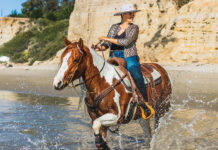
I’m not going to lie … slipping my boots back in the stirrups, gathering the reins, and starting to ride again after so many years away from it was a bit intimidating. OK … more like scary, daunting, overwhelming.
But I’ve never been one to shy away from a challenge. In fact, I find it weirdly empowering to not only step out of my comfort zone, but to jump right off the cliff.
So, as I neared the tender age of 50 (how did that happen?), I realized just how much I missed horses and riding. I missed hanging out in the barn, breathing in the intoxicating scent of leather and hay, and staring into a horse’s dark, intelligent eyes. And I asked myself, “What are you waiting for?”
Getting Back in the Saddle Later in Life
I grew up with horses and ponies. Took lessons as a teenager. Spent all my school vacations and summer days galloping through fields with my friends. I was obsessed with two things: horses and Bon Jovi.
And then my 20s led me to new trails: marriage, building a business, and a busy lifestyle that eventually crowded out any horse opportunities other than an occasional trail ride.
And then, one day last year, it hit me: I love riding! I love horses! I had the circumstances to start seriously riding again. And I knew it would be amazing.
Positive thinking is essential, but reality can’t be ignored. I’m 20 years older, my knees are shot from my lifelong addiction to stilettos, and my right shoulder partially dislocates regularly just for the sheer fun of it.
So, as an adult (AKA “older”) rider returning to the sport, I had a few lessons to learn and concessions to make. And if you’re new to riding or considering returning, perhaps these tips will make the transition smoother.
Do Your Research
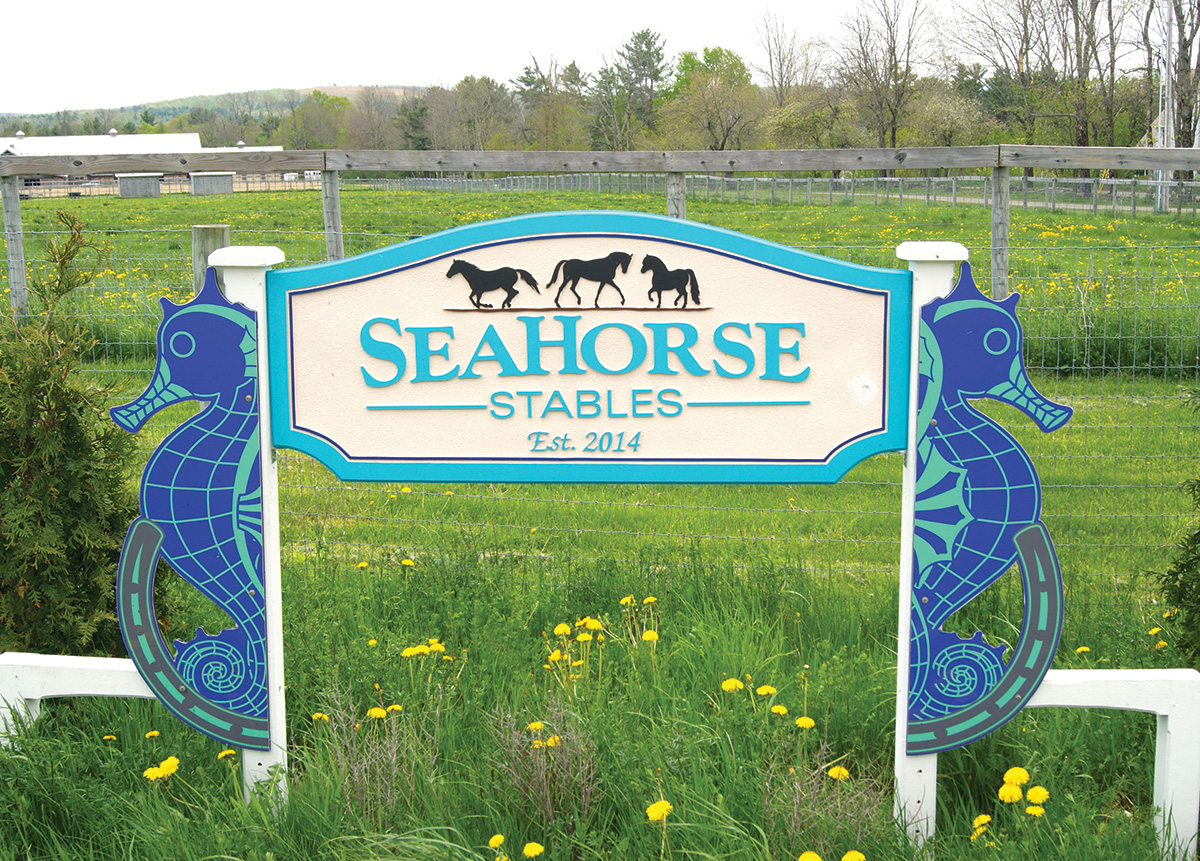
When owner Amy Miller gave me a tour of SeaHorse Stables in Belfast, Maine—a 30-acre hunter/jumper equestrian facility—I was impressed by the family-friendly atmosphere, the huge indoor arena so I could ride year-round safely, the luxury of heated bathrooms and tack rooms (yes, that matters), and the fact that riders of all ages and abilities are welcome.
I wanted a place where I could get the full experience: grooming, tacking up, taking a lesson, and then enjoying time with the horse after. When you feel at home with your barn family and friends, you are in a much better position to relax and focus on enjoying your lessons.
Work with a Trainer
A certified riding instructor has the expertise and experience to teach you how to ride correctly, replace bad habits with good ones, rebuild your confidence, match a horse’s personality to your own, and ensure every lesson is not only fun but also challenging.
Up Your Fitness Level
“It is of the utmost importance that adult amateur riders work on their fitness and symmetry out of the saddle,” says Stephanie Seheult, DPT, who specializes in equestrian fitness at Advanced Physio.
“When a weakness is identified, do targeted exercises and stretches, which will help you improve your position and strength in the saddle,” she continues. “Knee-to-shoulder stretches will help relieve tightness in your posterior hip, and side-lying leg lifts with your heels down will work on the gluteus medius muscle.”
To up my endurance and leg strength, I not only increased my cardio workouts, but added game-changing equestrian-based exercises and stretches to my daily routine.
Embrace Imperfection
Riding will quickly teach you the value of humility. I laugh at my mistakes (my two-point looks more like a six-point!) and refuse to take myself too seriously.
When we ditch striving for perfection, the journey to becoming a better rider is so much more rewarding—and a whole lot more fun.
So I Said Yes
It’s never too late to do something you love. Eighty-year-old Betty Oare finished 8th in the Adult Hunting Championship at the Washington International Horse Show in 2021. Now that’s impressive!
But when my trainer invited me to enter the spring schooling show after just two months of lessons, my first response was, “No. Thanks, but no.”
I mean really … competing in a horse show for the first time ever at my age and less-than-stellar ability? What was she thinking? Wasn’t it too late for me to even consider entering?
Apparently not.
That annoying, competitive, never-say-no-to-a-challenge voice inside my head grew louder: Face down the fear. If you can zipline through the jungles of Costa Rica hanging upside down by your ankles, you can certainly walk and trot on command.
So I said yes.
And was surprised by the level of excitement that began to build in anticipation of the big day. I tackled each lesson with renewed zeal. I rewarded myself with a new show shirt and tan breeches. Most importantly, I smashed down any disquieting thoughts that arose, telling me to leave the show ring to the flawless 14-year-olds with perfect two-point position and ankles that flex like rubber.
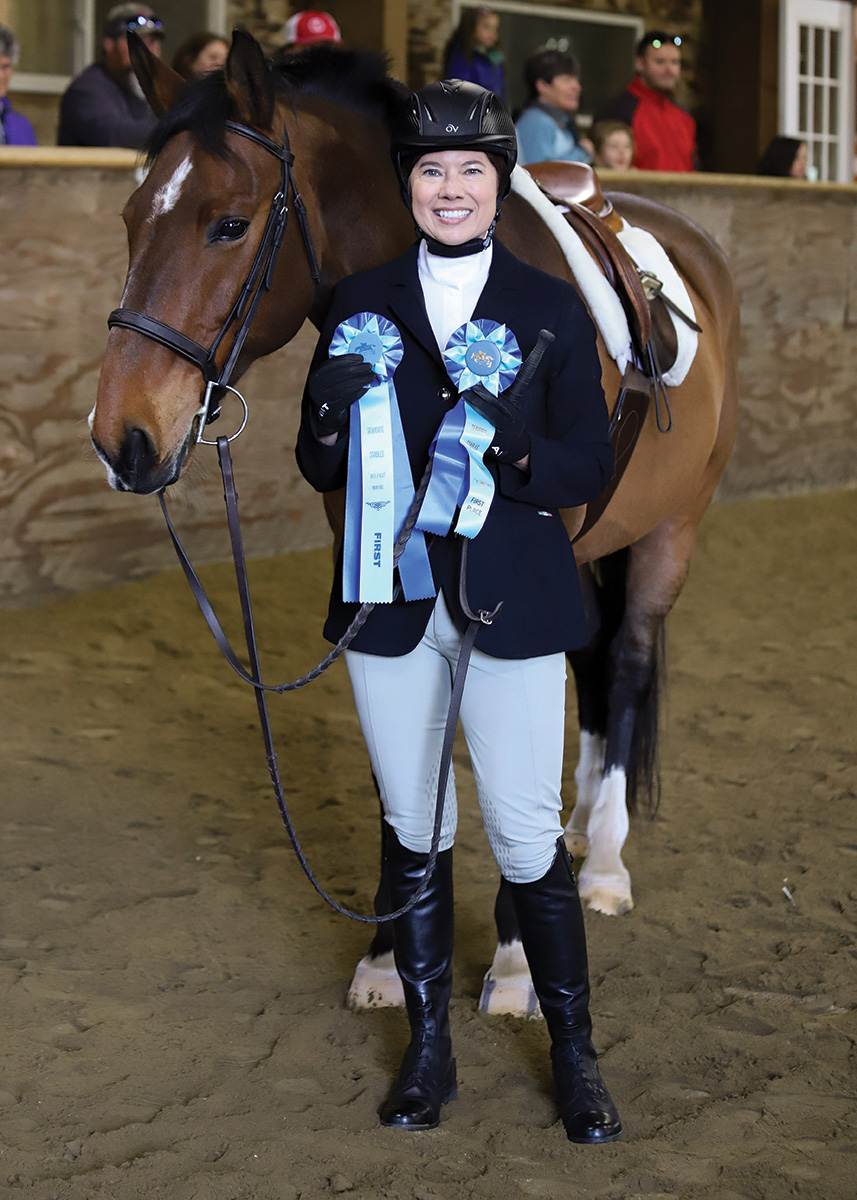
Show day finally arrived. I was riding Jimmy (the most forgiving lesson horse you’ll ever meet) in the first two classes: Adult Equitation Walk/Trot and Adult Pleasure Walk/Trot.
And … we won, both classes! Two blue ribbons! (Full disclosure: only two people competed in my class; my win may not be quite as impressive as you were envisioning.)
I like to think Betty Oare would be proud of me for not galloping away from a challenge just because some people might think you’re too old or it’s too late to try.
I got my first taste of competition. And I liked the flavor. It was a chance to put to the test everything my trainer had been sounding down into my brain, hands, seat, and legs. Will I enter another show? I hope so. Will I keep riding into my 50s, 60s, 70s, and beyond? Most definitely!
Because it’s never too late.
This article about riding later in life appeared in the October 2024 issue of Horse Illustrated magazine. Click here to subscribe!