Enter our 12 Days of Christmas Giveaways here!
0 ITEMS
  • My Account
  • Holiday Gift Guide
  • Podcast
  • Webinar
Subscribe Combo
Enable cache13
Home Blog Page 1042

The Andalusian

0

The Andalusian

Profile:  Hailing from the Iberian Peninsula, the Andalusian takes its name from the Province of Andalucia, where it was most famous. This living antiquity is purported to be an ancient breed; 20,000-year-old cave drawings show a similar type of horse and Homer mentions the horses in the Illiad (1,100 B.C.). During the Moorish invasion in 711 A.D., Andalusians were bred to the invader’s horses, the Spanish Barbs. In Spain, the horses are called Pura Raza Espanola (Pure Spanish Race). The Andalusian is the foundation for the Lippizzaner and many other world breeds, such as the Peruvian Paso. The Andalusian excels in dressage and traditional Spanish equestrian pursuits, such as bull fighting and ranch work.

Characteristics: Because the Andalusian has an uncanny ability to bring his haunches far underneath his body to elevate the forehand, it is highly talented at the upper movements of dressage, such as piaffe, passage and airs-above-the-ground. Elegant and robust, the Andalusian moves with distinctive upright steps in the trot and canter. Height ranges from 15 to 16.2 hands high. The majority of Andalusians are gray; less common, although found, is bay, black, dun and palomino.
For more information: International Andalusian Lusitano Horse Association, www.ialha.org
The Dales Pony

0

Dales Pony History

The Dales Pony originated in the dales of northeast England. The Dales Pony was the ultimate farmer’s horse, pulling a plow, a cart, or working under saddle helping to herd sheep. The Dales Pony was valued as a pack pony working in the lead mines carrying the ore to cargo ships.  Welsh Cobs and Clydesdales were used to help better the breed, although Clydesdale features were later bred out.

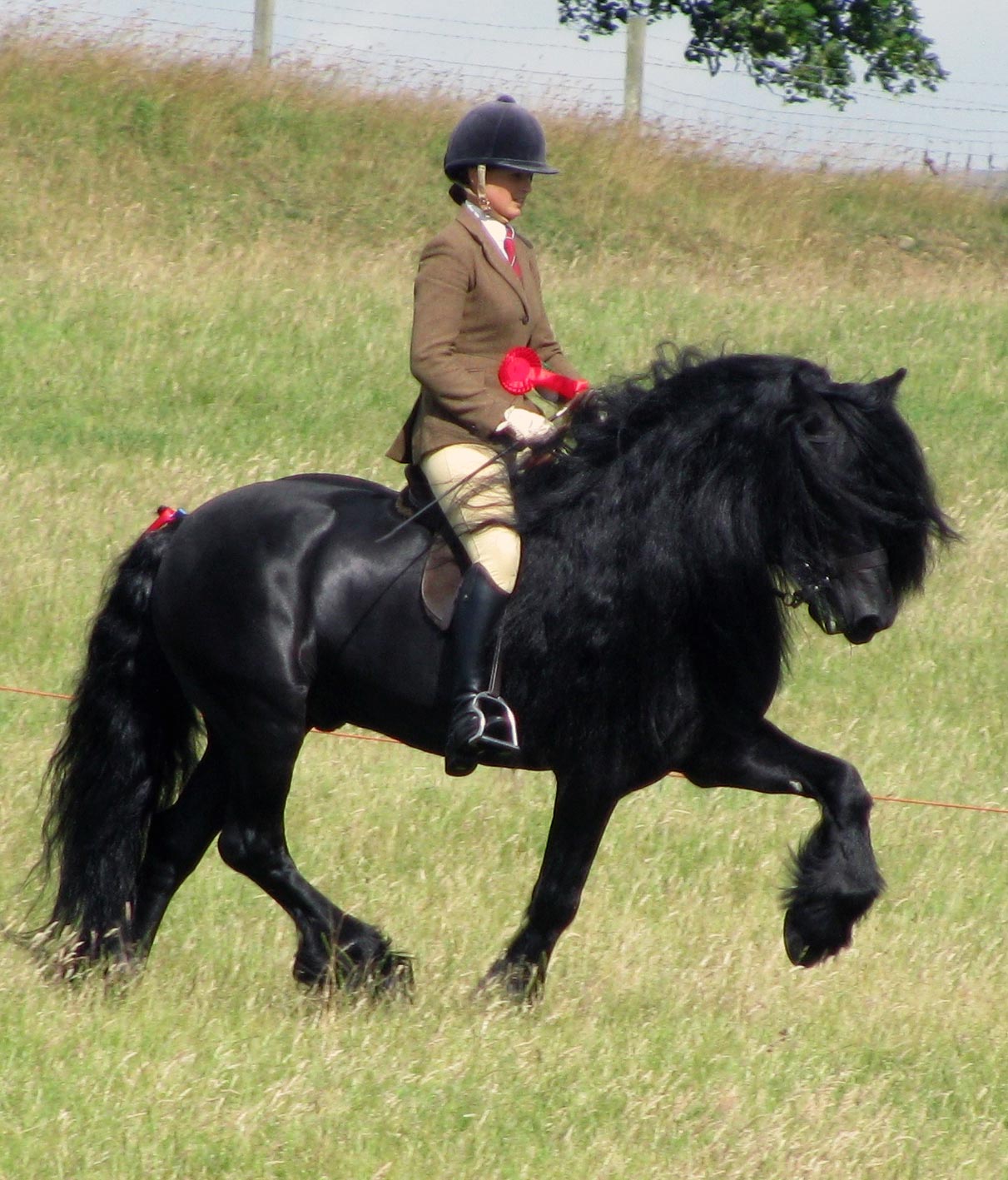
Dales Pony stallion being ridden
Ridden Dales Pony Stallion by Annapennell [CC BY-SA 3.0], from Wikimedia Commons
Known for their super-equine strength, the Dales can carry 220 pounds in weight. The Dales is a speedy pony, trotting an average three-minute mile. Today, the Dales is a versatile pony and is both ridden and driven. Its surefootedness makes it a good mount for trail riding.

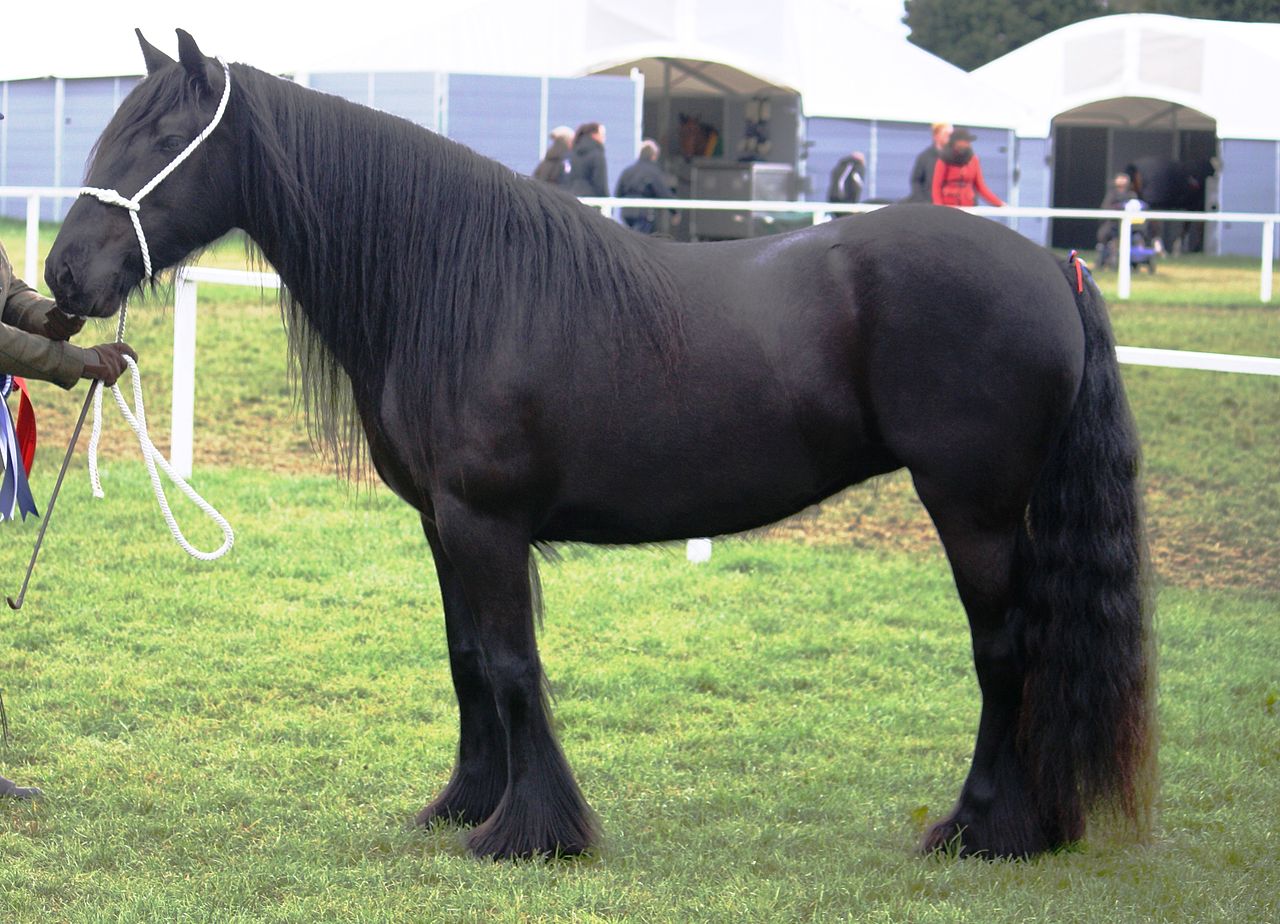
Dales Pony mare shown in-hand
Champion Dales Pony by Annapennell [CC BY-SA 4.0], from Wikimedia Commons

Dales Pony Characteristics

The Dales Pony has hard dark-colored hooves with thickly boned feathered legs. Short-coupled with strong hindquarters and a well-muscled neck, the Dales also sports fine features with wide-set eyes and tiny ears. Average height is 14 to 14.2 hands high. The Dales Pony is usually black, although brown and gray are sometimes seen.

For more information:

Further Reading:

British Isles Ponies: The Dale

Akhal-Teke

0

The Akhal-Teke

Profile: With its unusual, gazelle-like appearance, the Akhal-Teke (Ah-cull Tek-y) is an incredibly distinctive breed. Experts say the Akhal-Teke breed is at least 3,000 years old. The Akhal-Teke may be the last remaining strain of the Turkmene (a horse that has existed since 2400 B.C.). In the Middle Ages (500 to 1500 A.D.), Akhal-Tekes lived with nomadic tribesmen near the Kopet Dag Mountains in Turkmenistan. The nomads treated the horses as part of their families, tethering them near their shelters. In the early 1900s, Russians used Akhal-Tekes as cavalry horses. Today they excel in sport, particularly in racing, show jumping, dressage and endurance racing.

Characteristics: Height: 14.3 to 16 hands. Colors: Bay, gray, black, dun, chestnut and gold. The Akhal-Teke’s coat has a metallic sheen, although some shimmer more than others. The unusually thin, yet flexible neck makes it seem ‘above the bit’ by modern standards, however, this flexibility is considered an asset. The Akhal-Teke developed in a rocky, flat desert so the breed evolved with a long narrow frame, which created a flat, gliding gait.

For more information: Akhal-Teke Association of America www.akhal-teke.org


Appaloosa Horse

0

Appaloosa Horse History

The Spanish introduced horses to Mexico in the 1500s, and spotted horses have been depicted in images as far back as prehistoric cave paintings. However, it wasn’t until the 1700s when horses first reached Northwest America that horses with Appaloosa coloring gained recognition in the United States. The Nez Perce tribe of American Indians helped propel this recognition.

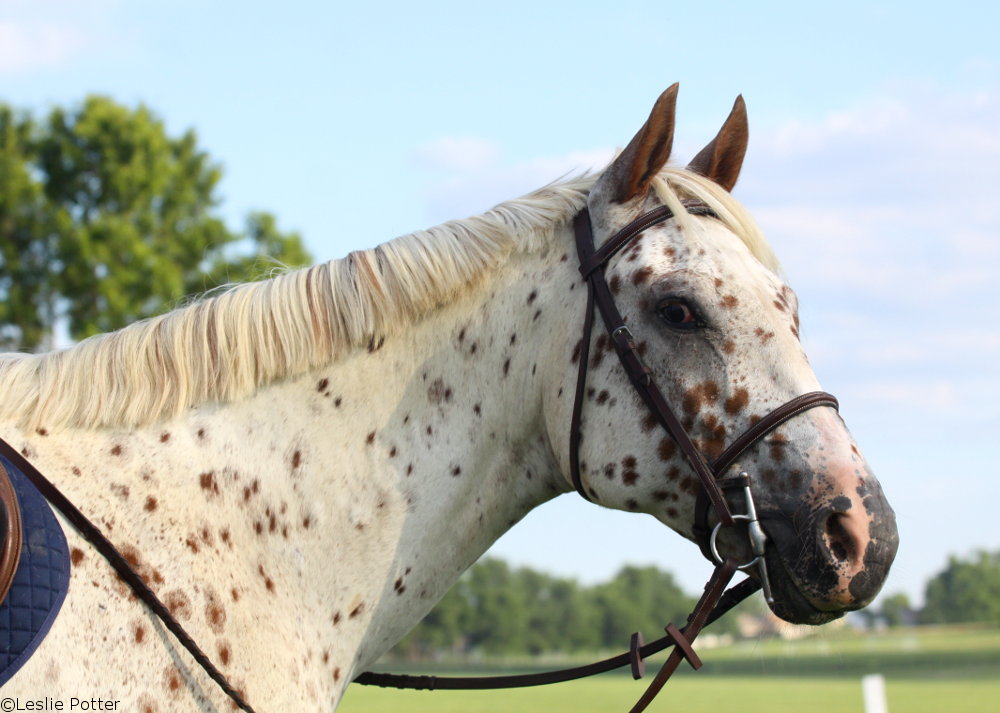
Appaloosa head shot

Originally sedentary fishers, the Nez Perce tribe soon discovered the mobility and power that horses could bring. With their yet-unnamed Appaloosa horses, they soon became notorious for their hunting skills and craftsmanship. In reference to the Palouse River nearby, settlers began referring to the spotted Nez Perce horses as “a Palouse Horse,” later “Palousey,” “Appalousey” and eventually “Appaloosa.”

The Nez Perce war of 1877 resulted in the Appaloosa herds being dispersed throughout the West. The Appaloosa horses’ flashy coats soon caught the eye of the public, and they grew in popularity. The Appaloosa Horse Club was chartered in 1938 to preserve and improve the Appaloosa breed. In 1975, the Appaloosa horse was officially named the Idaho state horse. Today, Appaloosas can be found at gaming events, horse shows and on the trail.

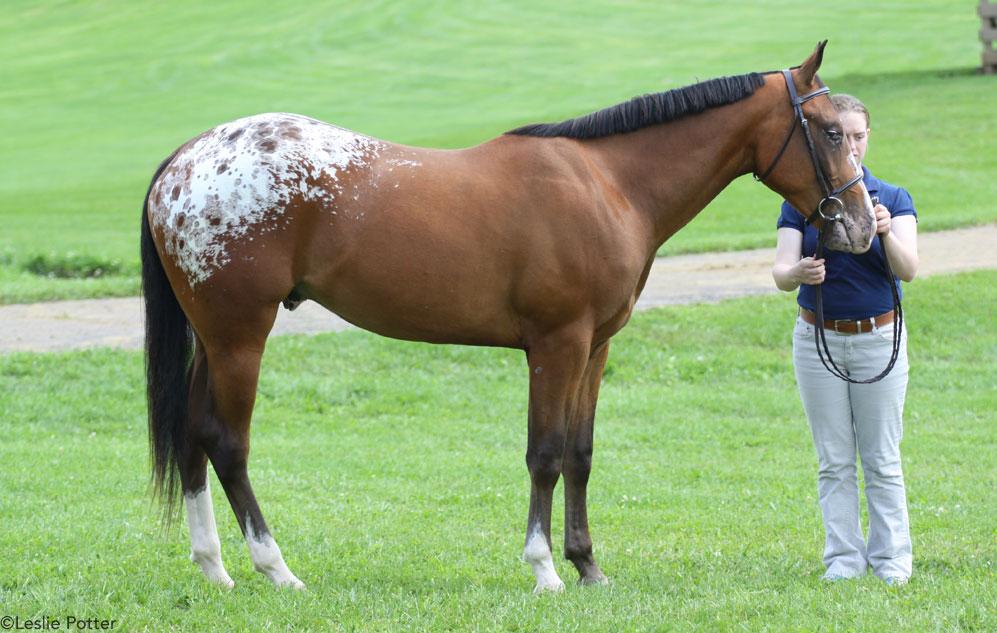
Appaloosa horse at a horse show

Appaloosa Characteristics:

Appaloosa horses are known for four identifiable characteristics: coat pattern, mottled skin, white sclera and striped hooves. With coat patterns, countless numbers of color and pattern combinations exist.

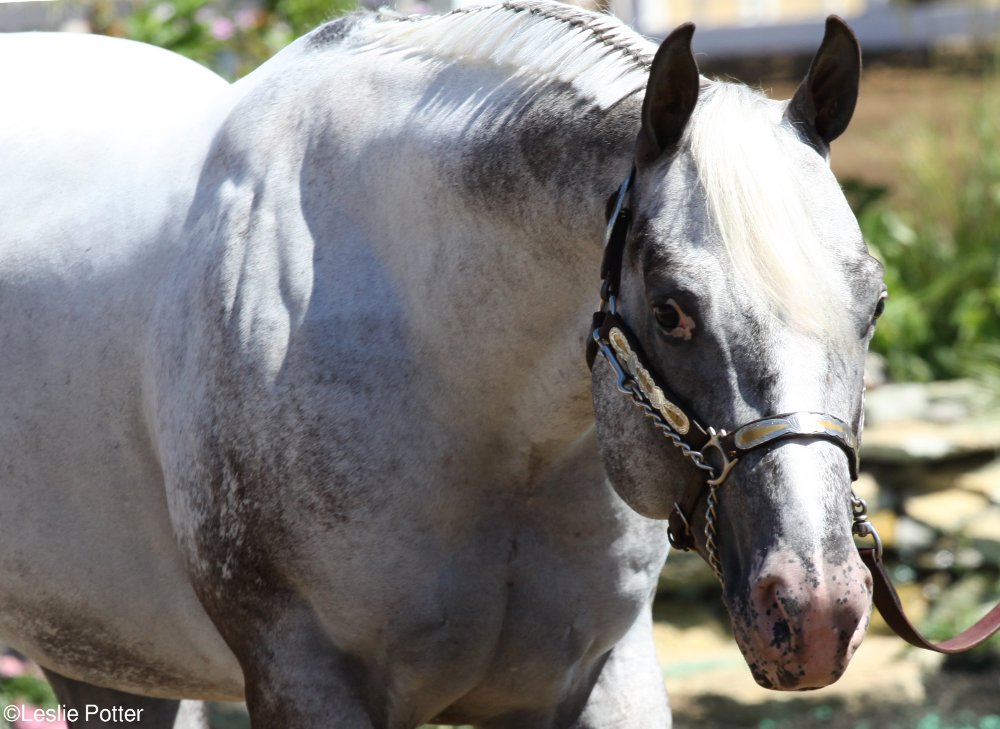
Base coat colors include bay, brown, black, buckskin, grulla, dun, palomino, cremello/perlino, chestnut, bay roan, blue roan and red roan. Appaloosa coat patterns include leopard, snowflake, blanket, marbleized and frost. Appaloosas range from 14.2 to 16 hands high.

Appaloosa Halter Horse

For more information:

Further Reading:

The Appendix Quarter Horse

0

The Appendix Quarter Horse

Profile:

Until the 1940s the American Quarter Horse existed as a type rather than a breed, but in 1940 a group of breeders discussed the idea of forming an association. However, there was disagreement about what constituted a Quarter Horse. Many types existed and some horses had a lot of Thoroughbred blood, while others did not. One solution was to grade the horse types as A, B, C or D. Although never implemented, the Appendix Quarter Horse registry rose from this idea. The C type horse is now an Appendix. This describes a horse with a Thoroughbred sire or dam bred to a Quarter Horse dam or sire.

Characteristics:

The influx of Thoroughbred blood helped the Quarter Horse evolve from the heavily muscled, shorter bulldog horse of the 1930s and 40s. The Thoroughbred added size, refinement and withers, which is important for saddle fitting. The Appendix Quarter Horse continues to mix the unique aspects of the Thoroughbred with the Quarter Horse.

For more information:
The American Appendix Horse Association www.americanappendix.com; American Quarter Horse Association www.aqha.com

Arabian Horse

0

History of the Arabian Horse:

Theorized to be the oldest breed in the world, Arabians were constant companions of the first documented breeders of the Arabian horse, the Bedouin people–nomadic tribesmen of Arabia who relied on the horse for survival. High religious significance in addition to harsh climates often led the nomads to share food, water and sometimes even their tents with their horses. For many of these reasons, the Arabian horse thrived in near isolation and are known for their sociable personalities.

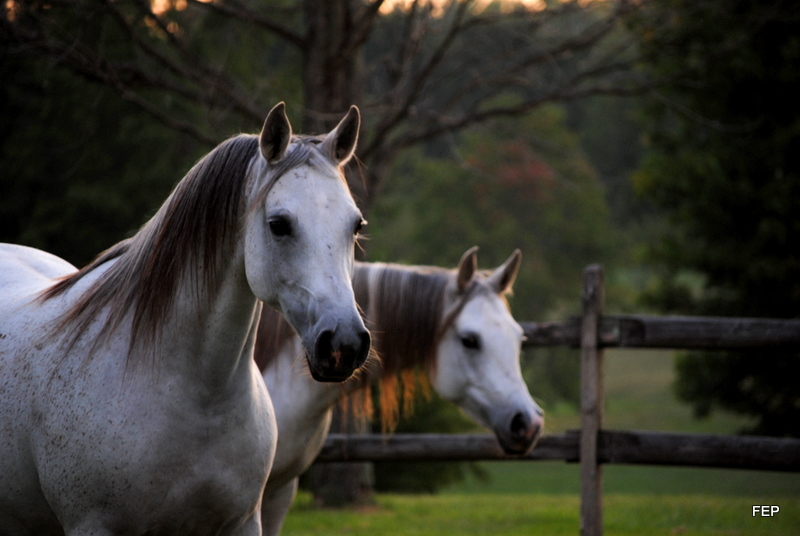
Arabian Horses

As religious wars erupted, the Arabian horse made its way into Europe and other parts of the world. European crusaders crossed the lighter Arabian Horse with their heavier breeds, influencing nearly every modern breed today.

In 1725, Nathan Harrison of Virginia was the first of many to import the Arabian horse to North America. In 1908, a national registry was recognized for the Arabian Horse.

Today, more Arabian horses live in the United States than in all the other countries in the world combined. Arabians are famed for their stamina, and although they can be found in many disciplines, they rule the long-distance sport of endurance.

Arabian Horse Characteristics:

The Arabian horse has a distinctive dished profile. They have giant, wide-set eyes on a broad forehead, small, curved ears, and large and efficient nostrils. Arabians are also  known for their arched necks and short backs. They stand 14 to 15.3 hands high and can be found in the following colors: chestnuts, bay, gray, black and roan.

For more information:

Arabian Horse Association, https://www.arabianhorses.org

Further Reading
A Brief History of the Arabian Horse
Discover the Arabian Horse

Barb

0

Barb

Profile:

The Barb is an ancient breed that was established in the Fertile Crescent of Middle Asia. The fast and agile Barb was a favored mount for the Berbers. In fact, the animal draws its name from this group of “barbarous” people. The Barb was originally a prized warhorse, which explains its worldwide distribution. As the Berbers conquered new lands, the horses left behind were bred with native stock. Barbs were most plentiful along the coast of Africa and the Moors used them to invade Spain. The horses were later taken by the Conquistadors to the New World and “liberated” by American Indians. Blood of the Barb flows through the veins of many breeds, including the Thoroughbred, American Quarter Horse, Standardbred and Mustang. Few original Barbs remain in the world; most were gathered from the wild in the United States by Barb Horse Registry founder Richard Painter in the 1950’s to recreate the original type.

Characteristics:

The Barb is a stocky, yet expressive horse standing 13.2hh to 15hh and is found in many colors, including dun and palomino. The Barb has fewer lumbar vertebrae than other horses and sixteen or seventeen rather than eighteen ribs.

For more information:
International Society for the Preservation of the Barb Horse & Barb Horse Registry, www.originalhorses.org

Belgian Draft Horse Breed Profile

0

The Belgian

Profile:

The Belgian draft horse was developed in the fertile pastures of Belgium. It was also there that the forefather of all draft horses was first bred—a heavy black horse used as knights’ mounts called the Flemish. The Belgian draft horse developed from this horse and carries many characteristics of the Flemish even today. The Belgian was primarily used for farm work but also in cities to work alongside other draft breeds in warehouses, freight stations and fishing wharfs. In 1866, the first Belgian arrived on American soil. In 1885 men in Wabash, Ind., started a business importing Belgian stallions and selling them to horse breeders throughout the Midwest. Today, the horses are used for hobby and historical farming, forestry work and pleasure driving.

Characteristics:

The Belgian is instantly recognized by its sorrel color, usually with a white mane and tail, white face markings and four white socks or stockings. Roan is also seen as well as the occasional throwback bay. The Belgian stands from 16 to 18 hands and can pull a wagonload of 6,000 to 8,000 pounds and work eight to 10 hours a day.

For more information:
The Belgian Draft Horse Corporation of America, www.belgiancorp.com

Budenny

0

Budenny

Profile:
The Russian Budenny (bood-yo-nee) was created to replace the mass equine casualties of World War I and the Russian Revolution, and to breed a horse that a Soviet officer would be proud to ride. The top cavalry riders were the Cossacks who rode the native Don. The new horse had to have the Don’s attributes yet be taller and possess beautiful movement and stamina. Thoroughbreds were crossed with Dons to create the Budenny. Today, the Budenny excels in show jumping, dressage and eventing. Because of restrictions during the rise of the Soviet Union, the breed is not common worldwide and only a few exist in the United States.

Characteristics:
The Budenny stands 15 to 16 hands and is found in various shades of chestnut with some white markings. Careful breeding of the Don and the Thoroughbred created a horse with large bone and muscle, and agile and flowing movement. The Budenny looks like a sturdier Thoroughbred with the same long neck, slender yet strong legs and pretty head.  The Budenny is also spelled Budonny and Budennovsky. The Russian spelling is Budennovskaia.  Although no breed association represents the Budenny, the All-Russian Scientific Research Institute of the Horse (VNIIK) based near Moscow oversees the breed and manages the studbook.

Camargue

0

Camargue Horse History

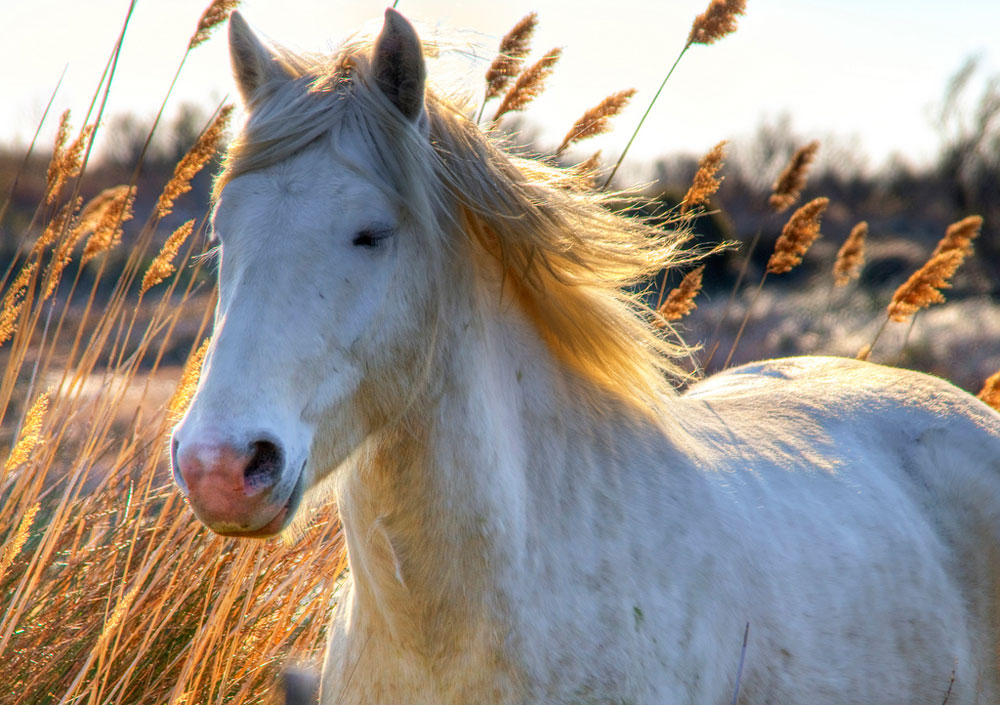
The Camargue originated in the marshy plains of the Rhone delta in the South of France. It has existed since prehistoric times. Although the breed has largely developed through natural selection, over the years, soldiers passing through the area bred their own mounts to the Camargue resulting in improved horses all-around.

Camargue horse
Camargue horse by Wolfgang Staudt on flickr/CC BY 2.0

The Camargue horses still run wild in the marshes and are overseen by the Biological Research Station of la Tour du Valat. Horses are rounded up each year and some stallions are gelded. The Carmargue Regional Park protects horses.

Traditionally, Carmargues are ridden by the local cowboys who look after the feral bulls in the area, which are used for bullfighting. The horses are also used for endurance racing and English sports, such as dressage.

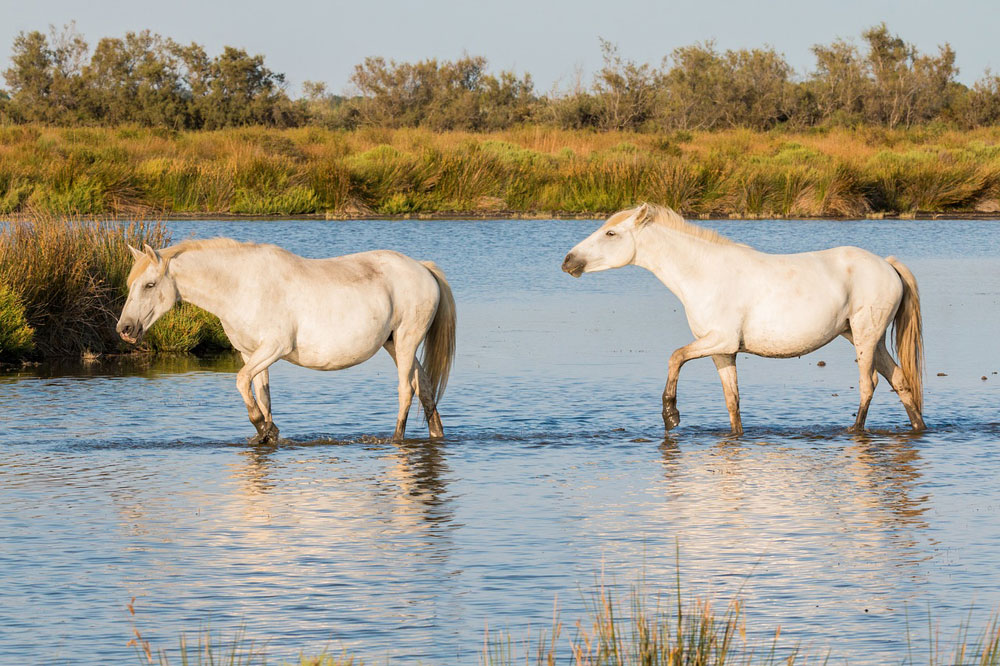
Two Camargue Horses in the water

Camargue Horse Characteristics

The Camargue has evolved into a uniform horse and one looks similar to the next; very stocky with stout legs, hooves and haunches.

The horses have primitive features with heavy manes and tails and large square heads with eyes flush to the skull. All are born dark and fade to light gray as they age.

Horses stand from 13 to 14 hands high.

Further Reading

0FansLike
0SubscribersSubscribe
We use cookies to help personalize content, tailor and measure ads, and provide a safer experience. By navigating the site, you agree to the use of cookies to collect information. Read our Cookie Policy.
OK