Welcome to Horse Illustrated’s weekly installment of the My Right Horse Adoptable Horse of the Week, offered in partnership with The Right Horse. Levi is this week’s adoptable horse. Check back weekly for a new featured horse so you can find your #righthorse.
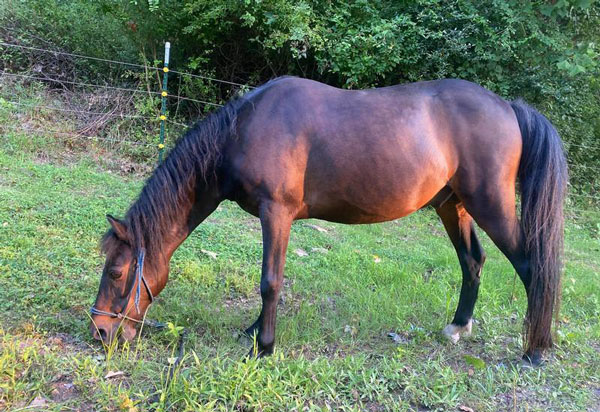
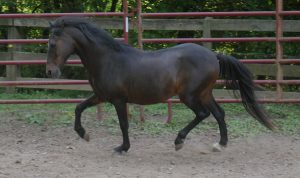
Looking for a pony with a little pizzazz? Levi is an intelligent Hackney Pony with endless potential. He moves beautifully, picks up on lessons very quickly, and is a sponge just waiting to soak up any information someone will share with him. Levi came to the West Virginia Horse Network as a stallion. He has since been castrated and is learning how to be a gentleman. He now leads on a loose line, is doing fantastic with groundwork, and will be learning to wear a saddle in the near future. Staff recently tested him on driving, and he seems to have a knack for it. They are continuing to work with him on that. The trainer working with him right now loves horses who are “thinkers,” and this little guy is a favorite of hers. Could he be your #righthorse?
My Right Horse is the online adoption platform of The Right Horse Initiative, a collection of equine industry and welfare professionals and advocates working together to improve the lives of horses in transition. A program of the ASPCA, their goal is to massively increase horse adoption in the United States. To find more adoptable horses and foster horses, visit www.myrighthorse.org. To learn more about The Right Horse, a program of the ASPCA, visit www.therighthorse.org.
British Olympic gold medalist Carl Hester rides Nip Tuck with such steadiness and elasticity that you can sense the connection from the horse’s mouth right up to the rider’s elbow joints. Photo by Jennifer O. Bryant
Many equestrian disciplines require the horse to go on a loose rein, at least part of the time. But in dressage, there is a constant connection between the horse’s mouth and the rider’s hand, called contact.
Developing and maintaining correct contact can be one of the most difficult skills for dressage riders to learn. For a crash course, read on.
What Contact Isn’t
There are several common misconceptions about contact. Understanding what contact isn’t is almost as important as learning what it is. Contact is not:
◆ Pulling back or hanging on the reins, especially in an attempt to force a horse’s head and neck into a “frame.”
◆ Weightlessness in the hand. Although the horse is not supposed to lean on the rider’s hand as if it were a fifth leg, an empty rein is not the goal either. A dressage horse is supposed to become less dependent on the rein as he progresses through the levels, but contact is still present. “Lightness” is not necessarily correct!
◆ Manufactured by the rider. Yes, your reins have to be short enough for contact to happen, but it happens as a result of the horse’s forward energy. In other words, contact starts with the horse.
What Contact Is
So what is contact, then? Here’s the United States Dressage Federation (USDF) definition: The energy generated in the hindquarters by the driving aids must flow through the whole body of the horse and is received in the rider’s hands. The contact to the bit must be elastic and adjustable, creating fluent interaction between horse and rider with appropriate changes in the horse’s outline.
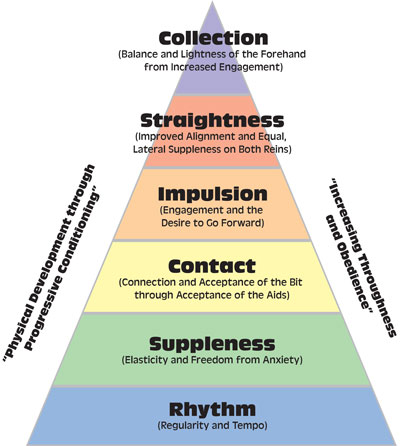
Contact is an element of the pyramid of dressage training, which depicts the classical dressage-training progression. The pyramid further explains that contact encompasses connection and acceptance of the bit through acceptance of the aids.
There is an old saying in dressage: Ride your horse “back to front” (from his hindquarters to the bit, or from your leg and seat into your hand), not “front to back.” That’s what the USDF definition and the pyramid language are getting at.
The dressage pyramid of training starts with rhythm as the most basic element. Training is actually an interplay of all of these qualities, but the levels of the pyramid suggest their progression. Note that contact is considered fairly fundamental. Photo used with permission from the United States Dressage Federation, www.usdf.org
Balance and Rebalance
There is no single training exercise that—presto!—will produce correct contact. But if I had to pick one thing to do (besides longe lessons, which teach the rider how to sit the horse’s gaits without using the reins for balance), it would be transitions, which develop your horse’s balance and his correct response to your forward-driving aids (your leg and seat).
Transitions between or within gaits teach your horse how to compress and lengthen his stride—to use himself like an accordion or to become adjustable. Walk-halt-walk. Walk-trot-walk. Trot-canter-trot. Walk-canter-walk. Or bigger trot-smaller trot-bigger trot. Smaller canter-bigger canter-smaller canter.
It’s easier to keep your horse balanced on curved lines, so practice transitions on a 20-meter circle before you try them on a straight line. Eventually, you’ll rebalance your horse by riding frequent micro-transitions—split-second, nearly invisible sequences in which you close your hand/give with the hand/use your leg to refresh the energy—known as half-halts.
What You Feel
As you progress in dressage, you’ll become more aware of your horse’s balance—which corresponds to how he feels in your hand. Is there dead weight in the reins pulling down and leaning on the bit? Try riding a transition that will shift weight off his forehand, followed by more energy from behind.
Do you have “empty reins” and you can’t see the bridle crownpiece when you glance down? Your horse may have curled his neck and is “hiding” behind the bit instead of reaching into the contact. This can be a tough habit to correct and may require a milder bit, help from an experienced trainer, or both.
A horse that snatches at the reins, pokes his nose up and out (goes “above the bit”), opens his mouth, sticks his tongue out of his mouth or over the bit, or exhibits other unwanted behaviors when asked to step forward into an elastic contact may be telling you that something hurts, that he feels trapped by your hand, or that he hasn’t been trained to accept the aids. A physical exam by your veterinarian is always a good first move, followed by a check of how well the tack fits, especially when it comes to the bit and bridle.
Once physical problems or discomfort have been ruled out, prepare for a slow, patient retraining process if you suspect that contact issues are the result of previous bad riding that caused pain in the mouth or general distrust of the rider’s hands.
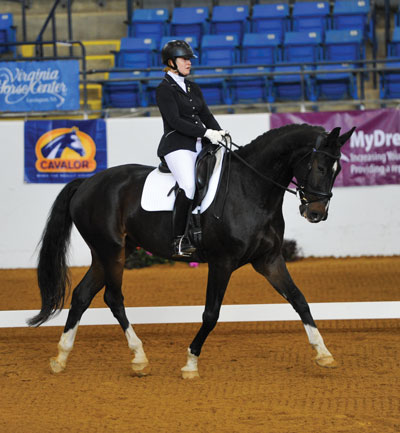
Here I am riding a medium trot at Second Level, in what appears to be an elastic and non-restrictive contact. My horse is stepping forward into the contact; it’s not being achieved by pulling back on the reins. Photo by PicsofYou.com
When the Reins “Come Alive”
Correct contact is described as elastic because the reins actually feel as if they’ve turned into nice big bungee cords, singing with energy and with an ideal amount of tension—neither taut nor slack.
Some people liken the feel to that of a firm-but-friendly handshake. Another analogy is the “alive” feeling of having a medium-sized fish on a line—which would feel different than a teensy goldfish that weighs next to nothing or a monster that’s threatening to pull you out of the boat.
Dressage is a conversation between horse and rider. When you start to sense that “alive” feeling in the reins, you’ll take your communication to a whole new level. n HI
Horses are some of the most majestic animals on this planet—and if you don’t believe us, just take a moment to watch one running in a field. Their movements are so graceful, so powerful, it’s no surprise that these animals have captured the hearts of equestrians for thousands of years. And as a horse owner, you want to give your horses the space, freedom, and comfort that such an amazing animal deserves. However, you also want to keep them safe, which is why it’s important to properly secure any paddock or pasture. But how do you know which fencing is best for your horses?
Start by considering the temperament of your horses (e.g., skittish vs. docile), the surroundings where the enclosure will be (close quarters vs. open roaming spaces) and whether or not intruders are a major concern. How you keep them safe, secure and happy matters. So, let’s look at the features of various fence types to determine which one is best for your property.
Types of Horse Fencing
Before you can decide on the type of horse fencing to use, you need to know a little about the types of fencing available to you. Here are some of the most common types of horse fencing you’ll find today.
Woven Wire Fencing
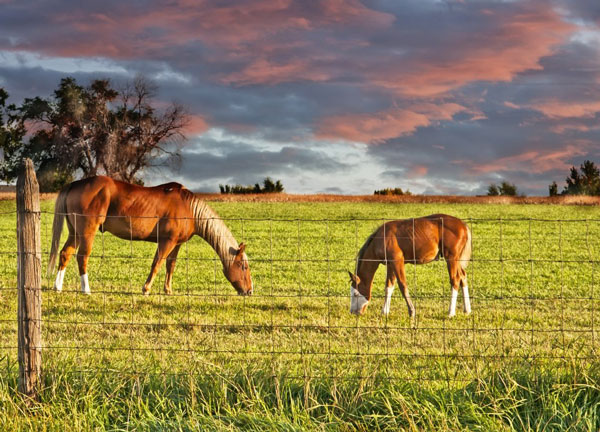
Woven wire fencing, or mesh, is among the most common and preferred horse fence applications today. This is likely because of the many benefits that woven fencing offers: it’s more durable than other options (and therefore more likely to withstand a horse running into it), it’s very affordable, and it’s easy to maintain.
It’s hard to go wrong with woven wire horse fencing. In fact, most veterinarians consider woven wire the safest fencing material for horses. The ‘v-mesh’ style fence weaves wires together in a continuous pattern so there are no loose ends that could cut a horses’ hide. The knotted ‘no climb’ version ‘ties’ the horizontal and vertical wire together with steel knots to provide a tight mesh that won’t slip and prevents horses from climbing up the fence. Both styles flex under pressure, which means horses who like to lean on the fence (or charge it from time to time) can do so without injury or damage to the fence.
Electric Fencing
Let’s say that you have a horse who is a little restless. Maybe he stubbornly tries to break down your fence every day, or maybe he chews on the fence line out of habit. You can change that behavior quickly and easily—all you have to do is install an electric fence.
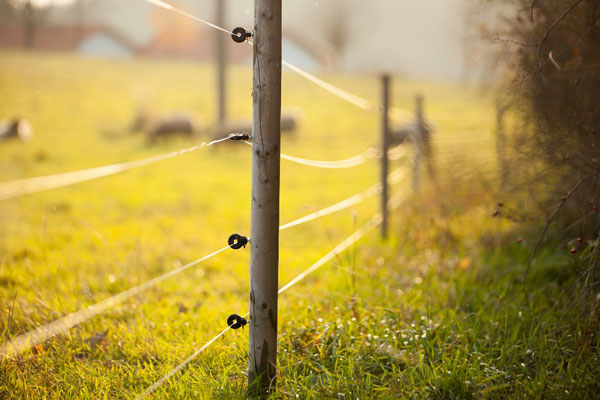
Electric fences are easy to install and maintain, but more importantly, they are a very effective physical and psychological barrier for your horses. The electric shock they’ll feel from touching the fence isn’t severe enough to cause damage, but it is strong enough to keep your horses at a safe distance from the edge of their pasture.
Pipe Fencing
Steel pipe fencing has been growing in popularity among horse owners in recent years. This type of fencing is durable, long lasting, and can be effective around your paddock or pasture. Additionally, pipe fencing requires little maintenance, which makes it a great choice for busy horse owners who want to make their workload more efficient.
Of course, there is one potential drawback to a pipe fence: the hard steel material could severely injure a charging horse. However, most equestrians with pipe fencing state that, because this type of fence is very easy to see, their horses rarely run into the fence line.
Post and Rail
The wooden post and rail fence is what most people imagine when they think about traditional horse fencing. It’s the kind you see at training or boarding facilities (not to mention every movie that’s ever included a horse-riding scene). Therefore, it shouldn’t be a surprise that many horse owners want to have this type of fencing on their property.
While you may enjoy the idyllic look of post and rail fences, keep in mind that they are expensive to build and require significant upkeep. Repairs and maintenance can add up, both in time and money.
PVC Fencing
Let’s say you want the look of a post and rail fence, but you don’t want to deal with maintaining it. There is an alternative: PVC fencing. Vinyl and PVC fences have the same crisp and clean look of wooden post and rail, but they stand up to the elements better and last much longer.
A PVC horse fence is no small investment, but it can last over a decade with very little maintenance. In many ways, this type of fencing can give you the best of both worlds: a classic, old-fashioned look and a durable fence.
Photo by Shutterstock
What to Consider When Choosing Your Fence
As we mentioned earlier, the right type of fence for YOUR horses depends on a lot of different factors. When you choose your horse fencing, make sure you consider the following:
Safety
The safety of your horses should be considered first and foremost when choosing your fencing. Your fence should protect your horses from vermin and predators, while also preventing them from escaping their enclosure. You’ll want to look for material that’s flexible enough to snap back if a horse pushes into the fence and that won’t break under pressure, causing injury or escape.
Each type of fence has its pros and cons when it comes to safety. For example:
◆ Woven wire fencing is very flexible, but it can be very difficult for horses to see. Horse owners often add a “sight board” to their wire fence line to help increase visibility.
◆ Electric fencing offers a great psychological barrier and keeps horses securely inside, but it is usually made from electric polywire, which will cut like a knife and badly hurt the horses if it breaks.
◆ Wood and pipe fencing are both very easy for horses to see, but they have almost no give at all, which greatly increases the potential for injury if a horse runs into it.
◆ PVC fencing looks great and requires little maintenance, but it tends to “pop out” of its post if it faces too much pressure (which can be a problem if your horse likes to lean).
Weigh these pros and cons against the behavior you expect from your horses and use that behavior to shape your decision.
Cost
In many cases, installing a new horse fence can mean spending a pretty penny. The cost of the fence itself tends to account for 30% of the overall project cost. You’ll also need to consider posts, braces, fasteners, gates, labor and tools.
Wire fencing tends to be the most affordable option among horse fencing materials today, with pipe and PVC on the higher end of the price range. If you’re on a strict budget and you want to get a lot of “bang for your buck,” wire fencing is the way to go. But of course, if you have a little more room in the budget, you can be free to explore electric, wooden, or other types of fencing.
Installation and Maintenance
Once you determine which type of fencing is best for your horses, you still need to get the fence installed. Do you have the right tools for the job? Do you have the knowledge and experience necessary to install your fence? Electric fencing and wooden fencing typically require professional help during installation (though that isn’t the case for everyone). Wire fencing also has a learning curve – though you can watch some installation videos online for a little extra help.
And whether you install the fence yourself or hire someone to do the job, you will have to maintain the fence periodically throughout the year. Wire fencing tends to be easy to maintain, while electric and wooden fencing requires a little more upkeep to protect it from the elements. Whichever fencing type you choose, make sure you have the know-how and the time to keep the fence in great shape.
When backing in an L-shape, look in the direction of your turn. Photo by Gina Cioli
To score well in horse show trail classes, you must pay attention to details. Glancing in the wrong direction or allowing your horse to take an extra step between carefully measured poles can cost precious points. Top trainer Shaun Gloude of Franktown, Colo., understands how important it is to learn and practice western trail class rules. She helps her amateur and youth clients prepare for and succeed at high-level American Quarter Horse Association shows.
Here, she discusses the trail class mistakes she sees frequently. When it comes to stepping over poles, backing, and loping your horse over poles and into a box, she’ll show you what to do—and what to avoid.
DON’T: If the poles are spaced 24 inches apart, your horse may only put one front foot between them (not two as shown) or you will incur a penalty. Photo by Heidi Nyland Melocco
Trail Mistake 1: Backing Position
If your pattern calls for backing your horse with a turn, make sure that your posture and position don’t cause your horse to shift his weight and back in a crooked line.
The Right Move: As you back, keep your shoulders square. If you’re backing in an L-shape, glance down at the rails with as little head tilt as possible. Make sure to look to the side of the continuous rail (if you’re turning to the right, look to the right).
Don’t Do It: If you lean far to the side to see where your horse’s hooves will go, you will cause your horse to shift his weight away from the straight line.
Trail Mistake 2: Too Many Steps
Walking or trotting over poles is a common trail class addition. While the move seems easy, you must know when to allow your horse to step one or two hooves between the poles. Poles are set at 24- or 36-inch distances.
If the space between two poles is 24 inches, allow your horse to place one front hoof in the space. If the space is 36 inches, your horse may place two front hooves before moving on.
The Right Move: In this four-pole pattern, you must step over the first pole, help your horse place two steps in the first opening, then allow only one step in the smallest pole opening.
Don’t Do It: That small distance between the second and third poles isn’t enough space for two steps. Move your horse on and don’t allow him to place two front hooves in that smallest opening. If your horse takes two steps in that space, you’ll get a 1-point penalty.
DO: Lope into the box and immediately cue the halt so that all four of your horse’s feet are inside the box. Photo by Heidi Nyland Melocco
Trail Mistake 3: Stopping Too Late
Loping into a box in the western trail class shows off your ability to stop on command. Look ahead and know how soon to cue your horse for the halt so that you don’t overshoot the box.
The Right Move: Lope your horse over one side of the box, then cue him to stop right away. Practice, practice, practice until you can stop while your horse keeps all his hooves inside the box.
Don’t Do It: You’ll incur a penalty if your horse stops with a foot outside the box.
Trail Mistake 4: Turning Wide
Once you’re in the box, make a 360-degree turn. If your turn is too wide, your horse will step out of the box, incurring a penalty.
The Right Move: Keep your horse’s hooves inside the box. Use your leg cues to show your horse that you need a sharp turn. Look in the direction you want to go and allow your horse enough rein to put his head down so that he can navigate the box.
DO: Use your legs to cue for a sharp turn so your horse knows to keep his feet inside the box. Photo by Heidi Nyland Melocco
Don’t Do It: If you allow your horse to move forward into a wide turn, you’ll step out of the box.
Each of these maneuvers takes practice to master. Work on maneuvers until your horse gets it right, then move on to practice something else when you’ve achieved success. Your horse will learn what’s expected of him, and you’ll learn how to cue for your horse’s individual movements when you spend time practicing together—but always ending on a good note.
Thanks to Megan Worley and Set To Blaze (aka “Rodney”) for modeling.
Grand Tetons National Park has 200 miles of equestrian trails in Wyoming. Photo by William Shafer/Shutterstock
America’s national parks are considered the country’s jewels, and with good reason. They represent the most unique and stunning natural treasures in the United States. For equestrians, the absolute best way to experience a national park is from the back of a horse. After all, most national parks were first explored on horseback more than a century ago, and the rugged terrain and dense forests of these amazing places lend themselves to riding.
Among the 62 national parks in the U.S., the following are particularly easy to see by horseback. These parks not only provide stunning scenery and a plethora of wildlife, they also accommodate people who want to ride. Each park allows equestrians to bring their own horses and provides amenities and trail maps to help enhance the experience. For those who can’t bring their own mounts, stables in or adjacent to these parks provide guided horseback tours of the parks.
If you are lucky enough to live close to one of these parks and can bring your own horse, be sure to take advantage of this opportunity. Or simply plan a vacation and book a guided riding tour for your visit. You are guaranteed an experience you’ll never forget.
Grand Tetons National Park
The pride of Wyoming, Grand Tetons National Park is known for its stunning mountains, pristine lakes and alpine forests. Grand Teton, the peak that gave the park its name, reaches 13,776 feet high, making it the highest mountain in the park. Considered an almost pristine ecosystem, the park is home to species of flora and fauna that have existed in the area since prehistoric times.
Two hundred miles of trails provide a lure for equestrians, who can take advantage of three different stock concessioners from late spring to early fall, including one that provides a complete dude ranch experience. You can also bring your own mount and camp in several backcountry stock camp locations.
Glacier National Park has 700 miles of riding trails in northwestern Montana. Photo by Kit Leong/Shutterstock
Glacier National Park
This majestic park in northwestern Montana is known as the “Crown of the Continent” for its pristine forests, alpine meadows, rugged mountains and spectacular lakes. Encompassing more than one million acres and stretching across the border to Canada, Glacier National Park is known for its many lakes and plants and animal species.
The park has more than 700 miles of trials open to both hikers and equestrians. Guided rides on outfitter horses are available during the spring, summer and fall at the Many Glacier, Lake McDonald and Apgar sections of the park.
You can bring your own horse to ride on dirt park roads or backcountry trails, and horse camping is also allowed in a number of campgrounds in the backcountry.
Some of the individual trees in Sequoia National Park can be as old as 3,000 years. Photo Courtesy National Park Service
Sequoia & Kings Canyon National Parks
These twin parks in central California rest at the southern end of the majestic Sierra Nevada Mountains. Sequoia National Park is famous for its giant sequoia trees, with some individual trees estimated to be as old as 3,000 years. Adjacent Kings Canyon National Park is known for its rugged glacier-carved valley more than a mile deep, along with the raging Kings River.
Stunning views of high peaks are a must-see at both Sequoia and Kings Canyon National Parks. Photo by James AM/Shutterstock
Both national parks offer horseback riders stunning views of high peaks and tall trees on guided horseback rides at Grant Grove Stables and Cedar Grove Pack Station, both in Kings Canyon. Routes traveled include views of famous sequoias and trails along the Kings River.
You can also bring your own horse to the park for riding on the hundreds of miles of trails. Camping overnight with stock requires a wilderness permit.
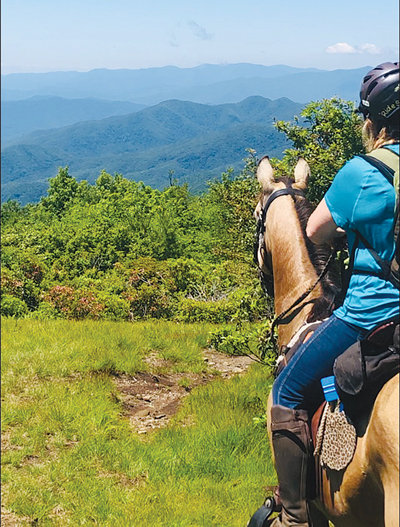
The Great Smoky Mountains National Park encompasses more than half a million acres in North Carolina and Tennessee. Photo by Leigh Riley
Great Smoky Mountains National Park
Great Smoky Mountains National Park covers more than half a million acres and encompasses parts of both North Carolina and Tennessee. The Great Smoky Mountains and part of the Blue Ridge Mountains—which stretch from Pennsylvania to Georgia—make up a large part of the park, which contains the highest mountains in eastern North America. Known for its old growth forests that predate European settlement of the region, the park is rife with wildlife, including many species of birds, fish, reptiles, amphibians and mammals.
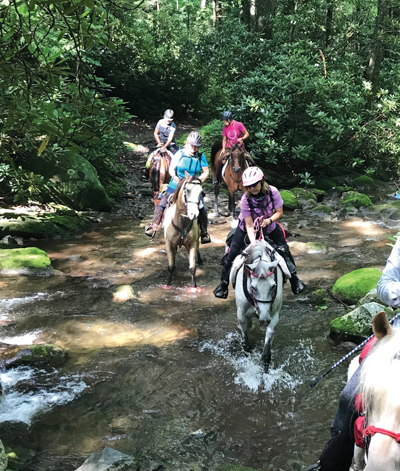
There are 550 miles of trails open to horses in the Great Smoky Mountains National Park. Photo by Leigh Riley
The park has 550 miles of trails open to horses, and four concessioners within the park provide guided rides from mid-March through November. For horse owners wanting to bring their own mounts and stay overnight, five drive-in horse camps provide access to backcountry horse trails in the park from April through October.
Bryce Canyon National Park
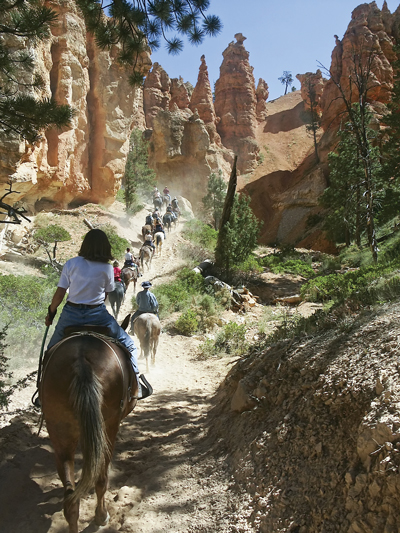
The red rocks, pink cliffs and endless vistas of Utah’s Bryce Canyon National Park is a trail rider’s paradise. Geological structures called hoodoos (also called tent rocks, fairy chimneys, or earth pyramids), formed by the freezing and thawing of water within the rocks, provide spectacular views to visitors. Stretching as high as 200 feet into the sky, the hoodoos surround riders along the park trails.
Geological formations called hoodoos make Bryce Canyon National Park in Utah distinctive. Photo by Kenneth Keifer/Shutterstock
Park concessionaire Canyon Trail Rides provides guided two- to three-hour rides into natural amphitheaters along the eastern side of the park from April through October. The Bryce Horse Trail Route accommodates equestrians who bring their own horses and includes trailer parking and a day corral.
Welcome to Horse Illustrated’s weekly installment of the My Right Horse Adoptable Horse of the Week, offered in partnership with The Right Horse. Luke is this week’s adoptable horse. Check back weekly for a new featured horse so you can find your #righthorse.
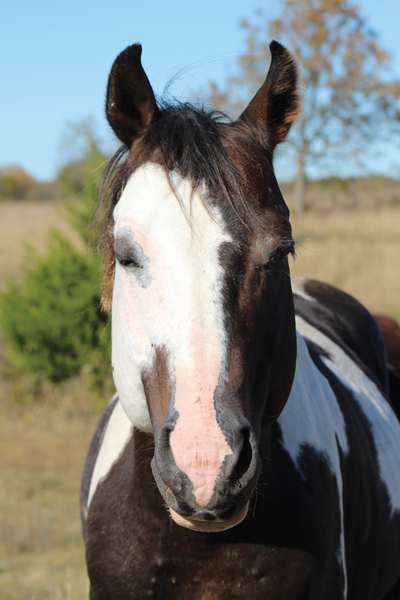
Luke is a kind gelding that was a lesson horse in his past life. He does have some arthritis and will probably only suit light riding after some regular hoof trims and TLC. Staff at Happy Trails Farm Animal Sanctuary are unsure he will ever be sound enough for riding, but he is a gorgeous pasture ornament regardless. Luke gets along with others and handles well. He is beginner safe in hand and is a very sweet guy. This horse will be a gem if someone is willing to give him a try. Rehabilitative home needed.
My Right Horse is the online adoption platform of The Right Horse Initiative, a collection of equine industry and welfare professionals and advocates working together to improve the lives of horses in transition. A program of the ASPCA, their goal is to massively increase horse adoption in the United States. To find more adoptable horses and foster horses, visit www.myrighthorse.org. To learn more about The Right Horse, a program of the ASPCA, visit www.therighthorse.org.
When my daughter was 2 years old, she was playing at a friend’s farm that was home to a pony ride business. I’d started the search for her own pony, because I wanted something she could lead around the farm, brush and hang out with on her own without me worrying she’d be pushed around. We eventually met a Miniature Horse named Gru and fell in love with his personality, and a few days later, we would begin our journey of owning a Miniature Horse when he was led onto our farm and into our lives. Who knew such a little guy would create some big questions?
The Mini List
We learned some valuable lessons adjusting to the downsized life of owning a Miniature Horse, including some things I never would have imagined until I experienced it myself.
Stall Size: Our barn’s setup includes five 12-foot by 24-foot stalls. Three of them can be divided in half, with doors going to the outside and to the inside aisle. They’re perfect for cold Indiana winter days and nights when we need to keep the horses in and they need room to move around. But the stall we had available for Gru was one that is not able to be cut in half, thus giving him his own kingdom of a 12×24 stall.
Bucket Height: Within the first week, we had to adjust the height of the water bucket, and we knew immediately Gru wouldn’t be able to use the corner feeder, thus the need for a rubber feed tub on the ground.
Bucket Size: Which brings us to the size of the water bucket and feed tub. We use standard 5-gallon water buckets, and I’ve learned that Gru doesn’t drink the whole bucket, even on the hottest of days, yet we want to keep the water fresh. His rubber feed tub is rather big for the amount of grain he gets (that revelation later), but it also serves as the perfect spot for his mineral block.
Photo Courtesy Megan Arszman
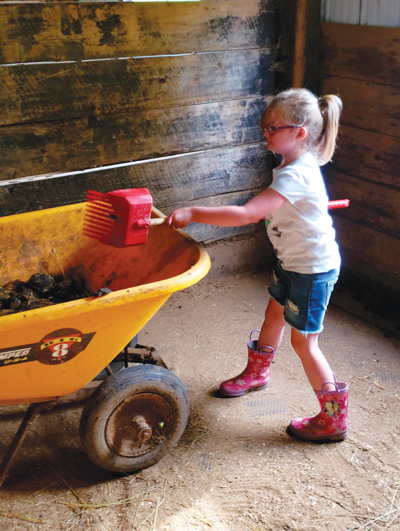
Stall Fork Tines: You don’t think about how having a Miniature Horse changes the way you clean stalls … until you clean his stall with a standard fork. The size of the droppings from a Mini can make cleaning more difficult if you have a standard fork, due to the tines being too far apart. When we changed to a different type of stall fork with tines closer together, it made a huge difference in less droppings! (It also helps that my daughter has a smaller stall fork perfect for her size, and perfect for Gru’s turds.)
Horse Clothing: Miniature Horse/small pony-wear is tough to come by in our area, so a lot of times I’m ordering Gru’s fly mask online and hope that I don’t have to go through the return process. Finding the right-sized halter generally requires some rigging to shrink up around the crown and the jaw. And don’t get me started on finding a saddle that fits across his non-existent withers and wide barrel … hence why Aubrey has ridden him more bareback than in a saddle.
Dinner Portions: When it comes to feeding Gru, it’s crazy to me that he eats less grain at night than my dogs eat in kibble. We feed Gru half a cup of pellets when he comes in for the night, plus half a flake of hay. He gets the same type of hay our donkeys do (the high-quality alfalfa mix is saved for the “big girls”), and he splits a flake with one donkey.
Also, we’ve instituted use of a grazing muzzle for the first time in our family’s history of owning horses for fear of him gorging himself. However, we never know how well it works, because it’s a constant battle to figure out how to keep the muzzle on him throughout the day. Who knew a Mini could be such a Houdini?
Health Care: It’s important to note that not all farriers and veterinarians will work on Miniature Horses. We had to find a separate farrier that was willing to work with Gru and our three donkeys, and our veterinarian has to be quite limber to squat down while floating his teeth. Luckily, Gru has been pretty healthy and doesn’t need his feet trimmed as often as our full-sized horses, but it was still a difficult issue when we first owned him.
Big Hearts in Small Packages
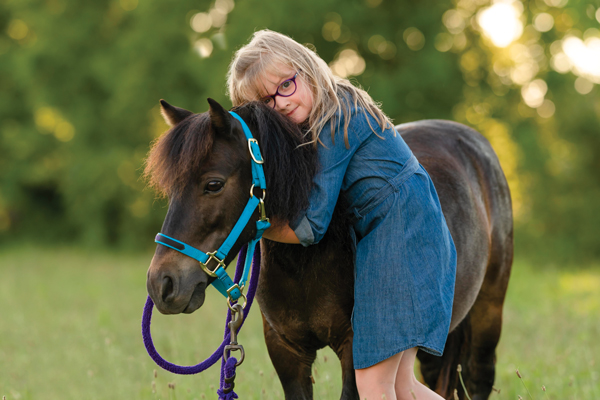
The list can go on and on about how much we’ve had to change our mindset for downsizing, but one thing is for sure about Gru: While his stature is small, his heart is huge. He’s the happiest when he hears my daughter’s voice, gives hugs back when she wraps her arms around his (rather round) belly or neck, and is happy to just march around the barnyard with her on the other end of the lead shank.
While Aubrey has probably already outgrown his 34-inch body, he has a forever home and a place in Aubrey’s heart for a lifetime.
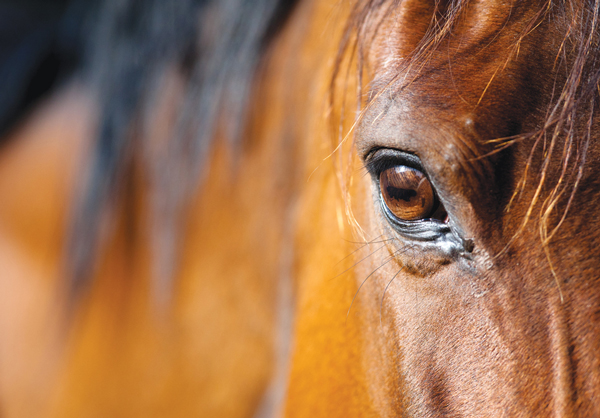
Despite their reactive reputation, horses are not always easy to read—particularly when they are well-trained. Ol’ Fred may seem calm and cool on the outside, but inside he may be shaking in his horseshoes. A recent study out of the University of Guelph asserts that there is a non-invasive method to assess stress in horses, and it involves the smallest of movements: blinking.
The researchers sought a simple behavioral sign, something that could be understood without complex tests, to determine the anxiety level of an outwardly calm horse. In humans, the number of times a blink occurs fluctuates in response to emotional stress, pressure and focus.
The spontaneous blink, which is not something a horse does purposefully, nor is it something a horse would need to be “trained out of,” neatly fills that gap. Variations on the blink, such as half-blinking and upper eyelid twitching, were also tallied, as they too have been shown to change relative to emotional stimuli.
How It Was Done
The study looked at 33 horses from three different riding stables in Ontario, Canada. All of the horses were lesson horses ranging in age from 5 to 17 years old. In general, well-seasoned lesson horses have been exposed to a wide variety of circumstances and are trained to be cooperative. The researchers wanted to make sure they were able to find a marker of stress, particularly in compliant horses.
Counting blinks is a way of assessing stress in horses, since it’s an involuntary movement. Photo by Charles Lemar Brown/Shutterstock
There were four components of the study: control, feed restriction, separation, and a startle test. During all of the tests, the horse’s heart rate was recorded, as were any obvious behavioral signs of duress. A video camera recorded eyelid movement.
Except for the food restriction portion, the tests were done during quiet times at the stable when lessons and feeding did not normally occur. Each horse had the same handler and observer for all of the tests, and each test lasted three minutes.
◆ During the control segment, each horse was observed in his regular turnout area with visual access to his stall mates while baseline heart rate and eye-blink rate were taken.
◆ The feed restriction test occurred during normal afternoon lunchtime. Instead of being fed, the test horse was tied in the stall within view of the other horses while they enjoyed their meal.
◆ The separation test took place in a testing arena where the other horses were out of sight but still within earshot.
◆ Researchers performed the startle test in a distant arena where there was no visual access to other horses. There, they threw a ball at a 6-foot distance from each horse and monitored his reaction.
Does the amount of horse blinks indicate stress?
Human studies have found that mentally stressful situations tend to increase blink rate, while visually stimulating tests, such as complicated computer games, decrease blink-rate.
A decreased blink rate is often associated with focused attention and likely allows the participant the advantage of gaining maximum visual information.
Based on this knowledge, the team predicted that spontaneous blink rates would increase during the food restriction and separation tests and decrease during the startle test.
After all the horses were tested, however, a different picture emerged. Each test resulted in a decrease in blinks. While the control segment resulted in about eight to nine blinks per minute, blinks dropped to about five per minute during each of the tests.
Food restriction stood out as the greatest source of stress in the blink-count study. Photo by 1stGallery/Shutterstock
The food restriction test proved the most stressful for the horses, and the most revealing for the researchers. When deprived of their lunch, the horses showed an elevated heart rate and definite signs of agitation, such as increased mouthing and restlessness.
Like the other tests, the eye-blink rate was around five per minute. However, the norm of two eye twitches per minute during the control and other tests jumped to six per minute. This was the only test in which eye twitches were noticeably more prevalent.
The separation test and the startle test had similar results: no increase in heart rate and no show of nervousness, but full blinks and half-blinks occurred less often.
These results could be confounding, but the researchers concluded that a decreased blink rate without an increase in eye twitches may indicate a more curious or interested emotional state—one in which the horse is neurologically tuned in.
A Closer Look
The results were clear to the researchers. Of the three tests, food restriction stood out as a glaring stressor. The combination of increased eye twitches and a decreased blink rate held a powerful, though subtle, message—one that an observant handler could potentially learn to read and understand.
This research beckons us to remember that the highly trained horse has learned to contain his natural fight or flight tendencies; however, a thoughtful handler may find insight by simply taking a closer look.
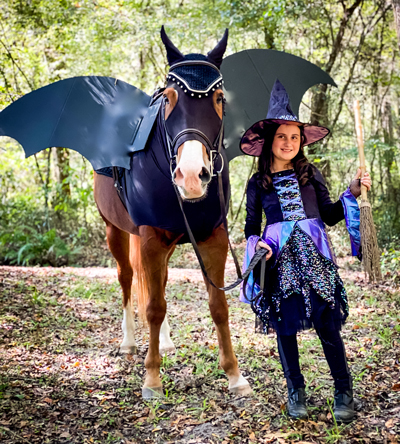
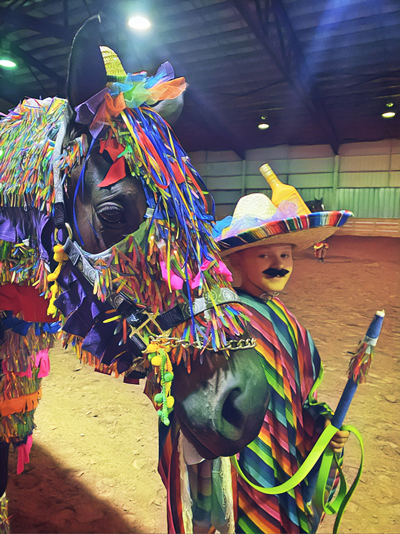
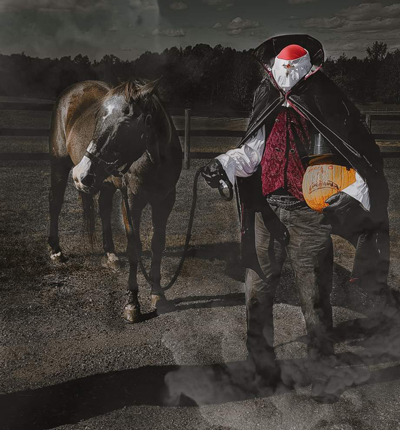
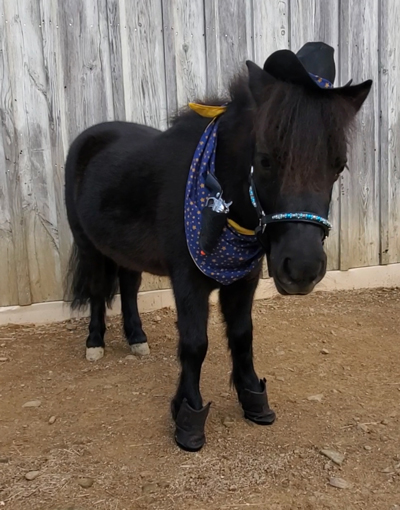
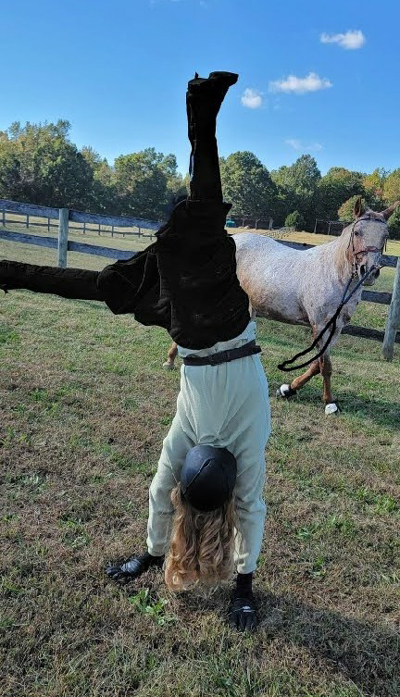
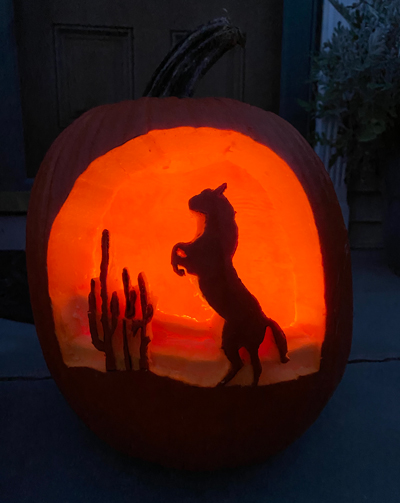
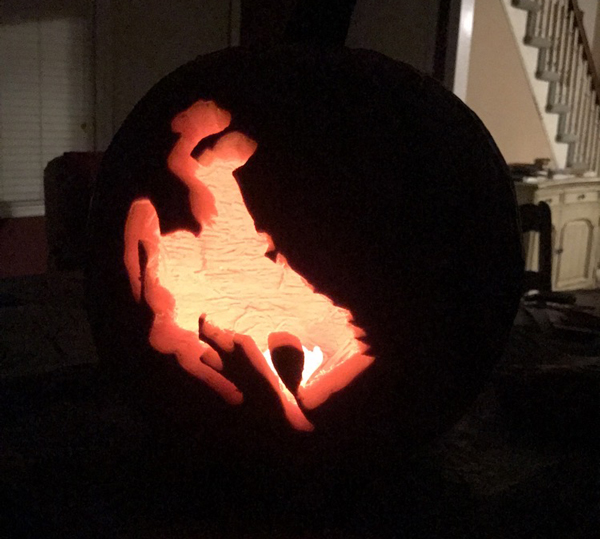
Horse Illustrated’s 2021 Halloween Contest kicked off Halloween with readers sharing photos of creative horse-themed costumes and jack-o-lanterns. Check out our editor picks from all of our entries. We hope everyone had a safe and festive Halloween with their horses, friends, and family. In addition, check out our Halloween contest entries from 2020. We certainly have a creative group of readers. You can share which are your favorites in the comments below. And for additional Halloween content, see Further Reading options below.
2021 Halloween Contest Entries
Spookiest
Photo Courtesy Courtney S.
Most Festive
Photo Courtesy Dana S.
Most Authentic
Photo Courtesy Tom M.
Cutest
Photo Courtesy Rebecca M.
Most Athletic
Photo Courtesy Jorg M.
Most Like a Photograph
Photo Courtesy Priscilla D.
Wildest Ride
Photo Courtesy Priscilla D.
Most Ornate
Photo Courtesy Perry V.
2021 Halloween Contest Winner
The randomized contest winner is Priscilla D., who won a 1-year subscription to Horse Illustrated.
A button-down shirt and chaps over jeans or showmanship pants is appropriate for trail, reining, and western riding classes. Photo by APHA/Paint Horse Journal
You’ve been practicing your maneuvers and getting your horse ready to show off his moves in western classes. But now you need the best western show outfit. You want your clothes to be appropriate for each class without distracting from your performance. Your choice of clothing will vary, depending on if you’re showing at a local open show or the American Quarter Horse Youth Association (AQHYA) World Championship show.
“Exhibitors should always look their best and present themselves as though they are the winner each and every time they enter the arena,” says all-around trainer Chad Christensen of Pilot Point, Texas.
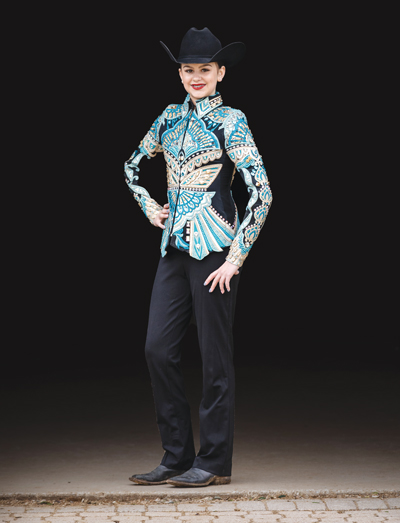
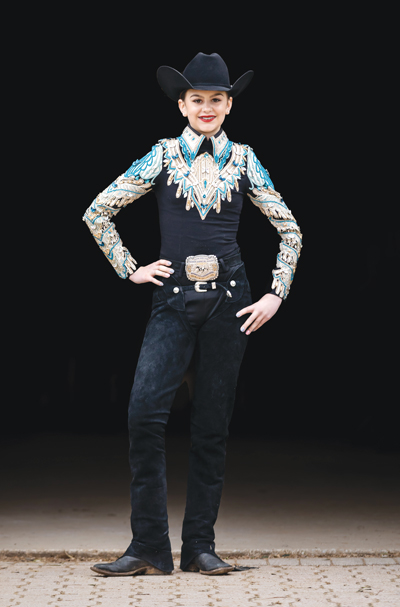
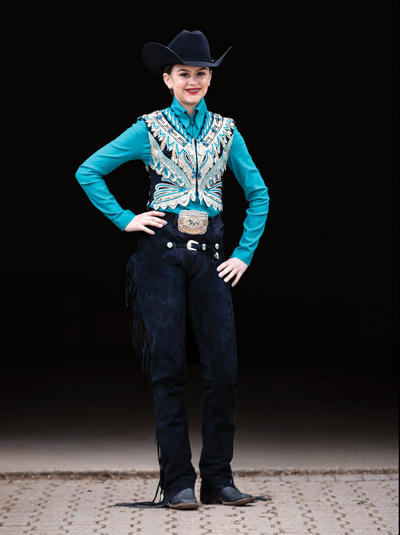
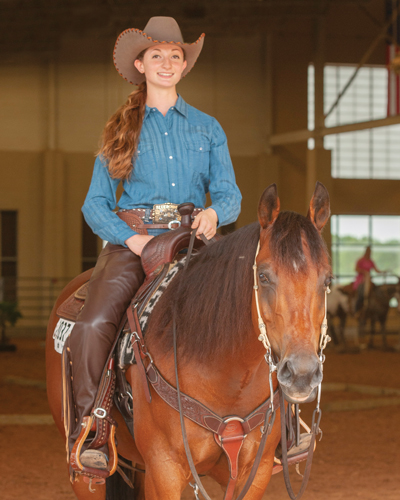
We’ve put together some examples of blue ribbon-worthy outfits for three events, with options for showing at different levels of competition to help you suit up in style. Tammy Dyer of D. Designs created these pieces (next page), and she offers her advice along with Christensen.
Showmanship
A typical showmanship show outfit. Photo by Terri Cage
Top: A well-fitting showmanship jacket should be long enough to cover the top of your hips; it can go down to mid-hip. You want your sleeves to hit 1 inch past your wrist bone with your arm bent. Underneath, most riders wear a camisole as well.
Pants: Your pants should complement your jacket. Aim a for tailored and well-fitting pant without any adornment or embellishment. The hem should hit just above the ground; avoid pants that are too short.
Boots: Chad says square-toed boots are in style right now for all classes. Avoid a round or pointed toe; they are outdated styles for these events. And stick to a “walking heel” versus a riding heel.
Hat: Your hat style is subject to preference. Many trainers have a particular shape they prefer for clients, but you can ask a hat shaper to shape your hat in the current style for the breed you are showing. Avoid a stampede string for any class outside of speed events. You can wear the same hat for any of these events mentioned, as long as it coordinates with your outfit.
Accessories: Tammy says small earrings that accent your outfit are nice, but to avoid oversized earrings. A small ribbon tied in neatly done-up hair is a good finishing touch. Your hair should be in a bun if possible and very neat and tight, without loose pieces or flyaways.
Entry Level Look: Your attire can be slightly more relaxed, but still respectful of the horse show atmosphere.
Upgrade: As you move up to bigger shows, Tammy says your clothing should become more elegant.
Boys: You’ll want to wear a well-tailored suit. Your jacket and pants should always match, and you should wear a nice tie. Finish with square-toed boots for the best western show outfit for showmanship.
Horsemanship/Western pleasure
An outfit for horsemanship or western pleasure. Photo by Terri Cage
Top: Tammy recommends a snug-fitting top that tucks into your pants, preferably one that zips up the back, although it can also zip up the front. The key is a perfect fit with square shoulders. For western pleasure, you’ll want to wear a nice jacket that complements the color of your horse. This jacket will be shorter than a showmanship jacket to avoid sitting on it when riding.
Pants/Chaps: Chad says to choose fringed chaps that fit you well and extend 2 inches past your boot heel in the saddle. You want a single covered button in the back for horsemanship.
Accessories: Horsemanship requires a snug bun, but in western pleasure, you can wear a ponytail pulled back tightly.
Upgrade: Wear an embellished jacket for extra sparkle.
Entry Level Look: Chad says a tailored button-down shirt with a scarf can be worn for both of these classes.
Boys: Wear a tailored shirt, chaps over jeans, and square-toe boots. Add a neck scarf for horsemanship.
Trail/Western Riding/Reining
An outfit for trail, western riding, or reining. Photo by Terri Cage
Top: Wear a tailored and collared long-sleeve button-down shirt tucked smoothly into your pants. It does not have to be as form-fitting as horsemanship.
Pants/Chaps: You can wear showmanship pants or jeans under your chaps for these classes. Your chaps can have a two-tone yoke and/or a silver concho on the back.
Upgrade: To dress up your look, add a fitted and embellished vest.
Accessories: Your hair can be pulled back in a snug ponytail. A scarf is optional.
Boys: The same attire as for western pleasure is acceptable. Scarf is optional.
This article about creating the best western show outfit appeared in the Summer 2020 issue of Young Rider magazine. Click here to subscribe!
We use cookies to help personalize content, tailor and measure ads, and provide a safer experience. By navigating the site, you agree to the use of cookies to collect information. Read our Cookie Policy.



 My Right Horse is the online adoption platform of The Right Horse Initiative, a collection of equine industry and welfare professionals and advocates working together to improve the lives of horses in transition. A program of the ASPCA, their goal is to massively increase horse adoption in the United States. To find more adoptable horses and foster horses, visit www.myrighthorse.org. To learn more about The Right Horse, a program of the ASPCA, visit www.therighthorse.org.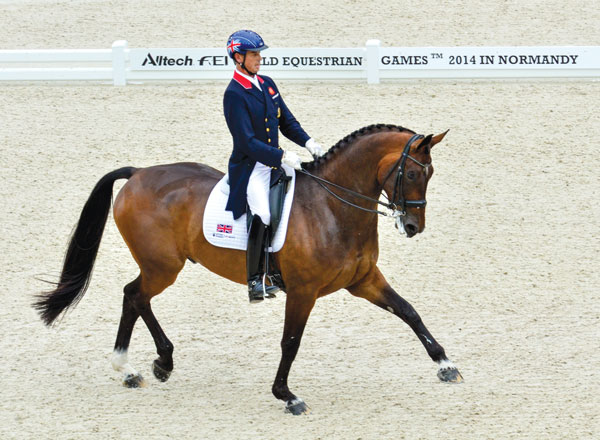
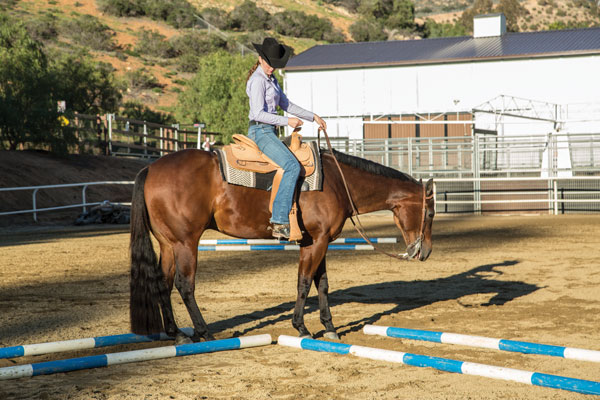
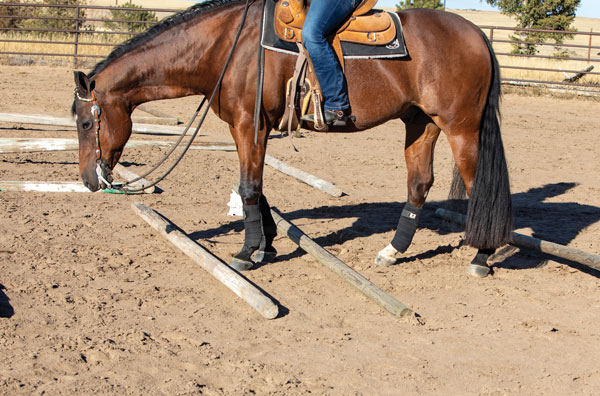
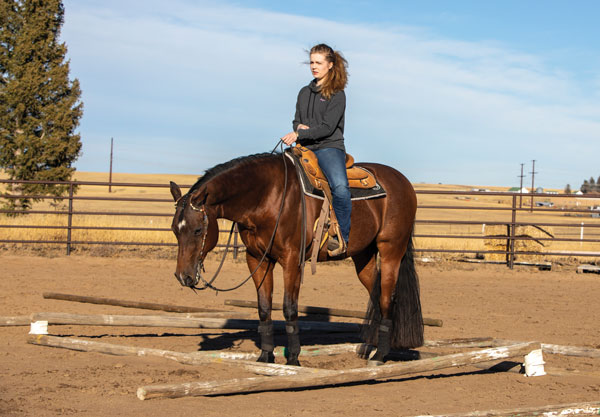
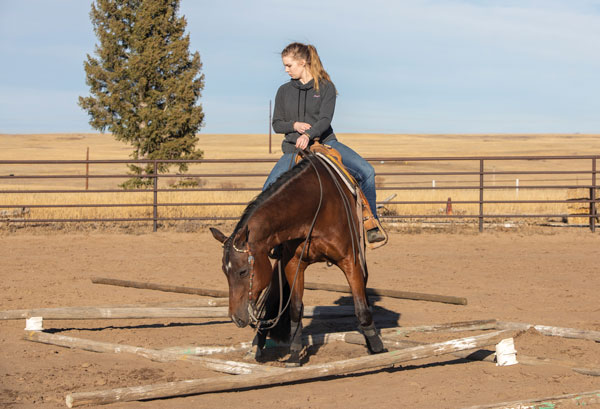




 We’ve put together some examples of blue ribbon-worthy outfits for three events, with options for showing at different levels of competition to help you suit up in style. Tammy Dyer of D. Designs created these pieces (next page), and she offers her advice along with Christensen.