Enter our 12 Days of Christmas Giveaways here!
0 ITEMS
  • My Account
  • Holiday Gift Guide
  • Podcast
  • Webinar
Subscribe Combo
Enable cache13
Home Blog Page 4

An Overview of Cecal Impaction Colic

0

The equine digestive tract can be a bit terrifying: There is a lot of tissue packed into a relatively small space, and it seems like hundreds of things could go wrong with any part of it. While many horse owners are familiar with the stomach, the small intestine, and the large intestine, there are quite a few other organs integral to ensuring a horse is digesting, absorbing and excreting properly. One lesser-known yet vitally important organ is the cecum—where a cecal impaction can take place. Don’t overlook this sneaky form of colic that can have mild symptoms but a devastating result if not treated properly.
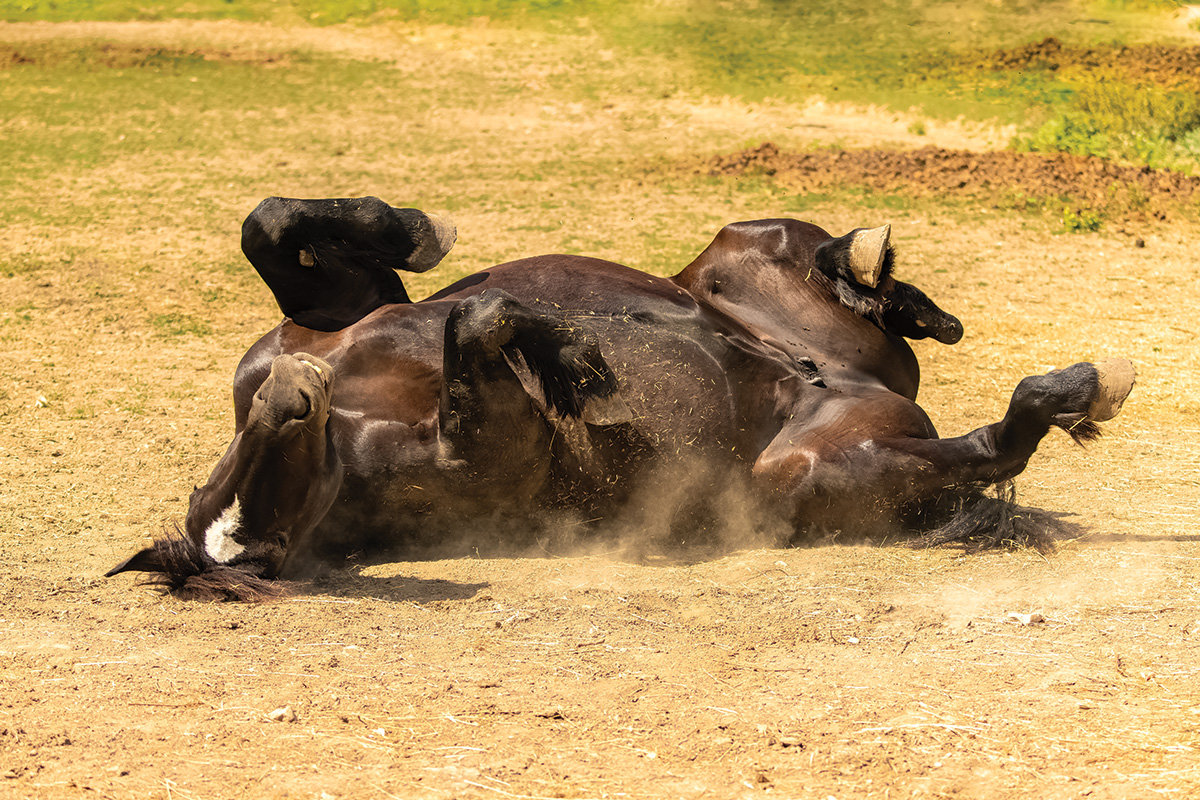
A horse rolling.
Photo by Pascale Gueret/Adobe Stock

Get to Know the Cecum

What is the cecum? This large, comma-shaped pouch is located at the junction of the small and large intestines; it takes up a large portion of the right side of a horse’s abdomen.
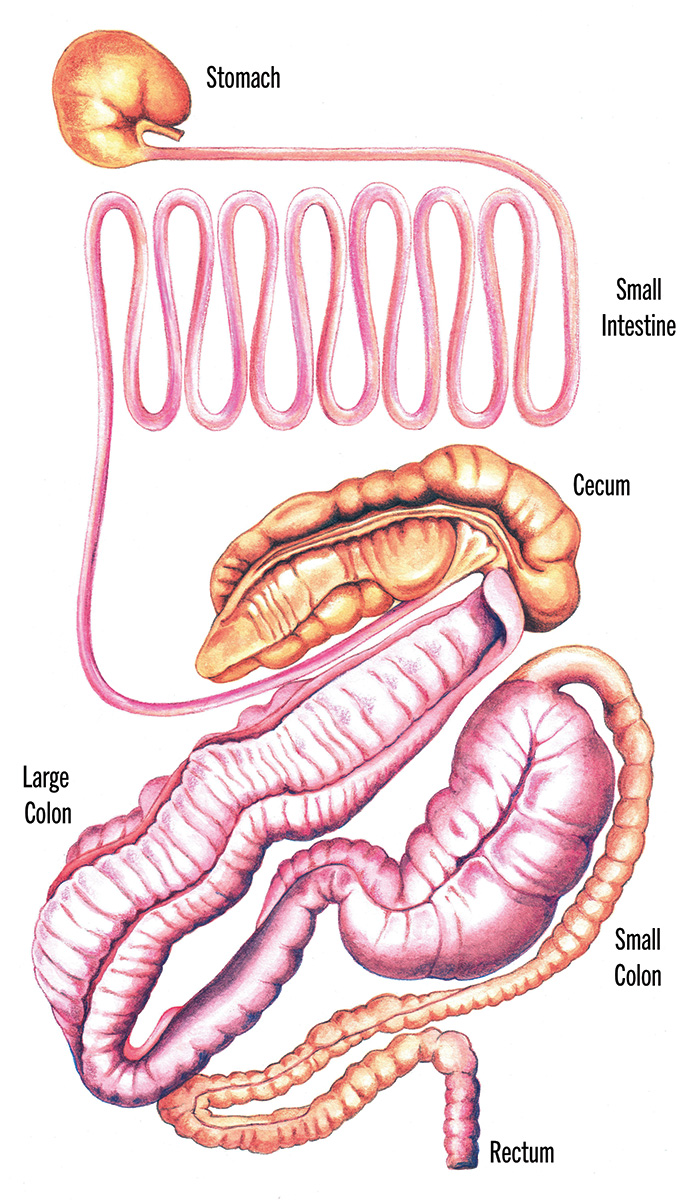
An illustration of a horse's cecum, which is where cecal impaction occurs.
The cecum is a “blind” pouch located between the small and large intestine that holds up to 8 gallons of material. Illustration by Tami Zigo

The organ is a blind pouch, meaning that the entrance and exit to the organ sit dorsally (to the back, nearer the anus); if gastrointestinal motility is in any way compromised, material passing through the intestine may settle to the bottom of the organ instead of being pushed through it, increasing the likelihood of material buildup and an impaction.

Between 4 and 5 feet long, the cecum acts as a storage area; it can hold roughly 8 gallons of material and water. It’s often referred to as part of the large intestine (along with the colon, into which it empties). The cecum assists in three things:

Storage. The cecum stores electrolytes and water.

Digestion. Bacteria in the cecum help ferment food passing into it from the small intestine.

Fermentation. Enzymes in the cecum break down food.

With the ability to hold this much material and liquid, it’s easy to see why any slowdown of material moving through in this area could be significant. While a cecal impaction is not the most common cause of colic in horses, the mortality rate from such an impaction is shockingly high: between 25 and 57 percent.

These deaths are mainly attributed to cecal rupture, which can come on rapidly with minimal signs of onset. A horse’s digestive tract can still function (thought not as effectively) as a cecal impaction builds, so signs of impending impaction are easy to overlook.

Presentation of Cecal Impactions

Like other types of colic, early intervention is key to a favorable outcome. Cecal impactions can be particularly tricky to diagnose, as they often present very mildly. An affected horse may look slightly uncomfortable, trot around, or lie down with minimal fanfare; he may find relief with just a small dose of pain medication.

However, as the impaction grows, so does the horse’s pain. A horse with a cecal impaction may exhibit the following signs, but not necessarily over a consistent time period:

Reduced manure output

Pawing

Pacing, rolling or stretching out

Reduced intestinal sounds

Increased heart rate

Pale gums

Sweating

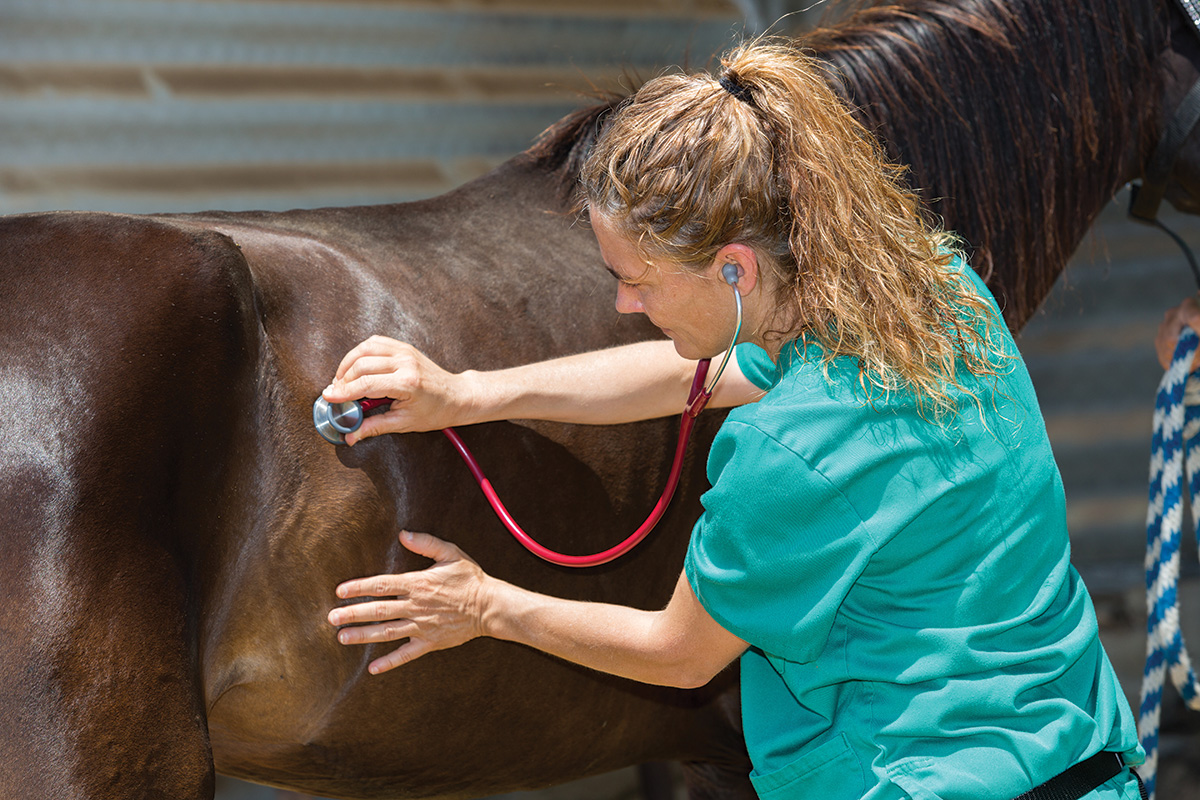
A vet listening for a horse's intestinal sounds. Reduced intestinal sounds may indicate cecal impaction.
Reduced intestinal sounds, especially along the right side of the horse’s abdomen where the cecum is located, may indicate cecal impaction. Photo by 135pixels/Adobe Stock

It’s important to also remember that none of these signs may be pronounced.

“A lot of owners see ‘colic’ and think [the horse] has twisted his intestine,” explains Ann Andrews, DVM, of Park Equine Hospital in Lexington, Ky. “Then when they see their horse acting a bit more normal, if uncomfortable, they think they’re in the clear—but they may not be. Owners expect a violent, thrashing colic, but a cecal impaction may appear very mild.”

These mild signs in and of themselves don’t mean the issue isn’t important or doesn’t necessitate follow-up attention.

Cause: Dehydration

“A few things can cause a cecal impaction, but the most common is dehydration,” says Andrews.
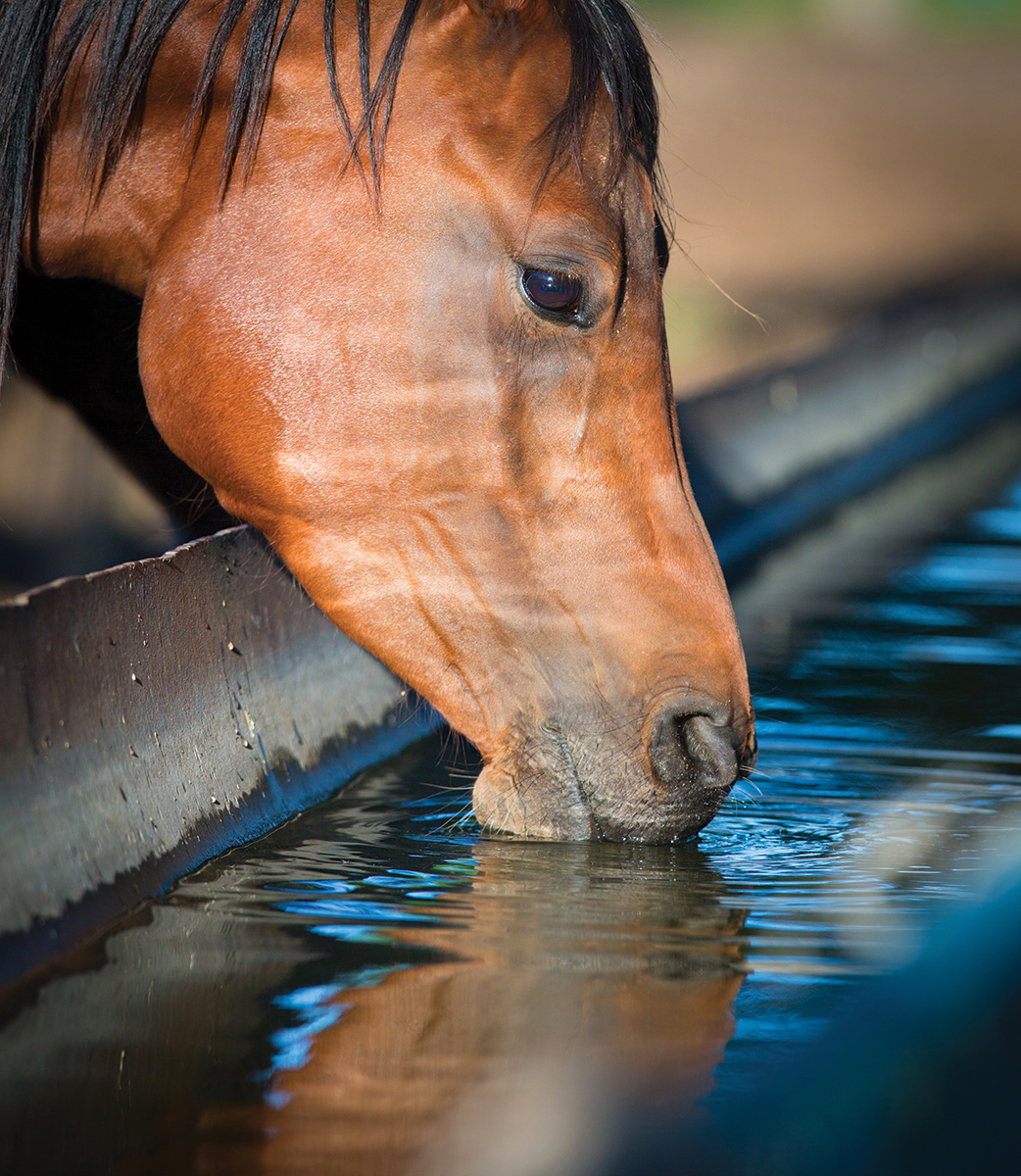
A horse drinking water.
The most common cause of cecal impaction is dehydration, so a supply of clean, cool water should always be available. Photo by Alexia Khruscheva/Adobe Stock

Horses that live in hot, humid environments are more susceptible to this condition as they sweat, sometimes profusely, to cool themselves down. The ability to get out of direct sunlight, whether that means in a stall under fans, in a run-in shed, or in shade from trees, will prevent the horse from experiencing a spike in body temperature and an overabundance of sweat production, which could deplete his body’s store of electrolytes.

Additionally, it’s critical that you ensure your horse has fresh water, and that the water he has access to isn’t hot, says Andrews. This may mean extra work filling and refilling buckets and troughs, or making sure there are multiple areas from which your horse can drink (an automatic waterer and a trough, for example).

The even bigger part of having access to water is ensuring that the horse is actually drinking, Andrews says, though she notes that this can be hard if he lives in a herd.

The majority a horse’s water absorption (98 percent!) occurs in the cecum and distal colon, according to Andrews. This means that if a horse is dehydrated, his body tries to remove even more water from the material that is in the large intestine, causing the fecal matter to dry out and get firmer, making it difficult for it to pass around the pelvic flexure. She notes that this area is often where horses end up getting impactions.

Cause: Parasites

A horse with a heavy worm burden may also be susceptible to a cecal impaction. Tapeworms in particular appear to put horses at risk, as they tend to gather around the narrow junction between the large and small intestine, blocking the passage of food into the cecum. Tapeworm attachment at this junction can also irritate the intestine, leading to spasmodic colic.

Routine fecal egg counts, usually performed by your veterinarian, can help identify which parasites are affecting your horse and how heavy of a load he’s carrying. A deworming strategy created in conjunction with your vet can ensure that your horse is not negatively affected by a high worm load.
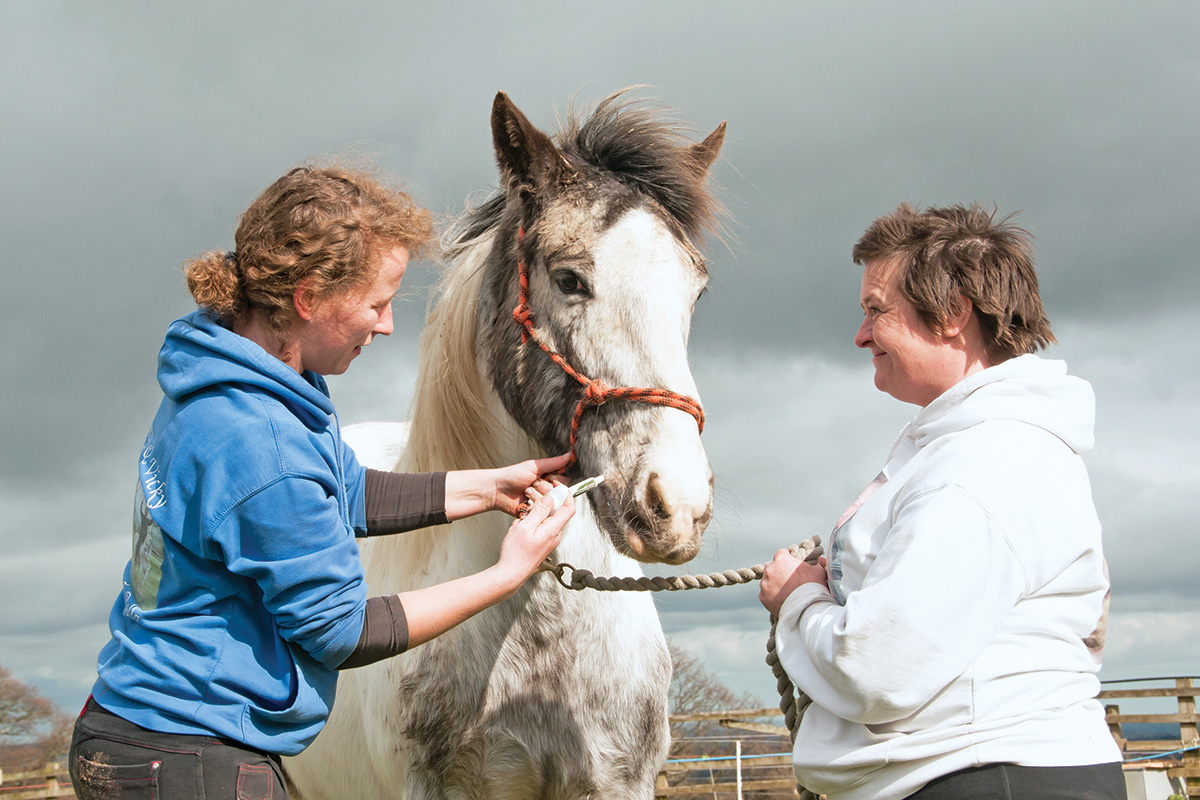
Deworming a horse.
Routine egg counts and a deworming strategy created in conjunction with your vet can help prevent parasite-related causes of colic. Photo by chelle129/Adobe Stock

Cause: Age-Related Issues

Older horses with cancerous polyps in their gastrointestinal tracts may have slowed motility in the large intestine.

“Food and matter that sits in the cecum encourages the body to keep trying to pull out water,” says Andrews. At some point, there is no more water to pull.

Additionally, older horses with poor dentition, either from lack of routine care or because they no longer have teeth to chew their food well, are also candidates for cecal impactions.

“Their feed is not as broken up as it should be, and these larger balls of feed and matter can fluff up in the intestine,” she cautions.

Older horses may benefit from feed that is soaked or from a less-coarse feed that is more readily broken down in the digestive tract. Ongoing, quality dental care is critical during a horse’s golden years.
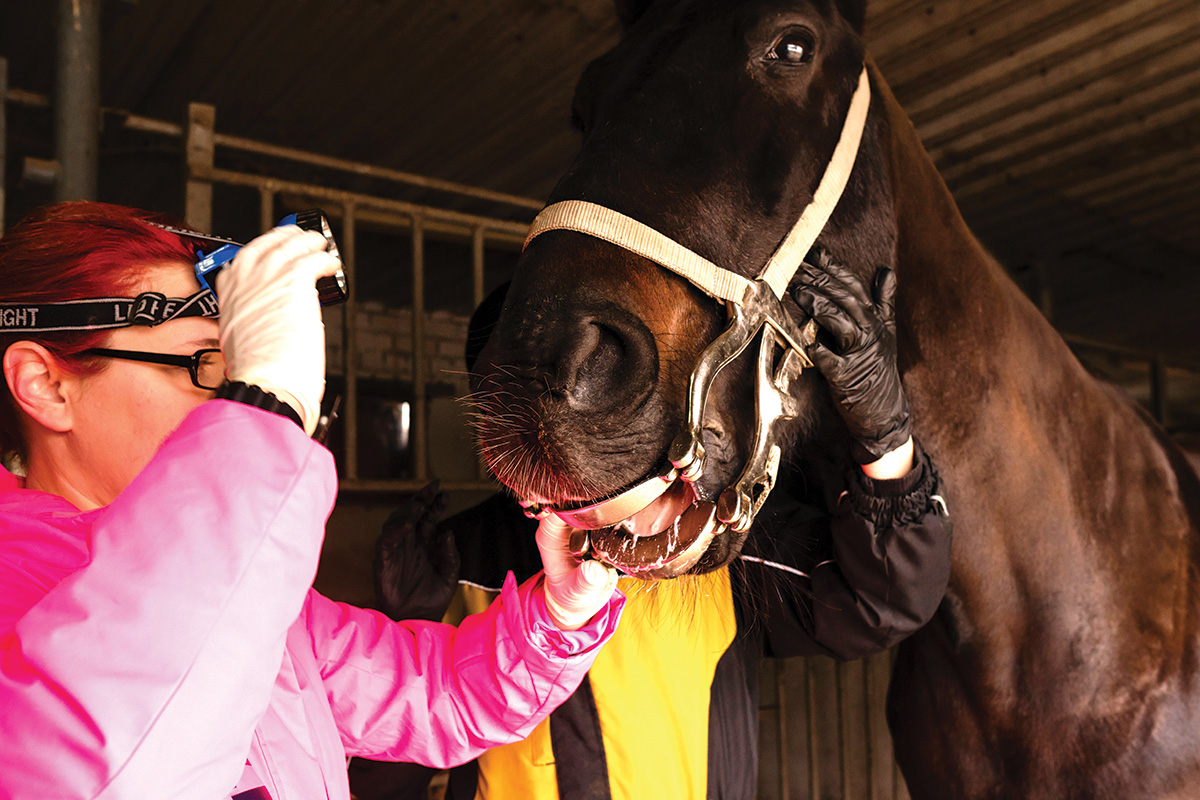
Dental work being performed on a horse.
Ongoing, quality dental care is especially important during a horse’s golden years, when sharp or missing teeth result in the inability to chew food properly. Photo by Vagengeim/Adobe Stock

Treatment of a Cecal Impaction

There is no specific age or breed of horse that is most at-risk of a cecal impaction.

“I have seen cecal impactions across the board,” says Andrews. “They occur in a variety of ages [of horse], for a variety of reasons.” Early detection is key to the horse’s health.

Like other types of colic, cecal impactions can be treated medically or surgically based on the horse’s clinical signs, results of a physical exam, rectal palpation, health history, bloodwork results, and the horse’s response to medical management. Andrews will often ultrasound a horse’s abdomen to help determine if the horse is experiencing a cecal impaction.

Administration of fluids, both intravenously and orally, is the first line of defense to try to soften the mass in the horse’s cecum. Laxatives and pain relievers may also be administered.

Surgery, or euthanasia if surgery is not an option, must be considered if the impaction remains unchanged or enlarges, or if pain escalates, as this indicates that rupture is often imminent. Once the horse’s cecum ruptures, he may briefly appear more comfortable as he bleeds internally, which eventually causes death from blood loss or septicemia.
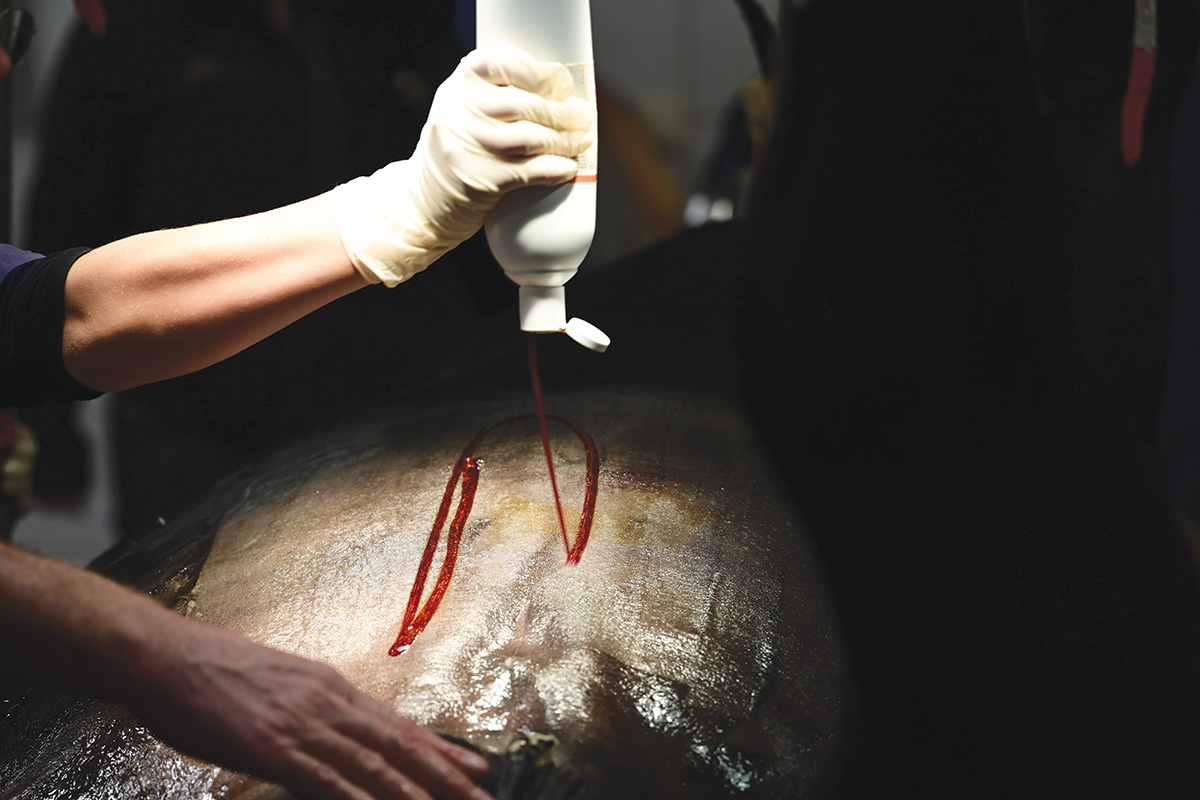
A horse being prepped for cecal impaction colic surgery.
Surgery must be considered if the impaction remains unchanged or enlarges, or if pain escalates. Photo by Grubarin/Adobe Stock

Because of this possible outcome, it’s important to know if surgery is an option—for a cecal impaction or other problem—long before the need arises, according to Andrews.

“If I can’t manage a cecal impaction medically, I don’t waste a lot of time before getting them on the table if surgery is an option, mainly so I can try to preserve the integrity of the GI tract,” she says.

Owners who know their horses well are cherished by their horse’s care team and offer solid ground for the veterinarian-client-patient relationship to flourish.

“I value the owners who look at their horses every day,” says Andrews. “When they say, ‘Something’s not right,’ I know that something truly isn’t right. Long-term, I know their horses as well as they do, and it helps me catch things really early and begin treatment.”

This article about cecal impaction colic appeared in the October 2024 issue of Horse Illustrated magazine. Click here to subscribe!
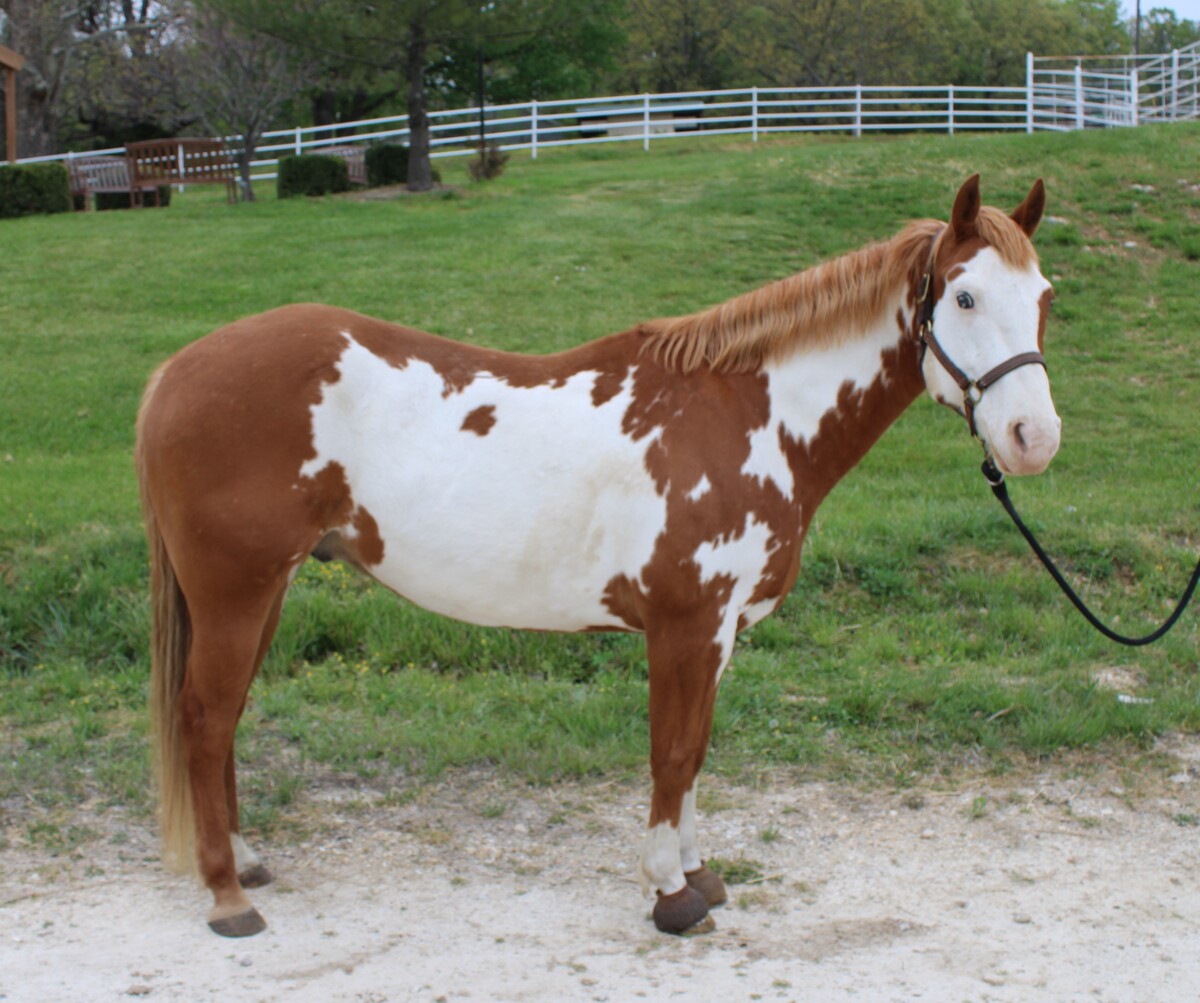
ASPCA Right Horse Adoptable Horse of the Week: Cisco

0

Welcome to Horse Illustrated’s weekly installment of the Right Horse Adoptable Horse of the Week, offered in partnership with the ASPCA’s Right Horse program. This week’s adoptable horse is Cisco! Check back weekly for a new featured horse so you can find your Right Horse.

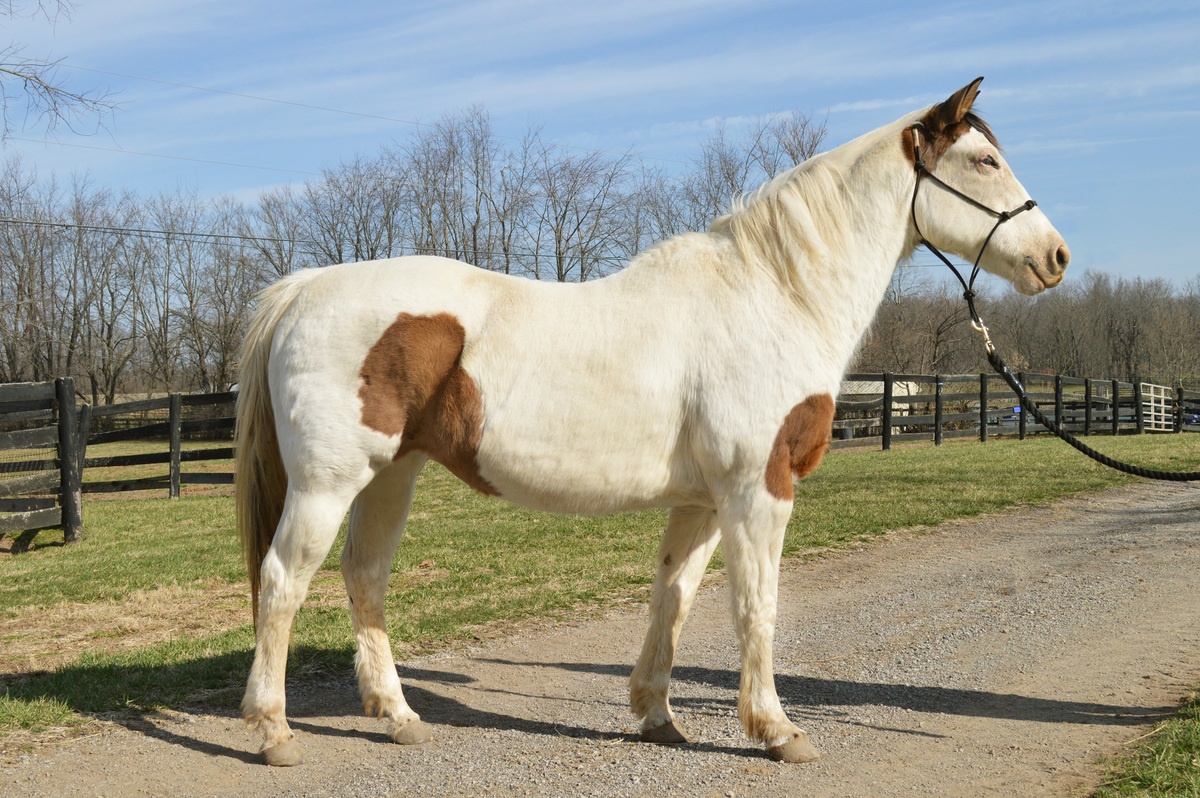
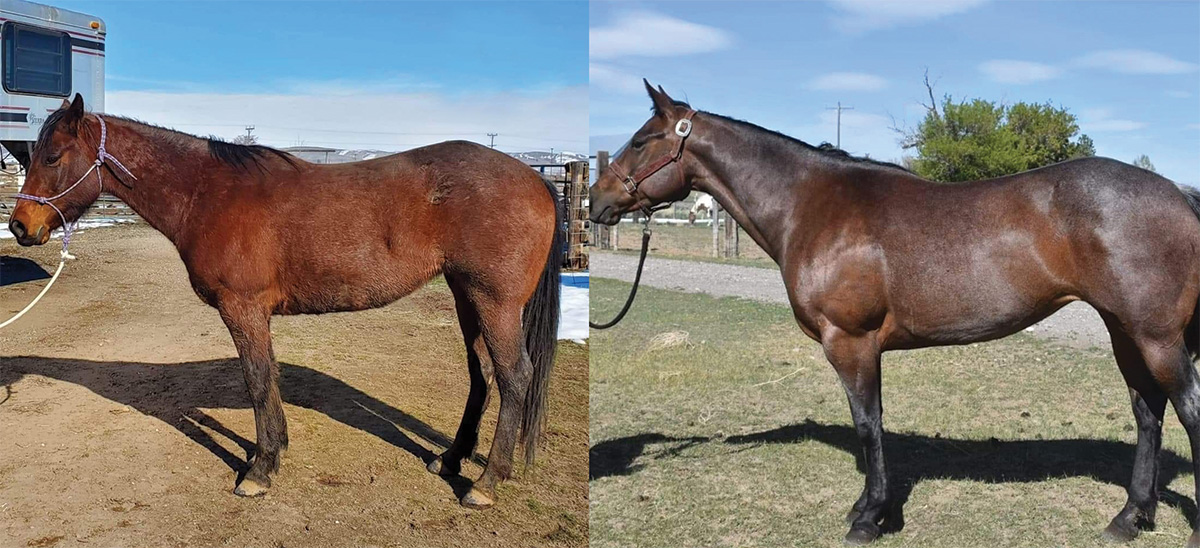
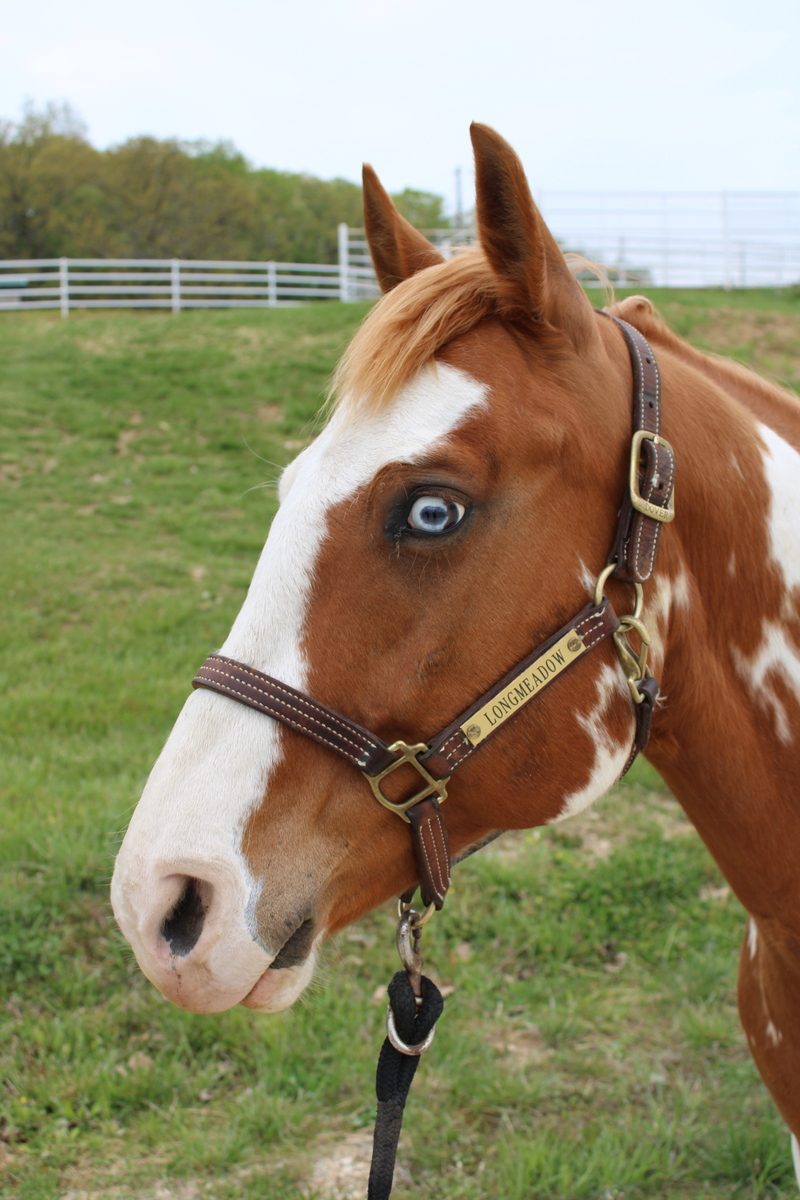
Adoptable horse Cisco.
Photo courtesy Longmeadow Rescue Ranch

Adoptable Horse: Cisco, a 13-year-old, 15.1hh American Paint Horse gelding
Organization: Longmeadow Rescue Ranch, Union, Mo.

Get to Know Adoptable Horse Cisco

Cisco originally came to Longmeadow in 2016. He was owned by a rescue that fell on hard times and surrendered all of their equine to Longmeadow. He was then used lightly in Longmeadow’s lesson program, where he was a wonderful horse for the younger students.

During his time as a lesson horse, Longmeadow’s trainers noticed some discomfort while being ridden. After thorough vet exams and an MRI at the university, they found that Cisco’s discomfort was coming from an old injury. The MRI report describes multiple significant soft tissue and joint abnormalities in the left lower limb, involving the deep digital flexor tendon (DDFT), navicular apparatus, and collateral and suspensory ligaments. His right front lower limb showed similar results, although more minor. Longmeadow fitted him for therapeutic shoes, put him on Equioxx and his comfort levels seemed to improve. It wasn’t long before they decided to retire him from our riding program so that he could find a family of his own.

Cisco was then adopted for nearly two years before being returned to Longmeadow due no fault of his own. Upon his return, Longmeadow began noticing occasional breathing issues, particularly when he was in his stall or during periods of extreme heat. After a thorough vet exam, Cisco was diagnosed with COPD (Chronic Obstructive Pulmonary Disease). To help manage his condition and minimize flare-ups, the veterinarian recommended that Cisco live outdoors full-time. Since then, he has been living in a pasture 24/7. To maintain his respiratory health, Cisco will need to continue living outside at his future home to help keep his lungs clear. He currently lives with other horses with access to shelter and an automatic water. Longmeadow wets his hay when his flare-ups occur to get the extra dust off and that tends to help.

Due to both this previous lameness and his COPD diagnosis, Cisco can only be ridden at the walk on flat ground. If his future adopter plans for riding beyond leading a small child on a longe line, he will need therapeutic shoes. If his adopter plans to keep him as a pasture pal, Cisco does fine barefoot.

Cisco is a very sweet boy on the ground. He really appreciates being groomed and snuggles from his human caretakers. He would be a good horse for a beginner to catch, handle, and groom, whether that be a child or an adult. He stands well for the farrier when being trimmed but did need sedation when being shod. He is very good for fly spray, baths, and standing tied. Cisco gets along well with mares and geldings but does tend to be higher up in his herd’s pecking order. He is not buddy sour and enjoys time spent with his humans away from his herd just as much as he does turned out.

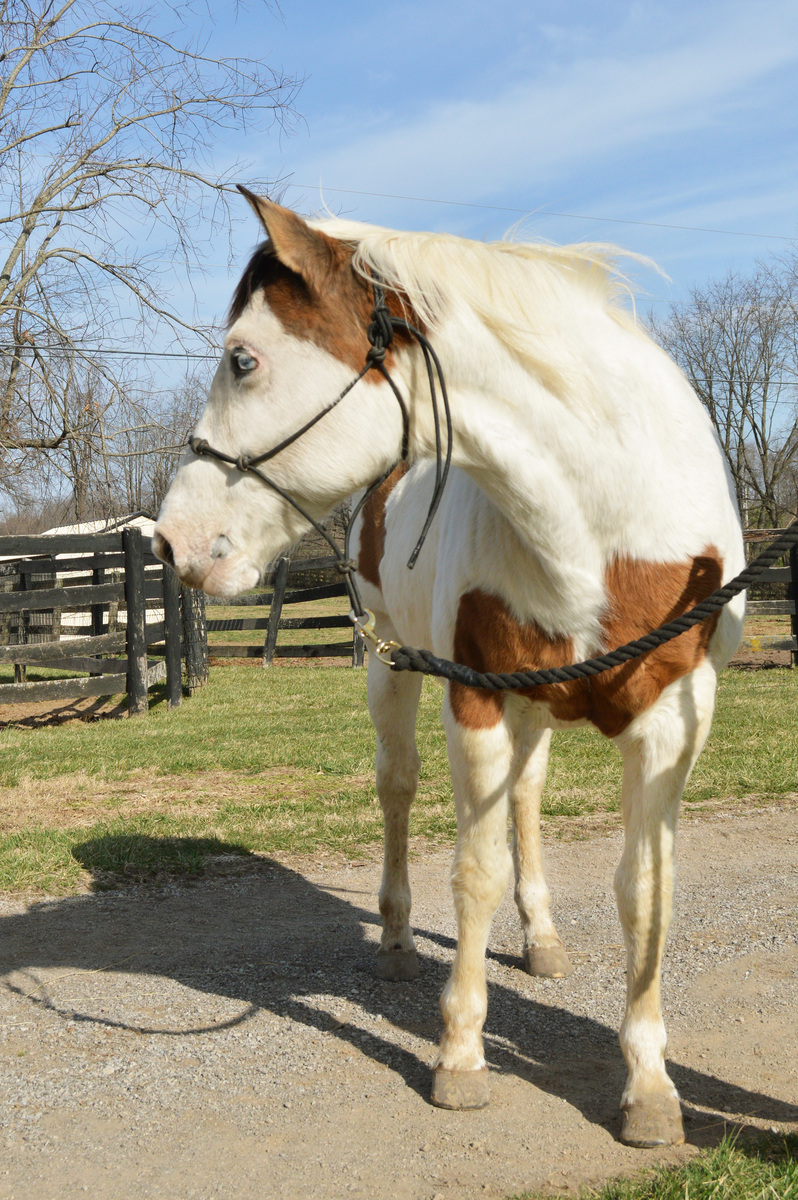
This beautiful boy has a striking appearance and beautiful Paint coloring. He is kind and calm on the ground and can’t wait to find his forever home.

Contact Longmeadow Rescue Ranch today about ASPCA Right Horse Adoptable Horse of the Week, Cisco!

A blue-eyed Paint gelding.
Photo courtesy Longmeadow Rescue Ranch

ASPCA Right Horse

My Right HorseASPCA Right Horse is the online adoption platform of The Right Horse Initiative, a collection of equine industry and welfare professionals and advocates working together to improve the lives of horses in transition. A program of the ASPCA, their goal is to massively increase horse adoption in the United States. To find more adoptable horses and foster horses, visit www.myrighthorse.org. To learn more about The Right Horse, a program of the ASPCA, visit www.aspcarighthorse.org.

Barn Banter – Episode 36

0

Barn Banter Episode 30 banner

Welcome to Barn Banter, the official podcast of Horse Illustrated. In Barn Banter episode 36, hosts Susan Friedland and Horse Illustrated Editor In Chief Holly Caccamise chat with Gideon Kotkowski of Horse People Podcast. Plus, tune in as they talk with sponsored guest Jackie Jolie of EquiSol.

To end the episode, Susan and Holly chat with Amanda Tucker of New Vocations Racehorse Adoption Program about Dennison Girls (AKA Denise), this month’s ASPCA Right Horse adoptable horse.

Click here to listen on mobile.

Gideon Kotkowski of Horse People Podcast

Barn Banter episode 36 guest Gideon Kotkowski.

Gideon Kotkowski is the host of the Horse People Podcast, where he explores cross-discipline stories from the equestrian world. From authors to entrepreneurs, artists to farriers, veterinarians to professional athletes, his conversations highlight the passion, grit, and creativity that connect everyday horse people. The show resonates with anyone who believes that horses shape not only how we ride, but also how we live.

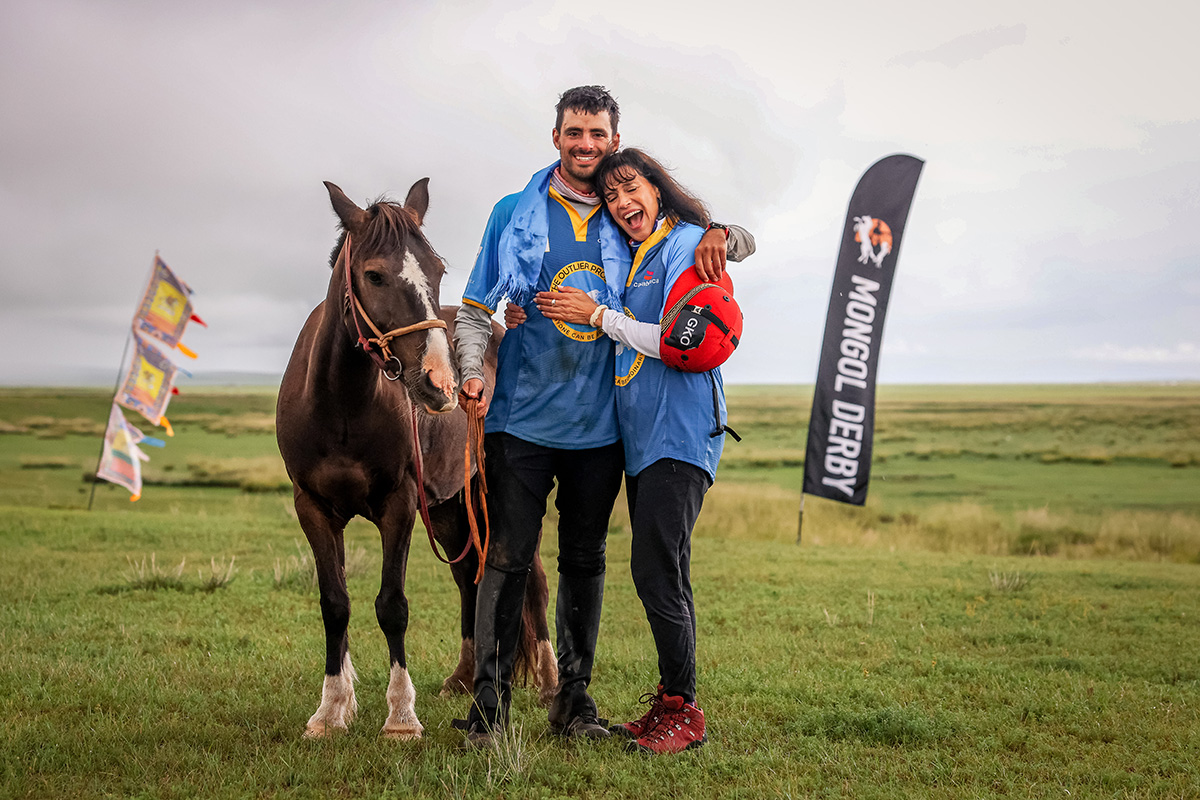
Gideon’s own background began in polo, where he developed a deep respect for the partnership between horse and rider. That foundation carried him into the Mongol Derby—the world’s longest and toughest horse race—where he tested his horsemanship and endurance across the vast steppes of Mongolia. He finished among the top competitors and was awarded the coveted Spirit of the Derby, the highest honor given to a rider.

When not in the saddle or behind the microphone, Gideon works in the tech industry, helping companies measure, report, and reduce their carbon emissions.

Listen to Horse People Podcast on Apple Podcasts
Listen to Horse People Podcast on Spotify
Follow Horse People Podcast on Instagram

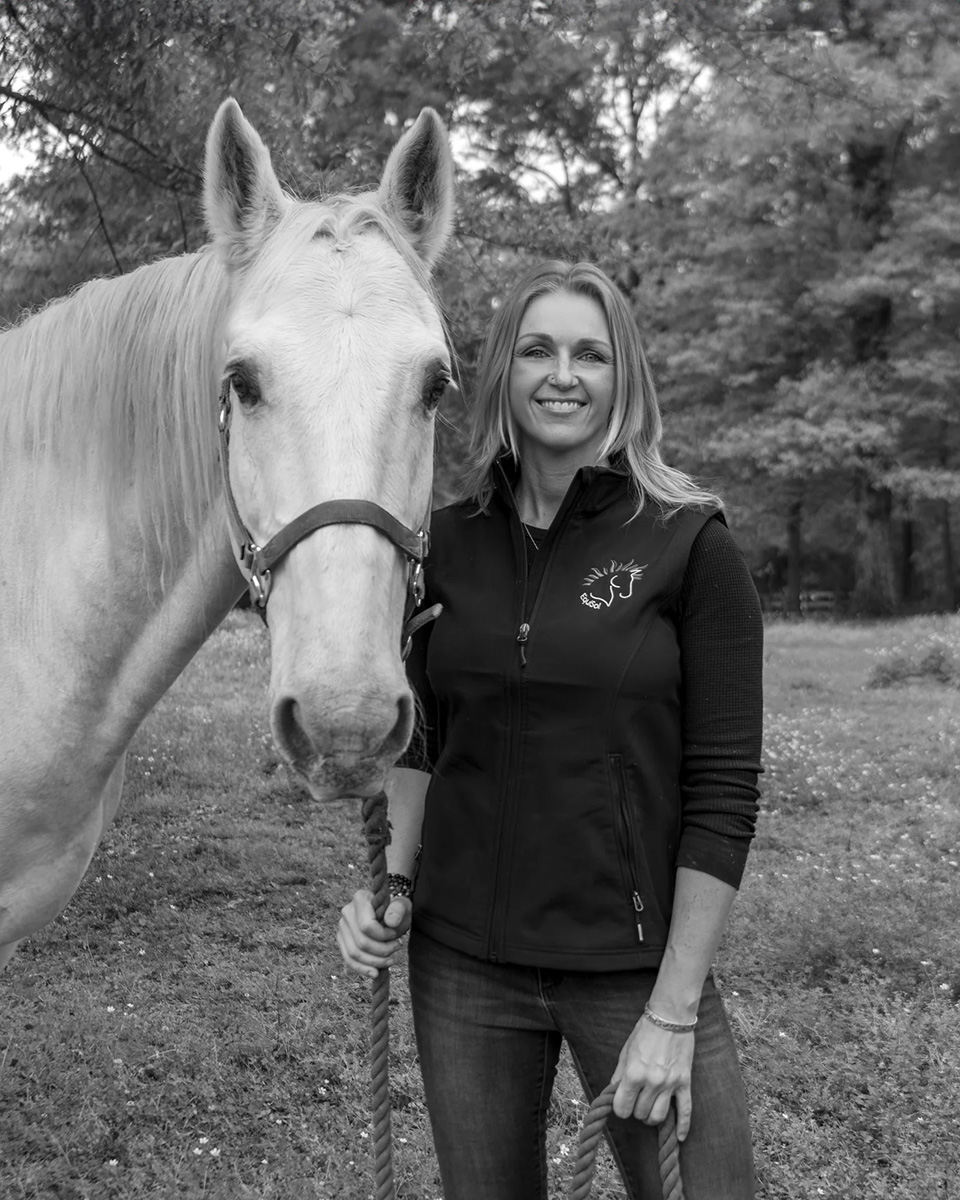
Sponsored Guest: Jackie Jolie of EquiSol

Jackie Jolie of EquiSol, the sponsored guest on episode 36 of Barn Banter.
Jackie Jolie of EquiSol.

Meet Jackie Jolie, whose lifelong dedication to animals, especially horses, led her to a distinguished career in equine and canine bodywork. With a Bachelor’s in Equine Health and Rehabilitation, Jackie’s 15-year journey has been shaped by her belief in natural healing processes. Her personal turning point came in 2018 after a diagnosis of Lyme disease, which she overcame through natural treatments and learning all about quantum healing through light, water, and magnetism. Getting certified in Quantum Biology to be able to learn on a deeper level along with using red and infrared light therapy during her recovery led her to a bigger mission. This experience, along with her professional observations, inspired the creation of EquiSol and DogSol: red/infrared light therapy blankets for animals. Jackie’s vision for EquiSol transcends animal healthcare; it’s about enlightening others on the transformative effects of light on overall wellness.

EquiSol Website
Follow EquiSol on Facebook
Follow EquiSol on Instagram

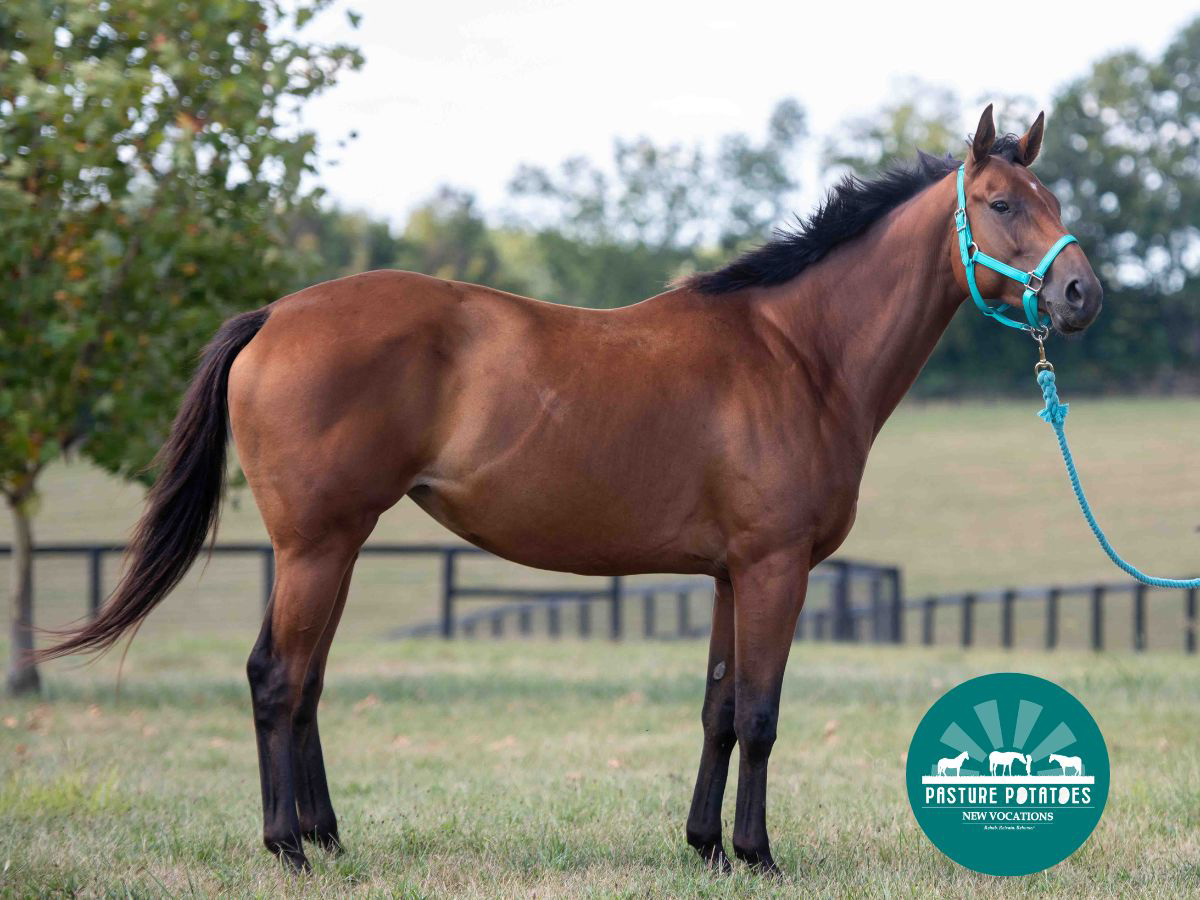
Adoptable Horse of the Month, Dennison Girls (AKA Denise)

Dennison Girls AKA Denise.
Dennison Girls AKA Denise. Photo courtesy New Vocations

Meet Dennison Girls (AKA Denise) a 4-year-old off-the-track Thoroughbred mare. Located in Lexington, Ky., Denise is available for adoption for a non-riding second career as a part of New Vocations’ Pasture Potatoes program for companion Thoroughbreds.

Denise leads well in a plain halter and lead rope. She is forward-thinking while leading, but listens very well to correction and will happily follow us around on a loopy lead. She would prefer to walk over logs and bridges, but is not pushy when asked to stand still, either.

Denise is happiest outside with her friends. She is quiet in her stall but can get antsy in the crossties. Like many former racehorses, Denise does well being groomed tied to the wall of her stall.

Denise is barefoot and eats our normal grain ration. She lives outside full-time in a herd of mares and is very easy to manage.

Learn more about Denise here.

In addition to Barn Banter episode 36, you can check out all previous episodes of Horse Illustrated’s podcasts here.

Team approach to joint health

0

From veterinarians to trainers to farriers, everyone in your stable of people helps make the ride more enjoyable—and longer-lasting.

Imagine a dream team. A group of people who always support you and your horse. It likely includes fellow riders who celebrate and commiserate with you. A trainer may be on the roster as someone who walks alongside you every step of the way. You also can’t do without a farrier to keep your horse well shod and a veterinarian to help maintain your horse’s health and wellness.
Each plays a crucial role in your horse’s soundness, especially when it comes to managing degenerative joint disease (DJD). Also called arthritis, DJD causes up to 60% of lameness in horses.1 It can affect horses of any age or breed, which is why proactive collaboration between your team of trainers, farriers and veterinarians is essential to keeping you and your horse moving together.

All for one
The horse is at the center of this joint care team. With all eyes on the horse, everyone can watch for these common signs of DJD:1
• Swelling due to inflammation
• Lameness that can preclude comfort and athleticism
• Decreased range of motion
• Stiffness when emerging from the stall or starting work
• Deformation caused by bony changes
• Crepitus—the popping, grinding, and crackling sound and sensation in an affected joint.
Catching the signs early means that management can begin as early as possible. This is crucial to help slow the effects of DJD.

Rider’s role
You are the manager of your horse’s joint care team. You know your horse better than anyone else, so freely share any concerns and observations about how your horse moves with everyone on your horse’s care team.
Pay attention to your horse’s movements and behaviors, taking note of when they’re not what you’d normally expect. Notice what is different, as well as when the differences take place. Then let your veterinarian know, because the more time-based information you provide, the better the veterinarian can determine what may be happening.
Remember, lameness may not always present with obvious limping. In early stages of DJD, subtle changes in gait, performance or willingness to work may be the only indication.1

Trainer’s role
Trainers know you and your horse well, which may allow them to notice signs of lameness, including DJD, even earlier than you or your veterinarian. Their insights and observations can help prepare you to engage in a more insightful conversation with your veterinarian about the joint care your horse needs.
As coaches, trainers also will help you decide whether your horse’s joints could use a rest or adjusted exercise or work. For example, an extended warm-up or cooldown may be in order to help your horse move more easily.

Farrier’s role
Your farrier may notice some early signs of arthritis that could warrant a conversation with your veterinarian. For example, your horse may resist when your farrier tries to pick up a hoof, or your farrier may see hoof or shoe wear patterns that could indicate stumbling or may notice swelling or sensitivity around the joints that might not jump out at you on an average day. To be most effective in managing joint issues, shoeing should be based on a veterinarian’s recommendation when possible. It has been recommended that the average performance horse have a twice-a-year soundness exam with podiatry films used to advise the horse’s farrier.
Veterinarian’s role In addition to guiding the farrier, regular soundness exams allow your veterinarian to better diagnose an issue if it arises. They also help guide the treatment plan if DJD is diagnosed.
To help keep an arthritic horse moving comfortably, veterinarians may recommend a combination of therapies and medications. The ideal situation is to help reduce the symptoms of DJD, such as lameness, while also slowing the disease progression.
Adequan® i.m. (polysulfated glycosaminoglycan) can help. As the only FDA-approved polysulfated glycosaminoglycan (PSGAG) for DJD, Adequan® i.m. helps treat DJD in multiple ways.2,3 With no generic equivalent, Adequan® i.m. is the only product proven to:2,3
• Reduce inflammation
• Restore synovial joint lubrication
• Repair joint cartilage
• Reverse the disease process
Please see Brief Summary Information for Adequan® i.m. below.
With the right treatments and team members, your horse can enjoy more mobility over a lifetime. Not unlike horse riding, managing joint health and DJD takes some practice. That’s why surrounding your horse with an all-star team is so important. What are you waiting for? Start recruiting your horse’s dream team. And if you already have a great team in place, consider your horse’s joint health to be in the winner’s circle.

How conformation affects joints
Conformation can greatly influence the degree of wear and tear that a joint undergoes. Conformational abnormalities alter forces applied to a joint and can lead to instability, injury and DJD. Address conformational abnormalities as early as possible through proper nutrition, balanced farriery, adequate training and muscle development and, in some cases, surgical intervention.

BRIEF SUMMARY: Prior to use please consult the product insert, a summary of which follows: CAUTION: Federal law restricts this drug to use by or on the order of a licensed veterinarian. INDICATIONS: Adequan® i.m. (polysulfated glycosaminoglycan) is recommended for the intramuscular treatment of non-infectious degenerative and/or traumatic joint dysfunction and associated lameness of the carpal and hock joints in horses. CONTRAINDICATIONS: There are no known contraindications to the use of intramuscular Polysulfated Glycosaminoglycan. WARNINGS: Do not use in horses intended for human consumption. Not for use in humans. Keep this and all medications out of the reach of children. PRECAUTIONS: The safe use of Adequan® i.m. in horses used for breeding purposes, during pregnancy, or in lactating mares has not been evaluated. For customer care, or to obtain product information, visit www.adequan.com. To report an adverse event, please contact American Regent Animal Health, Inc. at 1-888-354-4857 or email pv@americanregent.com.

1. McIlwraith CW, Frisbie DD, Kawcak CE. The horse as a model of naturally occurring osteoarthritis. Bone Joint Res 2012;1:297-309.
2. Adequan® i.m. (polysulfated glycosaminoglycan), Package Insert. American Regent, Inc.
3. Burba DJ, Collier MA, DeBault LE, Hanson-Painton O, Thompson HC, Holder CL: In vivo kinetic study on uptake anddistribution of intramuscular tritium-labeled polysulfated glycosaminoglycan in equine body fluid compartments and articularcartilage in an osteochondral defect model. J Equine Vet Sci 1993; 13: 696-703.

All trademarks are the property of their respective owners. © 2023, American Regent, Inc.

PP-AI-US-0867

Breed Portrait: Mangalarga Marchador

0

You may not have heard of the Mangalarga Marchador, but if you are looking for a gentle, smooth ride, it just might be the breed of your dreams!

A Mangalarga Marchador, a rare horse breed.
Photo by Bob Langrish

In 1807, when Pedro IV of Portugal migrated to Brazil due to Napoleon’s invasion and became Emperor Pedro I of Brazil, he brought with him the best of the royal cavalry. These horses were the Alter Real—an Iberian breed closely related to Lusitanos and Andalusians that were reserved for royalty.

Alter Real stallions were crossed with local Brazilian mares to create the Mangalarga Marchador. Known for being docile, intelligent, and extremely comfortable to ride, the breed grew quickly in popularity.

There are over 700,000 Mangalarga Marchadors in Brazil today. In 1992, a Brazilian family moved to Florida and brought their beloved Mangalarga Marchador with them. Today, the U.S. Mangalarga Marchador Association works to preserve the breed in the United States and currently has 425 registered horses.

Special Gaits

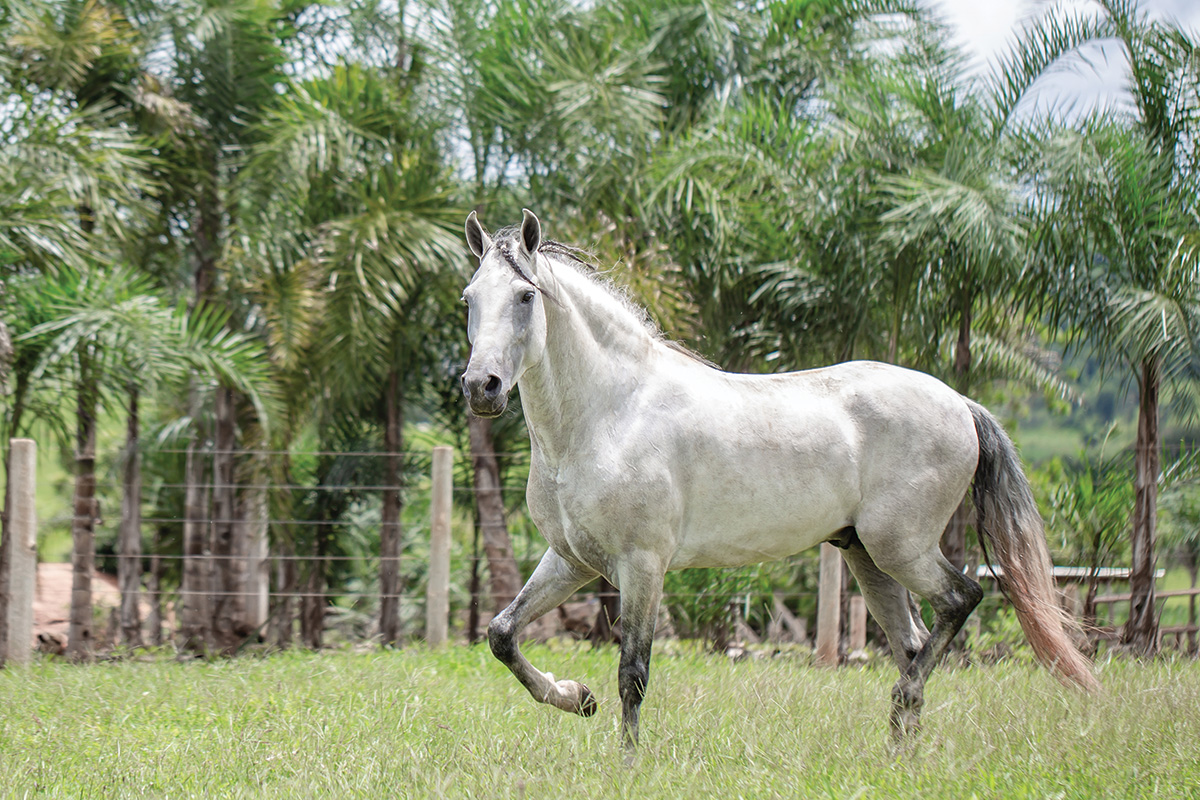
The marcha gait is when the feet move alternately laterally and diagonally. The marcha picada gait has more lateral movements in a step, and is generally considered the smoothest of the gaits. The marcha batida has more diagonal movements in a step and is described as a broken trot.

Another, not-yet-recognized gait may occur, called the marcha de centro, where lateral and diagonal movement happens equally. In all these gaits, one foot is always touching the ground, so the horse is never suspended off the ground like in the trot or pace, creating a more comfortable and secure feeling for the rider.

A Mangalarga Marchador, a rare gaited horse breed.
In all of the Marchador’s special gaits, at least one foot is always touching the ground, creating a more comfortable and secure feeling for the rider. Photo by Belarmino/Adobe Stock

A Noble Steed

“I had been told that Mangalarga Marchadors were very smart, but I didn’t believe it until I owned one for myself,” says Randy Gassett of Phoenix, Ariz.

Gassett had a business deal with a friend that breeds Mangalarga Marchadors, making her part owner of an unborn foal. When that foal ended up being a colt, not a filly, the plan was to sell him. But Gassett knew the colt wasn’t going anywhere once he got to her ranch.

“I fell in love with the colt and knew he was going to be as nice or nicer than my Fox Trotter,” Gassett shares. “So, I bought out my friend’s share, and Nobre do Summerwind [nobre is Portuguese for ‘noble’] was mine. He is the only Mangalarga Marchador that I have owned and is an exceptional horse!”

Now 5, Nobre is 15.2 hands and performs the marcha batida as well as the walk and canter. Gassett trained Nobre herself, competing him in in-hand trail competitions as a yearling.

“He has such a wonderful temperament, loves people, is curious and full of play, and has never tried to buck or rear while under saddle,” she says.

Now that he is older, Nobre competes in dressage and working equitation. They have qualified for the Working Equitation Zone Championship in Missoula in 2023, finishing 5th in level two.

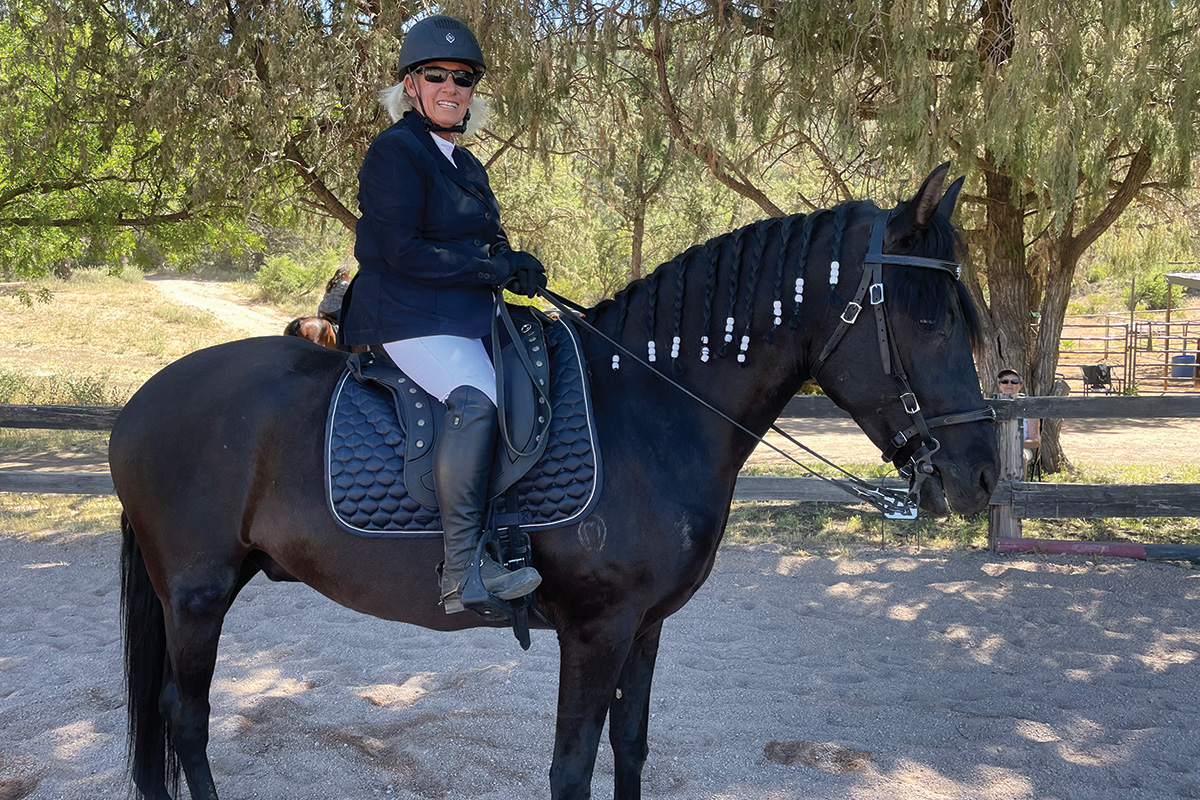
Randy Gassett and Nobre at a competition.
Randy Gassett and Nobre compete and excel in working equitation. Photo courtesy Randy Gassett

He has many champion and reserve champion titles at both schooling and rated shows, and is now competing at level three. Gassett says Nobre has the smoothest canter she has ever ridden.

Plenty of Charisma

Carolina Peterson, who lives in Friday Harbor, Wash., has known the Marchador breed since childhood, having grown up in Brazil. She owns two geldings, Tigre do Summerwind and Kharisma do Summerwind. Tigre performs the marcha picada and is a fantastic trail horse that also does working equitation. Kharisma performs the marcha batida, and aside from trail, excels in eventing.

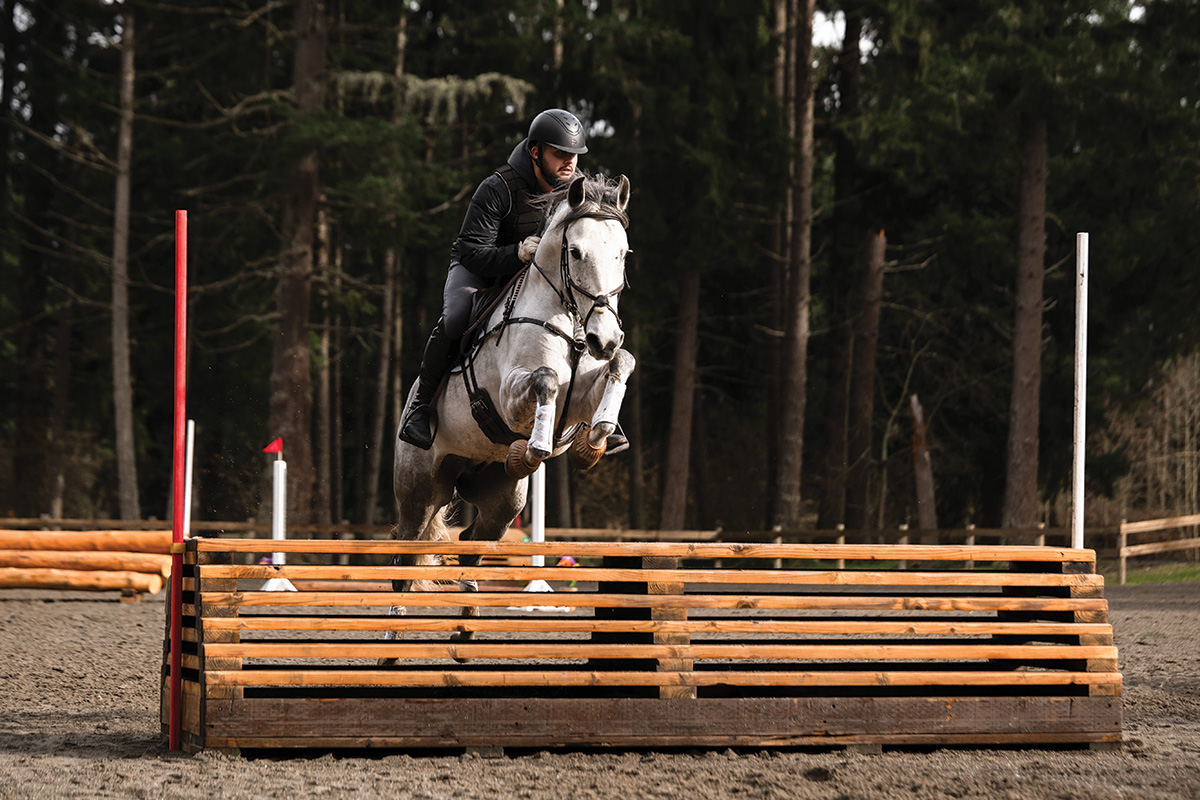
“Kharisma came to San Juan Island, Wash., and started his development with eventing trainer Servando Garcia, who soon introduced Kharisma to jumping,” says Peterson. “It’s easy to say it was ‘love at first sight.’ Kharisma loves to jump, loves the challenge, and trusts his rider. He is still young, but should have a great career in eventing or whatever job he chooses to do.”

Caroline and Kharisma jumping.
Kharisma loves to jump and has been in training for eventing. Photo by Ashley Kemp Photography

While a gaited horse in eventing could normally be a challenge, Peterson says Kharisma shines.

“He has successfully competed at Novice level, quite a challenge for a gaited horse, but with Servando’s endless efforts and Kharisma’s willingness to work, he is moving toward being successful at a higher level,” she says. “Kharisma is the only Marchador participating in eventing competitions in the U.S.”

Peterson explains that dressage is difficult for gaited horses, but Kharisma is taking that on too.

“We believe quality, ambitious and well-trained Mangalarga Marchadors will perform well in any job,” she says. “Tigre and Kharisma are kind, docile, coachable and intelligent horses with big personalities.”

This article about the Mangalarga Marchador breed appeared in the October 2024 issue of Horse Illustrated magazine. Click here to subscribe!
An Excerpt from Fur Mama

0

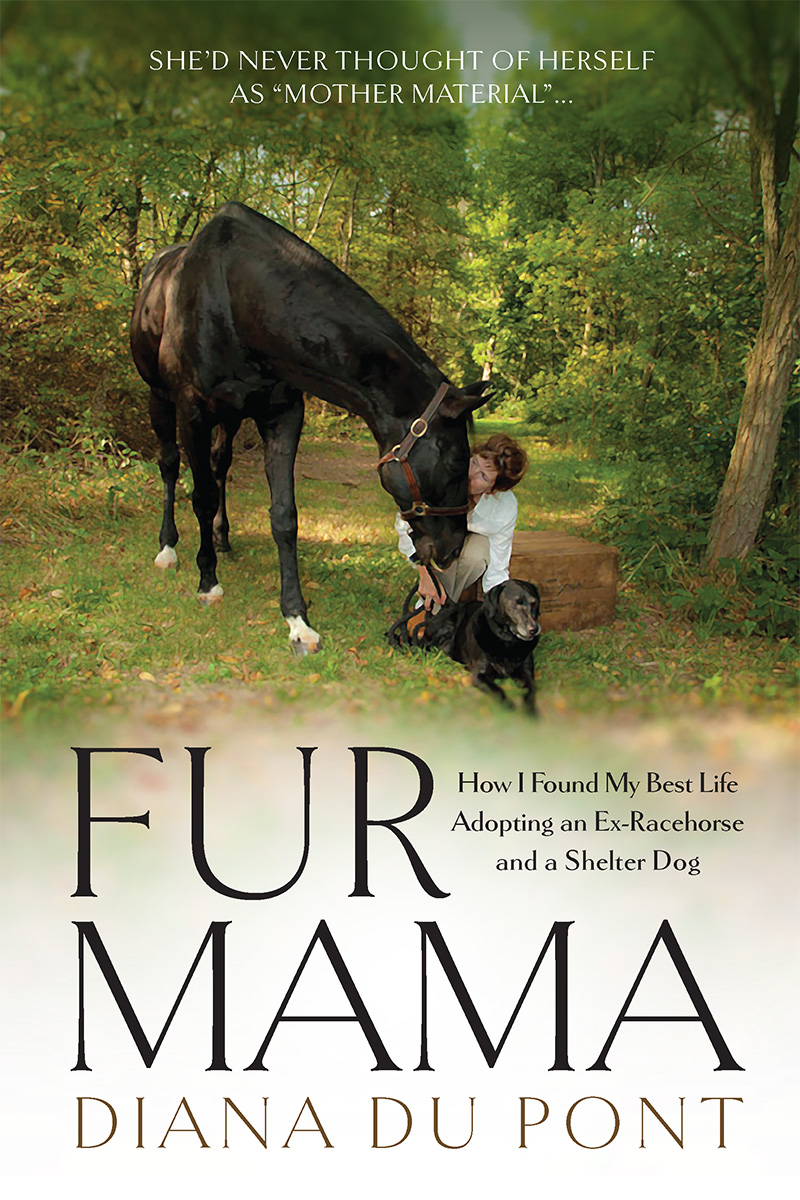
An exclusive excerpt from Fur Mama by Diana Dupont, coming October 14 from Trafalgar Square Books

The cover of the book Fur Mama.

Now secured in crossties, Blackie tried to stand still, but he could not help himself from twisting his lithe body ever so slightly left to right, assessing all that was going on around him. Meanwhile, I gently stroked his supple neck and massaged his firm withers as I spoke softly into his furry ears and kissed his velvety muzzle. With these small gestures, I wanted to see if I could build my own bond with him, to observe if, with time, he might respond to and trust me like he did Gail. Quickly realizing that there was an immediate connection, Gail embraced the opportunity, saying, “Would you like to try Blackie? He moves as good as he looks.” 

Of course, I wanted to ride him, but in refusing to acknowledge this instinctive impulse, I clung to some semblance of my rational self and respectfully declined the generous offer.  

“Thank you, Gail, but no, not today,” I said. “I don’t have that ‘I’m ready to jump on a racehorse’ frame of mind.” 

Even though Blackie had already gripped my imagination, I held back from mounting him upon that spur-of-the-moment invitation, because I was afraid of this undeveloped prospect, unsure that I should or could accept such a splendid dare. While concerned about compatibility, I was mostly preoccupied with where such a big step might lead me. Before experiencing that closest of rapports between horses and humans that riding represents, I needed to pause, to ask myself if I should curb my quickening fancy and first consider the implications of a spirited horse like Blackie. Would he be too much for me? On many levels? Could I handle him? Could I train him? I pondered privately. Most importantly, though, I wondered, Could I manage him and my demanding job at the same time? What if this capricious creature upset all that I had struggled to establish as a professional woman, risking the mighty foundation I had built up for myself and into which I had cemented my very identity?  

On the heels of these trifling rationalizations, I closed the matter at hand by saying to Gail, “While I don’t believe Twinkles is a match for me, please give me some time to think about Blackie, as you consider whether you really want to let him go.” 

Unconsciously, I must have known that mounting him then and there would have ripped open a floodgate of repressed emotions that I was unprepared to confront. But those hidden feelings were precisely the secret sentiments Gary was hoping I would tap back into by having a horse in my life again, convinced that any Sturm und Drang unleashed by this magnificent 1,200-pound ball of pure energy would be temporary and, in the end, all for the good. He simply paid no mind to my inner conflict about this whole horse thing. Instead, he capitalized on the fact that, ever since stepping foot in the barn at Altamira Ranch, I had been eyeing this mysterious black beauty. 

Naturally intuitive, Gail sensed the tug-of-war going on inside me and leapt at another chance to steer me toward Blackie. 

“I know Thoroughbreds can be intimidating,” she said. “They’re a lot of horse, but once you understand them, they’re truly the best.”  

Gail found herself encouraging my nascent attraction, because, if she had to part with her Blackie, she wanted to place him with someone like me who revealed an instant affinity, however much I was trying to deny it. Assuring her that we would be in touch again soon, Gary and I took our leave, and as we headed to our car, I looked back over my shoulder and saw Blackie’s eyes fixed on me. 

While retracing our path back over the Santa Ynez Mountains to our home in the Santa Barbara foothills, we each quietly considered our day’s adventure. The lulling sound of the car’s pliant tires rolling against the hard asphalt filled the tranquil space between us. For me, this rare excursion together had been a refreshing change of pace from my normal workaholic grind, and I enjoyed the sense of calm it brought. As it turns out, though, it was short-lived. 

When we approached home, winding slowly up toward Rattlesnake Canyon on narrow, curving roads bordered with gnarled oaks and craggy boulders, Gary broke our silent musings. Being a decisive person, he simply stated, “I think you’ve found your horse. Search no further!” 

“What!? Why do you say that? What makes you so sure?” I shot back defensively, fearing deep down that he might be right.  

“Well, for starters, he’s smart and good-looking. And it’s about time you had someone like that in your life,” Gary quipped. Smiling wide now, he added, “There’s already some kind of woman-horse communication thing going on between the two of you. It just seems like love at first sight. Put it this way: if you ever looked at another man the way you looked at that horse, I would know the marriage was over!” 

Laughing under my breath, I had to confess, “Yes! Blackie’s definitely in my head, and more importantly in my heart, but he’s so green.”  

Gary quickly countered, intent on influencing my deliberations, “His naiveté is not a detriment. Think of his rawness and need for attention as assets. Even I can tell he’s a force of nature, but by bringing him into your life, you will help him while also finding a healthy kind of absorption. You desperately need that. Something good and wholesome but also challenging to check your obsession with work.” As I let Gary’s words sink in, he gently pressed one last time. “Call Gail and get on his back and see what you think, before she changes her mind or someone else grabs him.” 

Pre-order Fur Mama here.

This excerpt from Fur Mama by Diana Dupont is reprinted with permission from Trafalgar Square Books.

ASPCA Right Horse Adoptable Horse of the Week: Primrose

0

Welcome to Horse Illustrated’s weekly installment of the Right Horse Adoptable Horse of the Week, offered in partnership with the ASPCA’s Right Horse program. This week’s adoptable horse is Primrose! Check back weekly for a new featured horse so you can find your Right Horse.

Adoptable horse Primrose.
Photo courtesy Kentucky Equine Adoption Center

Adoptable Horse: Primrose, a 16-year-old, 14.2hh Paint Horse mare
Organization: Kentucky Equine Adoption Center, Lexington, Ky.

Get to Know Adoptable Horse Primrose

Primrose is a spirited and resilient mare with a bright future ahead. She came to the Kentucky Equine Adoption Center from a neglect case, but quickly settled in and revealed her bold, curious personality. She’s affectionate and companion-oriented—truly an “in-your-pocket” kind of horse who would happily follow you around all day.

Primrose is currently undergoing a veterinary assessment to better understand the extent of her vision. Her blue eyes make her sensitive to light, and she has chronic uveitis, which is managed with a prescription fly mask and medicated eye treatments given three times a week.

She has begun groundwork training and, while she can be pushy at times, she’s already showing progress with respect for personal space and responsiveness to pressure and release. With consistent, kind guidance, she’s learning to pick up her feet politely and respond more thoughtfully to her handler.

Primrose is currently barefoot and thrives in a dry lot environment to help manage her weight. She is on a daily ration of McCauley’s M-10 balancer.

While her riding potential hasn’t yet been confirmed, Primrose shows promise and will benefit from a patient, experienced adopter who can continue her training at her own pace. She truly thrives in a social setting and would do best in a home where she can bond with both equine companions and her humans.

Primrose’s adoption fee is $900.

Contact Kentucky Equine Adoption Center today about ASPCA Right Horse Adoptable Horse of the Week, Primrose!

A tovero mare.
Photo courtesy.

ASPCA Right Horse

My Right HorseASPCA Right Horse is the online adoption platform of The Right Horse Initiative, a collection of equine industry and welfare professionals and advocates working together to improve the lives of horses in transition. A program of the ASPCA, their goal is to massively increase horse adoption in the United States. To find more adoptable horses and foster horses, visit www.myrighthorse.org. To learn more about The Right Horse, a program of the ASPCA, visit www.aspcarighthorse.org.

Niche Equine Jobs

0

It’s hardly unusual for horse lovers to fantasize about making a living with their favorite animals. A job as a trainer or veterinarian are often the only ones horse-crazy youth are told about, but plenty of people have successful careers in the equine industry that don’t involve these well-known paths. Some discover a niche job for which they’re perfectly suited. Others build a business around their skill set or a product they’ve created. And the great news is they didn’t have to spend years in school and debt or risk their safety riding “problem” horses to get into these careers.

Could you do the same?

Equine Clipping Business

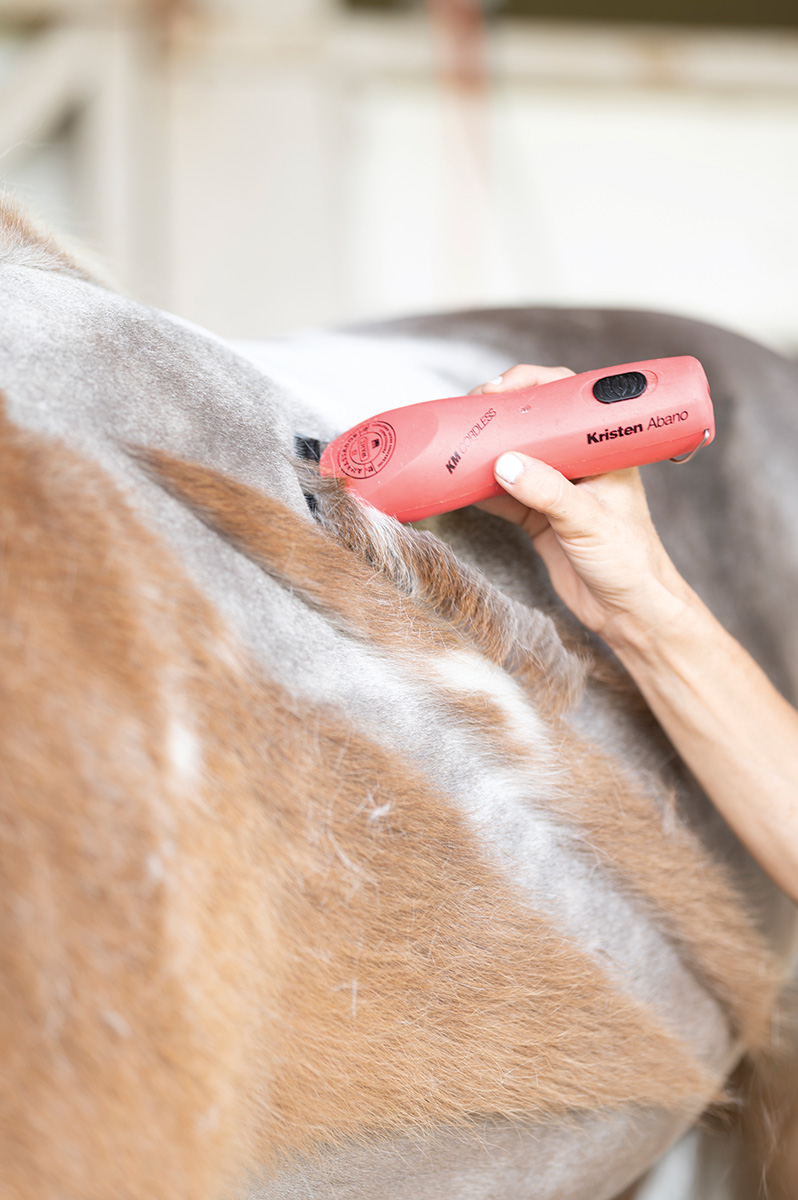
Originally from Long Island, N.Y., 34-year-old Kristen Abano was a horse girl who majored in communications and English. After college, she worked in office administration at Cornell Ruffian Equine Specialists in Elmont, N.Y., for a year before relocating to south Florida. Eager to be more hands-on in the equine industry, Abano began working as a veterinary technician at Palm Beach Equine Clinic in Wellington, Fla.

“Once I got into vet med, I thought that would be where I’d work the rest of my life,” she says. “That was my dream job at the time, but the burnout is real in that industry. Toward the end of my time as a vet tech, I started doing some grooming [for private clients]. When I left the clinic in early 2020, I started my own business as a professional groom and made it a legal operating entity in 2021.”

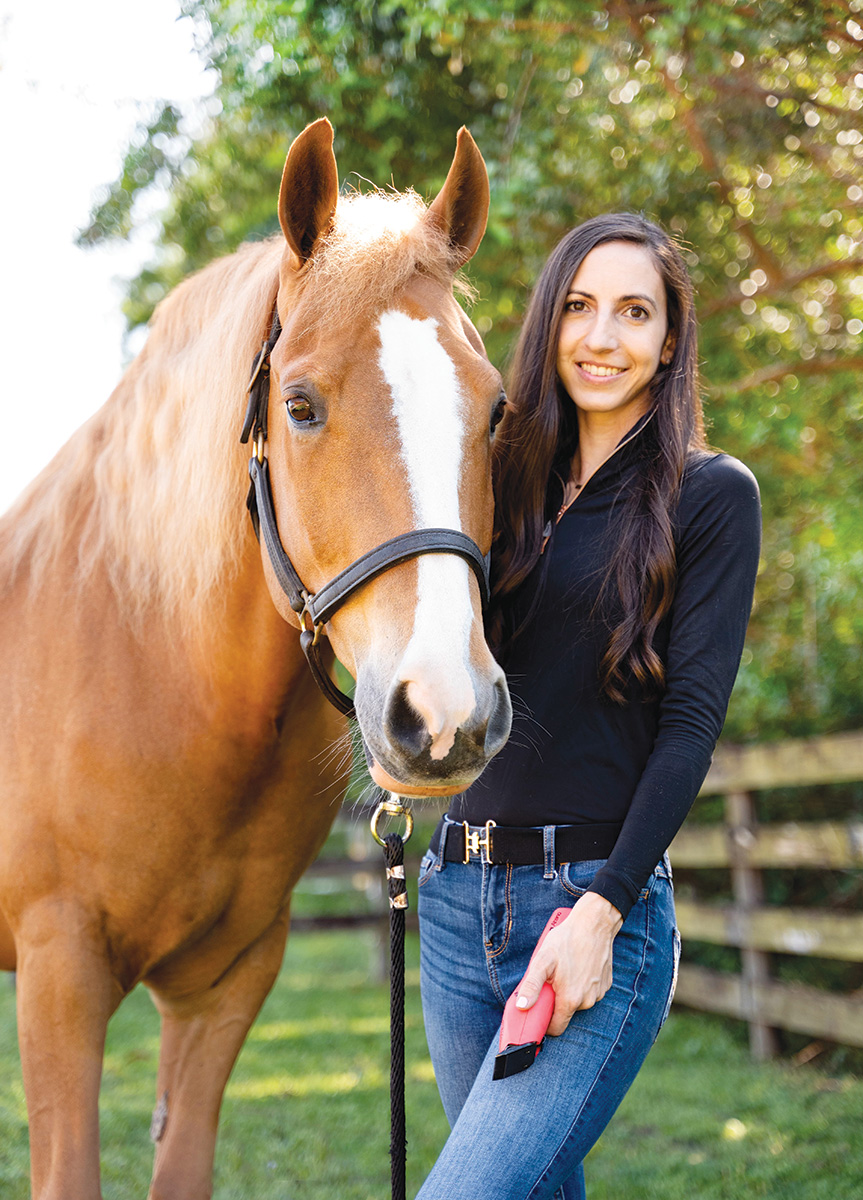
It took three years for Centerline Equine Clipping to create full-time income, but the business has doubled every year. Her own horse, Ace, a Haflinger/Quarter Horse cross, models for her business marketing photos.

Kristen Abano and her horse Ace.
Kristen Abano and Ace. Photo by Klara Balsan Media

Centrally located near the show horse hub of Wellington, Fla., Abano is able to service south and southwest Florida. She works on everything from six-figure show horses to the 40-year-old backyard pony.

“Body clipping is not just about aesthetics; some horses need this medically,” says Abano. “Take Cushing’s horses, for example: I have these on a four- to six-week schedule to stay ahead of their coat growth, otherwise they may develop further health complications.”

Clipping a horse, one of the featured niche equine jobs.
Abano says clipping is important for keeping horses cool in Florida, especially those with conditions like Cushing’s disease. Photo by Klara Balsan Media

While most of her business is body clipping, Abano offers plenty of other services, including sheath cleaning, mane tidying, private client grooming for shows, and preparing horses for photo sessions.

“Photoshoot prep is one of my favorite services,” she says, noting that she can do all the grooming and hand over an immaculate photo-ready horse, or stay for the duration of the shoot to help with details and getting ears up.

“My favorite part of what I do is getting horses to look and feel their best,” she adds.

Working Thoroughbred Sales

In 2023, an amazing 14,462 Thoroughbreds sold at public auction in North America for gross receipts of $1.2 billion. The average price per horse was $86,114.

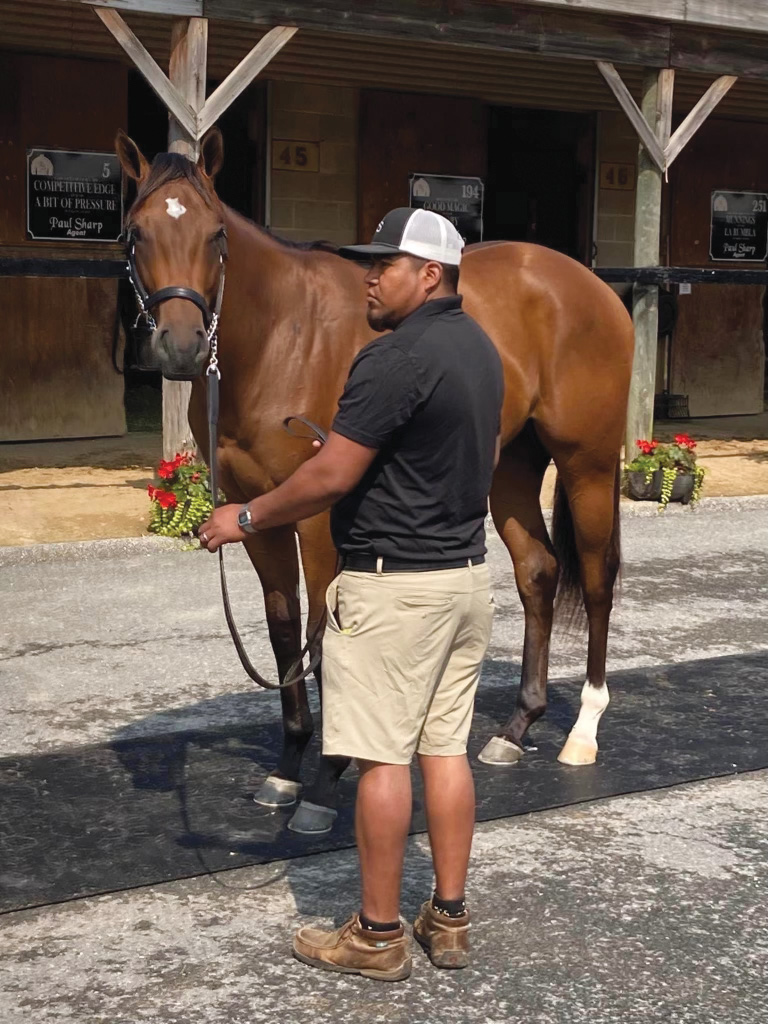
Consignors who sell horses at these auctions routinely hire workers who specialize in preparing and handling horses at the sales. The most talented are able to work sales exclusively, rather than working on farms. On average, these consignors pay sales workers $250 to $300 per day.

Giovanni (Gio) Garcia, 31, of Little Village, Ind., has built a reputation as a top hand and makes a living working the country’s biggest Thoroughbred sales.

Gio Garcia working at a Thoroughbred sale.
Garcia travels the country to horse sales and keeps up a steady full-time income stream, spending time with his family between sales.

Garcia wasn’t raised with horses, but he’s consistently worked in the equine industry since starting as a groom at Tampa Bay Downs in 2012.

“I started coming to Ocala and working as an exercise rider and groom on a farm,” says Garcia. “Someone asked me about working sales and told me I could make more money doing that.”

He experienced this firsthand in 2020 when he worked for Claiborne Farm at the Keeneland yearling sale in Lexington, Ky. It was there Garcia found his niche. Since then, he’s been hired by sales consignors to work at Thoroughbred sales in Florida, Kentucky, Maryland and New York.

“I go wherever the horses go,” says Garcia.

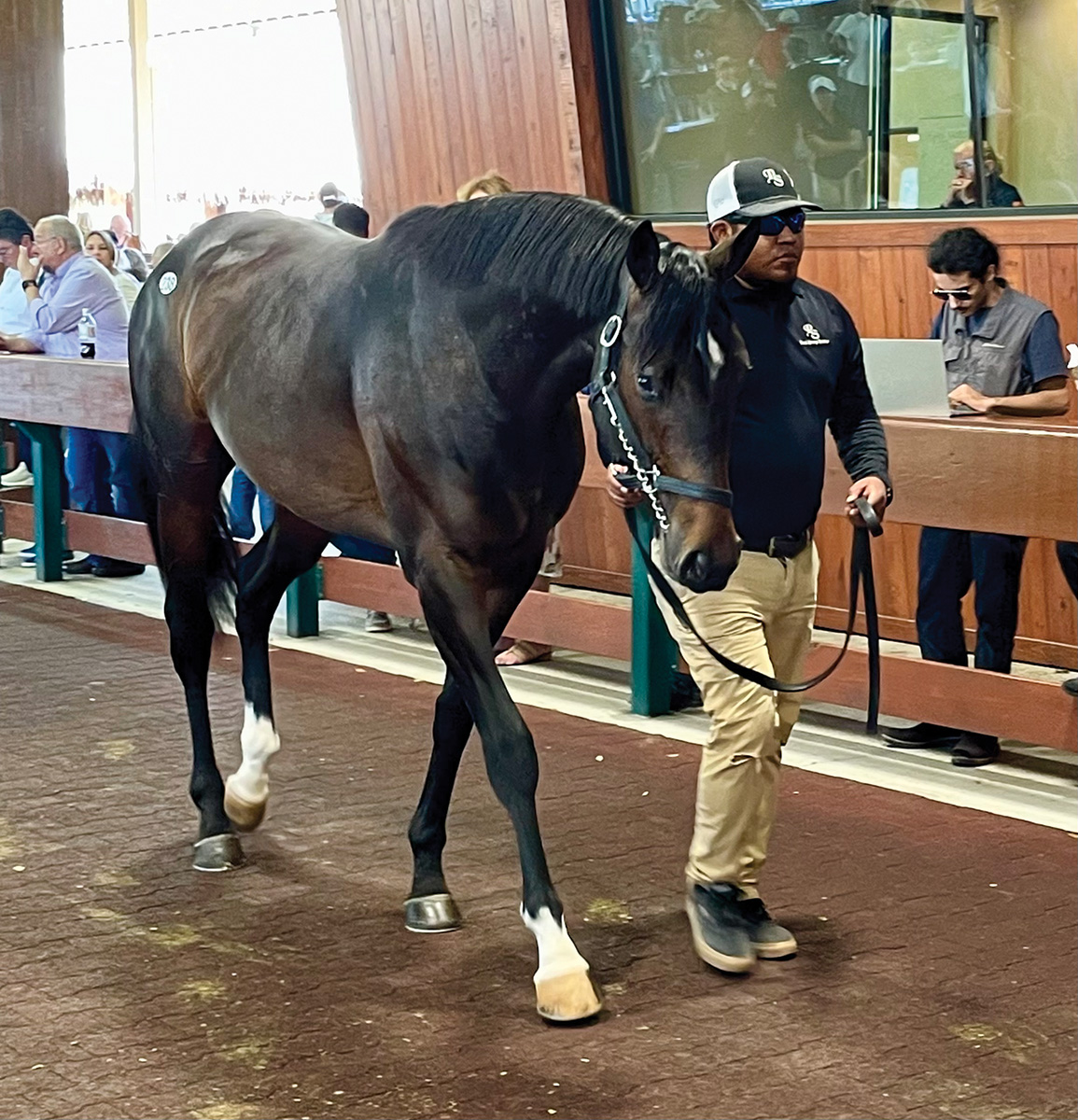
Gio Garcia working at a Thoroughbred sale, one of the featured niche equine jobs.
Gio Garcia walks a yearling to the auction ring at the Keeneland sale in Lexington, Ky.

During the longest sales, he may be away from home 16 days at a stretch. Once the horses ship in, the days are long and intense with no time off until the sale ends.

Whether he’s tacking up and wrapping the legs of a 2-year-old before a breeze show (where buyers get to watch the horse have a timed workout on the track before the auction) or showing rambunctious yearlings to prospective buyers, Garcia’s focus is always making sure the horses look their best.

“Whether it’s cold, raining, or hot, I love what I do,” he says. “I love horses and I’m paid to do something I love.”

Paul Sharp, one of the industry’s top 2-year-old consigners, sees Garcia’s passion.

“He’s reliable, knowledgeable, communicates well, and has a good touch. He definitely has a passion for the horses.” Ocala-based Sharp has hired Garcia to work all of his consignments since 2021.

As Sharp explains, an experienced hand like Garcia understands what’s at stake with the big sales and pays close attention to detail.

When he’s not working a sale, Garcia is home spending time with his family—his wife Courtney and their almost 2-year-old son, Giovanni Jr.

“He loves horses and already has a pony,” Garcia says with a smile.

Supplement Business

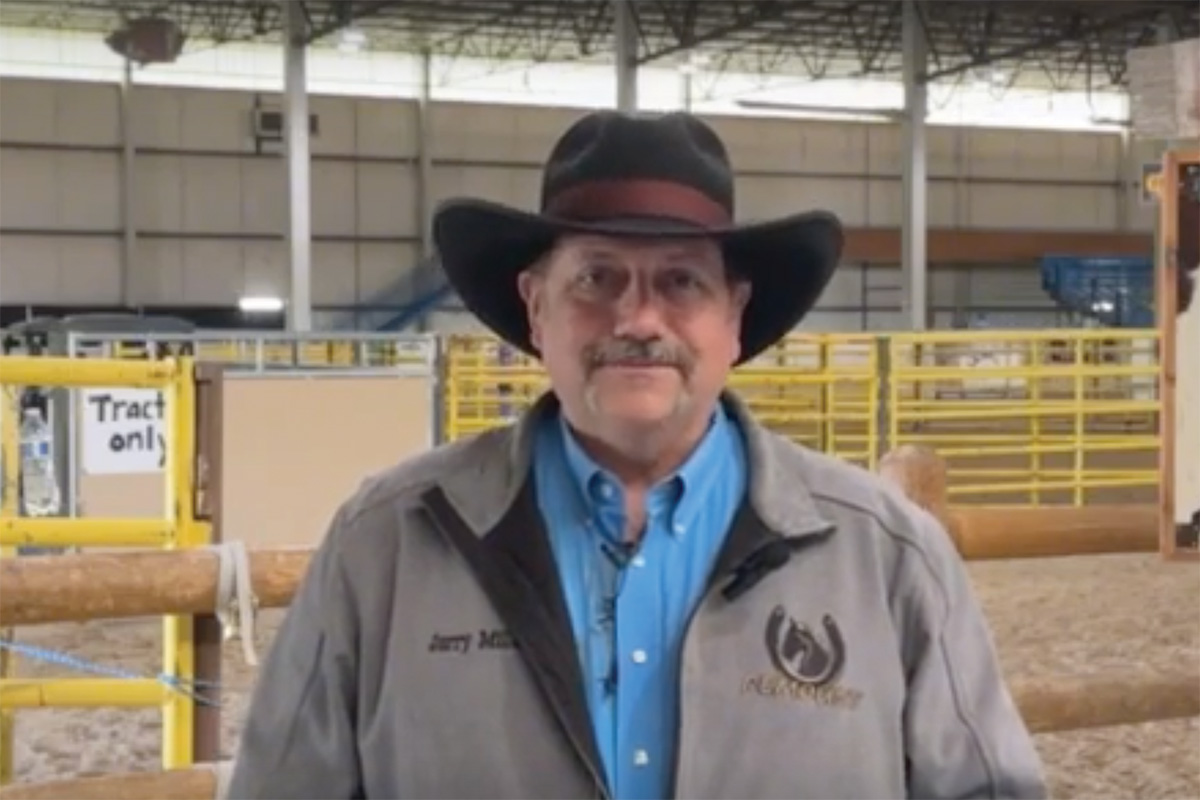
When Jerry Miller was a young man cowboying in Wyoming, he never imagined owning an equine supplement company.

Raised in Sheridan, Wyo., Miller went into the U.S. Navy after graduating high school. After serving his country, he moved to Seattle and worked as a welder for 12 years.

Miller then earned his mechanical engineering degree and moved to Idaho after graduating college in 2002. For the next 15 years, he traveled across the U.S. working as a consulting engineer for a company that built food and beverage processing systems.

“Between my ranching, welding and engineering experience, I was able to come up with new ways for my clients to make money,” says Miller. “I was always on the lookout for a way I could be my own boss.”

Jerry Miller, whose equine job is owning his own supplement business.
Jerry Miller started his business with an entrepreneurial spirit and an idea from a previous job.

That opportunity came in 2019, when Miller wrote an engineering proposal for a nearby CBD oil extraction lab. The owner ended up hiring Miller as the production manager to design and run his extraction lab in Oregon.

“I learned everything I could about the product and processing it,” says Miller.

When he realized the company threw away the hemp after extracting the CBD oil to use in human products, he sent samples for testing. When the results came in, his entrepreneurial mind started spinning.

Testing revealed the hemp contained no THC, but was rich in 18 amino acids that fuel hoof, bone, skin and hair growth, repair muscle, manage weight, and help mental focus, among numerous other benefits.

After doing a trial with horse-owning friends and seeing how readily horses ate it, Miller knew he had a viable product. From there, it was a matter of researching the best way to dry the hemp, grind it, and process it into a supplement.

Miller officially launched Remount on May 1, 2020, during the early days of the pandemic. His company is registered in Idaho and his production shop is located across the border in Ontario, Ore.

Remount is a 100 percent hemp amino acid CBD equine health supplement. It contains 18 vital amino acids, including lysine, methionine, leucine, and more. The supplement is available in both powder and pellet form.

“I put some money in the business to get it rolling, but it was paying for itself by the second year and became profitable by year three,” says Miller. “I’ve seen a 30 to 40 percent increase in sales since 2021.”

In addition to selling online through Remount’s website, Miller has the supplement in eight retail locations in five states, and he has 12 distributors in 10 states.

This fall, he is heading south in his fifth wheel to spend the entire winter in Arizona, doing vendor booths at horse events from November through March.

Advice for Making an Equine Career Happen

Do you have what it takes to launch a career in the equine world?

“There are many ways you can make a living working with horses,” says Abano. “Find what you’re good at and figure out how to make money at it. Make sure it’s something you enjoy and are passionate about. If you’re offering a service, you have to love it.”

Miller recommends researching first.

“Find something no one else is doing and go for it,” he says.

If you’re marketing a product, be prepared to give away samples in the first year to get people to try it. Sponsoring good competitors who use your product also helps get the word out.

For obvious reasons, location matters if you’re offering a service. For example, Abano’s proximity to Wellington and her ability to travel in south Florida set up her business for success.

During show season in Idaho, Miller has a vendor booth at the Ford Idaho Center in Nampa, which hosts many shows and equine events, allowing him to showcase his product to horse people from a variety of states and different breeds.

Next, don’t skimp on appearances. A professional website is crucial when you’re launching a business. Miller says “before and after” photos of horses using his supplement have really helped promote Remount.

Before and after photos of a horse on the Remount supplement.
Giving out free samples and using “before and after” photos for marketing helped build Miller’s business.

Finally, take advantage of social media and make the most of your connections.

“Wahl reached out to me after having followed my social media for a few months and asked me if I would be interested in joining their Pro Equine team,” says Abano. “Professionally, having this credential behind my name makes my business more competitive and marketable.” She is now a Wahl ambassador and educator who exclusively uses Wahl Animal products.

“I have consistent sales in over 25 states,” says Miller. “I couldn’t have gotten sales in some of those states without social media. I do a lot myself and have 15 to 20 sponsored competitors who talk about the brand on social media.”

This article about niche equine jobs appeared in the October 2024 issue of Horse Illustrated magazine. Click here to subscribe!
Using Animal Communication for a Deeper Connection with Your Horse

0

There is a growing desire among equestrians to learn more about animal communication to connect more deeply with horses. People are beginning to know, sense, and feel that there is much more to understanding equines besides just reading their body language.

Practicing animal communication with a horse.
Photo by Christiane Slawik

It’s important to have a great trainer to learn the fundamentals of good horsemanship and riding, and also a good support team (farrier, veterinarian, et cetera) for a horse’s physical wellness. But what about a horse’s emotional wellness or spiritual connection?

Horses are great feelers. As sentient beings, they have emotions like we do, and feel love, joy, gratitude, and connection with each other and with us. They can also feel anger, frustration, fear, and sadness based on current life circumstances or past traumatic events.

As prey animals, we know they easily move between sympathetic (fight, flight, freeze) and parasympathetic (rest and digest) states.

Clearing Stuck Emotions

As a trained animal communicator, I find it’s very helpful to be a part of a horse parent’s support team when it comes to enhancing their horse’s emotional fitness. We often focus on just the physical nature of the horse, and yet there is a great mind-body connection that also needs to be addressed.

I’ve found in many sessions that behavioral issues are linked to emotions that need to be acknowledged and released. I’m grateful for my training in various emotional clearing techniques that greatly benefit horses (and humans, too!) when they are used in communication and healing sessions.

Horses can have stuck emotions such as “lack of control” or “frustration,” and can be more governed by fear and past traumas rather than feeling grounded and connected to current reality.

When I first adopted my horse, she was guarded and had stuck emotions around abandonment that I helped her to clear, and then our bond grew through trust.

All animals, like humans, can also have heart walls. This is something Bradley Nelson, D.C., discovered in his Emotion Code work. These can prevent horses from receiving and experiencing the good that is here for them now. Sometimes horses also need to release emotions they still have from old barns and owners where they used to live and weren’t happy, so I’ve helped them release the past and start with a clean slate.

In addition, horses are often seen as incredible spiritual beings because they spend a lot of time in a meditative state and can be very still and loving. Many people feel safe crying around them and feel that they evoke awe and wonder.

A Voice and a Choice

These spiritual components are another part of good animal communication, and we can delve into what our horses truly want to be doing in their lives and with their humans. Some want to be great athletes and enjoy physical exercise and competition with their humans; some want to be teachers and healers in equine-assisted therapy or coaching; and others would prefer to be companions without specific work.

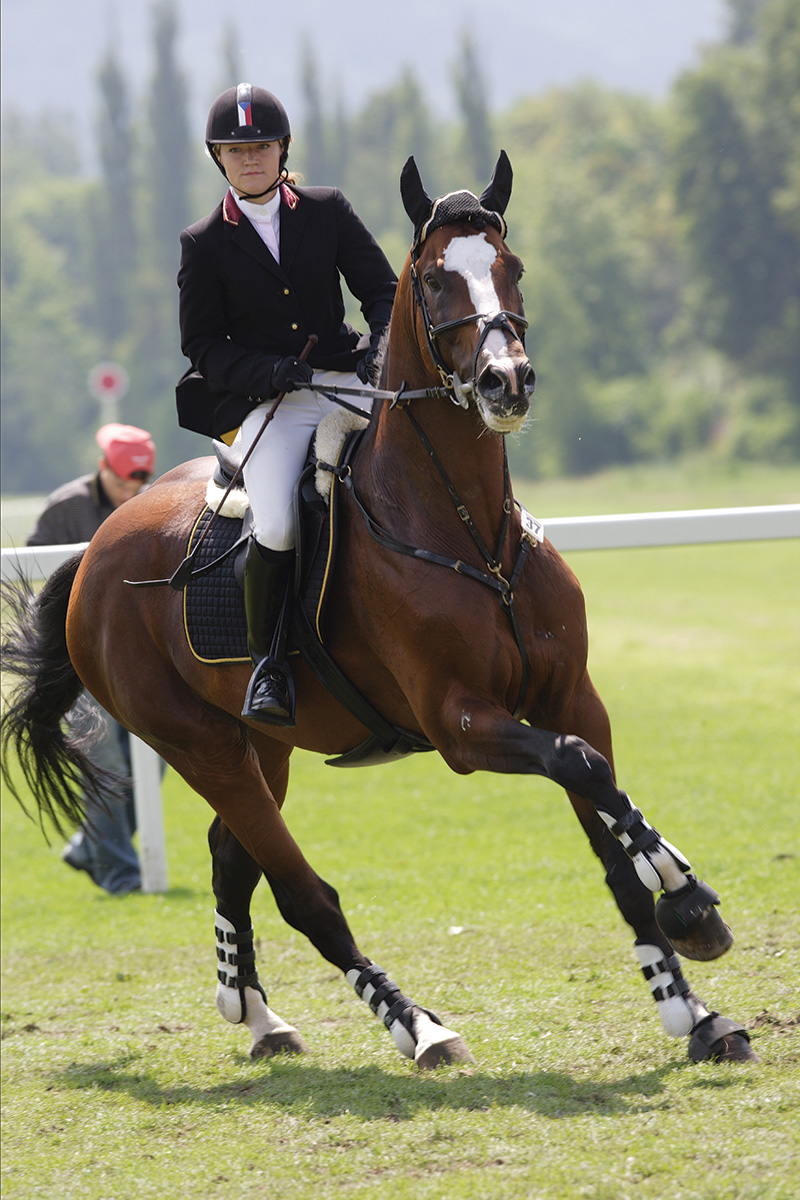
A show jumping competition.
Some horses prefer an athletic career and thrive on exercise and competition. Photo by Christiane Slawik

We can learn their unique preferences and purposes when we learn to speak with them. It helps them to feel understood, honored, and content when they are allowed to have a voice and a choice.

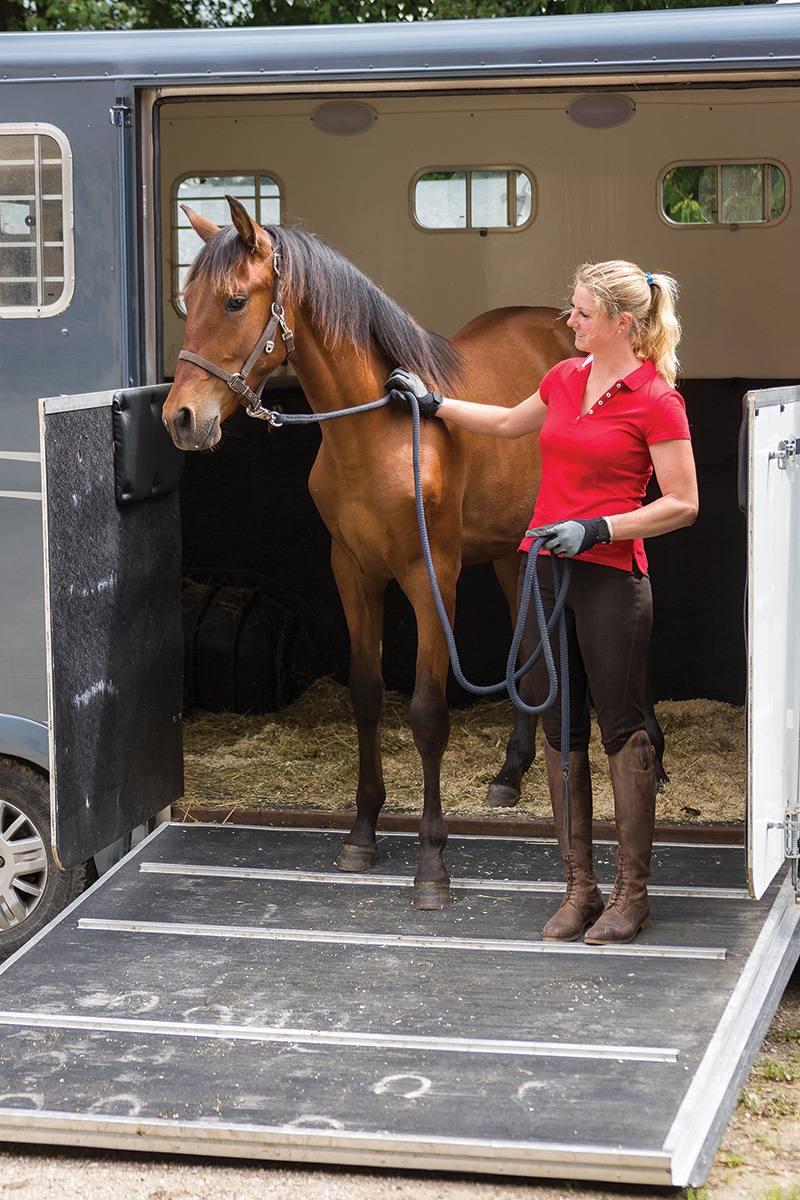
Many times, horses want to know our expectations for them in our riding relationships. They want to know if and when they will be moved or transported, and if a herd member will be coming or leaving.

Practicing animal communication with a horse.
Horses want to know if they will be transported somewhere or if a friendly herd member will be coming or going. Photo by Christiane Slawik

They want to express their thoughts about the other members of their support team, such as their vet, farrier, trainer and rider. They also want us to know what bothers them and how they are feeling. All of that information can help their emotional fitness once we are able to understand them better and meet their needs.

What many horses love to communicate is their heart’s desires for their life (their “purpose work”) and how they want to help their humans. They want their humans to know how much they are loved and often want to share how they see their humans. They can have great guidance for how their humans can heal and improve all their relationships.

A western rider.
What many horses love to communicate is their desire for their “purpose work” and how they want to help their humans. Photo by Christiane Slawik

When animals can get messages across, it makes both their lives and ours easier. They can ask for what they need and want for themselves and for us as well. We don’t need to guess or become frustrated; we can learn how to be helpful to them.

Time after time, I have witnessed a horse’s relationship with his human grow stronger immediately after a session because he finally feels like he was able to fully express himself.

Try It Yourself

In addition to hiring a great animal communicator to be a part of your support team for your horse, you can also learn how to become one yourself. Whether you want to become a professional or you just want to use the skills personally, there are many benefits to animal communication.

At the core, it comes down to a horse feeling seen, heard, valued, and appreciated. Here are some of my top tips and tools to begin horse communication.

1. Permission: Ask your horse if you have permission to chat. I’ve found they always want to talk, as long as it’s a good time and they are in a restful state and not in the middle of playing with friends or taking a lesson, et cetera.

2. Space: Create a specific time and place where it’s quiet and you can bring a journal and really focus on listening and practicing.

3. Intention: Set an intention to connect from your heart space to theirs. You can even put one hand on your heart and the other on your horse’s heart and breathe for a minute. Feel how much you love your horse, then set an intention to receive information from him. Start with simple questions, such as, “How are you feeling today?” and “What are you enjoying today?”

Practicing animal communication with a horse.
Set an intention to connect from your heart space to your horse’s and breathe for a minute. Photo by Christiane Slawik

4. Surrender: Let go of attachment to an outcome by staying curious and having fun. Keep it light, simple, and flowing. Assume you already know this skill and can do it! Stay open to how you might receive information, as we are all a bit different with our intuitive skills.

For instance, I am more clairaudient, so I hear what the horses say. If you feel and sense a lot, you may be more clairsentient, and if you see pictures or images, then you may be more clairvoyant.

5. Receive: Keep your body posture open and stay in your heart space. Breathe. Don’t overthink. Smile if you find yourself in your head. Go back to how much you love your horse. And allow your imagination to lead. Just write down whatever comes forward.

6. Gratitude: Thank yourself for trying and being willing to experiment. Thank your horse and share why this practice matters to you. Set another time with your horse for consistency and to improve over time.

How to Clear and Ground

In addition to communication, healing work is also important to offer horses. Equines are often at their safest, for themselves and others, when they feel grounded to their space and land. They feel their best when they are in their own energy signature and not carrying stuck energy.

A herd of yearlings.
Horses are often at their safest, for themselves and others, when they feel grounded to their space and land. Photo by Christiane Slawik

Clearing: One of my favorite ways to help a horse is to clear his energy field by gently clapping around his body. First test the clap to make sure he doesn’t startle, then move around his body with the intention that stuck energy will leave. Watch to see how your horse likes this and if he is receiving (for example yawning, blinking, nodding, getting sleepy). I have a video demonstrating this on my YouTube channel.

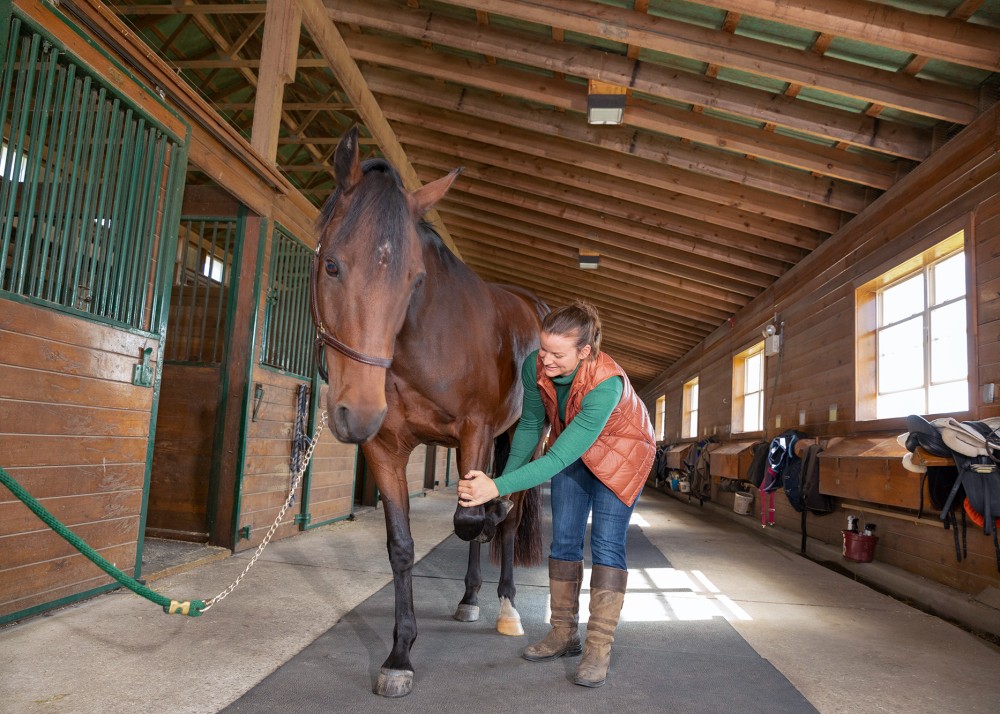
Grounding: You can also put your hands around a horse’s hoof by the coronary band and gently press and imagine your horse connecting more fully to the ground below. Ask for healthy Earth energy to come up into your horse as well. Do this on each of the four hooves. This is great to add to a hoof picking routine or to do before you ride.

Enjoy these new experiences with him and you’ll grow your human-horse-heart connection. Your horse will thank you!

This article about using animal communication for a deeper connection with your horse appeared in the October 2024 issue of Horse Illustrated magazine. Click here to subscribe!
Improving Under-Saddle Communication

0

Here, two trainers provide their under-saddle communication tips for a better horse-rider relationship.

Have you ever wondered if your actions could be influencing your horse’s progress? Subtle changes can help promote the best possible partnership with your horse.

Kim Walnes is one such expert on the subject—you may remember her name as individual and team bronze medal winner at the 1982 World Three-Day Event Championships in Germany and the Rolex Kentucky Three-Day Event winner the same year.

But even more so, she’s known for her incredible bond with her mount, The Gray Goose, during their banner years from 1980 to 1986 as members of the United States Equestrian Team.

Kim Walnes and The Gray Goose.
Kim Walnes and The Gray Goose had a bond that made history in the horse world. Photo by Mary Phelps

You might assume their star-studded career began as a walk in the park, but that’s not the case.

“When I started riding Gray, he already had a bad reputation. He bit, kicked, and threw people off. He also bolted. I could see in his eyes and in his attitude toward life that, in his mind, the best defense was a good offense,” recalls Walnes, who also is a coach and clinician with The Way of the Horse.

Channeling Compassion

Horses are excellent teachers. Before Walnes acquired the legendary Gray, she had a 3/4 Arabian named Hunraff (“Raffy”). Raffy taught her to recognize the signs of fear in a horse. Due to early life experiences, both Raffy and Gray started out distrustful of humans.

“I stopped trying to control [Gray’s] behavior and began letting him know I was a safe space to be around,” says Walnes. Channeling earlier learnings from Raffy, she understood that aggression can come from a base of fear. “I was compassionate toward [Gray], and everything shifted. The cool thing with horses is they forgive us once we understand.

“Listening ensures understanding,” Walnes continues. “What I see a lot is, ‘My horse has to be disciplined.’ He can’t stop when he says he needs to—it’s ‘one more lap.’ When we listen to the horse and say, ‘Sure, I understand how you might be more tired than I thought, let’s stop here,’ they will start working with us.”

Kim Walnes and The Gray Goose, a horse-and-rider pair that are a great example of under-saddle communication.
Walnes and Gray. She explains that horses pick up on any sign of fear from their rider, so you need to provide a sense of safety in order to be successful. Photo by Mary Phelps

Fear & Confidence

“If you’re anxious in any way, for any reason, all the horse will feel is fear,” says Walnes. “Safety is his No. 1 priority. We’re supposed to be their leaders and protecting them, and if they feel fear from us, they will be looking for what’s wrong in their environment. The horse picks up on your emotions immediately.”

Walnes recommends taking a moment to ground yourself with reassurance.

Try these steps:

1. Calm your nervous system by putting a hand on your heart or stomach.

2. Observe your surroundings to confirm there is no danger.

3. Reassure yourself by voicing, “In this moment, we’re safe.”

4. Express your desire to work together when approaching your horse. Voice your anxiety and request mutual patience.

“Explaining things to a horse is like a miracle,” says Walnes. “Because they’re like, ‘Oh, OK.’ Horses are highly intelligent, sentient beings; we just don’t speak their language. In order for your horse to trust you, he must know you trust yourself.”

Acknowledgement & Presence

Try to be aware of common under-saddle errors, says Esther Kuhlmann, coach at Northland Equine Lessons and Training just outside Kansas City, Mo.

Esther Kuhlmann coaching students during a cross-country schooling day.
Esther Kuhlmann coaching students during a cross-country schooling day. Photo courtesy Esther Kuhlmann

“A horse is a flight animal,” explains Kuhlmann, who was part of the Danish Team as a young rider. “The more you pull on the reins, the more the horse pulls against you. And when he goes faster, you [grip with] your knees because you are nervous—that is just human reflex. If you come forward in your shoulders and you hang on your knees, then the horse is just gone. You have to remember to let go.”

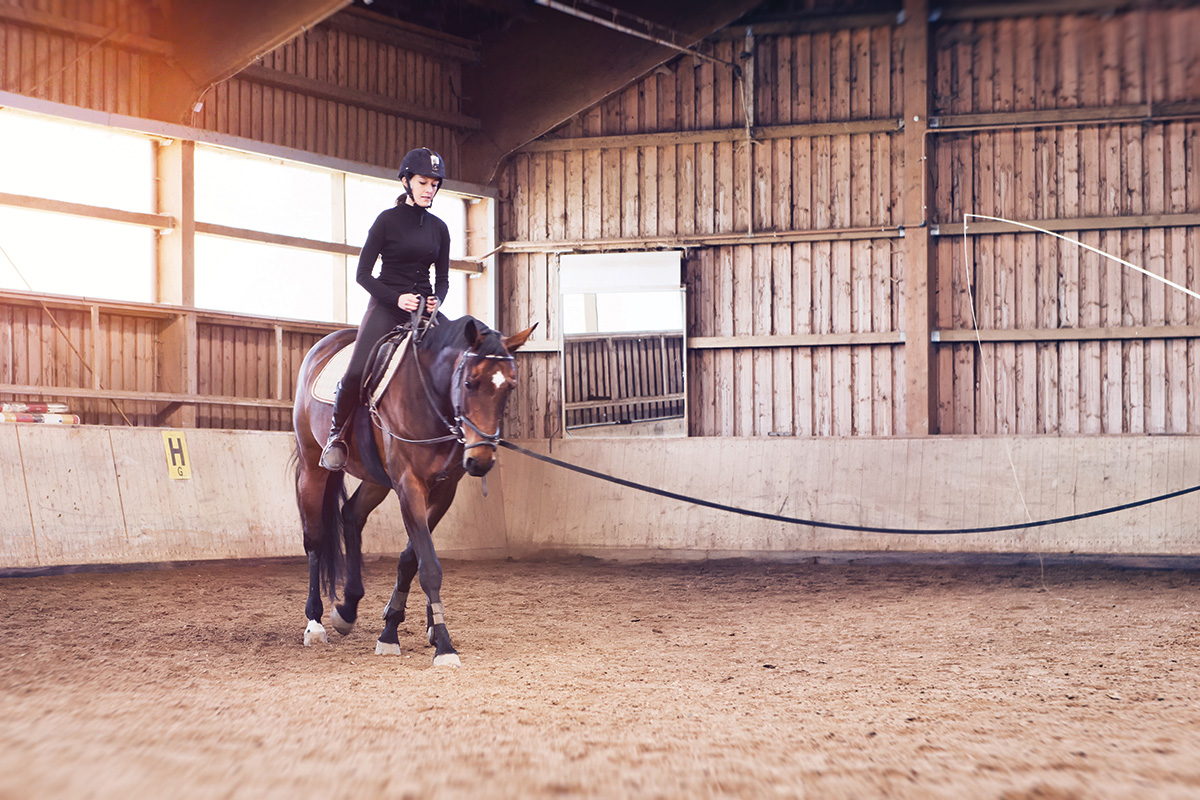
To help, Kuhlmann suggests groundwork and longe line lessons. Longe lessons help you concentrate on your riding form. She also recommends a lesson on a schoolmaster to teach you how the horse is supposed to feel.

A longe-lide riding lesson, which can improve under-saddle communication and nerves.
To help overcome nerves, Kuhlmann suggests lessons on the longe line. Photo by XtravaganT/Adobe Stock

Riding with tension can contribute to a horse’s stiffness and tension.

“I always go to the horse first to make sure there is nothing wrong with him,” says Kuhlmann. “Ninety-nine percent of the time, it is the rider.”

For a more fluid connection with your horse, she recommends practicing yoga and Pilates.

Riding with clarity is important for horses, “rather than going out vaguely and riding circles,” says Walnes.

“Training is like playing ‘hotter or colder,’” she continues. “It’s helpful to have a clear yes/no signal with the horse. You need to give the horse signals that he is on the right track, such as using a word like ‘good’ or a rolled ‘R’ sound, rather than the old paradigm that no punishment means he’s doing great.”

Tone & Behavior

“Horses understand us and what we say,” says Walnes. “They pick up the thoughts behind your words. When we label them or call them demeaning names, they feel the same as a human would feel in that situation. They tend to live up to expectations, and it builds resentment.”

Do your best to speak kindly and to be mindful of your emotions and bad days, such as an off day at work. On such days, Kuhlmann asks that students opt for a trail ride or longeing instead of a lesson.

“Otherwise, the horse feels it immediately,” she says. “Horses are sensitive and can read your heartbeat from 5 feet away.”

Consider this guidance when looking to improve the bond with your horse.

This article about under-saddle communication appeared in the October 2024 issue of Horse Illustrated magazine. Click here to subscribe!
0FansLike
0SubscribersSubscribe
We use cookies to help personalize content, tailor and measure ads, and provide a safer experience. By navigating the site, you agree to the use of cookies to collect information. Read our Cookie Policy.
OK