0 ITEMS
  • My Account
  • Holiday Gift Guide
  • Podcast
  • Webinar
Subscribe Combo
Enable cache13
Home Blog Page 635

USA Equestrian Trust helps fund horse-related charities and projects

2
Saddle seat equitation
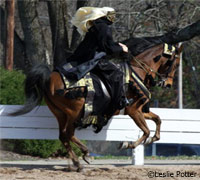
The Saddle Seat Equitation World Cup Team was one of the major beneficiaries of the 2011 USA Equestrian grants. Photo: Leslie Potter

Several horse-related charities and educational programs have received support from USA Equestrian Trust (USAET), a not-for-profit organization that aims to preserve and enhance equestrian sport in the U.S.

USAET is an affiliate of the United States Equestrian Federation and much of the 2011 grand money was awarded to USEF Equine Health Research Fund. The projects that will benefit from the grant are:

  • Design and Optimization of Collapsible Obstacles for Use in the Cross Country Phase of Equestrian Three-Day Eventing by Washington University
  • Validation of Hoof-based Sensor System for Detection of Subtle Lameness in the Horse by Colorado State University
  • Immunoproteomic Analysis of Stable Dust in Horses with Chronic Airway Inflamation by Purdue University
  • Investigating the Epidemiology and Pathology of Shivers by the University of Minnesota

Another major beneficiary of this year’s grants was the USEF Saddle Seat Equitation World Cup Team. The World Cup is a competition between approximately six nations held every two years. Because saddle seat equitation is not an Olympic discipline, riders in that sport have not historically received funding from the USEF and had to raise $5,000 to participate in the World Cup finals. This grant will help reduce the travel costs for the 2012 World Cup Teams by half.

Other grant recipients include: Old Field Farm, a historic equestrian center in need of major renovations to continue hosting educational programs for riders and horse owners; Camp Horseability, a program that offers riding and competitive opportunities to special-needs equestrians; UPHA Ribbons of Service, a program that rewards junior exhibitors in the saddle seat breeds for raising money and volunteering for charities; The Morris Animal Foundation for research into laminits treatment; and the Equine Land Conservation Resource, an organization that works to educate and motivate riders to preserve land for equestrian use.

To see the full list of grant recipients, visit trusthorses.org
Alltech National Horse Show launches new website

4

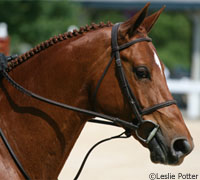
Hunter show horseThe official website for the 128th Alltech National Horse Show (ANHS) is live at www.nhs2011.org. The prize list for the show along with other exhibitor information is available there now.
The National Horse Show was founded in 1883 when it was held at Manhattan’s Madison Square Garden. For more than a century, the National, often referred to as “the Garden” for its venue, was a highlight of the competitive season for equestrians and an essential social event for New Yorkers.

In 2002, the National left Madison Square Garden and for the past several years has been held in Syracuse, New York. 2011 marks the beginning of a new chapter in the National’s long history as the competition will be held at the Alltech Arena in the Kentucky Horse Park. The arena is the same venue that hosted reining and vaulting at the 2010 Alltech FEI World Equestrian Games.

Alltech, the Kentucky-based biotechnology company that became an equestrian household name with its WEG sponsorship, continued its increasing presence in the horse industry when it announced it would take on the title sponsorship of the new National Horse Show. The ANHS will feature world class hunter/jumper competition, including the prestigious ASPCA Maclay finals for hunt seat equitation riders.

Ticket information is not currently available. Visit the new website at www.nhs2011.org to learn more about the show, its history, and its future.

Click here to read more about the new ANHS venue and to see historic video footage from Madison Square Garden.

Question of the Week: Corral Mud Management

4
Mud Season
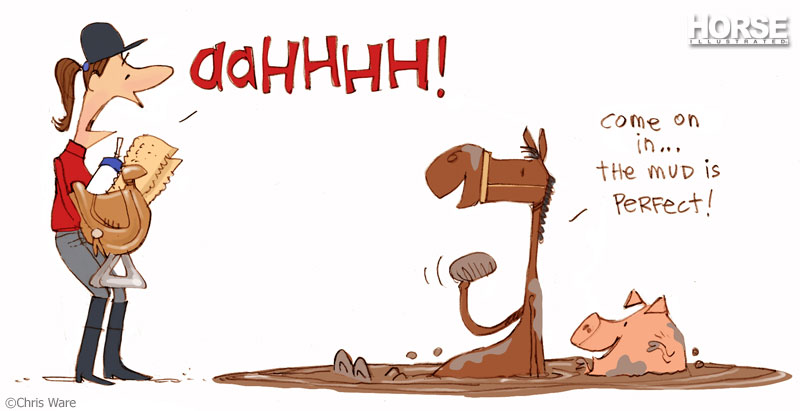
Horses often won’t choose to move to shelter or higher ground, even if we think it’s in their own best interest. Illustration by Chris Ware

Q: When it rains, it gets really wet and muddy in my horse’s corral, right where he wants to stand. How can I improve drainage? Or how can I convince my horse to move to higher ground where it’s dry?


A: One of the most puzzling and frustrating aspects of horsekeeping is accepting that horses are going to choose to stand and hang out where they want. We can wring our hands and fret all we want, but if our horses decide it’s preferable to stand where they can be near other horses, or where they can see our backdoor or the comings and goings from the feed room, then we’re unlikely to convince them to move elsewhere, even if it’s for their own good. So one option is to move the higher ground—and perhaps a shelter—to the area where your horse spends most of his time. A shelter, whether it’s a simple free-standing roof supported by poles or a three-sided shed, will help skirt rain and snow from that immediate area and also make a cozy home for your horse.

Then you can construct a pad that will elevate your horse’s chosen spot above the flood plain of the rest of the corral. You may need to haul in several yards of sand, screened fill dirt or DG (decomposed granite) and compact it to form the pad. It’s really not that difficult; it just requires some planning and muscle strength to heft the earth around. This tactic is more permanent than using bags of commercially available hyper-absorbent materials. They work great, especially for short bouts of rain, but they aren’t a long-term fix.

Finally, depending on the lay of the surrounding property, you might also consider adding a catch basin that will escort the run-off out of the corral. This is a sort of box set into the ground, covered with a grate, that’s placed at a low point just outside the corral. Inside the box is a pipe that drains into an even lower area, like a creek bed or downhill slope. Excess water will naturally flow into the catch basin and through the pipe and out to the designated area. Though this may all sound like a major construction project, it really isn’t. All the supplies can be found at your local home improvement center, which many horse owners frequent about as often as the feed store.

–Cindy Hale

Youth Barrel Horse World Championships underway in Jackson, Miss.

5

Youth riders with a need for speed are congregating at the Mississippi Fairgrounds in Jackson this week for the 2011 National Barrel Horse Association (NBHA) Youth World Championships. The event kicked off on Sunday and continues through July 30.

Watch early runs from this year’s event below.

Approximately 1,600 riders from 36 states are competing at this year’s championships. The youngest rider competing is just four years old according to reports.

The NBHA holds five national shows annually: the Mid South National in April; the Dixie National in April and May; the Youth World Championship; the Colonial National in August; and the crowning event of the season, the NBHA World Championships in October. The NBHA also holds a World Cup event in Verona, Italy in November.

For more information, visit NBHA.com.

A live webcast of the NBHA Youth World Championships is being made available by BarrelHorseNews.com

Get more barrel racing info.

Cute horse video of the day

1

I’m not one to complain about the heat, but it has been a bit too much lately, hasn’t it? I’ve spent much of my time at the barn just hosing Snoopy down with cold water and leaving him in his stall with the fan on for the hottest afternoon hours. I’ve scrubbed and refilled his water bucket to make sure he has access to cool, clean water (which he invariably snubs and instead waits until he’s back outdoors where he can enjoy the earthy flavor of the shared pasture trough.)

If all of our horses were as clever as the horse in this video from CNN.com, hot weather management would be a breeze. I love how he paws at the sprinkler when the water flow moves away from him, as if to say, “Hey, I wasn’t done with you!”

This isn’t a unique phenomenon, of course. Check out the elderly fellow in the video below making sure the sprinkler hits all sides. Refreshing!

Now, I’ve never tried putting a sprinkler in the pasture, but based on the way that Snoopy only grudgingly accepts a hose-down, I doubt he’d react the way these horses do. What about your horses? Do they find creative ways to stay cool?

<< Previous Entry

Back to The Near Side

Amazing Horse Ad Photos

11

Unless you’ve been living under a muck bucket you know that it’s tough in this economy to sell a horse. Competition to attract a buyer is fierce, and some of the advertising tactics seem to reflect that desperation. At least that’s how I feel after rummaging around on Craigslist, which never seems to disappoint me with its minefield of peculiar horse ads.

I’ve discovered two trends that seem to be popular among sellers of modestly priced horses: “Horses as Bedroom Furniture” and “Baby Riders.”

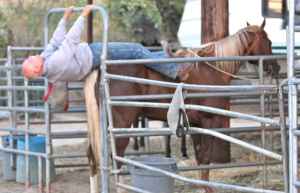
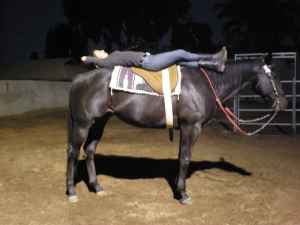
First let’s start with “Horses as Bedroom Furniture.” Apparently the ability to lie upon a horse’s back without it catapulting you into the next county is a major selling point. And I’m not sure why this is so because, quite frankly, I intend to remain sitting upright when I’m aboard a horse.

Am I to surmise that this horse is so reliable that this guy can not only lie upon its back but he can also perform pull-ups from the metal cross beam looming inches above his head? Or maybe he’s about to do a whoop-tee-do dismount off the horse’s tail end. Either way, I get a creepy feeling this photo will someday be followed by the comment, “Poor Uncle Roger was never the same after that skull fracture.”

Since this photo was taken in the evening, I’m guessing it means that this horse not only allows people to lie on his back, but they can sleep on his back, too. This trait comes in handy for those unexpected overnight visitors. Just send them out to the barn where they can hunker down on top of Petey.

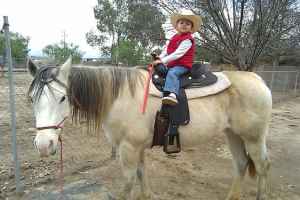
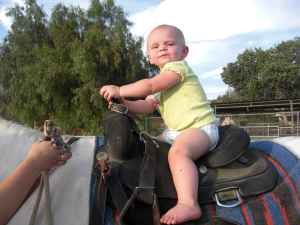
Adults that volunteer for ad duty are one thing. But I’m more than a little bothered when tiny kids get plunked onto the back of a horse like a lug sack of carrots. Take a look at two ads with baby riders.

Successful sale ads promote the skills and talents of the horse. What does this photo say about this horse? Could it possibly hold the World Show title in Baby Cowboy Team Roping?

Not to be outdone, this seller takes the Baby Rider idea even further. I’m not sure which bothers me more: the diaper, the bare toes or the fact that it’s A BABY SITTING ON THE BACK OF AN 800-POUND ANIMAL. Good grief. If this trend continues we’ll soon see ads where the seller is holding an embryonic ultrasound image above the horse’s back.

After viewing these ad photos, it’s understandable why some people can’t sell their horse. Sure the market’s bad, but if the ads were composed better, the horse might have a better chance at finding a new home. Don’t you agree?

<< Previous Entry

Back to Life with Horses

Arabian Youth National Horse Show puts the breed’s versatility on display

3
Arabian native costume
Native costume will be among the many classes offered at the 2011 Youth National Arabian & Half-Arabian Horse Show. Photo: Leslie Potter

The 19th Annual Youth National Arabian & Half Arabian Horse Show is kicking off this weekend in Albuquerque, N.M. Nearly 3,000 riders under the age of 18 will compete from July 23-30.

There is no cost to spectators at the Expo New Mexico where the show is being held. To watch the show from anywhere in the world, visit arabianhorseglobal.com. Registration is required to view the live feed, but there is no cost to sign up.

The Arabian’s versatility will be on display all week. Classes include hunter, western and English (saddle seat) pleasure and equitation along with halter, driving, reining, dressage, native costume and side saddle. According to the Arabian Horse Association, the most popular class at last year’s show was the Half-Arabian Hunter Pleasure 14-17 class, which drew 72 entries.

Outside of the show-ring, Youth Nationals offers several fun activities for exhibitors and spectators. Youth exhibitors can opt to compete in the hippology, judging, stall decorating and dog costume contests. Educational clinics will be offered through the Amateur, Professional Arabian Horse Association. Additionally, the Arabian Horse Youth Association Annual Convention featuring equine photographer Mike Ferrara as the keynote speaker will take place in conjunction with the national show.

For more information on the Arabian Youth Nationals, including a full schedule, visit www.arabianhorses.org

Supplemental salt can help your horse in hot weather

3
Horse drinking water
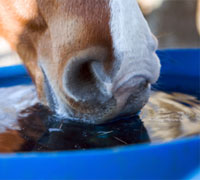
Horses need supplemental salt and fresh, clean water during hot weather.

Make sure the “dog days of summer” don’t bite your horse this year. Even at rest, your horse sweats more during hot weather, and he needs enough sodium (salt) to stay hydrated. One ounce per day (two tablespoons) is adequate for maintenance during cool months, but hot, humid weather calls for at least two ounces per day, and more if your horse is in work of any kind.

Provide a plain, white salt block in close proximity, and make sure your horse licks it; many horses do not—salt crystals may create tiny scratches on the tongue. Even better is to offer salt free choice by pouring granulated table salt in a bucket. You can also add salt to each meal. Use iodized salt only if your horse is not receiving iodine from another source. As for mineralized salt blocks, horses often avoid these because of their bitter taste.

If your horse works more than two hours at a time, then consider supplementing with electrolytes, which you can provide after exercise by adding it to a gallon of water. But remember: Electrolytes alone will not protect against dehydration, and electrolyte supplements should be given only to a horse that is already in good sodium balance. Electrolytes are designed to replace what is lost from perspiration and should contain at least 13 grams of chloride, 6 grams of sodium, and 5 grams of potassium.

And always, be sure to keep fresh, clean water nearby.

For more on this subject, sign up for Dr. Getty’s August 11 TeleSeminar, “Things You Need to Know About Salt, Water, and using Electrolyte Supplements”; get more details and register at www.gettyequinenutrition.com. The seminar will be recorded so registrants also have the option of listening at a later time.

Dr. Juliet Getty has taught and consulted on equine nutrition for more than 20 years. At www.gettyequinenutrition.com horse owners and managers will find a library of helpful articles, a forum on nutrition, and a calendar of appearances, teleconferences and interviews; she is also available for individual consultations.

Why is there a horse in my basement?

1

I read a lot of horse-related news here at Horse Illustrated HQ, and after a few years of doing this, I’ve noticed trends. For example, several times throughout the winter I will read stories about horses that have fallen through an iced-over pond in or near their pasture. Surprisingly, these tend to have happy endings after an edge-of-your-seat tale that usually involves volunteer fire departments. This trend helps me to appreciate the importance of secure fences and safe turnout areas.

Here’s a mid-summer reminder. On Monday, a horse owner in Colorado went down into her basement to investigate a strange noise and found her horse looking back at her. The horse, named Summer, had apparently fallen down a window well and into the basement. Summer was unhurt other than a few scrapes, but the basement didn’t have a door to the outside, and the stairs were not sturdy enough to support a horse’s weight.

The county road and bridge department brought in a backhoe to clear a space around one of the basement windows. With help from the local sheriff and fire departments and her owners, Summer was able to fit through the window to be a free horse once again. Check out this article for some photos of the rescue.

Some reports of the incident state that the sheriff believed the horse didn’t see the window well because it was obscured by tall weeds. Another article quoted the horse’s owner as saying that she must have stepped on the plexiglass covering the well. I’m guessing this means that the horse didn’t escape her turnout area, but that the house is actually enclosed within the turnout area.

It’s said so often it’s almost a cliché, but if a there is a way for a horse to hurt himself, he will find it. I think Summer supported that statement this week.

<< Previous Entry

Back to The Near Side

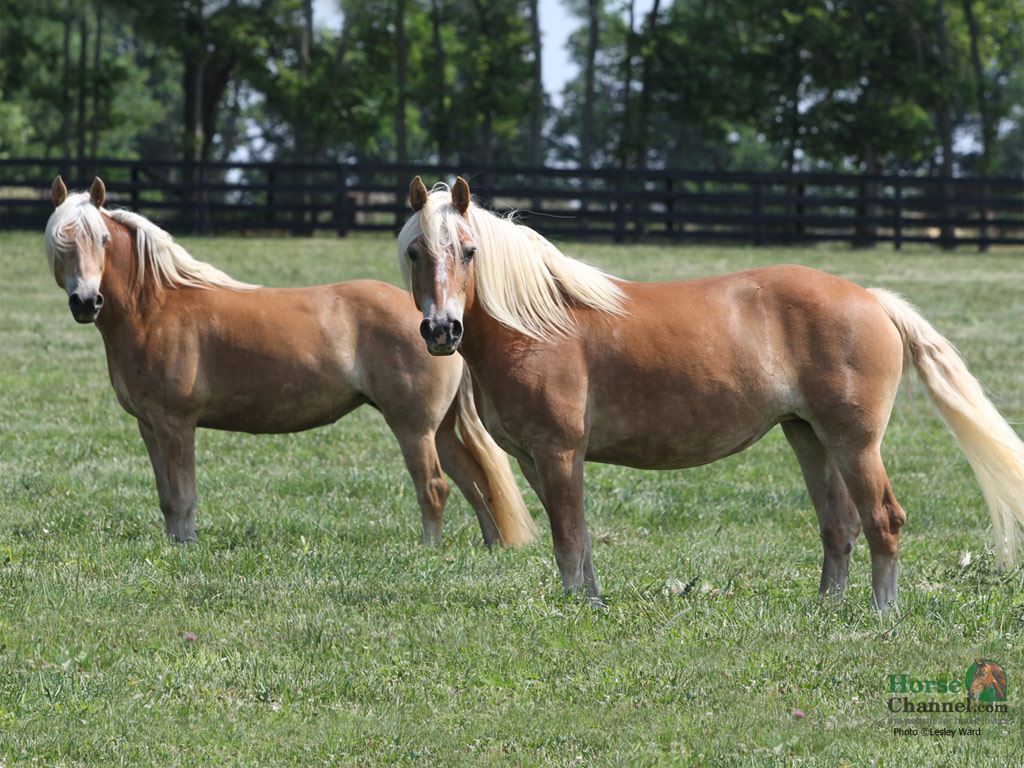
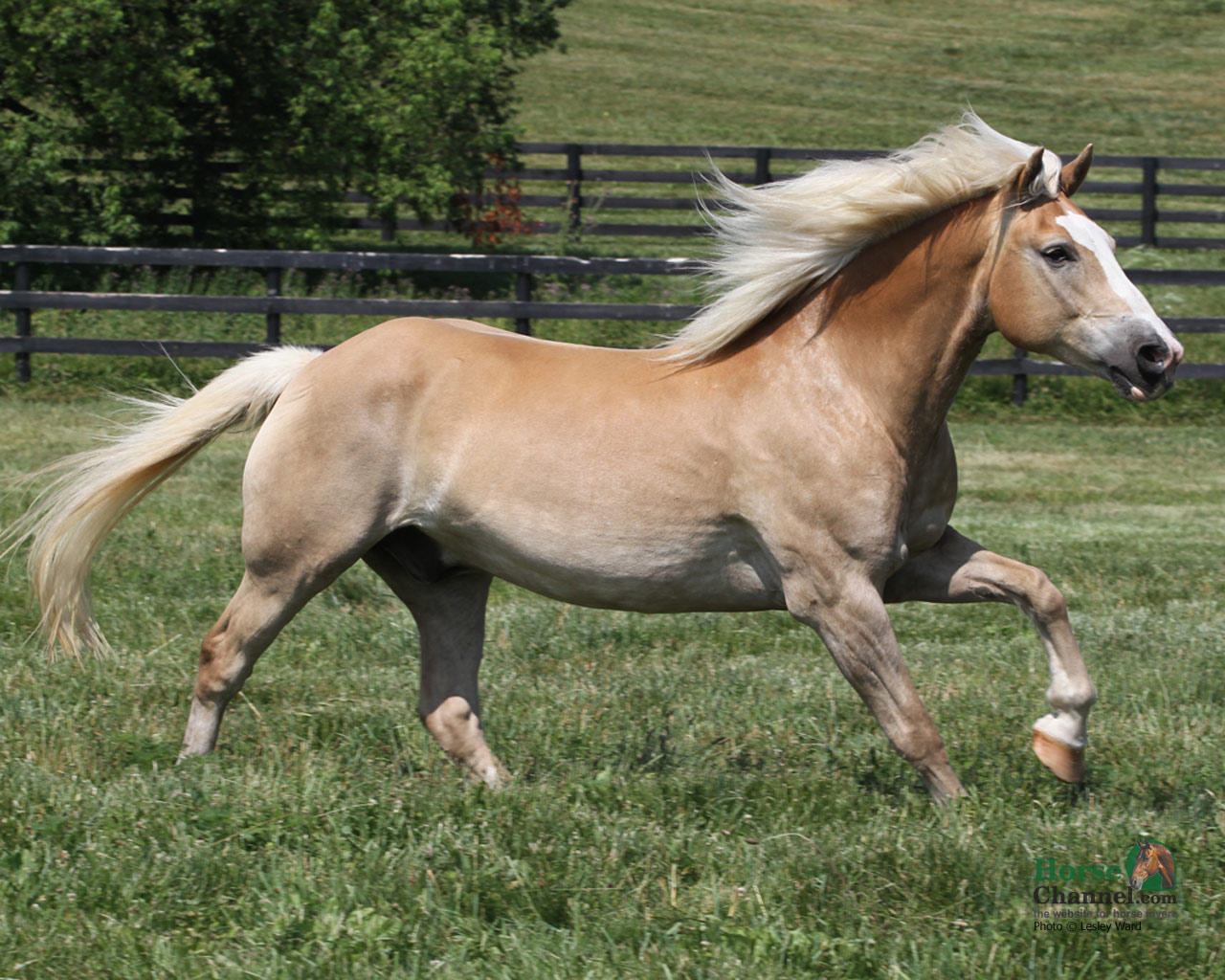
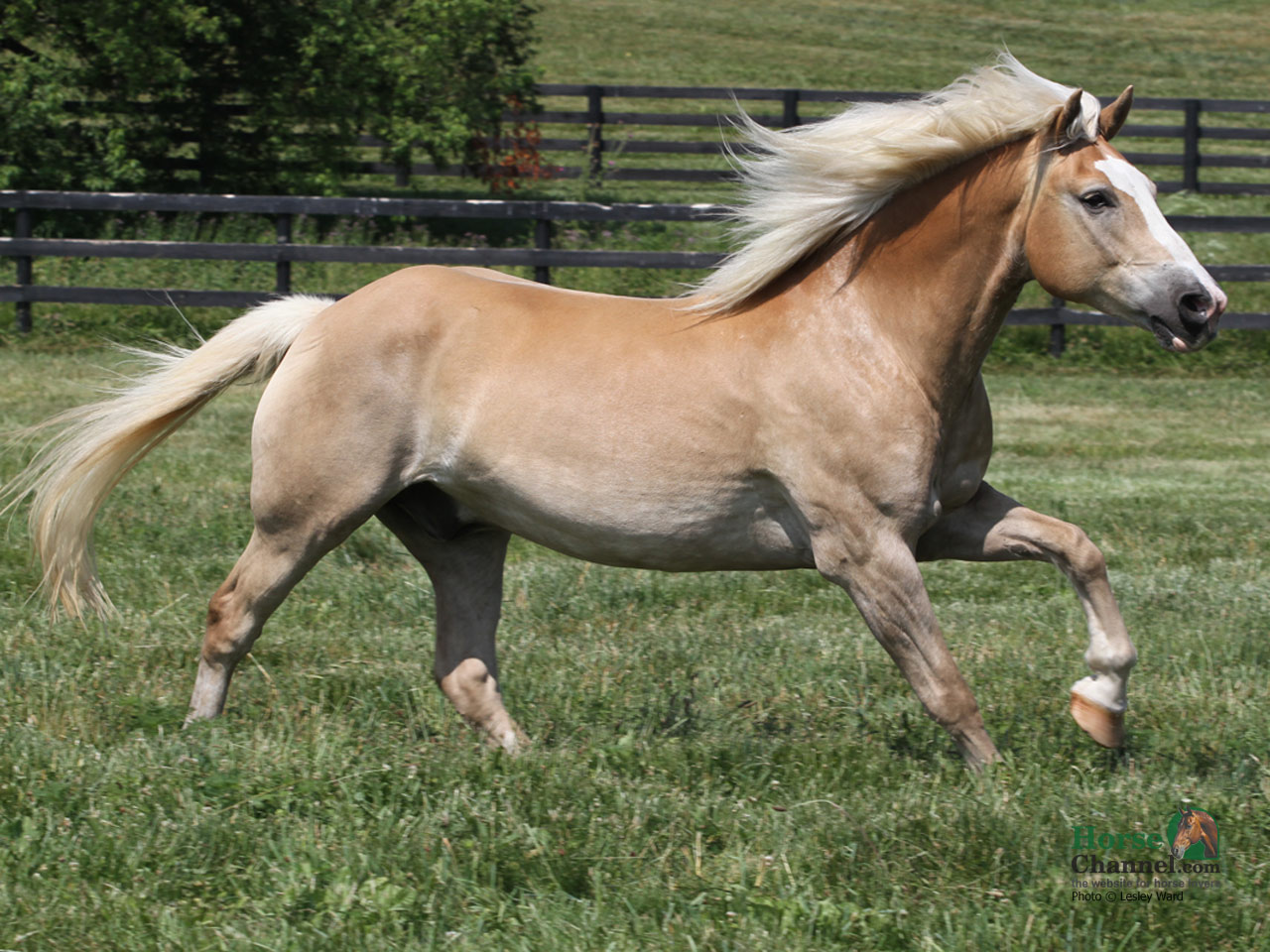
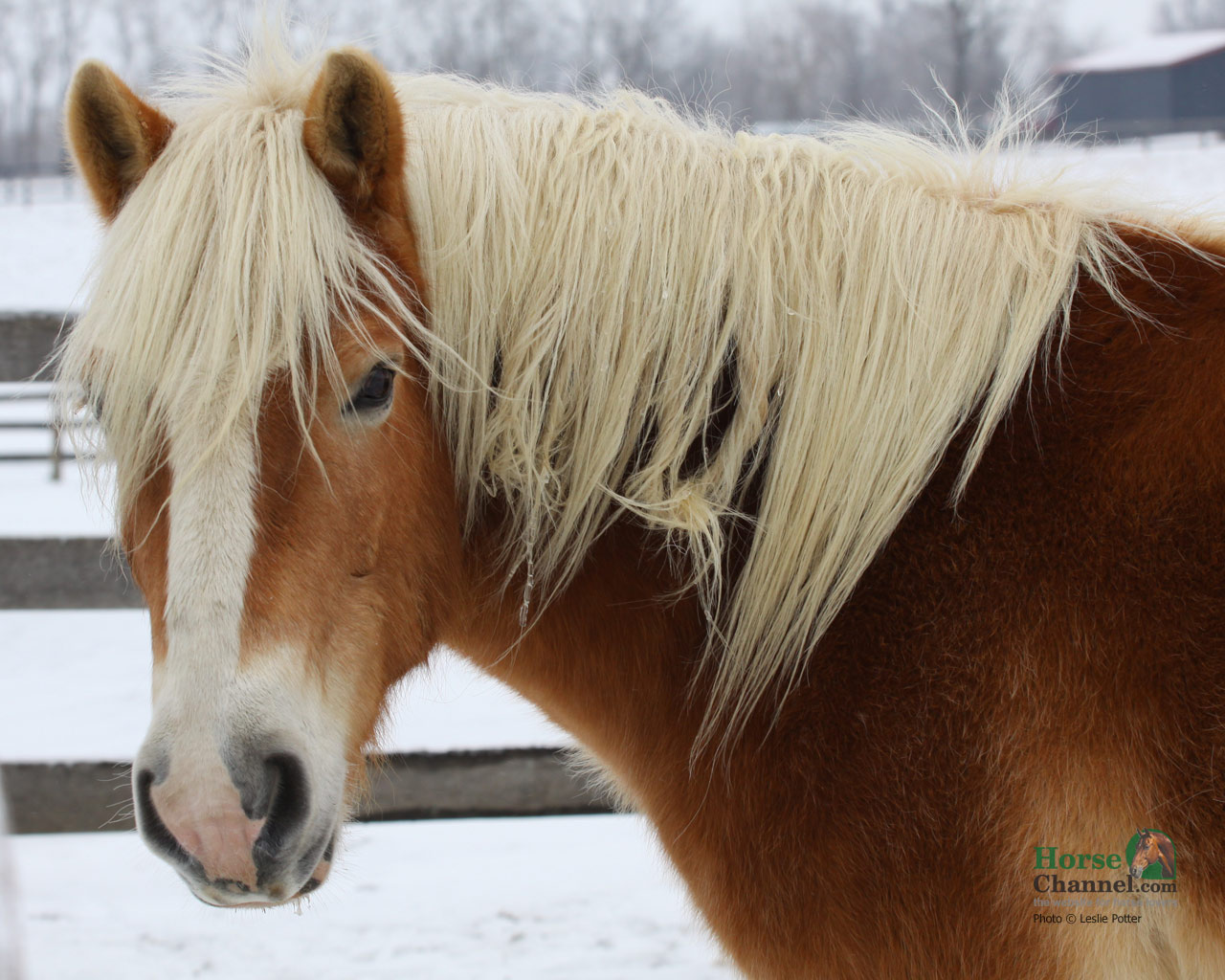
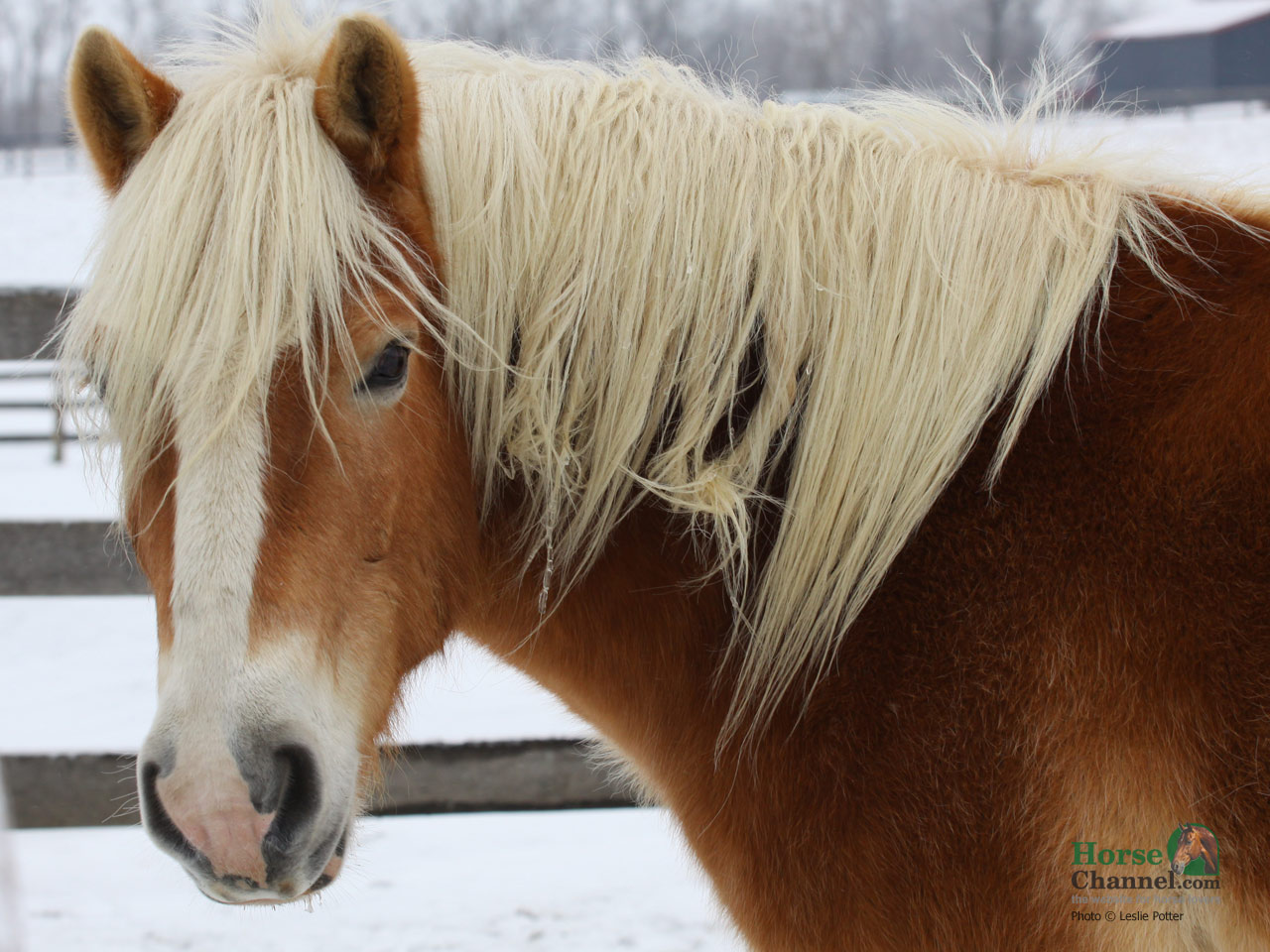
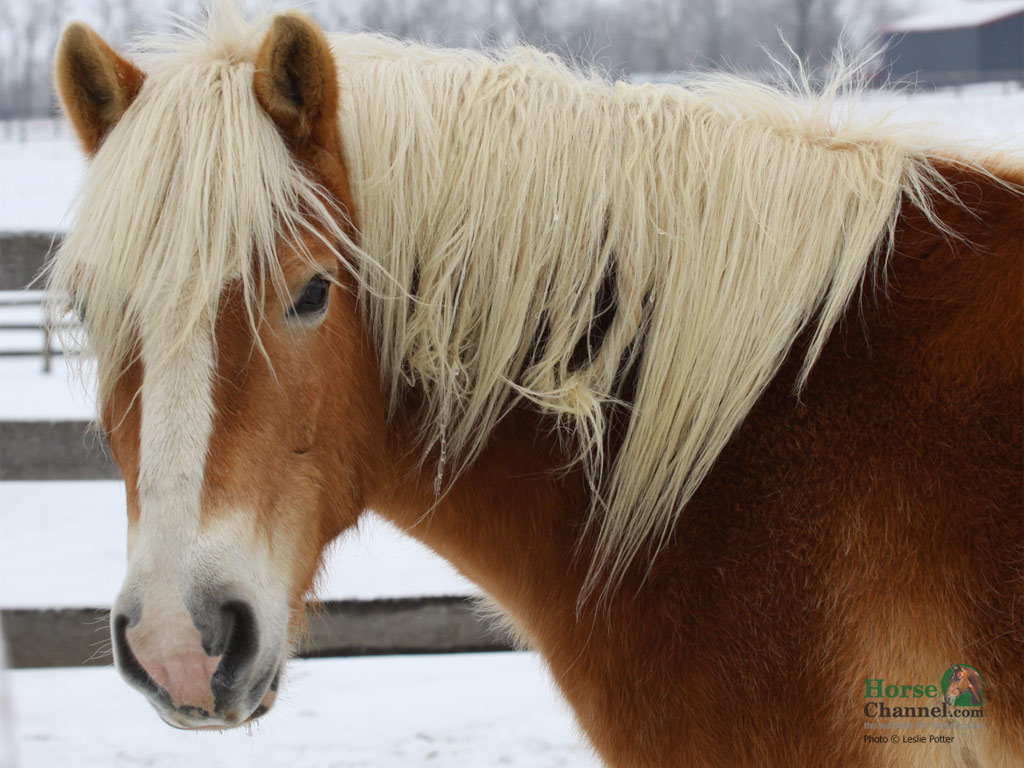
Haflinger Horse Desktop Wallpaper

0

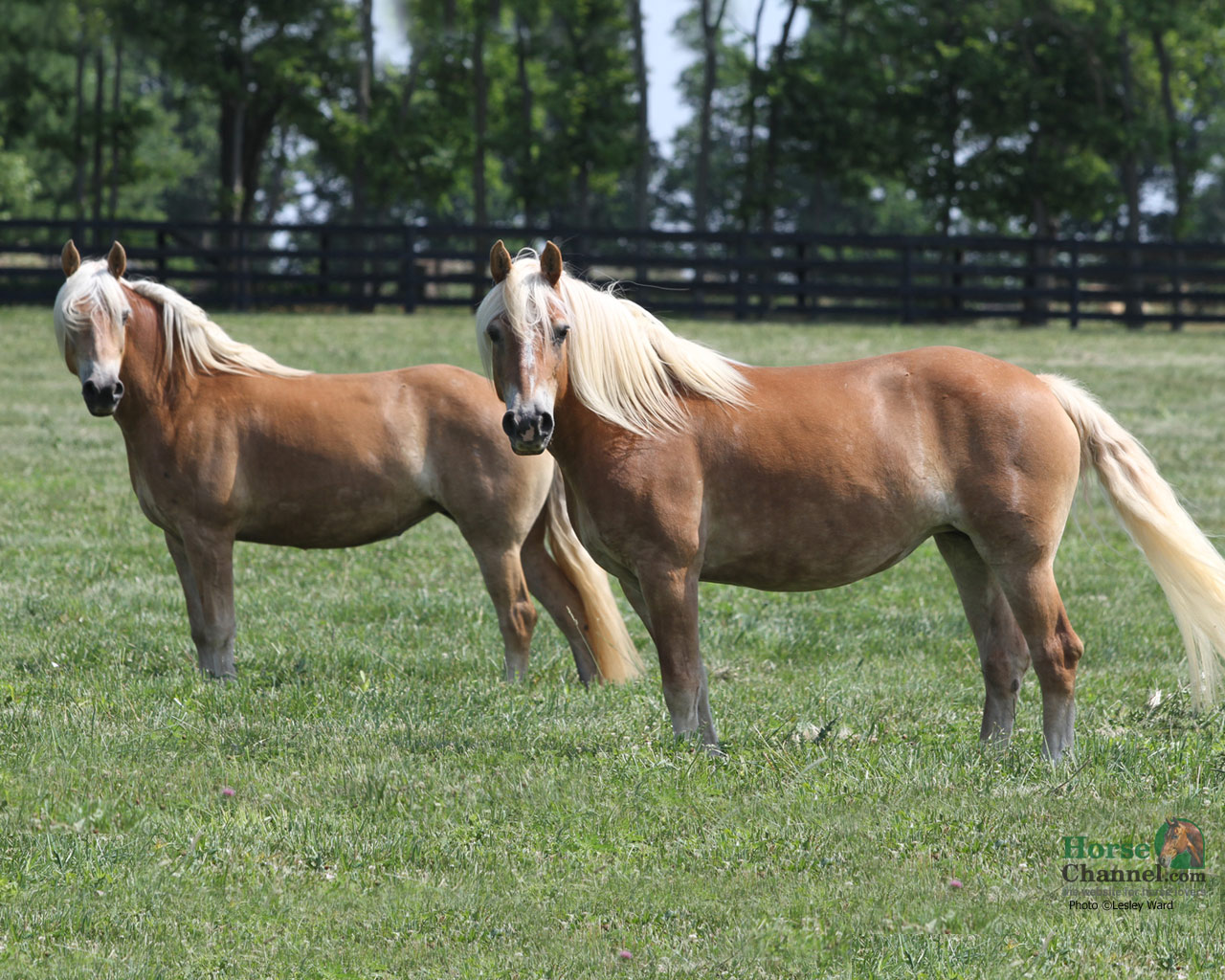
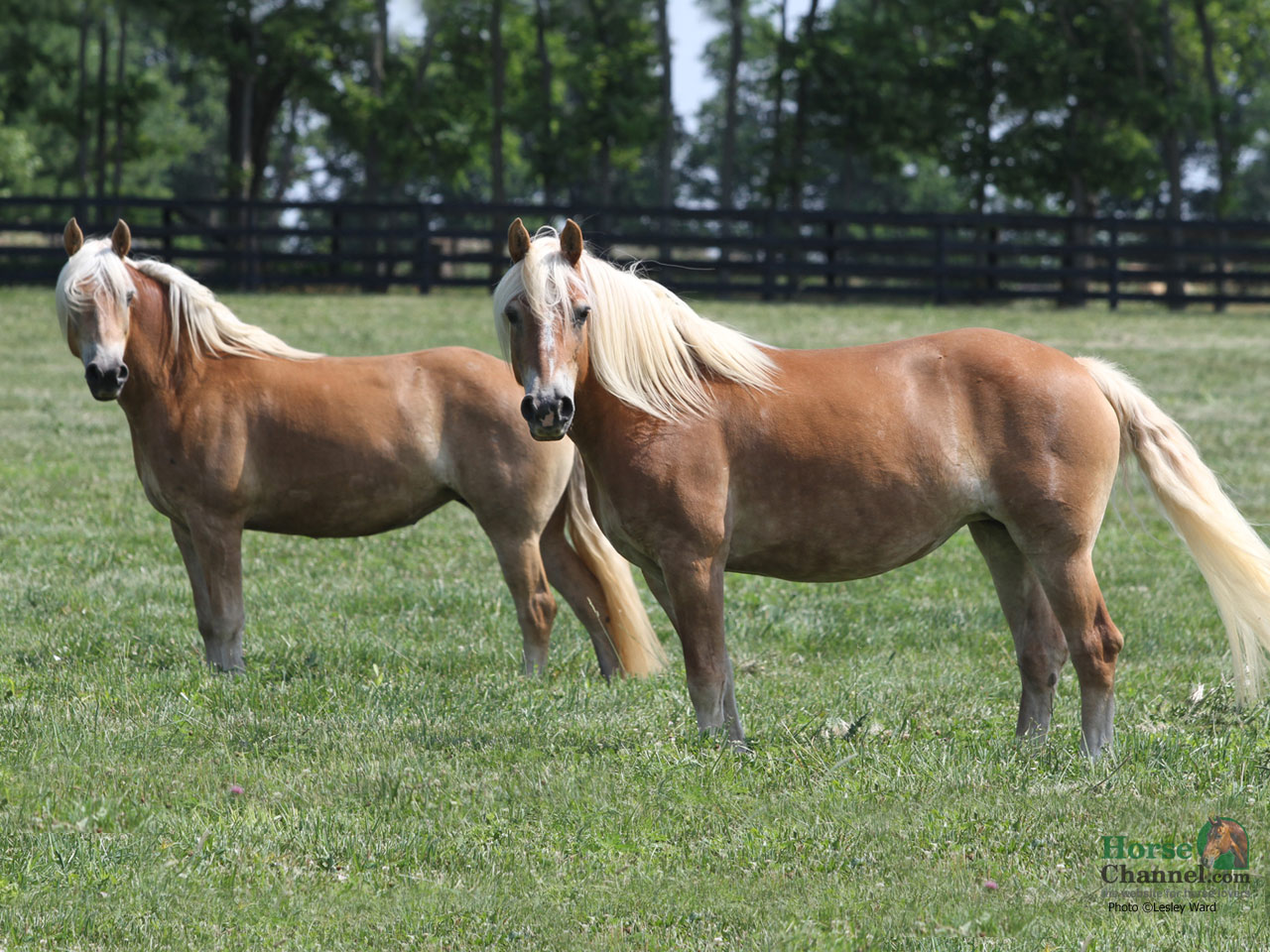
Download and install free Haflinger horse wallpapers for your computer desktop. To save, click the link with the appropriate dimensions, then right-click the image and select “Set as Background.”

Haflinger Horses
1280×1024 1280×960 1024×768
Haflinger Horse
1280×1024 1280×960 1024×768
Haflinger Horse
1280×1024 1280×960 1024×768

Click here for more free desktop wallpaper and screensavers.


0FansLike
0SubscribersSubscribe
We use cookies to help personalize content, tailor and measure ads, and provide a safer experience. By navigating the site, you agree to the use of cookies to collect information. Read our Cookie Policy.
OK